
Reviewed · CYCLING TOURS
4.5-hr Kyoto Historical Highlights Bike Tour with UNESCO
Kyoto, but on two wheels. This 4.5-hour Kyoto historical highlights bike tour with UNESCO mixes Zen temple time with a calm riverside ride, plus lunch in a traditional Japanese house. I especially like two things: the included bike setup (helmet, lock, insurance covered) and the way your stops hit both famous and slightly quieter Kyoto moods, from Gion streets to Kennin-ji’s rock garden. One thing to keep in mind is that you will be on roads and following rules closely, so if you dislike cycling in traffic, you may feel a bit tense.
The tour is built around a small group of up to 5 people, and the guiding style matters. Guides such as Woohee, Tobu, and Karin have been praised for clear explanations of temple culture and for sharing ideas for what to do next, which is a big deal on a short day like this. The other consideration is practical: the meeting point near Kyoto Station is easy once you clock it, but I’d plan to arrive a little early so you do not waste time hunting for the Magical Trip sign.
At $96, this is not the cheapest way to see temples, but it can be good value because so much is bundled in. You pay once, and then you ride, eat, and enter Kennin-ji without extra scrambling. If you want a very quiet, fully car-free Kyoto day, though, you may prefer walking plus public transport for total control.
In This Review
- Key highlights that make this tour worth your time
- Why biking Gion and Zen temples works so well
- Price and logistics: what $96 buys you (and why it matters)
- Meeting near Kyoto Station: the start that can trip you up
- Kamo River to Gion: setting the Kyoto mood fast
- Kennin-ji temple: Zen rock garden time you will actually understand
- Nanzen-ji and Heian Shrine: from monastery calm to Kyoto’s grand frame
- Lunch in a traditional Japanese house: soba, matcha, and sweet details
- The KYOTO ECO TRIP bike shop visit: learning without wasting time
- Finishing along the Kamogawa: Kyoto’s everyday pace
- Cycling rules and practical tips you should not ignore
- Who should book this Kyoto bike tour, and who should skip it
- Should you book this tour?
- FAQ
- How long is the Kyoto historical highlights bike tour?
- What is the price per person?
- Where do I meet the tour guide?
- Is the bike rental included?
- Is lunch included, and what are the options?
- Which temple entrance fees are included?
- Are headphones or smartphone use allowed during the ride?
- Is the tour suitable for wheelchair users?
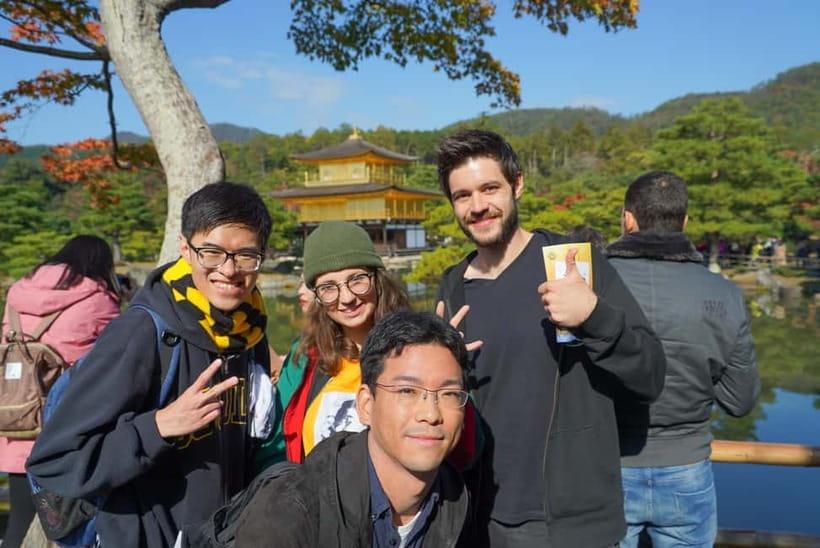
Key highlights that make this tour worth your time
- Kamo River start and Kamogawa finish, so you get calm water views at both the beginning and end
- Kennin-ji and its Karesansui rock garden, with guided Zen context, not just sightseeing
- Nanzen-ji, Heian Shrine, and UNESCO-linked historic Kyoto, packed into a short riding schedule
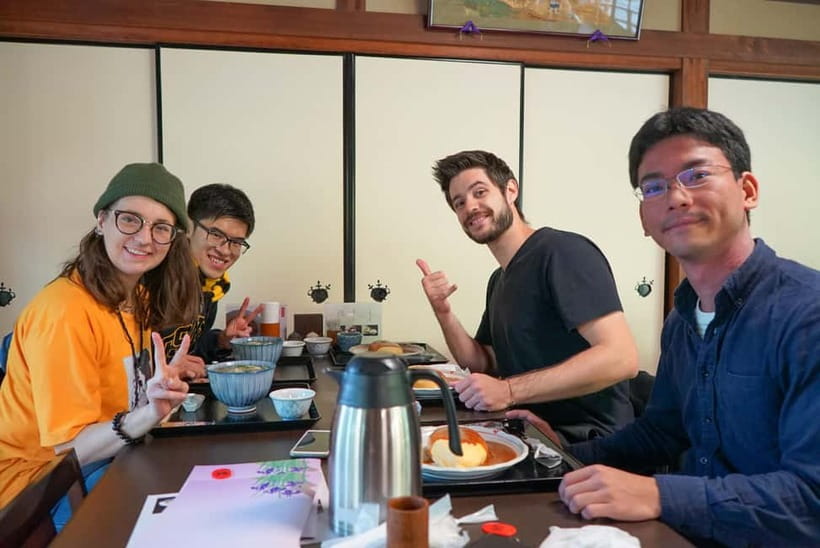
- Traditional lunch at a tea-house style setting, including matcha, mochi, and several soba options
- Small group size (max 5), which helps with pacing and easier questions for your guide
- No bike rental stress, because the bike, helmet, and lock are provided
Why biking Gion and Zen temples works so well
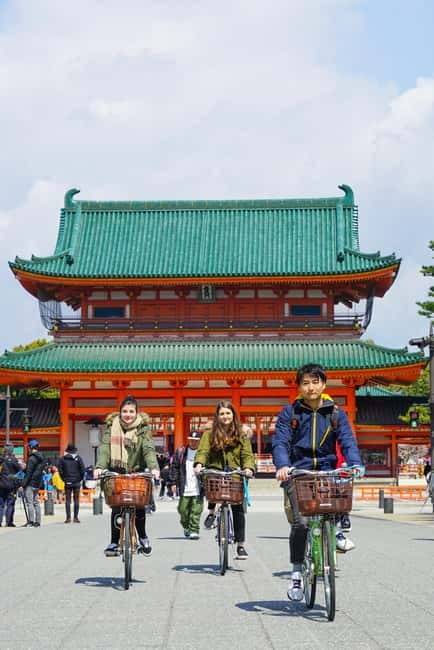
Walking Kyoto can feel like you are constantly starting and stopping. On this bike tour, you do the same sites, but you also get that in-between Kyoto texture: side streets, small courtyards, and the everyday flow of neighborhoods.
I like that the route is not just a checklist. You begin along the Kamo River, then move into Gion, where Kyoto’s geisha district reputation is real but not every street is crowded at once. After that, the day shifts into Zen temples like Kennin-ji and Nanzen-ji. Those moments of quiet can feel dramatic after the lively Kyoto vibe, and the bike helps you reach them without draining your energy.
Most tours sell you temples. This one also gives you a calmer rhythm, with rides that let you breathe between major stops. That matters on a city day when heat and crowds can wear you down fast.
Price and logistics: what $96 buys you (and why it matters)
For $96 per person, you get more than “a guide.” The included items are the kind that add up quickly if you do it on your own: the rental bike, helmet, and bike lock, plus bike insurance that covers bodily injury liability. You also get tour photos, which is handy because you are not supposed to be fiddling with your phone while cycling.
You also get lunch, with vegetable or vegan options available. One careful note: the meal includes fish stock even for vegetable or vegan choices. If you are avoiding fish or strictly following dietary rules, you will want to plan accordingly and let the operator know at least 1 day in advance.
Entrance fees are included for Kennin-ji, and your timing is managed so you are not paying extra or wasting half your day figuring out transit.
So is it a bargain? Not always. But it can be fair value because you are bundling bike access, a guided cultural route, major temple entrances, and a traditional meal into a single price.
More of Kyoto's centuries, explained
- Kyoto Gion: 2-Hour Geisha Culture & History Walking Tour
★ 5.0 · 1,186 reviews - Kyoto Gion Historical Walking Tour
★ 5.0 · 188 reviews - Historical Kyoto E-Bike Tour
★ 5.0 · 181 reviews - Kyoto: Nijo Castle World Heritage Guided Tour with Admission
★ 5.0 · 128 reviews
Meeting near Kyoto Station: the start that can trip you up
You meet outside Kyoto Station at a 7-Eleven at the Hachijo guchi exit side, in front of the store. The guide waits with a Magical Trip sign.
This matters because Kyoto Station is huge, and “meet at the station” is where people lose time. I’d treat this like a real departure point, show up a bit early, and confirm you are at the correct 7-Eleven outside the right exit.
Also, bring comfortable shoes. Even though you are biking, you will still walk around temple areas and along river paths, and you do not want stiff soles ruining the day.
Kamo River to Gion: setting the Kyoto mood fast
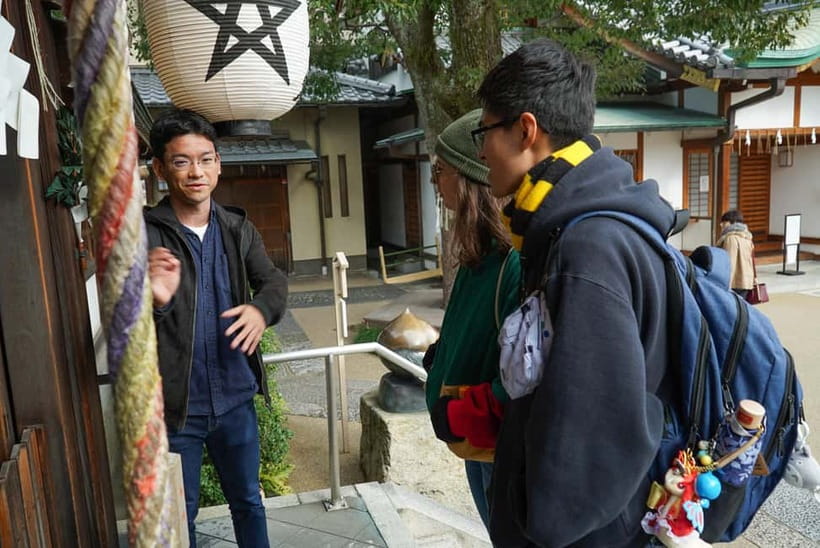
The tour starts with a ride along the Kamo River for about 15 minutes. This short opening is smart. It helps you settle into biking right away, and it gives you an easy first view of Kyoto’s river life. Then you head into Gion, where the streets start feeling more distinctly “Kyoto.”
Gion on a bike tour is different from the usual photo stop. You can move past blocks without losing the vibe, and your guide can explain what the area represents culturally. This is where the tour’s tone becomes clear: you are not just taking pictures, you are learning the meaning behind what you are seeing.
One more practical point: cycling rules are part of the experience. You are expected to follow traffic instructions from your guide. That keeps things safer, especially since you are sharing roads with cars and bikes.
Kennin-ji temple: Zen rock garden time you will actually understand
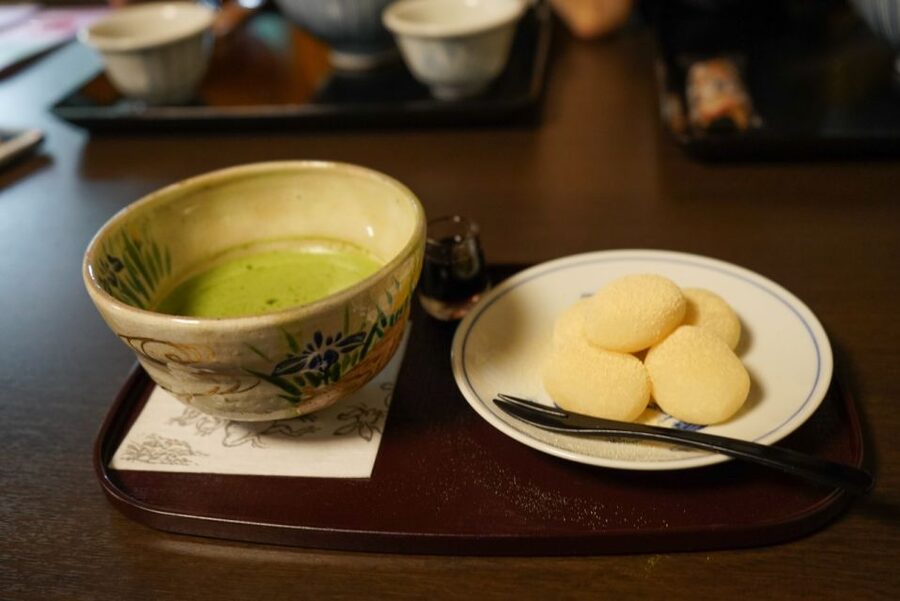
Kennin-ji is the centerpiece for Zen culture on this route. You spend about 75 minutes here, which is long enough for real absorption, not just a quick “see it, leave it” loop.
The big attraction is the Zen rock garden called Karesansui. The tour description frames it as the kind of experience where you start to feel what Zen is about, not just what it looks like. With a guide explaining cultural concepts, you are more likely to notice details you would otherwise skip.
Kennin-ji in Gion also has a special logic. It lets you contrast the geisha district image with the quieter spiritual side of the same city. That contrast is what makes this stop memorable.
If you are sensitive to sound during temple time, it can help to remember that one review suggested adding a clip-on microphone because some guides may be soft spoken. You might want to come with a few questions ready, and if you cannot hear clearly, ask your guide to repeat.
Nanzen-ji and Heian Shrine: from monastery calm to Kyoto’s grand frame
After Kennin-ji, you cycle to Nanzen-ji, with about 80 minutes there. This is another Zen-heavy stop, and it comes with guide context about the old days of Kyoto. You also get photogenic moments, which matters at temples because the “right angle” is often the difference between a dull photo and a Kyoto-correct one.
Then the itinerary includes Heian Shrine for about 20 minutes. This is a shorter visit, so think of it as a viewpoint and atmosphere stop rather than a full deep temple session. Even at 20 minutes, it helps shift the day from the monastery feel into Kyoto’s more ceremonial presentation.
Together, these temples cover a lot of emotional range. You start in river calm, move into Gion’s cultural identity, then settle into Zen, and finally you end with Kyoto’s more formal shrine energy.
And yes, since the tour is described as with UNESCO, you can expect an emphasis on major historic Kyoto sights, not random sidetracks.
A quieter way to spend a day in Kyoto
Lunch in a traditional Japanese house: soba, matcha, and sweet details
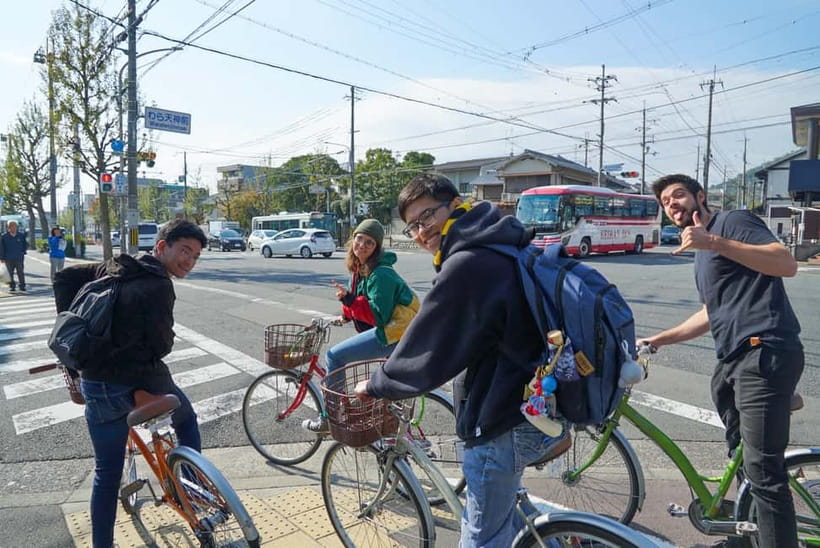
Lunch is around 45 minutes, and it is one of the most praised parts of the day. The setting is described as a traditional Japanese house, and guides have been credited with choosing a restaurant that feels authentic.
The menu leans local Kyoto comfort. You get soba dishes, and there are multiple options. There are also sweets with matcha and mochi. If you have a sweet tooth, you will also want to pay attention to a souvenir shop next door where yatsuhashi (a Kyoto-style sweet) is available to try.
A quick dietary reality check, since this matters in Japan. Vegetable or vegan options are available, but fish stock is still used. The operator asks that you share allergies or dietary requests at least 1 day ahead, because they prepare food in kitchens that are not theirs and cannot guarantee allergy-free meals or substitutions on the spot.
If your needs are moderate (for example, you avoid meat but can handle fish stock), this is usually workable. If you have strict allergy rules, you should treat the lunch as a potential risk and plan carefully.
The KYOTO ECO TRIP bike shop visit: learning without wasting time
One segment on the itinerary includes a stop at the Rental Bicycle KYOTO ECO TRIP Flagship shop for about 30 minutes, with a guided component.
This is worth noting because it breaks up the long day and gives you a practical transition point. You can ask questions, understand more about the bike setup, and keep the day organized instead of feeling like you are just hopping from one location to the next.
You do not need this stop to enjoy the tour, but it helps the day feel structured, especially for people who are not regular cyclists.
Finishing along the Kamogawa: Kyoto’s everyday pace
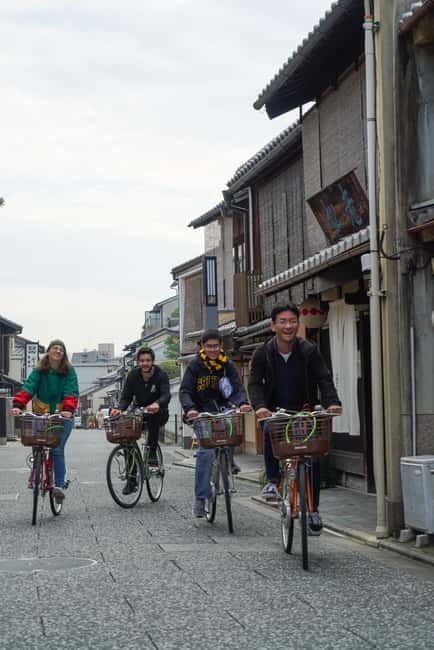
The final stretch is a relaxing ride along the Kamogawa river to wrap up the tour. You get that Kyoto-esque route feeling again, with locals using the riverside space and sunshine.
This ending is not just scenic. It’s a smart way to bring your energy down after temples and lunch. Instead of ending at another indoor activity, you end with movement and open air. If you are prone to temple fatigue, this can feel like a reward.
Because cycling is involved until the end, it also helps you leave the day with clear momentum instead of feeling stranded at the last site.
Cycling rules and practical tips you should not ignore
This tour takes safety seriously, and Japan is strict about certain behaviors while riding. Here are the rules that matter most for your experience:
- No headphones during the tour
- No alcohol before or during cycling
- No smartphone use while cycling. If you need it, you use your phone when the bike is stopped
- You must follow traffic rules as instructed by your guide
- If weather is unsafe, the tour might be canceled for safety
I also recommend you plan your comfort in advance. Adjust your posture, keep your grip relaxed, and let the guide’s pace set the rhythm. If you are worried about cycling confidence, this tour is not limited to racing riders. It is open to anyone 150 cm tall or more, and the tour notes that it is for anyone, not only skilled cyclists.
Finally, if you want to capture photos, let the tour’s tour photos cover the moments you cannot safely photograph. Then use your phone during stops for quick shots. That keeps the day smooth and avoids stress.
Who should book this Kyoto bike tour, and who should skip it
This tour is best for you if you want:
- A guided route through Gion, Kennin-ji, Nanzen-ji, and Heian Shrine
- A bike-based shortcut across Kyoto that does not require renting equipment
- Temple context, especially Zen culture at Kennin-ji
- A real sit-down traditional lunch with Kyoto soba and matcha mochi
It can be a great match for families with teenagers too, especially if they like getting around on bikes. Reviews also highlight that cycling is easier in Kyoto with a strong local guide and well-planned routes.
You should consider skipping if:
- You need wheelchair access, since it is not suitable for wheelchair users
- You are under 150 cm tall
- You dislike any on-road cycling rules, because you will be expected to follow instructions and ride in shared road conditions
If your ideal Kyoto day is completely low-effort and fully pedestrian, you might prefer another style of tour. But if you want a smart blend of culture, comfort breaks, and movement, this one fits nicely.
Should you book this tour?
Yes, I think you should book it if you like guided context and you want Kyoto in one half-day without spending hours figuring out transport and rentals. The included bike, helmet, lock, insurance, and Kennin-ji entrance reduce hassle, and the small group size means your guide can actually explain instead of rushing.
I would book with extra care if you have fish-related dietary needs, because even vegan or vegetarian lunch choices include fish stock. If that is a deal-breaker, verify your situation before you go.
If you are comfortable cycling and you want Gion plus Zen temples plus a traditional lunch, this tour is a strong, practical choice for a first or second Kyoto trip.
FAQ
How long is the Kyoto historical highlights bike tour?
The tour duration is 270 minutes, which is about 4.5 hours.
What is the price per person?
The price is $96 per person.
Where do I meet the tour guide?
You meet in front of a 7-Eleven outside Kyoto Station at Exit Hachijo guchi. It is next to Hotel Via Inn Prime, and the guide is holding a Magical Trip sign.
Is the bike rental included?
Yes. The tour includes the rental bike, plus helmet and a bike lock.
Is lunch included, and what are the options?
Lunch is included. Vegetable or vegan options are available, but fish stock is still used. You should inform the provider at least 1 day before if you have dietary requests or allergies.
Which temple entrance fees are included?
The entrance fee included is for Kennin-ji.
Are headphones or smartphone use allowed during the ride?
Headphones are not allowed. Smartphone use while cycling is prohibited. You can use a smartphone when the bicycle is stopped.
Is the tour suitable for wheelchair users?
No. The tour is not suitable for wheelchair users. It also requires participants to be at least 150 cm tall.
If you want, tell me your dates and your biking comfort level, and I’ll help you decide whether this 4.5-hour route sounds like the right pace for you.
New This Season
- Koyasan Day Trip by Private Car from Kyoto
- Old Port Town and Ultimate Sake Tasting Private Tour From Kyoto
- Kyoto’s Timeless Charm: 3hr Exploration of History and Peace
- Kyoto: 5 Types of Sushi Making
- Sacred Peak & Ancient Paths: Kurama-Kibune Hiking Experience
- Kyoto: Exclusive ZEN practice at Manpukuji temple in Uji
- Kyoto: Private Seasonal Aroma Yoga Class
- Traversing Kyoto’s Scenic West – Arashiyama to Kinkakuji
Cycling Tours, compared.
Bike Tour Exploring North Kyoto plus Lunch
Read our review →
Arashiyama Bamboo Forest & Hidden Gems Bike Tour (Early Bird)
Read our review →
5 Top Highlights of Kyoto Full Day Bike Tour (E-bike option)
Read our review →
Full Day Biking Tour Exploring the Best of Kyoto
Read our review →

Afternoon Kyoto Bike Tour: Bamboo Forest, Monkeys & Hidden Spots
Read our review →
South Kyoto in a Nutshell: Gentle Backstreet Bike Tour!
Read our review →Also filed under