
Reviewed · CONCERTS
Concerts Played with Traditional Instruments in Kyoto
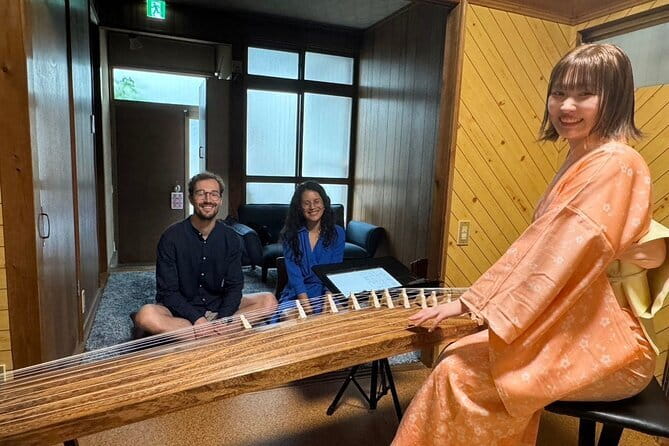
Music in a private Kyoto home hits different. You get a clear koto and shamisen introduction before the first note, then a home concert with a live performance plus Q&A and photo time, all in a tight 50-minute window. The one drawback is simple: it is not a big, ticket-queue theater experience, so if you want lots of roaming time, this format may feel short.
I like how this is set up to help you actually listen. You hear classical pieces alongside modern and original music, including Chidori no Kyoku and Rokudan no Shirabe, and you are given names to latch onto like Yoshizawa Kengyo, Yatsuhashi Kengyo, and Kikuoka Kengyo. The biggest payback is that the music lands with context, not guesswork, especially if it is your first time hearing these instruments live.
In This Review
- Key points to know before you go
- Why this Kyoto koto and shamisen concert feels special at home
- Gen Home Saiin: where the stage becomes a real living space
- The pre-concert intro that turns listening into understanding
- Inside the 50-minute program: classical staples and modern twists
- Q&A and photos: your chance to connect with the musicians
- Optional hands-on koto upgrade: trying a simple piece
- Price and value: is $39.63 a good deal for Kyoto?
- Who should book this and who might skip it
- Practical tips so you enjoy every minute
- Should you book this Kyoto koto and shamisen concert at Gen Home Saiin?
- FAQ
- How long is the concert?
- Where does the concert take place?
- What instruments will I hear?
- Do I get an introduction before the performance?
- Is there time for Q&A and photos?
- Can I participate in a hands-on koto activity?
- What is included in the price?
- Is coffee or tea included?
- Is private transportation included?
- What is the cancellation policy?
Key points to know before you go
- Intro before the concert: learn what you are hearing right as the music starts.
- Live performance plus Q&A and photo-taking: you get to ask questions and interact after the set.
- Classical pieces and modern touches: you may recognize melodies even if you have only heard them in passing.
- Hands-on koto upgrade option: you can try playing a simple piece if you add the upgrade.
- At Gen Home Saiin, near public transit: a traditional home becomes the stage for a private or small group show.
Why this Kyoto koto and shamisen concert feels special at home
A home setting changes everything. In a hotel hall or a concert venue, sound bounces off walls and turns into background. In someone’s living space turned into a stage, the music feels closer, more personal, and easier to follow.
What I like most here is that the experience is built for your attention. You do not just sit and hope you catch what matters. You learn about the koto and shamisen first, then you hear a live program that mixes classical and newer compositions, so you can listen for how the style shifts.
Second, the post-performance flow matters. You get Q&A and photo-taking, which turns it from a one-way show into a conversation. When you have questions about instruments, or you want context about what you heard, this is the part that pays off.
One consideration: the show is about 50 minutes. That is a good length for staying focused, but you should not plan this as an all-evening activity. If your Kyoto days run late, it still works, because there are multiple tour options throughout the day.
Gen Home Saiin: where the stage becomes a real living space
Your concert happens at Gen Home Saiin, a traditional Japanese home transformed into a performance space. The home is part of the appeal. You are not just watching music, you are seeing how traditional art fits into everyday architecture and space.
The venue setup also supports the format. This is described as a private or small group concert, which usually means the experience is easier to feel connected to. You are near public transportation, so you are not forced into expensive private logistics just to get there.
Practical note: since this is a home setting, treat it like one. Be ready for a more intimate vibe, and keep your expectations tuned to a careful, respectful performance environment rather than a nightlife-style venue.
A quieter way to spend a day in Kyoto
- Kyoto: Traditional Concert at Townhouse or Bathhouse
★ 4.9 · 224 reviews - Kyoto: Japanese Koto & Shamisen Concert and Koto Class
★ 4.9 · 31 reviews - Traditional Concert in Public bath near Kyoto Station
★ 5.0 · 5 reviews - Private Japanese music concert
★ 5.0 · 4 reviews
The pre-concert intro that turns listening into understanding
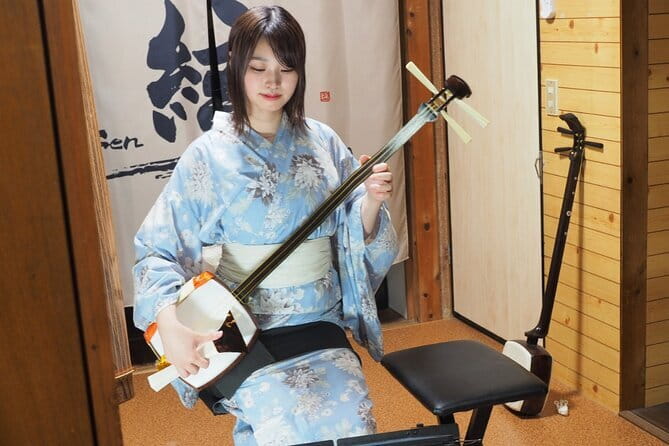
Before the performance starts, you learn about the koto and shamisen instruments. That may sound basic, but it is a huge difference-maker for a first-timer.
Here’s why this matters. When you hear traditional Japanese music without any context, it can still sound beautiful, but you might not know what to listen for. With a brief introduction and explanation, you can follow along better and catch the character of each instrument during the live set.
If you are the type who likes to connect music to names, you will appreciate the program’s focus on both composers and pieces. The set is infused with deep emotion, and it references legendary figures including Yoshizawa Kengyo, Yatsuhashi Kengyo, and Kikuoka Kengyo. Knowing the names gives you a stronger thread as the music changes pace and mood.
Also, the explanations and Q&A are handled in English, based on participant feedback. If you want to ask questions without stress, this is a helpful detail.
Inside the 50-minute program: classical staples and modern twists
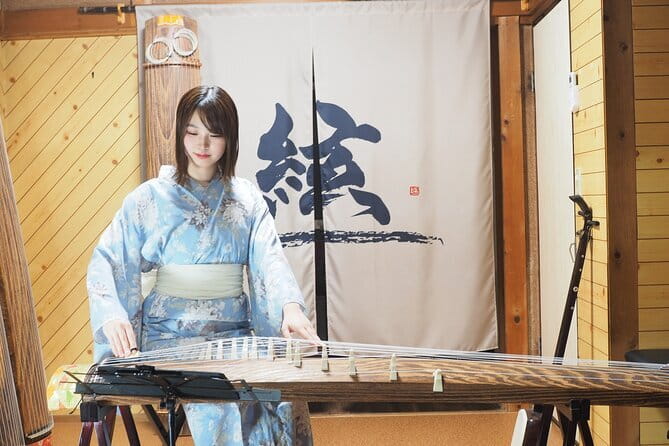
The heart of the experience is the live performance of koto and shamisen music, followed by Q&A and photo time. The program includes classical pieces and also modern and original compositions, so you are not only hearing museum-style repertoire.
A few highlighted selections include:
- Chidori no Kyoku
- Rokudan no Shirabe
- Kajimakura
Some pieces land emotionally. One of the most mentioned reactions is how Chidori no Kyoku can hit hard, to the point that it has made people emotional. Even if you are not expecting that, it is a good sign: the performance is not robotic. It is meant to move you.
The classical pieces also give you structure. For example, hearing Rokudan no Shirabe after an intro helps you track the feel of the music more clearly. Then, when modern or original pieces show up, you get to compare rather than just admire.
If you like recognizing tunes, this is where you may get lucky. The program includes a mix of styles, so even if you have never heard these exact performances, you might recognize how certain melodic ideas behave in Japanese traditional music and how they evolve.
Q&A and photos: your chance to connect with the musicians
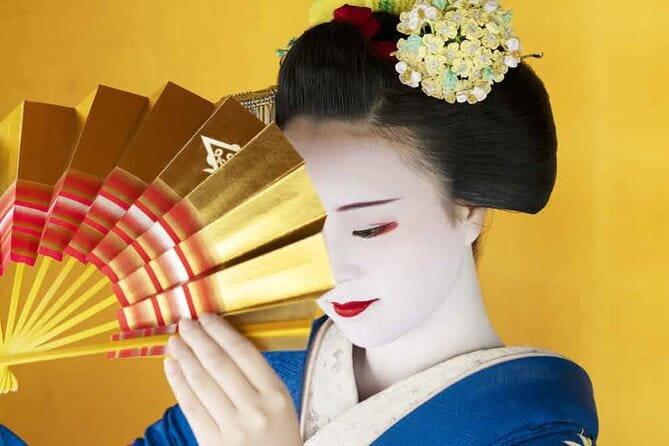
After the performance, you get Q&A and photo-taking. This is more than a nice add-on. It is part of how the experience stays memorable.
Q&A can be your shortcut to understanding what you missed. Maybe you noticed the instruments switching roles, or a change in tempo felt dramatic, or you just want to ask what a piece is about. This is the moment to ask those questions while everything is still fresh in your head.
Photo-taking also helps you remember. Not in a superficial way, but in a practical one. If you want to look back later, a photo taken right after the performance gives you a time anchor, and that makes your memories more concrete.
One more small benefit: because this is a home-based, small format experience, the interaction feels more natural than it does in a huge hall where you barely catch a glance. You are close enough to feel like the artists are speaking directly to you.
Optional hands-on koto upgrade: trying a simple piece
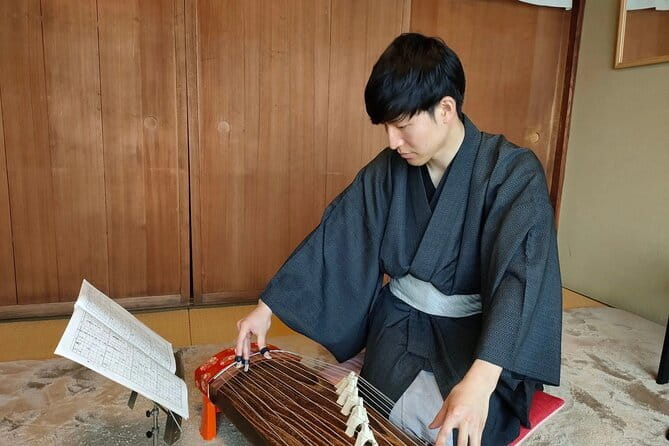
There is an upgrade option to participate in a hands-on koto session. You try playing a simple piece, which is a smart way to include beginners without turning the night into a long lesson.
Why this works: you are not asked to become a musician. You are given a short, doable practice step that lets you experience the instrument from the other side. That changes how the concert sounds afterward, because you understand how much technique is wrapped into what you heard.
Keep your expectations realistic. The goal is participation, not performance-level mastery. Still, for a lot of people, the ability to play even something small is the reason they remember the concert long after the last note.
If you are deciding between the standard ticket and the upgrade, ask yourself one question: do you want to be a listener only, or do you want a tiny hands-on moment that adds meaning to what you heard?
A day of temples goes further with something to break it up.


Price and value: is $39.63 a good deal for Kyoto?
At $39.63 per person, this is priced like a ticket, but it functions more like a full mini encounter. You get:
- The koto and shamisen concert
- A brief introduction and explanation
- Q&A and photo-taking
- Landing and facility fees included
- WiFi on board included
Not included: coffee and/or tea, and private transportation.
So is it good value? For me, the best way to judge is by comparing what you get versus what you give. You are paying for a private or small group performance in a traditional Kyoto home, plus an intro that helps you actually listen, and plus the interaction afterward.
In other words, the price covers more than just the music. It covers the context and the connection, and those are the parts that make traditional performances feel alive rather than distant.
Also, you have schedule flexibility. Multiple tour options run throughout the day, and booking happens on average 33 days in advance. That matters because Kyoto schedules fill fast, and a flexible showtime helps you stitch this into your day without forcing extra stress.
Who should book this and who might skip it
This is a great fit if:
- You are in Kyoto for a short stay and want something authentic and not cookie-cutter.
- You have never heard koto and shamisen live and you want a guided intro.
- You like interactive formats, especially Q&A and photo time.
- You enjoy classical pieces but also want modern or original compositions in the same sitting.
- You would enjoy an optional hands-on koto upgrade.
You might choose something else if:
- You want a long, self-guided cultural program with lots of free time. This is 50 minutes.
- You prefer a large-scale venue atmosphere with no interaction.
- You need included drinks or a private ride. Coffee and/or tea are not included, and private transportation is not included.
If you are traveling with mixed interests, this also works because music is universal, and the intro helps everyone tune in.
Practical tips so you enjoy every minute
A few small things will make this smoother and more enjoyable.
First, arrive with a listening mindset. The intro is there for a reason. When the first piece starts, you will get more out of it if you are ready to pay attention for changes in mood and style.
Second, decide in advance whether you want the hands-on koto upgrade. The upgrade is clearly an option, and it turns the experience from spectator to participant. If you are even slightly curious, that upgrade can be worth it because it adds a new layer to the performance you just heard.
Third, plan the timing like a compact cultural evening. At about 50 minutes, you can often fit this around meals and sightseeing without breaking your day. Because tour options are offered throughout the day, you can choose the time that matches your energy level.
Finally, keep expectations aligned with a home venue. It is near public transportation, so you can handle it without a private car, but it still feels intimate. Treat it like a special performance space, not a casual hangout.
Should you book this Kyoto koto and shamisen concert at Gen Home Saiin?
I think you should book if you want a traditional Japanese music experience that is guided, human, and easy to follow. You get a brief instrument intro, a live performance that mixes classical and modern or original compositions, and a post-show segment with Q&A and photo-taking. Then you can even upgrade to try a simple koto piece.
If you want a big, loud venue or you only care about passive sightseeing time, you might feel limited by the short runtime and the home setting. But if you like thoughtful cultural moments, this is exactly the kind of Kyoto experience that leaves you with real listening memories, not just photos.
If your schedule allows it, I would go for a tour option that fits when you are freshest. This is the sort of 50-minute show where your attention makes the difference between hearing music and understanding what you are hearing.
FAQ
How long is the concert?
The experience is about 50 minutes long.
Where does the concert take place?
It takes place at Gen Home Saiin in Kyoto.
What instruments will I hear?
You will hear live performances featuring the koto and shamisen.
Do I get an introduction before the performance?
Yes. There is a brief introduction and explanation about the koto and shamisen before the concert.
Is there time for Q&A and photos?
Yes. After the live performance, there is a Q&A session and time for photo-taking.
Can I participate in a hands-on koto activity?
Yes. You can upgrade to join a hands-on koto session where you try playing a simple piece.
What is included in the price?
Included are landing and facility fees, WiFi on board, and participation in the koto and shamisen concert with a brief introduction and explanation.
Is coffee or tea included?
No. Coffee and/or tea are not included.
Is private transportation included?
No. Private transportation is not included.
What is the cancellation policy?
You can cancel for a full refund up to 24 hours before the experience’s start time. If you cancel less than 24 hours before, the amount you paid is not refunded.
New This Season
- Koyasan Day Trip by Private Car from Kyoto
- Old Port Town and Ultimate Sake Tasting Private Tour From Kyoto
- Kyoto’s Timeless Charm: 3hr Exploration of History and Peace
- Kyoto: 5 Types of Sushi Making
- Sacred Peak & Ancient Paths: Kurama-Kibune Hiking Experience
- Kyoto: Exclusive ZEN practice at Manpukuji temple in Uji
- Kyoto: Private Seasonal Aroma Yoga Class
- Traversing Kyoto’s Scenic West – Arashiyama to Kinkakuji
Concerts, compared.
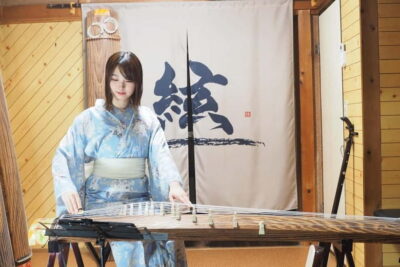
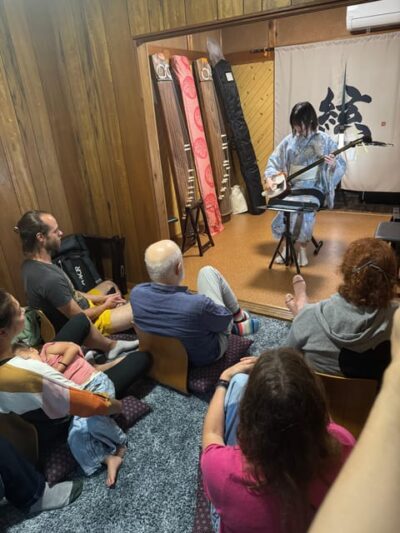
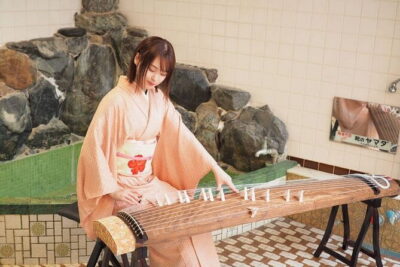
Traditional Concert in Public bath near Kyoto Station
Read our review →
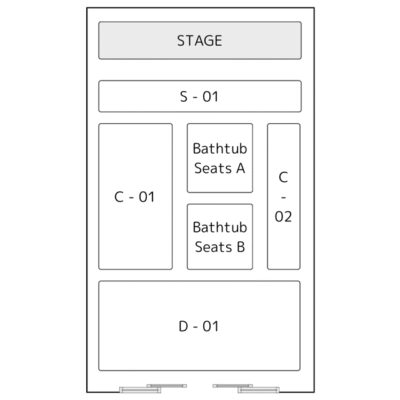
Kujo-yu Sento Traditional Japanese Instrument Concert
Read our review →Also filed under