
Reviewed · CONCERTS
Kyoto: Kujo-yu Sento Traditional Japanese Instrument Concert
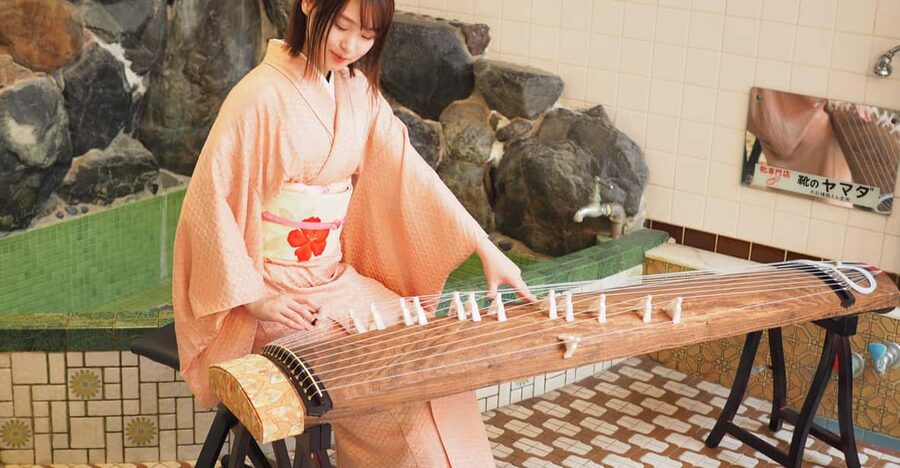
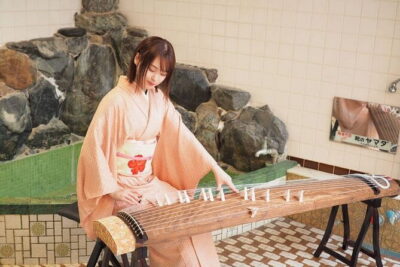
Music changes when it echoes. In Kyoto, I love the way this koto and shamisen concert turns a simple night out into something more local than a standard stage show, all inside the renovated Kujo-yu sento bathhouse. The sound doesn’t just play. It fills the room in a warm, intimate way.
Two things I particularly liked: first, the setting itself. A historic bathhouse makes the music feel more physical, and the venue’s acoustics amplify every plucked note. Second, the program has real range, from classical Japanese pieces to contemporary arrangements and even original compositions that keep the evening feeling fresh.
One drawback to plan around: the venue is not suitable for wheelchair users.
In This Review
- Key Things to Know Before You Go
- Why Kujo-yu Sento Turns a Concert Into a Kyoto Experience
- Finding Kujo-yu by Kyoto Station Without Stress
- What You Hear: Koto and Shamisen With a Mix of Classic and New
- Inside the Renovated Bathhouse: Acoustics and Intimacy
- The 50-Minute Timing: How to Plan Your Evening Flow
- Price and Value: Is $32 Worth It in Kyoto?
- Who This Concert Suits Best (And Who Might Not)
- Pairing It With Kyoto Sights: A Simple Day Plan
- A Quick Note on Language and Hosting
- Should You Book the Kujo-yu Instrument Concert?
- FAQ
- How long is the concert?
- How much does it cost?
- What instruments will I hear?
- Where does the concert take place?
- Is there English support?
- Is the venue wheelchair accessible?
Key Things to Know Before You Go
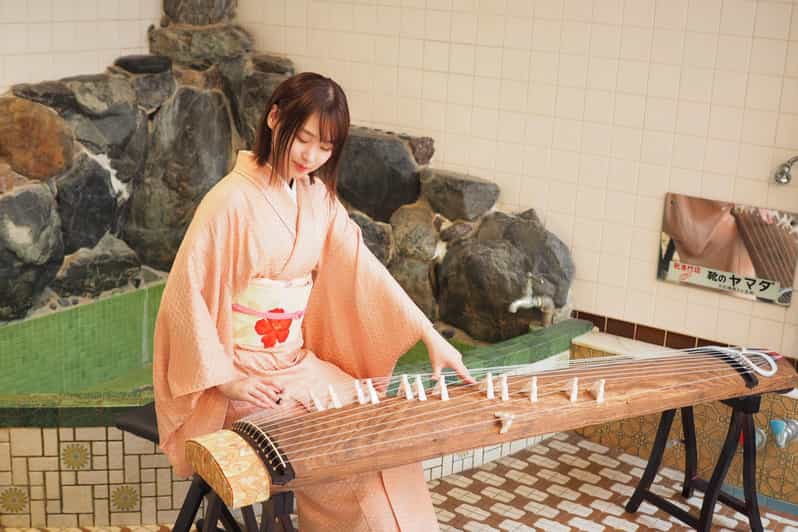
- A concert inside a renovated sento bathhouse: Kujo-yu is the star, and the setting matters.
- Acoustics that make the instruments feel close: the sound resonates through the space.
- Koto and shamisen, with variety: classical, modern, and original works share the 50 minutes.
- Repertoire can change by season and performers: each visit can feel different.
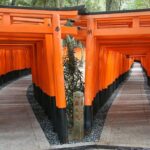
- Near Kyoto Station, easy to pair with sightseeing: especially Fushimi Inari, Toji, and Kyoto Tower.
- English support from the host or greeter: helpful if you want context without the language barrier.
Why Kujo-yu Sento Turns a Concert Into a Kyoto Experience
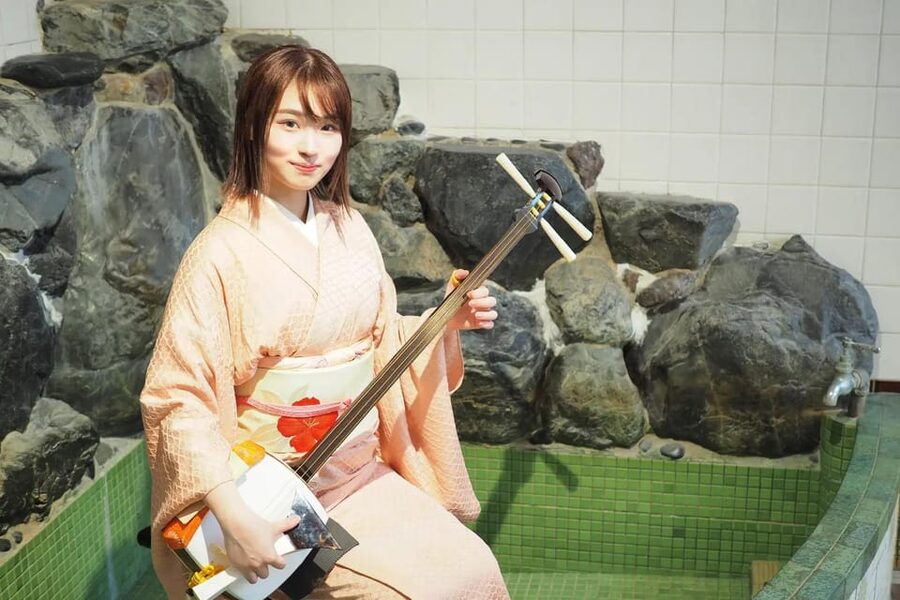
A koto recital in a theater is nice. A koto and shamisen concert in a sento is something else. Kujo-yu is a renovated bathhouse that has been cherished by the local community for years, and you can feel that everyday-structure in the way the space holds sound. It is not a museum setting. It is a room with memory.
What I like most is that the music feels connected to Kyoto’s rhythm. This isn’t about flash or big gestures. It is about precision, mood, and how the instruments interact with the architecture. In the old bathhouse vibe, notes seem to travel differently, softer at first, then more present as the echo settles.
The other thing that keeps pulling you in is the contrast. Traditional instruments, historic bathhouse, and a program that moves from classic to modern. That mix makes the evening feel thoughtful rather than stuck in a single era.
Finding Kujo-yu by Kyoto Station Without Stress
The easiest part for most visitors is location. Kujo-yu is near Kyoto Station, and Kujo Station is just one stop from Kyoto Station, so you can keep your transit simple. From the station area, it is an easy add-on to a day that already includes Kyoto Tower or the walkable streets around Kujo.
If you plan a sight + music combo, here’s a practical way to think about your timing using the provided nearby distances:
- Kyoto Tower / Kyoto Station area: about 15 minutes by train and walk, which is perfect if you are already in the neighborhood.
- Fushimi Inari Taisha: roughly 10 to 15 minutes by taxi, and the distance is about 2.0 km. The taxi cost is listed as just under ¥1,000.
- Toji Temple: about 15 to 20 minutes by bus and walk, close enough to pair on the same day.
- Kiyomizu-dera: about 30 minutes by bus and walk, so it works best if you don’t mind a longer ride and want a full cultural day.
Because the concert is 50 minutes long, you can treat it like a tidy “anchor event.” Do your main sightseeing first, then use the sento concert as your quieter, more reflective finale.
A quieter way to spend a day in Kyoto
- Kyoto: Traditional Concert at Townhouse or Bathhouse
★ 4.9 · 224 reviews - Concerts Played with Traditional Instruments in Kyoto
★ 5.0 · 50 reviews - Kyoto: Japanese Koto & Shamisen Concert and Koto Class
★ 4.9 · 31 reviews - Traditional Concert in Public bath near Kyoto Station
★ 5.0 · 5 reviews
What You Hear: Koto and Shamisen With a Mix of Classic and New
This concert focuses on the two signature sounds of Japanese traditional music: the koto and the shamisen. The koto brings a clear, delicate character, and the shamisen adds a stronger rhythmic edge. Put them together in a bathhouse, and the blend becomes surprisingly atmospheric.
The program is described as diverse, and that matters. You are not stuck in one style. Expect classical Japanese masterpieces alongside contemporary arrangements, plus original compositions. That “old meets new” approach is one of the reasons the 50 minutes can fly by without feeling repetitive.
From the short set of very high ratings, the message is consistent: the musicians are skilled, and the performance feels fascinating, not just technically correct. One review highlighted that the bathhouse venue made the acoustics unique, which is exactly what you want for instruments like these.
Also, the repertoire changes based on the season and the performers. So if your schedule allows you to return on another day, the experience can genuinely differ rather than being a replay.
Inside the Renovated Bathhouse: Acoustics and Intimacy
In most live music settings, you sit and hope the room sounds decent. Here, the room is part of the act. Kujo-yu’s renovated sento setup is built for comfort, warmth, and closeness, and those qualities translate into the music experience.
The provided info emphasizes that the acoustics enhance the music, and that the sound resonates throughout the space so it feels like it merges with the surroundings. That is a big deal for two reasons.
First, it changes how you listen. Instead of hearing performance and space as separate things, the sound blends into the architecture. You are more aware of tone, resonance, and how the instruments fade rather than just stopping.
Second, the intimacy gives the evening a private feel. The experience is described as warm and close, like an exclusive gathering rather than a mass event. In plain terms, you get more attention to the listening part, not the showmanship part.
That atmosphere is also why this works well after a day of walking Kyoto streets. You can cool down, settle in, and let the music do the heavy lifting.
The 50-Minute Timing: How to Plan Your Evening Flow
The concert lasts 50 minutes. That is long enough to feel complete, short enough that it does not hijack your whole day. For me, that makes it a smart choice when I want something memorable but I also want to keep momentum for dinner and an early rest.
Without assuming exact start times, here is the practical rhythm you can use:
- Arrive early enough to get settled in the space.
- Treat it as a listening event. Keep your phone use quiet and minimal.
- After the performance, use the nearby sights list to decide your next move, or just head back toward the station area if you want an easy night.
Because it is a compact time block, you can also fit it into a multi-stop itinerary. For example, you can hit Toji Temple earlier, then go straight to the concert without worrying about a late-night commitment.
Price and Value: Is $32 Worth It in Kyoto?
At $32 per person, this concert sits in the “pay for a real cultural moment” category. It is not a bargain price, but it also is not a luxury add-on. For the value, focus on what you are actually buying:
- A live performance by traditional instrument players on koto and shamisen.
- A unique venue, not a generic hall. The sento setting and acoustics are part of the experience.
- A varied program that includes classical, contemporary, and original works.
- An intimate listening atmosphere that keeps the evening feeling personal.
For many visitors, a standard Kyoto evening might be another ticketed attraction with a lot of walking and crowds. Here, you trade that for a focused 50-minute session where the room improves the sound. If you care about how music feels, and not just where you are, the price starts to make sense fast.
Also, the high ratings and consistent feedback about the acoustics are exactly what you would hope for at this price point. When the venue helps the music, you feel it immediately.
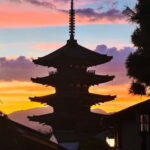
A day of temples goes further with something to break it up.
Who This Concert Suits Best (And Who Might Not)
This is a strong match if you:
- Like traditional Japanese culture but you also want a modern angle.
- Enjoy live music where listening is the main event.
- Want something calmer and more local-feeling than a typical tourist-heavy stop.
- Appreciate spaces with character, especially when the architecture affects the sound.
It might be less suitable if you:
- Need wheelchair access. The venue is explicitly not suitable for wheelchair users.
- Prefer large, high-energy shows with lots of movement and spectacle. This is more about tone, precision, and atmosphere than big stage effects.
For families, it can work well because the format is straightforward: instruments, a set duration, and a contained environment. Just be ready for a sit-and-listen style rather than an interactive experience.
Pairing It With Kyoto Sights: A Simple Day Plan
One of the best ways to make the most of this concert is to treat it as your “closing act” after one major outing. Here are a couple of practical pairings based on the nearby timing info:
Option A: Fushimi Inari earlier, music later
Head to Fushimi Inari Taisha first. Then take a taxi back in about 10 to 15 minutes for a shorter travel stretch. The listed distance is about 2.0 km, with a taxi cost just under ¥1,000, which makes the switch fairly easy.
Option B: Kyoto Tower area, then a quiet traditional stop
If your day is already centered around the Kyoto Station area, it is about 15 minutes by train and walk to reach the Kyoto Tower zone. Afterward, you have a compact cultural experience waiting at Kujo-yu.
Option C: Toji Temple, then a slower evening
Toji is about 15 to 20 minutes by bus and walk, so it works well if you want a temple visit plus a calmer indoor experience. You will be done with your big walking before the concert, which feels like the right trade.
A Quick Note on Language and Hosting
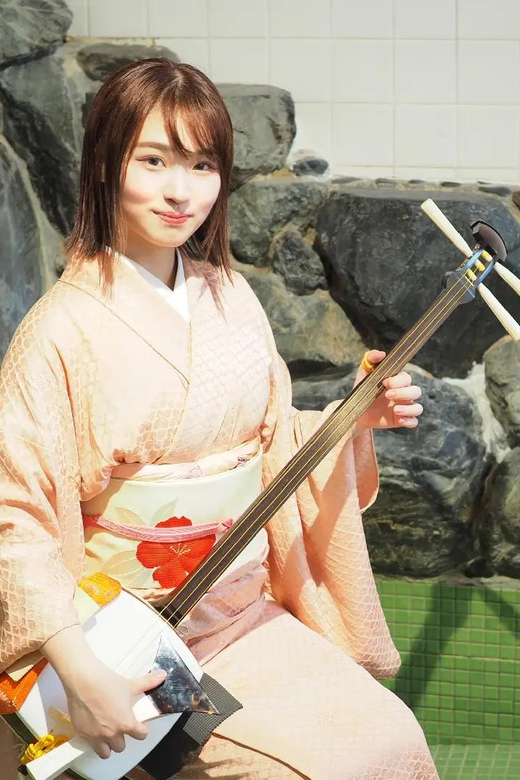
The host or greeter is listed as English. That is useful because you can likely get the basics without needing Japanese. You may still enjoy the concert purely as music, but it helps to have a bit of context so you can listen more actively.
The experience provider is listed as Gen, and the setup is straightforward: a traditional instrument concert featuring koto and shamisen players in the sento venue.
Should You Book the Kujo-yu Instrument Concert?
I think you should book this if you want a Kyoto experience that is both cultural and quietly unforgettable. The big selling points are the koto and shamisen performance, the historic renovated sento venue, and the way the acoustics help the music resonate through the space. At $32 for 50 minutes, it feels like good value when the setting and sound quality are part of the deal, not an afterthought.
I would skip it only if accessibility is a concern, since it is not suitable for wheelchair users, or if you want a high-energy show rather than a close, listening-focused performance.
If you are around Kyoto Station and you want one ticket that feels authentically local, Kujo-yu’s concert is one of the cleanest choices you can make.
FAQ
How long is the concert?
The concert lasts 50 minutes.
How much does it cost?
It costs $32 per person.
What instruments will I hear?
The performance features traditional Japanese instruments, specifically koto and shamisen.
Where does the concert take place?
It takes place in the renovated sento bathhouse Kujo-yu near Kyoto Station in Honshu, Japan.
Is there English support?
Yes. The host or greeter is listed as English.
Is the venue wheelchair accessible?
No. The activity is not suitable for wheelchair users.
New This Season
- Koyasan Day Trip by Private Car from Kyoto
- Old Port Town and Ultimate Sake Tasting Private Tour From Kyoto
- Kyoto’s Timeless Charm: 3hr Exploration of History and Peace
- Kyoto: 5 Types of Sushi Making
- Sacred Peak & Ancient Paths: Kurama-Kibune Hiking Experience
- Kyoto: Exclusive ZEN practice at Manpukuji temple in Uji
- Kyoto: Private Seasonal Aroma Yoga Class
- Traversing Kyoto’s Scenic West – Arashiyama to Kinkakuji
Concerts, compared.
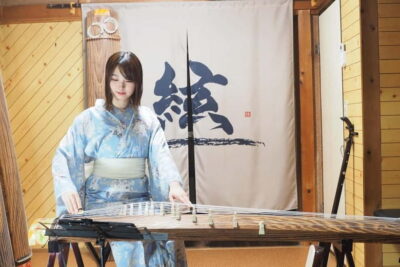
Concerts Played with Traditional Instruments in Kyoto
Read our review →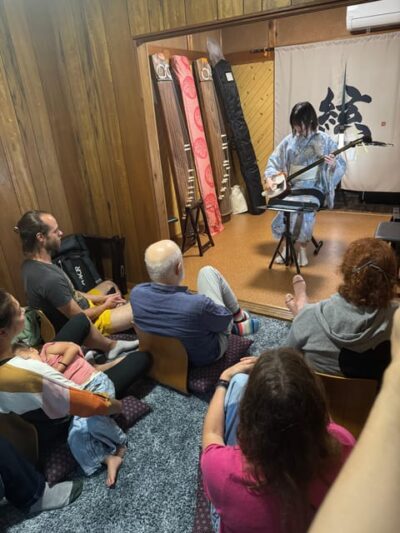
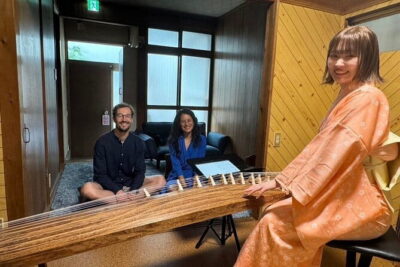
Traditional Concert in Public bath near Kyoto Station
Read our review →
Also filed under