
Reviewed · CONCERTS
Kyoto: Japanese Koto & Shamisen Concert and Koto Class
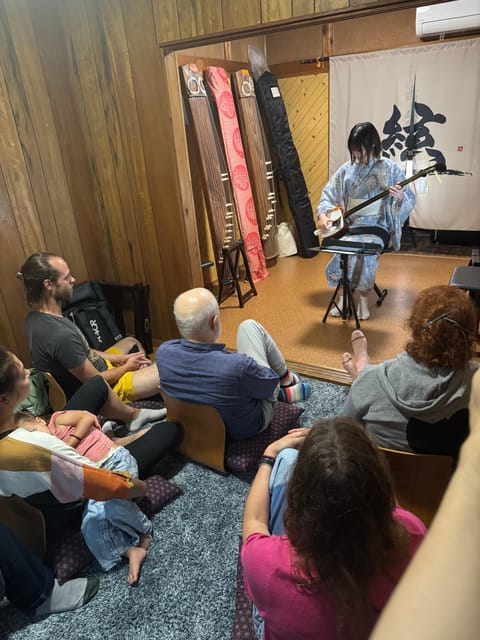
Koto sounds different in a tiny Kyoto house. This concert brings professional koto and shamisen music into a small home setting, with an intro to how the instruments and sheet music work, plus a live performance that moves from classical to contemporary pieces. I also really like the practical finish: you get time to try playing koto yourself with instructor guidance.
One thing to plan for, though: the venue is in a residential area and can be a little tricky to find, and if you arrive late your experience time may be shortened. Also, it is not set up for very young kids, so double-check age limits before you go.
In This Review
- Key things you will notice right away
- Entering a Small Kyoto House Where the Instruments Lead
- The 1 hour to 100 minutes flow, and why it matters
- Koto and shamisen primer: more than a quick explanation
- The live concert: classical calm, then contemporary energy
- Q&A and photos: ask, point, and get real answers
- The hands-on koto class: learning by doing
- Finding the venue in residential Kyoto, without stress
- Price and value at about $38 per person
- Who this Kyoto koto and shamisen experience suits best
- Fit it into your day: Arashiyama, Nijo Castle, Golden Pavilion, Nishiki Market
- Should you book this Kyoto koto concert and class?
Key things you will notice right away
- A small-house concert vibe: intimate, homey, and very far from a big concert hall feel
- Classical, contemporary, and originals: repertoire shifts by season and performer
- Up-close Q&A and photos: you can ask questions and take pictures right after the show
- Beginner-friendly koto try-out: you play a simple piece under professional coaching
- English or Japanese support: instruction and interpretation are available in both languages
Entering a Small Kyoto House Where the Instruments Lead
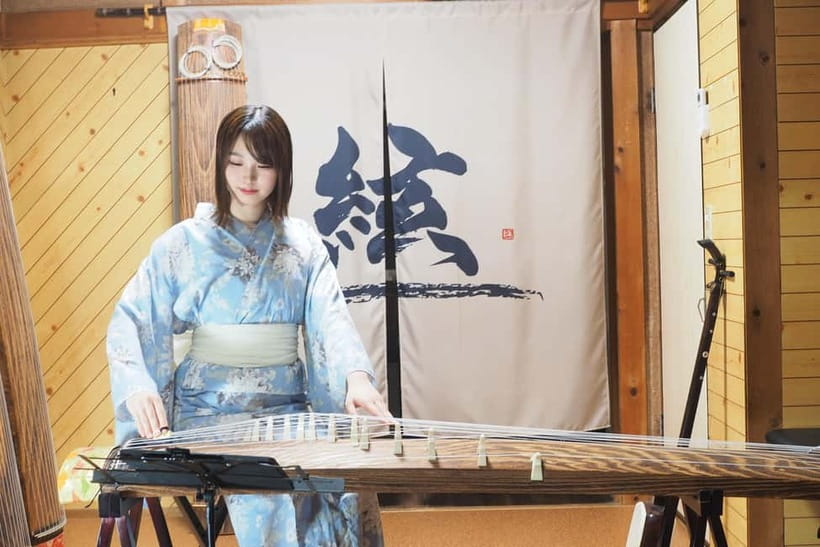
Kyoto has plenty of temples, gardens, and grand performance halls. This experience goes the other direction, into an older, small Japanese house that makes the sound feel personal. You do not just listen from a distance, you sit in a space where the koto’s plucked tone and the shamisen’s sharper voice land close to you.
What makes this format work is the order of events. You start with a short introduction so the music is less mysterious, then you hear the instruments perform in real time, and only after that do you get the chance to interact. If you like cultural experiences where you can ask questions and see the instruments up close, this is the kind of event that makes you feel included.
The 1 hour to 100 minutes flow, and why it matters
The program runs about 1 hour to 100 minutes, and it is designed to pack in a lot without dragging on. The pacing generally follows a clear rhythm: quick instrument primer, live concert, then Q&A and photos, followed by a hands-on koto moment at the end.
That structure matters because you are not learning in a vacuum. You hear the music first, then you learn what makes it sound the way it does, then you try it yourself. It is a smart way to keep beginners comfortable while still giving music lovers real technical detail.
Also, this tends to be a private or small group experience. Some sessions feel extremely intimate, which means questions get answered, not just handled with a quick one-liner.
A quieter way to spend a day in Kyoto
- Kyoto: Traditional Concert at Townhouse or Bathhouse
★ 4.9 · 224 reviews - Concerts Played with Traditional Instruments in Kyoto
★ 5.0 · 50 reviews - Traditional Concert in Public bath near Kyoto Station
★ 5.0 · 5 reviews - Private Japanese music concert
★ 5.0 · 4 reviews
Koto and shamisen primer: more than a quick explanation
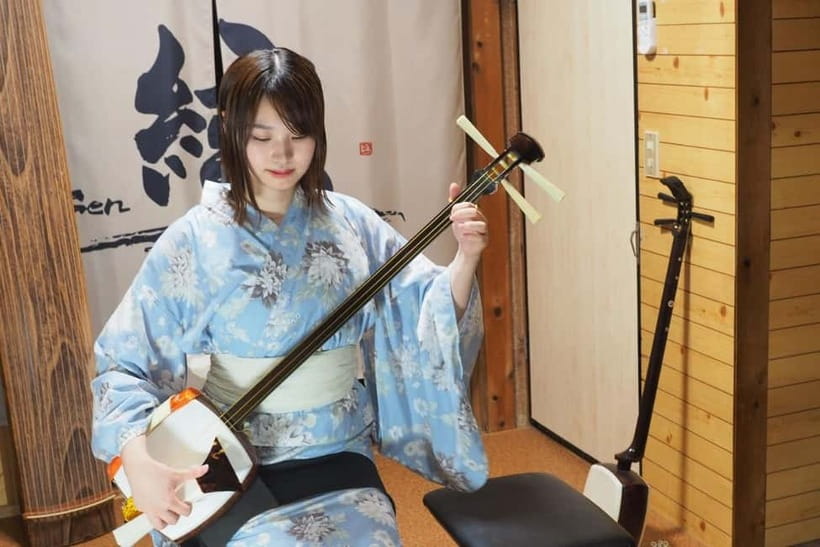
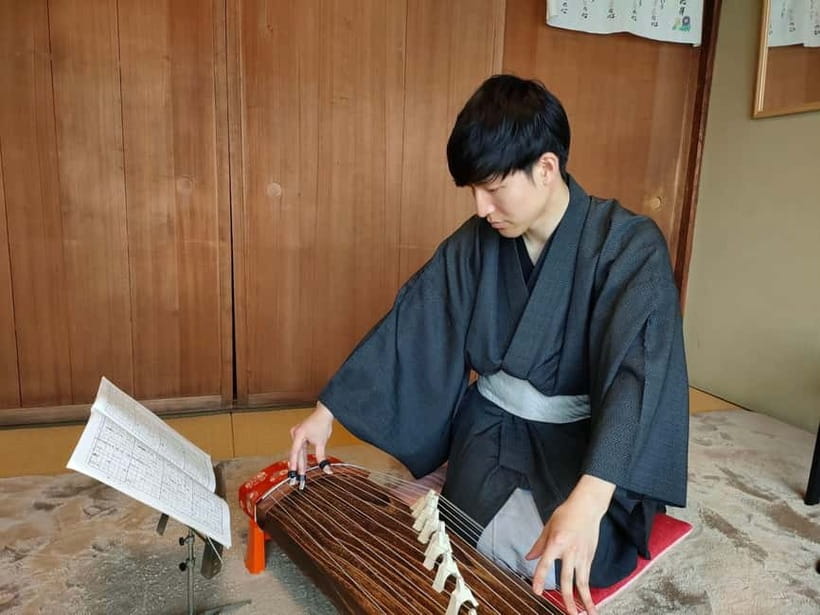
Before the performance, you get a brief introduction to Japanese traditional instruments like the koto and shamisen and how the sheet music relates to what you hear. This is where the experience becomes more than entertainment, because you start to understand the logic behind the sounds.
You will likely hear how the music is notated, and how that connects to playing technique. In other words, you get context for the performance instead of just relying on sound alone. It is especially useful if you are the type who likes to know what you are looking at, rather than accepting music as a black box.
In the Q&A portion, you also have a time to talk with the professional koto player. If you get a host like Kyoko (a name that came up in past sessions), you can ask questions and get answers in a friendly, direct way. That face-to-face time is a big part of why this experience earns such high marks.
The live concert: classical calm, then contemporary energy
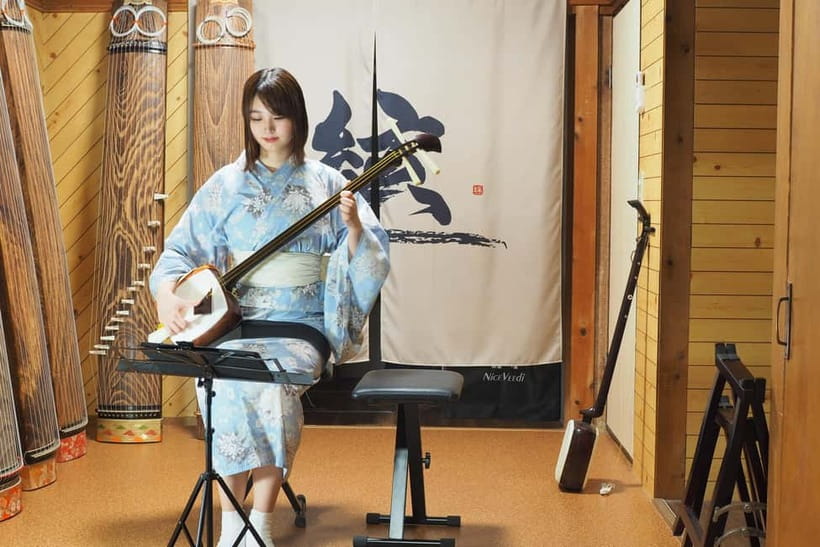
The live performance includes a mix of classical pieces and contemporary compositions, plus original works. One of the best things about this kind of program is that it does not treat Japanese music as a single style frozen in time. You hear the instruments doing both tradition and modern creative expression.
In some sessions, you may also hear vocal elements in traditional pieces, which can add another layer if you enjoy storytelling through voice. The contemporary parts often feel more kinetic, with techniques that change the timbre, so you can hear technique choices become part of the drama.
Because the repertoire changes by season and performer, the concert feels alive rather than pre-packaged. You are not just paying to sit still and watch the same set on repeat.
Q&A and photos: ask, point, and get real answers
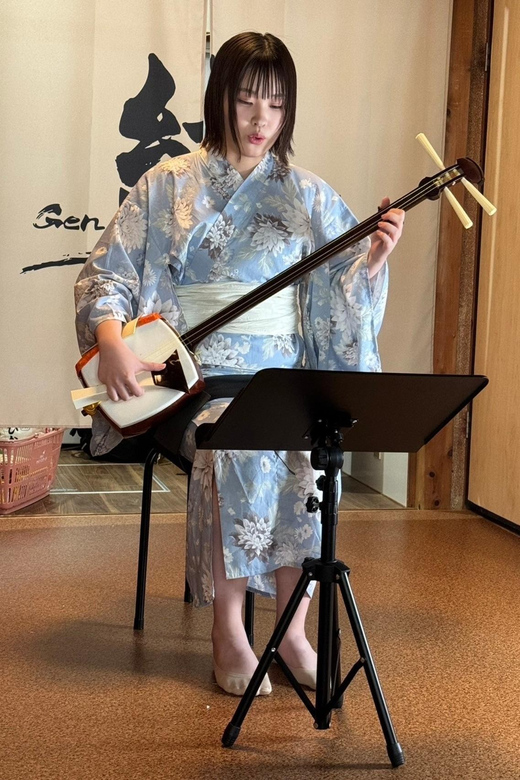
After the performance, you get close-up Q&A. This is not a distant formal lecture, it is a conversation-style part of the evening where you can clarify what you just heard.
I like this section because it turns your curiosity into something actionable. If you were wondering how a particular sound is produced, or why a passage feels a certain way, this is where your questions can land. People who are musically inclined often find it satisfying too, because the answers are specific enough to be useful.
Then there are photos of your experience. Past guests also appreciated the ability to take photos right after learning and talking. That small gesture matters in a “tiny house” setting, because you actually remember the moment with context, not just a random snapshot.
The hands-on koto class: learning by doing
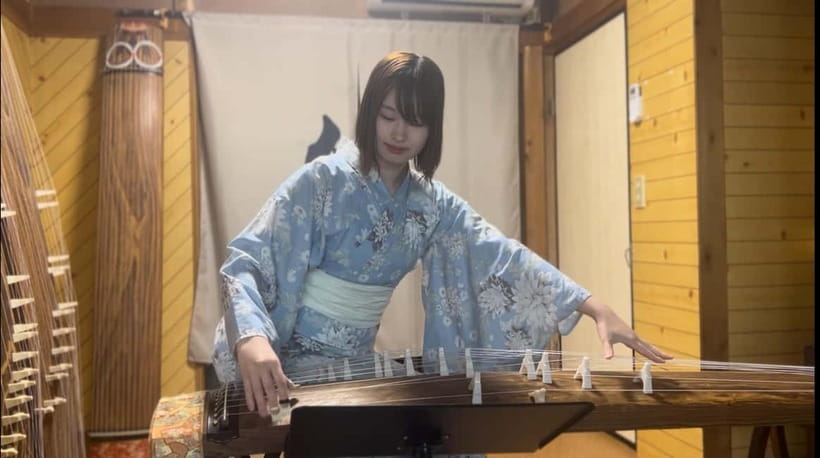
At the end, you have the chance to try playing koto yourself. You do not need musical training. You get guidance from a professional instructor, and you usually start with a simple piece so you can get immediate feedback.
The key word here is guided. A beginner can make sense of the koto when someone shows you how to position your hands and how to approach the instrument. Several people have noted that even with zero musical background, the basics can click quickly when coaching is patient and encouraging.
If you meet a performer like Aoi, you may notice how much supportive energy she brings, including the way she helps students during the trying portion. Some sessions also mention Shohei in the teaching team, so if your hosts include them, you may get extra warmth and structure as you practice.
A day of temples goes further with something to break it up.
Finding the venue in residential Kyoto, without stress
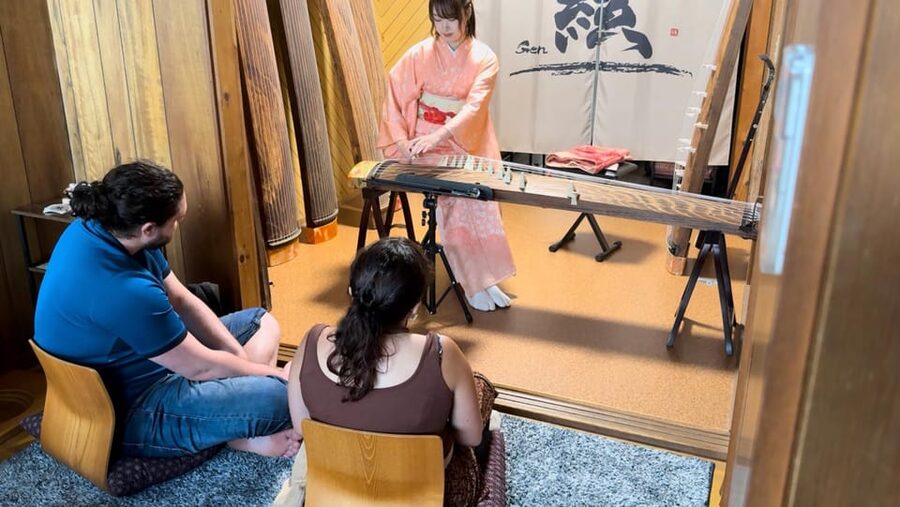
This experience happens in an old, small Japanese house, not in the typical temple and townhouse zones you might first picture. That is charming, but it can also be a practical hurdle.
One past guest described a dark alley while waiting outside for a short time before the show. Another mentioned it was a struggle to find the place in a residential area, but worth it once they arrived. So here is my practical advice: plan extra buffer time and confirm the exact meeting point for your booking option, since it can vary.
If you arrive early, use the wait as a moment to settle in, because once inside, the room is calm and intimate. You do not want the stress of searching to steal the first part of your attention span, especially since the early introduction sets up everything that follows.
Price and value at about $38 per person
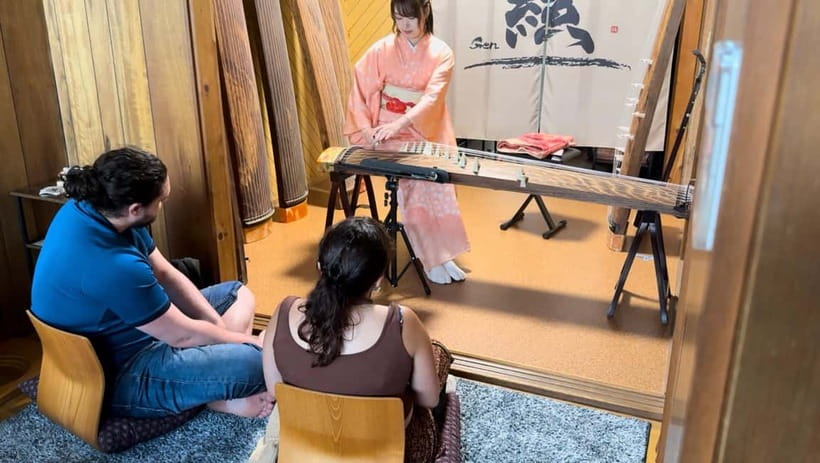
At around $38 for about 1 hour to 100 minutes, this can be strong value for Kyoto. The reason is what is included, not just the ticket price.
You generally get:
- all necessary materials and tools
- use of the koto instrument
- instructor guidance during the try-it session
- a brief cultural introduction about the instruments and sheet music
- a private session for your group
- photos of your experience
A concert ticket alone can be a gamble if you are the type who wants interaction. Here, the hands-on koto part turns your money into a real skill moment, even if you only learn a short, simple piece. And because it is a small-house setting, you are not paying mainly for capacity, you are paying for proximity to professionals.
Who this Kyoto koto and shamisen experience suits best
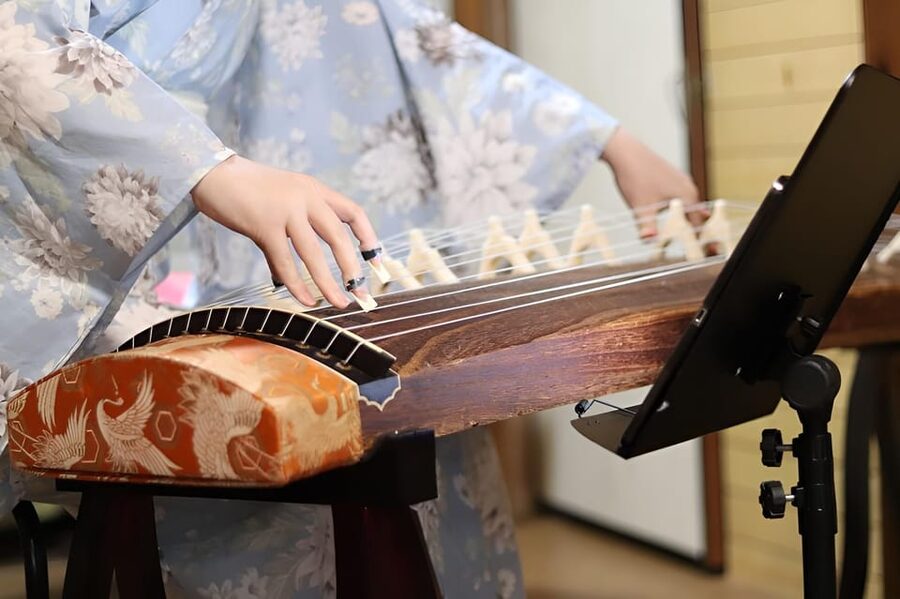
This is a great fit if you want Japanese traditional music in a format that feels personal. It is especially good for:
- families who can meet the age limits
- adults who enjoy instruments and want a hands-on cultural activity
- travelers who like Q&A and learning how sheet music connects to sound
- people who want a more unusual side of Kyoto than temples and markets
It is less ideal if you want a big production with staging lights and a theater audience. Also, if you are traveling with very young children, do not assume it is flexible. The listed age restrictions include children under 4, plus babies under 1, so confirm your child’s age before booking.
If you have physical limitations or allergies, inform the organizers ahead of time. That is practical and respectful, since the experience involves sitting close and handling instruments.
Fit it into your day: Arashiyama, Nijo Castle, Golden Pavilion, Nishiki Market
This is not a standalone must-visit at the cost of everything else. You can pair it with major Kyoto stops because the location is convenient to several popular areas.
Here are some realistic combinations based on the listed access times:
- Arashiyama: about 25 minutes by train and on foot from Saiin Station
- Nijo Castle: roughly 20 minutes by train and on foot from Nijo Castle-mae on the Tozai Line
- Kinkakuji (Golden Pavilion): about 20 to 25 minutes by bus and on foot from the Nishioji Sanjo bus stop (about 16 minutes by bus)
- Nishiki Market: around 25 minutes by train and on foot using a direct Hankyu Line ride to Karasuma or Kawaramachi
For timing, I suggest you schedule this after one of the big walking areas, or in the early evening. A calm cultural experience works well when your legs need a break.
Should you book this Kyoto koto concert and class?
Book it if you want a Kyoto evening with real interaction, not just a performance. The mix of professional musicianship, a beginner-friendly koto try-out, and the ability to talk with the performer afterward makes this a strong choice for first-timers who still want depth.
Skip it if you dislike small venues, struggle with finding places in residential side streets, or you are traveling with kids who fall under the strict age limits. Also be mindful of timing, because late arrivals can shorten the experience.
If you want a memorable, hands-on introduction to Japanese instruments, this is one of the better ways to spend a few hours in Kyoto. It is intimate, structured, and gives you something you carry home, a small piece of music you actually tried to play.
New This Season
- Koyasan Day Trip by Private Car from Kyoto
- Old Port Town and Ultimate Sake Tasting Private Tour From Kyoto
- Kyoto’s Timeless Charm: 3hr Exploration of History and Peace
- Kyoto: 5 Types of Sushi Making
- Sacred Peak & Ancient Paths: Kurama-Kibune Hiking Experience
- Kyoto: Exclusive ZEN practice at Manpukuji temple in Uji
- Kyoto: Private Seasonal Aroma Yoga Class
- Traversing Kyoto’s Scenic West – Arashiyama to Kinkakuji
Concerts, compared.
Concerts Played with Traditional Instruments in Kyoto
Read our review →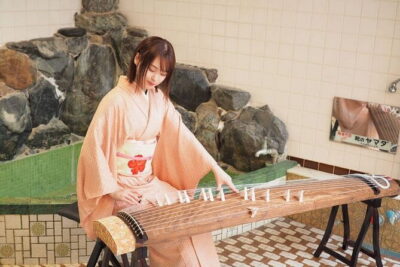
Traditional Concert in Public bath near Kyoto Station
Read our review →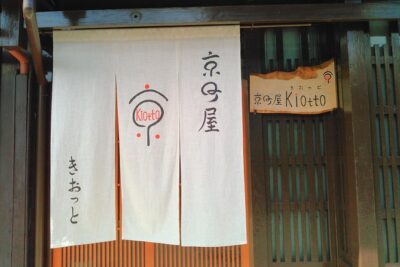
Kujo-yu Sento Traditional Japanese Instrument Concert
Read our review →Also filed under