
Reviewed · CONCERTS
Kyoto: Traditional Concert at Townhouse or Bathhouse
Small rooms, serious music. Kyoto koto and shamisen performances take place in two small venues, and I like how the intimate scale lets you hear every shift in tone up close. I also like the bilingual commentary, because it turns the concert into something you can actually follow instead of just watch.
You trade a bit of convenience for that closeness. The townhouse option is easier to plan around, but the historic bathhouse hall runs only on certain dates, so double-check the schedule before you build your night.
In This Review
- Key things I’d plan around
- Two Kyoto Venues, One Calming Goal
- Choosing the Townhouse Solo Set (Up to 11 Guests)
- Choosing the Historic Bathhouse Hall (Duets and Resonance)
- The Actual Program Flow: What Happens Once You Arrive
- What You’ll Hear: Classical, Contemporary, and Artist-Driven Pieces
- The Koto Workshop: What Beginner-Friendly Really Means
- Kyoto Sight Pairing: Fit It Into a Real Day
- Price and Value: Why $32 Can Feel Like a Steal
- Logistics to Get Right (So You Enjoy the Night)
- Who This Kyoto Koto Concert Is Perfect For
- Should You Book This Kyoto Townhouse or Bathhouse Concert?
- FAQ
- What venues are available?
- How long is the concert?
- What instruments will I hear?
- Is there English support?
- Is the koto workshop included?
- Does the bathhouse include bathing or entry to bath facilities?
- What group size should I expect?
- Do I need prior knowledge of traditional Japanese instruments?
- Is it refundable if my plans change?
Key things I’d plan around
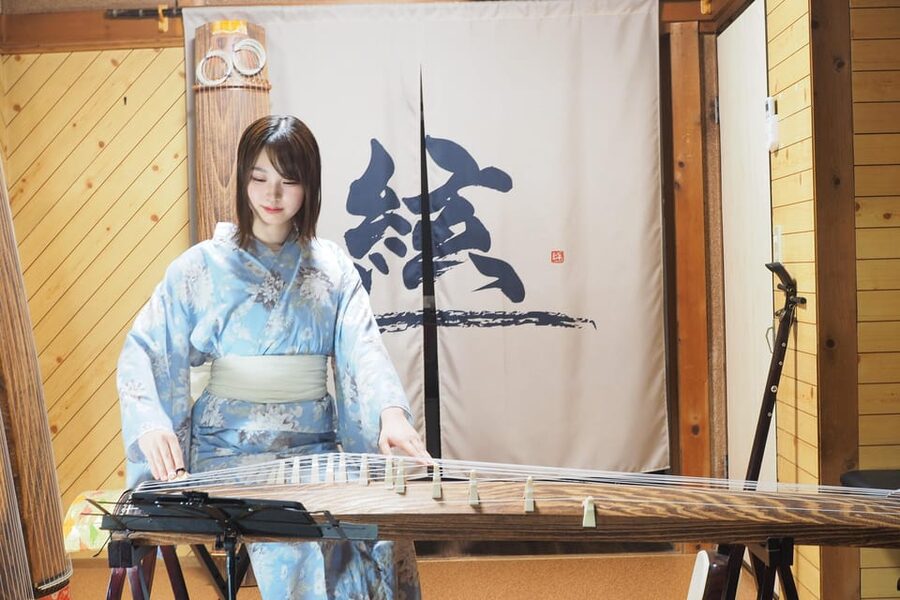
- Townhouse shows stay tiny (around 11 guests), so questions feel normal, not rushed.
- Bathhouse halls are bigger (around 30 guests) and built for sound, with tiled walls that make duets feel dramatic.
- You get instrument context in plain English and Japanese, including how parts and notation work.
- Programs mix traditional, contemporary, and original pieces, with example titles like Kajimakura and Chidorino Kyoku.
- The koto workshop is only offered at the townhouse, and it’s designed for beginners.
- You can pair the concert with major Kyoto sights, like Arashiyama, Nijō Castle, Kinkaku-ji, and Nishiki Market.
Two Kyoto Venues, One Calming Goal
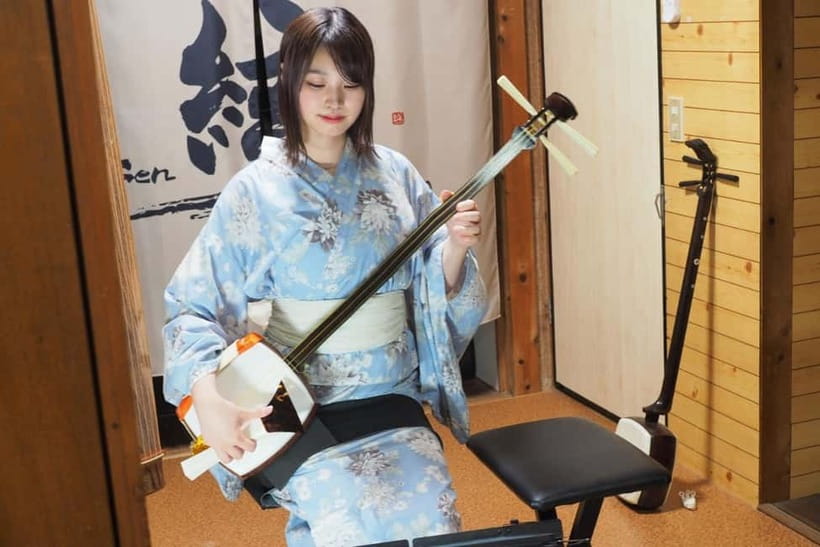
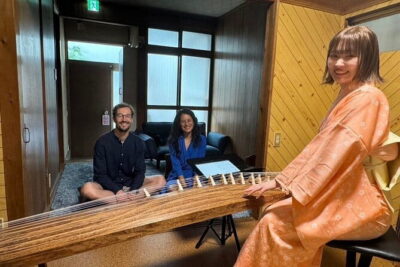
If you want something in Kyoto that feels human scale, this Kyoto koto and shamisen concert is a strong choice. You are not sitting in a big theater where sound bounces around until it becomes generic. Instead, you hear professionals play koto and shamisen in either a traditional townhouse setting or in a historic bathhouse hall.
The biggest difference is the room itself. The townhouse keeps things warm and conversational, like music in a living room. The bathhouse hall is more theatrical, because the space naturally carries sound and makes duet playing feel enveloping.
Choosing the Townhouse Solo Set (Up to 11 Guests)
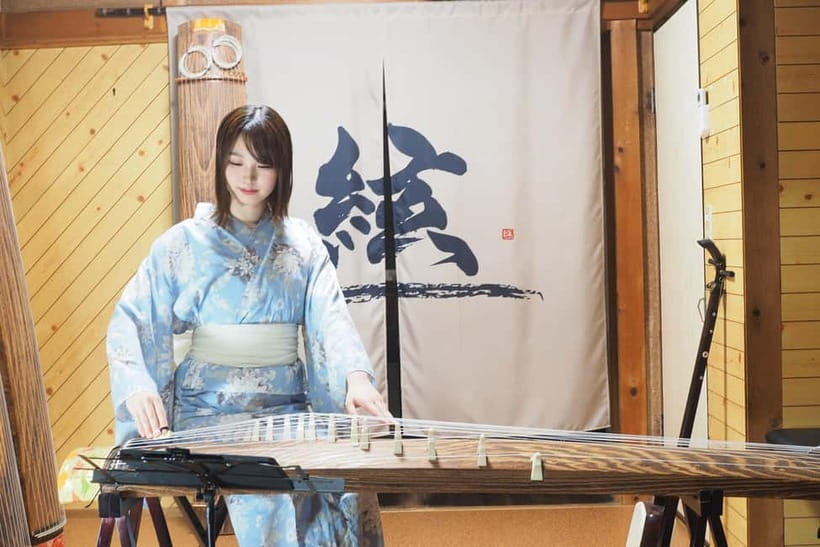
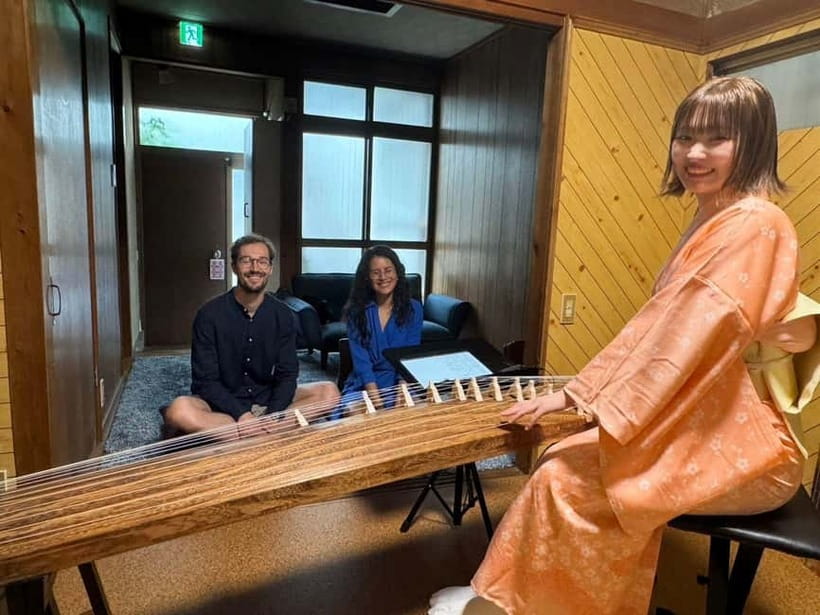
The townhouse option is the one I’d pick when you want the most personal listening experience. Capacity is about 11 guests, and the performer’s sets run about 4 to 5 pieces. Expect a mix of classical and contemporary works, selected to show off the musician’s strengths and style.
What that means for you in real life: you’ll catch details. On koto, timing and articulation matter. On shamisen, attack and sustain shape the emotion. In a small room, you are close enough to notice those changes without needing a music degree.
Also, this is the venue for the hands-on experience. If you book the townhouse package, you can add an optional koto workshop. That workshop uses sanitized instruments and focuses on beginner-friendly techniques plus a short phrase, which is exactly what most people need to feel confident fast.
A practical heads-up: because this venue runs almost every day, you’ll have more flexibility building an evening around it. If your dates are tight, this is usually the safer bet.
A quieter way to spend a day in Kyoto
- Concerts Played with Traditional Instruments in Kyoto
★ 5.0 · 50 reviews - Kyoto: Japanese Koto & Shamisen Concert and Koto Class
★ 4.9 · 31 reviews - Traditional Concert in Public bath near Kyoto Station
★ 5.0 · 5 reviews - Private Japanese music concert
★ 5.0 · 4 reviews
Choosing the Historic Bathhouse Hall (Duets and Resonance)
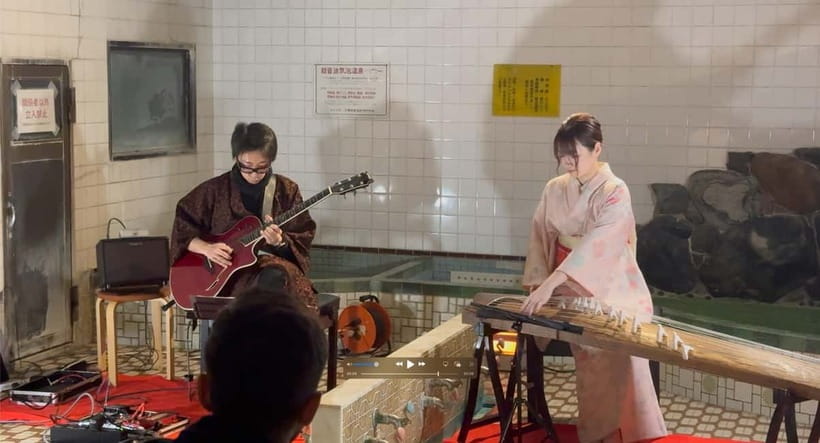
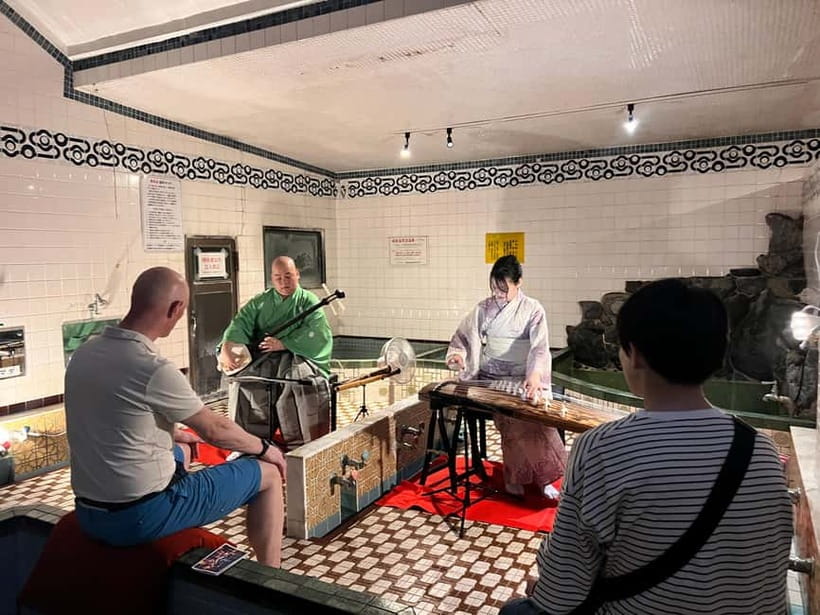
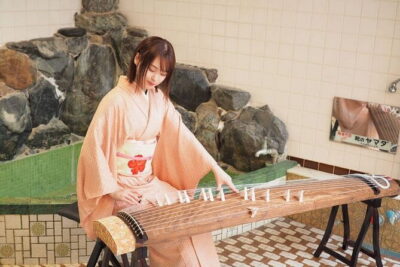
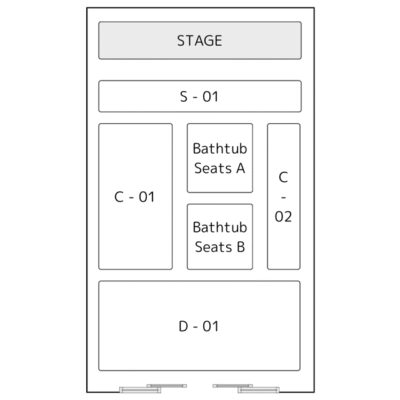
The historic bathhouse hall is a different kind of night. Capacity is around 30 guests, so it still feels small, but it is not as intimate as the townhouse. The payoff is acoustics and collaboration.
Here, the program pairs koto with another instrument across about 4 to 5 pieces, not counting an opener. The partner instruments can include shamisen, shakuhachi, taishōgoto, flute, guitar, and more. Some sets include both solo and duet segments, so the music shifts between lyrical focus and full ensemble interaction.
For you, the duet format is the key. When two instruments take turns or weave together, you start hearing how Japanese traditional music thinks in conversation, not just melody lines. The tiled bathhouse hall adds resonance, so the sound can feel bigger and more dramatic than you’d expect from a short concert.
One scheduling consideration: bathhouse hall performances are offered irregularly on Mondays, so you need to check the calendar carefully when you travel.
The Actual Program Flow: What Happens Once You Arrive
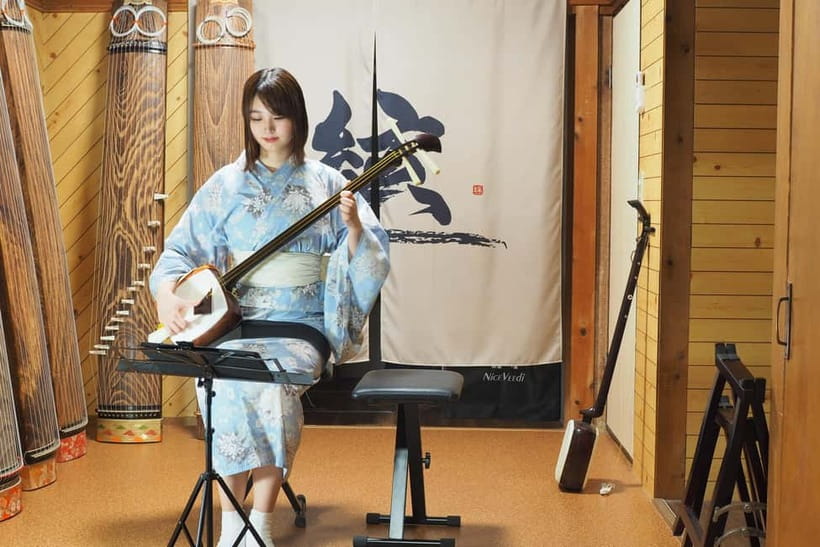
No matter which venue you pick, the experience follows a clear sequence. That structure helps you relax and stop worrying about timing.
First comes check-in and seating, usually 5 to 10 minutes. You’ll get welcome remarks and venue etiquette, and then you’ll settle into cushions or chairs depending on the room.
Next is the instrument introduction, about 10 to 15 minutes. This is not just a quick description. You learn how koto and shamisen are played, including details like parts, picks or bridges, and how the notation works. If you have never seen Japanese sheet music, this section helps you make sense of what you are watching during the concert.
Then comes the concert itself, about 25 to 30 minutes. You’ll hear a set of pieces with short commentary, usually bilingual. After the performance, you get a compact but meaningful Q&A plus photos, about 5 to 10 minutes. This is where you can ask what you actually want to know, like how a technique is executed or what a piece is trying to express.
If you chose the townhouse workshop option, the hands-on session runs about 35 to 40 minutes after the concert flow. You’ll try a few basics, guided step by step, so it stays doable even if you’ve never touched a koto before.
What You’ll Hear: Classical, Contemporary, and Artist-Driven Pieces
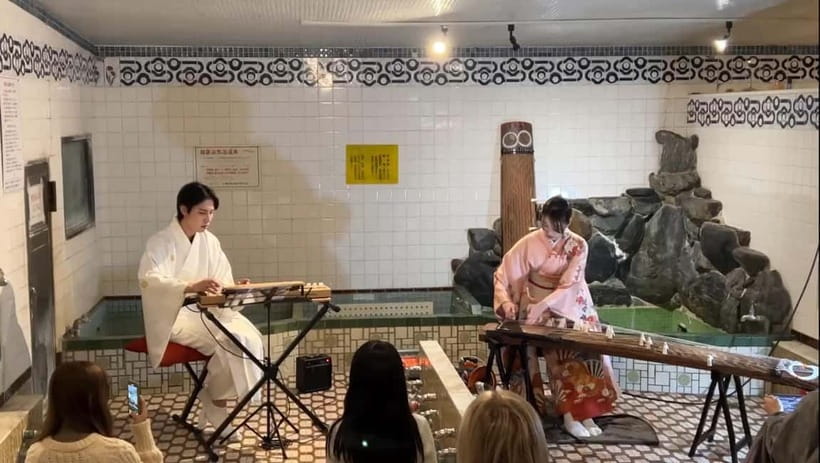
The music programming has a practical purpose: it helps you recognize variety within what people often lump together as traditional Japanese music.
In the townhouse solo sets, you can expect 4 to 5 pieces. The selection ranges from Japanese classical to contemporary works, and the set is artist-driven, rotating by season and musician. Example titles you might hear include Kajimakura, Chidorino Kyoku, Kaede no Hana, and others.
In the bathhouse hall, you can still get solo moments, but the emphasis is on duet pairings. The repertoire is chosen to fit the hall acoustics and to highlight the musician’s strengths, whether they lean lyrical or more dynamic in how they play.
Why this matters for value: you are not paying for a generic show. You’re paying for a focused, short concert that comes with enough context for you to notice changes between pieces. That is especially important in a tiny room, because you hear more than just the melody. You hear the phrasing, the timing, the way silence gets used, and how performers shape emotion with technique.
The Koto Workshop: What Beginner-Friendly Really Means
If you add the optional hands-on workshop at the townhouse venue, you should expect a confidence-building session, not a crash course.
The workshop starts with basics, like how to sit properly and how to pluck the strings. You’ll likely cover beginner-friendly technique and then move into reading the simple structure needed to play a short phrase. Multiple program descriptions emphasize sanitized instruments and guidance, which is exactly what you want for a first attempt.
The most useful part is that the instruction happens in the same intimate setting as the concert. That means you are not learning theory in isolation. You can connect what you learned while the performer was playing minutes earlier to what you are trying yourself.
If you are traveling with a friend or family member who is curious but unsure about music, this workshop is often the moment that turns interest into participation.
A day of temples goes further with something to break it up.
Kyoto Sight Pairing: Fit It Into a Real Day
This concert is short enough that it can slot into Kyoto without messing up your whole schedule. You do not need a half-day commitment, just an evening plan and a willingness to travel a bit from the busiest streets.
Here are the nearby sights the experience information supports, with rough timing estimates:
- Arashiyama: about 25 minutes, walking to Saiin Station, then Hankyu to Katsura and transfer to the Randen line. This works well if you want a calmer late afternoon before your concert.
- Nijō Castle: about 20 minutes. It’s one stop from Saiin on the Tozai subway line.
- Kinkaku-ji: about 20 minutes. Bus from Nishioji Sanjō for about 16 minutes plus a short walk.
- Nishiki Market: about 25 minutes. A direct Hankyu ride to Karasuma or Kawaramachi, good for shopping and snacks before you head to the show.
My practical advice: if you are doing a temple-heavy day, book this concert as your cool-down. If you do shopping first, keep it light, because you will want to stay present for the music and the Q&A.
Price and Value: Why $32 Can Feel Like a Steal
At about $32 per person, this Kyoto koto and shamisen concert is priced like an efficient cultural hour. And honestly, the value comes from what’s included, not just the performance length.
You get:
- Live concert performance with 4 to 5 pieces
- Bilingual mini-commentary in Japanese and English
- Post-concert Q&A plus a photo opportunity
- Venue seating (cushions or chairs depending on location)
- Optional hands-on workshop if you book the townhouse option
That combination matters. A lot of cultural experiences give you one thing, like a show with no context. Here, you get context during the instrument introduction and during commentary. Then you get the chance to ask questions after. In a small room, Q&A can actually change how you hear the final piece.
So you are not paying just for sound. You are paying for understanding, plus the chance to participate if you want the workshop.
Logistics to Get Right (So You Enjoy the Night)
The experience is simple, but it has a few real-world quirks worth planning for.
Location can be a little challenging to find the first time. One helpful tip from previous participants: it’s easier to plug in coordinates or longitude and latitude in your map app than to rely on the address alone. Do that, and you’ll arrive relaxed.
Bathhouse scheduling is the other watch-out. If you want the bathhouse hall, you need to align your travel dates with the irregular Monday offerings. The townhouse option is steadier, since it runs almost every day.
Finally, know what is not included. There’s no food, no drinks, and you do not get entry to bathhouse bathing facilities. You are going for the concert experience in that space.
Who This Kyoto Koto Concert Is Perfect For
This activity is a great fit if:
- You want a calm, focused evening in Kyoto instead of another crowded stop
- You like small groups and close listening
- You want practical explanations, even if you have zero background in traditional instruments
- You enjoy conversations with performers through Q&A
It’s also a good choice for first-time visitors to Japan. The format is beginner-friendly, and most people start with little prior knowledge of koto or shamisen. The English support is a real comfort if you want to understand what you are hearing.
If you prefer huge stages, big lighting, and a purely passive experience, you might find the intimate setting less exciting. This is not that kind of show. It is about hearing detail and getting answers.
Should You Book This Kyoto Townhouse or Bathhouse Concert?
Yes, book it if you want something authentic, small, and understandable. The bilingual instrument introductions, short concert structure, and post-show Q&A make it feel more meaningful than a standard ticketed performance. If you can, I’d lean townhouse first for the best chance of flexible scheduling and the option to take the koto workshop.
If your dates line up with the bathhouse hall offerings, do that too, especially if you love duet interplay and want the sound to bounce off the tiled room. Either way, you’re buying a quiet pocket of Kyoto where the music stays close to you, and you leave with actual context, not just photos.
FAQ
What venues are available?
You can choose between a traditional townhouse venue with a cozy solo setting and a historic bathhouse hall venue with a resonant duet setting.
How long is the concert?
The experience lasts about 45 to 105 minutes, depending on whether you include the optional hands-on workshop.
What instruments will I hear?
You will hear koto and shamisen performances. In the bathhouse hall option, koto duets are paired with another instrument such as shamisen, shakuhachi, taishōgoto, flute, or guitar.
Is there English support?
Yes. There is bilingual mini-commentary in Japanese and English, and the instructor supports English and Japanese.
Is the koto workshop included?
The hands-on koto workshop is optional and is available only at the traditional townhouse venue. It is beginner-friendly.
Does the bathhouse include bathing or entry to bath facilities?
No. The activity does not include bathing or entry to bathhouse facilities. You attend the concert in the bathhouse hall.
What group size should I expect?
The townhouse option is up to approximately 11 guests. The bathhouse hall option is up to approximately 30 guests.
Do I need prior knowledge of traditional Japanese instruments?
No. The experience is designed for people who have little prior knowledge.
Is it refundable if my plans change?
Free cancellation is available up to 24 hours in advance for a full refund.
New This Season
- Koyasan Day Trip by Private Car from Kyoto
- Old Port Town and Ultimate Sake Tasting Private Tour From Kyoto
- Kyoto’s Timeless Charm: 3hr Exploration of History and Peace
- Kyoto: 5 Types of Sushi Making
- Sacred Peak & Ancient Paths: Kurama-Kibune Hiking Experience
- Kyoto: Exclusive ZEN practice at Manpukuji temple in Uji
- Kyoto: Private Seasonal Aroma Yoga Class
- Traversing Kyoto’s Scenic West – Arashiyama to Kinkakuji
Concerts, compared.
Concerts Played with Traditional Instruments in Kyoto
Read our review →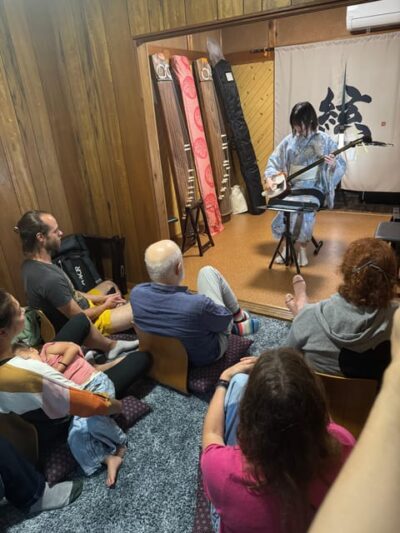
Traditional Concert in Public bath near Kyoto Station
Read our review →
Kujo-yu Sento Traditional Japanese Instrument Concert
Read our review →Also filed under