
Reviewed · CYCLING TOURS
Discover Kyoto at Night by Bike
Kyoto looks different after dark. This Kyoto at Night by Bike route strings together some of the city’s most famous sights after sunset, when lanterns glow and streets feel calmer. You’ll ride between shrines, temple areas, and classic neighborhoods in a tight evening plan built for photos and atmosphere.
I especially like the way the tour builds a night-time storyline, starting at Fushimi Inari-taisha Shrine and ending around Higashiyama’s postcard slopes. I also like the small group setup, up to 9 people, and the fact that guides are bilingual, which makes the history and etiquette easier to follow. The main thing to watch is pacing: one review flagged that the guide can spend a lot of time talking, so you should be ready to listen some.
In This Review
- Key Highlights You Should Know
- A 3h 45m Night Ride Through Kyoto’s Best Lighting
- Starting Point at 7-Eleven, and How the Group Size Affects Your Experience
- Stop 1, Fushimi Inari-taisha Shrine and Its Torii-Gate Illusion
- Miyakawa-cho Dori, Lantern Lanes Just South of Gion
- Gion at Night, Hanamikoji Street and Ochaya Charm
- Yasui-Konpiragu, Wishes, and a Shrine With a Specific Message
- Hokan-ji Temple Area and Yasaka Pagoda Photo Time
- Ninenzaka and the Classic Higashiyama Slope Views
- The Higashiyama Park Stop With Cherry Trees, Ponds, and Wooden Bridges
- What the Price Covers, and Whether It’s Good Value
- Riding Comfort and Safety: The Stuff You Should Check Before You Go
- Who This Tour Is Best For
- Should You Book Kyoto at Night by Bike?
- FAQ
- What time does the Kyoto at Night by Bike tour start?
- How long is the tour?
- Where do I meet for the tour?
- What is included in the price?
- Is the tour suitable for beginners on a bicycle?
- What group size should I expect?
- What is the cancellation policy?
Key Highlights You Should Know
- Fushimi Inari-taisha Shrine at night: thousands of torii gates and a huge sense of place.
- Lantern streets of Miyakawa-cho Dori: close to Gion, with that after-dark calm.
- Gion and Hanamikoji Street: classic ochaya frontage and a true nighttime vibe.
- Yasui-Konpiragu: a quirky Shinto stop with a specific theme of wishes and cutting ties.
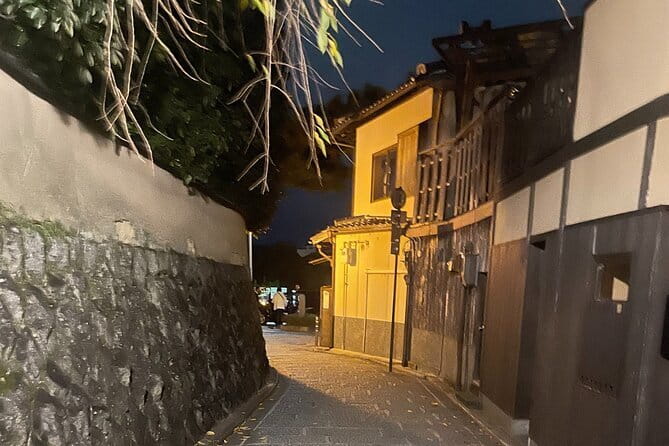
- Hokan-ji area and Yasaka Pagoda: cobblestones and one of Kyoto’s most photographed pagoda views.
- Ninenzaka and Higashiyama park views: photo stops on slopes, ponds, and wooden bridges.
A 3h 45m Night Ride Through Kyoto’s Best Lighting
This is a 3 hours 45 minutes bike tour that starts at 5:00 pm and ends back at the start point. For the price of $80 per person, you’re paying for a guided ride that connects multiple major sights without you having to coordinate transit, timing, and logistics on your own. It also helps you hit the sweet spot when Kyoto streets shift from daytime crowds to evening lantern glow.
The route leans heavily into East Kyoto night imagery: torii gates, lantern-lined lanes, Gion streets, and the Yasaka Pagoda area. That matters because Kyoto after dark is not just about where you go, it’s about how the streets look. You’ll be seeing familiar landmarks in a softer light, with more space to stop, look up, and take photos.
One practical note: you are on a bicycle the whole time. That means you need basic comfort riding, because you’ll be navigating narrow streets and turning points while keeping an eye on traffic and the guide. The tour is described as moderate physical fitness, and one piece of advice you should take seriously is to be a fairly proficient rider.
Starting Point at 7-Eleven, and How the Group Size Affects Your Experience
Meet at the 7-Eleven (44-1 Higashikujō Kamitonodachō, Minami Ward, Kyoto). The tour is near public transportation, which is a relief, because it means you do not need to plan a complicated arrival. You’re also told you’ll receive confirmation at booking, and the tour uses a mobile ticket, which is convenient.
With a maximum of 9 travelers, the experience tends to feel more hands-on than those big bus-style crowd tours. Smaller groups make it easier to keep close to the guide, hear explanations, and move as a unit. That said, small groups can still feel slow if the guide spends a lot of time speaking, and at least one review mentioned that the tour spent less time riding than expected.
So my advice is simple: if you love bike time and photo stops equally, plan to use the quiet moments wisely. Listen when the guide is setting context, then ask quick questions when you have them. That keeps you from feeling like you’re just standing around waiting for the next move.
A quieter way to spend a day in Kyoto
- Kyoto: Gion Magical Night Walking Tour with Geisha Trivia
★ 4.9 · 2,393 reviews - Night Walk in Gion: Kyoto’s Geisha District
★ 4.5 · 2,003 reviews - Kyoto Night Foodie Tour in Gion (9+ dishes + 6 Sake tastings)
★ 5.0 · 1,762 reviews - Kyoto Gion Night Walk & Geisha District Guided Tour
★ 5.0 · 786 reviews
Stop 1, Fushimi Inari-taisha Shrine and Its Torii-Gate Illusion
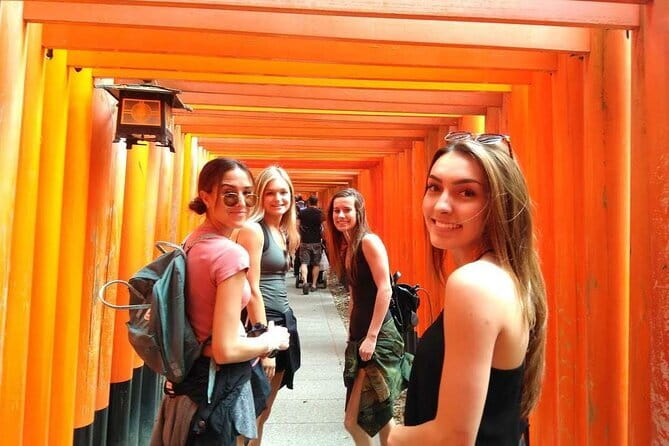
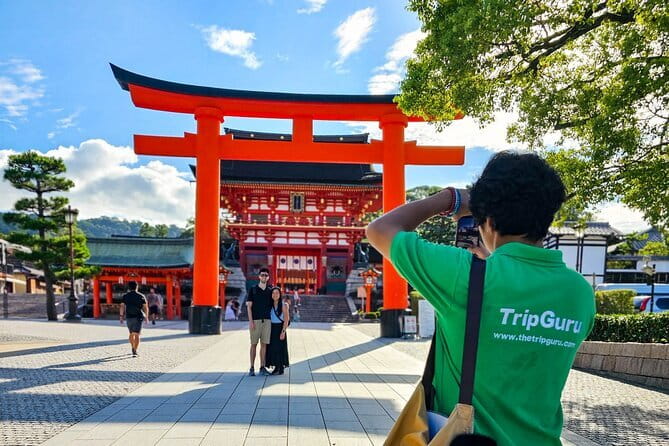
You kick off at Fushimi Inari-taisha Shrine, one of Kyoto’s most visited Shinto shrines. Expect about 40 minutes here, and the admission is free. The signature feature is the thousands of torii gates, which create that unreal tunnel effect as you move deeper into the shrine grounds.
Why this stop works at night: the torii gates look far more dramatic with lantern-like lighting and softer foot traffic. Daytime can feel like a constant flow of people, but evening changes the mood. You still get the spectacle, just with more breathing room to take a longer look up the tunnel of gates.
A practical expectation: you’ll likely spend some of your time walking inside the shrine area. That’s normal, and it helps because you can’t really “bike through” torii passages comfortably anyway. If you’re serious about photos, bring a quick plan for shots: start with wide views that show gate rows, then switch to tighter angles that show depth and repetition.
Miyakawa-cho Dori, Lantern Lanes Just South of Gion
Next is Miyakawa-cho Dori, close to Gion and running parallel to the Kamogawa River. You get about 15 minutes here, with admission free.
This is one of the most atmospheric stretches on the route because it’s the in-between zone, not the huge ticketed spotlight area. After sunset, lanes like this tend to feel calmer, and the lantern glow turns ordinary storefront rhythm into a scene with mood. You’ll get that “Kyoto evening” feeling without needing a full evening wandering session on your own.
What I like about this stop for first-time visitors is that it teaches you how to read Kyoto streets. Pay attention to the relationship between the river corridor, lane geometry, and the way buildings frame light. Even if you skip this kind of neighborhood on your own, this quick stop gives you a useful mental map for later.
Gion at Night, Hanamikoji Street and Ochaya Charm
Then you ride into Gion, with about 10 minutes set aside. The itinerary notes that the Hanamikoji street area is part of the visit, and that the experience is included.
Gion is one of those Kyoto neighborhoods that can be overwhelming in daylight because it’s so famous. At night, it becomes more about atmosphere than crowds. Hanamikoji’s historic ochaya frontage is still the star, but the lighting makes it feel more like a stage set for traditional culture.
Keep your expectations realistic: 10 minutes is enough for the classic views, but it’s not enough to fully explore Gion’s side streets. Think of this as a brief highlight moment. If you want more, use it as an orientation stop so you know which streets you’d want to return to later on your own schedule.
Yasui-Konpiragu, Wishes, and a Shrine With a Specific Message
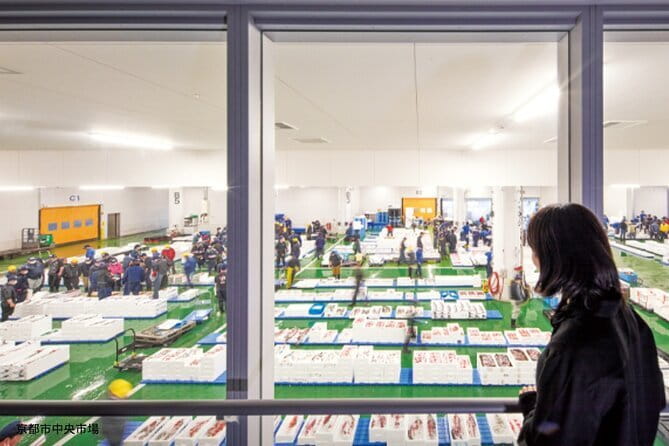
You then head to Yasui-Konpiragu, with about 10 minutes and free admission. This stop is described as one of Kyoto’s unusual Shinto shrines, tied to people seeking to cut ties with bad relationships or habits and form stronger connections.
What this adds to the night ride is variety. Many Kyoto itineraries keep things visually focused, but this shrine stop gives you a different kind of experience, one rooted in intention and tradition. It’s a change of pace from the photo-heavy pagoda and slope areas.
The drawback to consider is that you may not know what to look for until you understand the shrine’s theme. This is where a bilingual guide matters. If you’re the type who likes to understand the meaning behind what you’re seeing, you’ll get more out of this stop than you might on a purely scenic route.
A day of temples goes further with something to break it up.
Hokan-ji Temple Area and Yasaka Pagoda Photo Time
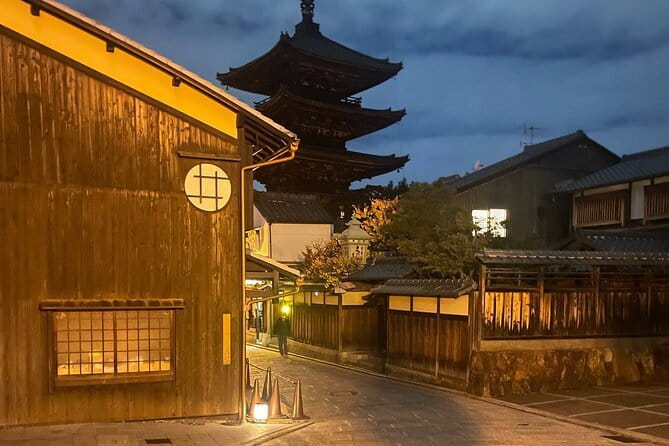
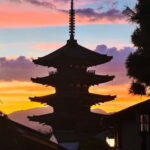
After that, the tour brings you to Hōkan-ji Temple (Yasaka Pagoda) area, with about 15 minutes. The surrounding streets are described as narrow and cobblestoned, lined with traditional machiya townhouses, and the pagoda sits in a famous photographic viewpoint.
This is one of the key “big wow” moments on the route because the Yasaka Pagoda view looks incredible when the streets are lit. Even if you’ve seen it in books or on postcards, seeing it among real townhouses and old stone streets makes it feel more immediate.
Photo tip that actually helps: arrive ready. At this stop, you’ll be balancing three things at once: staying with the group, finding a viewpoint that won’t block others, and getting the pagoda framed with the surrounding street. If you can, take one wide shot first to capture the whole view, then switch to a closer angle once you’ve identified the most stable position to stand.
Ninenzaka and the Classic Higashiyama Slope Views

Next comes Ninenzaka, again with about 15 minutes and free admission. The itinerary frames it as one of the best night scenery spots and a traditional area. It also notes that Ninenzaka is connected to a broader slope viewpoint in Higashiyama.
Ninenzaka is valuable on a bike tour because it sets up Kyoto’s “walking culture.” The streets and steps make it slower by design, which is exactly why they shine at night. The lighting hits the slope textures, and the street layout naturally leads your eyes toward the view.
If you’re prone to rushing, this is your reminder to slow down. These stops work best when you pause and look up, not just straight ahead.
The Higashiyama Park Stop With Cherry Trees, Ponds, and Wooden Bridges
The final stop is described as the most famous park in Higashiyama, with cherry trees, ponds, and wooden bridges. The exact name is not specified in the tour outline, but the description is clear enough that you’ll know the feel of the place: a classic Kyoto garden-and-pond landscape style setting.
Even if the cherry trees are not in season during your visit, the pond-and-bridge atmosphere still matters. In Kyoto, parks like this can be calm in the evening, giving you a break from the heavier shrine and street scenes. It’s also a nice landing point for your ride, because the park setting often gives you a slower final moment to reflect on what you just saw.
What the Price Covers, and Whether It’s Good Value
At $80, the value depends on what you would otherwise do. If you plan to visit these sights by yourself, you’d have to pay for transport, figure out routing, and manage timing around crowds. This tour packages the key sights into one evening plan with a bicycle included, bottled water, and all entrance fees covered.
It also includes a guide who is bilingual, which is not a small detail in Japan. Even a basic explanation of what you’re seeing and the etiquette around shrines and neighborhoods can make the difference between seeing landmarks and actually understanding them.
The main value question is pacing. One review mentioned the guide talked a lot and the rider time felt shorter than expected. If you’re the type who wants a steady flow of cycling, I’d treat this as a guided cultural ride, not a nonstop pedal fest.
Riding Comfort and Safety: The Stuff You Should Check Before You Go
You do need moderate physical fitness, and one review gave a blunt recommendation: make sure you’re a fairly proficient bike rider. That’s the right call. Kyoto’s evening streets can include turns, narrow sections, and uneven surfaces near the stops.
Here’s what you can do before the tour starts:
- Wear comfortable shoes you can walk in during short temple and shrine areas.
- Bring weather-appropriate layers since you’re out after sunset.
- If you’re even slightly unsure about bike control, consider practicing balance and braking before meeting time.
On the plus side, the tour is designed with safety in mind, and one review highlighted a guide (Juan) who made riders feel safe on the bike. That’s a good sign you’re not just handed a bicycle and left to figure things out.
Who This Tour Is Best For
This tour fits best if you want:
- Multiple Kyoto highlights in one evening without planning transit and route details.
- Night photography moments at iconic places like Fushimi Inari-taisha, Hanamikoji/Gion, and the Yasaka Pagoda area.
- A small-group experience with a guide who can explain what you’re seeing.
It’s less ideal if you strongly prefer:
- A long, continuous biking experience with minimal talking.
- A first-time bicycle outing, especially if you’re not used to riding in traffic-adjacent settings.
Should You Book Kyoto at Night by Bike?
I think you should book if your goal is a guided night tour that links top Kyoto scenes into a single, manageable evening. The combination of torii gates at Fushimi Inari, lantern-toned streets in Miyakawa-cho, Gion orientation, and the Yasaka Pagoda viewpoint is a great mix of meaning and photo value. The small group size also helps the experience feel less chaotic.
Don’t book if you’re expecting a mostly nonstop ride with very little stopping and very little guide talk. Also, be honest with yourself about bike comfort. This is a night tour where good control matters.
FAQ
What time does the Kyoto at Night by Bike tour start?
The tour starts at 5:00 pm.
How long is the tour?
It runs for about 3 hours 45 minutes.
Where do I meet for the tour?
The meeting point is a 7-Eleven at 44-1 Higashikujō Kamitonodachō, Minami Ward, Kyoto 601-8002, Japan. The tour ends back at the meeting point.
What is included in the price?
The tour includes all entrance fees, use of a bicycle, and bottled water. Guide gratuities and hotel transportation are not included.
Is the tour suitable for beginners on a bicycle?
The tour calls for moderate physical fitness. One review advises it is best for fairly proficient bike riders, so if you are new to biking, plan carefully.
What group size should I expect?
This activity has a maximum of 9 travelers.
What is the cancellation policy?
You can cancel for a full refund up to 24 hours in advance of the experience start time. The experience requires good weather, and if canceled due to poor weather, you can choose a different date or a full refund.
New This Season
- Koyasan Day Trip by Private Car from Kyoto
- Old Port Town and Ultimate Sake Tasting Private Tour From Kyoto
- Kyoto’s Timeless Charm: 3hr Exploration of History and Peace
- Kyoto: 5 Types of Sushi Making
- Sacred Peak & Ancient Paths: Kurama-Kibune Hiking Experience
- Kyoto: Exclusive ZEN practice at Manpukuji temple in Uji
- Kyoto: Private Seasonal Aroma Yoga Class
- Traversing Kyoto’s Scenic West – Arashiyama to Kinkakuji
Cycling Tours, compared.
Bike Tour Exploring North Kyoto plus Lunch
Read our review →
Arashiyama Bamboo Forest & Hidden Gems Bike Tour (Early Bird)
Read our review →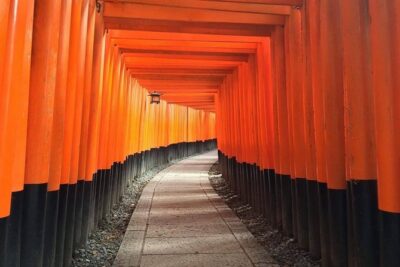
5 Top Highlights of Kyoto Full Day Bike Tour (E-bike option)
Read our review →
Full Day Biking Tour Exploring the Best of Kyoto
Read our review →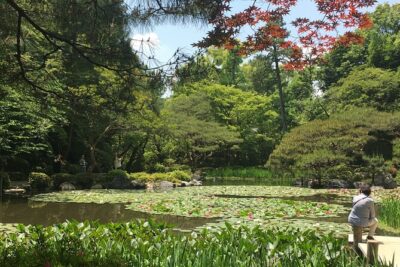

Afternoon Kyoto Bike Tour: Bamboo Forest, Monkeys & Hidden Spots
Read our review →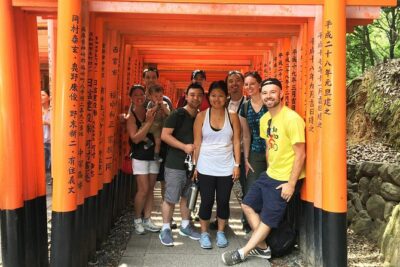
South Kyoto in a Nutshell: Gentle Backstreet Bike Tour!
Read our review →Also filed under