Reviewed · FULL-DAY
Full Day Kyoto Chartered Taxi Tour
Seven hours, four Kyoto stops, zero transit stress. This full day chartered taxi tour lets you move around town efficiently, with hotel pickup and drop-off and a custom plan built around the sites you care about.
I also love the human touch. You get an English speaking professional guide, and that’s what turns famous places into something you can actually understand and enjoy, especially when you hear the background while you’re standing there.
One consideration: most main admissions are not included, and food and drinks are not included either, so your final day cost depends on which temples and castles you choose.
In This Review
- Key things I’d plan for
- Why a Chartered Taxi Makes Kyoto Easier in One Long Day
- Choosing Your Four Sites: How the Custom Route Works
- Kinkakuji Temple: Gold Pavilion Views With a Real Story Behind Them
- Kiyomizu-dera Temple: Heian-Era Roots You Can Sense in the Place
- Fushimi Inari-taisha Shrine: Torii Gates and Trails That Reward Patience
- Bamboo Forest Street and the Bamboo Groves Area: A Straight Shot to Atmosphere
- Togetsukyo Bridge: River Views That Anchor Your Arashiyama Day
- Tenryu-ji Temple: Arashiyama With World Heritage Status
- Ryoanji Temple and the Karesansui Rock Garden: Calm and Minimal, With Details That Pay Off
- Sanjusangendo Temple: 33 Pillars and a Hall Full of National Treasures
- Nijo Castle: UNESCO-Level Space and Momoyama-Era Details
- Where Kyoto Imperial Palace and Other Options Fit In
- Price and What It Covers When You Add Admissions
- The Real Experience: How Guidance Changes the Day
- Who This Tour Is Best For (and Who Might Skip It)
- Should You Book This Kyoto Chartered Taxi Tour?
- FAQ
- How long is the Full Day Kyoto Chartered Taxi Tour?
- What sites can I choose for my tour?
- How does site selection work after booking?
- Is hotel pickup and drop-off included?
- Is the tour private?
- Do I need to pay admission fees for temples and shrines?
- Are food and drinks included?
- What language is the guide?
- Is there a taxi fee included?
- What is the cancellation policy?
Key things I’d plan for
- Hotel pickup and drop-off by chartered taxi saves time and hassle in Kyoto
- Choose four sites from a clear menu, so the day fits your interests
- English speaking professional guide adds context to temples and shrines
- Some stops are admission free (like bamboo street and Togetsukyo Bridge), which helps your budget
- Admissions and meals are extra, so pack or budget for them
Why a Chartered Taxi Makes Kyoto Easier in One Long Day
Kyoto looks compact on a map, but in real life it can feel like you spend half your day moving. This tour is built around a chartered taxi model, which means less navigating transfers, less waiting, and more time at the places that matter to you.
You also start with hotel pickup, then finish with hotel drop-off. That matters because Kyoto days can be a lot of walking plus sudden weather shifts. Door-to-door transport makes it easier to keep your energy for the temples and gardens.
And yes, you are still going to walk. But taxi time is what keeps the day from turning into a logistics project.
Choosing Your Four Sites: How the Custom Route Works
This is a private custom tour. You pick four places from the options, and your guide builds the flow from there. After booking, you’ll receive an email and you reply with your four selected sites. That part is straightforward, and it gives you control.
Here’s what the list of options includes:
- Kinkakuji Temple
- Kiyomizu-dera Temple
- Fushimi Inari-taisha Shrine
- Bamboo forest area
- Nijo Castle
- Togetsukyo Bridge
- Tenryuji Temple
- Ryoanji Temple (Karesansui Rock Garden)
- Sanjusangendo Temple
- Kyoto Imperial Palace
(Plus the bamboo groves, rock garden, and bridge are also listed as separate picks in the options list.)
Why I like this approach for Kyoto: it avoids the common problem where you’re rushed through five or six highlights. Here, four gives you a real chance to see, pause, and take in details.
One small planning note: the tour runs about 7 hours total, and most stops are set to about 30 minutes to 1 hour. So choose a mix that fits your style. If you love interiors and museum-like spaces, pick places that get you indoors. If you love viewpoints and atmosphere, prioritize bamboo, torii streets, and riverside scenery.
A quieter way to spend a day in Kyoto
- 5 Top Highlights of Kyoto Full Day Bike Tour (E-bike option)
★ 5.0 · 511 reviews - Full Day Biking Tour Exploring the Best of Kyoto
★ 5.0 · 498 reviews - Full Day Guided Tour to Kyoto and Nara from Osaka by Van
★ 5.0 · 420 reviews - Nara Park, Osaka & Kobe from Kyoto Full Day tour
★ 5.0 · 207 reviews
Kinkakuji Temple: Gold Pavilion Views With a Real Story Behind Them
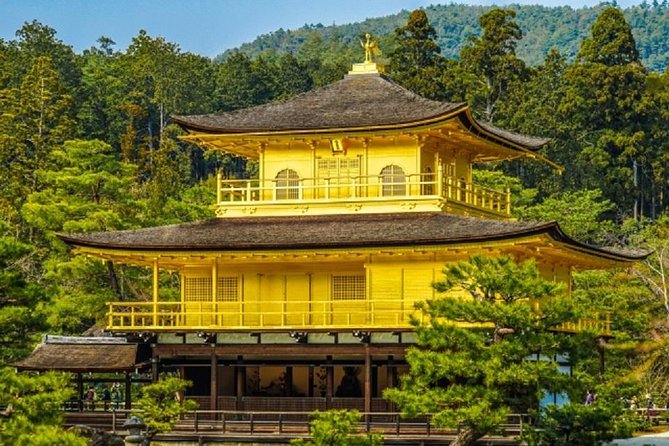
If you choose Kinkakuji, you’re choosing one of Kyoto’s most visually famous sights. The temple is known for the Kinkaku Sariden building. It’s also part of the story of resilience, because the original structure burned down in the 1950 fire and was rebuilt in 1955 close to how it was before.
What I find useful in a guided stop like this is that you understand what you’re seeing, not just what the building looks like in photos. When a place has a built-in twist like this, your brain remembers the details better once you connect them to the timeline.
A practical note: the admission ticket is not included. So if Kinkakuji is one of your four, budget for that entrance fee. Plan for time to line up and get inside calmly, instead of trying to cram it into the last minutes of your day.
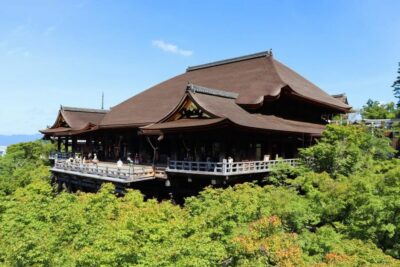
Kiyomizu-dera Temple: Heian-Era Roots You Can Sense in the Place
Kiyomizu-dera is one of those Kyoto stops where you can feel the age in the approach. The temple was first constructed during the early part of the Heian period, and it’s believed to date back to the year 768.
A guide helps here because the site can feel like a maze of views and stairways unless you know what to look for. With an English speaking professional guide, you can connect the practical layout to the deeper timeline. You also get help with pacing so you’re not stuck behind slower groups with no idea what to prioritize.
Admission is not included for this stop. If your group is sensitive to walking time, decide ahead of time how much you want to do before your day becomes exhausting. You’ll still get the most out of the visit if you slow down, especially if you like historic context.
Fushimi Inari-taisha Shrine: Torii Gates and Trails That Reward Patience
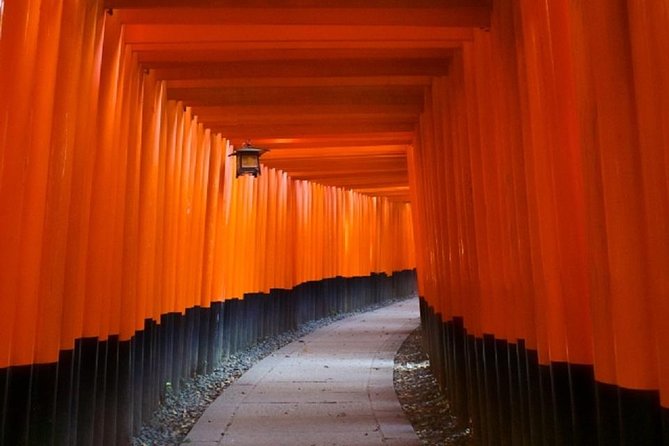
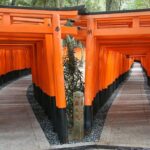
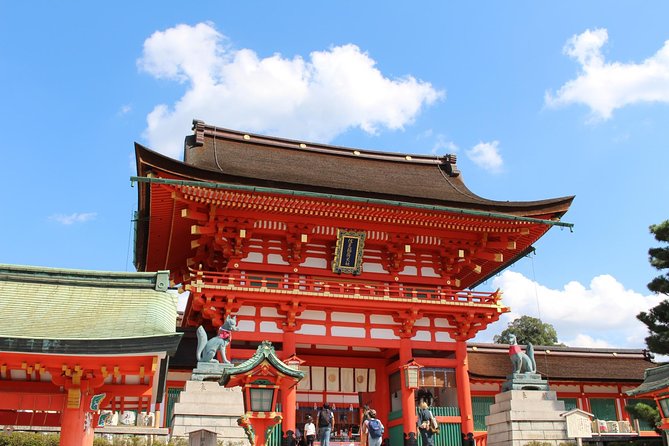
Fushimi Inari-taisha is famous for thousands of vermilion torii gates straddling a network of trails behind the main buildings. The shrine has been worshiped by many people for about 1300 years, and it’s been revered as connected to the god of business prosperity.
Here’s what matters for your experience: you can see the main gate area quickly, but you’ll miss what makes this place special if you treat it like a photo-only stop. With a guided visit, you can decide how far to walk on the trails based on your energy and your interest in the setting.
Admission is not included. But beyond cost, think about timing. If you arrive when it’s comfortable, the gates feel almost rhythmic as you move through them. If you arrive during peak crush, it can still be worth it, just plan to focus on the atmosphere rather than speed.
Bamboo Forest Street and the Bamboo Groves Area: A Straight Shot to Atmosphere
One of the most relaxing parts of the tour options is the bamboo forest area. The description highlights a stretch from Nomiya Shrine to Okawachi Sanso Garden, about 400 meters of bamboo forest. The trees are tall enough to cover the sky.
This is the kind of Kyoto experience that needs less explanation and more space to notice light, shadows, and the way sound changes. I like that this segment is listed with admission ticket free, which helps your total day budget.
The description also mentions an extra charge if you want to go into the Okawachi Sanso Garden area. If that garden access is a priority for you, count it into your spending. If it is not, you can still enjoy the core bamboo walk without paying extra.
Wear comfortable shoes. Bamboo areas can be deceptively simple, and you’ll likely spend time standing still to let the moment sink in.
A day of temples goes further with something to break it up.

Togetsukyo Bridge: River Views That Anchor Your Arashiyama Day
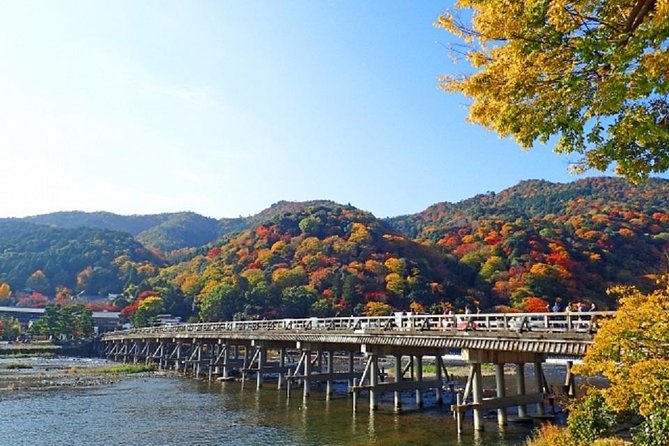
Togetsukyo Bridge is described as a wooden bridge over the Katsura River, measuring about 155 meters long and 11 meters wide. The view is said to be superb when the bridge meets the gently flowing river, with Arashiyama behind it.
Even with a short stop time, this is one of those places that helps the rest of the day click into place. It gives you a clear visual anchor, so your brain maps the day as a single story instead of separate attractions.
This stop is listed as admission ticket free, which is nice if you’re trying to control costs while still hitting a classic Kyoto viewpoint. If the weather is clear, this is a great place for slow looking. If it’s cloudy or rainy, focus on the river tones and the way the bamboo areas feel quieter nearby.
Tenryu-ji Temple: Arashiyama With World Heritage Status
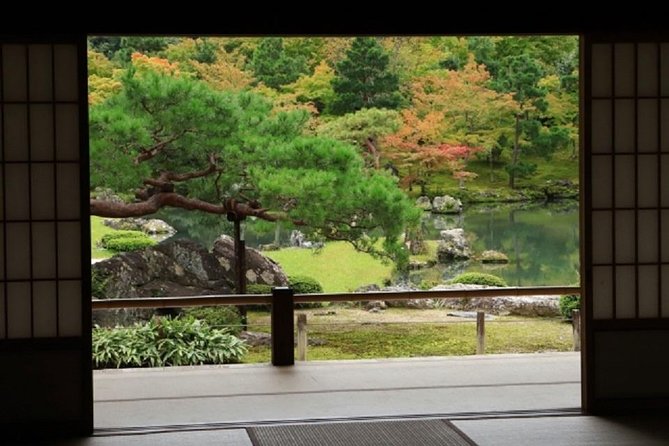
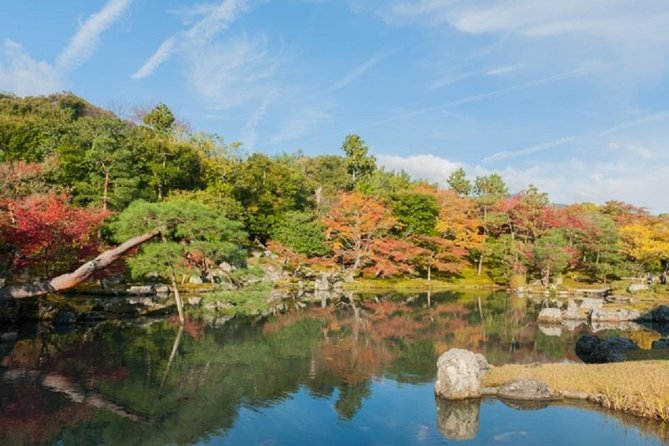
Tenryu-ji Temple sits in Arashiyama, and it is a World Heritage Site as one of the cultural assets of ancient Kyoto.
Tenryu-ji is a great choice if you want something a bit more structured than the bamboo walk. It’s also a good pairing with Togetsukyo Bridge because you get both the outdoor river view and the more temple-focused experience in the same general zone.
Admission is not included for this stop. Plan your timing so you’re not rushing. A guided visit is where you can connect the World Heritage label to what you’re actually seeing, instead of treating it like a stamp.
Ryoanji Temple and the Karesansui Rock Garden: Calm and Minimal, With Details That Pay Off
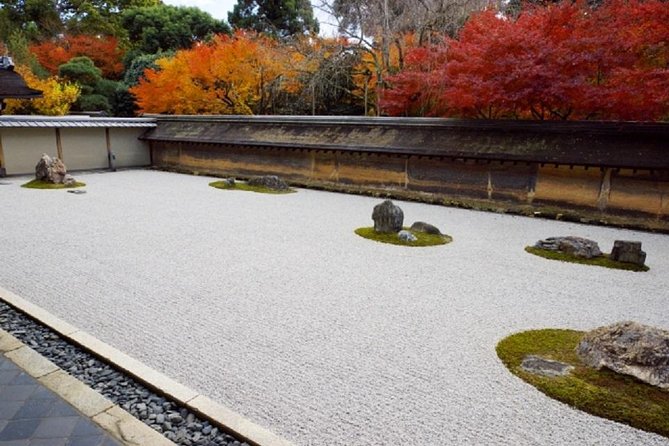
Ryoanji is where you go for the Karesansui rock garden, which is world famous. The highlight mentioned is the Kyoyochi pond, and the water lily in that pond can peak in May and July.
This is one of the best stops on a taxi itinerary if you want a break from the visual overload of gates, crowds, and bright temple facades. Rock gardens ask for attention. You look, you shift your angle, and the design starts doing something to your brain.
Admission is not included. But I think that’s worth it if your group likes quiet, reflective places. If you’re visiting in colder or off-peak seasons, you might not see lily peak moments, but the garden design still works year-round.
Also, take your time. For a place like this, rushing is the enemy. Your guide can help you stay oriented and make the most of the view angles you get.
Sanjusangendo Temple: 33 Pillars and a Hall Full of National Treasures
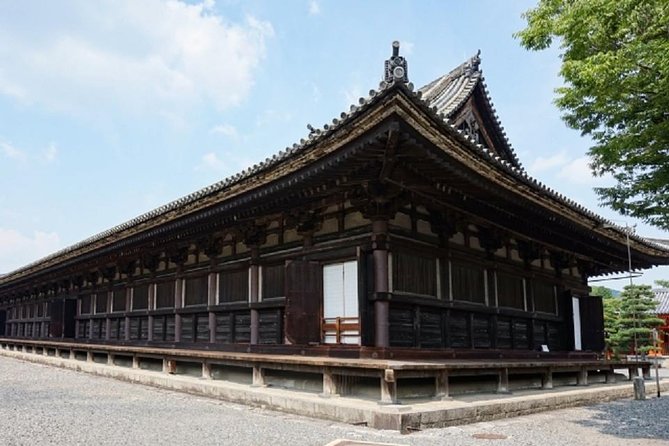
Sanjusangendo Temple was built in 1164 by Emperor Goshirakawa. The hall has architectural detail described as 33 pillars extending north and south. The site also includes many national treasures.
This stop is dramatic in a different way than the bamboo or the torii gates. Instead of open air pathways, you get a large hall experience. If your group likes craftsmanship and scale, Sanjusangendo is a strong pick among your four.
Admission is not included for this stop. It’s also the kind of place where being guided can matter, because you can focus on what to look for rather than getting lost in the sheer number of objects and details.
If you’re the kind of traveler who enjoys how old buildings were engineered and designed, this is a great choice.
Nijo Castle: UNESCO-Level Space and Momoyama-Era Details
Nijo Castle is listed as a UNESCO World Heritage site. You can see the ruins of the Momoyama culture that have been around for about 400 years, including the Ninomaru Palace, Ninomaru Garden, and the Karamon Gate.
This stop makes a lot of sense if you want your Kyoto day to include power and architecture, not only religious buildings. A guide can help you understand which parts are the key structures and how the castle layout gives you a sense of what life was like inside.
Admission is not included for this stop. Plan for time to walk and take in the structure details. Even if you only do a portion of the grounds, the main castle elements are the payoff here.
Where Kyoto Imperial Palace and Other Options Fit In
Kyoto Imperial Palace is part of the selectable options, but the details provided for this specific stop are limited. So here’s my practical advice: choose it if your interests lean toward palace grounds and formal historic spaces, and trust that your guide will help you make sense of what you see during your allotted time.
Same idea for the Karesansui rock garden option. The Ryoanji Temple stop already ties it to the famous garden, so if that’s on your mind, it makes sense to select the Ryoanji option so you get a focused visit.
In a custom tour, the goal is not to check boxes. It’s to build a day with places that fit your curiosity.
Price and What It Covers When You Add Admissions
The tour price is $353.58 per person for about 7 hours, and it includes hotel pickup and drop-off plus the taxi fee. The taxi fee is stated as an average of 40,000 yen.
That’s the heart of the value. In Kyoto, transportation costs and time can creep up fast. By bundling taxi time into a guided day, you buy back flexibility and reduce travel friction.
But you still need to budget for:
- Admission tickets, since they are not included
- Food and drinks, since they are not included
Some stops are listed as admission ticket free, like the bamboo forest street segment and Togetsukyo Bridge. Others are not. So your total day cost can swing depending on your four choices.
My rule for evaluating value: if you’re picking mostly high-demand paid sites, the guide and taxi probably justify the premium. If you pick several admission-free options, you’ll feel the price less, because you’re paying for comfort more than entrances.
The Real Experience: How Guidance Changes the Day
There’s one detail I think says a lot about this tour: an actual guide name came up, Mike. The feedback emphasizes that Mike was very helpful and made the day unforgettable, and that the plan was nicely organized.
That lines up with what you want from a private taxi day. A good guide does more than translate. They help you prioritize, pace the day, and make sure the stops connect logically.
You can also feel the difference when the guide is proactive about explanations. Places like Kinkakuji, Kiyomizu-dera, and Fushimi Inari are famous, but context is what keeps them from turning into a blur.
And because this is private, your group sets the tempo. If you want more pauses for photos or slower walking, you can ask.
Who This Tour Is Best For (and Who Might Skip It)
This tour is a strong fit if:
- You want a custom Kyoto day with only four selected sites
- You prefer the comfort of a taxi and hotel pickup
- You like your history and context explained in English while you’re there
- Your group includes people who do not want to manage multiple transit changes
You might consider another style of tour if:
- You’re trying to minimize total cost at all costs, since admissions and meals are extra
- Your group already knows Kyoto well and is comfortable DIY-ing the full day without a guide
If you’re a first-time visitor who feels overwhelmed by the choices, a custom taxi tour is a very practical way to get meaningful highlights without turning the day into stress.
Should You Book This Kyoto Chartered Taxi Tour?
I’d book it if you want Kyoto without the transit grind and you value a guided, explained day more than moving through every famous spot. The hotel pickup and drop-off, the English speaking professional guide, and the custom four-site format are the big reasons this works.
If you’re deciding between this and a more budget style tour, do the math your way. Add up which of your four picks are likely to have admission fees. Then weigh that against what you gain, less time wasted traveling and more time actually seeing.
One last tip: pick your four sites as a story. For example, combine a visual icon like Kinkakuji or Fushimi Inari with a calmer palate cleanser like Ryoanji, then anchor the outdoor vibe with bamboo and Arashiyama. That kind of mix keeps the day varied and satisfying.
FAQ
How long is the Full Day Kyoto Chartered Taxi Tour?
The duration is about 7 hours.
What sites can I choose for my tour?
You choose four places from the listed options, which include Kinkakuji Temple, Kiyomizu-dera Temple, Fushimi Inari-taisha Shrine, Arashiyama bamboo areas, Togetsukyo Bridge, Nijo Castle, Tenryuji Temple, Ryoanji Temple, Sanjusangendo Temple, and Kyoto Imperial Palace.
How does site selection work after booking?
After you book, you’ll receive an email. You reply with the four tourist sites you want to visit.
Is hotel pickup and drop-off included?
Yes. The tour includes hotel pickup and drop-off in Kyoto city.
Is the tour private?
Yes. It is a private tour, and only your group participates.
Do I need to pay admission fees for temples and shrines?
Admission tickets are not included, so you will need to pay them for stops where admission applies.
Are food and drinks included?
No. Food and drinks are not included.
What language is the guide?
You get an English speaking professional guide.
Is there a taxi fee included?
Yes. A taxi fee is included, with an average stated as 40,000 yen.
What is the cancellation policy?
This experience is non-refundable and cannot be changed for any reason. If you cancel or ask for an amendment, the amount paid will not be refunded.
New This Season
- Koyasan Day Trip by Private Car from Kyoto
- Old Port Town and Ultimate Sake Tasting Private Tour From Kyoto
- Kyoto’s Timeless Charm: 3hr Exploration of History and Peace
- Kyoto: 5 Types of Sushi Making
- Sacred Peak & Ancient Paths: Kurama-Kibune Hiking Experience
- Kyoto: Exclusive ZEN practice at Manpukuji temple in Uji
- Kyoto: Private Seasonal Aroma Yoga Class
- Traversing Kyoto’s Scenic West – Arashiyama to Kinkakuji
Full-Day, compared.
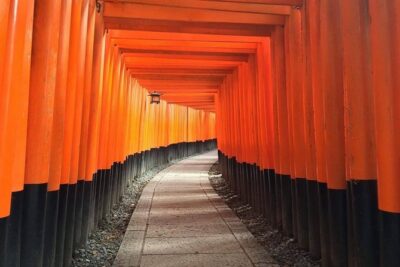
5 Top Highlights of Kyoto Full Day Bike Tour (E-bike option)
Read our review →
Full Day Biking Tour Exploring the Best of Kyoto
Read our review →
Full Day Guided Tour to Kyoto and Nara from Osaka by Van
Read our review →
Nara Park, Osaka & Kobe from Kyoto Full Day tour
Read our review →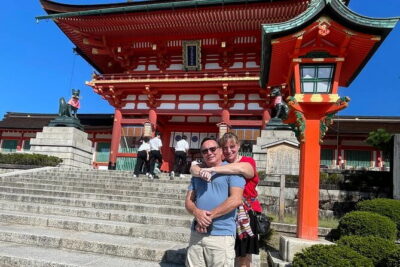
Kyoto Private Car Tour – Full Day with Local Guide & Nara Option
Read our review →
Full Day Hiroshima and Miyajima Tour by Bullet Train from Kyoto
Read our review →