Reviewed · PRIVATE
KIYOTO’s Kyoto Private Tour: Highlights & Hidden Gems
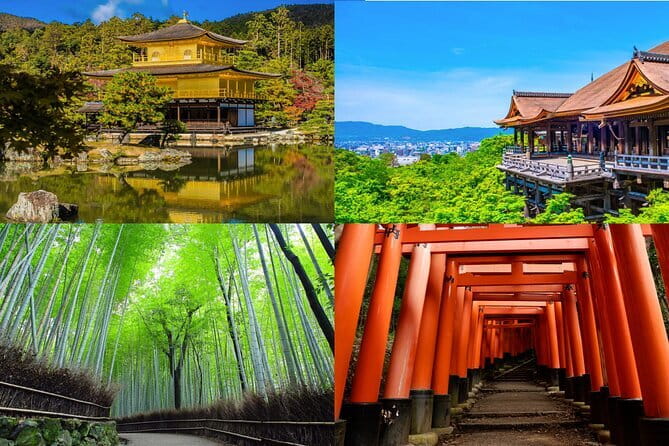
Kyoto feels bigger when someone maps your steps. This private 6-8 hour tour takes you through Kyoto’s most famous sites in a smart order, with trained English/Japanese guides and a walking pace that helps you actually notice what you’re seeing, not just check boxes. You’ll start with classic photo territory like Fushimi Inari and end with the atmosphere of Arashiyama Bamboo Forest.
I love two things most about this experience. First, the crowd-aware pacing that keeps you moving efficiently between neighborhoods, plus frequent short breaks so your day stays comfortable. Second, the food-and-temple mix that uses street snacks and market time as part of the story, not an afterthought, including well-timed stops around Sannenzaka, Ninenzaka, and Nishiki Market.
One consideration: the meeting point can be vague, and a guide may not always be easy to spot right away. The fix is simple, message your guide early on WhatsApp and confirm exact pickup details so you do not waste time hunting.
In This Review
- Key things that make this tour work well
- From Pickup in Kyoto to a Smooth Start Day
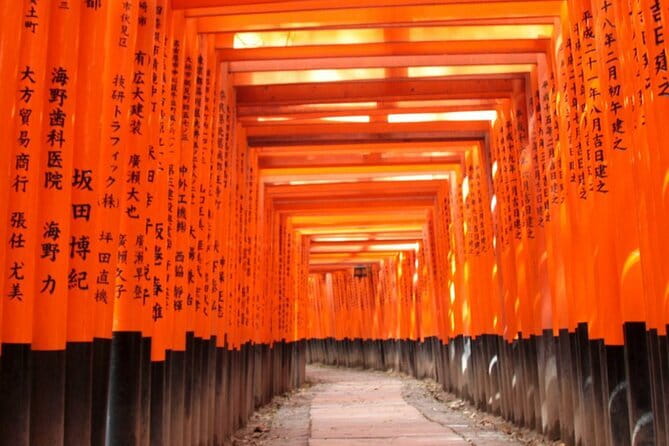
- Fushimi Inari Taisha, Fox Gates Explained While You Walk
- Kiyomizu-dera Panoramas, Then the Downhill Streets of Sannenzaka and Ninenzaka
- Coffee, Quick Photo Stops, and Gion’s Walkable Rhythm
- Nishiki Market Lunch Strategy for Hungry Feet
- Kinkaku-ji Golden Temple Visits That Feel Less Like a Chore
- Arashiyama Bamboo Forest, Walking Pace, and Quiet Timing
- Price and Value: What $116 Covers, and What to Budget for Cash
- How Guides Keep the Day Comfortable (and Not Stiff)
- Should You Book This Kyoto Private Tour?
- FAQ
- How long is KIYOTO’s Kyoto Private Tour?
- Where does the tour start?
- What are the main highlights on the tour?
- Is this tour private?
- What languages are available for the guide?
- Are admission fees included?
- Are meals included?
- How much cash should I bring?
- How do I communicate with the guide before the tour?
- Is it wheelchair accessible?
Key things that make this tour work well
- Trained, responsive guides who adjust to your pace and interests, with examples like Mariko being praised for showing Kyoto’s best angles and respecting wishes
- A walking-first approach that turns big sights into a sequence you can actually enjoy, with short stops for coffee, snacks, and photos
- Fushimi Inari plus Kiyomizu-dera viewpoints as early anchors, so the day starts with strong energy
- Nishiki Market time built in for lunch and sampling, so you taste Kyoto rather than just look at it
- Kinkaku-ji and Arashiyama slotted into the afternoon and evening rhythm, which helps you avoid feeling rushed at the end
From Pickup in Kyoto to a Smooth Start Day
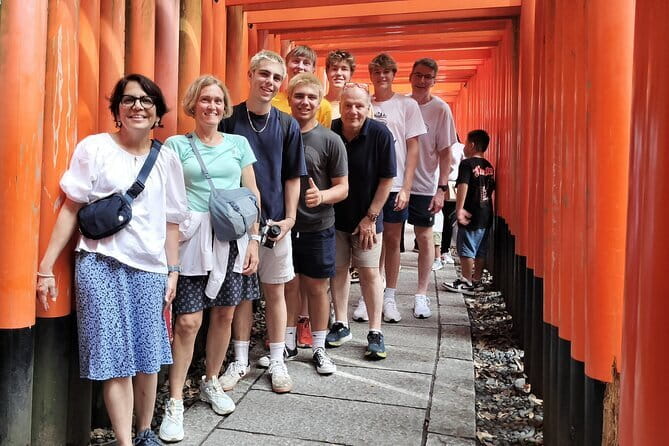
The experience is designed to be easy from the moment you meet. Pickup is included once your booking is confirmed, and you can tell the guide the location you prefer, such as your hotel, a station, or a landmark. You also have WhatsApp communication, which matters because Kyoto days can go sideways fast if you are unsure where to meet.
The tour uses a mix of walking and short transport hops. You start with a brief train segment, then switch to cabs and bus/coach legs between districts. That combination is practical: it saves your legs for the neighborhoods where walking is the point.
Comfort is built in with gentle pacing and opportunities to rest in tea houses or local cafés. The itinerary includes coffee stops along the classic uphill and downhill streets in Higashiyama, so you are not walking straight through every landmark.
Fushimi Inari Taisha, Fox Gates Explained While You Walk
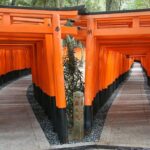
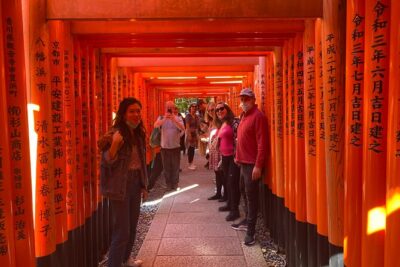
Fushimi Inari Taisha is the kind of place where you can easily get lost in crowds and selfies. On this tour, you get a guided pass through the shrine grounds, which is more valuable than it sounds. The big win is having context for what you are seeing as you walk the approach paths and shrine areas.
Expect a guided visit that lasts about 40 minutes, which is a good window. It is long enough to understand the place and still short enough that you are not drained before the next viewpoint day.
What I like about starting here is how it sets the tone. Kyoto icons can feel like scenery until you learn how the site connects to local beliefs and everyday devotion. You do not have to be a history person to benefit. You just need a guide to help you read the details.
A quieter way to spend a day in Kyoto
- Fushimi Inari Hidden Hiking Tour (Private Option Available)
★ 5.0 · 1,750 reviews - Private Kyoto Tour with a Local, Highlights & Hidden Gems, Personalised
★ 5.0 · 1,543 reviews - Kyoto 6hr Private Tour with Government-Licensed Guide
★ 5.0 · 1,369 reviews - 10 Must-see Spots in Kyoto One Day Private Tour (up to 7 people)
★ 5.0 · 1,108 reviews
Kiyomizu-dera Panoramas, Then the Downhill Streets of Sannenzaka and Ninenzaka
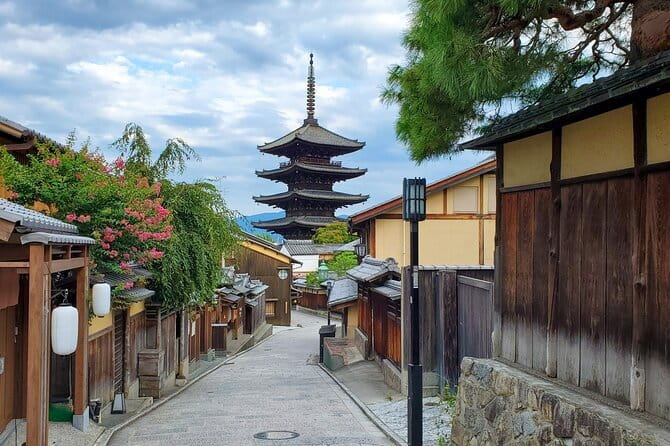
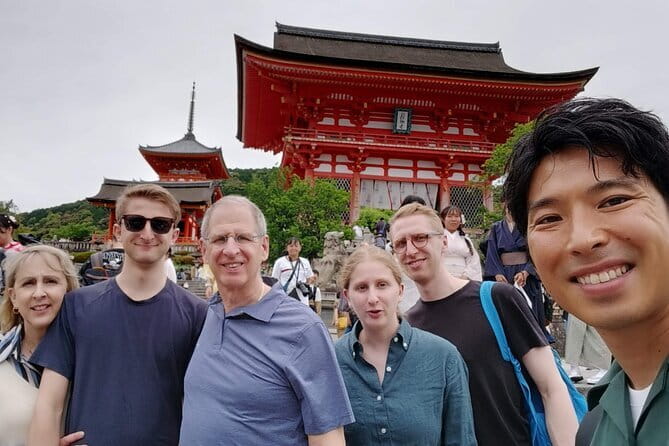
From Fushimi Inari, you ride over toward Kiyomizu-dera, then spend about an hour on site. The real payoff here is the panoramic view of Kyoto from the grand stage area. Even if you have seen photos before, the view lands differently in person because you understand the layout of the hills and neighborhoods around you.
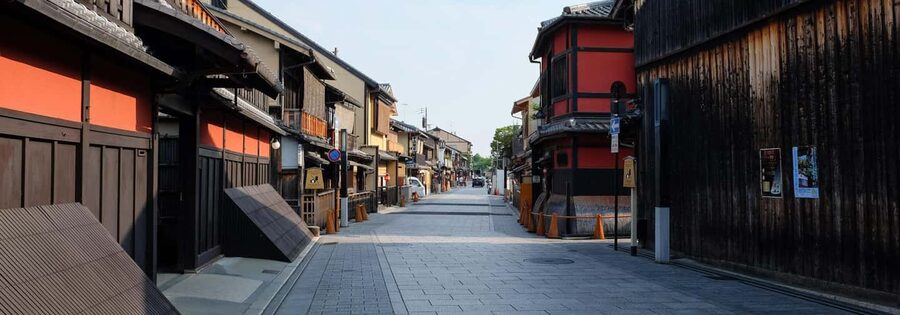
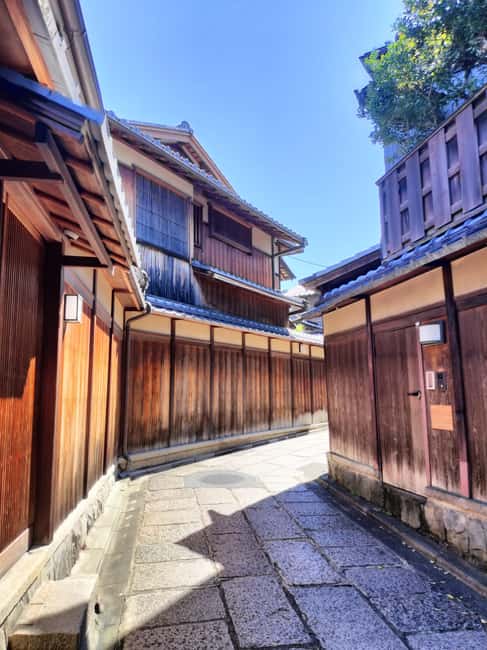
After Kiyomizu-dera, the tour shifts into a walking experience through Higashiyama’s famous lanes. You step into Sannenzaka and Ninenzaka, two streets known for their old-town atmosphere and snack stops. The itinerary builds in time for coffee and street food, plus shopping and guided walking through scenic sections, with about 15 minutes in each area.
Here is the practical reason I think this works: you get time to slow down on the most crowded stretches without losing the chance to keep moving. The guide helps you pace it so you are not spending your whole day stuck behind slow-moving crowds.
Also, these streets are where Kyoto can feel most sensory. Incense drifting from smaller shrines, wooden textures on traditional gateways, and the sound of everyday street life all show up when you are walking instead of bus riding. You do not need to hunt it. You just need time in the right places.
Coffee, Quick Photo Stops, and Gion’s Walkable Rhythm
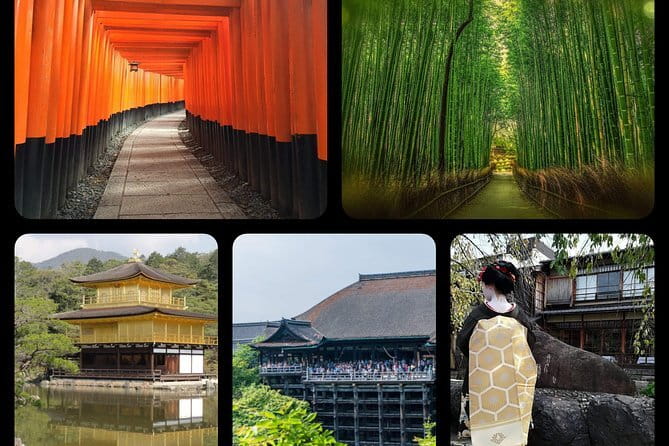
The middle part of the tour keeps transitioning between views, shrine photo stops, and classic streets. There is a short stop at Starbucks Kyoto Nineizaka Yasaka Chaya for photos and a guided moment. If you prefer to avoid branded stops, you still benefit from the timing here because it keeps your day on schedule while you pause in one of the photogenic stretches.
Next come Yasaka Shrine and Hanamikoji-dori, each with photo and guided walking time. These stops are short, around 10 minutes each, but they are well placed. They help you connect the larger shrine area with the street that many people associate with traditional geiko culture in Kyoto.
Then you reach Gion for a longer walk segment of about 20 minutes, again focused on photo stops, guided explanations, and scenic walking views.
A note on expectations: this portion is not a deep dive into performances or shopping errands. It is built to give you the feeling of the districts and the visual rhythm of Kyoto at human pace, with the guide adding context so it does not feel like you are just moving between landmarks.
Nishiki Market Lunch Strategy for Hungry Feet
Nishiki Market is one of the best places in Kyoto to eat and wander at the same time. On this tour, you get about an hour break here for lunch and food tasting. The itinerary explicitly includes street food, shopping, local snacks, and a market visit, which tells me the tour is treating Nishiki as a highlight, not just a stop between temples.
This is where having a guide really helps. If you have ever tried to choose stalls in Nishiki without local guidance, you know how easy it is to miss the most interesting choices because everything looks delicious. With a guide, you can sample more thoughtfully and pace your eating so you do not get stuffed before your next big destination.
One review also points to the guide flexibility around lunch options, with a mention of a conveyor sushi restaurant experience. That suggests your guide may help steer you toward something quick, local, and easy to enjoy on a full-day schedule.
Practical tip: wear shoes you can stand in for an hour. Nishiki is food-focused, so you will likely do more standing and short walks than you expect.
Kinkaku-ji Golden Temple Visits That Feel Less Like a Chore
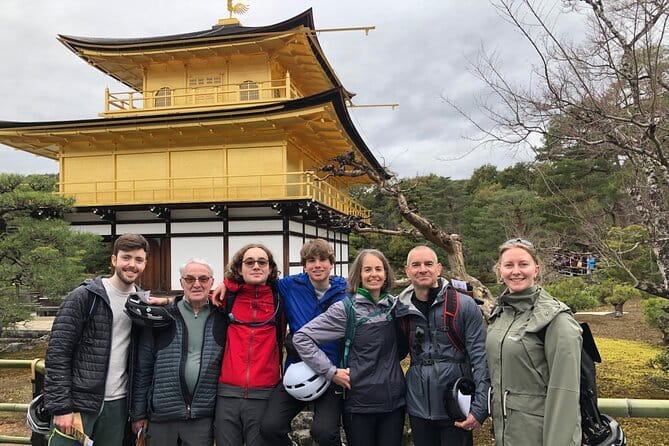
After Nishiki, you switch gears with a bus/coach ride and then arrive at Kinkaku-ji, the golden temple. You get about 50 minutes for guided visit and walking.
The value of this stop on a private tour is pacing and explanation. Kinkaku-ji is famous for a reason, but it can turn into a rush if you arrive with no plan. On this tour, you come with guided context and enough time to enjoy the temple area without feeling like you are just waiting for your turn.
I also appreciate how Kinkaku-ji sits in the day’s structure. By the time you reach it, you have already built your Kyoto understanding through Fushimi Inari and the Higashiyama streets. That means you will likely notice more than just gold and scenery. You will understand why the setting matters and what the temple represents in Kyoto Buddhism.
One downside to consider with any Kinkaku-ji plan is admission fees. This tour does not include admission fees, and that matters here because Kinkaku-ji and other paid facilities can add up. You can avoid stress by having cash ready.
A day of temples goes further with something to break it up.
Arashiyama Bamboo Forest, Walking Pace, and Quiet Timing
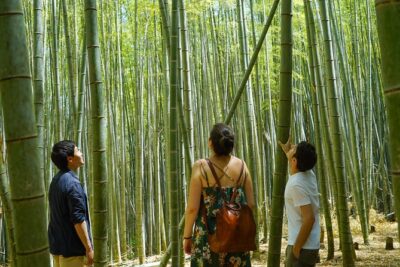
Your final highlight is Arashiyama Bamboo Forest. The itinerary includes about 30 minutes for visit, guided walk, and then a train segment afterward before you return to Kyoto.
Thirty minutes sounds short, but on a private tour it can be the right amount. It keeps you from getting stuck in a loop while still giving you time to experience the bamboo corridor, hear the ambient sound, and take photos without turning it into a marathon.
I like that Arashiyama is not the very first thing you do. Bamboo can feel overwhelming if you hit it too early or too late in the day, but by placing it near the end of your route, the tour tends to let you arrive with energy left for the walk.
One small thing to watch: shoes. Even with guided pacing, bamboo forest walkways and surrounding areas can be uneven or crowded. If your feet get sore easily, plan to slow down slightly and use the breaks your guide offers.
Price and Value: What $116 Covers, and What to Budget for Cash
The price is $116 per person for a 6-8 hour private experience. That is not just “a guide.” You are paying for a trained team, private routing, pickup, and a real mix of walking plus transport between districts.
What is not included is just as important as what is included. Admission fees are not included, and paid facilities typically range from ¥300 to ¥800. Since many places accept cash only, the tour recommends bringing around ¥1,000 per person for a half-day and ¥1,000 to ¥1,500 per person for a full-day.
Foods and drinks are also not included. That said, your itinerary includes food moments like coffee stops in Sannenzaka and Ninenzaka and an hour at Nishiki for lunch and tasting. Translation: you will still spend on food, but you are spending it where it matters.
If you want strong value, go hungry for Nishiki but plan snacks ahead so you do not double-buy. If you want the value to feel truly great, treat this as a day where you learn plus eat, not just a day where you check temples off a list.
How Guides Keep the Day Comfortable (and Not Stiff)
A big part of why this tour scores highly is the guide style. Multiple reviews praise the guides as pleasant and accommodating, and several highlight that the planning helps avoid crowds as much as possible. That crowd strategy is not about avoiding every person. It is about choosing the order and pacing so you are not stuck in a long bottleneck at every stop.
You also get bilingual support. The guide is listed as English and Japanese, and that bilingual ability matters if you want clear explanations of temple history and neighborhood context.
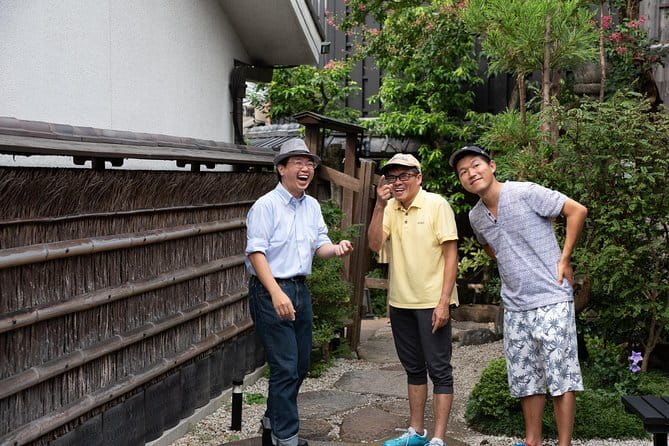
The tour also uses a small team approach. Guides are trained by the provider’s philosophy of genuine hospitality. You should feel comfortable asking for small adjustments, like slowing down for photos or choosing different snack styles, because the tour is built around walking at a human pace.
Should You Book This Kyoto Private Tour?
If you want Kyoto’s best-known sights with less chaos, I think this is a smart choice. It is especially good for first-timers who want a guided thread through Fushimi Inari, Kiyomizu-dera viewpoints, Higashiyama streets, Gion, Nishiki Market, Kinkaku-ji, and Arashiyama Bamboo Forest within one day.
Book it if you like structure but still want breathing room, and if you are willing to budget extra for admission fees and food. Skip it or think twice if you have mobility concerns, since the information provided is inconsistent about wheelchair suitability and the day involves a lot of walking.
Finally, do one simple thing that will upgrade your experience immediately: confirm the exact pickup and meeting point on WhatsApp before you leave. That solves the only repeated frustration point and lets you start the day focused on Kyoto, not on finding the group.
FAQ
How long is KIYOTO’s Kyoto Private Tour?
The duration is 6 to 8 hours.
Where does the tour start?
Pickup is included. After booking, you email your preferred pickup location such as your hotel, a station, or a landmark.
What are the main highlights on the tour?
You will visit Fushimi Inari Taisha, Kiyomizu-dera, Kinkaku-ji, and the Arashiyama Bamboo Forest, with time for areas like Sannenzaka, Ninenzaka, Yasaka Shrine, Hanamikoji-dori, Gion, and Nishiki Market.
Is this tour private?
Yes, it is a private group tour.
What languages are available for the guide?
The live tour guide is available in English and Japanese.
Are admission fees included?
No. Admission fees are not included, and paid facilities generally range from ¥300 to ¥800.
Are meals included?
Foods and drinks are not included. For half-day tours, meals are not included. For full-day tours, the tour includes a lunch break, and you are asked to cover the guide’s meal as well.
How much cash should I bring?
The guidance is approximately ¥1,000 per person for a half-day tour, or ¥1,000 to ¥1,500 per person for a full-day tour, since many places accept cash only.
How do I communicate with the guide before the tour?
The provider uses WhatsApp for communication between guests and the assigned guide.
Is it wheelchair accessible?
The activity information says wheelchair accessible, but it also states it is not suitable for wheelchair users and people with mobility impairments. If that applies to you, contact the provider to confirm whether the route can work for your needs.
New This Season
- Koyasan Day Trip by Private Car from Kyoto
- Old Port Town and Ultimate Sake Tasting Private Tour From Kyoto
- Kyoto’s Timeless Charm: 3hr Exploration of History and Peace
- Kyoto: 5 Types of Sushi Making
- Sacred Peak & Ancient Paths: Kurama-Kibune Hiking Experience
- Kyoto: Exclusive ZEN practice at Manpukuji temple in Uji
- Kyoto: Private Seasonal Aroma Yoga Class
- Traversing Kyoto’s Scenic West – Arashiyama to Kinkakuji
Private, compared.
Fushimi Inari Hidden Hiking Tour (Private Option Available)
Read our review →
Private Kyoto Tour with a Local, Highlights & Hidden Gems, Personalised
Read our review →
Kyoto 6hr Private Tour with Government-Licensed Guide
Read our review →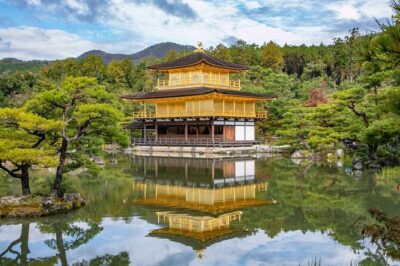
10 Must-see Spots in Kyoto One Day Private Tour (up to 7 people)
Read our review →
Kyoto 4hr Private Tour with Government-Licensed Guide
Read our review →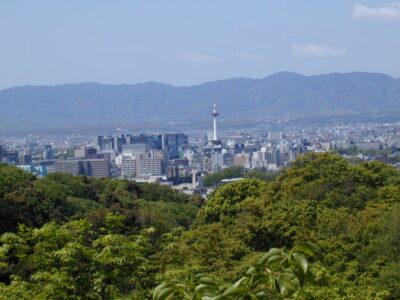
Private Kyoto Tour with Licensed Guide & Vehicle (Max 15 persons)
Read our review →