Reviewed · PRIVATE
KIYOTO’s Kyoto Private Tour: Highlights & Hidden Gems
Kyoto clicks into place fast, especially with a private guide. You get real conversation time while hitting big-ticket sights like Fushimi Inari-taisha and Kiyomizu-dera, plus the guide helps with photos so you leave with more than screenshots. The other thing I like is the flexible pace, even on a rainy day, which matters when your time is limited. The one thing to consider is that not all temple admissions are included, and this is mostly a walking plan.
This half-day to full-day route strings together Kyoto classics across multiple neighborhoods, from Pontocho and Hanamikoji to Kinkaku-ji and Arashiyama. You also get a couple of smart, local-feeling breaks, like a stop at the Kiyomizu-dera area lanes (Sannenzaka and Ninenzaka) and an option to explore inside the machiya-style Starbucks at Nineizaka.
You start back at the Kyoto Station area, at the Kyoto Tourist Information Center Kyo-NaviJapan (2nd floor). You also have the option of pickup, and you’ll use a mobile ticket for the experience.
In This Review
- Key highlights and practical takeaways
- Entering Kyoto Station to Start Like a Local
- Pickup, Walking Routes, and How to Think About Transport
- Pontocho to Hanamikoji: River Nights, Old Streets, Real Atmosphere
- Fushimi Inari-taisha’s Senbon Torii: Planning Your Steps
- Kiyomizu-dera and the Higashiyama View Factor
- Sannenzaka, Ninenzaka, and a Machiya Starbucks Stop
- Yasaka Pagoda (Gojunoto), Hokan-ji, and the Quick Photo Hits
- Nishiki Market: Kyoto’s Kitchen and a Sensible Food Strategy
- Kinkaku-ji, Tenryuji, and Arashiyama Bamboo: How the Tour Builds Variety
- Guide Quality Is the Difference: What You Get From Yuhey, Akiyo, and Paren
- Price and Value: What $177.90 Buys You in Kyoto
- Who This Kyoto Private Plan Fits Best
- Should You Book KIYOTO’s Kyoto Private Tour?
- FAQ
- How long is KIYOTO’s Kyoto Private Tour?
- Is this tour private or shared?
- Where do we meet for the tour?
- Is pickup included?
- What isn’t included in the tour price?
- Do we need to bring money for temple tickets?
- Is there a chance to stay longer at the Nineizaka Starbucks?
- Do I get a mobile ticket?
- What is the cancellation window?
- Are service animals allowed?
Key highlights and practical takeaways
- Private, one-group pace: Your guide works to your timing, not a bus schedule.
- A photo-forward guide style: Many guides focus on taking great shots and helping you capture them.
- Big-name Kyoto, plus calmer side streets: Pontocho, Hanamikoji, and Tatsumi Bridge break up the crowds.
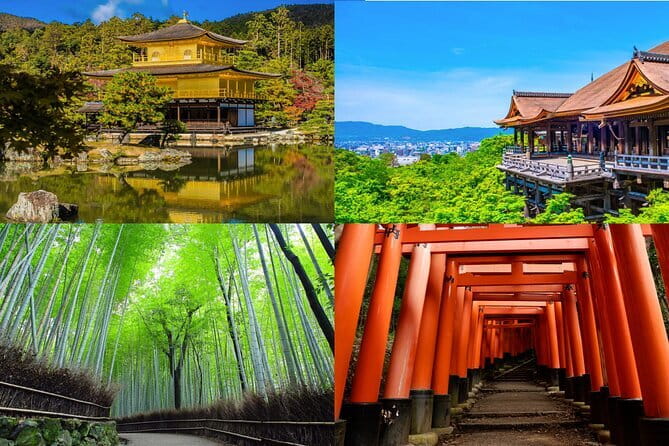
- A mix of temples, nature, and food: Fushimi Inari, Kiyomizu-dera, Nishiki Market, and Arashiyama Bamboo Forest.
- Know what costs extra: Temple and attraction tickets are not included, so plan a budget.
- Flex time for your interests: You can adjust when you find something that pulls you in, including time near the Nineizaka Starbucks.
Entering Kyoto Station to Start Like a Local
The meeting point is the Kyoto Tourist Information Center Kyo-NaviJapan, inside Kyoto Station on the 2nd floor. It’s a good place to begin because it anchors you near major transit, so you’re not playing catch-up before you even see the city.
This tour is designed as a walking experience first. That means you should expect to move through neighborhoods, stand in lines at popular sites, and do some street-to-street navigating. If your group needs it, public transportation may be used, but it would be at an additional cost.
The private setup is the real advantage here. With only your group, the guide can slow down for questions, move you when something is packed, and help you decide what to prioritize without turning your day into a sprint.
Pickup, Walking Routes, and How to Think About Transport
You’ll see pickup offered, but the experience description makes it clear that most of the day is on foot. That’s important because Kyoto’s best views and best street scenes come from walking, not from riding in comfort every minute.
Here’s the practical part: you’re responsible for food, drinks, and any attraction tickets. You’re also asked to cover costs for transportation and things above for both you and the guide. That usually translates to a higher spend than you’d pay for just the tour price, so it helps to budget early.
If you want to reduce walking strain, you can also plan your outfit and timing. Wear comfortable shoes with grip for stairs and slick stone, and bring a small day bag with water (even if the tour doesn’t include it). The tour can run anywhere from 4 to 8 hours, so pacing matters.
A quieter way to spend a day in Kyoto
- Fushimi Inari Hidden Hiking Tour (Private Option Available)
★ 5.0 · 1,750 reviews - Private Kyoto Tour with a Local, Highlights & Hidden Gems, Personalised
★ 5.0 · 1,543 reviews - Kyoto 6hr Private Tour with Government-Licensed Guide
★ 5.0 · 1,369 reviews - 10 Must-see Spots in Kyoto One Day Private Tour (up to 7 people)
★ 5.0 · 1,108 reviews
Pontocho to Hanamikoji: River Nights, Old Streets, Real Atmosphere
Your itinerary often kicks off in the Pontocho District. Pontocho is a narrow alley running along the Kamo River between Sanjo and Shijo. It’s one of Kyoto’s geisha districts, so you get the classic Kyoto feeling, with traditional architecture, restaurant life, and those lantern-lit side-street vibes.
From there, you move toward Gion’s heart with Hanamikoji Street. This narrow stone-paved lane is the beating heart of the geisha district scene. Even if you’re not there for a show, it’s a great place to absorb the atmosphere and ask your guide about how the area works day to day.
A quick but meaningful pause can be Tatsumi Bridge on the Shirakawa River. It’s short, but it’s the kind of Kyoto scene that photographs well and gives you a breather from temple stairs and market crowds.
If you enjoy a day that balances icons with street-level mood, these segments do the job. The main drawback is that you can encounter foot traffic and photo-line behavior around the most famous lanes, especially at peak times.
Fushimi Inari-taisha’s Senbon Torii: Planning Your Steps
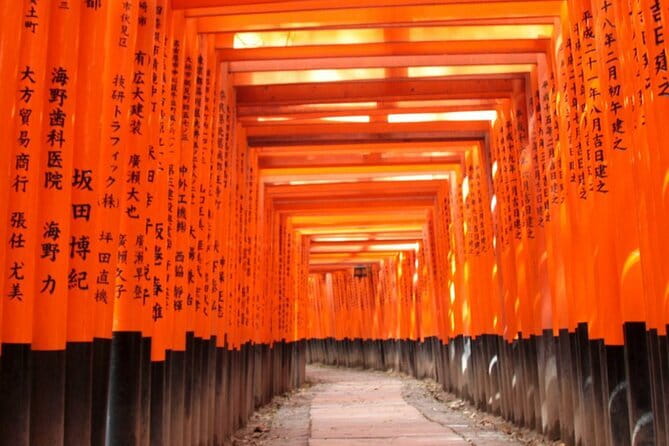
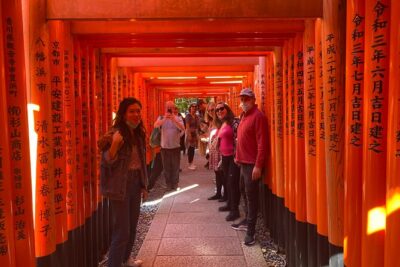
Fushimi Inari-taisha is where Kyoto turns theatrical. You walk into the Senbon Torii, the famous tunnel of vermilion torii gates, and it feels like you’re moving through a long corridor of shrine history.
The itinerary schedules about an hour here, and that’s enough time to get the classic photos early, then decide how far you want to go. If you only have one pass at Fushimi Inari, this tour gives you that first look with guidance on where to stop and how to move.
Two practical notes help your day:
- Torii gates look best when you walk with intent, not when you stand still in the densest crowd.
- Wear shoes you trust. The path can be uneven, and the climb can add up.
Admission at Fushimi Inari is free, which is a nice win for your budget. The rest of the day still includes paid temple admissions at certain stops, so don’t assume everything is free just because one anchor sight is.
Kiyomizu-dera and the Higashiyama View Factor
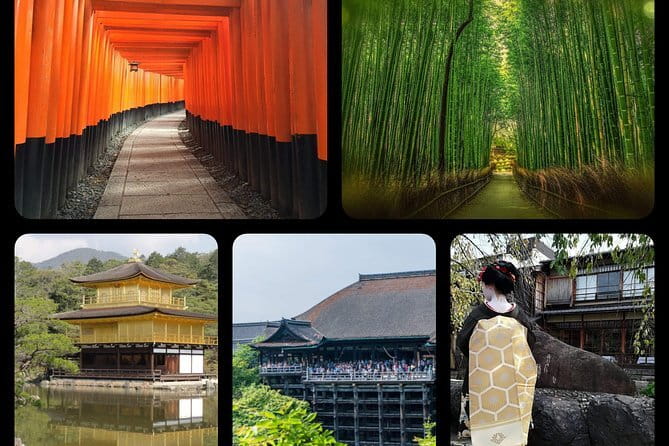
Kiyomizu-dera is often the first “wow” moment people remember from Kyoto. It sits on the slopes of Mount Otowa, and even the approach gives you a sense of scale and drama.
The stop is about an hour, and admission is not included. That means you should expect to pay the temple fee separately on the day. It’s still worth it, because Kiyomizu-dera is one of those sights where the views and the structure combine into a single image you can’t really recreate from photos alone.
The other smart part is that this area naturally pairs with the old-street lanes nearby. Once you’ve done Kiyomizu-dera, you’ll be in the right mood for strolling Sannenzaka and Ninenzaka, where the street shapes help you feel what old Kyoto might have looked like for everyday walkers.
Sannenzaka, Ninenzaka, and a Machiya Starbucks Stop
After the temple, you’ll move into the stone-paved lanes of Sannenzaka and Ninenzaka. The itinerary gives about an hour here, and that time is perfect for slow wandering, small shop browsing, and just watching how people move through the slopes.
These lanes are also a great place to take a breath. Kyoto is famous for its stairs, and Sannenzaka and Ninenzaka give you stairs in a controlled, scenic way. You can keep it mellow by choosing a slower walking rhythm and using the wider steps as photo points.
Then comes one of the more unusual, very Kyoto moments: a stop at the machiya Starbucks in the Nineizaka area, labeled as Starbucks Coffee – Kyoto Nineizaka Yasaka Chaya. This is brief, around 5 minutes for the tour stop, and the itinerary notes you can leave the tour if you really want to stay inside longer.
Two ways to use this well:
- If you need a caffeine break, go in for a drink and then rejoin quickly so you don’t lose momentum.
- If you’re not a coffee person, treat it as a quick look at the machiya style, then get back outside for the street views.
A day of temples goes further with something to break it up.
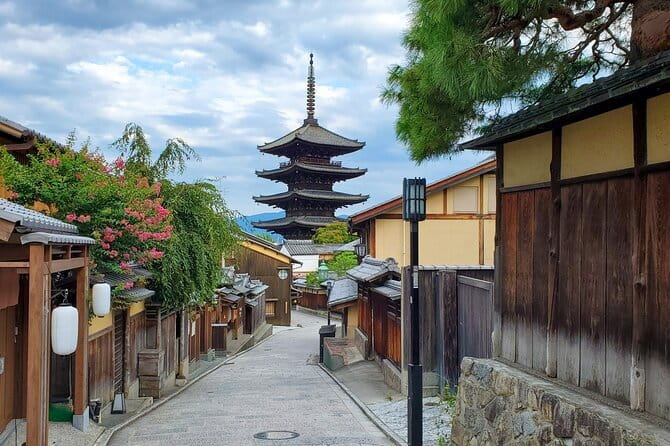
Yasaka Pagoda (Gojunoto), Hokan-ji, and the Quick Photo Hits
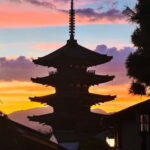
Next, you’ll see the Yasaka Pagoda (Gojunoto) and Hōkan-ji Temple area. The tour allocates a short stop, about 5 minutes, with free admission for the segment.
Even with the short time, this stop matters because it gives you a classic skyline silhouette right within the Higashiyama district. The best use here is simple: step into your guide’s recommended angle, take the photos, and move on. Don’t spend 20 minutes here unless your guide suggests a specific route, because your day is packed.
If you care about clean composition, this is a good moment to ask your guide for one or two quick photo tips. Many guides on this tour are known for snapping strong pictures and helping you get the shot without turning the day into a gear problem.
Nishiki Market: Kyoto’s Kitchen and a Sensible Food Strategy
Nishiki Market is about a 1-hour stop, and it’s one of the city’s most famous food-focused street markets. The easiest way to enjoy it is not to try everything.
Treat Nishiki Market like a sampler. Pick a couple of items you actually want, split them if you’re with others, and save room for meals outside the market so you don’t end up stuck with snacks as your whole plan.
Since the food and drinks are not included, you’ll make your own choices here. The payoff is that you’re walking through one of Kyoto’s best places to understand how the city thinks about ingredients, small bites, and daily treats.
If you’re traveling with kids or anyone who gets overwhelmed by crowds, you can keep the visit moving. A private guide helps you choose where to slow down and where to pass through efficiently.
Kinkaku-ji, Tenryuji, and Arashiyama Bamboo: How the Tour Builds Variety
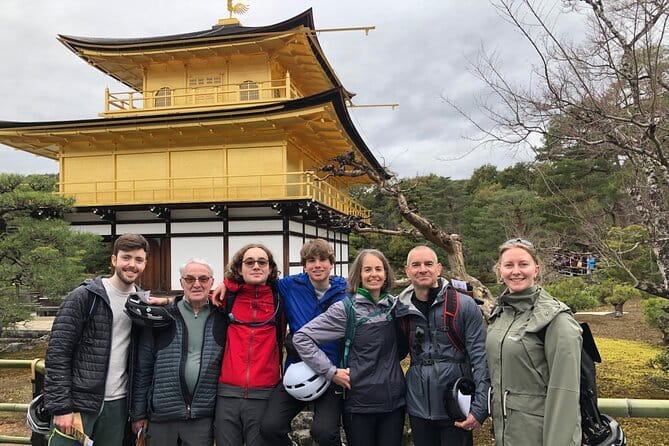
After Nishiki, you shift to the “temples plus nature” side of Kyoto. Kinkakuji, the Golden Pavilion, is scheduled for about 1 hour. Admission is not included, so plan to pay the site fee separately.
Kinkaku-ji is iconic for a reason. The pavilion’s bright look and crisp lines are easy to spot and hard to forget, and the guide can help you choose angles depending on crowd levels and your timing.
Then you move to Tenryuji Temple in the Arashiyama area. The time block is about 30 minutes, and admission is not included. Tenryuji is a Zen temple founded in 1339, and it’s connected to a former imperial villa site, which gives the location a sense of gravitas beyond the postcard view.
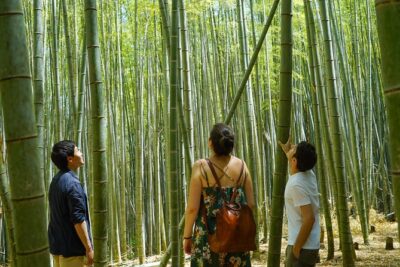
Next is Arashiyama Bamboo Forest, around 30 minutes. This is one of Kyoto’s most famous natural sights, and while it can be crowded, the forest walk is still a powerful reset for the senses. The tour also includes the Arashiyama Kimono Forest, an art installation near Randen Arashiyama Station made up of cylindrical pillars.
Finally, Togetsukyo Bridge rounds it out with river views. It’s a short stop, about 10 minutes, and it works well as a “last look” before you head back.
The key value here is variety. You move from shrine gates to wooden lanes, then to market food culture, then into Zen temples and a bamboo path. If you only relied on guidebooks, you’d probably miss how nicely these zones connect as a day plan.
Guide Quality Is the Difference: What You Get From Yuhey, Akiyo, and Paren
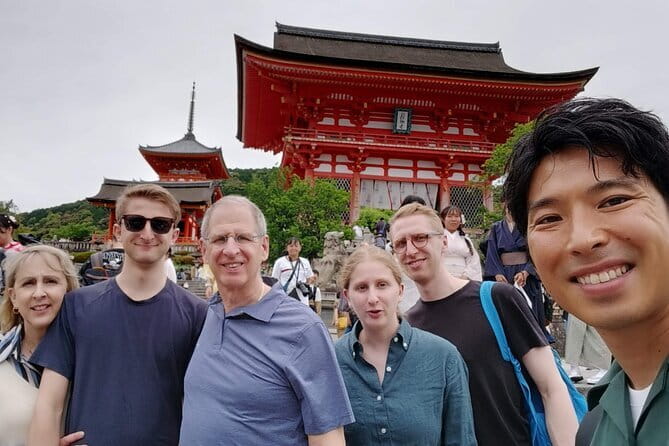
The tour experience is heavily shaped by your guide. The guides associated with this experience are often praised for being kind and for taking photos that actually look like you tried.
Names that show up in past experiences include Yuhey, who was described as easy going, flexible, and very knowledgeable across topics. Akiyo was highlighted for balancing popular and smaller stops, and even for helping arrange a meeting with a grandmaster pottery maker. Paren guided a family on a rainy afternoon with an easy pace and flexibility.
Now for the balanced side: one experience noted a guide who was friendly and helpful but new to guiding and with limited depth in history and culture. That’s not meant to scare you, it’s a helpful expectation. If you want deep, historical explanations, message the operator in advance with what you care about, like religion, architecture, or daily life in Kyoto.
Either way, the recurring pattern is clear: the guide tries to make the day feel thoughtful, not robotic.
Price and Value: What $177.90 Buys You in Kyoto
At $177.90 per person, this isn’t a budget group bus tour. You’re paying for a private guide and a route that hits multiple Kyoto highlights without forcing you into a strict crowd-flow line.
The value works best when:
- You have a limited time window and want to cover several major areas.
- You want personal questions answered on the spot.
- You care about photo stops and street-level details, not just checking names off a list.
What can reduce value, if you’re not ready:
- Temple admissions and attraction tickets are not included.
- Food and drinks are not included.
- Transportation is not included, and public transport can cost extra.
- The experience asks you to cover costs for the guide as well as for yourself for items above.
So when you calculate total spending, do it like this: tour price plus expected admissions plus a realistic snack and drink budget, and add a little buffer if you use transit between far-apart zones.
The upside: this kind of cost math only works if you actually use the time well. With a private guide, you can. That’s why this tour gets high marks in overall recommendation.
Who This Kyoto Private Plan Fits Best
This is a strong fit for couples, small groups, and families who want flexibility. Past experiences include a family enjoying a rainy-day version that still felt casual and informative.
It’s also a good fit if you like a mix of iconic stops and quieter moments. The plan includes famous sights like Fushimi Inari and Kinkaku-ji, but also includes slower-feeling streets like Pontocho and Hanamikoji, plus small river scenes like Tatsumi Bridge.
If your group hates walking stairs, you might want a different format. You can still enjoy segments, but the overall design expects movement across neighborhoods.
Should You Book KIYOTO’s Kyoto Private Tour?
Book it if you want a Kyoto day that feels organized but not rigid. You’ll get a private guide, a photo-forward approach, and a route that connects major classics like Fushimi Inari, Kiyomizu-dera, Nishiki Market, and Arashiyama Bamboo Forest.
Skip it or rethink it if you want everything included in one price. Temple admissions for stops like Kiyomizu-dera, Kinkakuji, and Tenryuji are not included, food and drinks are on you, and transportation can cost extra. Also, this is mostly walking, so plan footwear and energy.
FAQ
How long is KIYOTO’s Kyoto Private Tour?
The duration is listed as 4 to 8 hours (approximately).
Is this tour private or shared?
It’s a private tour, meaning only your group participates.
Where do we meet for the tour?
The start point is Kyoto Tourist Information Center Kyo-NaviJapan, 2nd floor, inside Kyoto Station (600-8216 Kyoto, Shimogyo Ward, Higashishiokōjichō, Kyoto Station Building). The tour ends back at the meeting point.
Is pickup included?
Pickup is offered, but transportation is described as primarily a walking experience.
What isn’t included in the tour price?
Food, drinks, and tickets to attractions are not included. Transportation is also not included.
Do we need to bring money for temple tickets?
Yes. Some stops explicitly note admission is not included, and the tour listing says guests cover ticket costs for attractions.
Is there a chance to stay longer at the Nineizaka Starbucks?
The itinerary notes you can choose to leave the tour if you really would like to stay.
Do I get a mobile ticket?
Yes, the tour includes a mobile ticket.
What is the cancellation window?
Free cancellation is available up to 24 hours in advance for a full refund.
Are service animals allowed?
Yes, service animals are allowed.
New This Season
- Koyasan Day Trip by Private Car from Kyoto
- Old Port Town and Ultimate Sake Tasting Private Tour From Kyoto
- Kyoto’s Timeless Charm: 3hr Exploration of History and Peace
- Kyoto: 5 Types of Sushi Making
- Sacred Peak & Ancient Paths: Kurama-Kibune Hiking Experience
- Kyoto: Exclusive ZEN practice at Manpukuji temple in Uji
- Kyoto: Private Seasonal Aroma Yoga Class
- Traversing Kyoto’s Scenic West – Arashiyama to Kinkakuji
Private, compared.
Fushimi Inari Hidden Hiking Tour (Private Option Available)
Read our review →
Private Kyoto Tour with a Local, Highlights & Hidden Gems, Personalised
Read our review →
Kyoto 6hr Private Tour with Government-Licensed Guide
Read our review →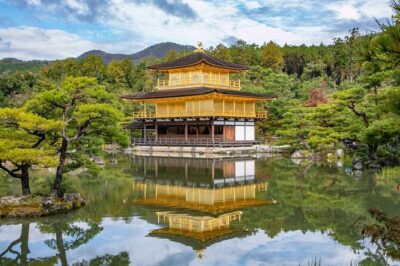
10 Must-see Spots in Kyoto One Day Private Tour (up to 7 people)
Read our review →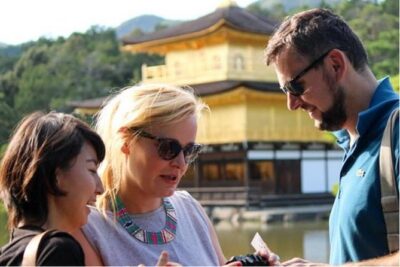
Kyoto 4hr Private Tour with Government-Licensed Guide
Read our review →
Private Kyoto Tour with Licensed Guide & Vehicle (Max 15 persons)
Read our review →