Reviewed · PRIVATE
Kyoto Architectural Secrets Led by an Architect PRIVATE Tour
Kyoto’s architecture has a lot to say. This private tour is built around design, philosophy, and the way people actually live, and I love the start from the Kyoto Station rooftop for a big-picture orientation of the city.
I also like how Nader, the guide, customizes the day to your interests and your physical abilities, so you do not feel forced into a race from landmark to landmark. That slower pace is a big part of the value here.
One consideration: it is not for casual sightseers. If you are not into architecture, design, philosophy, or psychology, the tour may feel like too much thinking and not enough photo stops, and it depends on good weather.
In This Review
- Key things that make this Kyoto architecture tour work
- An architect-led day in Kyoto, not a checklist
- What customization changes (and why it feels worth it)
- Stop 1: Kyoto Station rooftop and the Sky Bridge city panorama
- Stop 2: Sanjusangendo Temple and the wood behind Kyūdō
- Stop 3: Kamogawa Delta at Kyoto Prefectural Kamogawa Park
- Stop 4: Pontocho District and the townhouse logic
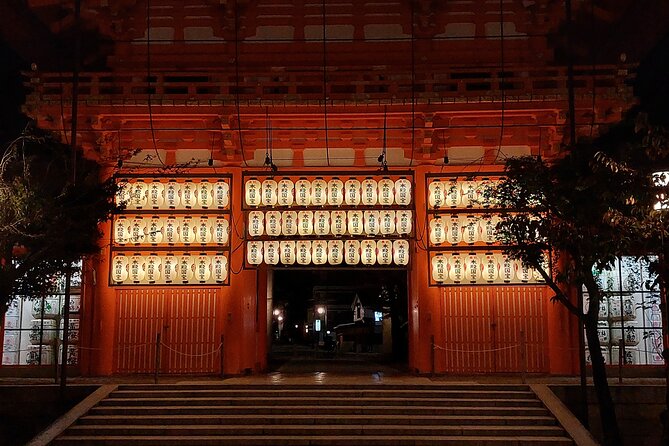
- Stop 5: Gion streets and Kyoto’s design of serenity
- Stop 6: Kennin-ji and Seirai-in’s Zen garden principles
- Price and logistics: where the money goes
- When this tour is a great fit
- When to skip it
- Practical tips so you get the most out of the day
- Should you book Kyoto Architectural Secrets with Nader?
- FAQ
- How long is the Kyoto Architectural Secrets private tour?
- Is this tour truly private?
- What is the price per person?
- Does the tour include a guide?
- Is hotel pickup included?
- Are temple or attraction admissions included?
- Are meals included in the price?
- Will I need public transportation?
- What weather conditions are required?
- What fitness level do I need?
- Cancellation policy
Key things that make this Kyoto architecture tour work
- Architect-led storytelling that links buildings to how Kyoto thinks and functions day to day
- Kyoto Station Sky Bridge (west to east) for a clear city lay of the land early on
- Sanjusangendo’s long wooden scale, plus its connection to Kyūdō and traditional carpentry
- Kamogawa Delta park where the rivers’ shape connects directly to how the city is planned
- Pontocho’s narrow lanes for real atmosphere around machiyas and ryokans
- Seirai-in at Kennin-ji, where Zen garden design principles are the point, not a quick photo
An architect-led day in Kyoto, not a checklist
If you like your travel experiences to have a point beyond photos, this is the kind of Kyoto tour that clicks. You are not just collecting sights. You are learning how design, space, and materials influence behavior, meaning, and even daily routines.
The “private” part matters. It means the day can follow your interests and your pace, instead of being built around a fixed group rhythm. In this case, that flexibility is guided by Nader, an English-speaking professional who is comfortable shaping the route around what you actually care about.
This is also a more thoughtful style of sightseeing. Expect discussion and connections, not only Googled facts. If you want history, you get it, but it is framed through architecture, design logic, and the psychology of place.
What customization changes (and why it feels worth it)
A lot of Kyoto tours promise personalization, then still run like a schedule. Here, the customization is the real product. Nader can adjust the flow to match your interests and your physical abilities, and the day is designed for a slower, more immersive feel without being vague or rambling.
That affects more than comfort. When you slow down, Kyoto starts to show its rules. You notice proportions. You read how streets funnel movement. You see why certain views matter. You also avoid the common problem of spending your energy moving between stops instead of absorbing what you are seeing.
Another practical win is that the tour is only your group. If you travel as a couple, small family, or small group of friends, you get the benefit of a guide who can tailor questions in real time. You are not competing with other people’s interests.
A quieter way to spend a day in Kyoto
- Fushimi Inari Hidden Hiking Tour (Private Option Available)
★ 5.0 · 1,750 reviews - Private Kyoto Tour with a Local, Highlights & Hidden Gems, Personalised
★ 5.0 · 1,543 reviews - Kyoto 6hr Private Tour with Government-Licensed Guide
★ 5.0 · 1,369 reviews - 10 Must-see Spots in Kyoto One Day Private Tour (up to 7 people)
★ 5.0 · 1,108 reviews
Stop 1: Kyoto Station rooftop and the Sky Bridge city panorama
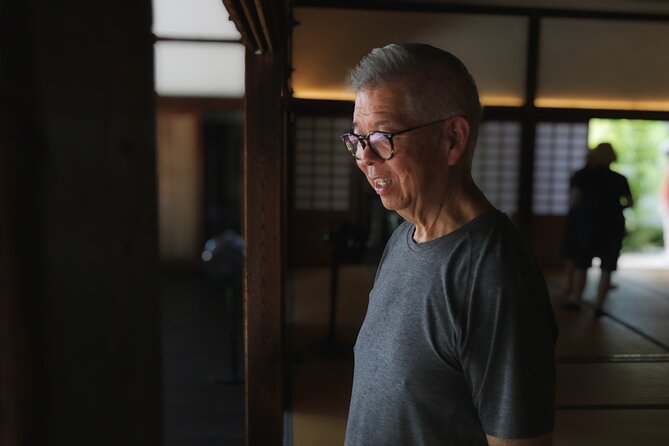
Starting at Kyoto Station’s rooftop is smart. It gives you an instant “map in your head,” which makes the rest of the day easier to understand. You ascend to the rooftop and walk along the Sky Bridge from west to east, with Kyoto spread out below you.
From a practical viewpoint, this is also a good “reset” stop. It helps you calibrate what direction you are moving in and where the city’s major lines of movement appear. If you like learning by seeing, this view-based orientation pays off later when streets and riverbanks make more sense.
The only catch is weather. Kyoto rooftops and exposed viewpoints are exactly where rain or heavy wind can affect comfort. You might want to bring a light layer and have a plan in your day if conditions change.
Also note the rhythm: this stop is short, about 30 minutes, and it is mainly about getting your bearings fast.
Stop 2: Sanjusangendo Temple and the wood behind Kyūdō
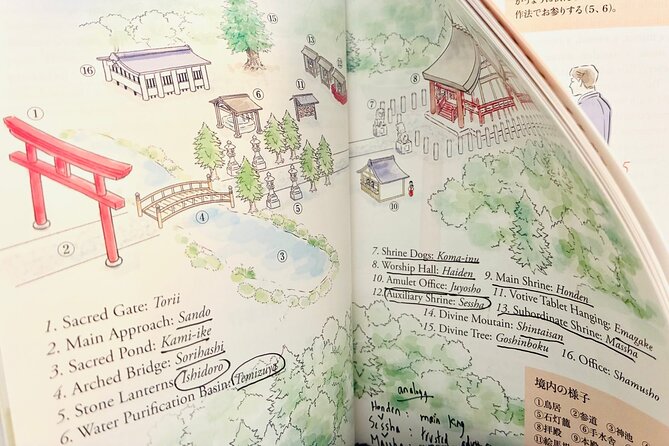
Sanjusangendo Temple is famous for scale, and the key detail here is the long wooden structure. You spend about 1 hour exploring Japan’s longest wooden building, and you learn how it connects to the art of Kyūdō.
What I think makes this stop special is the angle. Instead of treating the building as a static backdrop, you are encouraged to understand the material and craftsmanship. Traditional Japanese carpentry is part of the conversation, and that shifts your attention from decoration to structure.
If you are the type who notices joints, beams, and how space guides sound and movement, you will likely enjoy this stop more than a basic temple glance. Wood is not just a look. It is a building system and a cultural statement.
Admission is included for Sanjusangendo, so you avoid the “wait, what do I pay for?” moment and you can stay focused on the learning.
Stop 3: Kamogawa Delta at Kyoto Prefectural Kamogawa Park
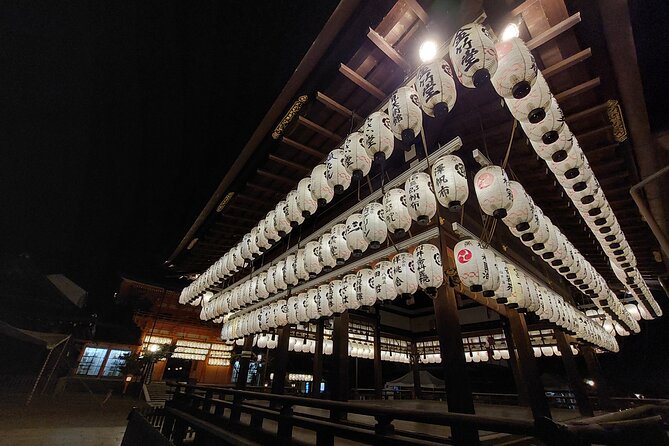
Next comes a more natural setting, and it has a design brain. You go to the Kamogawa Delta (Kyoto Prefectural Kamogawa Park), where Kyoto’s two rivers converge.
The architecture lesson here is not about buildings. It is about how water organizes a city. When rivers meet, they influence flooding patterns, transport routes, and the way neighborhoods develop around usable land. The tour frames it as a link between nature, water, and design and how that shapes Kyoto’s soul.
This stop is brief, about 30 minutes, which is exactly right. It gives you contrast after the dense temple stop, plus it adds a layer of understanding without turning the day into a nature hike.
One tip: if you want photos, give yourself a few extra seconds to find where the river meets the park paths. Even without a long walk, the view can change quickly depending on where you stand.
Stop 4: Pontocho District and the townhouse logic
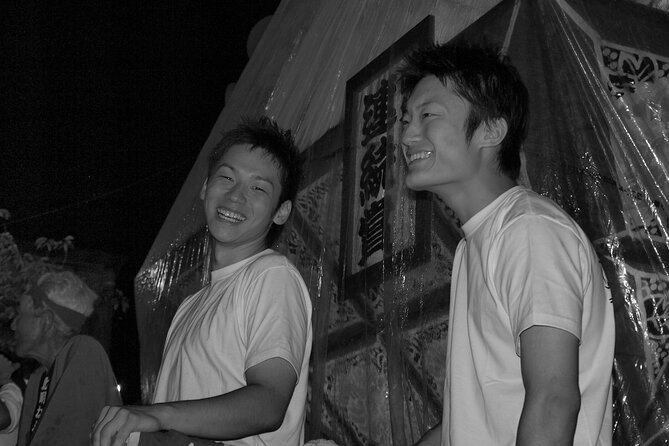
Pontocho is where you start feeling the city’s “in-between” spaces. You zigzag along a narrow traditional street and slip through hidden pockets between historic buildings, and the focus is on machiyas and ryokans.
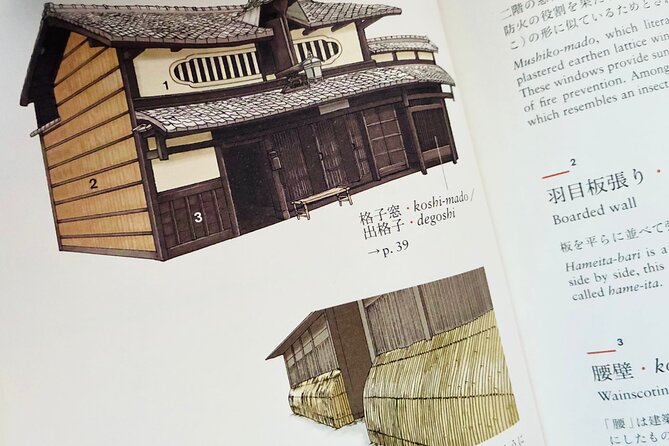
Here, architecture becomes daily life. Machiyas are townhouses, and ryokans are lodging styles tied to that older street fabric. Looking at them through this lens changes how you see the street. You start asking: how do these spaces control privacy, light, and movement? How does the layout support the routines of guests and locals?
This stop is around 30 minutes, and it works best if you slow your camera motion and let your guide point out patterns. Short stops are easy to rush, but they reward attention more than time.
Since admission is free for this segment, you do not lose anything financially by taking your time inside the street pockets.
A day of temples goes further with something to break it up.
Stop 5: Gion streets and Kyoto’s design of serenity
After Pontocho, the day shifts into the atmosphere of Gion, the historic geisha district. The tour moves through a serene stroll and heads toward a revered Zen temple area.
Why this stop fits the architecture theme is that you are not only seeing old streets. You are seeing how tradition, artistry, and spiritual influence show up in the way people built and maintained spaces.
Gion can be busy depending on the time of day, so the private, tailored pace helps here. You are more likely to catch quieter moments and less likely to feel herded.
This stop is about 45 minutes, which gives you a reasonable window to experience the neighborhood feel without exhausting yourself. Admission is marked as free, so again, the value is in the guided understanding, not ticket costs.
Stop 6: Kennin-ji and Seirai-in’s Zen garden principles
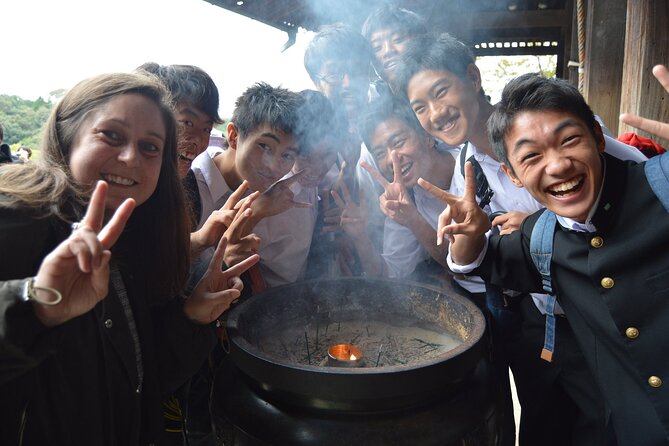
The final stop is where the tour’s theme becomes extremely clear: design as philosophy you can walk through. At Kennin-ji, you visit Seirai-in, a subtemple known for its Zen garden, and you focus on guiding principles and aesthetics of Zen garden design.
This is not just “look at the rocks.” The tour frames the garden as a visual and mental system, something designed to teach focus and shape contemplation. If you enjoy slow observation, this ending often feels satisfying because it ties earlier themes together: structure, materials, space, and meaning.
Admission is included for Seirai-in Temple & Garden, which helps keep the day smooth. The walking and layout can feel gentle, but it is still temple terrain, so comfortable shoes matter.
This is the kind of stop where I think your best investment is mental effort. You will get more out of it if you stop trying to collect facts and instead watch how the garden guides your attention.
Price and logistics: where the money goes
The price is $148.68 per person for a 6 to 7 hour private tour. That might sound steep if you are used to budget group tours. Here is why it can still be good value, especially in Kyoto, where time and timing can make or break your day.
You are paying for:
- A professional English-speaking guide
- Hotel pickup
- A fully private, customizable route (so you are not paying for other people’s schedule)
- Admission for the two paid cultural stops: Sanjusangendo and Seirai-in
- A story-based souvenir (“Stovenirs”)
You are not paying for:
- Private transportation
- Public transportation (listed as $7.00 per person)
- Meals and snacks (listed as $8.00 per person, not included)
So the real budgeting question is how you plan to get from stop to stop. If your hotel is convenient and you can keep transfers minimal, the cost stays more predictable. If you expect to rely on public transit, set aside that extra $7 per person and plan meals separately.
If you are the kind of traveler who wants a guide because you like asking questions, this price starts to make sense. You are not only getting access. You are buying interpretation.
When this tour is a great fit
You will be happiest with this tour if you:
- Love architecture and want design explained through real places, not textbook terms
- Like a slower pace where the city becomes legible
- Enjoy discussion about philosophy, aesthetics, and how space affects behavior
- Want a private guide who can adapt for your comfort level
It is also a good choice if you are returning to Kyoto or already did the biggest “classic” checklist. This tour uses Kyoto’s familiar locations and reframes them around structure, materials, and meaning.
When to skip it
Skip it if you mainly want quick landmark photos and minimal walking or thinking. This experience is intentionally built for curiosity beyond surface sightseeing.
You should also reconsider if you know you struggle with moderate walking. The tour lists moderate physical fitness as the requirement, and temple visits plus rooftop stairs and streets add up.
Finally, keep an eye on weather. The experience requires good weather, and if it is canceled due to poor weather, you will be offered a different date or a full refund.
Practical tips so you get the most out of the day
Wear shoes you trust. You will be on rooftops, in temple environments, and moving along Kyoto streets that are not designed for marathon comfort.
Bring a small water plan. Meals and snacks are not included, so either eat before you start or have a strategy for breaks between stops.
If you want maximum payoff, go into the tour with a couple of questions ready. Examples that match the tour theme:
- How does wood construction change the feeling of a space?
- Why would a city build around rivers so closely?
- What makes a Zen garden designed rather than random?
And remember, the guide can customize. If you want more focus on one stop, ask early so the pacing can adjust.
Should you book Kyoto Architectural Secrets with Nader?
If you care about what makes Kyoto feel like Kyoto, not just what it looks like, this is a smart booking. The big praise is the customization, and that is exactly what makes the tour feel efficient: the guide shapes the day around you, including your interests and physical abilities.
It also offers strong value for the structure you get. Admissions for Sanjusangendo and Seirai-in are included, the day is guided by a professional English-speaking architect, and the final payoff is a Zen garden experience explained through principles.
My call: book it if you want a guided day where architecture, philosophy, and daily life connect. Skip it if you want a simple checklist. Kyoto has room for both styles, but this one is clearly for the people who want the deeper why.
FAQ
How long is the Kyoto Architectural Secrets private tour?
It lasts about 6 to 7 hours.
Is this tour truly private?
Yes. It is completely private, so only your group participates.
What is the price per person?
The tour price is $148.68 per person.
Does the tour include a guide?
Yes. You get a professional English-speaking tour guide.
Is hotel pickup included?
Yes, hotel pickup is offered.
Are temple or attraction admissions included?
Admission is included for Sanjusangendo Temple and for Seirai-in Temple & Garden.
Are meals included in the price?
No. Meals and snacks are not included, and they are listed at $8.00 per person.
Will I need public transportation?
Public transportation is not included. There is a public transportation cost listed at $7.00 per person.
What weather conditions are required?
The experience requires good weather. If it is canceled due to poor weather, you will be offered a different date or a full refund.
What fitness level do I need?
A moderate physical fitness level is recommended.
Cancellation policy
Free cancellation is available up to 24 hours in advance for a full refund.
New This Season
- Koyasan Day Trip by Private Car from Kyoto
- Old Port Town and Ultimate Sake Tasting Private Tour From Kyoto
- Kyoto’s Timeless Charm: 3hr Exploration of History and Peace
- Kyoto: 5 Types of Sushi Making
- Sacred Peak & Ancient Paths: Kurama-Kibune Hiking Experience
- Kyoto: Exclusive ZEN practice at Manpukuji temple in Uji
- Kyoto: Private Seasonal Aroma Yoga Class
- Traversing Kyoto’s Scenic West – Arashiyama to Kinkakuji
Private, compared.
Fushimi Inari Hidden Hiking Tour (Private Option Available)
Read our review →
Private Kyoto Tour with a Local, Highlights & Hidden Gems, Personalised
Read our review →
Kyoto 6hr Private Tour with Government-Licensed Guide
Read our review →
10 Must-see Spots in Kyoto One Day Private Tour (up to 7 people)
Read our review →
Kyoto 4hr Private Tour with Government-Licensed Guide
Read our review →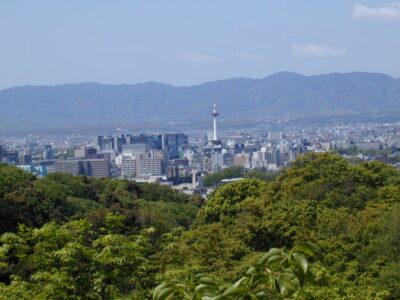
Private Kyoto Tour with Licensed Guide & Vehicle (Max 15 persons)
Read our review →