
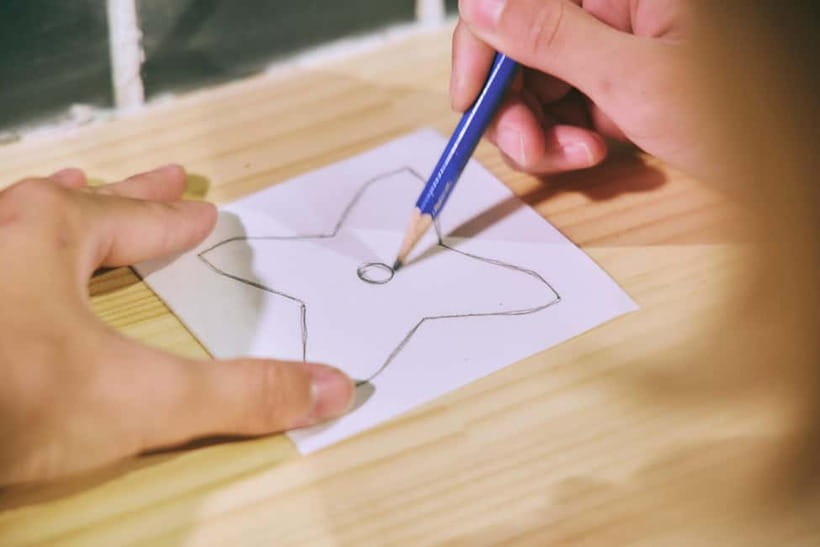
Reviewed · NINJA TRAINING EXPERIENCES
Kyoto: Forge Your Own Ninja Weapon with Japanese Tin Casting
Kyoto can feel like a museum city, but this workshop turns your hands into the souvenir. You’ll create a real metal ninja piece with Japanese tin casting, from mold to finishing, in a session that runs about two hours (longer for the oni mask).
What I love most is that it is genuinely hands-on. You melt, pour, shape, and polish your own tin weapon with staff guidance, so you leave with something you made, not something you bought.
One thing to keep in mind is you’re working with molten metal, so there are rules in place, like no food and no making fire. Also, the studio notes there is no drinking water provided, so bring a drink.
In This Review
- Key highlights to know before you go
- Tin Casting in Kyoto, 3 Minutes From Demachiyanagi Station
- Choosing Your Ninja Piece, Shuriken, Kunai, or Oni Mask
- The Real Work: Mold, Melt, Pour, Cool, Then Finish
- Step 1: Create the mold with casting sand
- Step 2: Melt tin and pour it into the mold
- Step 3: Cool the metal in water
- Step 4: Shape it with files and grinders
- Step 5: Rust protection, then oil finish
- What’s Special About the Oni Mask Option
- Who This Workshop Fits Best (Families, Couples, and First-Timers)
- The Photo and Souvenir Factor: A Weapon You’ll Actually Keep
- Price, Duration, and Value for $103
- Practical Tips for a Smooth Workshop Day
- What the Experience Feels Like: Calm Craft With Real Skill
- Should You Book This Tin Ninja Weapon Workshop?
- FAQ
- What ninja weapons can I make in this Kyoto workshop?
- How long does the workshop take?
- Is the workshop beginner-friendly?
- What language support is available?
- What is included in the price?
- What should I bring?
- Where is it located?
- Will I be able to take my piece home?
- Are there restrictions during the workshop?
Key highlights to know before you go
- Make a real tin ninja weapon, sized about 8 to 10 cm, not a paper or plastic prop
- Hands-on from start to finish, including mold making and the pour
- Options with different challenges, shuriken, kunai, or an oni mask
- Clear English support, with instructors who guide each step
- Photo-friendly process, with plenty happening right at your station
- A finished take-home box, so your creation travels safely
Tin Casting in Kyoto, 3 Minutes From Demachiyanagi Station
If you want one activity in Kyoto that feels active, creative, and totally different from temple-hopping, this tin casting workshop does the job. It is built around a simple idea that you can really get your hands on Japanese metalwork techniques, and turn that into a finished ninja weapon you can bring home.
The location is practical too. The studio sits about a 3-minute walk from Demachiyanagi Station, so you can slot it into a morning or afternoon without wrestling with transfers or long commutes. In Kyoto, that matters. You lose less time, and you spend more time where you actually want to be.
The workshop runs about 150 minutes for the standard items, and the oni mask option runs longer (about 2.5 hours, with timing that can vary). Plan your day with a bit of buffer, because once you’re at your bench, it’s easy to lose track of time.
Choosing Your Ninja Piece, Shuriken, Kunai, or Oni Mask
Your first decision is what kind of ninja item you want to make. The workshop lets you choose from three main designs:
- Shuriken (the classic ninja star)
- Kunai (the ninja knife)
- Oni mask (a more dramatic, wearable or display-style option)
Here’s the smart way to choose based on your goals. If you want a straightforward, punchy souvenir, go shuriken. If you want the sense of making a “weapon” with more presence, pick kunai. If you want the most visual impact, the oni mask option is the one you’ll feel proud taking photos with later.
You can also do optional upgrades. The workshop is structured so you can add detail and time by choosing the kunai and oni mask options. The oni mask path includes extra steps, like gold leaf and adding a cord, so it becomes more than a finished object, it becomes something you can actually wear or style.
Also, don’t stress about being artistic. You’re not expected to freehand a design. The workflow is guided, and your final look comes from shaping and finishing the metal piece from the casting process.
Throw stars and learn to move unseen
- Skip the lines Basic Ticket at SAMURAI NINJA MUSEUM KYOTO
★ 4.5 · 632 reviews - Ninja 1-hour Hands-on Lesson by Japanese master in Kyoto -Entry
★ 5.0 · 489 reviews - Kyoto: Ninja Weapon Forging Experience
★ 4.8 · 478 reviews - Ninja 2-hour Hands-on Lesson by Japanese master in Kyoto -Medium
★ 5.0 · 218 reviews
The Real Work: Mold, Melt, Pour, Cool, Then Finish
This is not a demo where you watch someone else do everything. The workshop is set up so you do the core work yourself under supervision. You’ll cycle through the main stages of Japanese tin casting, starting with the mold and ending with a protected finish.
Step 1: Create the mold with casting sand
You begin by forming a detailed mold using special casting sand. This matters more than it sounds. Your mold defines the shape you’ll end up with, so you’re building the “future weapon” in real time.
If you like getting an early sense of progress, this is a good moment. The mold work turns abstract ninja shapes into something physical right away.
Step 2: Melt tin and pour it into the mold
Tin is the metal used here, and it melts at about 230 degrees, which is why it works well for this kind of beginner-friendly craft. Staff supervise the melting and pouring so you can focus on following instructions safely.
From a travel-value perspective, this is the magic step. It feels like real craft, not just sanding and polishing. And because the metal goes from solid to molten, it’s a moment you’ll remember long after you’ve left Kyoto.
Step 3: Cool the metal in water
After the pour, the metal is cooled quickly in water, which helps it solidify and set. It is part of the classic casting rhythm: heat, shape, cool, then finish.
A day of temples goes further with something to break it up.


Step 4: Shape it with files and grinders
Once it’s solid, you move into refinement. You’ll use tools like files and grinders to smooth the surface and refine details. This is where the weapon turns from a raw cast to something crisp and intentional.
The staff guidance is key here. Even if you’ve never handled metal tools before, you’re not thrown in alone. The workshop is built for beginners, and the instructors help you get the finish looking right.
Step 5: Rust protection, then oil finish
After shaping, you’ll soak your piece in a rust-preventive solution, then apply a protective oil. This is one of those “small but huge” craft steps. Without rust protection, your souvenir might change in storage. With it, you can keep it looking good as a memory from Kyoto.
What’s Special About the Oni Mask Option
If you choose the oni mask, the workshop adds a few memorable extras. You still cast and finish the base metal, but then you get additional decorative steps that make it more dramatic.
The oni mask option includes:
- applying gold leaf for accent
- choosing and attaching a cord, so it can be worn or displayed
That extra time also tends to create a different vibe. You’re not just making a cool object, you’re building a character piece. If you like cosplay energy or you want a souvenir that feels playful, this is the one.
Who This Workshop Fits Best (Families, Couples, and First-Timers)
This workshop is surprisingly flexible for a craft that involves metal. It is suitable for beginners, and the studio says it works well with children when staff assistance is provided.
Based on the provided info:
- It is suitable for people of many experience levels
- Children must be accompanied by a guardian if they are under 15
- It is not suitable for children under 5
- It is not suitable for babies under 1 year
- It is also marked not suitable for people over 95 years
In real terms, I think this activity hits hardest for:
- couples looking for something hands-on and memorable
- families who want a shared activity that ends with a tangible prize
- solo travelers who enjoy creative work and like meeting staff and getting guidance
- people who love Japanese culture beyond the sightseeing checklist
One practical note: the workshop is using real tools and processes, so your best experience will come from being ready to follow staff instructions carefully.
The Photo and Souvenir Factor: A Weapon You’ll Actually Keep
In Kyoto, you can buy plenty of souvenirs. This workshop gives you something better: a piece that looks like it came from real making, because it did. You also get a dedicated box, which is perfect for transport and storage. That means you can put it in your suitcase without worrying that it will arrive looking scuffed.
The size is also important. Your weapon comes out about 8 to 10 cm, which is big enough to feel satisfying and visible when you take it out for photos, but small enough to travel.
This is also one of those craft experiences where photos are easy to capture without feeling staged. You’re working at your station, you can record the casting moment, and you can film the finishing process while your piece turns into a polished object.
If you care about that kind of travel memory, this is built for it.
Price, Duration, and Value for $103
The price listed is $103 per person, and the standard sessions run about 2 hours to 150 minutes depending on the item, with the oni mask option around 2.5 hours.
Here’s why that cost can make sense. You’re not paying just for entertainment or a short lesson. The experience includes:
- apron rental and equipment rental
- materials for one weapon
- the entire process, from mold making through shaping, rust-preventive soaking, and oil finish
- a dedicated box for your final piece
Also, the staff guidance is a big part of why it is worth the fee. Several people highlighted that the instructors were patient and helpful, and that they guided steps clearly. In a craft like this, your outcome matters. Good instruction changes the final look.
So if you want one Kyoto activity that turns into a real take-home item, not a background activity, the value proposition is strong.
Practical Tips for a Smooth Workshop Day
Before you go, here’s how to set yourself up for an easy session.
First, bring a drink. The information provided says the studio has no water, so come ready to hydrate. You might find a vending machine nearby, but I would not plan on it. Better to show up with something you like.
Second, plan around the rules. The activity states:
- smoking is not allowed
- no smoking indoors
- no food
- no alcohol and drugs
- no making fire
That’s pretty standard for workshops involving high heat. Just treat the studio like a workshop, not like a hangout spot.
Third, wear a mindset that expects tool work. You’ll be shaping and smoothing the metal, so your hands will do the work, not just your eyes.
Lastly, arrive with flexibility. Even though the time is listed, it can vary slightly based on how your piece comes out and how long finishing takes.
What the Experience Feels Like: Calm Craft With Real Skill
From the feedback pattern, the strongest theme is instruction quality. People specifically call out helpful staff, clear explanations, and a comfortable pace. That matches how this kind of workshop should work. Tin casting is hands-on, but it is not chaos if the staff keep you moving step by step.
One standout detail you’ll likely notice if you go: the session can feel personal. Some experiences are run as one-on-one or in very small setups, which tends to make the whole thing easier, especially when you’re handling tools for the first time.
If you’re worried about your ability to learn quickly, this setup tends to reduce that stress. You get guidance as you go, and you can ask questions while you work.
Should You Book This Tin Ninja Weapon Workshop?
If you want a Kyoto memory you can hold, this is a smart pick. I’d book it if you like hands-on crafts, want something more original than typical souvenir shopping, and you’re happy to follow safety rules around tools and hot processes. The take-home box and the fact that you make a real metal piece make it feel more like an heirloom than a novelty.
I’d hesitate if you need a super passive activity, or if you dislike tool work and the idea of shaping metal. Also consider your timing. The sessions run long enough that you should plan a focused block in your day rather than squeezing it into a chaotic sightseeing sprint.
If you’re the kind of person who loves the moment when something starts raw and ends finished, you’ll get exactly that here, in the most Kyoto way possible, by turning tin into ninja craft.
FAQ
What ninja weapons can I make in this Kyoto workshop?
You can choose to make a shuriken, kunai, or an oni mask. The oni mask includes optional add-ons like gold leaf and a cord.
How long does the workshop take?
Shuriken and kunai take about 2 hours (around 150 minutes). The oni mask option takes about 2.5 hours, with completion times that can vary.
Is the workshop beginner-friendly?
Yes. The experience is described as suitable for beginners, and children can participate with staff assistance.
What language support is available?
Instructors speak English and Japanese.
What is included in the price?
The experience includes designing your piece, making the mold, melting and casting the tin, shaping, smoothing, rust protection, oil finish, apron rental, equipment rental, and materials for one weapon.
What should I bring?
You should bring drinks.
Where is it located?
The studio is about a 3-minute walk from Demachiyanagi Station in Kyoto.
Will I be able to take my piece home?
Yes. You take home your handcrafted ninja weapon or mask, and it comes with a dedicated box.
Are there restrictions during the workshop?
Smoking is not allowed, food is not allowed, and alcohol and drugs are not allowed. Making fire is also not allowed.
New This Season
- Koyasan Day Trip by Private Car from Kyoto
- Old Port Town and Ultimate Sake Tasting Private Tour From Kyoto
- Kyoto’s Timeless Charm: 3hr Exploration of History and Peace
- Kyoto: 5 Types of Sushi Making
- Sacred Peak & Ancient Paths: Kurama-Kibune Hiking Experience
- Kyoto: Exclusive ZEN practice at Manpukuji temple in Uji
- Kyoto: Private Seasonal Aroma Yoga Class
- Traversing Kyoto’s Scenic West – Arashiyama to Kinkakuji
Ninja Training Experiences, compared.

Skip the lines Basic Ticket at SAMURAI NINJA MUSEUM KYOTO
Read our review →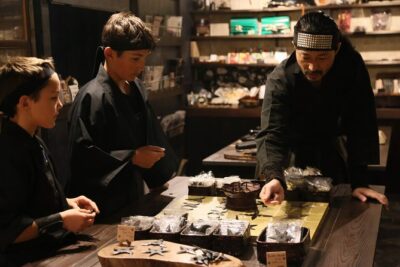
Ninja 1-hour Hands-on Lesson by Japanese master in Kyoto -Entry
Read our review →
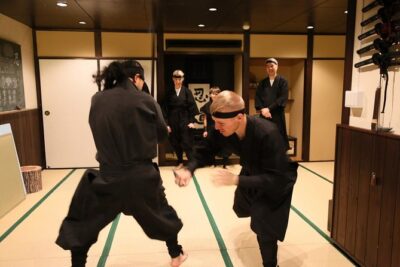
Ninja 2-hour Hands-on Lesson by Japanese master in Kyoto -Medium
Read our review →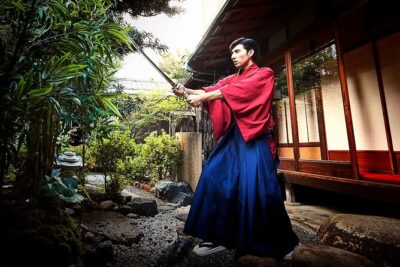
Kyoto Sword Experience – includes Museum Ticket/Ninja Experience
Read our review →
Ninja Experience (Family Friendly) at Samurai Ninja Museum KYOTO
Read our review →
Authentic Ninja Weapon Forging Experience in Kyoto
Read our review →Also filed under