
Reviewed · MATCHA & GREEN TEA TASTINGS
Kyoto Hidden Riverside Zen Mediation and Uji Matcha Experience
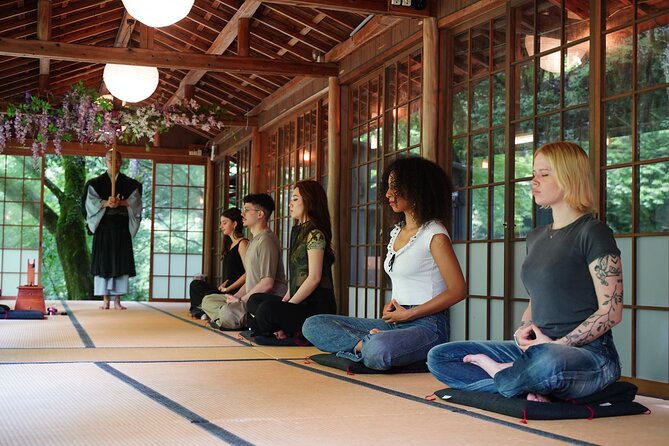
Quiet riverside mornings change how you breathe. I love the open-air riverside deck for guided zazen, and I love the calm ending with premium Uji matcha. One practical consideration: this experience needs good weather, so you should stay flexible.
This is a workshop-style introduction to Zen practice, not a temple show. You’ll get step-by-step coaching on the basics of zazen, and an English-speaking cultural guide gives real-time interpretation so the meaning stays clear.
For $105 and about 2 hours, it’s not the cheapest Kyoto activity, but it buys you quality time with instruction in a setting that feels genuinely quiet. Also, the group is capped at 10 people, so it stays more personal than the usual sightseeing scramble.
In This Review
- Key things to know before you go
- Kyoto Zen by the Water: why this setting matters
- Meeting point, timing, and what to expect in the first minutes
- The Zen workshop itself: zazen basics, explained step by step
- Open-air riverside zazen: how the atmosphere supports the practice
- Mindfulness without strict ceremony: what you’ll learn to carry home
- The tea time finish: Uji matcha and seasonal wagashi
- Group size and comfort: why max 10 people feels better
- Price and value: is $105 fair for a 2-hour Zen workshop?
- Who should book this, and who might skip it
- Should you book Kyoto Hidden Riverside Zen Meditation and Uji Matcha?
- FAQ
- How long is the Kyoto riverside Zen and matcha experience?
- Is this meditation inside a temple?
- What’s included in the price?
- Do I get English help during the session?
- How big is the group?
- Is transportation included?
- What happens if the weather is poor?
- Are service animals allowed?
Key things to know before you go
- Riverside Zen zazen in fresh air instead of a standard temple hall
- Step-by-step guidance for beginners focused on posture and breath
- English cultural interpretation included for a clear experience
- Uji matcha with seasonal wagashi in a peaceful, mindful break
- Small group size (max 10) for a calmer pace
Kyoto Zen by the Water: why this setting matters
Kyoto has no shortage of peaceful places. But this experience takes that idea and makes it practical. You practice zazen outside, by a river, with trees nearby and the sounds of water helping you settle in.
That matters because Zen practice is not only about where you sit. It is also about how you relate to everyday sensory input. When the river water is present, your mind learns a basic skill fast: notice what’s there without getting pushed around by it.
I also like that the workshop does not treat Zen as a museum artifact or something locked behind rigid ritual rules. The emphasis is on carrying calm awareness into regular life, not just getting through a one-time activity.
Meeting point, timing, and what to expect in the first minutes
You’ll start at 35 Umegahata Tonohatachō, Ukyo Ward, Kyoto. The session ends back at the meeting point. The area is listed as near public transportation, which helps a lot, because you do not want to burn energy hunting a location right before you sit still.
You should plan on a total of about 2 hours. Even with a short time window, the structure is meant to feel like instruction, not just a casual meditation walk-by. You’ll be guided from setup to practice to a quiet tea moment.
Because you’re on an outdoor deck, wear something comfortable for sitting. If it’s cool in the morning, bring a light layer you can tolerate while you stay still. This is one of those activities where being fussy about clothing can distract you more than you expect.
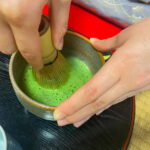
Whisk your own bowl of matcha
- Kyoto: Arashiyama Bamboo Forest, Monkeys, Matcha & Temple Tour
★ 5.0 · 759 reviews - Kyoto: Tea Ceremony Meditation – Make Matcha with Tea Master
★ 4.8 · 406 reviews - Kyoto: Arashiyama Bamboo, Matcha, Monkeys & Temple Tour
★ 4.9 · 291 reviews - Kyoto: Kimono Tea Ceremony with Matcha and Sweet
★ 4.9 · 249 reviews
The Zen workshop itself: zazen basics, explained step by step
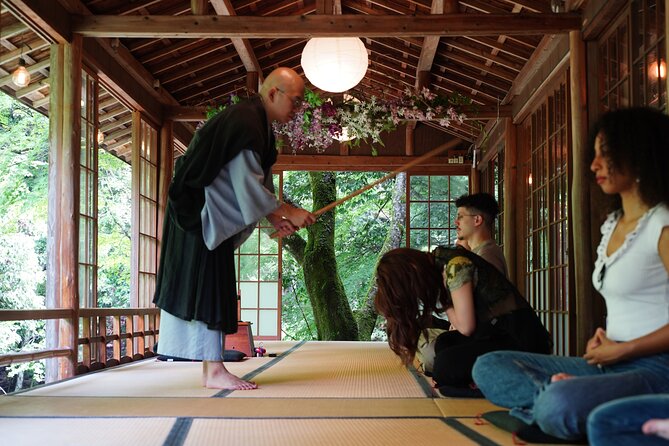
The heart of the experience is zazen, seated meditation. What I appreciate is that the teaching is built as a workshop, with basics explained in a beginner-friendly way. You are not assumed to know how to sit correctly or what you’re supposed to do with your mind.
The guide leads you through fundamental parts of practice, including posture and breath. That sounds basic, but it is the difference between feeling lost and feeling guided. If you’ve tried meditation before and felt like you were guessing, this style of coaching is exactly what you want.
You’ll also get context that Zen is not only a religious ritual. It is a mental practice you can use in daily life. The guide repeatedly brings it back to what you can take home, so the session does not feel like a ticket you use and forget.
And here’s the practical point: learning zazen in a group setting can lower the intimidation factor. Even if you came in curious but unsure, the instructor’s decades of experience guiding practitioners at historic Kyoto places helps translate the practice into something you can actually do.
Open-air riverside zazen: how the atmosphere supports the practice
A typical Kyoto meditation experience might feel like you’re entering a quiet room and trying to behave properly. This one starts with something more natural: you’re on an open-air riverside deck, surrounded by trees and air that feels clean.
The soundscape becomes part of the lesson. Water moving nearby gives you a steady reference point, and the morning breeze changes the moment by moment sensations in your body. In Zen terms, that’s not a distraction to fight. It is input to notice.
This is also why the outdoors matters for beginners. When your mind wanders, you can bring attention back using what’s present right now, not just by forcing yourself to focus. The river environment gives you that return path.
Mindfulness without strict ceremony: what you’ll learn to carry home
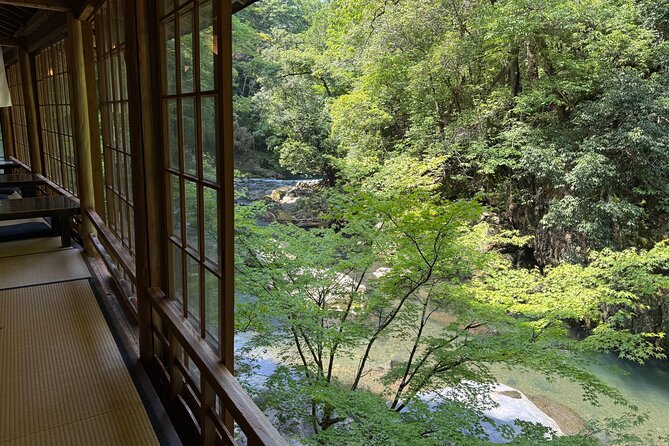
The workshop is intentionally not framed as formal religious ceremony. Instead, it uses Zen as a way to think about everyday life. That means you spend time on practical mindset.
During the session, you are guided to treat zazen as something accessible. The lesson is not only how to sit. It’s how to build awareness that you can bring into normal routines once you’re back home.
I like this approach because it avoids the common trap of travel activities that feel interesting but leave you with nothing transferable. Here, the goal is to leave with tools. Not a complicated checklist you forget, but a clearer sense of what to do with attention.
If you’re the type who wants your Kyoto trip to change you a little, this is the part that will likely stick. Calm becomes a skill, not just a mood you borrow from a pretty morning.
The tea time finish: Uji matcha and seasonal wagashi
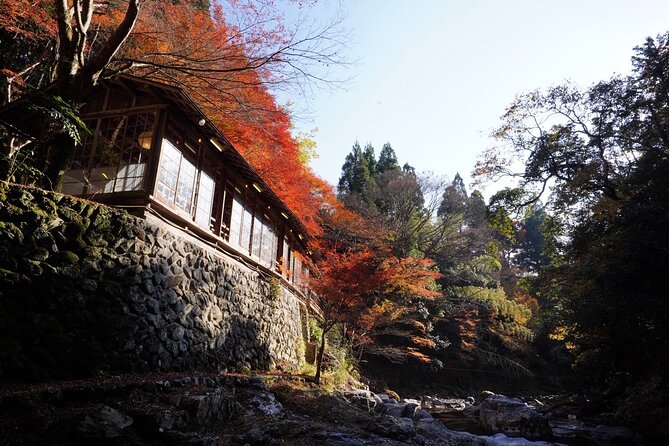
After meditation, the experience closes with a quiet tea moment. This is not a full formal tea ceremony, but it is still treated as a gentle landing.
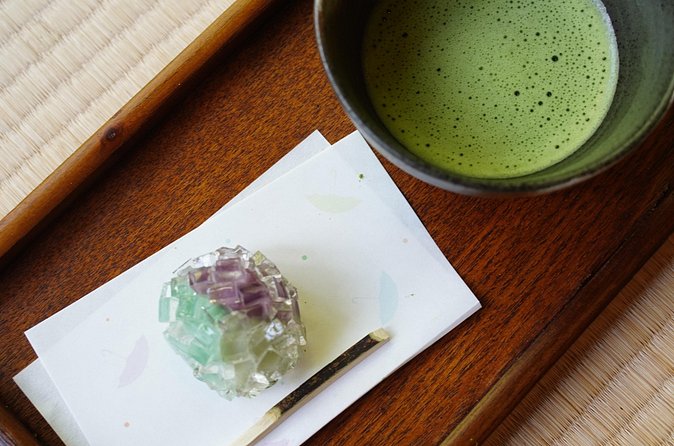
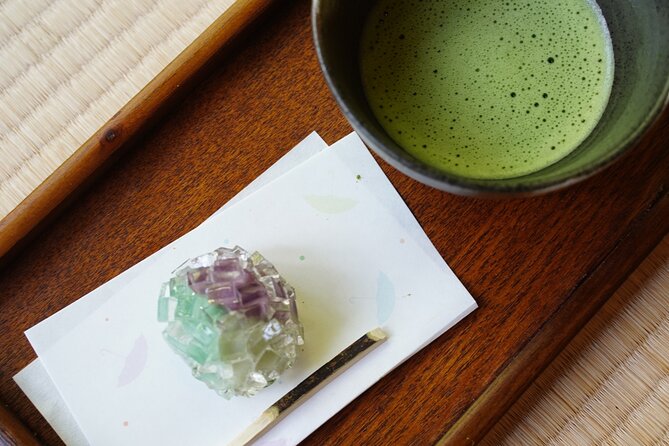
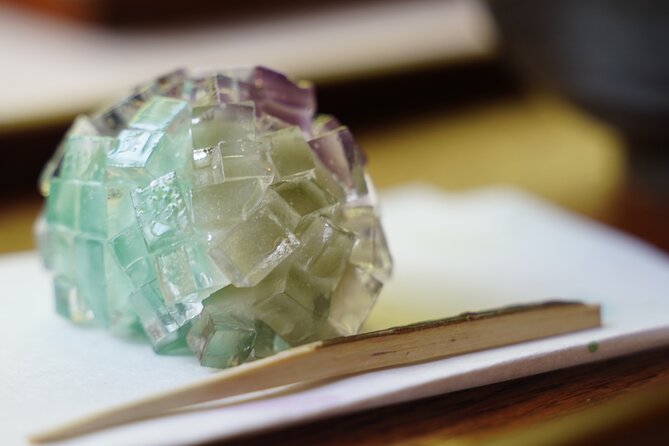
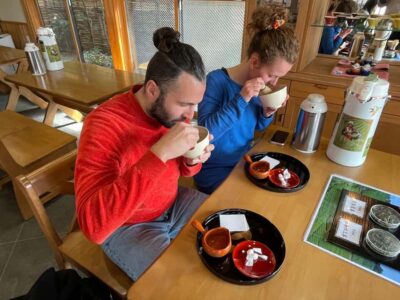
You’ll enjoy premium Uji matcha along with seasonal wagashi. The format is peaceful and mindful, which matters because it keeps the shift from stillness to socializing from being too abrupt.
Uji matcha is a good choice to end on because it forces a slow, sensory pause. Even if you’ve had matcha before, taking time to taste it after zazen tends to make it feel more intentional.
Also, the inclusion is straightforward: coffee and/or tea and then the matcha with wagashi. No awkward extra costs during the closing moment.
A day of temples goes further with something to break it up.
Group size and comfort: why max 10 people feels better
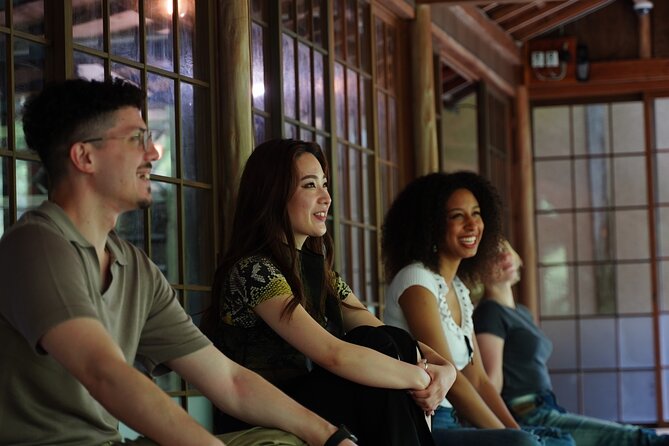
The experience is capped at a maximum of 10 travelers. That small size changes the energy. You’re not competing for space, and the instructor can keep the flow of instruction smoother for everyone.
It also makes it easier to stay focused. Large groups can feel like you’re in a lecture with echoes. A smaller group makes it easier to hear cues and settle quickly.
The session also lists mobile ticket use, which usually means less paperwork fuss on the day. You’ll also be able to confirm at booking, so you’re not left guessing.
If you travel with a service animal, the experience allows them, which is an important practical detail if you need it.
Price and value: is $105 fair for a 2-hour Zen workshop?
At $105 per person for about 2 hours, you’re paying for three things that are hard to copy on your own.
First, you’re paying for guided instruction. Zen practice has a learning curve for posture, attention, and the general feel of what you’re doing. A real instructor helps you avoid wasting time on the wrong approach.
Second, you’re paying for the setting. The riverside location, fresh air, and the guided structure together make it more than just meditation by yourself in a park.
Third, the tea time is included, with premium Uji matcha and seasonal wagashi. That might sound like a small add-on, but it’s part of the pacing. You’re given a quiet finish instead of abruptly breaking the mood.
Is it a splurge? Yes, compared to free temple strolls. But if you want an experience with real instruction and a calm, guided arc from sitting to sipping, this price looks reasonable.
A good sign: people seem to treat this as a highlight in Kyoto, which usually means the value is in the quality of the experience, not just the novelty.
Who should book this, and who might skip it
You should book if you want a quieter side of Kyoto that teaches something you can use. This is a great fit for first-timers who want help understanding Zen practice without feeling judged, rushed, or pressured into complicated ritual.
It’s also a good choice if you like nature-based experiences, because the river setting is not decorative. It actively supports the meditation.
You might hesitate if you dislike outdoors activities or if you cannot handle weather changes. This experience requires good weather. If conditions are poor, the plan can be canceled, with an offered different date or a full refund.
And if your ideal Kyoto day is constant temple hopping with lots of sightseeing photos, this will feel slower by design. This is about practice, not a checklist.
Should you book Kyoto Hidden Riverside Zen Meditation and Uji Matcha?
I’d book it if you want a meaningful, calm break from the usual sightseeing grind. The combination of guided zazen, English interpretation, and the Uji matcha and wagashi finish creates a complete experience, not just a standalone activity.
Book it especially if you’re a beginner. The step-by-step format is built for people who want the basics explained clearly, without needing prior meditation experience.
If you’re unsure, here’s the simple test: do you want to leave Kyoto with a small daily-life tool for attention and calm? If yes, this is a strong choice. If your plan only allows for indoor, weather-proof experiences, then you might want to keep your schedule flexible before committing.
FAQ
How long is the Kyoto riverside Zen and matcha experience?
It lasts about 2 hours.
Is this meditation inside a temple?
No. The zazen is held outdoors by the river on a riverside deck.
What’s included in the price?
Coffee and/or tea are served, and you’ll also have premium Uji matcha with seasonal wagashi. The Zen workshop experience is included too.
Do I get English help during the session?
Yes. An English-speaking cultural guide accompanies you and provides real-time interpretation.
How big is the group?
The experience has a maximum of 10 travelers.
Is transportation included?
Private transportation is not included.
What happens if the weather is poor?
The experience requires good weather. If it’s canceled due to poor weather, you’ll be offered a different date or a full refund.
Are service animals allowed?
Yes, service animals are allowed.
New This Season
- Koyasan Day Trip by Private Car from Kyoto
- Old Port Town and Ultimate Sake Tasting Private Tour From Kyoto
- Kyoto’s Timeless Charm: 3hr Exploration of History and Peace
- Kyoto: 5 Types of Sushi Making
- Sacred Peak & Ancient Paths: Kurama-Kibune Hiking Experience
- Kyoto: Exclusive ZEN practice at Manpukuji temple in Uji
- Kyoto: Private Seasonal Aroma Yoga Class
- Traversing Kyoto’s Scenic West – Arashiyama to Kinkakuji
Matcha & Green Tea Tastings, compared.

Arashiyama Bamboo Forest, Monkeys, Matcha & Temple Tour
Read our review →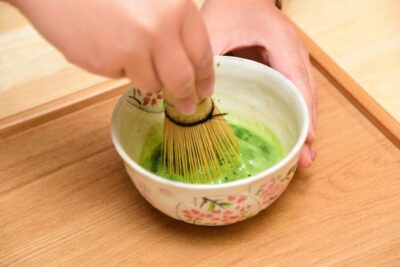
Tea Museum Tickets and Matcha Grinding Experience
Read our review →
Tea Ceremony Meditation – Make Matcha with Tea Master
Read our review →Arashiyama Bamboo, Matcha, Monkeys & Temple Tour
Read our review →

Arashiyama Bamboo, Temple, Matcha, Monkeys & secret spots
Read our review →
Green Tea Tour with Byodoin and Koshoji Temple Visits
Read our review →Also filed under