Reviewed · PRIVATE
Kyoto Private 7-Hour Hidden Gems Tour with a Local – Unscripted
Kyoto, but on your terms. This private, customized 7-hour walk is shaped around what you care about, and it has that personal-host feel because your guide can adjust as you go. I especially like the way the day mixes classic Kyoto sights with quieter side streets, and the fact that guests have praised Masaya for fluent English and smart on-the-fly tailoring. The main drawback to weigh: this is primarily on foot, so you will want comfortable shoes and you may pay extra for taxis or transit between spots.
The setup is designed to remove guesswork. After booking, you answer a short questionnaire, and your host contacts you directly to build an itinerary that matches your interests, personality, and must-sees.
You also get real flexibility instead of a rigid checklist. You choose your preferred start time, enjoy hotel pickup from centrally located hotels, and use a mobile ticket, while your guide decides the pace and turns the day toward top landmarks and less-visited corners.
In This Review
- Why This Kyoto Private Tour Feels Different From a Fixed Itinerary
- A 7-Hour Kyoto Day Built Around Your Interests
- The Pickup, Start Time, and Meeting Point You Should Know
- Crossing the Kamo River, Then Entering Kyoto’s Cultural East Side
- Machiya Streets, Quiet Alleys, and Geiko Traditions
- A Shinto Shrine Stop With Lanterns and Purification Rituals
- A Spacious Public Garden Break When Kyoto Slows Down
- A Preserved Cobblestone Alley With Ryokan-Front Charm
- How Masaya and the Local Guide Turn Stops Into a Real Day
- What’s Included, What’s Not, and How to Budget Smartly
- Walking-First Kyoto: Comfort Tips That Keep the Day Enjoyable
- Best Fit: Who This Kyoto Private Tour Works For
- Should You Book This Kyoto Private 7-Hour Local Tour?
- FAQ
- How long is the Kyoto private tour?
- Is this tour private or shared?
- Where does the tour start and where does it end?
- What is included in the price?
- What is not included?
- Do I need tickets or reservations for attractions?
- Is the tour mostly walking?
- Can I use hotel pickup?
- Can I cancel for a refund?
Why This Kyoto Private Tour Feels Different From a Fixed Itinerary
- Fully customized route built around your questionnaire and your vibe, not a one-size plan.
- A true local-host approach with direct communication and insider tips along the way.
- Top landmarks plus quieter lanes so you get both the postcard views and the calm streets.
- Flexible timing and pacing so the day can slow down for details or speed up when you want.
- Walking-first design that keeps you close to the neighborhoods you came to see.
A 7-Hour Kyoto Day Built Around Your Interests
Kyoto can feel like two different cities at once. There is the Kyoto you see in photos, and then there is the Kyoto where you hear daily life in the background, where machiya townhouses and stone alleys make you slow down without trying.
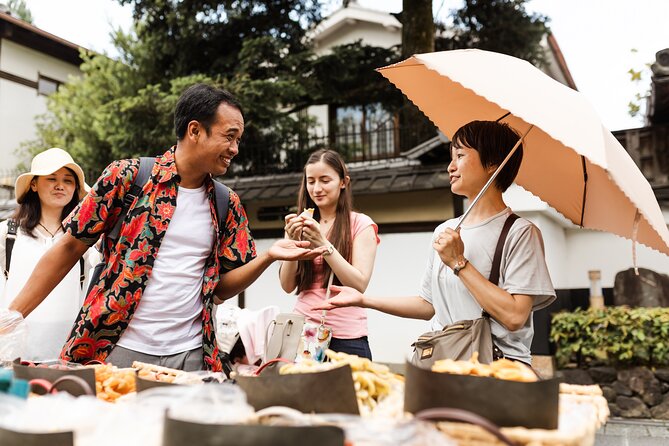
That is why I like the format here: a private walking experience that is tailored to your interests. You are not just being delivered to famous spots. You are spending time with a local host who can shape the route toward history, culture, food-focused stops, or simply the kinds of streets you enjoy walking through. The tour is about choice and timing as much as it is about destinations.
The duration matters too. Seven hours is long enough to do several distinct neighborhood changes and still feel human at the end. It also fits nicely if you want a full day of Kyoto without stacking multiple tours, especially on days when you might already have plans for dinner or a lighter evening.
The Pickup, Start Time, and Meeting Point You Should Know
The tour starts at Starbucks Coffee near Kyoto Sanjo-ohashi Bridge, in Nakagyo Ward (near the address listed for the meeting location). Your guide meets you there and you end back at the same meeting point.
Two details are practical wins for your day. First, hotel pickup can be arranged from centrally located hotels, which saves you the hassle of figuring out where to connect. Second, the tour is near public transportation, so even if you skip pickup, you should be able to get to the meeting point without a major detour.
Start time flexibility is also real value. If you book a later start, you can sometimes catch different light on shrines and river views. If you start earlier, you may get a quieter walking rhythm in residential streets. This kind of control is hard to get with group tours.
A quieter way to spend a day in Kyoto
- Fushimi Inari Hidden Hiking Tour (Private Option Available)
★ 5.0 · 1,750 reviews - Private Kyoto Tour with a Local, Highlights & Hidden Gems, Personalised
★ 5.0 · 1,543 reviews - Kyoto 6hr Private Tour with Government-Licensed Guide
★ 5.0 · 1,369 reviews - 10 Must-see Spots in Kyoto One Day Private Tour (up to 7 people)
★ 5.0 · 1,108 reviews
Crossing the Kamo River, Then Entering Kyoto’s Cultural East Side
Many Kyoto tours begin with a big temple moment. This one starts with a river crossing, specifically the historic crossing over the Kamo River near Sanjo-ohashi, plus an entryway toward the city’s cultural east side.
Why does that help? A river crossing gives you an immediate sense of geography. You start to understand Kyoto as a city of neighborhoods, not just monuments. And because your host can explain the bridge’s role in Edo-period travel and its connection to the old Tokaido Road, you get a quick historical frame without sitting through a lecture.
Even if you do not go deep on dates, the symbolism is useful. Kyoto’s famous routes and cultural pathways grew from movement, markets, and travel needs. When you hear how a bridge links travel corridors from long ago, the rest of the walk feels more connected and less random.
A small consideration: a bridge and riverfront area can be breezy. If you are sensitive to weather, dress in layers, especially in colder months or during windy seasons.
Machiya Streets, Quiet Alleys, and Geiko Traditions
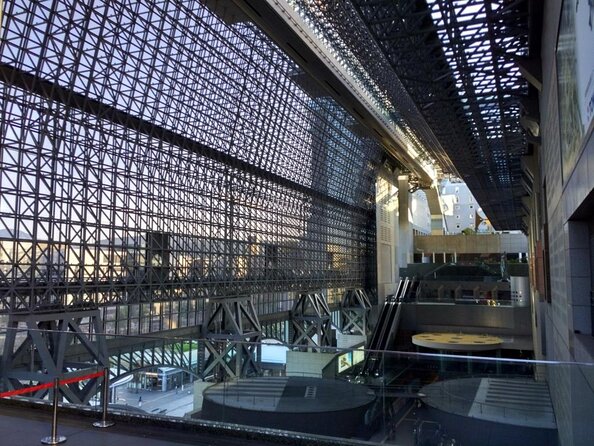
After the river, the tour typically moves into one of Kyoto’s most atmospheric neighborhood styles. Think wooden machiya townhouses, quiet stone alleys, and traditional teahouses, with your host guiding you through lesser-known paths.
This is where a private guide earns their keep. In this kind of area, the difference between seeing Kyoto and feeling Kyoto is often the small choices: which alley you enter, where you pause, what you notice when buildings crowd the street. Your host may explain geiko traditions, and that kind of context changes how you read what you see.
If you are the type who likes details, this stop can be a favorite. Machiya are not just pretty facades. They represent a living architecture and a way of life that shaped Kyoto’s streets. Teahouses in the background also make you more aware of cultural continuity, even while you are walking in a modern city.
Possible drawback: these lanes can be narrow. Comfortable walking shoes are a must, and if you are traveling with a stroller or you are less steady on your feet, this kind of alley walking can be tiring.
A Shinto Shrine Stop With Lanterns and Purification Rituals
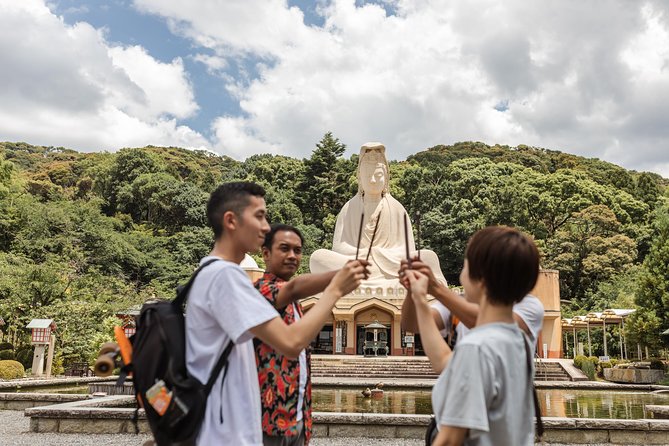
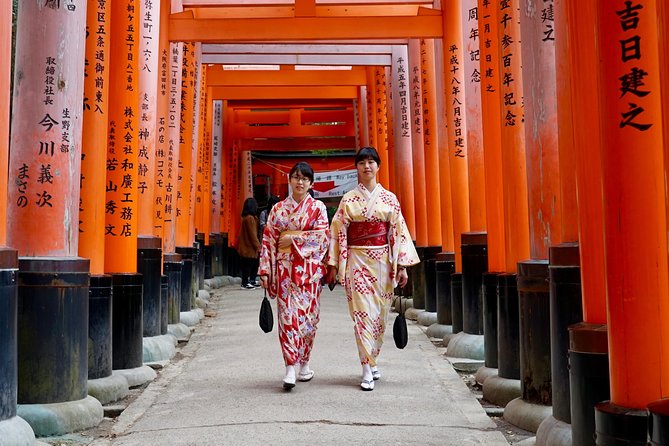
The tour then includes a Shinto shrine experience that is open to all and known for bright lanterns, seasonal festivals, and welcoming energy. Your host may demonstrate purification rituals or take you through quieter sub-shrines.
Shrine etiquette is one of those things that is easy to get wrong if you are guessing. This stop is valuable because a guide can help you understand what you are doing and why. If you want cultural experiences that feel respectful rather than performative, this part of the walk is a good fit.
The lantern-and-festival angle matters too. Even outside major festival days, lanterns give you that Kyoto evening-photo mood in daylight. It also connects nicely with the idea of Kyoto as a city of rhythms, not just one-off highlights.
One practical note: shrines are often easiest to enjoy when you slow down. If your style is to rush for photos, you might miss the calm parts of the sub-shrine walking and the learning moments tied to ritual.
A Spacious Public Garden Break When Kyoto Slows Down
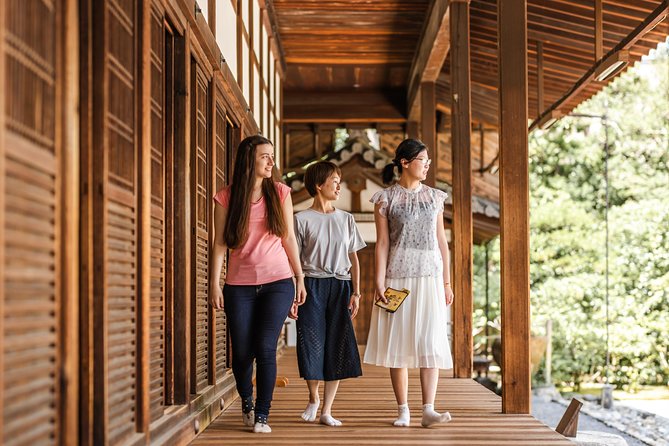
Midway through a long walking day, you need a breather. This itinerary often includes a spacious public garden beloved by locals, especially during cherry blossom season. Expect tree-lined walkways, reflective ponds, and shaded benches.
What I like about adding a garden break is that it resets your senses. Kyoto can be visually dense, especially when you are surrounded by wooden facades and stone paths. A garden pause gives you breathing room, and the reflective water elements help you calm down before your next neighborhood change.
If you enjoy snacks or casual stops, this is the kind of place that can work for a low-key break rather than forcing a sit-down meal. The goal here is a gentle transition, not a rushed stop.
If you are visiting outside cherry blossom season, the beauty still tends to work. Gardens often feel “Kyoto” in every month because of how paths and views are arranged. Just do not count on blossoms specifically unless you are traveling during the cherry blossom window.
A day of temples goes further with something to break it up.

A Preserved Cobblestone Alley With Ryokan-Front Charm
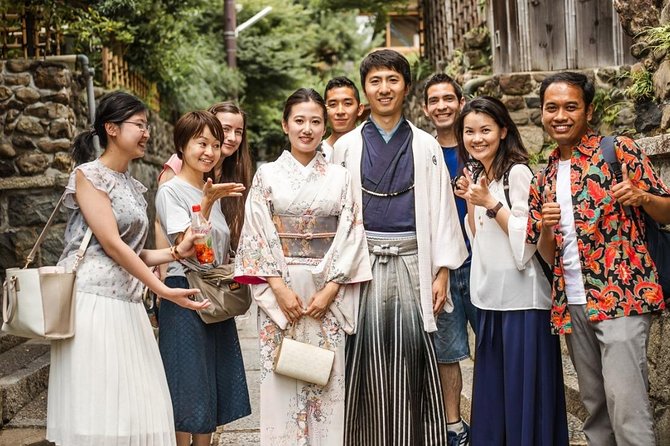
The last part of the walk often swings back into a visually old-school pocket of central Kyoto: a beautifully preserved cobblestone alley. It is lined with traditional inns (ryokan) and can include secluded gardens, giving you that serene, old-world charm.
This stop is a great example of why a private route can beat a checklist approach. Cobblestone lanes are not just scenery. They show you how Kyoto once hosted travelers and how hospitality shaped street life. When you see ryokan-front details and the quiet structure behind them, you get a more layered sense of how the city functioned.
If you enjoy walking “on texture,” this is the kind of street where you feel the difference right away. Cobblestones change your pace. You naturally look down as you step, then look up to see how doors and garden walls shape the view.
Possible drawback: cobblestone streets can be harder on tired feet near the end of a seven-hour day. If you have any knee or ankle sensitivity, bring shoes with real support, and take your time on each stretch rather than power-walking.
How Masaya and the Local Guide Turn Stops Into a Real Day
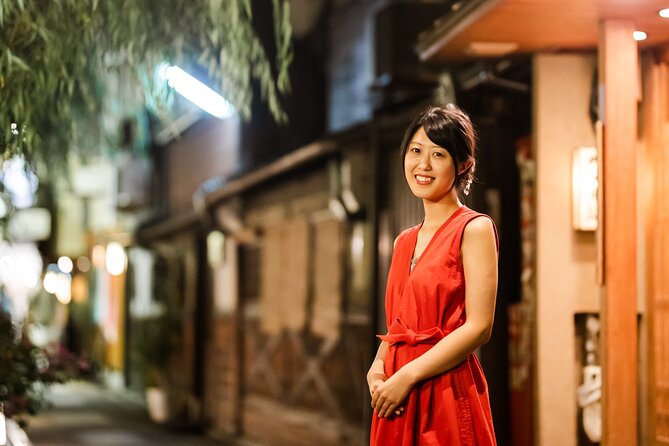
A tour is only as good as the person steering it. Here, the local-host role is central, and it shows in the feedback around Masaya.
Guests have praised Masaya for a personalized approach that made the seven-hour time feel special, plus clear communication in fluent English. That combination matters because it lets you understand what you are seeing in real time, not after the fact. You get explanations while you are still there, when details are fresh.
Another strength is the tailoring itself. Your host can adjust the plan as you explore. That means if you fall in love with one alley longer than expected, you do not have to cut it short. If you want more shrine focus or more street-level photography time, your guide can flex.
This matters even more because the itinerary described is a sample, not a fixed run. Your host builds a route around your interests and your personality. So if your “Kyoto style” is walking slowly, learning, and noticing small cultural cues, this kind of day is likely to fit you well.
What’s Included, What’s Not, and How to Budget Smartly
Here is the practical breakdown of what you should expect to pay for.
Included:
- A private, personalized walking experience with insider tips from a passionate local
- Flexible durations and start times
- A pre-tour questionnaire
- Direct communication with your host for itinerary planning and local recommendations
- Hotel pickup can be arranged from centrally located hotels
Not included:
- Food, drinks, and tickets to attractions
- Transportation, with walking being the main mode
- Gratuities (optional)
This affects value in a clear way. You are paying mostly for the local time, the customization, and the route planning. If you want a few ticketed attractions or you prefer frequent taxi hops, your total day cost will likely rise.
But if you like walking and you mainly want street-level culture and shrine experiences, this format can be a strong value because you can keep spending focused on what you personally choose, rather than paying for a bundle you might not care about.
Walking-First Kyoto: Comfort Tips That Keep the Day Enjoyable
Because the tour is primarily walking, your body is part of the experience. This is a real pro for culture lovers, but it also means you should plan for physical comfort.
Bring:
- Comfortable, supportive shoes (Kyoto streets and alleys can be uneven)
- Layers (especially near the river and around shrine areas)
- A plan for water, since food and drinks are not included
Also, remember that private does not automatically mean private vehicle. A walking tour can still use public transport or local taxis between sites if needed, and those exact costs can be discussed with your host after your reservation is finalized. That flexibility is good, but it is not a flat, included transport package.
If you are prone to getting tired mid-day, consider an earlier start or build in a longer garden pause. Your guide can often adjust pacing, but your energy level is the starting point.
Best Fit: Who This Kyoto Private Tour Works For
This tour style is best for people who want Kyoto to feel personal. If you like exploring at human speed and you want a local to explain what you are seeing, you are in the right lane.
It is especially suited to:
- First-time Kyoto visitors who want both landmarks and quieter streets
- People who enjoy learning context while they walk, such as the story behind travel routes near Kamo River
- Travelers who like flexible plans, rather than rigid group schedules
- Anyone who values English communication and clear guidance, as shown by the praise for Masaya
It may be less ideal if you want a car-driven sightseeing day with minimal walking, or if you are strict about ticketed attractions being included. Since food, drinks, and tickets are not included, you will want to plan those preferences in advance with your host.
Should You Book This Kyoto Private 7-Hour Local Tour?
If you want Kyoto to feel like a real neighborhood experience, I think you should seriously consider booking this. You get private customization, flexible pacing, and a guide who can tailor the day as you go, plus the reassurance of strong English communication and thoughtful personal approach from Masaya.
I would book it if your ideal day includes:
- A calm mix of shrine culture, river-side framing, and traditional street atmosphere
- Time to pause and understand what you are looking at
- Comfort with a walking-first format
I would hesitate if you need lots of ticketed attractions included, or if walking for seven hours is a challenge. The route is designed for movement, not heavy indoor attraction hopping, and transportation between sites is not included.
Bottom line: for travelers who want Kyoto with a local voice and a day that can bend to your interests, this is a smart, high-value way to spend seven hours in the city. If you are the kind of traveler who loves quiet lanes and explanations that make details click, your feet and your curiosity will both feel rewarded.
FAQ
How long is the Kyoto private tour?
It runs about 7 hours.
Is this tour private or shared?
This is a private tour/activity, and only your group participates.
Where does the tour start and where does it end?
The tour starts at Starbucks Coffee – Kyoto Sanjo-ohashi Bridge, and it ends back at the meeting point.
What is included in the price?
It includes a private personalized walking experience with insider tips, flexible durations and start times, a pre-tour questionnaire, direct communication with your host, and hotel pickup can be arranged from centrally located hotels.
What is not included?
Food, drinks, and tickets to attractions are not included. Transportation is also not included, since it is primarily a walking experience. Gratuities are optional.
Do I need tickets or reservations for attractions?
Tickets to attractions are not included, so if you want to enter ticketed places, you would need to arrange that separately.
Is the tour mostly walking?
Yes. It is a walking experience, and a private vehicle is not included.
Can I use hotel pickup?
Yes, hotel pickup can be arranged from centrally located hotels.
Can I cancel for a refund?
Yes, you can cancel for a full refund if you cancel at least 24 hours before the experience starts.
New This Season
- Koyasan Day Trip by Private Car from Kyoto
- Old Port Town and Ultimate Sake Tasting Private Tour From Kyoto
- Kyoto’s Timeless Charm: 3hr Exploration of History and Peace
- Kyoto: 5 Types of Sushi Making
- Sacred Peak & Ancient Paths: Kurama-Kibune Hiking Experience
- Kyoto: Exclusive ZEN practice at Manpukuji temple in Uji
- Kyoto: Private Seasonal Aroma Yoga Class
- Traversing Kyoto’s Scenic West – Arashiyama to Kinkakuji
Private, compared.
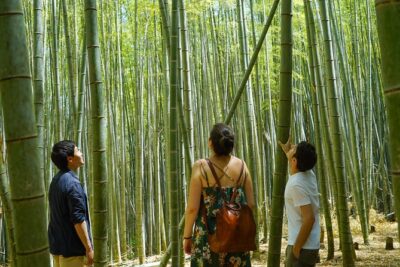
Fushimi Inari Hidden Hiking Tour (Private Option Available)
Read our review →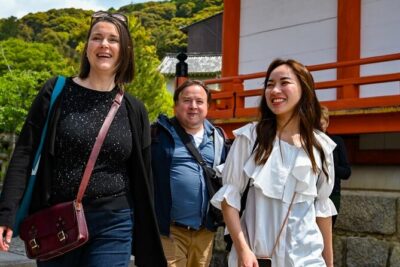
Private Kyoto Tour with a Local, Highlights & Hidden Gems, Personalised
Read our review →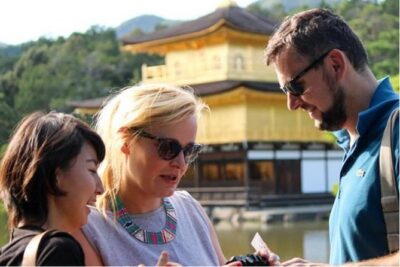
Kyoto 6hr Private Tour with Government-Licensed Guide
Read our review →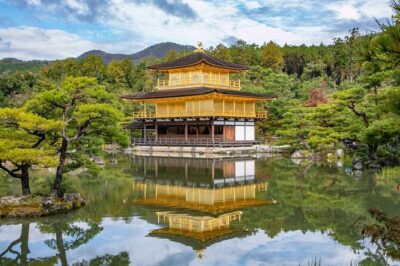
10 Must-see Spots in Kyoto One Day Private Tour (up to 7 people)
Read our review →
Kyoto 4hr Private Tour with Government-Licensed Guide
Read our review →
Private Kyoto Tour with Licensed Guide & Vehicle (Max 15 persons)
Read our review →