
Reviewed · TRAIN EXPERIENCES
Kyoto Railway Museum Advance Tickets
Trains turn a museum visit into a hands-on day. Kyoto Railway Museum is all about Look, Touch, and Experience, and I love how it strings together everything from steam locomotives to Shinkansen trains in one place. I also like the extra spark from the diorama and short train ride, because it gives you more than static photos. One thing to plan around is that eating and drinking are restricted inside exhibit rooms, so bring your snack timing skills.
The advance ticket is where the comfort comes in. You get admission included, you can handle entry with less stress, and you are close to public transit, about a 2-minute walk from Umekoji-Kyoton Nishi Station on the JR Sagano Line. If you want a smooth rail day, this is a practical way to do it without wasting time waiting in line.
Key things to know before you go
- Look, Touch, and Experience is the theme, so expect interactive-style exhibits, not just glass cases
- A huge rail display, including steam locomotives to Shinkansen trains, plus training simulators
- You can focus on the diorama and short train ride to stretch the visit beyond a quick look
- Advance tickets mean less hassle at the entrance and easy admission flow
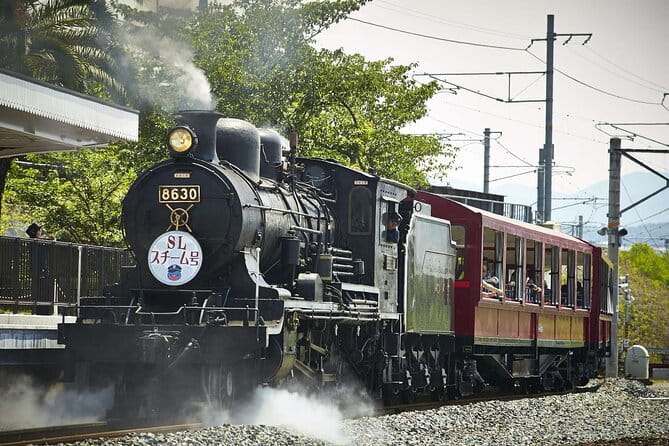
- Optional SL steam train ticket is available on site if you want extra steam
In This Review
- Kyoto Railway Museum advance tickets, what you are really paying for
- Getting there fast from Umekoji-Kyoton Nishi Station
- What Look, Touch, and Experience feels like in the galleries
- Rolling stock from steam to Shinkansen, one museum’s timeline
- Diorama plus the short train ride, why the visit can run long
- Conductor training simulators, the rail job behind the scenes
- SL steam train add-on on site, how to think about it
- House rules that affect your comfort, food, strollers, and smoking
- Price and timing, is $18.50 worth it for a 2-hour visit?
- The best way to plan your 2 hours
- Who this Kyoto rail museum visit suits best
- Should you book Kyoto Railway Museum advance tickets?
- FAQ
- What is the duration of the Kyoto Railway Museum advance ticket?
- How much does the Kyoto Railway Museum advance ticket cost?
- Where is the Kyoto Railway Museum located, and how do I get there?
- What are the opening hours?
- Can I eat or drink inside the exhibit rooms?
- Are strollers allowed?
- What is the cancellation policy, and does weather matter?
Kyoto Railway Museum advance tickets, what you are really paying for
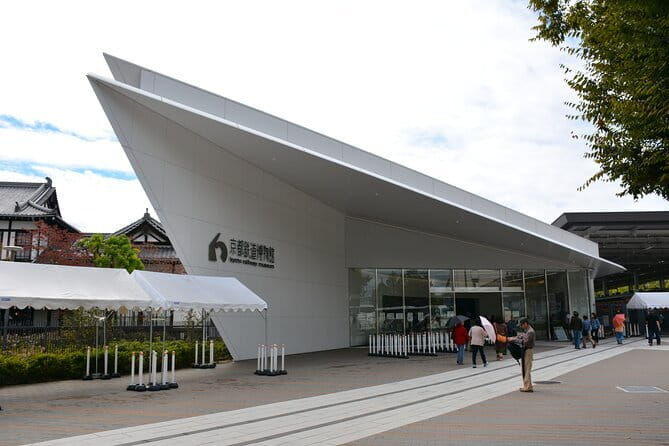
At $18.50 per person for about 2 hours, this ticket is priced like a proper museum day, not a token stop. The value is not only that admission is included. It is also that you show up ready. That matters at a large museum where you will otherwise spend your trip time figuring things out.
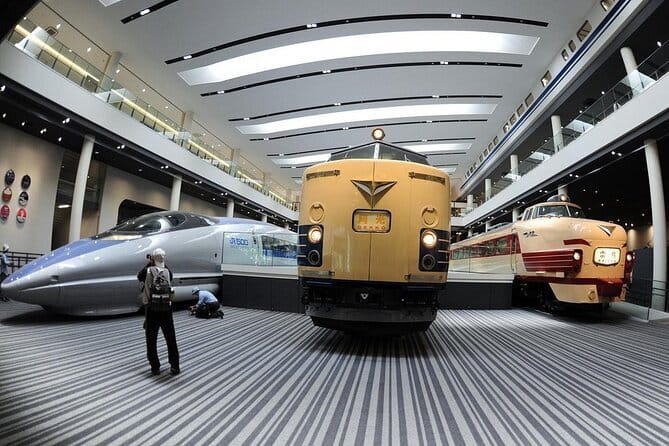
Kyoto Railway Museum is one of Japan’s largest railway museums, and it is built around a simple idea: trains are easier to understand when you can get close to them and see the details. The museum displays a diverse collection of rolling stock, from steam locomotives up through Shinkansen bullet trains. You are not just looking at a theme. You are looking at the hardware, the evolution, and the work behind it.
If you like trains even a little, you will probably end up spending longer than you think, because the museum has more moving parts than you expect. Two hours is a solid target, but it is also short enough that you may want to choose what to prioritize.
Getting there fast from Umekoji-Kyoton Nishi Station
The museum is in Shimogyo-ku, Kyoto, and it is close to transit. Your best anchor point is Umekoji-Kyoton Nishi Station on the JR Sagano Line, with a walk of about 2 minutes. That is the kind of detail that makes the whole plan feel easier, especially if you are juggling a full day in Kyoto.
Because the museum is near public transportation, you can slot it in without a giant logistics headache. You can go before dinner. You can pair it with other Kyoto sights. And you will not need to treat this like a half-day expedition just to get there.
Also, the museum operates on fixed daily hours, 10:00 AM to 5:00 PM. So arriving early in that window tends to feel smarter, especially if you want a relaxed pace instead of a rush to see the big pieces.
What Look, Touch, and Experience feels like in the galleries
The museum theme is Look, Touch, and Experience, and that line is not just marketing fluff. It is a clue about how you will move through the space. You can expect more than a walk past labeled trains.
You will see a wide range of preserved vehicles, including steam locomotives, Shinkansen bullet trains, and other cars that help tell Japan’s rail story. There are also interactive elements such as conductor training simulators. That matters because it adds the human side of rail, not only the metal.
Even if you do not speak Japanese, you will still get value from the way the museum is arranged. The physical scale of the trains does a lot of the talking. The diorama also helps connect eras and routes in a way that is easier to understand at a glance than a purely text-based exhibit.
One practical thing: eating and drinking are prohibited in exhibit rooms. That keeps the spaces cleaner and the exhibits protected, but it also means you should plan to grab food before you enter the rooms, or use the restaurant or rest areas. The courtyard is a place where you may bring your own food and beverages, which is great if you like to manage your budget.
A quieter way to spend a day in Kyoto
- From Osaka: Sagano Train Ride and Kyoto Guided Day Tour
★ 4.3 · 180 reviews - Full Day Hiroshima and Miyajima Tour by Bullet Train from Kyoto
★ 4.5 · 120 reviews - Kyoto: Arashiyama Day Tour with Train, Boat, and Onsen
★ 4.9 · 48 reviews - Kyoto Railway Museum Admission Ticket
★ 4.3 · 23 reviews
Rolling stock from steam to Shinkansen, one museum’s timeline
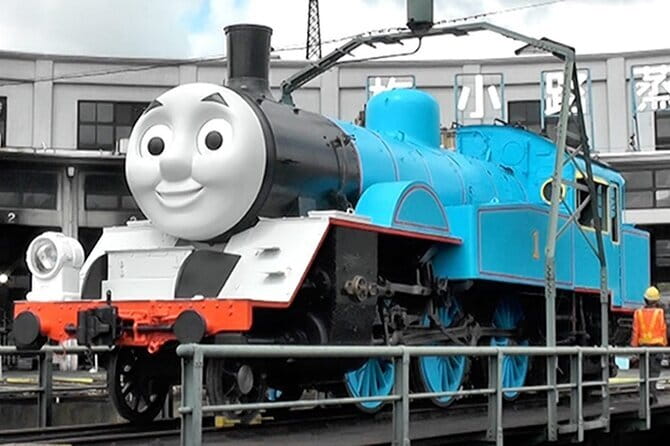
The star attraction here is the collection itself. Kyoto Railway Museum proudly displays a diverse range of rolling stock. You can walk through preserved cars that represent major stages of rail development in Japan.
The museum includes 53 cars that played a vital role in the modernization of Japan. That is a big claim, and it is a useful lens for how you should approach the visit. Instead of treating each train as a separate object, try to notice how design and purpose change over time.
Steam locomotives give you that older, mechanical feel. Shinkansen bullet trains push you into the future side of rail technology, and the museum’s mix of eras is what makes it fun even for people who are not hardcore train nerds. If you love details, you will have plenty to look at. If you are more casual, the comparison between eras is the point.
You may find the list of those 53 cars in Japanese, but you do not need it to enjoy the museum. The exhibits themselves are the guide. Still, if you are the type who likes checking what you will see ahead of time, searching for that car list beforehand can help you create a mini game plan.
Diorama plus the short train ride, why the visit can run long
If you are deciding whether to spend time here or do a quick pass, I would plan for the museum’s visual storytelling. The diorama and the short train ride are the parts that often make the biggest difference in how long you stay.
A diorama is more than a model. It is a scale lesson. It helps your brain connect what you are seeing on the tracks to a bigger idea of routes, operations, and place. Then the short train ride turns the idea into something you can feel. Even if the ride is brief, it changes your experience from looking to experiencing.
This is also why the 2-hour duration is a guide, not a hard cap. If you stop for photos, read labels, or take your time at the diorama, you may end up lingering. The museum is large enough that a rushed pace can make you miss the fun connective bits.
My advice: treat the diorama and ride as your anchors. Start there or build your route around them, and you will leave with a full story instead of a pile of random train photos.
Conductor training simulators, the rail job behind the scenes
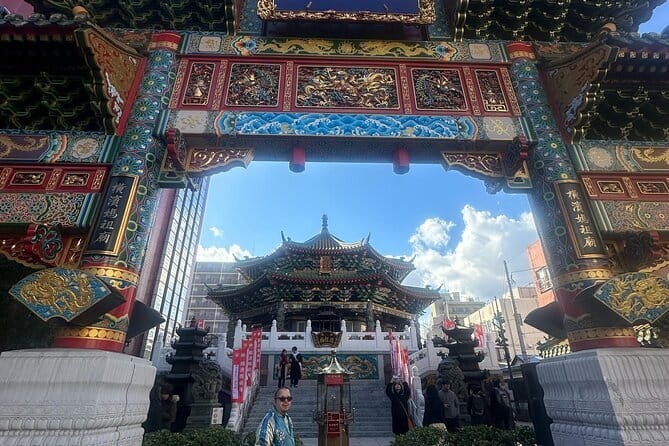
One of the most interesting exhibit types you can expect is the conductor training simulators. This is where the museum shifts from machines to skills.
Rail transport is not only about speed and power. It is about procedures, judgment, and coordination. A simulator concept helps you understand that the work has steps and timing, not just motion.
Even if you do not plan to spend a lot of time in every interactive station, the simulators are worth finding. They add variety to the day, and they break up the experience so it does not become only a corridor of trains.
If you are traveling with kids, this is also a smart area because it turns attention into activity. If you are traveling solo, it still gives you something memorable beyond static exhibits.
SL steam train add-on on site, how to think about it

If you want the full steam experience, there is an optional add-on. The SL steam train ticket can be purchased at the location.
That simple line matters for two reasons. First, it gives you flexibility. You can see how you feel after exploring the museum and decide if you want that extra steam moment. Second, it reminds you that the museum experience can include more than exhibit halls.
I suggest you keep this option in mind when you plan your time. If the steam train is something you care about, build buffer into your 2-hour window. If you are more focused on the collection and simulators, you can skip the steam ticket and still get a complete museum visit.
Indoors, when temple-hopping wears thin



House rules that affect your comfort, food, strollers, and smoking
Museums can be easy to enjoy or frustrating to navigate, depending on rules. Here are the key ones that actually affect your day.
Eating and drinking are prohibited in exhibit rooms. Use the restaurant or rest areas, or the courtyard. The courtyard is the exception you will appreciate, because you may bring your own food and beverages there.
Strollers are allowed inside the facility, but steerable toys like tricycles and bicycles are not. That is a small but real detail. It helps keep pathways clear and makes the museum more comfortable for everyone moving around.
Smoking is prohibited inside all buildings. There are 2 designated outdoor smoking areas within the facility, and there are no cigarette vending machines. If you smoke, plan ahead so you are not hunting around for a vending option that will not exist.
These rules do not ruin the experience. They just affect how you pack and where you take breaks. The best approach is to treat the courtyard like your reset button.
Price and timing, is $18.50 worth it for a 2-hour visit?

Let’s do the honest value math. You pay $18.50 per person. Admission is included. The time target is about 2 hours. If you like rail, that cost is pretty normal for a large museum experience, but the real question is whether you will get more than a photo stop.
This is the kind of museum where your interest tends to grow as you see more eras. Steam locomotives, Shinkansen bullet trains, conductor training simulators, and a diorama set you up for variety. Variety is what prevents museum fatigue.
You can also avoid day-of-stress by buying advance tickets online. The average booking time is about 34 days in advance. That suggests people plan ahead here, likely because it reduces uncertainty and makes entry smoother.
My practical recommendation: if your rail interest is moderate or high, book in advance and treat this as a dedicated 2-hour block. If your interest is low, you might still enjoy it, but you will want to move quickly and focus on the highlights.
The best way to plan your 2 hours
You only have around 2 hours. So you need a small plan that keeps you from wandering.
Here is a practical approach:
- Go straight to the diorama and the short train ride area first, or slot them in early so they are not crowded out
- Then work through the preserved cars by era, steam side first or Shinkansen side first, whichever matches your mood
- Stop at conductor training simulators to add a break from walking and looking
- Use the restaurant or rest areas when your energy drops, and if you have food, save it for the courtyard since eating is not allowed in exhibit rooms
If you bring a stroller, plan for slower movement and more pauses. If you are visiting with friends, decide early who wants the steam optional ticket and who is happy staying with the main museum collection.
This museum rewards calm pacing. You do not need to read every label, but you should slow down enough to notice how the exhibit connects one train era to the next.
Who this Kyoto rail museum visit suits best
This experience fits best if you like trains, of course, but it also suits a wider range of people because it mixes technology, design, and hands-on learning.
It is a good pick for:
- Train lovers who want to see steam and Shinkansen together
- Families who can use the simulators and diorama to keep kids engaged
- Anyone who wants a shorter, focused museum that still feels substantial
The museum says most people can participate. So it is not a specialized hobby event. Still, be aware of the food rules and the no steerable toys rule, especially if you are traveling with little ones.
If you are visiting Kyoto and you already have enough temple time, this is a satisfying change of pace. Rails are Kyoto too, just in a different way.
Should you book Kyoto Railway Museum advance tickets?
I think this is a good booking for two kinds of people: train fans and people who like efficient, well-designed indoor attractions. The admission price is reasonable for a museum of this size, and the advance ticket helps you avoid the day-of friction that can eat up a short travel block.
Skip the booking only if you are trying to cram an ultra-fast itinerary and cannot spare the 2-hour window. Also consider whether you care about the optional SL steam train ticket. If you do, arriving ready to purchase on site can be part of the fun.
Otherwise, I would book. You are close to transit, you get a clear route through multiple exhibit types, and the diorama plus short train ride give you a more complete experience than a typical train-photo stop.
FAQ
What is the duration of the Kyoto Railway Museum advance ticket?
The experience is about 2 hours.
How much does the Kyoto Railway Museum advance ticket cost?
It costs $18.50 per person, and admission to the museum is included.
Where is the Kyoto Railway Museum located, and how do I get there?
The museum is in Shimogyo-ku, Kyoto. It is near public transportation, with a convenient 2-minute walk from Umekoji-Kyoton Nishi Station on the JR Sagano Line.
What are the opening hours?
The museum is open daily from 10:00 AM to 5:00 PM. The stated date range is 04/08/2023 to 06/17/2026, Monday through Sunday.
Can I eat or drink inside the exhibit rooms?
No. Eating and drinking are prohibited in the exhibit rooms. You can use the restaurant or rest areas or the courtyard, where you may bring your own food and beverages.
Are strollers allowed?
Yes, strollers may be brought into the facility. Steerable toys such as tricycles and bicycles are not allowed.
What is the cancellation policy, and does weather matter?
You can cancel for a full refund if you cancel up to 24 hours in advance of the experience start time. The experience requires good weather, and if it is canceled due to poor weather, you will be offered a different date or a full refund.
New This Season
- Koyasan Day Trip by Private Car from Kyoto
- Old Port Town and Ultimate Sake Tasting Private Tour From Kyoto
- Kyoto: 5 Types of Sushi Making
- Sacred Peak & Ancient Paths: Kurama-Kibune Hiking Experience
- Kyoto’s Timeless Charm: 3hr Exploration of History and Peace
- Kyoto: Exclusive ZEN practice at Manpukuji temple in Uji
- Kyoto: Private Seasonal Aroma Yoga Class
- Traversing Kyoto’s Scenic West – Arashiyama to Kinkakuji
Train Experiences, compared.
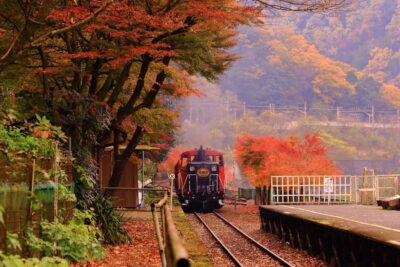
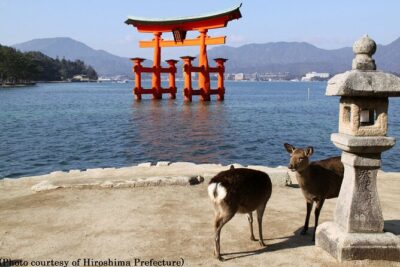
Full Day Hiroshima and Miyajima Tour by Bullet Train from Kyoto
Read our review →Arashiyama Day Tour with Train, Boat, and Onsen
Read our review →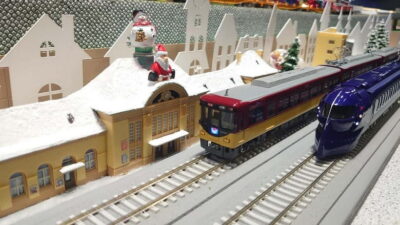
Kyoto Bus Tour: Sagano Railway & Hozugawa River Boat Ride
Read our review →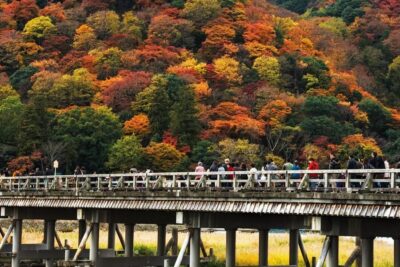
Arashiyama Tour with optional Sagano Romantic Train
Read our review →
Kyoto Hozugawa River Boat Sagano Romantic Train Tour
Read our review →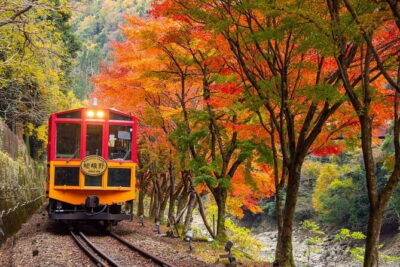
Kyoto Sagano Romantic Train in Arashiyama Bus Tour
Read our review →Also filed under