
Reviewed · TEMPLE & SHRINE VISITS
Kyoto: Temple Yoga, Tour of Four Spring Waters & Nourishing Lunch
Kyoto morning practice plus spring water sounds like a calm cheat code. This 6 hour 40 minute experience pairs temple yoga at Chofuku-ji Temple with a guided walk to shrine spring waters, then finishes with a tofu lunch and matcha sweets. If you like your sightseeing with meaning and a little wellness built in, this day has your name on it.
Two things I really like: you get a private morning yoga session in a temple hall not far from Kyoto Station, and the spring water stops are treated like more than photo ops. You actually sample the water, and each shrine stop is tied to a specific theme, from power water for well being to learning and fire protection.
One thing to consider: this is a full day with a walking component, and Kiyomizu-dera Temple is not included, even though many people associate Kyoto spring water visits with it. Wear comfy clothes, and plan on taking your time.
In This Review
- Quick hits before you go
- Temple yoga at Chofuku-ji, just outside the stress zone
- The Kyoto tofu obanzai lunch that keeps you steady
- Yasaka Shrine and Gion Shinsui, the story behind the water
- Nishiki Tenmangu: spring water linked to learning and protection
- Hiyoketemmangu and fire prevention, a water story with a twist
- Kameya Yoshinaga finale: matcha and sweets made with spring water
- Price and value, what $280 gets you in real terms
- Timing and pace: a full day that still feels manageable
- What to expect at each stop, and what you might want to watch for
- Who this tour suits best
- Should you book this Kyoto spring water and tofu day?
- FAQ
- What time does the tour start and how long is it?
- Where do I meet for the Kyoto temple yoga and spring water tour?
- Is lunch included, and what will I eat?
- What are the main stops for the spring water part of the tour?
- Is Kiyomizu-dera Temple included?
- How is the yoga session set up?
- Is transportation included?
- How large is the group?
- What happens if the tour does not meet the minimum participants or if I cancel?
- What should I wear or bring for the day?
Quick hits before you go
- Private temple yoga in a grand hall at Chofuku-ji Temple, run by an English-speaking instructor
- Small group size with a maximum of 6 travelers
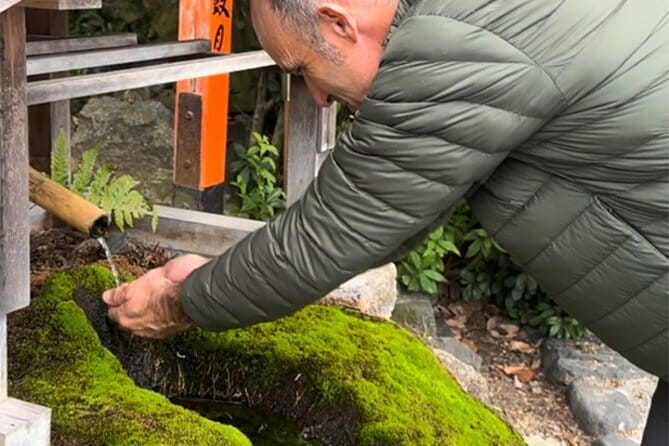
- Three shrine spring water tastings tied to Gion Shinsui, learning, and fire protection
- Kyoto obanzai tofu lunch (restaurant may vary by season)
- Finale at Kameya Yoshinaga, a confectionery founded in 1803, with sweets and matcha made using spring water
Temple yoga at Chofuku-ji, just outside the stress zone
Start at Kyoto Station, so you are not spending your morning on a complicated commute. The yoga happens at Chofuku-ji Temple, about a 10 minute walk away. That small detail matters in Kyoto. When you start near the station, you can keep your day calm and on schedule, and you are less likely to arrive frazzled.
The yoga portion is a private session in the temple’s grand hall. You get an experienced instructor leading you through a relaxing practice, and the session is about 1 hour 30 minutes. Even if you are not very flexible, a temple hall setting usually helps people slow down, breathe, and move with control. This is the kind of activity that feels grounded before you start walking Kyoto’s streets and shrine grounds.
Practical note: bring a layer. Temple spaces and early mornings can feel cool, and the tour guide instructions specifically suggest wearing comfortable, loose-fitting clothes and adding warmth if you need it.
The Kyoto tofu obanzai lunch that keeps you steady
After yoga, you get lunch with tofu and Kyoto obanzai. The lunch time block is about 1 hour 20 minutes, which is long enough to eat without rushing and regroup before the spring water walk.
One smart thing here is that the meal is described as nourishing, not heavy. In a day like this, you want energy you can use, not a food coma. Tofu is also an easy match for a wellness themed itinerary. Plus, Kyoto obanzai tends to focus on seasonal, home-style dishes, which is usually a better cultural experience than generic sets.
A small caution: the restaurant can change depending on the season and other factors. That is not a problem if you go with the right expectation. You are there for the tofu and obanzai style meal, not a specific restaurant name you must hunt down.
More rooftops worth a detour
- Kyoto: Tea Ceremony Ju-An at Jotokuji Temple
★ 4.9 · 3,207 reviews - Arashiyama Bamboo, Temple, Monkeys, or Secret Sake Brewery
★ 4.8 · 886 reviews - Kyoto: Arashiyama Bamboo Forest, Monkeys, Matcha & Temple Tour
★ 5.0 · 759 reviews - Osaka/Kyoto: Arashiyama, Nara & Fushimi Inari Shrine w/Lunch
★ 4.4 · 754 reviews
Yasaka Shrine and Gion Shinsui, the story behind the water
The walking tour begins at Yasaka Shrine. From a practical point of view, starting at a major shrine keeps the logistics simple. From an emotional point of view, it also sets the tone: this is not just “walk and drink.” It is a guided visit with shrine lore guiding the way you look at what you see.
Here is the theme you will hear about: Kyoto’s Shijin tradition, four divine creatures guarding directions. The east direction is associated with a protective dragon presence, and the shrine connects that idea to a pond or dragon lair under the main hall. Water flows from that sacred area, and it is known as Gion Shinsui, often framed as power water.
You then sample the water at this first spring stop, and the tour theme includes the idea of following it with drops of Biyomizu, beauty water. I like this framing because it turns the tasting into a ritual you can actually understand. You are not just drinking water because you are told to. You are tasting it as part of a tradition with meaning.
The stop time is about 20 minutes. That is short enough to stay energetic, but long enough to feel like more than a quick photo break.
Nishiki Tenmangu: spring water linked to learning and protection
Next you head to Nishiki Tenmangu, a shrine stop with a smaller time block, about 10 minutes. Even though it is brief, it is packed with theme.
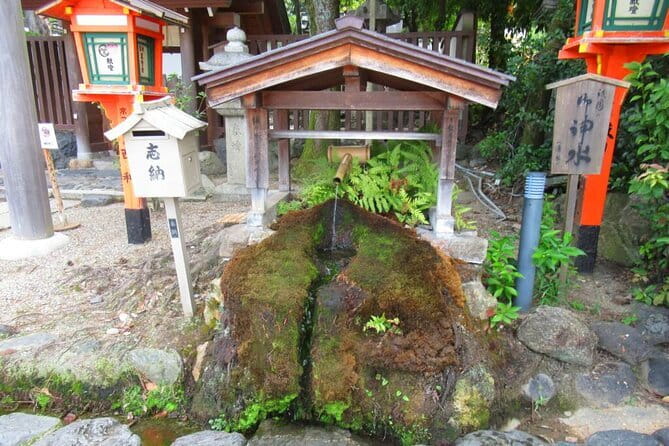
This spring water is described as being blessed by Tenjin, the deity of learning. The water is believed to provide protection from misfortune and support wisdom and success, especially for academic pursuits. If you are traveling with school-aged kids or you yourself are in a “future plans matter” season, this is a meaningful stop.
Why I think this works well on a single tour: the day’s water theme evolves. You start with power and beauty at Yasaka, then you move into learning and protection. The quick time block keeps the pace moving, so you are not stuck waiting around at the places that feel most touristy.
You sample the spring water at each spring source location, and this one is part of the tour’s “three unique spring waters” concept.
Hiyoketemmangu and fire prevention, a water story with a twist
The final tasting spring stop is Hiyoketemmangu, also about 10 minutes. Here, the focus is on a fire-preventing deity, and the shrine lore includes the Hamaguri-gomon Incident in the late Edo period. The story says the area miraculously escaped a major fire, and since then there have been tales linking the shrine to protection against fire.
This is one of those details that makes you look up from your phone. You start realizing that Kyoto’s “water stops” are really place-based stories. Water is not just water here. It is connected to survival, luck, and the long memory of disasters and resilience.
If you like quirky historical angles that you can explain to someone later, this stop gives you a good one-liner.
Kameya Yoshinaga finale: matcha and sweets made with spring water
After the walking and tastings, the tour ends at Kameya Yoshinaga, a confectionery founded in 1803. This final stop is about 30 minutes, and it is built to feel like a reward.
You enjoy sweets and matcha made using the purest spring water (as described in the tour). The coffee and/or tea offering includes matcha and sweets as part of the day.
What I like about a food finish is that it helps you slow down and digest the whole theme. You started with moving meditation at Chofuku-ji, then you tasted waters at shrine sources, and now you get the taste payoff. It is a nice way to turn “information” into an actual sensory memory.
Also, this stop is practical. Once you are done, the tour ends back at the meeting point, so you are not left figuring out where to go next in your own exhaustion.
Lunch, wedged between temple visits
Price and value, what $280 gets you in real terms
At $280 per person, this is not a bargain-basement walking tour. But it is also not “paying extra for nothing.” Here is how I evaluate value based on what is included:
- Private temple yoga with an English-speaking instructor, plus admission fees for that temple activity
- Lunch that includes tofu and Kyoto obanzai
- Guided transportation costs during the tour (public transport and other travel within the plan), even though private transportation is not included
- All admission and activity fees
- A matcha and sweets finale that uses spring water, plus tea/coffee service
That combination explains the price better than length alone. You are paying for guided access, instruction, scheduled time blocks, and admissions, not just a self-guided walk. The group maximum of 6 travelers is another value lever, because it makes the yoga portion feel more personal.
If you want a day that combines wellness, culture, and food in one organized loop, the cost starts to make sense. If you are already comfortable building your own route and arranging yoga and meals separately, it might feel pricier. But if you want your Kyoto morning to run smoothly, this does that.
Timing and pace: a full day that still feels manageable
The tour runs about 6 hours 40 minutes, starting at 9:00 am from Kyoto Station. The schedule has dedicated time for each major block: yoga, lunch, shrine walking, and the confectionery finish. The “remaining time” is for travel between spots, which is typical, and it means you should not try to cram extra plans right after.
The spring water walk is relatively short by Kyoto standards because the key tasting points are compact. You do not have the long “all day shrine hopping” feeling. You get enough time at each stop to understand the theme and actually taste.
Big tip for comfort: since you are wearing loose clothes for yoga, make sure your shoes can handle shrine paths and sidewalks. Think supportive walking shoes, not just yoga socks.
What to expect at each stop, and what you might want to watch for
Here is how the experience tends to feel, stop by stop:
- Chofuku-ji Temple, yoga (1 hour 30 minutes)
Expect a calm start in a spacious temple hall, with your instructor guiding you in English. Bring a layer, and keep your mindset simple: your job is to move gently and breathe.
- Kyoto lunch (1 hour 20 minutes)
Expect tofu and Kyoto obanzai style dishes, with the restaurant potentially changing by season. Take your time here. You will walk after.
- Yasaka Shrine spring water tasting (20 minutes)
Expect a guided story around Shijin and power water (Gion Shinsui), plus the beauty water (Biyomizu) concept. You sample the water at the source area.
- Nishiki Tenmangu (10 minutes)
Expect a learning-focused shrine connection through Tenjin and academic success themes. Another water tasting.
- Hiyoketemmangu (10 minutes)
Expect fire prevention lore tied to the Hamaguri-gomon Incident. Another water tasting.
- Kameya Yoshinaga sweets and matcha (30 minutes)
Expect a relaxing food finish, matcha and sweets made using spring water, and an easy return back to Kyoto Station.
One consideration to flag up front: Kiyomizu-dera Temple is not included. If your plan includes Kiyomizu-dera anyway, you will just treat this tour as a complementary spring water and ritual day, not a replacement.
Who this tour suits best
This experience is a great fit if you want:
- Kyoto Temple Yoga without having to figure out where to go and how to join
- A guided walk that focuses on spring water tasting with shrine meaning, not just landmark viewing
- A day that ends with food and tea, so you do not have to hunt dinner afterward
- A small group setting that keeps the experience from feeling crowded
It is also a good option for people who like their travel balanced: you get one structured wellness block, one meal block, then guided cultural stops.
Should you book this Kyoto spring water and tofu day?
I would book this if you want a tidy, meaningful loop that combines temple yoga, shrine spring water rituals, and a tofu obanzai lunch, all with admissions and fees handled. The group size cap and the fact that the yoga instructor is English-speaking help a lot, especially if you do not want to worry about details while you travel.
I would think twice if you are only interested in one famous Kyoto temple, because Kiyomizu-dera is not part of this route, or if you prefer fully self-guided days where you control every stop. Also, it is a full half day plus more, so bring good walking shoes and expect a real day, not a quick stroll.
If you are game for a calm start and spring-water tasting with context, this tour is the kind of Kyoto day that sticks.
FAQ
What time does the tour start and how long is it?
It starts at 9:00 am and runs for about 6 hours 40 minutes (approx.).
Where do I meet for the Kyoto temple yoga and spring water tour?
You meet at Kyoto Station Higashishiokoji Kamadonocho, Shimogyo Ward, Kyoto, 600-8216, Japan.
Is lunch included, and what will I eat?
Yes. Lunch is included, featuring a tofu set meal with Kyoto obanzai. The lunch spot can change depending on season and other factors.
What are the main stops for the spring water part of the tour?
The walking tour starts at Yasaka Shrine, then visits Nishiki Tenmangu and Hiyoketemmangu for spring water sampling. The day ends at Kameya Yoshinaga for sweets and matcha made with spring water.
Is Kiyomizu-dera Temple included?
No. Kiyomizu-dera Temple is not included in the itinerary.
How is the yoga session set up?
You get an English-speaking yoga instructor and a private morning yoga session in the grand hall of Chofuku-ji Temple near Kyoto Station. Admission is included.
Is transportation included?
Yes. The tour includes all transportation fees during the tour, but private transportation is not included. Hotel pickup and drop-off are also not included.
How large is the group?
The tour has a maximum of 6 travelers.
What happens if the tour does not meet the minimum participants or if I cancel?
The tour requires a minimum of 2 participants. If it does not meet the minimum, you will be notified 4 days before departure and receive a full refund. Separately, the experience is non-refundable and cannot be changed for any reason once booked.
What should I wear or bring for the day?
Wear comfortable, loose-fitting clothes and bring a layer for warmth. The plan includes walking and a temple yoga session.
New This Season
- Koyasan Day Trip by Private Car from Kyoto
- Old Port Town and Ultimate Sake Tasting Private Tour From Kyoto
- Kyoto’s Timeless Charm: 3hr Exploration of History and Peace
- Kyoto: 5 Types of Sushi Making
- Sacred Peak & Ancient Paths: Kurama-Kibune Hiking Experience
- Kyoto: Exclusive ZEN practice at Manpukuji temple in Uji
- Kyoto: Private Seasonal Aroma Yoga Class
- Traversing Kyoto’s Scenic West – Arashiyama to Kinkakuji
Temple & Shrine Visits, compared.
Arashiyama Bamboo, Temple, Monkeys, or Secret Sake Brewery
Read our review →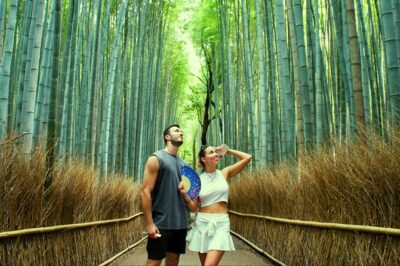
Arashiyama Bamboo Forest, Monkeys, Matcha & Temple Tour
Read our review →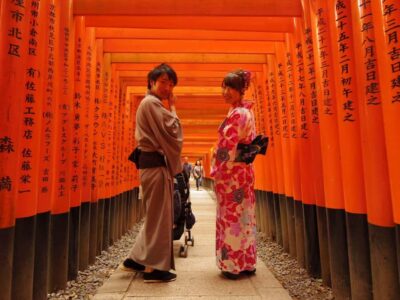
Arashiyama, Nara & Fushimi Inari Shrine w/Lunch
Read our review →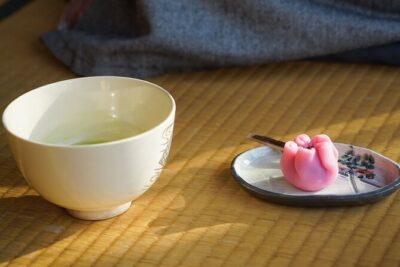
Kyoto Zen Meditation & Garden Tour at a Zen Temple with Lunch
Read our review →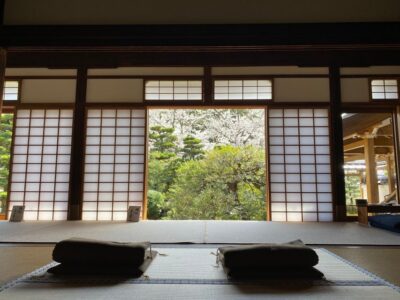
KYOTO Tea Ceremony with kimono near by Imamiya Jinjya Shrine
Read our review →Arashiyama Bamboo, Matcha, Monkeys & Temple Tour
Read our review →Also filed under