Reviewed · PRIVATE
Private Japanese Sound Bath in Kyoto
Silence, then sound on your body. A private Japanese sound bath in Kyoto uses a handmade instrument, the Singing Ring, to guide you into a meditative state.
What I like most is how intentionally this is kept private and simple. You are alone with your guide and your session stays focused, with the calm setup of a heated mat, blanket, and an eye mask.
One thing to consider is that the optional Traditional Tatami Room is at a separate venue, so you’ll need to follow the location guidance message you get after booking. That’s not hard, but it is one extra step.
In This Review
- Key highlights if you want Kyoto quiet
- Kyoto Sound Bath With a Handmade Singing Ring, What You’re Really Buying
- Private Means No Waiting for Strangers to Settle In
- The Setup: Heated Mat, Blanket, Eye Mask, and a Real Chance to Let Go
- Singing Ring and Copper Bowls: The Vibrations You Can Feel
- How a 60-Minute Kyoto Sound Bath Usually Flows
- Where You Meet in Kyoto (and How to Not Get Flustered)
- Traditional Tatami Room Option, Separate Venue, and Group Size Choices
- Price in Context: Why $97.73 Can Feel Reasonable
- Who Should Book This Sound Bath in Kyoto (and Who Might Skip)
- Practical Tips to Make the Session Feel Effortless
- Should You Book It? My Decision Checklist
- FAQ
- How long is the private Japanese sound bath session in Kyoto?
- Where do we meet for the experience?
- Is this experience truly private?
- What instrument is used during the sound bath?
- Will I be lying down during the session?
- Is there a heated mat, blanket, or eye mask?
- What is the Traditional Tatami Room option?
- How much does it cost?
- Can I cancel for free if my plans change?
- When will I receive confirmation after booking?
Key highlights if you want Kyoto quiet
- Fully private, max 2 guests per session, so you are not negotiating volume or timing with strangers
- Singing Ring is the main event, crafted one by one by Japanese artisans
- Heated mat + eye mask + blanket makes it easier to relax fast
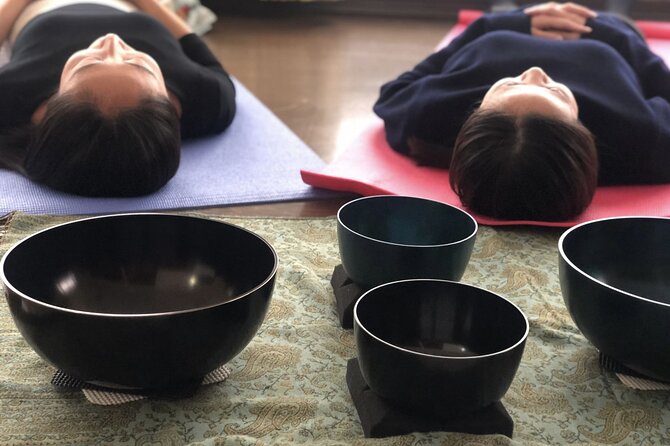
- Bowl vibrations you can feel, with copper bowls placed on your body during parts of the session
- Junichiro keeps the experience clear, with explanations that help first-timers feel at ease
Kyoto Sound Bath With a Handmade Singing Ring, What You’re Really Buying
Kyoto is great at old temples and new cafes, but this experience goes for something different. You’re not sightseeing, you’re resetting. The pitch is straightforward: you lie down and let sound do the work, with a distinctly Japanese instrument at the center of it.
You’re also paying for focus. At $97.73 per person, this is not a big group “sit and listen” class. Instead, you get a private session, up to two people, where the whole hour is built around the vibrations landing on your body, not performing for a room.
The standout detail is the Singing Ring itself. It’s described as a special harmonic instrument, made by Japanese artisans, one by one by hand. That matters because you feel that care in the experience, you’re not just hearing generic relaxation music, you’re experiencing crafted sound with intent.
And yes, it’s fair to call it a Zen experience while lying down. The goal is calm you can feel physically, not a lecture you try to remember later.
Private Means No Waiting for Strangers to Settle In
This is designed as a fully private sound bath session. Once your booking is confirmed, no other guests are added to your time slot. That one point changes everything.
In a shared class, you spend mental energy adjusting to other people breathing, shifting, or laughing at the wrong moments. Here, your mind gets permission to go quiet sooner. Your guide can also tailor the pacing to your group, especially if you are new to sound baths.
The session time is about 1 hour 20 minutes total, and the sound bath itself runs 60 minutes. That extra wraparound time usually helps with greeting, setup, and getting you comfortable before sound begins.
If you want your Kyoto day to include something truly yours, this format is a good match. You’re not fitting your relaxation around a crowd.
A quieter way to spend a day in Kyoto
- Fushimi Inari Hidden Hiking Tour (Private Option Available)
★ 5.0 · 1,750 reviews - Private Kyoto Tour with a Local, Highlights & Hidden Gems, Personalised
★ 5.0 · 1,543 reviews - Kyoto 6hr Private Tour with Government-Licensed Guide
★ 5.0 · 1,369 reviews - 10 Must-see Spots in Kyoto One Day Private Tour (up to 7 people)
★ 5.0 · 1,108 reviews
The Setup: Heated Mat, Blanket, Eye Mask, and a Real Chance to Let Go
Before the sound starts, the experience is staged for comfort. Based on the session descriptions and what people report after, you lie down on a heated mat. You also get an eye mask and a blanket.
That trio is practical. A heated surface helps your body stop scanning for “am I cold.” An eye mask reduces visual distraction. A blanket keeps you feeling held and warm while you focus on vibrations instead of temperature or discomfort.
What I like about this approach is that it supports first-timers. You do not need to know how sound baths are supposed to work. You don’t need a meditation background. The physical comfort handles the early part, so you can let your brain follow the sound.
Singing Ring and Copper Bowls: The Vibrations You Can Feel
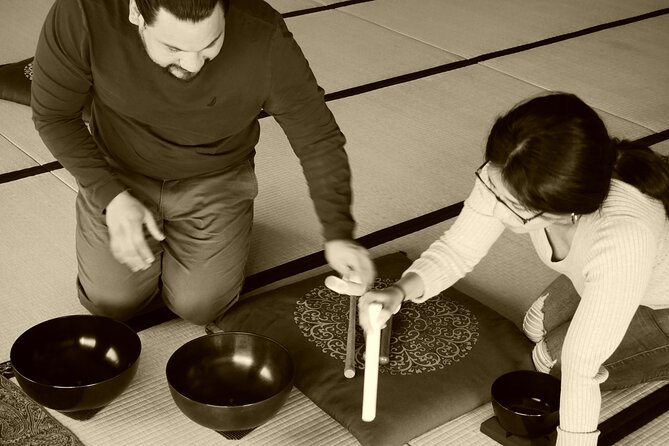
Sound baths are one part music, one part body sensation. This one makes that clear from the start.
The main instrument is the Singing Ring, a crafted harmonic sound tool. As the session begins, you’re guided with sound that’s described as rich and intricate, with the aim of easing stress and tension.
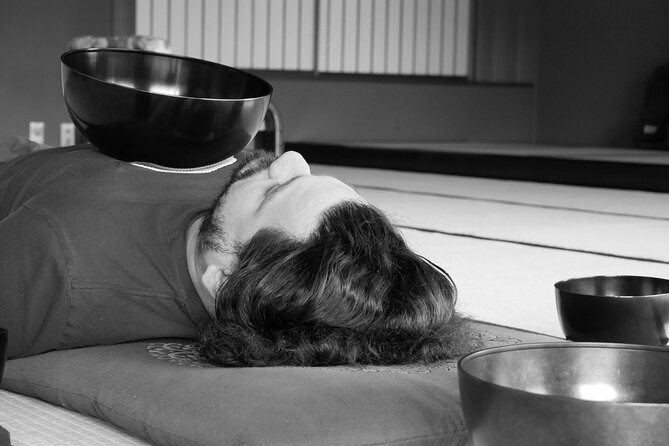
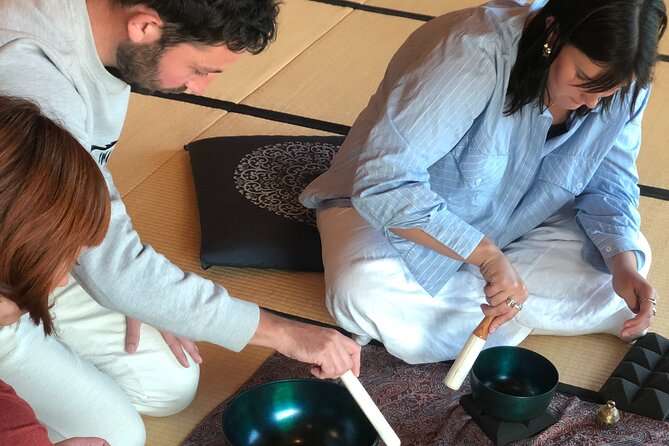
On top of that, you may also experience copper bowls. In the feedback, people describe the guide placing the bowl on their body for parts of the session. That contact is not subtle. It turns the sound bath into a vibration experience, not just something you hear.
If you’re the type who needs proof that relaxation is real, the body-based vibration angle can feel convincing. It also helps explain why people often come out feeling calm and clear-headed, not just dreamy.
A small caution: if you are sensitive to physical sensations or you dislike feeling vibrations on your skin, consider whether this kind of body contact will feel okay for you.
How a 60-Minute Kyoto Sound Bath Usually Flows
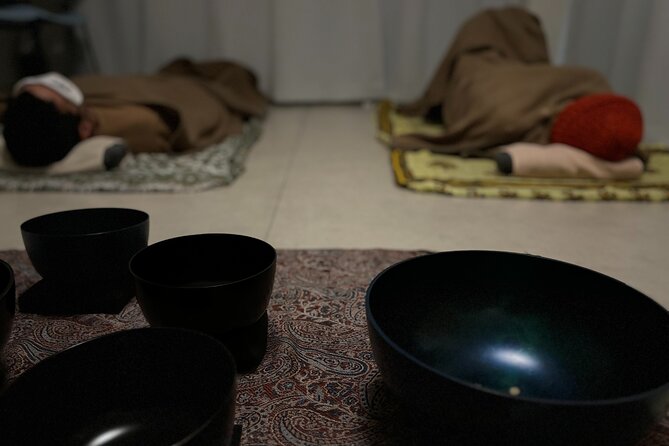
The experience is simple in structure, which is a compliment. You mostly lie there, let sound wash over you, and follow your guide’s instructions.
Here’s how the session typically feels, step by step:
First, you meet your guide and get set up with the heated mat, blanket, and eye mask. This is where comfort becomes the foundation, so you don’t spend the next hour adjusting.
Next, the guide starts playing near you. People describe it as beginning right beside the body, so the sound arrives with a sense of proximity. Then the session moves into the vibration portion, where the Singing Ring guides the tone and (at some points) copper bowls are placed on your body.
Finally, the hour winds down back into silence and stillness. That’s usually when the “I feel different” part hits, because your nervous system finally stops filling the space with noise.
Because the session is private, the pacing stays controlled. You’re not being hurried by the next group or distracted by people entering and exiting.
Where You Meet in Kyoto (and How to Not Get Flustered)
Your meeting point is listed at Little Granmy Kyoto, in Shimogyo Ward, with the full address provided. The session ends back at the meeting point.
This matters because Kyoto navigation can be tricky. Small streets look easy on a map, then you’re staring at a building number that doesn’t match your expectations. One useful detail from feedback: Junichiro is practiced at meeting people so they don’t get lost. If you’re worried, have your phone ready and be prepared to follow guidance in the moment.
Also, the meeting point is described as near public transportation. That’s a real advantage. Sound baths are most enjoyable when you’re not arriving stressed from a long uphill walk.
Tip for your planning: treat this as a true rest appointment. Give yourself enough buffer time to arrive calmly and settle into the chair or mat setup without rushing.
A day of temples goes further with something to break it up.

Traditional Tatami Room Option, Separate Venue, and Group Size Choices
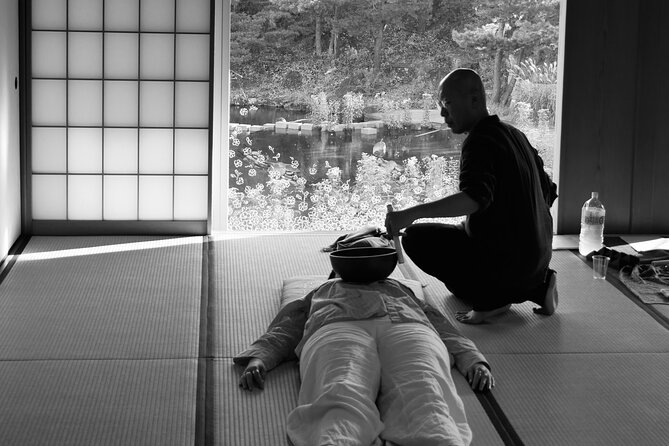
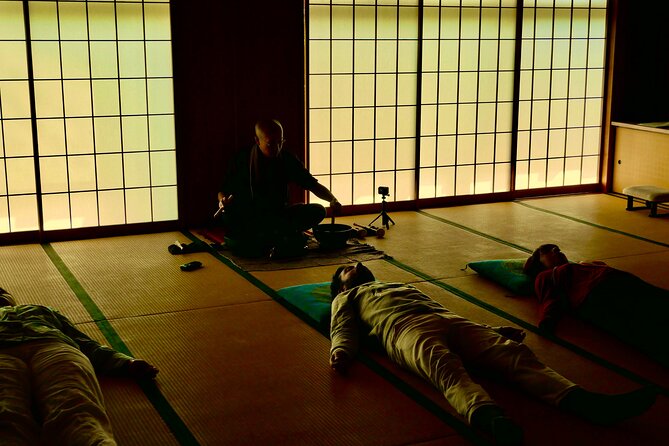
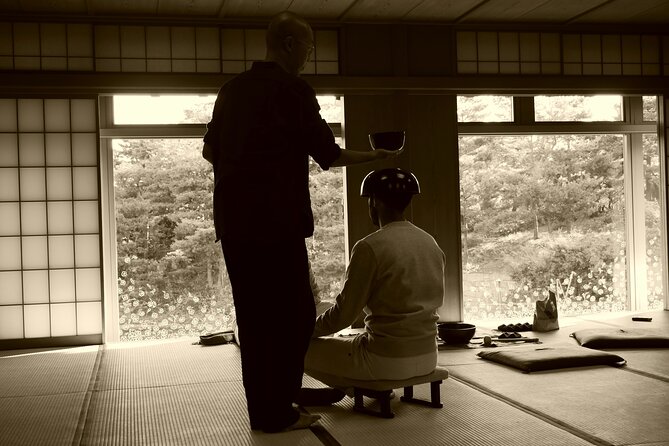
You have an option called the Traditional Tatami Room. The important detail is that it’s at a separate venue. Even though a Google Maps link is provided in the option description, the listing warns the location cannot be set properly on the map. Instead, you’ll receive guidance after booking.
That means your job is just to follow what you’re told post-booking. Once you do, you’ll get the intended tatami setting. If you like traditional spaces, this option can feel more immersive in the Kyoto sense.
There’s also a group-size note. The standard private setup supports up to 2 guests. For the Traditional Tatami Room, they may be able to accommodate up to 3 people if you contact them after booking.
If you’re traveling as a small trio, that’s the kind of detail that can save you from squeezing into a setup that wasn’t designed for you.
Price in Context: Why $97.73 Can Feel Reasonable
At $97.73 per person, you’re paying for a private wellness hour plus a very specific Japanese instrument experience.
Here’s what makes the price make sense when you look closely:
- Private session value: You’re not sharing the sound, setup time, or attention with strangers. Your guide can keep the pacing comfortable.
- Handmade instrument factor: The Singing Ring is presented as crafted one by one by Japanese artisans. That specificity usually costs more than mass-produced sound tools.
- Body-level experience: Heated mat, eye mask, and bowl vibrations create a full sensory reset. You’re not just hearing a playlist.
Yes, you could find cheaper group sound baths. But if your goal is to leave with a calmer mind that feels anchored, private sessions are often the best match. You spend less energy managing other people and more energy letting your body do what it already knows how to do, relax.
Who Should Book This Sound Bath in Kyoto (and Who Might Skip)
This works especially well if you fall into one of these categories:
- You want a quiet break from temples, lines, and constant walking
- You’re curious about Japanese wellness traditions beyond incense and gardens
- You’re new to sound baths and want clear guidance without performance pressure
- You want a shared experience that still feels personal, since it’s private for up to two
It might not be ideal if you prefer active activities, loud sightseeing, or hands-on classes. This is a “lie down and let sound happen” experience. If that sounds like effort instead of rest, skip it.
Also, if you have a strong aversion to physical sensations, especially vibrations placed on the body, consider whether a bowl-on-skin moment would feel okay. The experience is designed for relaxation, but it does include that physical part.
Practical Tips to Make the Session Feel Effortless
I treat sound baths like an appointment, not an event. Do the small things that make it easy for your brain to power down.
Since you’ll be lying on a heated mat with an eye mask and blanket, wear clothes that help you feel comfortable relaxing. If you tend to get restless when you’re still, remind yourself that the point is to do nothing for a while.
Because this is a private session, arrive a bit early if you can. That helps you settle before your guide starts the setup. If you’re worried about finding the meeting point, plan to use the guidance you receive and keep your phone handy.
And keep in mind that you’ll likely have more value if you show up expecting a calm, meditative hour rather than a “show.” The best results come when you let the sound take over.
Should You Book It? My Decision Checklist
Book it if you want a Kyoto experience that feels distinctly Japanese, quiet, and personal. The Singing Ring focus plus the body-vibration setup is a strong combo, especially if you’re the type who values craftsmanship and sensory experiences.
I’d also book it if you’re traveling with someone and you want a shared calm moment without being responsible for an itinerary during the session. Up to two guests keeps it intimate.
Skip it if you want something energetic, you dislike being still, or you’re uncomfortable with vibrations placed on your body.
If you want a simple decision: if your schedule can spare one calm hour, this is one of the best ways to use that time in Kyoto.
FAQ
How long is the private Japanese sound bath session in Kyoto?
The sound bath session lasts about 60 minutes, and the total activity time is listed as approximately 1 hour 20 minutes.
Where do we meet for the experience?
You start at Little Granmy Kyoto, located in Shimogyo Ward. The session ends back at the meeting point.
Is this experience truly private?
Yes. It is a private tour, and only your group participates. Up to 2 guests are allowed per session, and no other guests are added once confirmed.
What instrument is used during the sound bath?
The session uses the Singing Ring, described as a special harmonic instrument crafted by Japanese artisans.
Will I be lying down during the session?
Yes. You lie down and let the sound wash over you as part of a deeply meditative relaxation experience.
Is there a heated mat, blanket, or eye mask?
Yes. The setup includes a heated mat, an eye mask, and a blanket.
What is the Traditional Tatami Room option?
There is an optional Traditional Tatami Room at a separate venue. Google Maps cannot set the location properly from the map link, so you will receive guidance after booking. They may accommodate up to 3 people in this option if you contact them after booking.
How much does it cost?
The price is $97.73 per person.
Can I cancel for free if my plans change?
Yes. You can cancel for a full refund up to 24 hours in advance of the experience start time.
When will I receive confirmation after booking?
Confirmation is received within 48 hours of booking, subject to availability.
New This Season
- Koyasan Day Trip by Private Car from Kyoto
- Old Port Town and Ultimate Sake Tasting Private Tour From Kyoto
- Kyoto’s Timeless Charm: 3hr Exploration of History and Peace
- Kyoto: 5 Types of Sushi Making
- Sacred Peak & Ancient Paths: Kurama-Kibune Hiking Experience
- Kyoto: Exclusive ZEN practice at Manpukuji temple in Uji
- Kyoto: Private Seasonal Aroma Yoga Class
- Traversing Kyoto’s Scenic West – Arashiyama to Kinkakuji
Private, compared.
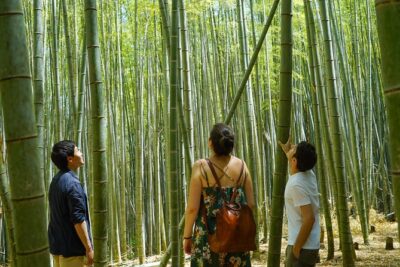
Fushimi Inari Hidden Hiking Tour (Private Option Available)
Read our review →
Private Kyoto Tour with a Local, Highlights & Hidden Gems, Personalised
Read our review →
Kyoto 6hr Private Tour with Government-Licensed Guide
Read our review →
10 Must-see Spots in Kyoto One Day Private Tour (up to 7 people)
Read our review →
Kyoto 4hr Private Tour with Government-Licensed Guide
Read our review →
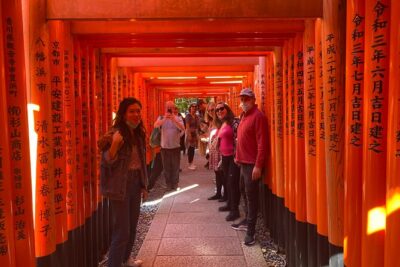
Private Kyoto Tour with Licensed Guide & Vehicle (Max 15 persons)
Read our review →