Reviewed · PRIVATE
Private Kyoto Tour: Explore the Most Iconic Sights
Kyoto in one day can feel calm. This private Kyoto tour stacks the biggest sights into an efficient 8 to 10 hour day, and you get to steer the route based on what you care about. It is a straightforward plan, with pickup offered and a mobile ticket to keep things light.
I especially like the guide setup. You get English guiding most of the time, and if you want a native-language guide, you can arrange it for an added fee. In the best feedback, the guide Riku is singled out for excellent English and easygoing, helpful answers, plus careful driving that keeps the day from feeling like a rodeo.
One thing to consider: lunch is not included, and temple costs can add up depending on what is covered on your specific booking. Also, if your group is big or you have strict seating needs, confirm the vehicle plan early.
In This Review
- Key highlights you should know
- What this private Kyoto day really delivers
- Stop 1: Kinkakuji (Golden Pavilion) in a focused 2 hours
- Stop 2: Kiyomizu-dera and its UNESCO viewpoints
- Stop 3: Fushimi Inari Taisha and the torii walk
- Stop 4: Arashiyama Bamboo Forest, Togetsukyo Bridge, and a boat ride
- Price and logistics: how the $200 per person adds up
- Transport, pickup, and what to expect from the day’s pace
- Language options and getting answers that make Kyoto click
- Lunch, temple fees, and staying sane when the day runs full
- Who this private Kyoto tour is best for
- Should you book this private Kyoto tour?
- FAQ
- How long is the private Kyoto tour?
- What sights are included in the itinerary?
- Is pickup offered, and where does the tour end?
- Is the tour private or shared?
- What about tickets and entrance fees?
- Is lunch included?
- Is there a mobile ticket?
- What languages are available for guides?
- Are there any extra costs for transportation?
- Is free cancellation available?
Key highlights you should know
- Private pacing: You call the shots, so you can move faster, slow down, or swap in priorities.
- Comfortable transport: Air-conditioned rides with taxis used as needed for efficiency, plus parking fees handled.
- Big four Kyoto stops: Kinkakuji, Kiyomizu-dera, Fushimi Inari, and Arashiyama in one day.
- Arashiyama add-ons: You do more than bamboo, including Togetsukyo Bridge and a lake boat ride in the tour flow.
- Guide quality matters: People praise guides who answer questions clearly and drive carefully.
What this private Kyoto day really delivers
This tour works because it is built around concentration. Kyoto’s sights are famous for a reason, but trying to hit the Golden Pavilion, Kiyomizu-dera, and Fushimi Inari in a self-guided day can turn into frantic hopping. Here, you roll from stop to stop with a guide and transport planned, so your day stays about seeing places, not solving logistics.
The private part is not just a marketing line. It changes how you experience Kyoto. If you care more about photo stops, temple details, or walking time, you can shape the balance. If you want extra time at one location, you can ask. If a stop feels like too much walking that day, you can adjust. That flexibility is the real value.
You also get comfort baked in. The plan includes an air-conditioned vehicle, and the tour notes that taxis are used when they make sense. That matters in Kyoto. Some areas are awkward to reach efficiently by public transit, especially when you are moving as a group and trying to hit multiple landmarks in one go.
The “call the shots” idea also means you should speak up early. Tell your guide what you want most, and mention your walking limits upfront. Then you get a day that fits you.
Stop 1: Kinkakuji (Golden Pavilion) in a focused 2 hours
Kinkakuji, officially Rokuon-ji, is one of Kyoto’s most recognizable temples. You are going for the top floors, the gold-leaf look, and the way the whole scene photographs like a postcard. The tour gives you about 2 hours here, with an admission ticket included in the plan.
That timing is good. Two hours lets you do the main viewpoints, take a breather if crowds press in, and still look at smaller details without feeling rushed. It also gives you a chance to step back and watch how the light hits the pavilion area. The color shifts through the morning and afternoon, and you notice it more when you are not in a constant hurry.
Practical tip: wear shoes you can walk in for paths around temples, and keep your camera handy but not glued to your face. Kinkakuji is popular, so moving in short bursts is smart. Let the crowd pass, then go for your next viewpoint.
Possible drawback: if you are the kind of person who wants hours of temple wandering, 2 hours might feel tight. But for a day that also includes Kiyomizu-dera, Fushimi Inari, and Arashiyama, this is a sensible chunk.
A quieter way to spend a day in Kyoto
- Fushimi Inari Hidden Hiking Tour (Private Option Available)
★ 5.0 · 1,750 reviews - Private Kyoto Tour with a Local, Highlights & Hidden Gems, Personalised
★ 5.0 · 1,543 reviews - Kyoto 6hr Private Tour with Government-Licensed Guide
★ 5.0 · 1,369 reviews - 10 Must-see Spots in Kyoto One Day Private Tour (up to 7 people)
★ 5.0 · 1,108 reviews
Stop 2: Kiyomizu-dera and its UNESCO viewpoints
Kiyomizu-dera is a temple with a long timeline and a strong visual identity. The tour includes about 2 hours here, and the admission ticket is listed as included. It also gets UNESCO World Heritage status mention in the tour description, so you are going to a place that is protected and internationally significant.
The big payoff of this stop is perspective. Kiyomizu-dera sits in a dramatic location, and the views from temple areas can feel like you are standing above the city rhythm. When a guide is with you, you do not just “walk through.” You get help finding the best vantage points and understanding what you are looking at in a way that sticks.
One small reality check: Kiyomizu-dera is also a crowd magnet. Even with a plan, expect lines and slowdowns at the busiest moments. A good guide helps you navigate that with less stress, and the private setup makes it easier to time your movement.
Practical tip: treat this as your “slow down and look” stop. Kinkakuji is visually loud, Fushimi Inari is a walking mission, and Arashiyama is a scenic reset. Kiyomizu-dera is where you can actually breathe and take in the temple atmosphere.
Stop 3: Fushimi Inari Taisha and the torii walk
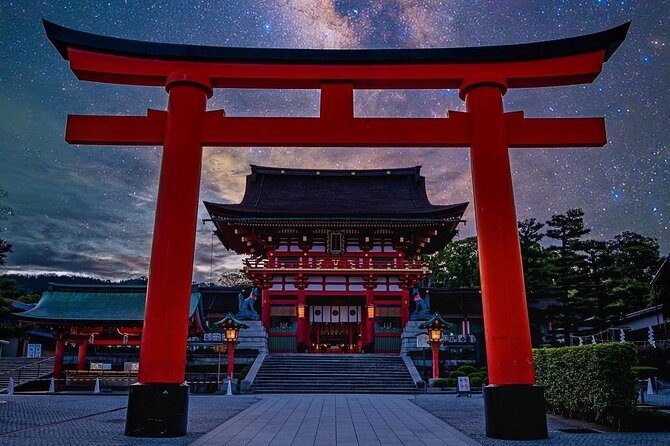
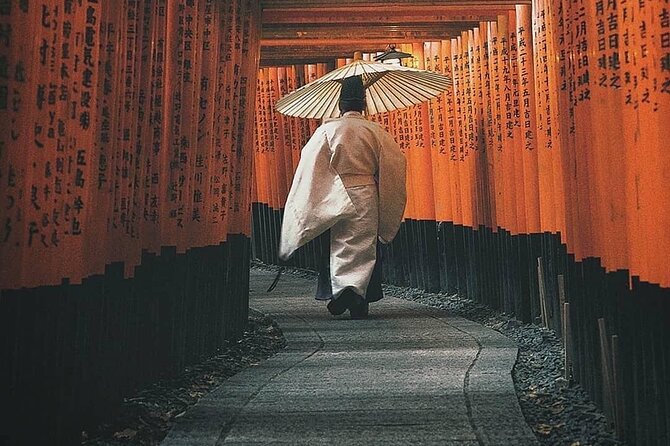
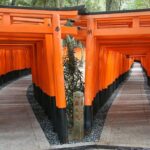
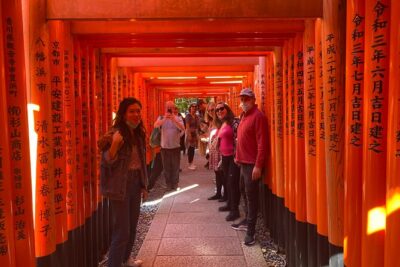
Fushimi Inari Taisha is the shrine of thousands of vermilion torii gates. The tour description calls it famous for a network of gates that forms trails up Mount Inari, and you get about 2 hours here.
Two hours is a smart amount of time for most people because you can choose your own adventure. You can stick closer to the start for the classic gate tunnel effect, or you can continue along the trail for a longer walk and more space between you and the crowds. Either way, the torii scenery keeps pulling your attention forward, especially when you reach spots where the gates layer behind each other.
Cost note: the itinerary says the Fushimi Inari admission ticket is not included. But the tour’s included list also mentions an entrance fee for Fushimi Inari Taisha. That contradiction happens sometimes in travel listings, so do not assume it is fully covered or fully not covered. When you book, check your exact inclusions for that stop so you do not get surprised.
Practical tip: bring water or plan a quick snack purchase nearby. Inari is a lot of walking in a concentrated area. If it is hot or humid, take the walk at a pace you can sustain.
Also, set expectations: this stop can be physically demanding if you go far up the trail. If you want the torii look without the grind, choose a turnaround point early.
Stop 4: Arashiyama Bamboo Forest, Togetsukyo Bridge, and a boat ride
Arashiyama is where Kyoto turns cinematic. The tour itinerary includes the bamboo forest, crossing the Togetsukyo Bridge, and a tranquil boat ride across the lake as part of the stop flow. Admission for this area is listed as included, and you get about 2 hours total.
What I like about including Arashiyama in a private day is balance. This stop breaks up the temple intensity with a more scenic rhythm. You are walking through bamboo, then shifting to river and bridge views, and then you get the boat ride moment. That pattern matters. It keeps the day from feeling like one long queue after another.
Bamboo forest reality check: bamboo looks best when you can see depth and repetition. Crowds can flatten your photos if you are stuck at the most popular entry points. A guide can help you time your movement and decide when to push deeper versus when to enjoy the open views.
Practical tip: expect cooler air under the bamboo, then warmth out in open areas. Dress in layers if you run hot or cold. Also, water shoes are not needed, but stable footwear helps if surfaces are uneven around scenic spots.
Price and logistics: how the $200 per person adds up
At $200 per person, this tour sits in the “comfortable value” zone rather than the “budget hack” zone. What makes it feel reasonable is what you are buying: a full day route with transport, a guide, and major landmarks that would otherwise chew up your time and energy to organize.
Here is where the pricing logic becomes practical:
- You do not pay for a generic car upfront. The tour says it does not charge for a car, and taxis are used only as needed for comfort and efficiency. That can prevent paying for a vehicle that does not match your day’s actual travel flow.
- Parking fees are handled, which matters in Kyoto where getting close can be the difference between a smooth day and extra walking.
- Entrance fees are included for some stops, like Kinkakuji and Kiyomizu-dera, plus bamboo and the Fushimi Inari fee is listed somewhere in the inclusions. Just confirm the exact inclusions for your booking, since the itinerary and included list conflict on Fushimi Inari.
The big “hidden” part is rarely the ticket fees. It is your own energy. Four major sites, plus travel time, plus a torii walk, equals a full day. If you plan snacks, water, and a realistic walking pace, the cost feels worth it. If you show up hungry and tired, the tour can feel expensive because you will want shortcuts that the day still needs to follow.
A day of temples goes further with something to break it up.
Transport, pickup, and what to expect from the day’s pace
This is designed as a full-day loop. The tour offers pickup, and it ends back at the meeting point. Travel time is included in the total duration of 8 to 10 hours, so you are not forced to guess how long the transfers will take.
Transport is described as private transportation using taxi and public transport if needed, with air conditioning. That setup tends to work well for Kyoto because it avoids the problem of over-relying on one transit mode. You might use taxi for a short jump, then switch to another mode to keep the day efficient.
Comfort praise comes up in feedback. People talk about clean, reliable vehicles and careful driving. That fits this kind of itinerary, where you want less time stuck, less stress navigating, and fewer small surprises.
A caution: negative feedback in the record points to issues around group size and seating plans, especially when bookings are close to the start date. If you are traveling with a group of 10 or you have strong seating needs, message the provider after booking and confirm how many people fit in one vehicle versus multiple vehicles, and whether you can sit together.
Language options and getting answers that make Kyoto click
Most of the time, tours are conducted in English. If you want a native-language guide, the tour notes you can arrange one for an additional fee.
This matters in Kyoto because the “why” behind temples and shrines is part of the experience. The guide can help you connect the symbols and traditions to what you see. Even simple explanations, like what you are looking for at torii gates or what to pay attention to at specific temple areas, can turn the day from sightseeing into understanding.
If you care about details, ask questions. The format supports it because you are with a guide through multiple stops. A name that comes up in strong praise is Riku, noted for being pleasant, knowledgeable, and providing clear English.
Practical tip: ask one or two focused questions before each stop. Example topics: what viewpoint is best here, what is most important to notice, and how long you should plan to walk.
Lunch, temple fees, and staying sane when the day runs full
Lunch is not included. For a day this packed, you will want a plan. You can either grab something quick near one of the stops, or bring light snacks earlier so you are not stuck hunting at the wrong time.
Temple fee details need careful reading. The itinerary states:
- Kinkakuji admission included
- Kiyomizu-dera admission included
- Fushimi Inari admission ticket not included
And the “included” list also mentions entrance fees for bamboo forest and Fushimi Inari Taisha.
That means you should confirm what your booking covers for the shrine. If it is not included, you might pay roughly the listed extra temple fee range mentioned in the tour details. The safest move is to check your confirmation details, then keep a small buffer budget.
Also note: this tour includes parking fees, which removes one annoyance. Still, you will cover personal costs like snacks, drinks, and any entrance items not clearly included.
Who this private Kyoto tour is best for
This tour is built for people who want iconic Kyoto without spending half the day figuring out transit. It fits well if:
- You want a guided route through major sights in one day
- You prefer private pacing over crowd wrestling on your own
- You like asking questions and getting context at each stop
- You care about transport comfort, including an air-conditioned vehicle
It is also a good choice for first-timers who want a “greatest hits” day. If you have already visited Kyoto once and want more offbeat priorities, this tour can still work because you can potentially adjust stops based on interest, but the backbone is still the big four.
What about families? Most travelers can participate, and service animals are allowed. Still, think about the walking reality. Fushimi Inari involves stairs and a lot of trail time for anyone who goes farther up the path.
If you want a long, slow Kyoto experience with lots of local neighborhoods and smaller temples, you might consider a longer multi-day plan instead. This tour is a concentrated day.
Should you book this private Kyoto tour?
Book it if you want an efficient, guided hits-day and you like flexibility. You get transport support, major sights scheduled into a logical order, and a private guide who can answer questions and help you pace your day. At $200 per person, the value is strongest when you would otherwise spend time and energy coordinating everything yourself.
You might skip or switch to a different option if:
- You hate walking and know you will not enjoy the torii trail portion
- Your group has complex seating needs and you have not confirmed how vehicles will work
- You want lunch included or a fully custom, neighborhood-deep itinerary
My final advice is simple: confirm which entrance fees are actually covered for Fushimi Inari on your specific booking, and decide how far up the torii trail you want to go before you arrive. Do that, and this private Kyoto day can feel like the best kind of sightseeing, focused on places you came for, not stress you did not.
FAQ
How long is the private Kyoto tour?
The tour runs about 8 to 10 hours, and travel time is included.
What sights are included in the itinerary?
The itinerary includes Kinkakuji Temple, Kiyomizu-dera Temple, Fushimi Inari Taisha Shrine, and the Arashiyama Bamboo Forest area.
Is pickup offered, and where does the tour end?
Pickup is offered, and the activity ends back at the meeting point.
Is the tour private or shared?
This is a private tour. Only your group participates.
What about tickets and entrance fees?
Admission is included for Kinkakuji and Kiyomizu-dera, and the tour includes entrance fee information for the Bamboo forest and Fushimi Inari in the included details. The itinerary specifically says Fushimi Inari ticket is not included, so confirm what is covered in your booking.
Is lunch included?
No, lunch is not included.
Is there a mobile ticket?
Yes, the tour includes a mobile ticket.
What languages are available for guides?
Tours are typically in English. If you want a guide who speaks your native language, it can be arranged for an additional fee.
Are there any extra costs for transportation?
The tour says it does not charge for a car, and taxis are used as needed for comfort and efficiency, so you pay for the transportation used. Parking fees are included.
Is free cancellation available?
Yes, you can cancel up to 24 hours in advance for a full refund.
New This Season
- Koyasan Day Trip by Private Car from Kyoto
- Old Port Town and Ultimate Sake Tasting Private Tour From Kyoto
- Kyoto’s Timeless Charm: 3hr Exploration of History and Peace
- Kyoto: 5 Types of Sushi Making
- Sacred Peak & Ancient Paths: Kurama-Kibune Hiking Experience
- Kyoto: Exclusive ZEN practice at Manpukuji temple in Uji
- Kyoto: Private Seasonal Aroma Yoga Class
- Traversing Kyoto’s Scenic West – Arashiyama to Kinkakuji
Private, compared.
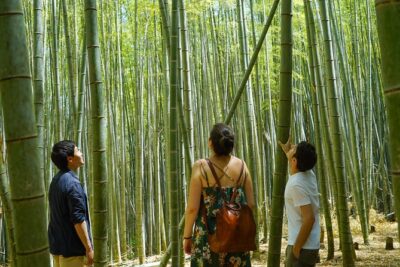
Fushimi Inari Hidden Hiking Tour (Private Option Available)
Read our review →
Private Kyoto Tour with a Local, Highlights & Hidden Gems, Personalised
Read our review →
Kyoto 6hr Private Tour with Government-Licensed Guide
Read our review →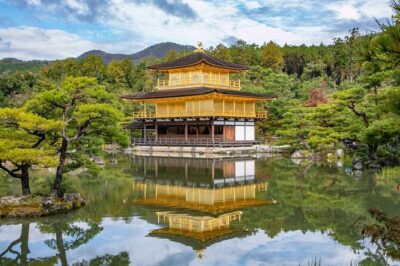
10 Must-see Spots in Kyoto One Day Private Tour (up to 7 people)
Read our review →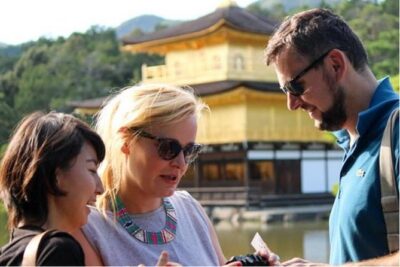
Kyoto 4hr Private Tour with Government-Licensed Guide
Read our review →
Private Kyoto Tour with Licensed Guide & Vehicle (Max 15 persons)
Read our review →