Reviewed · PRIVATE
SHIRAKAWA Japanese Culture Experiences with private English staff
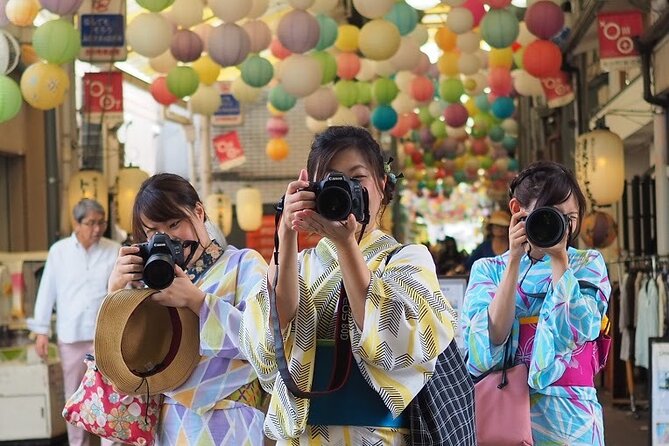
Sharpening tools in old Kyoto feels personal. In the Furukawacho Shopping Arcade, you get two hands-on workshops plus a private English-speaking staff to translate and guide you, not just point. The arcade itself is part of the magic, with lanterns hanging overhead and a retro, local feel.
What I like most is how practical it all is. I really enjoyed learning knife sharpening basics from an artisan at a store focused on whetstones, and I also loved the obanzai side through family recipes taught by Kyo-gohan Nishimura, chef-owner of the obanzai shop.
One thing to keep in mind: workshop availability controls which option you get. If your first pick is fully booked, you may not be able to do that specific workshop, and while you can get a refund for the prepaid fee, this is still not a flexible setup once you choose.
In This Review
- Key Highlights You’ll Care About
- Why Furukawacho Shopping Arcade Makes Kyoto Feel Local
- Your Two-Workshop Menu: Pick Knife, Kitchen, or Calligraphy
- Knife Sharpening in a Specialty Shop with a 26-Year Artisan
- Obanzai Making in the Arcade Kitchen with Kyo-gohan Nishimura
- Calligraphy Practice That Ends with Your Name on a Hanging Scroll
- The Private English-Speaking Staff Advantage (and How to Get More Out of It)
- Getting There Under the Lanterns, Then Staying in One Area
- Price and Value for About $98.53: Skill, Time, and Translation
- Who Should Book This Shirakawa Workshop (and Who Might Skip)
- Should You Book This Shirakawa Japanese Culture Experience with Private English Staff?
- FAQ
- How long is the Shirakawa Japanese Culture Experiences workshop?
- What workshops can I choose from?
- What is included in the price?
- Where do I meet the staff?
- Is there an English-speaking guide?
- If I cannot do the workshop I chose, do I get a refund?
Key Highlights You’ll Care About
- Choose 2 out of 3 Kyoto crafts, so you can match the experience to your interests and appetite for hands-on learning.
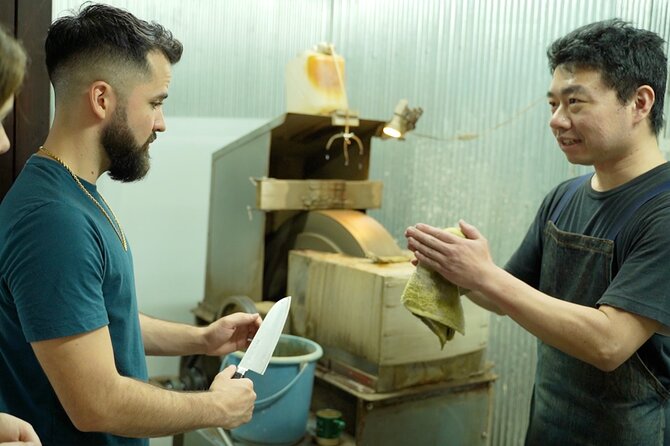
- Knife sharpening with an artisan who has 26 years of experience, taught at a specialty shop using a whetstone.
- Obanzai cooking with Kyo-gohan Nishimura, including buying ingredients locally in the arcade before you cook.
- Calligraphy that ends with a personal hanging scroll, using brush, ink, and suzuri with help writing your name in kanji.
- Small private group (2 to 6 people) with an English-speaking staff member attending your workshops.
Why Furukawacho Shopping Arcade Makes Kyoto Feel Local
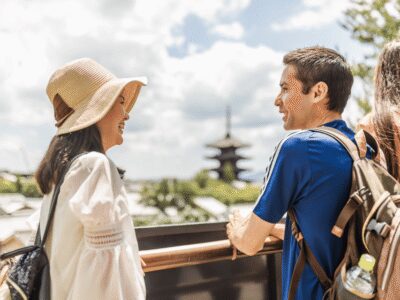
Most Kyoto days are packed with big-name sights, and that is fine, but it can start to feel like you are only watching. This experience shifts the day to a place that feels more like real local life. The Furukawacho Shopping Arcade is described as Retro and Modern, and walking under those lanterns gives you an immediate sense that the area is not just for visitors.
I like that the setting is a working community space, not a museum-style demonstration. You are learning crafts in shops inside the arcade, and that matters because you see how everyday skills connect to food, tools, and writing.
You also get that “doing it yourself” feeling with a private English-speaking staff. Instead of nodding along in silence, you can ask questions while you work, which makes the time feel purposeful instead of rushed.
Your Two-Workshop Menu: Pick Knife, Kitchen, or Calligraphy
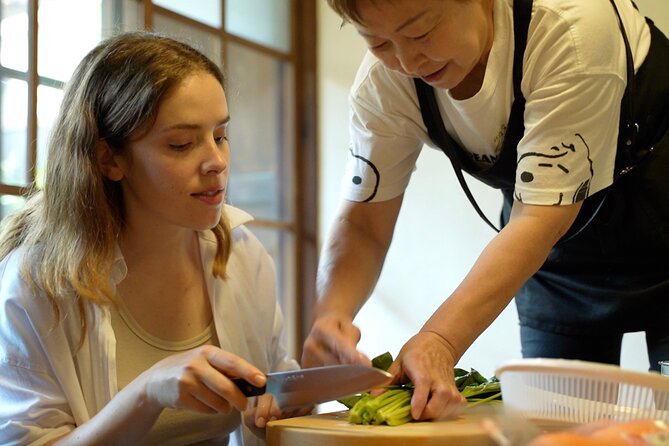
You will choose two experiences from three options. The total time is about 3 hours, so the schedule is built to keep you moving between activities without turning it into a long day.
Here is your menu:
- Knife sharpening, 90 minutes
- Obanzai making, 70 minutes
- Calligraphy, 90 minutes
Because you pick two, you can build a balanced combo. For example, knife sharpening pairs well with cooking because it connects tool care to daily food prep. Calligraphy pairs well with either option because it is more reflective and slower, giving your brain a breather between practical crafts.
I suggest choosing based on what you want to take home mentally. If you want a skill you can actually use at home, go for knife sharpening. If you want a Kyoto-only food experience, choose obanzai. If you want something personal and visual, go for calligraphy and your hanging scroll.
A quieter way to spend a day in Kyoto
- Fushimi Inari Hidden Hiking Tour (Private Option Available)
★ 5.0 · 1,750 reviews - Private Kyoto Tour with a Local, Highlights & Hidden Gems, Personalised
★ 5.0 · 1,543 reviews - Kyoto 6hr Private Tour with Government-Licensed Guide
★ 5.0 · 1,369 reviews - 10 Must-see Spots in Kyoto One Day Private Tour (up to 7 people)
★ 5.0 · 1,108 reviews
Knife Sharpening in a Specialty Shop with a 26-Year Artisan
Knife sharpening can sound technical, but here it is surprisingly learnable, and that is the point. You go to a store specializing in sharpening cutting tools using a whetstone. This is not generic instruction. You learn how to sharpen knives properly, with teaching from an artisan who has a 26-year career.
I like workshops like this because they respect your time. You are not just hearing theories. You receive instruction that helps you build repeatable technique, the kind you can bring back to your own kitchen.
During your knife sharpening session, pay attention to what the artisan emphasizes. Even small details like pressure and angle matter with whetstones, and the staff’s English support helps you understand the “why,” not just the “do this.”
Practical tip: if you have a knife at home you actually care about, bring a photo when you can ask questions. While the experience is focused on the workshop itself, asking how to recognize wear or how often to sharpen can help you connect the lesson to your real routine.
Obanzai Making in the Arcade Kitchen with Kyo-gohan Nishimura
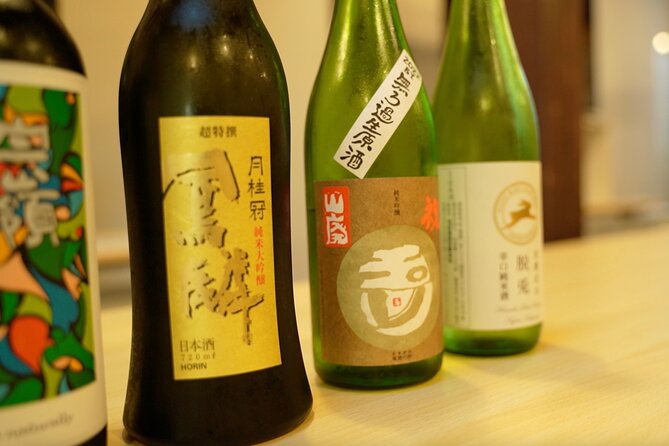
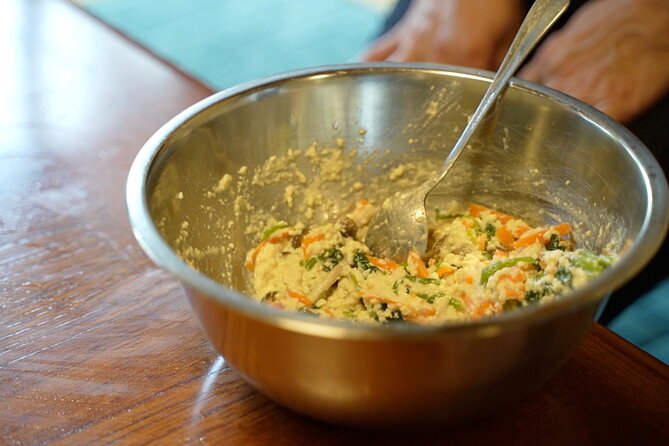
Obanzai is one of those Kyoto words that does not translate neatly because it is about tradition in how families cook at home. In this workshop, you learn by doing. You cook dishes based on a family recipe shared by Kyo-gohan Nishimura, the chef-owner of an obanzai store in the shopping arcade.
Before you cook, you buy ingredients at stores within the arcade. This matters more than it sounds. You are not only learning a recipe, you are learning how locals source ingredients close to home, then turn them into meals.
What you can expect is a focused cooking session where the recipe has a personal origin. That family-recipe angle makes the meal feel different than following a generic class script. It also helps you understand what makes obanzai “Kyoto” beyond the label.
Practical tip: come hungry but not starving. Cooking takes attention, and you will likely enjoy tasting what you make. If you are the type who likes to take photos, do it lightly. Listen first, then capture a few good moments so you do not miss the steps.
If you enjoy food as culture, you will probably feel like this workshop gives you a real handle on daily Kyoto life, not just one-off sightseeing.
Calligraphy Practice That Ends with Your Name on a Hanging Scroll
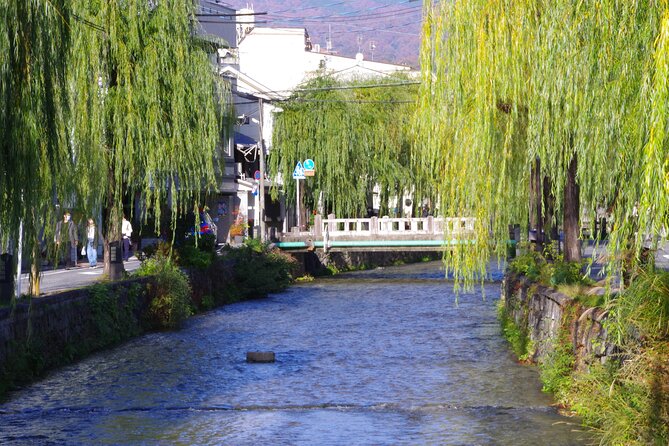
If you choose calligraphy as one of your two workshops, you get a structured path from basics to a finished object. You start by learning the shape of kanji and how to use the brush, ink, and suzuri. Then you practice writing, with an instructor guiding you toward cleaner, more beautiful strokes.
The best part for many people is the personal element. You can ask how to write the kanji for your name, and you complete a one-of-a-kind hanging scroll. That is the kind of souvenir you can actually use or display, not just tuck away.
I like that the instruction covers both tools and technique. Brushwork is not only about talent. It is about controlling the brush, managing ink, and understanding what each character needs. With an English-speaking staff present, you should be able to ask questions when something is unclear.
Practical tip: go slow. Your first few strokes might feel awkward, and that is normal. Let the instructor correct you, then focus on steady repetition. The finished scroll will reflect that process.
The Private English-Speaking Staff Advantage (and How to Get More Out of It)
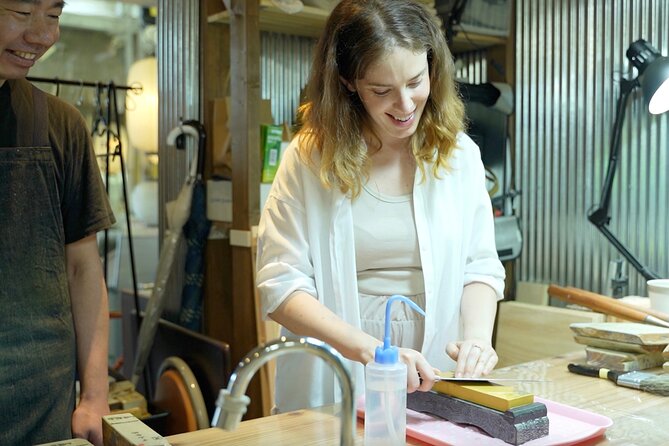
This experience includes a private English-speaking staff member attending each group. That single detail changes everything about how the workshop feels.
You can ask for clarification during the moment you need it, which helps especially for skills like sharpening angle or brush technique. It also makes the cultural side easier to absorb, since you can ask what a term means or why a method matters in Kyoto.
You should also message the team with your preferences in advance, because you select two workshops from three. If you want a specific pairing, make that clear early so the staff can help align with reservation availability.
A small-group setup also helps. With group size limited to 2 to 6, you are less likely to feel like you are competing for attention while you practice.
A day of temples goes further with something to break it up.
Getting There Under the Lanterns, Then Staying in One Area
The experience is based around Furukawacho Shopping Arcade, in the Shirakawa area of Kyoto. You meet at 古川趣蔵 Furukawashuzo / 白川まちづくり会社546-1, Furukawachō, Higashiyama Ward, Kyoto, 605-0026, Japan.
This is described as near public transportation, which is useful because you do not have to plan around private transportation. Your activity ends back at the meeting point, so you can fold the rest of the evening into your normal Kyoto route without a complicated commute.
Duration is about 3 hours. That is a good length for a workshop day because it avoids the trap of turning your afternoon into a blur of transfers and standing in lines. You are in one pocket of Kyoto, doing two focused activities.
Also, you get a mobile ticket. That is a small convenience, but it reduces friction on a day where you are moving through shops and streets.
Price and Value for About $98.53: Skill, Time, and Translation
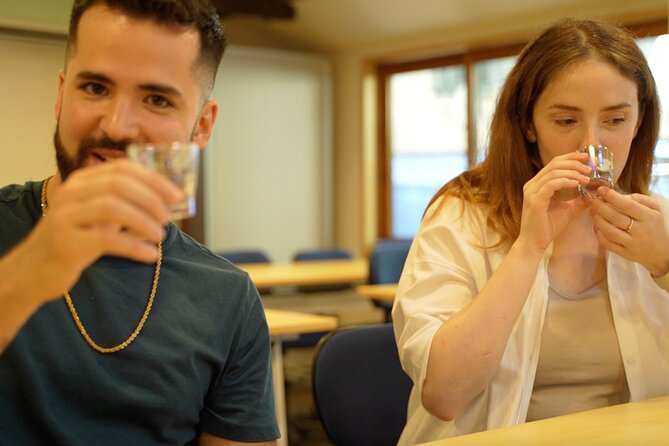
At $98.53 per person for about 3 hours, this can look like a “class” price at first glance. But you are paying for more than entertainment. You are paying for two guided workshops, a private English-speaking staff, and instruction inside specialty shops.
Knife sharpening is a skill with real equipment and technique, and the artisan teaching you has 26 years of experience. Obanzai is recipe knowledge passed through a family context and taught by Kyo-gohan Nishimura, plus you do ingredient shopping in the arcade before cooking. Calligraphy includes materials and ends with a personal hanging scroll that you make.
In practical terms, the value comes from the combination:
- Two different workshop formats in one morning or afternoon block
- Instruction that lets you ask questions rather than guess
- A setting that functions like an actual local arcade, with the lantern atmosphere and shop culture
If your Kyoto plan already includes plenty of temples and photo stops, this is a very smart way to spend some paid time on something you cannot replicate on your own without guidance.
If you are traveling on a tight budget, the only tradeoff is that you cannot customize down to one workshop. The package is built around choosing two, so you will want to be sure your two picks are the ones you will truly use in your memory later.
Who Should Book This Shirakawa Workshop (and Who Might Skip)
This fits best if you want Kyoto beyond the postcard. You will likely enjoy it if you:
- Prefer hands-on learning over listening to lectures
- Like food culture and want a Kyoto term explained through actual cooking
- Want a skill you can practice at home, like sharpen technique or brush control
- Appreciate small group attention with private English support
I would consider skipping if you:
- Want a flexible itinerary you can freely swap the day of
- Are uncomfortable with the idea that your first workshop choices can depend on availability
- Plan to treat this as just a quick photo stop, since this is structured around doing the work
One more note: confirmation is received within 48 hours of booking, subject to availability. The team also contacts you by email or message within 3 business days after application or payment, so you should watch for that so you can respond quickly with your workshop preferences.
Should You Book This Shirakawa Japanese Culture Experience with Private English Staff?
Yes, you should book it if you want a Kyoto day that feels practical, personal, and grounded in daily local craft. The combination of private English-speaking guidance, two hands-on workshops, and the Furukawacho Shopping Arcade setting makes this a rare type of cultural activity that does not rely on passive sightseeing.
Book it especially if you can commit to your two workshop choices and you are excited about making something, sharpening something, or writing something you can take home. If you want the big sights only, this might feel too low-key. But if you want a real skill and a real story behind it, this is a strong choice.
FAQ
How long is the Shirakawa Japanese Culture Experiences workshop?
It runs for about 3 hours (approx.).
What workshops can I choose from?
You can choose two experiences from knife sharpening, obanzai making, and calligraphy.
What is included in the price?
The package includes two workshops and a private English-speaking staff member for your group.
Where do I meet the staff?
Meet at 古川趣蔵 Furukawashuzo / 白川まちづくり会社546-1, Furukawachō, Higashiyama Ward, Kyoto, 605-0026, Japan. The tour ends back at the same meeting point.
Is there an English-speaking guide?
Yes. An English private staff attends at each workshop for your group.
If I cannot do the workshop I chose, do I get a refund?
If you cannot participate in the workshop of your choice due to reservation availability, the prepaid fee will be refunded to the credit card used for payment.
New This Season
- Koyasan Day Trip by Private Car from Kyoto
- Old Port Town and Ultimate Sake Tasting Private Tour From Kyoto
- Sacred Peak & Ancient Paths: Kurama-Kibune Hiking Experience
- Kyoto’s Timeless Charm: 3hr Exploration of History and Peace
- Kyoto: 5 Types of Sushi Making
- Kyoto: Exclusive ZEN practice at Manpukuji temple in Uji
- Kyoto: Private Seasonal Aroma Yoga Class
- Traversing Kyoto’s Scenic West – Arashiyama to Kinkakuji
Private, compared.
Fushimi Inari Hidden Hiking Tour (Private Option Available)
Read our review →
Private Kyoto Tour with a Local, Highlights & Hidden Gems, Personalised
Read our review →
Kyoto 6hr Private Tour with Government-Licensed Guide
Read our review →
10 Must-see Spots in Kyoto One Day Private Tour (up to 7 people)
Read our review →
Kyoto 4hr Private Tour with Government-Licensed Guide
Read our review →
Private Kyoto Tour with Licensed Guide & Vehicle (Max 15 persons)
Read our review →