
Reviewed · ARASHIYAMA BAMBOO FOREST WALKS
Traversing Kyoto’s Scenic West – Arashiyama to Kinkakuji
Arashiyama to the Golden Pavilion sounds impossible, but it works. I like how the day strings together the big-name sights of Kyoto west without making you guess your route, and I really love the blend of hands-on culture and top temples. The Arashiyama bamboo stroll and Kinkaku-ji golden views are the kinds of moments that make the whole trip feel well spent, not crammed. One possible drawback: this is an 8-hour highlights tour, so you’ll be moving between sites, and you won’t get long, slow hangs at any single stop.
What makes it especially practical is the built-in flow: guided time at Tenryu-ji, a bamboo-and-bridge walk, a koboshi craft session, then trains to Ryoan-ji and Kinkaku-ji. It also helps that it’s capped at 20 people, so the group doesn’t feel like a school field trip. If you’re the type who hates crowds at major temples, you may still want to plan your expectations for peak daytime sightseeing.
In This Review
- Key Points You’ll Actually Care About
- The Big Idea: A Guided Kyoto West “Hit List” That Still Feels Human
- Meeting Point and How the Day Gets Rolling (9:00 AM Start)
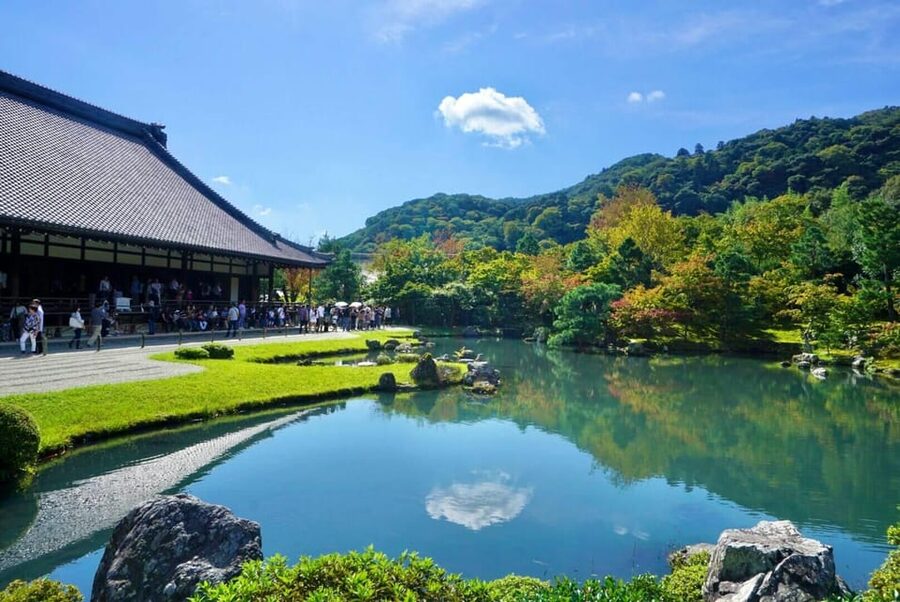
- Tenryu-ji Temple: Garden Time With a Real Historical Anchor
- Arashiyama Bamboo Grove to Togetsukyo Bridge: Classic Views, Built-In Photo Time
- Arashiyama’s Koboshi Craft: A Souvenir You Make, Not Just Buy
- Ryoan-ji Temple: Zen Rock Garden With That “Wait, Look Again” Feeling
- Kinkaku-ji (Rokuon-ji): Golden Pavilion at the End of the Day
- Price and Value: What $149.94 Really Covers
- Group Size and Pacing: How to Keep It From Feeling Rushed
- Who This Tour Suits Best (And Who Might Want Something Else)
- Quick Practical Tips Before You Go
- Should You Book This West Kyoto Tour?
- FAQ
- How long is the tour?
- What is the meeting point and start time?
- Is lunch included?
- What’s included in the price?
- Are tickets mobile?
- How many people are in the group?
- What temples and sights are visited?
- Do I need to pay for admission at each stop?
- What is the cancellation policy?
Key Points You’ll Actually Care About
- Arashiyama first, then temples, so you start with nature before shifting to Zen and gold-leaf spectacle.
- Tenryu-ji time includes admission, and the garden setting is the perfect warm-up for Kyoto’s “walk and pause” style.
- Togetsukyo Bridge is free, and it’s a classic spot for photos after the bamboo grove.
- A koboshi craft is included, giving you a real souvenir made during the tour, not just a shop stop.
- Ryoan-ji rock garden is on the schedule, with a focused visit rather than a quick exterior peek.
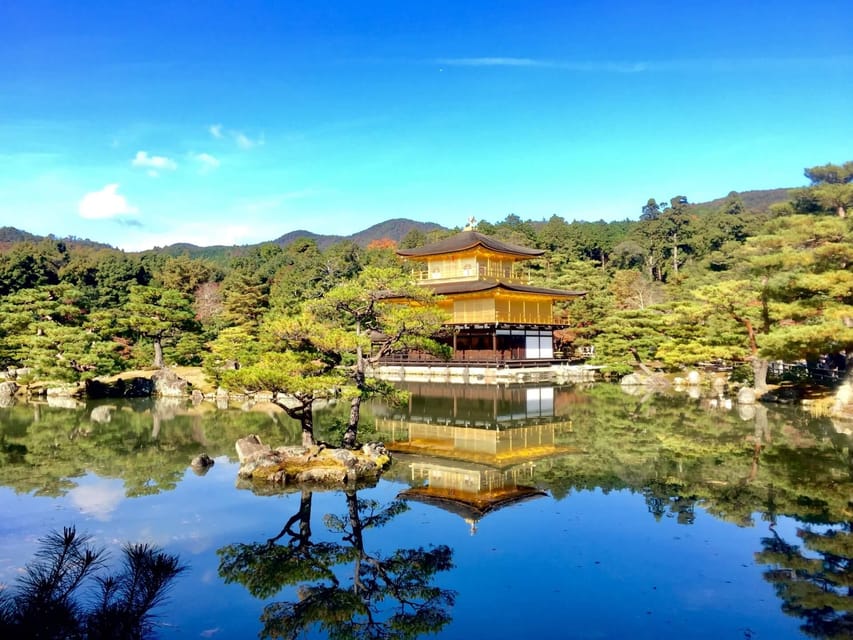
- Kinkaku-ji is last, so you finish strong with the shimmering Golden Pavilion.
The Big Idea: A Guided Kyoto West “Hit List” That Still Feels Human
Kyoto west can be a lot to manage on your own. You’re bouncing between neighborhoods, figuring out trains, and then arriving at the most popular temples right when the crowds are thick. This tour fixes that by bundling transport, tickets, and a guided path through the day.
I also like that it doesn’t just rush you from photo point to photo point. The structure gives you distinct experiences: temple gardens, bamboo and bridge scenery, a traditional craft, then two Zen temples that work like mental reset buttons.
The pace is still a highlights pace, though. Plan to walk, plan to look up, and plan to be okay with “see it well” more than “linger forever.”
Meeting Point and How the Day Gets Rolling (9:00 AM Start)
You meet at Starbucks Coffee – Kyoto Tower Sando at 9:00 AM, and the day ends back at the same place. That matters because Kyoto days can sprawl. Knowing you return to your starting point keeps this from turning into an all-day transportation puzzle.
It’s also designed around public transit. The tour uses a mobile ticket, which tends to make check-in smoother than paper passes. And with a maximum of 20 travelers, you’re usually in a group size where the guide can keep everyone together without feeling chaotic.
A small practical note: lunch is not included. The schedule suggests you’ll have a chance to eat around the Arashiyama portion, so bring a plan for where you want to pause for food, snacks, or a quick drink.
Kinkaku-ji's gold roof over still water
- Kyoto: Fushimi Inari, Kinkakuji, Bamboo Grove 1 Day Bus Tour
★ 4.8 · 4,316 reviews - Osaka/Kyoto:Kinkakuji,Arashiyama,FushimiInariShrine,NaraPark
★ 4.1 · 1,596 reviews - Kyoto: Nijo, Kinkaku-ji, Arashiyama, Kiyomizu & Fushimi Inari
★ 5.0 · 699 reviews - Kyoto: Kinkakuji, Golden Pavilion Guided Tour
★ 4.7 · 71 reviews
Tenryu-ji Temple: Garden Time With a Real Historical Anchor
The tour starts with Tenryu-ji Temple. You’ll explore the Arashiyama area with your guide, then spend time at the temple itself. Tenryu-ji was built in 1339 by Takauji Ashikaga, and that one detail helps you look at the gardens with more context than just “pretty scenery.”
Why this stop works:
- The garden setting is a gentle introduction to Kyoto’s temple style. You get to see how the environment matters as much as the buildings.
- Tenryu-ji sets a tone for the day. After this, bamboo and bridges feel like part of the same Kyoto experience, not a separate activity.
Time on this stop is about 2 hours, and admission is included. That’s enough time to take your photos, walk the grounds, and still have moments where you can just slow down and watch the garden lines.
If you’re sensitive to crowds, Tenryu-ji is still a major temple. But starting here in the morning helps you get there before the day fully swells.
Arashiyama Bamboo Grove to Togetsukyo Bridge: Classic Views, Built-In Photo Time
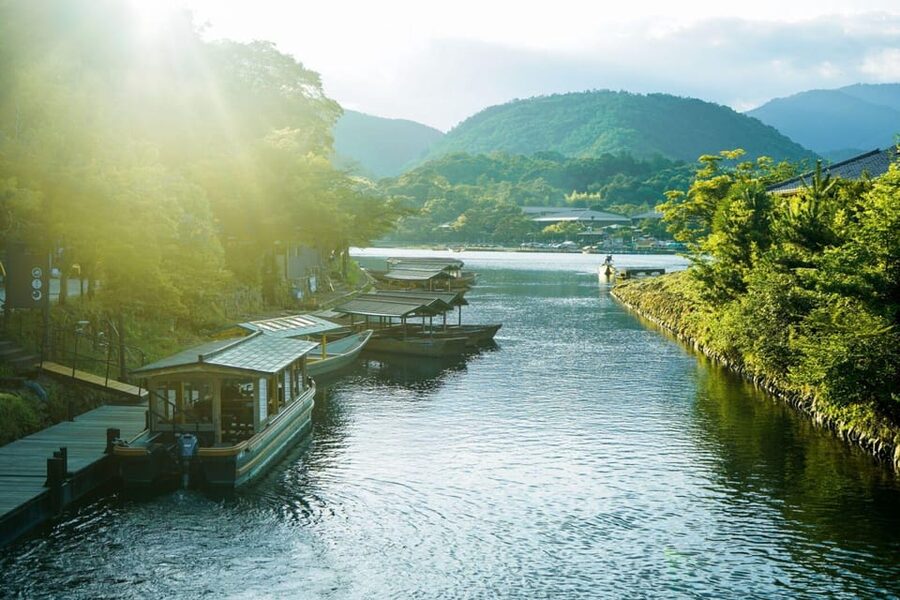
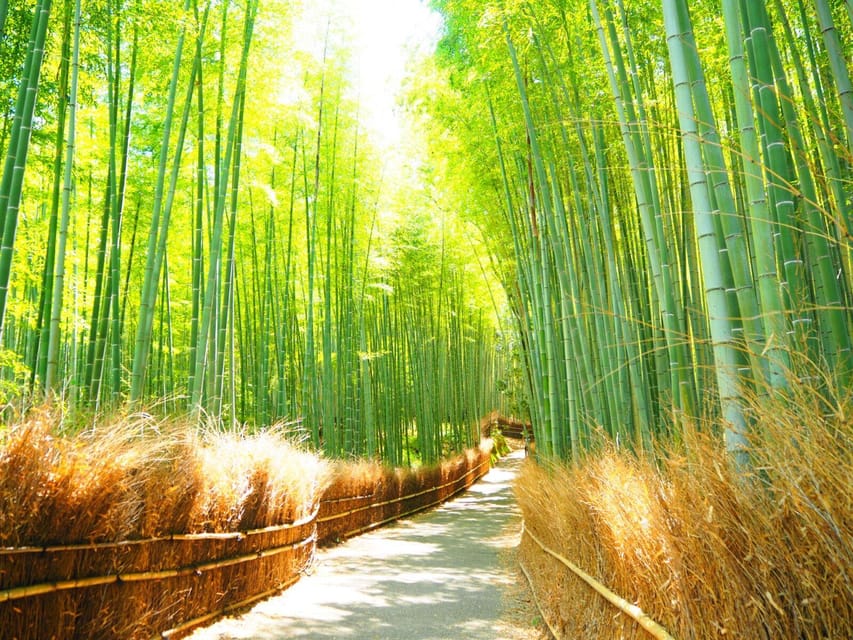
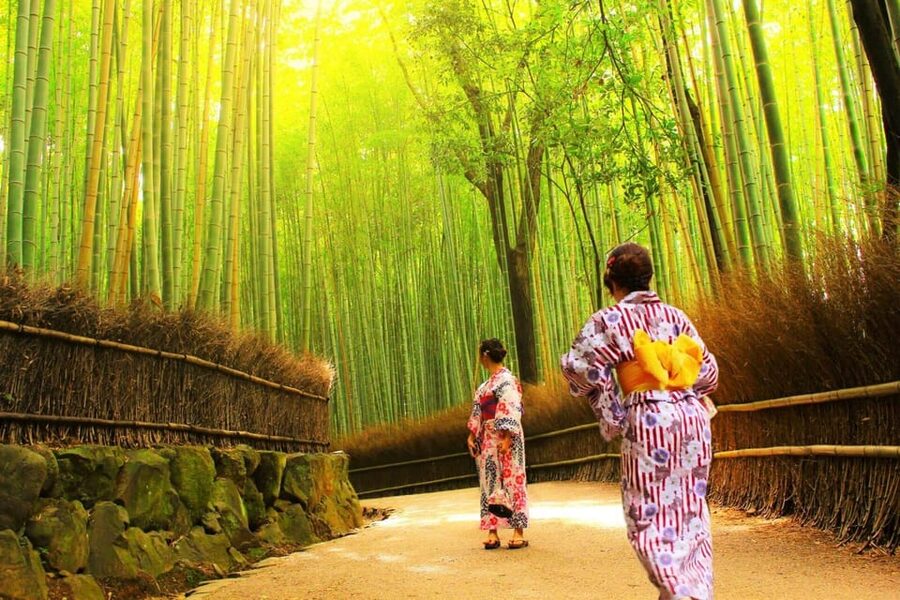
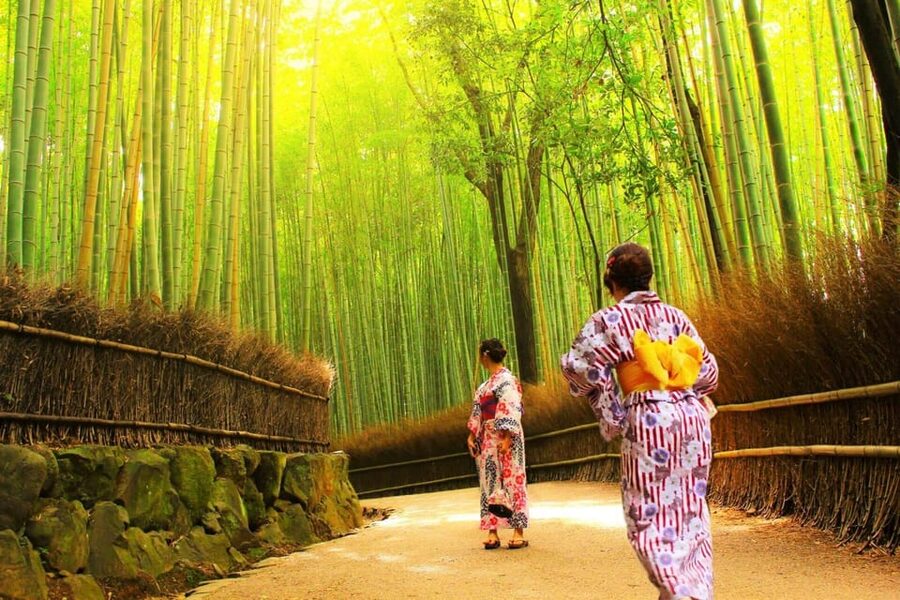
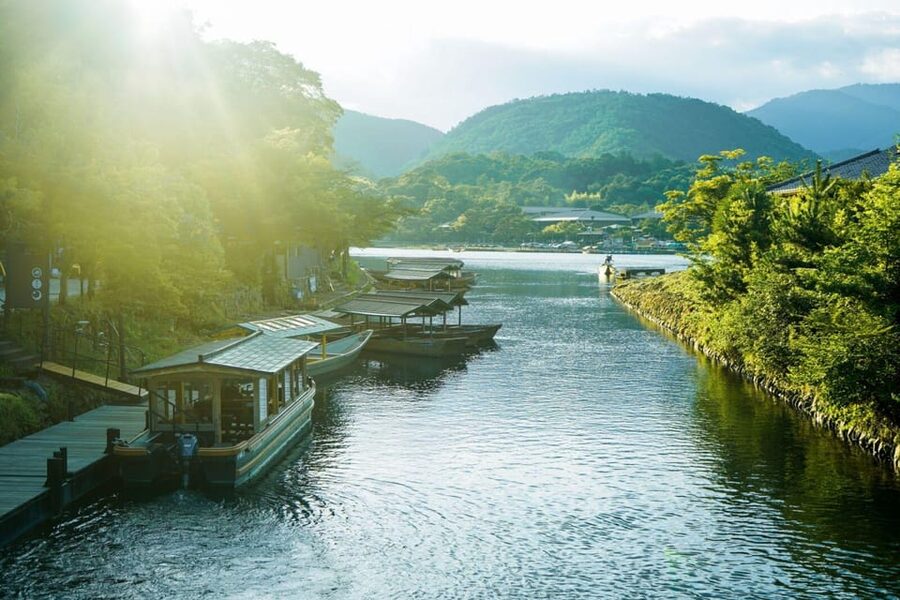
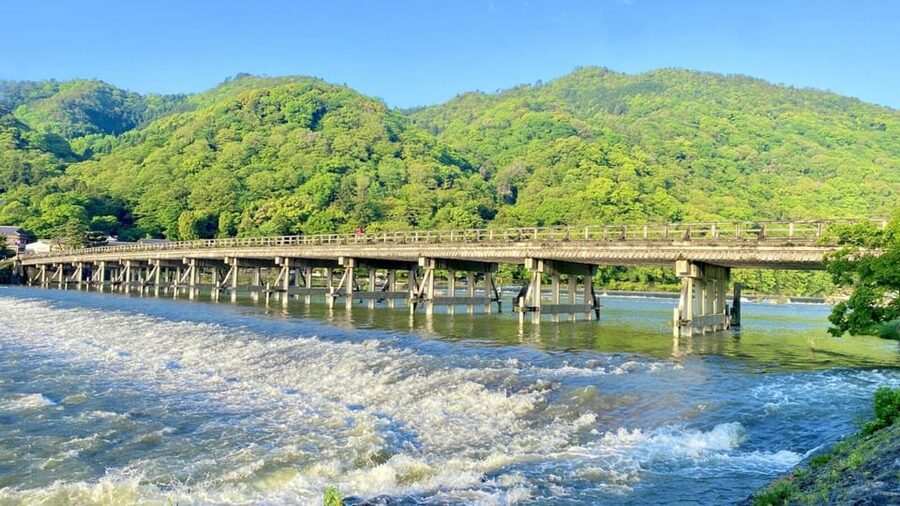
After Tenryu-ji, you head through the bamboo grove toward Togetsukyo Bridge. The bridge has been a landmark for over 400 years, and it’s easy to see why it keeps showing up on Kyoto postcards. The scenery is iconic for a reason.
This part of the itinerary gives you about 3 hours total for the bamboo-to-bridge stretch. Admission for the bridge area is free, so you’re mostly paying for your guide, your pacing, and the time to experience it.
What to expect:
- Bamboo paths where walking feels atmospheric even when you’re surrounded by other visitors.
- A good chance to take photos from different angles once you reach the bridge viewpoint.
One consideration: bamboo groves are popular by nature. If you want quieter photos, you’ll need to be flexible and willing to step aside from the densest spots while you wait for a cleaner shot.
Arashiyama’s Koboshi Craft: A Souvenir You Make, Not Just Buy
Next comes a traditional Japanese craft experience: koboshi. These are traditional Japanese dolls dating back to the 14th century, and you’ll create one during the tour, with the craft fee included.
This is one of my favorite types of tour add-ons because it changes how you remember the day. A temple photo is nice, but a craft item connects you to a hands-on skill and a cultural tradition.
Why it’s a smart inclusion:
- It breaks up the temple-and-sightseeing rhythm.
- It gives you something tangible to take home without hunting for the right shop.
- It’s short enough that it won’t derail the schedule, about 1 hour here.
Also, since lunch isn’t included, this portion can be a nice mental reset. You’re no longer navigating, you’re making.
Ryoan-ji Temple: Zen Rock Garden With That “Wait, Look Again” Feeling
After Arashiyama, you travel to Ryoan-ji Temple to see the famous Zen rock garden. This stop is about 1 hour, and admission is included.
Ryoan-ji’s dry landscape gardens are designed to hide abstract Zen ideas in the arrangement. The tour description frames it as a place where the landscape carries contemplative messages, sometimes in ways that can feel puzzling until you start looking from different viewpoints.
Here’s how I’d use your hour:
- Don’t spend the whole time staring at one angle. Try multiple viewpoints if the layout allows.
- Give yourself a few pauses where you just count the elements and notice how your eye travels across the rocks and sand patterns.
The value of this timing is that it’s structured. On your own, it’s easy to rush Ryoan-ji because you’re thinking about the next train. With a guide and a set stop duration, you’re more likely to actually slow down.
Green light through a bamboo grove

Kinkaku-ji (Rokuon-ji): Golden Pavilion at the End of the Day
The final stop is Kinkaku-ji, officially known as Rokuon-ji. It’s a Zen temple and one of Kyoto’s most popular buildings, with lots of visitors each year. The tour includes admission and gives you about 1 hour here.
This is the payoff. Kinkaku-ji’s golden leaf glints over calm gardens, and even if you’ve seen photos before, the real thing tends to hit differently. The gold is bright, but what makes it memorable is the way it sits in a temple setting that encourages quiet viewing.
A nice detail from the kind of pacing you’ll get on this tour is that you end with something dramatic. One past highlight pointed out how the Kinkaku-ji visit is spectacular, and it makes sense. Finishing here helps the day feel complete.
Consideration: this is popular, so plan for a crowd. If your top priority is unbroken stillness for long stretches, you might find yourself in moving queues. But if you want to see the Golden Pavilion in a well-timed, organized day, this is a strong capstone.
Price and Value: What $149.94 Really Covers
At $149.94 per person for about 8 hours, the headline price can look steep until you break down what’s included.
You’re getting:
- Entrance fees for each stop
- Bus and train tickets required for the tour
- The koboshi craft experience fee
- An English-speaking guide
- A mobile ticket experience structure
You’re not getting:
- Lunch
So you’re not just paying for sightseeing. You’re paying for planning effort, transit, and pre-handled admissions. For many people, that is where the value sits in Kyoto. Add up the entrance fees, figure out the ticketing and transport, then price in the time you save by having a guide coordinate the day, and this becomes more reasonable.
The best way to think about it: if you want the west highlights with less friction and less guesswork, this price is paying for reduced stress plus included tickets.
Group Size and Pacing: How to Keep It From Feeling Rushed
The tour caps at 20 travelers. That’s important. Smaller groups tend to mean the guide can keep everyone together and adjust when someone needs a minute to catch up, take a restroom break, or stop for a better photo angle.
One highlight detail you should expect from a schedule like this is staying on time without feeling frantic. In at least one strong experience, the guide was praised for doing exactly that: keeping the day efficient and organized while still avoiding a constant sprinting vibe.
Still, your best strategy is simple:
- Wear comfortable walking shoes.
- Carry water and a light snack even if you plan to eat on your own.
- Keep your expectations aligned with a full-day highlights tour.
Who This Tour Suits Best (And Who Might Want Something Else)
This tour fits well if you:
- Want Kyoto west highlights in one day
- Prefer guided timing over route-planning
- Like a mix of nature, temples, and a hands-on cultural craft
- Appreciate the idea of seeing major sites like Ryoan-ji and Kinkaku-ji without stitching together logistics yourself
You might want to skip or look for a different style if you:
- Want a slow, unstructured day with minimal crowd contact
- Expect lunch to be part of the package (it isn’t)
- Dislike that multiple stops means you’ll be moving through areas rather than settling in one neighborhood
Quick Practical Tips Before You Go
- Plan your lunch in advance. Lunch is not included, and the day flows from temple to scenery to craft to more temples.
- Bring a small bag you can keep with you at temples and along the bridge areas.
- If you care about photos, set your mindset for crowds and try to be patient with angles.
- Wear layers. Kyoto weather can change through the day, especially when you go from gardens to open-air bridge views.
Should You Book This West Kyoto Tour?
If your goal is a straightforward, well-paced tour of Kyoto’s west highlights, I think this is a very good booking. You get the must-see temples, the Arashiyama scenery everyone talks about, and a koboshi craft experience that adds meaning beyond sightseeing.
Book it if you want less hassle and a day that feels organized from start to finish. Skip it if you strongly dislike crowds at the most famous temples or if you want a longer stay in just one place.
If you’re aiming for efficiency without feeling swallowed by chaos, this is exactly the kind of day trip that earns its place in a Kyoto itinerary.
FAQ
How long is the tour?
The tour runs about 8 hours.
What is the meeting point and start time?
You meet at Starbucks Coffee – Kyoto Tower Sando Japan at 9:00 AM.
Is lunch included?
No, lunch is not included.
What’s included in the price?
Included are entrance fees, bus and train tickets required for the tour, the koboshi experience fee, and an English-speaking guided tour.
Are tickets mobile?
Yes, it uses a mobile ticket.
How many people are in the group?
The maximum group size is 20 travelers.
What temples and sights are visited?
The tour includes Tenryu-ji Temple, Togetsukyo Bridge, Ryoan-ji Temple (Zen rock garden), and Kinkaku-ji (Golden Pavilion).
Do I need to pay for admission at each stop?
Entrance fees are included for each spot on the tour. Togetsukyo Bridge is free.
What is the cancellation policy?
You can cancel for a full refund up to 24 hours before the experience starts. Cancellation less than 24 hours before start time is not refunded.
New This Season
- Koyasan Day Trip by Private Car from Kyoto
- Old Port Town and Ultimate Sake Tasting Private Tour From Kyoto
- Kyoto’s Timeless Charm: 3hr Exploration of History and Peace
- Kyoto: 5 Types of Sushi Making
- Sacred Peak & Ancient Paths: Kurama-Kibune Hiking Experience
- Kyoto: Exclusive ZEN practice at Manpukuji temple in Uji
- Kyoto: Private Seasonal Aroma Yoga Class
- Traversing Kyoto’s Scenic West – Arashiyama to Kinkakuji
Arashiyama Bamboo Forest Walks, compared.
Fushimi Inari, Kinkakuji, Bamboo Grove 1 Day Bus Tour
Read our review →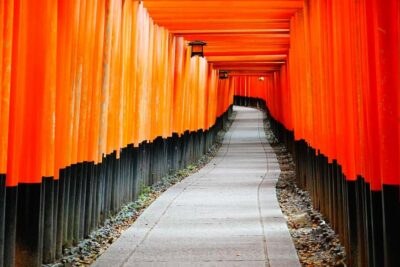
Kinkakuji,Arashiyama,FushimiInariShrine,NaraPark
Read our review →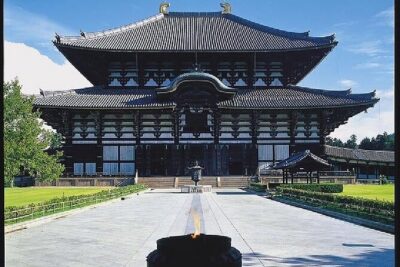
Nara, Fushimi Inari Taisha, Arashiyama Bus Tour
Read our review →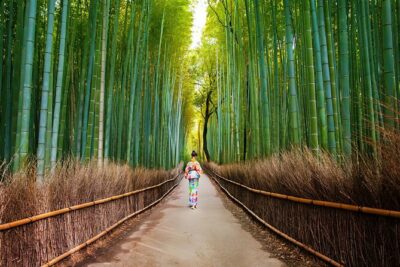
Kyoto Arashiyama Walking Tour: Bamboo, Monkeys, Gardens & Secrets
Read our review →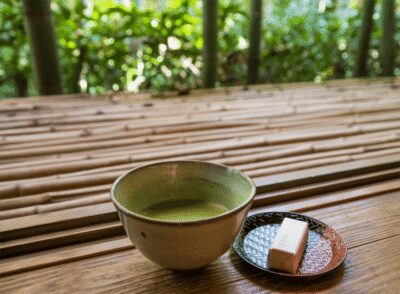
Arashiyama Bamboo, Temple, Monkeys, or Secret Sake Brewery
Read our review →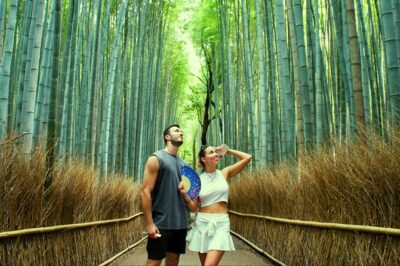
Arashiyama Bamboo Forest, Monkeys, Matcha & Temple Tour
Read our review →
Arashiyama, Nara & Fushimi Inari Shrine w/Lunch
Read our review →
Nijo, Kinkaku-ji, Arashiyama, Kiyomizu & Fushimi Inari
Read our review →Also filed under