
Reviewed · TEMPLE & SHRINE VISITS
Bamboo Artistry & Zen Serenity: Tranquility with Ginkaku-ji
Quiet gardens, big Kyoto calm. This full-day route is interesting because it blends Zen temple design, a slow stroll on the Philosopher’s Path, and a hands-on bamboo making session. I like how the day moves at a human pace and how you get to see the famous Silver Pavilion gardens without turning it into a sprint. One consideration, though, is that it is still a long walking day with public transport, so comfy shoes matter.
Two things I really like: Nanzen-ji’s garden atmosphere feels peaceful and grounded, and the bamboo workshop is practical, not just a photo stop. I also like the guide experience, especially when the English guide is Justin, who shared stories in a way that made the culture feel close instead of textbook. The only possible drawback is the lunch is on your own during the one-hour break, so plan a simple meal strategy instead of guessing at the last minute.
If you want Kyoto’s quieter side, this hits the right notes. You’ll start with historic Zen architecture, then drift past small neighborhoods, then land at Ginkaku-ji for the wabi-sabi look of moss and sand gardens, and you’ll finish with a small bamboo object you made with expert instruction.
In This Review
- Key highlights you should care about
- From Kyoto Tower Sando to Nanzen-ji: setting the pace early
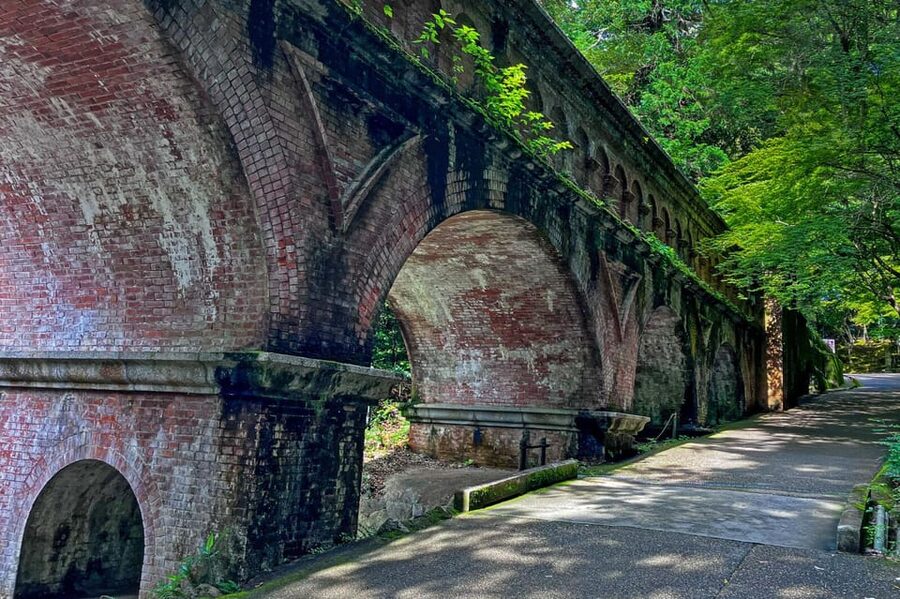
- Nanzen-ji: gate, gardens, and Zen calm you can feel
- Philosopher’s Path: a canal-side walk with room to breathe
- Ginkaku-ji Silver Pavilion: moss, sand, and wabi-sabi atmosphere
- Bamboo artistry workshop: making your own Zen object
- Lunch and free time in Kyoto: your one-hour reset
- The secret stop workshop time: why 2 hours is the right length
- Getting around the day: trains, walking, and staying comfortable
- Price and value: what $150 buys you in real experience
- Should you book this Zen and bamboo craft tour?
- FAQ
- What time does the tour start?
- Where is the meeting point?
- How long is the tour?
- Is the tour guided in English?
- What is included in the price?
- What is not included?
- What temples and sights are included?
- Do we get free time for lunch?
- Is there a cancellation policy?
- Can I reserve without paying right away?
Key highlights you should care about
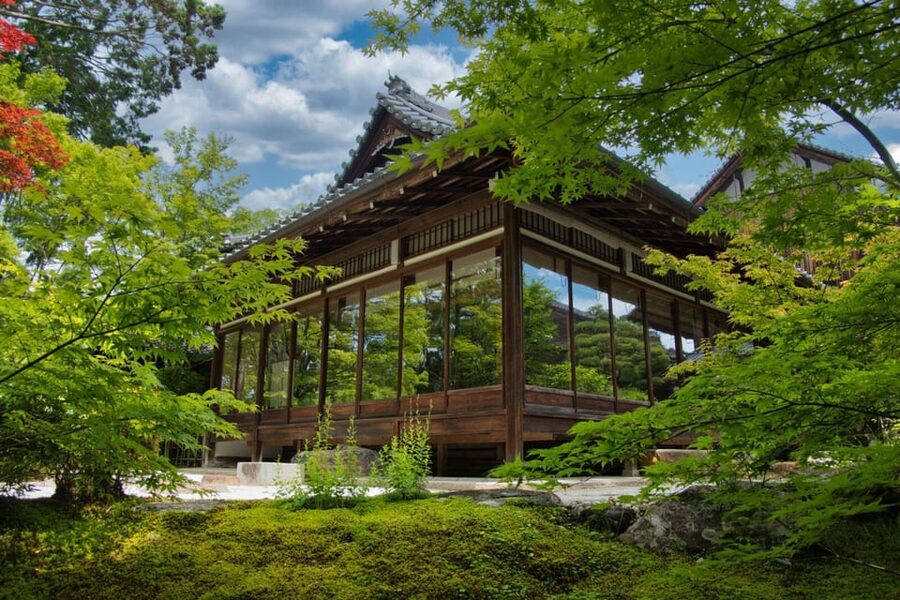
- Nanzen-ji’s Zen gardens and old stone spaces, where the mood is the main attraction
- Philosopher’s Path as a calm, canal-side walk that feels different from Kyoto crowds
- Ginkaku-ji’s moss and sand gardens, with a clear wabi-sabi aesthetic you can actually see
- Bamboo craft hands-on time, guided step by step so you leave with something you made
- A simple, logical east-Kyoto route that uses trains to connect stops efficiently
- English speaking guide storytelling, including details that help the temples make sense
From Kyoto Tower Sando to Nanzen-ji: setting the pace early
The day starts at 09:00 at Starbucks Coffee, Kyoto Tower Sando, on the north side of Kyoto Station just outside Kyoto Tower. Look for the familiar green logo and a Snow Monkey Resorts sign. If you are coming by JR or Shinkansen, follow the signs toward Kyoto Tower and then walk straight to the tower area.
Why this start works: you are already positioned for east Kyoto transit, and you avoid the late-morning crush at temples that many self-guided plans hit. You also get the benefit of beginning with a temple that rewards quiet, Nanzen-ji.
Expect a train transfer early in the morning. The tour timing is set up so the schedule totals 450 minutes, or about 7.5 hours, with structured time at each stop plus one-hour lunch/free time. That format matters because it keeps you from bouncing around Kyoto all day trying to line up transit, tickets, and walking distances.
Bring the right mindset. This is not a speed-collection tour of ten stops. It is a sequence designed to shift your pace: garden calm, walking calm, temple calm, then a craft session that slows your hands down.
Nanzen-ji: gate, gardens, and Zen calm you can feel
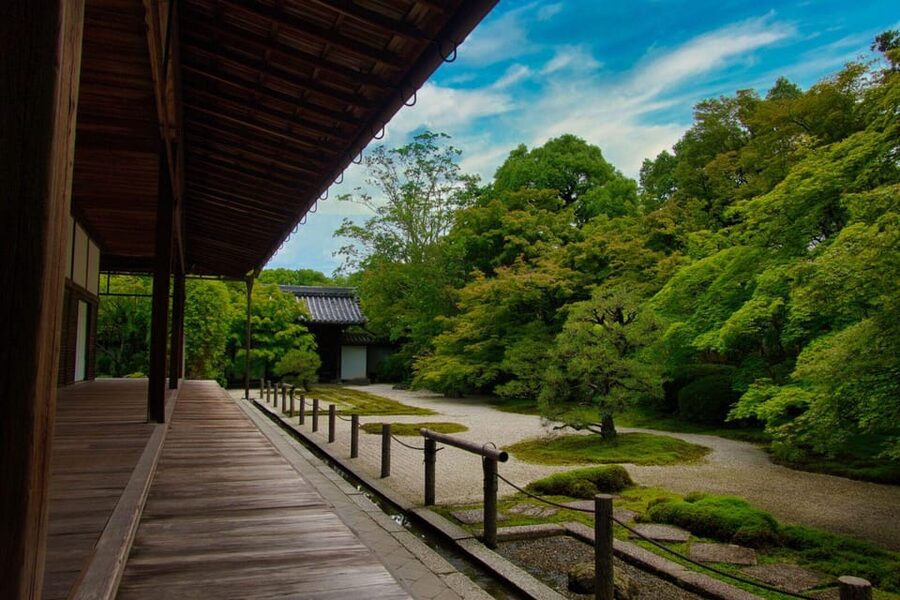
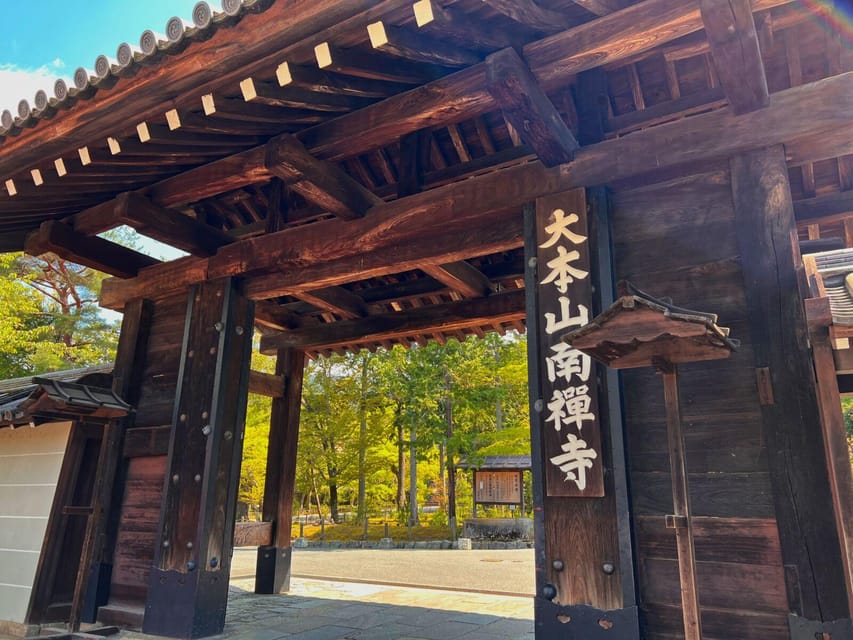
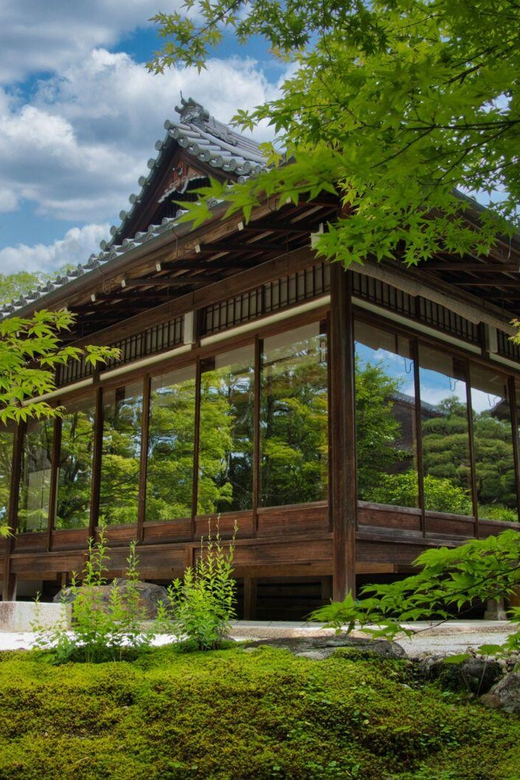
Nanzen-ji is the kind of place where the architecture does more than look old. It helps set a tone. You’ll spend about an hour here with a guided visit focused on the temple’s history and the principles of Zen, plus the design of its peaceful spaces.
What I love about Nanzen-ji in this kind of guided format is that you are not just looking at rocks and paths. Your guide’s storytelling gives you a way to read what you see: why certain areas feel open, why gardens are designed to be viewed slowly, and how Zen thinking connects to space and silence.
Even if you are not a temple expert, it’s easy to follow. You’ll move through the grounds, take in the majestic gates, and enjoy the tranquil atmosphere created by the combination of old architecture and garden layout.
A practical consideration: gardens and stone paths can be slippery or uneven depending on the season. Wear shoes with grip and take your time on turning points and gravel edges. An organized group tour helps here, because you can keep your pace steady and follow the guide’s route instead of weaving around signage.
By the time you leave Nanzen-ji, the day feels like it has started for real. You will likely notice your walking pace slowing without being told to slow down.
More rooftops worth a detour
- Kyoto: Tea Ceremony Ju-An at Jotokuji Temple
★ 4.9 · 3,207 reviews - Arashiyama Bamboo, Temple, Monkeys, or Secret Sake Brewery
★ 4.8 · 886 reviews - Kyoto: Arashiyama Bamboo Forest, Monkeys, Matcha & Temple Tour
★ 5.0 · 759 reviews - Osaka/Kyoto: Arashiyama, Nara & Fushimi Inari Shrine w/Lunch
★ 4.4 · 754 reviews
Philosopher’s Path: a canal-side walk with room to breathe
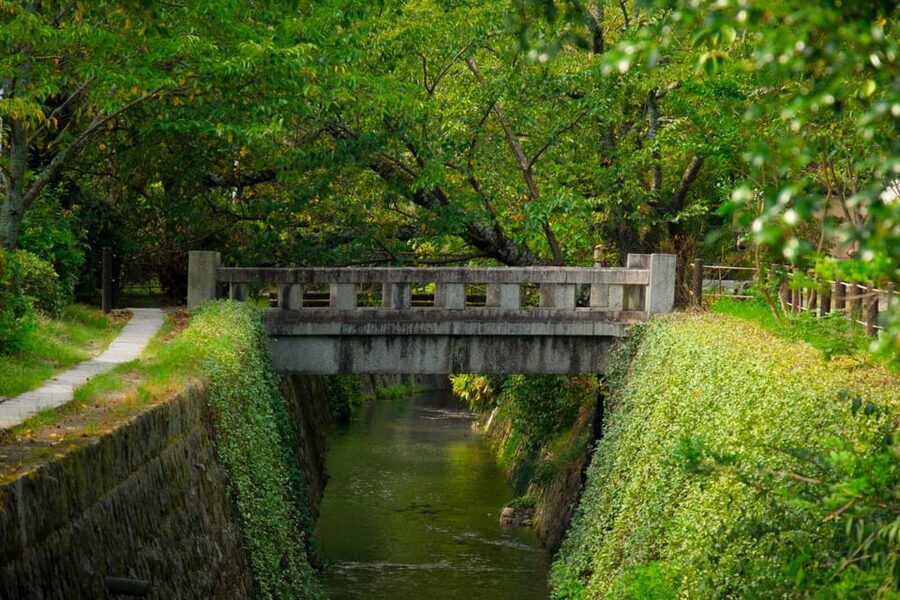
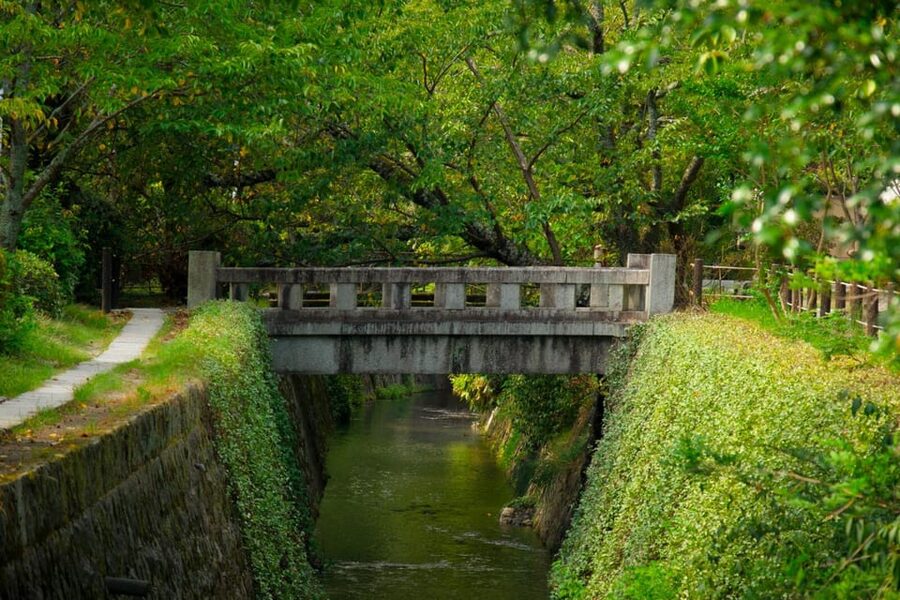
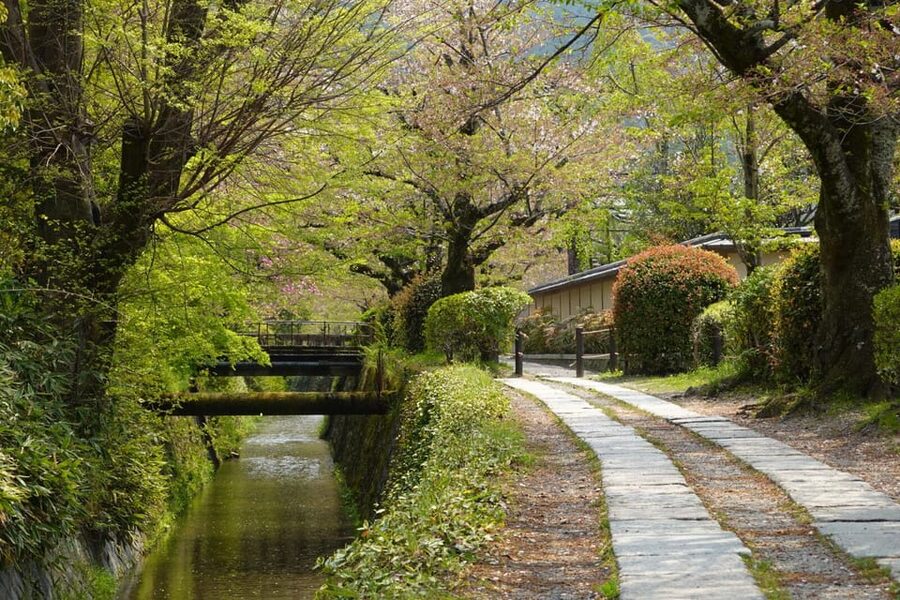
After Nanzen-ji, the tour shifts into walking mode with a Philosopher’s Path stroll. This is a scenic, canal-side walkway that threads through quieter neighborhoods and past small temples. The route is designed to feel picturesque and reflective, not like you are just passing through to the next photo.
You’ll likely find this part refreshing because it gives you what many big Kyoto days don’t: gentle continuity. Instead of hopping between unrelated stops, the path naturally links scenery, water, and smaller garden moments that you can pause for.
Your guide will pause you along the way to admire spots that sit away from the heaviest crowds. That is a big deal. Philosopher’s Path can get busy, but a guided walk like this is built to keep you oriented, with breaks that let you actually see the details instead of constantly checking your map.
If you are planning what to do with your eyes, do it simply. Look at the water line, then look upward at bridges and surrounding temples. Then look down again at small gardens and walkway edges. The charm is in how the scenery changes as you move, especially with Kyoto’s seasons.
This is also a good section for anyone who wants culture without heavy historical load. You do not need to memorize dates. You just need to walk, pay attention, and let the path do its job.
Ginkaku-ji Silver Pavilion: moss, sand, and wabi-sabi atmosphere

Next comes Ginkaku-ji, the Silver Pavilion. This is the headliner moment, and the tour gives you about 1.5 hours here with guided context.
The first thing you’ll notice is how the site works visually. The pavilion is elegant and simple, but the gardens take center stage. You can stroll around the pond area and spend time with the iconic sand and moss gardens that define the space’s character.
What matters most here is the wabi-sabi aesthetic your guide explains. Wabi-sabi is about finding beauty in imperfection, in restraint, and in the natural look of things shaped by time. In practical terms for you, that means the gardens aren’t trying to impress with loud colors. They reward quiet attention. Moss looks alive because it is alive. Sand patterns feel deliberate because they are composed.
Because the tour includes guidance, you’re less likely to miss the points that make the gardens meaningful. You’ll also have time to reflect rather than just ticking the box and rushing to the next stop.
A consideration: photography can slow groups down, especially if you want the perfect angle. If you are traveling with a phone-first mindset, keep your expectations realistic. The best experience here comes from pausing and letting your eyes adjust to the garden textures, not from trying to capture everything.
When the 1.5 hours ends, it often feels like you got more than a sight. You got a small lesson in how Japanese design invites stillness.
Bamboo artistry workshop: making your own Zen object
The day’s creativity portion is the bamboo craft session. The tour includes a Japanese art experience fee and a guided workshop where you create your own bamboo craft, described as a small bowl, with expert instruction.
This is where the tour becomes personal. Temple sightseeing is about looking and listening. Bamboo crafting is about doing, and that changes your whole experience of the culture. Bamboo is used across Japan, from structures to everyday objects, and it symbolizes strength and flexibility. In the workshop, you connect those ideas to the physical material in your hands.
One detail I really like is the instruction style. In a high-rated experience, the guide Justin and the workshop instructor used patient, step-by-step guidance. The participant described being pleased with the small bamboo craft they made, and they also enjoyed seeing other bamboo objects on display, crafted with real care.
What you can take from that for your own planning: go in with a beginner mindset. You do not need to be artsy. The value is in learning how bamboo is handled and assembled under guidance, then leaving with a small finished item you can keep.
Another practical point: wear sleeves you don’t mind getting slightly dusty, especially if the workshop area has natural fibers and tools out. Also, keep your valuables secure and plan to carry your craft gently. Bamboo can be light, but you do not want to treat it like a souvenir you can toss into your bag.
The bamboo workshop is also a perfect contrast to the temple hours. After sand and moss, you get grain and texture. After silence, you get focused hands.
Lunch and free time in Kyoto: your one-hour reset
After the Ginkaku-ji visit, you get lunch plus free time for about one hour in Kyoto. Food and drinks are not included, so you’ll need to plan your own meal.
This break is valuable because it gives you control. You can choose something simple near your next transit needs, or you can just take a breath, refill water, and regroup. One hour is not long, so pick a target area you can reach quickly and return from without sprinting.
My practical advice: decide before you get there what kind of meal you want. If you are hungry for something warm, prioritize nearby casual spots. If you want something lighter, consider quick grab-and-go. Kyoto lunch can run the gamut, but the tour schedule does not stretch to let you wander for an hour looking for the perfect option.
Also, use this time to do two small things that improve the afternoon: charge your phone and adjust your clothing for the next leg of walking. Then meet the group when you are done.
This is the part of the day where your calm morning can either stay calm or slip. A little planning keeps it on track.
A day of temples goes further with something to break it up.
The secret stop workshop time: why 2 hours is the right length
The itinerary includes a secret stop after lunch, with a guided tour and a workshop time listed at 2 hours. In practice, this is the additional time that makes the bamboo theme feel more than a quick demo.
Two hours lets you move through the experience without feeling rushed. You get time to listen to the guide, see what bamboo work looks like beyond one single object, and then work on your own craft at a comfortable pace. That rhythm is the difference between a workshop that teaches you nothing and one that actually sticks.
It also helps that you do not have to process everything at once. You can watch, ask questions in English through the guide, and then work while instructions are still fresh. The result tends to feel satisfying, because you finish something you can point to.
If you are the type of traveler who hates feeling herded, this is a good slot. The schedule includes enough time for the hands-on part to actually happen, not just start and stop.
The hidden value is context. Bamboo craft here is not treated as decoration. It is presented as a living tradition shaped by the city’s culture.
Getting around the day: trains, walking, and staying comfortable

This tour is built around public transport and train tickets are included during the scheduled parts. Expect at least two train segments of about an hour each, plus walking between stops.
That means you should plan for a body day, not a desk day. Even with guided routes, you are outside for long enough that comfortable shoes and a light layer can make your whole experience better.
Carry what you actually use. Water, a small snack if you like, and anything you need for a long garden day. Because food and drinks are not included, you want to avoid the trap of being too hungry to enjoy the next stop.
Weather matters. In Kyoto, conditions can change quickly. If it is rainy, you’ll want grippy soles. If it is hot, you’ll want a breathable top and a cap. The tour gives structure, but it can’t control weather.
The good news is that the pacing is thoughtful. You are not jumping from a temple to a workshop in total chaos. It’s a loop that connects east-Kyoto highlights in a way that keeps you moving, but not panicked.
Price and value: what $150 buys you in real experience
The price is listed at $150 per person for 450 minutes, which is about 7.5 hours. That number can look simple, but the real value comes from what’s included.
You get entrance fees for each spot, bus and train tickets required for the tour, the Japanese art experience fee, and an English speaking guide with a live guided visit. So you’re not paying separately for temple entry, transit timing, and the craft workshop.
For many Kyoto days, those pieces add up fast if you plan them solo. Here, the tour bundles them into one package with a coherent flow. That’s the value: fewer planning headaches, and more time spent actually seeing the gardens and making the craft.
The only thing you supply is food and drinks, plus transportation costs before and after the tour. That means you can keep your budget predictable, then handle the lunch choice yourself.
If you enjoy guided context, this is especially good value. The temples and gardens here are not just scenic. With the guide’s explanations, they feel more legible, and that can turn a normal sightseeing day into something you remember.
Should you book this Zen and bamboo craft tour?
Book it if you want Kyoto in a calmer, more reflective style. Nanzen-ji’s garden mood, the Philosopher’s Path walk, and Ginkaku-ji’s moss and sand gardens are the kind of experiences that get better with a guide explaining what you are looking at. Add in a hands-on bamboo craft session, and you get both culture and a take-home result.
Skip it if you hate long days on foot or you want a fully unstructured schedule with total freedom for food. This is guided, paced, and built around specific stops.
If you do book, do two things to make it work: wear good shoes, and decide your lunch plan quickly during the one-hour break so you keep the day’s calm tone going.
FAQ
What time does the tour start?
The tour starts at 09:00.
Where is the meeting point?
The meeting point is Starbucks Coffee – Kyoto Tower Sando, located on the north side of Kyoto Station just outside Kyoto Tower. The meeting spot is near a Snow Monkey Resorts sign.
How long is the tour?
The duration is 450 minutes, about 7.5 hours.
Is the tour guided in English?
Yes, there is a live tour guide in English.
What is included in the price?
Entrance fees for each spot are included, along with bus or train tickets required for the tour, plus the Japanese art experience fee.
What is not included?
Food and drinks are not included. Transportation costs before and after the tour are also not included.
What temples and sights are included?
The tour includes Nanzen-ji, the Philosopher’s Path, and Ginkaku-ji (the Silver Pavilion).
Do we get free time for lunch?
Yes. There is lunch and free time in Kyoto for about 1 hour.
Is there a cancellation policy?
Yes. Free cancellation is available up to 24 hours in advance for a full refund.
Can I reserve without paying right away?
Yes. The tour offers reserve now & pay later, so you can book your spot and pay nothing today.
New This Season
- Koyasan Day Trip by Private Car from Kyoto
- Old Port Town and Ultimate Sake Tasting Private Tour From Kyoto
- Kyoto’s Timeless Charm: 3hr Exploration of History and Peace
- Kyoto: 5 Types of Sushi Making
- Sacred Peak & Ancient Paths: Kurama-Kibune Hiking Experience
- Kyoto: Exclusive ZEN practice at Manpukuji temple in Uji
- Kyoto: Private Seasonal Aroma Yoga Class
- Traversing Kyoto’s Scenic West – Arashiyama to Kinkakuji
Temple & Shrine Visits, compared.
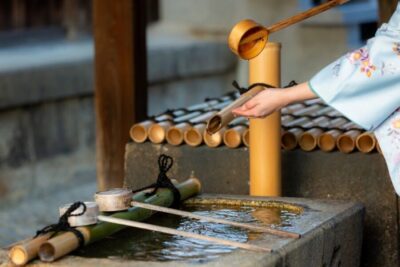
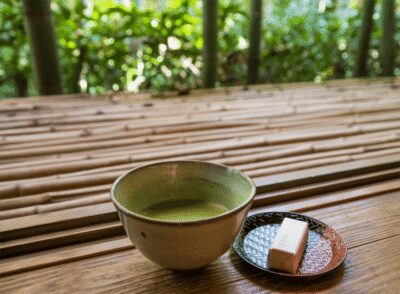
Arashiyama Bamboo, Temple, Monkeys, or Secret Sake Brewery
Read our review →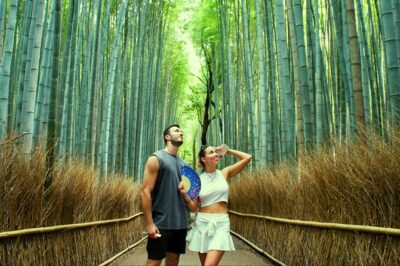
Arashiyama Bamboo Forest, Monkeys, Matcha & Temple Tour
Read our review →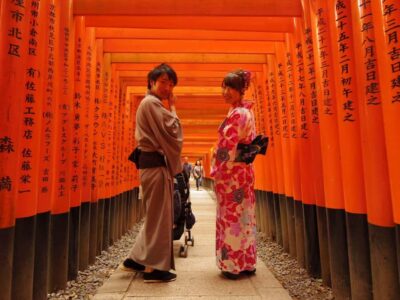
Arashiyama, Nara & Fushimi Inari Shrine w/Lunch
Read our review →
Kyoto Zen Meditation & Garden Tour at a Zen Temple with Lunch
Read our review →
KYOTO Tea Ceremony with kimono near by Imamiya Jinjya Shrine
Read our review →Arashiyama Bamboo, Matcha, Monkeys & Temple Tour
Read our review →Also filed under