
Reviewed · LUNCH EXPERIENCES
Hiroshima, Miyajima 1 Day Bus with Indian Lunch from Osaka, Kyoto
Hiroshima, then Miyajima, all in one day. This full-day outing mixes the Atomic Bomb Dome and Peace Memorial Park with a scenic ferry ride and the famous Itsukushima Shrine that looks like it is floating. What I like most is the pacing, you hit the heavy sites with enough time to breathe, and then you get a clean, scenic reset on Miyajima. Another big plus is the Indian curry lunch, and it can be swapped to vegetable if you plan ahead. One drawback to consider: it is a long day, about 12 hours, and the Peace Memorial Museum can be busy with school groups.
Your guide makes the difference here. A well-timed, funny, fast-moving guide approach shows up again and again, including guides named Azura, Joe, and Yuko, all of whom helped people stay on schedule while explaining what they were seeing. If you want a respectful day with structure, this tour is a strong match, but if you hate bus time and prefer to wander completely on your own, you may find the schedule a bit tight.
In This Review
- Key highlights worth knowing before you go
- A 12-hour rhythm: bus, ferry, and a day plan that actually works
- Hiroshima Peace Memorial Park, from the Atomic Bomb Dome to the Museum
- On the road with the guide: Gandhi statue, story timing, and Q and A
- Itsukushima Shrine on Miyajima: the floating shrine effect explained
- Ferry views and Miyajima Omotesando shopping street time
- The Indian curry lunch, with a smart vegetarian option
- Group size and comfort: what max 20 really means
- Price and value: why $280.16 can make sense here
- Should you book this Hiroshima and Miyajima 1 day tour?
- FAQ
- How long is the Hiroshima and Miyajima day tour?
- What is included in the lunch?
- Are tickets included for the main attractions?
- Will I ride a ferry to Miyajima?
- Is this a private tour?
- What if the Peace Memorial Museum is closed?
- How do I get my ticket?
- When do I get confirmation after booking?
Key highlights worth knowing before you go
- Two worlds in one day: solemn Hiroshima peace sites, then the iconic Miyajima shrine scenery
- Ferry photo advantage: you get a shot at the Great Torii from the closest ferry viewing spot
- Real time in the big hitters: about 30 minutes at the Atomic Bomb Dome and about 1 hour 45 minutes at the Peace Memorial Museum
- Food that fits the day: Indian curry for lunch, with vegetable option available if requested in advance
- Small group feel: max 20 travelers, not a private tour
- Guides who keep you moving: people specifically praised guides for being engaging and keeping the group on track
A 12-hour rhythm: bus, ferry, and a day plan that actually works
This is a full-day bus tour that runs about 12 hours (approx.), using an air-conditioned vehicle so you stay sane, especially in warmer months. The route is built around transitions. You start with Hiroshima sights, then you shift gears to Miyajima by ferry, then you finish with shopping street time and the return.
The schedule makes sense for most visitors because it hits the main points without asking you to solve transportation puzzles all day. You also get a clearer flow for a day that can otherwise feel emotionally heavy. Hiroshima sites are not the place to rush, and Miyajima is not the place to arrive exhausted.
One practical thing: plan to move. Even though the tour is guided, you will still be walking at each stop. The Peace Memorial Museum and Itsukushima Shrine areas are where your legs will notice you, so comfortable shoes matter.
Hiroshima Peace Memorial Park, from the Atomic Bomb Dome to the Museum
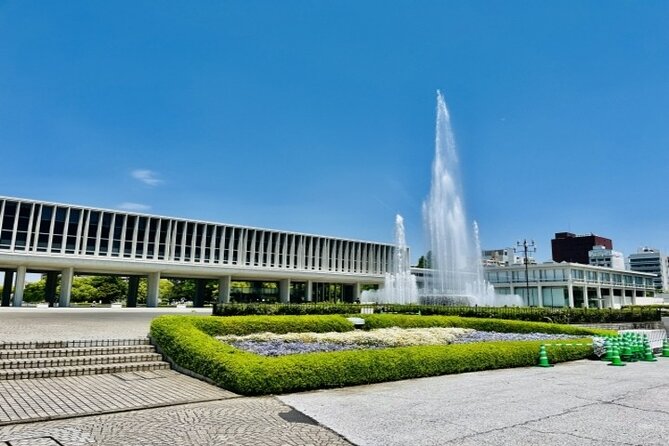
The day’s tone-setting stop is the Atomic Bomb Dome. You get about 30 minutes, and admission is free. This place is famous for a reason, but the value here is not sightseeing as trivia. You are there in the context of Hiroshima’s peace message, and your guide helps frame what you are looking at so it lands as history, not just a photo.
Next comes the Hiroshima Peace Memorial Museum, where you get about 1 hour 45 minutes and admission is included. This is the stop that benefits most from a guided day, because the museum can feel overwhelming fast. A longer block of time means you can focus on what matters to you rather than treating it like a checklist.
If you are sensitive to crowds, keep in mind that the museum can be busy with school groups. It does not ruin the experience, but it does affect how quickly you move and how quiet it feels. I’d treat that as a normal part of visiting a major memorial site, not a reason to skip it.
Also, if the Peace Memorial Museum is closed, the itinerary may shift to another peace memorial facility. That means your schedule is still likely to stay on theme, just with a different museum-style stop.
Lunch, wedged between temple visits
- Bike Tour Exploring North Kyoto plus Lunch
★ 5.0 · 1,087 reviews - Osaka/Kyoto: Arashiyama, Nara & Fushimi Inari Shrine w/Lunch
★ 4.4 · 754 reviews - Kyoto Zen Meditation & Garden Tour at a Zen Temple with Lunch
★ 5.0 · 441 reviews - 4.5-Hour Kyoto Bike Tour with Lunch and UNESCO Zen Temples
★ 5.0 · 122 reviews
On the road with the guide: Gandhi statue, story timing, and Q and A
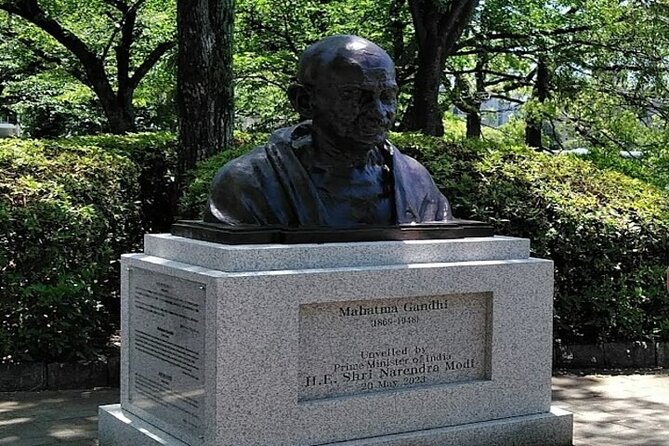
One detail I love is that the tour includes a stop by the statue of Gandhi while sightseeing from the bus. It is a small addition compared with the big memorial sites, but it connects peace and resistance in a way that makes the day feel more intentional.
The guide experience is a standout theme. People mentioned guides named Azura, Joe, and Yuko for being engaging and for bringing the context of World War II to life. You can also expect stops and explanations while you ride, so you are not staring out the window with no payoff.
Here is the practical part of why that matters: when you understand what you are seeing, you remember it better. For Hiroshima, context is the difference between visiting a landmark and actually grasping the stakes. Guides who keep the group on time also help you avoid the most common mistake, arriving to the museum or shrine late and rushed.
Itsukushima Shrine on Miyajima: the floating shrine effect explained
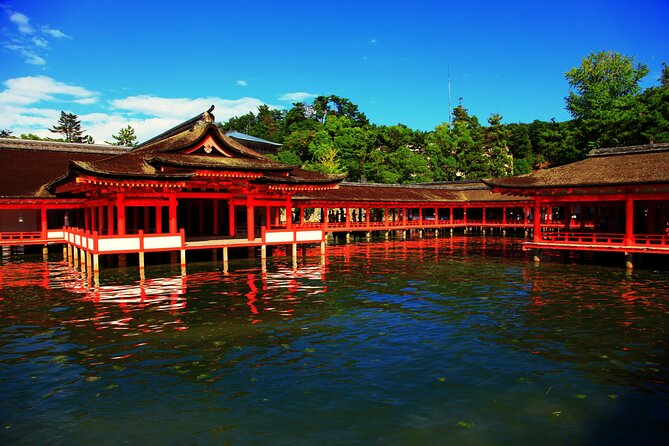
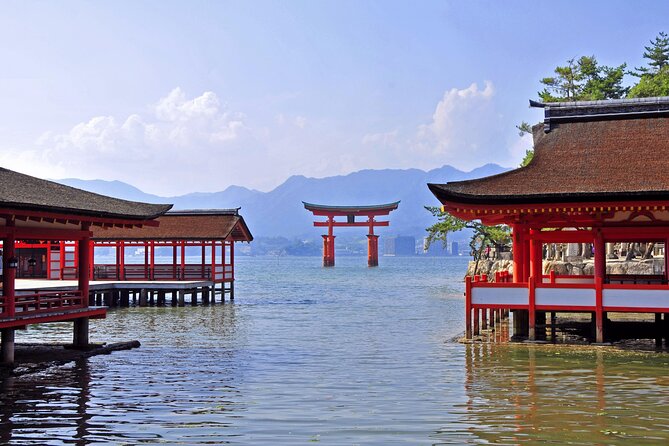
Then you shift from Hiroshima’s memorial message to Miyajima’s iconic scenery. Your first Miyajima stop is Itsukushima Jinja. You get about 1 hour 10 minutes, and admission is included.
Yes, the big draw is the “floating shrine” look. You will see red buildings that seem to hover when the waterline is right, and that visual cue is why this shrine is one of Japan’s most recognizable images. But the deeper value is how the shrine sits within the island’s traditions, water, and tide rhythms, not just how it photographs.
Because you are on a guided schedule, you are not spending the whole hour trying to figure out where to go. You arrive with a clear plan for the main viewpoints and you get enough time to slow down when you want to.
If you are the type who reads every sign, great. If you are more “look first, understand after,” this still works because your guide’s explanations give the scene a backbone.
Ferry views and Miyajima Omotesando shopping street time
Getting to Miyajima is part of the magic here. There is a ferry route from Hiroshima to Miyajimaguchi, and the tour is timed so you can take pictures of the Great Torii from a close vantage point on the ferry.
That matters because the Torii is often photographed from angles that feel far away. Here, the ferry positioning gives you a better photo line, and it also turns transit into sightseeing. You are not stuck waiting on a bench, you are actively watching the scenery change as you approach Miyajima.
Once you are on the island, you also get free time at Miyajima Omotesando Shopping Street for about 1 hour. This is your chance to browse without stress. It is also where you can snack if you want something light before heading back, as long as you follow the tour’s rule about not bringing your own food and drinks into the restaurant stops.
One word of advice: use that hour to buy small items rather than planning a full shopping mission. The time is generous enough to enjoy, but the day is still long. Think “browse and pick one or two things,” not “shop like it’s a mall marathon.”
The Indian curry lunch, with a smart vegetarian option
Lunch is Indian curry, and it can be changed to a vegetable option. The key detail is timing and communication: you need to inform the provider about allergies or dietary restrictions when you book, and they note that menu changes on the day of the tour are not accommodated.
So if you have a dietary need, treat it as a booking step, not a last-minute fix. That saves stress and makes sure you actually get the meal you expect.
Why I think this lunch choice works on this itinerary: after Hiroshima memorial stops, you want comfort food that is filling but not fussy. Curry fits the bill. It also gives you a chance to reset your energy before you head back into scenic walking and photo time on Miyajima.
One small rule to plan for: the tour asks you to refrain from bringing your own food and drinks into the restaurant. That is normal for organized meal stops, but it does affect what you pack.
A quieter way to spend a day in Kyoto
Group size and comfort: what max 20 really means
This is not a private tour. It is shared with other guests, and the group size is capped at 20 travelers. In practice, that number keeps the day feeling organized without turning it into a cattle-car situation.
You also get mobile ticketing, which is a convenience if you prefer having everything on your phone rather than digging through paper confirmations.
The bus is air-conditioned, and that is a big deal for a 12-hour itinerary. You are spending meaningful time in transit, and comfortable air-conditioning keeps the day from feeling like a slog.
There is still a reality check though: this is a schedule-driven tour. If you want to linger forever at one viewpoint, you might feel the time pressure. The solution is simple. Linger with intention. Give yourself 5 extra minutes when you can, then trust the plan the rest of the time.
Price and value: why $280.16 can make sense here
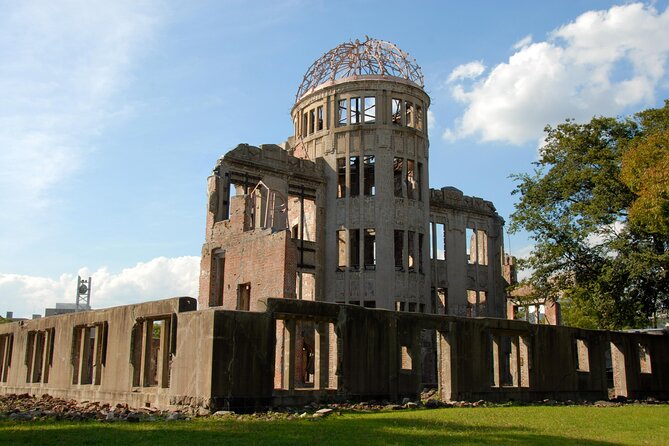
At $280.16 per person, this is not a budget outing. The question is what you are paying for, and here the value is tied to structure.
You are getting:
- a full-day guided route across Hiroshima and Miyajima
- ferry-based sightseeing time that includes Torii photo access
- included admissions at the Peace Memorial Museum and Itsukushima Shrine
- Indian curry lunch with a vegetable substitution option
- an organized flow from stop to stop without having to coordinate connections yourself
If you tried to cobble this together solo, you would spend time solving transport timing, figuring out museum entry logistics, and juggling all the pacing. You would also be more likely to arrive at key spots rushed. Paying for a guide is partly paying for the emotional respect and timing, not just transportation.
Is it worth it for everyone? Only if you like a plan. If you want to free-roam, you might find the price hard to justify. If you want a guided day that covers the big essentials well, the inclusions do make the cost feel more reasonable.
Should you book this Hiroshima and Miyajima 1 day tour?
I would book it if you want one well-run day that covers the major Hiroshima memorial stops and then rewards you with Miyajima’s postcard scenery. I especially recommend it if you value an engaging guide. Multiple guides were singled out for being funny, engaging, and effective at explaining the meaning behind what you see, including guides named Azura, Joe, and Yuko.
I would think twice if you hate long days or you prefer total independence. This is guided, paced, and built around specific time windows. Also, if you strongly dislike museum crowds, you should expect a busy setting at the Peace Memorial Museum during school-heavy periods.
If you do book: bring comfortable shoes, plan to be present during the memorial sites, and if you have dietary restrictions, request them at booking. Do those two things, and your day will feel smoother and more meaningful.
FAQ
How long is the Hiroshima and Miyajima day tour?
The tour duration is about 12 hours.
What is included in the lunch?
Lunch is Indian curry. A vegetable option is available, but you need to request it when you book, especially if you have allergies or dietary restrictions.
Are tickets included for the main attractions?
Yes. The Hiroshima Peace Memorial Museum and Itsukushima Shrine have admission included. The Atomic Bomb Dome stop lists free admission.
Will I ride a ferry to Miyajima?
Yes. The route includes a ferry from Hiroshima to Miyajimaguchi, and you can take pictures of the Great Torii from the nearest ferry location.
Is this a private tour?
No. It is a group tour, and the maximum group size is 20 travelers.
What if the Peace Memorial Museum is closed?
If the Peace Memorial Museum is closed, the itinerary may change to another peace memorial facility.
How do I get my ticket?
You receive a mobile ticket.
When do I get confirmation after booking?
Confirmation is received within 48 hours of booking, subject to availability.
New This Season
- Koyasan Day Trip by Private Car from Kyoto
- Old Port Town and Ultimate Sake Tasting Private Tour From Kyoto
- Kyoto’s Timeless Charm: 3hr Exploration of History and Peace
- Kyoto: 5 Types of Sushi Making
- Sacred Peak & Ancient Paths: Kurama-Kibune Hiking Experience
- Kyoto: Exclusive ZEN practice at Manpukuji temple in Uji
- Kyoto: Private Seasonal Aroma Yoga Class
- Traversing Kyoto’s Scenic West – Arashiyama to Kinkakuji
Lunch Experiences, compared.

Bike Tour Exploring North Kyoto plus Lunch
Read our review →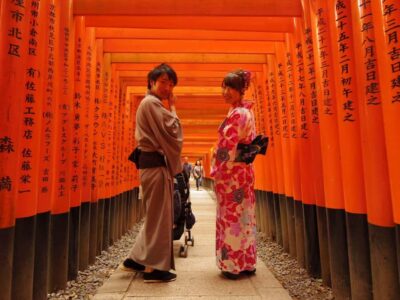
Arashiyama, Nara & Fushimi Inari Shrine w/Lunch
Read our review →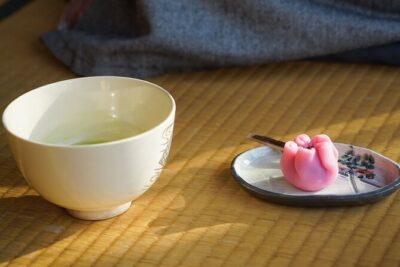
Kyoto Zen Meditation & Garden Tour at a Zen Temple with Lunch
Read our review →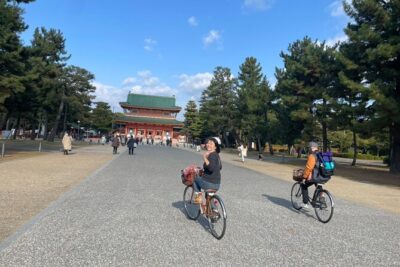
4.5-Hour Kyoto Bike Tour with Lunch and UNESCO Zen Temples
Read our review →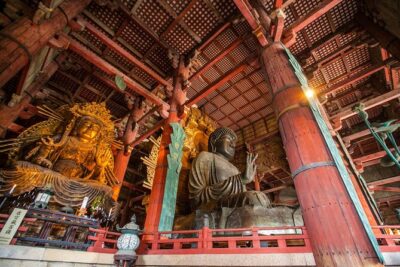
Nara History Guided Half Day Bus Tour with Lunch
Read our review →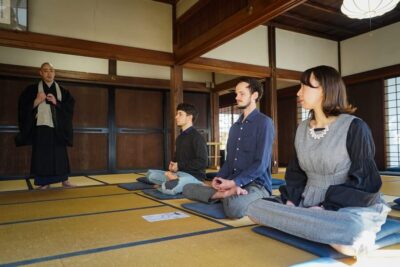
Zen Meditation and Garden Tour at a Temple with Lunch
Read our review →
Full-Day City Highlights Bike Tour with Light Lunch
Read our review →
Also filed under