Reviewed · GION GEISHA QUARTER WALKS
Kyoto: Lunch or Dinner with Maiko
Maiko in Kyoto are a rare kind of magic. In a focused 90-minute lunch or dinner, you get close-up time with a Maiko, plus an on-the-spot Q&A that turns a performance into a real conversation. The main catch is the setting, it is not an ochaya-style house, so you should expect a more straightforward room in a building.
I really like that the experience mixes culture and food without feeling like a lecture. You watch a tea ceremony demonstration, then enjoy dinner made with Kyoto staples like dashi, the flavorful soup stock that shows up all over the cuisine. One practical thing to keep in mind, there is no elevator, so you will be taking stairs to reach the venues.
In This Review
- Key things to know before you go
- Maiko lunch or dinner, why it feels personal fast
- Getting to the venue near Gojo Station, stairs and timing matter
- Tea ceremony demonstration, and how the option changes your experience
- Kyoto dinner that leans on dashi and Shidashi
- Q&A with a Maiko, what to ask for better answers
- Photo beside the Maiko, Senjyafuda and the last little moment
- Two traditional dances plus an interactive game, the best part
- When Geiko shows up instead, manage expectations kindly
- Price and seats, is it worth $63 for 90 minutes?
- Best fit, who will love this and who might not
- Final verdict: should you book Kyoto: Lunch or Dinner with Maiko?
- FAQ
- FAQ
- Where is the meeting point for Kyoto: Lunch or Dinner with Maiko?
- How long is the Maiko lunch or dinner experience?
- What does the schedule include during the 90 minutes?
- Can I add tea ceremony experience or tea making?
- Do I get to take a photo with the Maiko?
- What if a Geiko attends instead of a Maiko?
- Is the venue an ochaya or traditional house?
- Is there English support during the program?
- Are there stairs to reach the venue areas?
- What is the child policy?
Key things to know before you go
- Close photo moment right beside the Maiko, plus a lucky charm called Senjyafuda
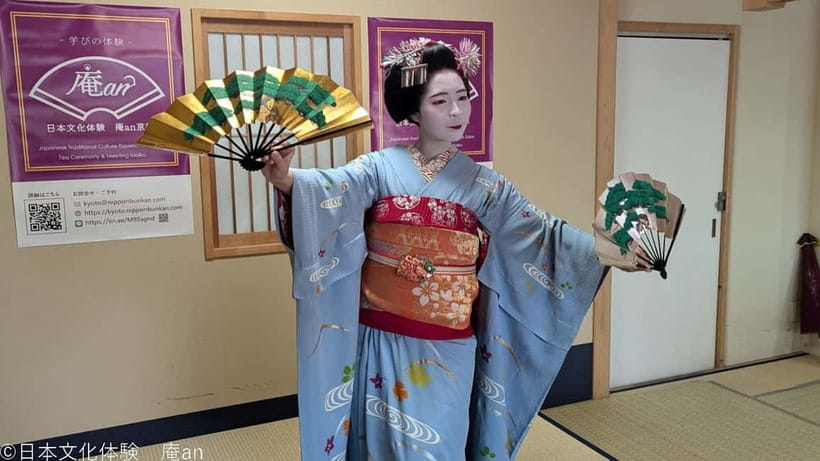
- Two Maiko dances that reflect seasonal themes, love stories, or everyday life
- Q&A time where you can ask questions directly and learn about daily routines and tradition
- Tea ceremony focus, with an option to add tea-making if you want hands-on participation
- Interactive game segment where guests may join, or cheer along
- Dinner is traditional Kyoto style, with strong use of dashi and a Kyoto ordering style called Shidashi
Maiko lunch or dinner, why it feels personal fast
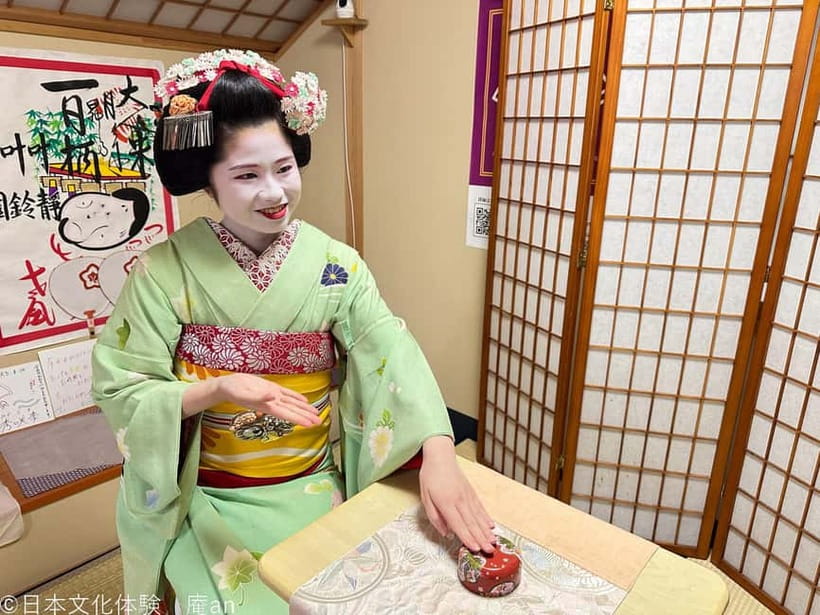
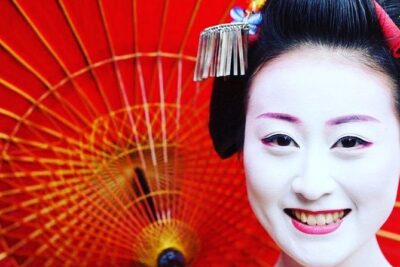
This is one of those Kyoto experiences that earns its value by creating proximity. You are not just sitting somewhere far back. You see the Maiko up close during multiple moments of the program, including the photo time and the Q&A.
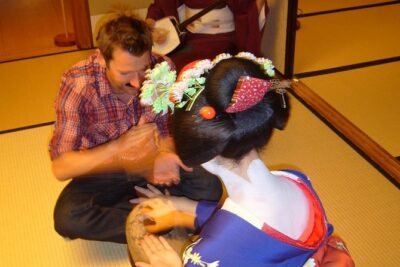
What I like most is that the show is only part of it. The program is built around the idea that Maiko are living tradition, not costume characters. That comes through in the way the tea ceremony etiquette is shown, then followed by your chance to ask questions about daily routines, kimono details, and what it takes to keep these arts going.
You also get a clear structure to anchor everything, it starts with tea ceremony demonstration, then dinner, then your conversation time, and the cultural show moves after that. If you like experiences where you know what is coming next, this one is easy to follow.
Getting to the venue near Gojo Station, stairs and timing matter
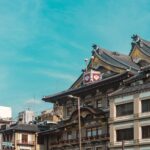
The meeting point is simple: it is a one-minute walk from Exit 1 of the Subway Karasuma Line Gojo Station. The entrance faces Gojo-dori, so you should be able to spot it without lots of wandering.
Plan for stairs. There is no elevator in the building, and you will need to take stairs to reach each venue. That is the biggest physical consideration for this experience.
Then there is timing. The event cannot be held to accommodate delays. If you are the type who likes to arrive late just to absorb the neighborhood atmosphere, adjust that here. Give yourself extra buffer time so you can check in and settle before the program starts.
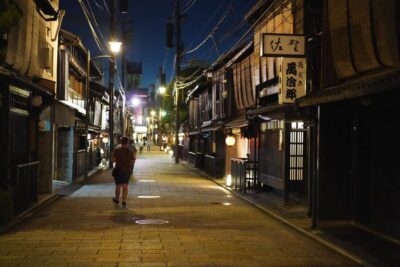
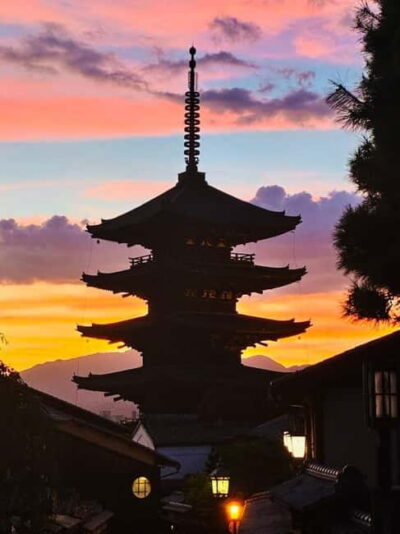
Lantern-lit streets of the geisha quarter
- Kyoto Geisha Walking Tour: Gion District & Hidden Gems
★ 4.7 · 3,273 reviews - Kyoto: Gion Magical Night Walking Tour with Geisha Trivia
★ 4.9 · 2,393 reviews - Kyoto: Gion Geisha District Walking Tour – Stories of Geisha
★ 4.7 · 2,187 reviews - Best of Kyoto: Gion, Geisha, Pagodas & Cobblestones
★ 4.9 · 2,058 reviews
Tea ceremony demonstration, and how the option changes your experience
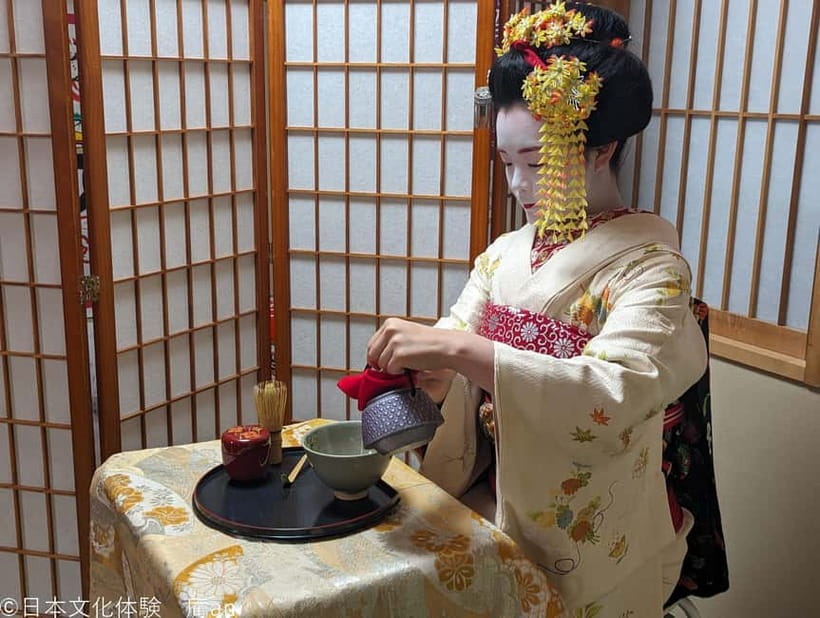
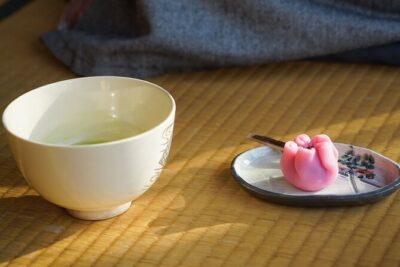
The program begins with a tea ceremony demonstration by the Maiko. You get to watch the graceful movements and etiquette up close, not as a passing performance. It is the kind of segment that helps you understand why Kyoto takes ceremony so seriously, because it is controlled and intentional, down to how the motions communicate respect.
If you want to do more than watch, there is an optional tea ceremony experience to add for 1,600 JPY. The key is that the option is offered for people who want to actively participate, so you are choosing between a straightforward observation experience and something more hands-on.
Also note the language setup. English translation is provided as much as possible, and if you want it, you can contact the provider to add it. That matters for Q&A and for understanding the tea ceremony context, since the program language is Japanese.
Kyoto dinner that leans on dashi and Shidashi
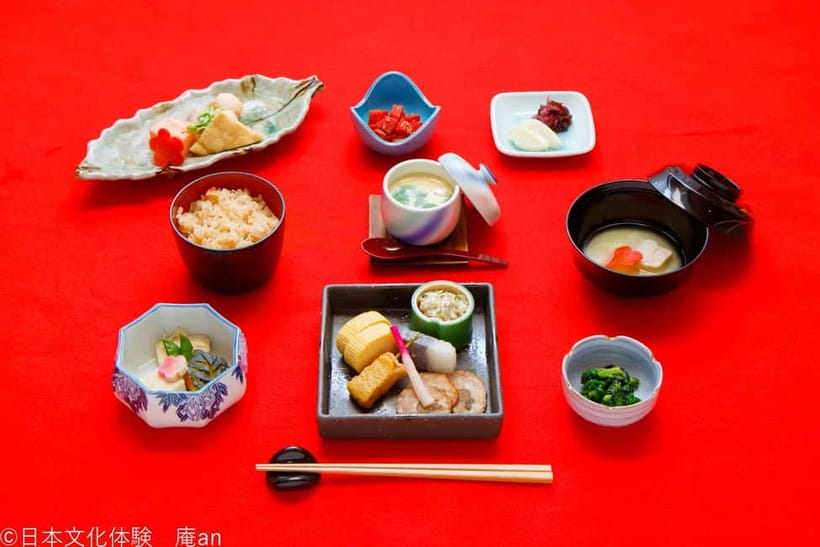
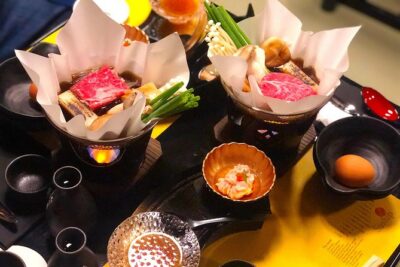
Dinner is prepared by a long established Kyoto restaurant, and it is traditional Kyoto cuisine. Dashi, soup stock, is used a lot, which is a good sign if you like dishes where flavor comes from careful broth rather than heavy sauces.
The program also reflects a Kyoto ordering style called Shidashi, which is commonly used in Kyoto as a delivery practice that stays true to tradition. What that means for you is that the meal feels integrated into the local rhythm rather than looking like generic restaurant service.
That said, the food has the most mixed feedback. Some people appreciated the traditional nature. Others felt the meal was less satisfying compared with the show and interaction. So my advice is this: treat the meal as part of the cultural package, not as a main-food “destination dining” moment. You will get more value from the Maiko time, tea ceremony, and performance than from hunting for fine dining thrills.
Q&A with a Maiko, what to ask for better answers
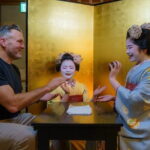
This is where the experience earns its emotional payoff. After the dinner portion, you get a Q&A session. You ask questions directly, and you get insight into her world, including daily life and the tradition behind the arts.
In practical terms, it helps to come with a few clear questions so you do not freeze when it is your turn. You do not need to be formal, just be specific. Questions about kimono, training, seasonal performance themes, or how the daily routine works can lead to better answers than broad questions like what is Kyoto.
I also like that the program is designed to help you feel like you stepped into a hidden world. That is not just marketing language. The Q&A and the way the program flows from tea ceremony into conversation make it easier to connect the performance to real life.
Photo beside the Maiko, Senjyafuda and the last little moment
Then comes the photo opportunity. You take a commemorative photo right beside the Maiko. This is the practical part of the experience where you get a clear memory that does not depend on guessing whether someone was smiling at the right time.
You also receive a gift. The Maiko presents you with a lucky charm called Senjyafuda. It is a small detail, but it gives the experience an ending that feels personal, like you left the program with something that belongs to that moment.
If you are a photographer, consider how you will position yourself during the photo time. Because the photo is close, it is easier than some shows where you only get a distant shot. You might still want to keep your phone settings ready, since time is limited.
Where to eat once the sun sets

Two traditional dances plus an interactive game, the best part
After the photo segment, you move into Maiko’s dance performance. You get to closely look at two elegant dances. The themes can express Japan’s seasons, love stories, or everyday life.
Dance is a big part of why people book this program, and it is consistently the highlight. The reviews lean strongly toward the dance experience and the charm of the Maiko presence, with one booking noting that a Geiko attended as well. Even when the lineup changes, the point stays the same, you are watching refined movement built around tradition.
Next is an interactive game segment. Maiko often play simple games with guests as part of their hospitality. Volunteers are welcome, but watching is also fun. The best way to enjoy this part is to treat it like friendly stage participation. If you join, you may feel a little pressure, but it is also a fast way to break the ice with the performers.
If you want a smooth experience, arrive ready to be playful for a short period. This is not a quiet, sit-and-watch show the whole time.
When Geiko shows up instead, manage expectations kindly
The program notes that depending on the situation, they may invite Geiko instead of Maiko. One review specifically mentioned a Geiko attending, which suggests this swap is real and can happen.
So here is the expectation-setting advice: book because you want Kyoto traditional performing arts and that close cultural interaction. The performer may be Maiko or Geiko, but the tone of the experience is still built around performance, tea ceremony etiquette, and conversation.
Also remember the venue is not an ochaya or traditional Japanese house. It is located in a building with a relaxed atmosphere and friendly staff. If you are expecting movie-set authenticity in the room design, you might feel slightly let down. The experience is about the people and the performance, not the decor.
Price and seats, is it worth $63 for 90 minutes?
The listed price is $63 per person, and the duration is 90 minutes. For that time window, you are getting a lot bundled in: dinner with a traditional Kyoto restaurant, a tea ceremony demonstration, Q&A with a Maiko, close photo time, Senjyafuda gift, two dances, and an interactive game.
That is why the value can be strong. Many Kyoto “culture shows” charge similar money for just one performance. Here, you get multiple contact points with the performer.
One detail to consider is seating. The price includes dinner with Maiko, but options affect where you sit:
- Tea ceremony option: 1,600 JPY
- SS seat (first row): 3,300 JPY
- S2 seat (second row): 2,200 JPY
- S3 seat (third row): 1,100 JPY
If you care a lot about seeing fine movements clearly during the dances, pay attention to the seat option. First row is usually worth it for dance-focused experiences where facial expressions and hand details matter.
If you are mainly there for conversation and Q&A, seating might matter a bit less, but it still improves your comfort.
Best fit, who will love this and who might not
I think this works best for you if you:
- Want a more personal Kyoto experience, not just a passive show
- Like traditional arts and etiquette, especially tea ceremony style movements
- Enjoy interaction, Q&A, and a short game segment
- Want photos up close with the performer and a tangible souvenir
You might feel less happy if:
- You are expecting a fully traditional room like an ochaya house
- You are very food-focused and need a top-tier dining experience
- You need elevator access, since there is no elevator and stairs are required
Also, if you are traveling with kids, children under 2 can be free if they sit on their parents’ laps. If they need a seat or meal, the same fee as one person applies.
Final verdict: should you book Kyoto: Lunch or Dinner with Maiko?
Book it if you want Kyoto culture in a short, structured format where you get actual interaction. The Q&A, the close photo time, the two dances, and the lucky charm Senjyafuda are the core reasons this experience works, and they tend to land well because they put you in the performer’s world rather than keeping you at a distance.
Skip or rethink if you mainly want a beautiful traditional room or a high-end dining centerpiece. The venue is in a building, and while the atmosphere is relaxed, some people have felt the room setup is more basic than expected. And the meal, while traditional and dashi-forward, can be hit or miss compared with the show.
FAQ
FAQ
Where is the meeting point for Kyoto: Lunch or Dinner with Maiko?
It is a one-minute walk from Exit 1 of the Subway Karasuma Line Gojo Station. The store entrance faces Gojo-dori.
How long is the Maiko lunch or dinner experience?
The program is 90 minutes.
What does the schedule include during the 90 minutes?
You start with a tea ceremony demonstration, then enjoy traditional Kyoto dinner prepared by a long established restaurant, followed by a Q&A session, a photo with the Maiko, a Senjyafuda gift, two-dance performance, and then a short chatting time before you depart.
Can I add tea ceremony experience or tea making?
Yes. There is an option to add the tea ceremony experience for 1,600 JPY. If you would like to make your own tea, you can add the option by contacting them.
Do I get to take a photo with the Maiko?
Yes. There is a commemorative photo right beside the Maiko, and she presents you with a Senjyafuda as a special gift.
What if a Geiko attends instead of a Maiko?
The program notes that depending on the situation, they may invite Geiko instead of Maiko. The experience is still focused on traditional arts, including performance and interaction.
Is the venue an ochaya or traditional house?
No. It is located in a building, but it offers a relaxed atmosphere and friendly staff.
Is there English support during the program?
English translation is provided as much as possible. If you want to add English translation, you should contact them.
Are there stairs to reach the venue areas?
Yes. There is no elevator in the building, and you will need to take stairs to reach each venue.
What is the child policy?
Children under 2 years old are free if they sit on their parents’ laps. If a seat or meal is required, the same fee as one person will be charged.
Lunch in Kyoto

Sit-Down Dining in Kyoto
New This Season
- Koyasan Day Trip by Private Car from Kyoto
- Old Port Town and Ultimate Sake Tasting Private Tour From Kyoto
- Kyoto’s Timeless Charm: 3hr Exploration of History and Peace
- Kyoto: 5 Types of Sushi Making
- Sacred Peak & Ancient Paths: Kurama-Kibune Hiking Experience
- Kyoto: Exclusive ZEN practice at Manpukuji temple in Uji
- Kyoto: Private Seasonal Aroma Yoga Class
- Traversing Kyoto’s Scenic West – Arashiyama to Kinkakuji
Gion Geisha Quarter Walks, compared.
Kyoto Geisha Walking Tour: Gion District & Hidden Gems
Read our review →
Gion Magical Night Walking Tour with Geisha Trivia
Read our review →
Gion Geisha District Walking Tour – Stories of Geisha
Read our review →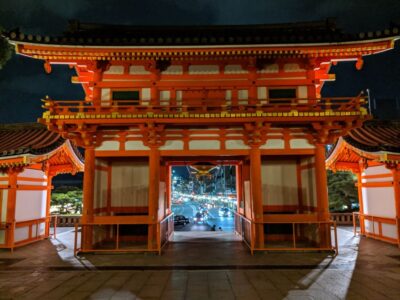
Best of Kyoto: Gion, Geisha, Pagodas & Cobblestones
Read our review →

Kyoto Night Foodie Tour in Gion (9+ dishes + 6 Sake tastings)
Read our review →
Kyoto Gion Geisha District Walking Tour – The Stories of Geisha
Read our review →