Reviewed · GION GEISHA QUARTER WALKS
Kyoto Gion Cultural Walk & Geisha Show with Dining Options
Kyoto’s Gion feels like a different century in motion. This tour strings together a guided walk through historic streets with a 45-minute meeting and dance show featuring an apprentice geisha. I like how the route is built to teach you the story behind what you see, from kabuki origins to Shinto and Zen sites, not just where to take pictures. I also like the small-group pace and the Q&A time, which helps the culture make sense fast. One caution: if you select a dining option, meal size and value can be a make-or-break detail, so read what’s included before you go.
You’ll start at the Statue of Izumo-no-Okuni near Kawabatacho, and you’ll be guided through famous Gion streets like Hanamikoji. The experience is capped at a maximum of 9 travelers, and the guides (including people like Ken, Akari, and Kenta) are frequently praised for how respectful and responsive they are. If you have leg problems, the walking portion may be a concern.
In This Review
- Key things to know before you book
- A Gion night with context, not just costumes
- How the day turns into a geisha show (without getting lost)
- The itinerary, stop by stop: what each place teaches you
- Statue of Izumo-no-Okuni: where kabuki’s story starts
- Minamiza Theater: architecture plus theater evolution
- Gion Shirakawa: learning the district layout and the vibe
- Tatsumi-jinja Shrine: Shinto in plain language
- Hanamikoji Street: the main street with real-life etiquette
- Kennin-ji Temple: Zen Buddhism built in 1202
- Zenkyoan (Marishitendo): boar guardians and luck
- The geisha meeting and show: what to expect in those 45 minutes
- Guides, group size, and why the experience feels human
- Price and value: what you’re paying for
- Dining options: good, mixed, and worth checking carefully
- Practical tips so the night goes smoothly
- Should you book it? My honest take
- FAQ
- How long is the Kyoto Gion cultural walk and geisha show?
- What does the tour include?
- Where does the tour start and where does it end?
- Is temple admission included at Kennin-ji and Zenkyoan?
- How many people are in the group?
- What happens if the weather is bad?
Key things to know before you book
- A compact 3-hour program that pairs sightseeing with access to an apprentice geisha dance show
- Small group size (up to 9), which makes it easier to ask questions and keep things unrushed
- A guided route that explains the why, not just the what, across kabuki, Shinto, and Zen
- 45-minute meet and show format, with one or two songs plus time for Q&A
- Temple entry fees may not be included at certain stops like Kennin-ji and its subtemple
- Dining value can vary depending on the specific option you choose
A Gion night with context, not just costumes
Gion is famous for geiko and maiko, but it’s also easy to miss the bigger picture when you’re wandering on your own. What I like about this experience is that the guide builds context as you walk, so the geisha world doesn’t feel like a mystery you watch from the outside. You get cultural framing before the main event, which makes the dance, the etiquette, and the Q&A land better.
The second big win is the human scale. With a maximum of 9 people, it doesn’t feel like you’re part of a roaming tour herd. That smaller group helps the guide keep track of questions and helps you actually listen during the meeting and performance.
How the day turns into a geisha show (without getting lost)
The tour is designed as a guided loop that makes you move through Gion’s key landmarks with less guesswork. You start at the Statue of Izumo-no-Okuni in Higashiyama Ward and end in a different location, which is typical for experiences that finish at a show venue.
You’ll spend about 1.5 to 2 hours in the Gion district walking with commentary, then shift into a 45-minute geisha meeting and show with an apprentice dancer. This timing matters because it avoids the common problem of doing the show too early, then not having the cultural background to understand it.
Also, the logistics are usually low-friction. You get a mobile ticket, it’s near public transportation, and the walking is structured with planned stops and short breaks between them.
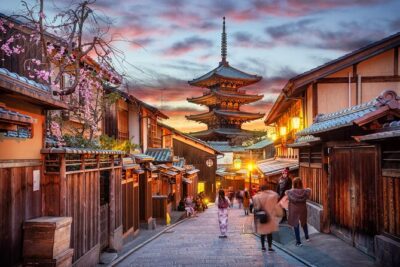
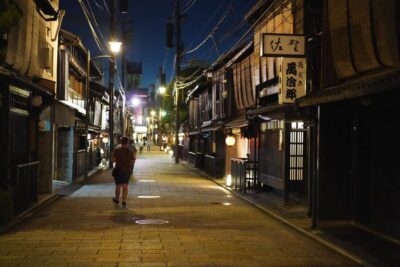
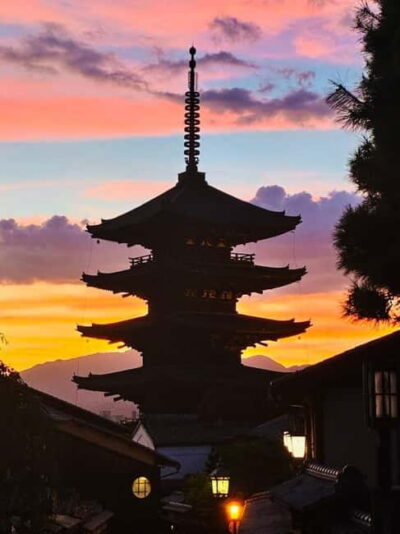
Lantern-lit streets of the geisha quarter
- Kyoto Geisha Walking Tour: Gion District & Hidden Gems
★ 4.7 · 3,273 reviews - Kyoto: Gion Magical Night Walking Tour with Geisha Trivia
★ 4.9 · 2,393 reviews - Kyoto: Gion Geisha District Walking Tour – Stories of Geisha
★ 4.7 · 2,187 reviews - Best of Kyoto: Gion, Geisha, Pagodas & Cobblestones
★ 4.9 · 2,058 reviews
The itinerary, stop by stop: what each place teaches you
The route has a nice trick: it connects the arts and beliefs behind Kyoto’s performance culture. You’re not just seeing locations, you’re collecting mini lessons that link together by the end of the evening.
Statue of Izumo-no-Okuni: where kabuki’s story starts
Your first stop is the Statue of Izumo-no-Okuni, a figure tied to kabuki’s early history. The key takeaway here is the beginning of kabuki being performed by women, even though today kabuki is typically performed by men. It’s a short stop, but it changes how you look at the rest of the arts in Kyoto.
If you like theater history, this first leg gives you a satisfying foundation before the Gion district appears on the horizon.
Minamiza Theater: architecture plus theater evolution
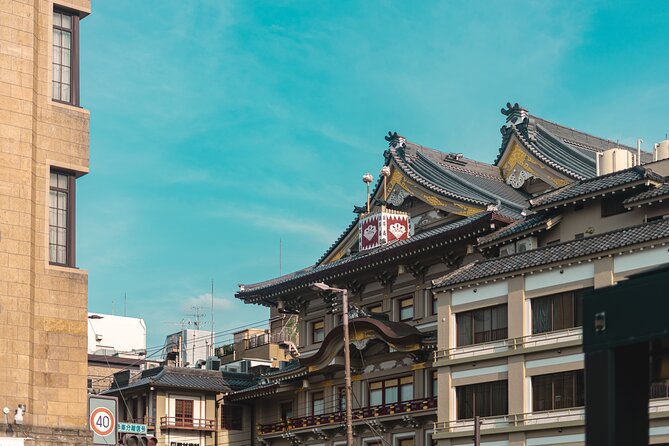
Next up is Minamiza Theater, known for its older architecture and its place in kabuki culture. You’ll also hear a story about how VR and kabuki have been connected in modern times. Even if you’re not a tech person, it’s a good moment to think about how traditional arts stay alive by finding new ways to reach people.
This stop is brief, so keep your expectations realistic. It’s more about context and orientation than a full theater visit.
Gion Shirakawa: learning the district layout and the vibe
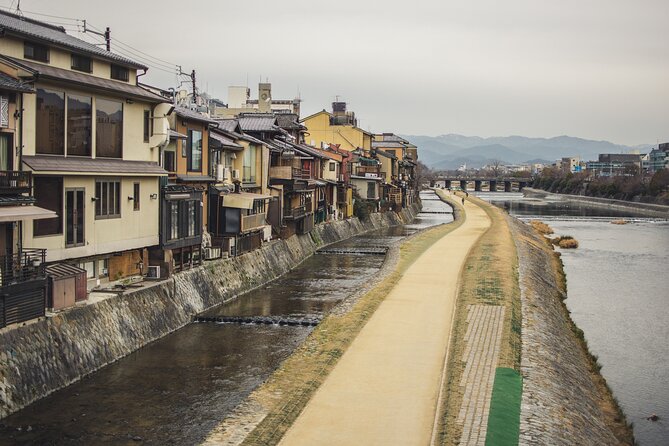
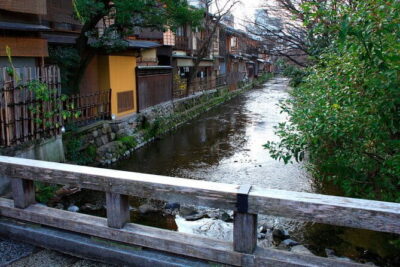
Then you enter Gion Shirakawa, described as the largest geisha district called Gion, with its most beautiful section along the riverside. This is where the tour starts to feel like a scene from a storybook, with old-fashioned streets, traditional buildings, and theater-related landmarks.
This is also a key cultural beat. The commentary focuses on the mysterious geisha traditions of the area, so you’re hearing what the terms and customs mean before you meet an apprentice.
If you’re the type who likes to understand street geography, pay attention here. It helps you recognize what you’re seeing later when you look around on your own.
Where to eat once the sun sets

Tatsumi-jinja Shrine: Shinto in plain language
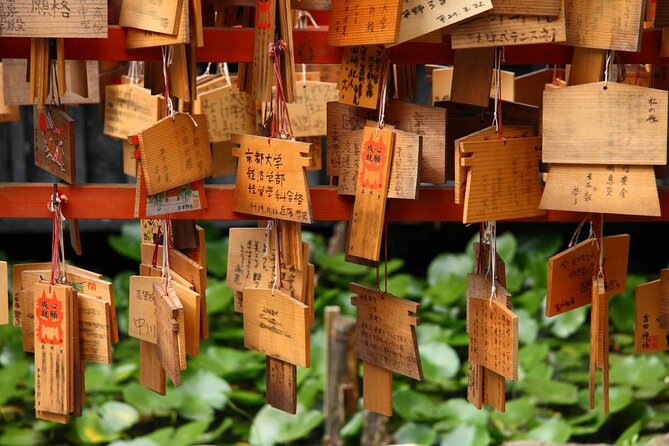
At Tatsumi-jinja Shrine, you’ll talk about Shinto, described as Japan’s native religion, with the idea that there are said to be eight million gods. The stop is short, but the aim is to give you a working sense of why shrines and rituals show up in everyday life, and why they matter to cultural practice.
This can be a surprisingly useful stop, because many Kyoto visitors focus only on temples when the religion landscape is broader than that.
Hanamikoji Street: the main street with real-life etiquette
Hanamikoji is Gion’s main street, and the guide will tell you what to look for if you happen to see geisha walking around. You’re not promised sightings, but you’ll understand what you’re seeing when the moment happens.
This is also a good point to remember that these are real working streets. Keep your voice down, watch for pedestrian flow, and follow the guide’s cues on where to stand and when to move.
Kennin-ji Temple: Zen Buddhism built in 1202
Kennin-ji Temple is next, with Zen Buddhism as the theme. The tour notes the temple was built in 1202, and that date gives you a sense of how long this spiritual tradition has been shaping parts of Kyoto.
One practical catch: the admission for Kennin-ji is not included. You’ll want a little cash or payment method ready in case you decide to enter the temple area as part of the stop.
Zenkyoan (Marishitendo): boar guardians and luck
Finally, you reach Zenkyo-an, a subtemple connected to Kennin-ji known for boar guardians, luck, and safety. This is the kind of stop that makes the tour feel alive, because it adds local folklore and symbolism rather than only big-picture explanations.
Like Kennin-ji, admission for this stop is not included. Again, bring the basics so you’re not stuck deciding mid-walk.
The geisha meeting and show: what to expect in those 45 minutes
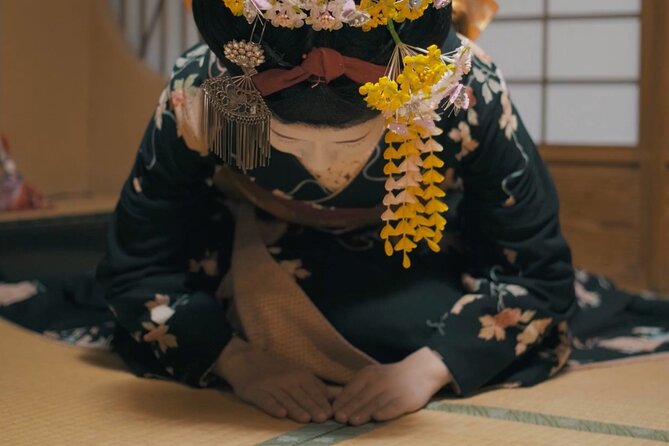
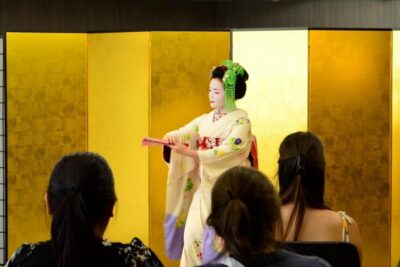
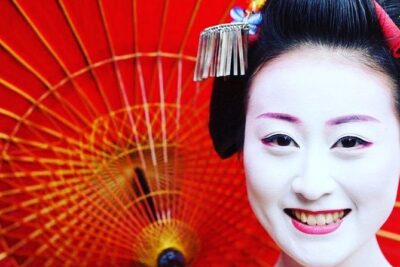
The main event is a meeting and show with an apprentice geisha, typically described as an apprentice geisha dance with one or two songs. The performance is followed by a Q&A, which is where the value really sharpens.
This format matters. A lot of performances are one-direction entertainment, but here you get a chance to ask questions. That can clear up misconceptions quickly, especially when the guide translates and sets context first.
Many guests highlight that the meeting feels respectful and personal, and that the guide acts as a cultural buffer. If you have a short list of thoughtful questions, have them in your head before you sit down. You’ll get more out of the time.
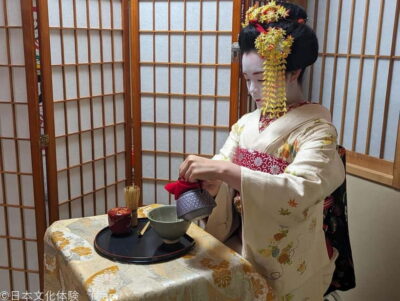
A few guests also mention tea as part of the end experience. It’s not listed in the core included details, so consider it a bonus that may happen depending on the session.
Photo rules are a practical consideration too. Some guests report there are restrictions on sharing photos on social media, so it’s smart to ask your guide what’s okay during the meeting.
Guides, group size, and why the experience feels human
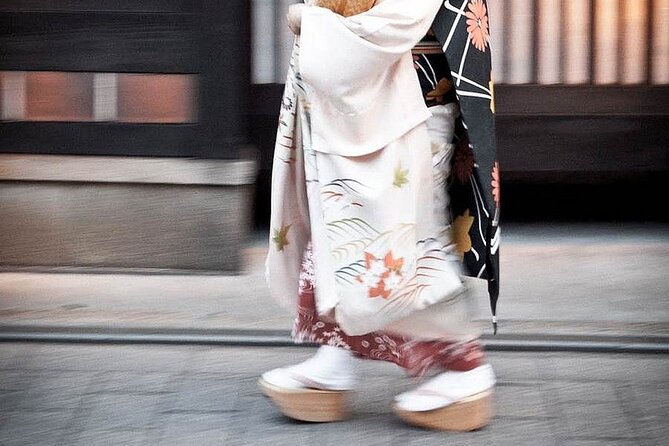
One repeated theme in the feedback is how guides handle people and questions. Names like Ken, Akari, and Kenta come up often, and the praise is not just about facts. It’s about tone, patience, and how the guide keeps things culturally respectful.
It also helps that the group is small. With up to 9 people, you’re more likely to feel included, even if you’re traveling solo. Several reviews also mention guides taking extra care when weather turns rough, including coming prepared for rain and cold conditions.
If you like conversation during tours, this one fits that style. The dance show and Q&A setup naturally invites questions, and the guide’s job is to make the cultural meanings understandable.
Price and value: what you’re paying for
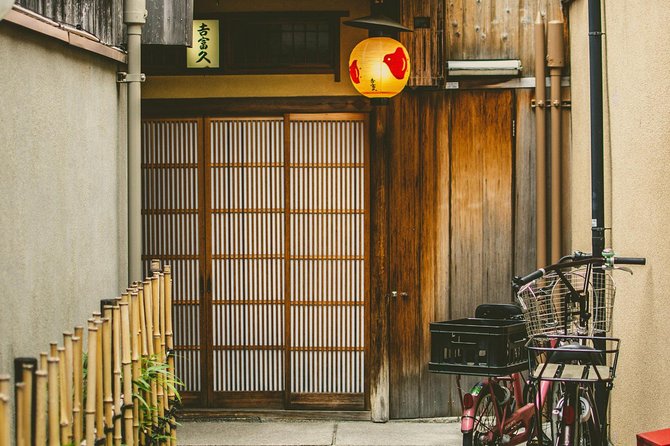
At $121.37 per person for about 3 hours, this isn’t a budget-only walking tour. But you’re paying for a mix that’s hard to DIY cleanly in Gion: guided interpretation plus scheduled access to a geisha meeting and dance performance.
Here’s the value math I’d do in your shoes:
- You get a structured Gion walk with commentary that covers multiple cultural layers, so you’re not paying only for a single photo moment.
- You’re getting a 45-minute encounter and performance component that many travelers would struggle to arrange independently.
- Stops include free admission tickets for some key sights, while a couple temple entrances are not included.
So the price feels most reasonable if you care about the cultural framework and the Q&A. If your main goal is simply walking beautiful streets, you might find cheaper self-guided options. But if you want the meaning behind the geisha world, the guided format is where the money goes.
Dining options: good, mixed, and worth checking carefully
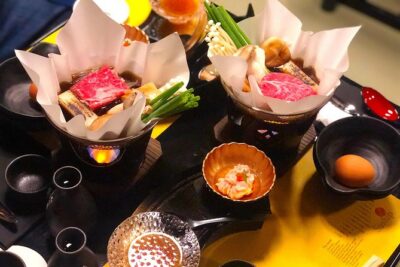
The tour title mentions dining options, and guest comments include meal experiences described as family-style with options for dietary restrictions, as well as descriptions of delicious quality food. But there is also at least one unhappy note about dinner value, where the meal felt too small for the price.
That tells me the big rule for you: confirm exactly what dining includes for your booked option. If your ticket lists dinner, check whether it’s a full meal, a set menu, or something more snack-like. If you’re picky about portion size, choose the option with the clearest description of what you’ll receive.
In other words, don’t assume every dining add-on equals the same amount of food value.
Practical tips so the night goes smoothly
Gion evenings can involve uneven walking, crowds in some spots, and weather swings. This experience itself is marked as not recommended for travelers with leg problems, so honestly evaluate your comfort level before booking.
A few practical ideas based on what’s been described:
- Wear comfortable shoes with grip. Temple and shrine areas often involve steps and uneven pavement.
- Bring a light layer. Some guests mention guides providing cold towels and cold drinks when weather got unpleasant.
- Plan to stay flexible with timing. The tour ends in a different location from where it starts.
- Keep an eye on photo rules. If you’re hoping to share photos, ask early what is allowed during the meeting and performance.
If you’re traveling with kids, older relatives, or anyone with limited stamina, the small group can help, but the walking still adds up. Choose accordingly.
Should you book it? My honest take
Book this tour if you want more than a Gion stroll and you care about understanding the arts, belief systems, and traditions behind the geisha world. The combination of a guided route, the structured Q&A, and the apprentice dance show is a strong “cultural meaning” package for Kyoto.
Skip or rethink if you mainly want a low-cost walk, or if you’re budgeting tightly and dining add-ons are part of your decision. Also, if you have mobility issues, the walking format is a real concern.
If you do book, I’d do one thing before you go: check the specific option you purchased, especially anything related to meals, and go in prepared to ask questions during the Q&A. That’s where this experience tends to turn from interesting to memorable.
FAQ
How long is the Kyoto Gion cultural walk and geisha show?
The experience is about 3 hours.
What does the tour include?
It includes 1.5 to 2 hours of guiding in Gion, plus a 45-minute geisha meeting and show with an apprentice geisha dance with one or two songs.
Where does the tour start and where does it end?
The tour starts at the Statue of Izumo-no-Okuni in Higashiyama Ward, Kyoto. It ends in a different location.
Is temple admission included at Kennin-ji and Zenkyoan?
Admission for Kennin-ji Temple and Zenkyoan is not included.
How many people are in the group?
The maximum group size is 9 travelers.
What happens if the weather is bad?
The experience requires good weather. If it’s canceled due to poor weather, you’ll be offered a different date or a full refund.
More Show in Kyoto

Sit-Down Dining in Kyoto
New This Season
- Koyasan Day Trip by Private Car from Kyoto
- Old Port Town and Ultimate Sake Tasting Private Tour From Kyoto
- Kyoto’s Timeless Charm: 3hr Exploration of History and Peace
- Kyoto: 5 Types of Sushi Making
- Sacred Peak & Ancient Paths: Kurama-Kibune Hiking Experience
- Kyoto: Exclusive ZEN practice at Manpukuji temple in Uji
- Kyoto: Private Seasonal Aroma Yoga Class
- Traversing Kyoto’s Scenic West – Arashiyama to Kinkakuji
Gion Geisha Quarter Walks, compared.
Kyoto Geisha Walking Tour: Gion District & Hidden Gems
Read our review →
Gion Magical Night Walking Tour with Geisha Trivia
Read our review →
Gion Geisha District Walking Tour – Stories of Geisha
Read our review →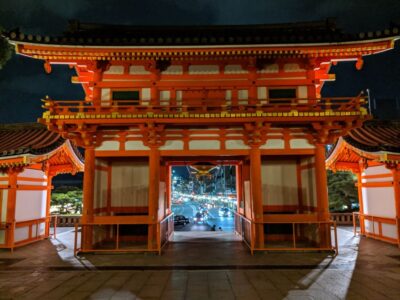
Best of Kyoto: Gion, Geisha, Pagodas & Cobblestones
Read our review →

Kyoto Night Foodie Tour in Gion (9+ dishes + 6 Sake tastings)
Read our review →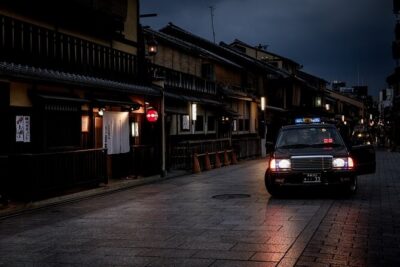
Kyoto Gion Geisha District Walking Tour – The Stories of Geisha
Read our review →