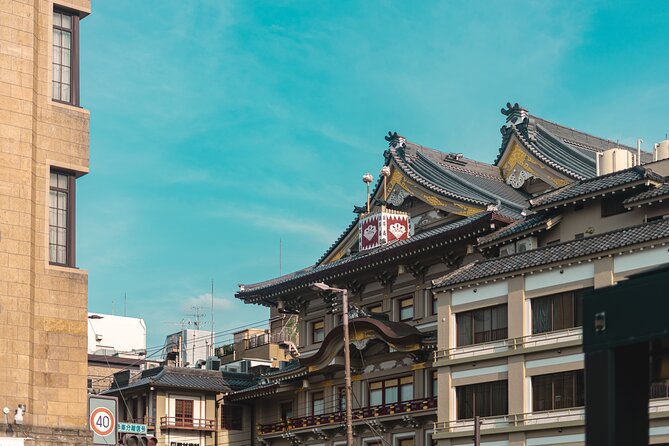
Reviewed · GION GEISHA QUARTER WALKS
Kyoto Gion Cultural Walk & Geisha Show with Dining Options
Gion gets personal fast. This Kyoto walk takes you into the geisha world with a live Maiko performance and time to talk culture face-to-face.
I particularly love how the tour turns a famous district into a real, human story, not a movie fantasy.
The tour is built for close, thoughtful interaction. I like the small group size (up to 8), because you can actually hear explanations and ask questions without shouting over crowds.
One thing to consider: the included meals are presented as a cultural experience with smaller portions, so plan your appetite accordingly if you get hungry easily.
In This Review
- Key things that make this Gion experience worth your time
- From Izumo-no-Okuni statue to Gion streets that feel lived-in
- The 1.5-hour Gion walk: history, rituals, and what people get wrong
- Miyagawasuji dance show: watching the craft unfold
- The Maiko meeting: Q&A, songs, and respectful closeness
- Photos and etiquette
- How to get the most from Q&A
- Tea, lunch, or dinner: choosing the right meal for your mood
- Lunch option (Japanese lunch plate)
- Tea break option (cup of tea)
- Dinner option (shared dinner plates with 8 foods)
- Group size, timing, and practical tips that save your trip
- What to bring (and what not to)
- Who should be cautious
- When to go
- Communication before you go
- Price and value: why $108 can feel fair here
- Should you book this Kyoto Gion Geisha Cultural Walk and Maiko Show?
- FAQ
- How long is the tour?
- Where do I meet the guide?
- What meal options are available?
- What happens during the Maiko meeting?
- Is this tour in English and is it a small group?
- Is free cancellation available?
Key things that make this Gion experience worth your time
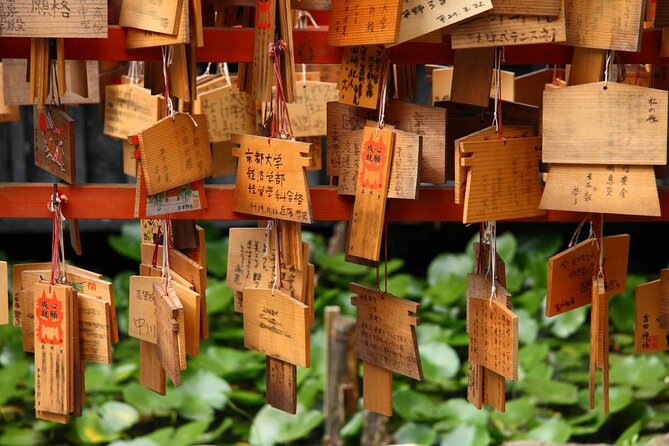
- Start in the right place at the Izumo-no-Okuni statue near Keihan Gion Shijo Station exit 4
- A focused Gion walk (about 1.5 hours) that explains how the tradition works day to day
- A 50-minute Maiko meeting with Q&A plus a short performance of one or two songs
- A traditional dance show at Miyagawasuji, Kyoto, timed as part of the flow
- Food that matches the moment: lunch plate, tea break, or a shared dinner set with 8 different foods
- English guidance with a guide who helps keep things respectful in the community
From Izumo-no-Okuni statue to Gion streets that feel lived-in
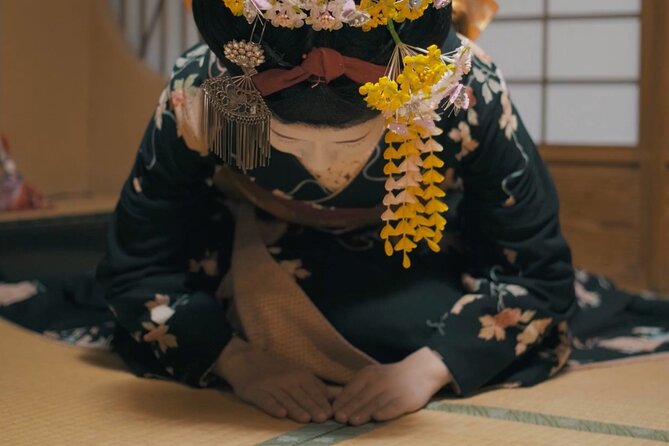
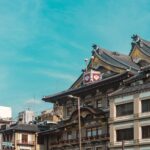
The experience begins at the Statue of Izumo-no-Okuni, near exit 4 of Keihan Gion Shijo Station. That matters more than it sounds, because it puts you inside the neighborhood fast, without the usual tourist scramble.
Then you head into Gion, the famous district associated with geiko and maiko arts. The walk is set up so you notice the small clues in the streets, not just the big postcard sights. You’ll get a sense of how this neighborhood manages visitors while still functioning as a community.
Guides like Kenta or Akari (you may be assigned one of them) tend to set expectations early. That helps you enjoy the walk without accidentally doing something rude or noisy in a residential-heritage area.
The 1.5-hour Gion walk: history, rituals, and what people get wrong
The first chunk is a guided stroll through Gion, roughly 1.5 hours. This is where you learn how the tradition works beyond the Hollywood stereotypes.
You can expect your guide to explain:
- living traditions and lifestyle rhythms
- history and the roles tied to geiko and maiko culture
- rituals and the nuances that outsiders often miss
- the difference between the words people toss around (like geisha, geiko, maiko, and related terms)
What I like about this part is that it helps you look at details with sharper eyes. You’re not just passing buildings. You’re learning what to notice, so the district starts making sense instead of feeling like a stage set.
Pace is kept manageable for a small group. One review called it a moderate pace, and that matches how you should approach this kind of tour: wear comfortable shoes, because you’re walking a real neighborhood.
Also, you’ll get gentle guidance on etiquette. Several people specifically mentioned that their guide made sure the group stayed respectful and did not disrupt the community. That makes the tour feel less like a sightseeing product and more like a cultural conversation.
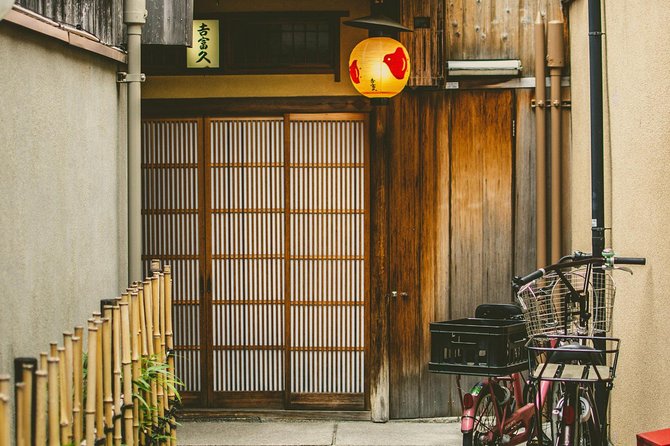
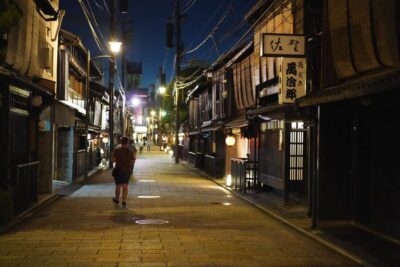
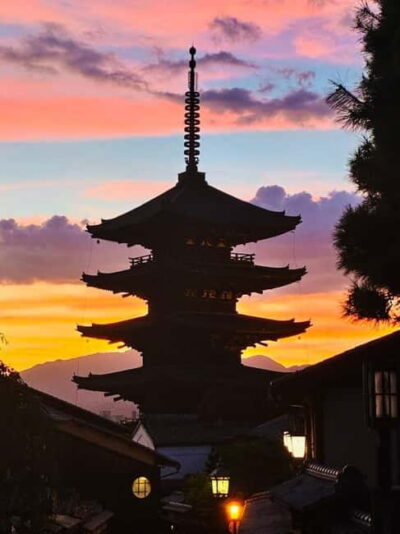
Lantern-lit streets of the geisha quarter
- Kyoto Geisha Walking Tour: Gion District & Hidden Gems
★ 4.7 · 3,273 reviews - Kyoto: Gion Magical Night Walking Tour with Geisha Trivia
★ 4.9 · 2,393 reviews - Kyoto: Gion Geisha District Walking Tour – Stories of Geisha
★ 4.7 · 2,187 reviews - Best of Kyoto: Gion, Geisha, Pagodas & Cobblestones
★ 4.9 · 2,058 reviews
Miyagawasuji dance show: watching the craft unfold
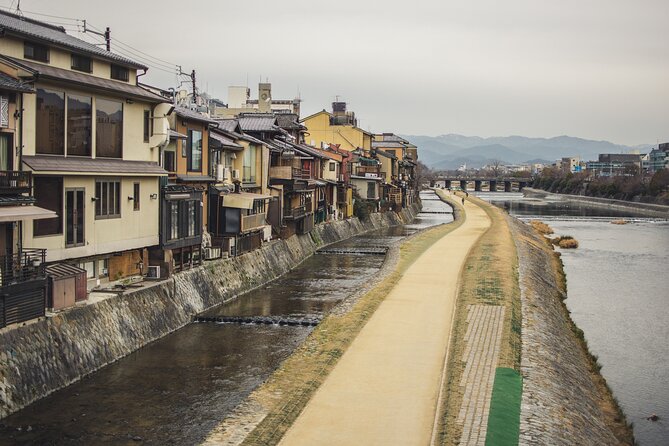
Next comes the traditional dance show at Miyagawasuji, Kyoto, another 1.5 hours. This is a different feeling than walking.
Here, you shift from noticing details in the street to paying attention to performance technique, timing, and presentation. You’ll watch in a setting that’s built for viewing, with the tour flow guiding you into what you should pay attention to.
The best part of this section, if you’re curious about how Japanese performing arts communicate, is that it turns the earlier explanations into something you can actually see. The tour is doing double duty: teaching you the context on the sidewalk, then validating that context on stage.
If you’re the type who likes to take mental notes while you watch, this is a good place to do it. Ask your guide a question during the performance window if timing allows, because the tour is designed around interaction, not silent observation only.
The Maiko meeting: Q&A, songs, and respectful closeness
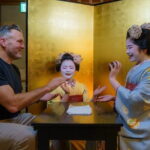
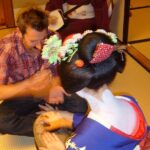
The heart of the experience is the Maiko meeting, set for about 50 minutes. This is not just a photo moment.
You get:
- a Q&A session where you can ask questions about culture and daily life in training
- a performance segment with one or two songs
This is where the tour earns its reputation. Multiple people called it the privilege part, the part they’ll remember long after Kyoto’s temples blur together.
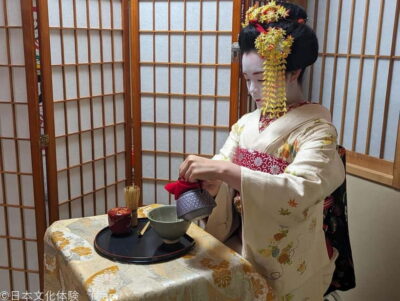
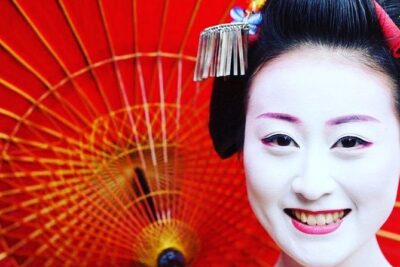
The Maiko’s role as an apprentice matters here. You’re meeting someone in training, so the conversation tends to feel grounded in discipline and practice, not just performance glamour. People also mentioned that the Maiko’s elegance, poise, hair, and kimono details were striking up close.
Photos and etiquette
You may be allowed to take pictures during the meeting. At the same time, you might be asked not to share photos online. If that happens, follow it. It’s part of the respect built into the experience.
How to get the most from Q&A
Bring one or two clear questions instead of ten broad ones. Examples that fit what’s explicitly supported include:
- what training is like as a maiko apprentice
- how tradition shapes everyday behavior
- what misconceptions you think visitors should stop believing
Your guide can help you frame questions so they make sense and keep the tone respectful.
Where to eat once the sun sets

Tea, lunch, or dinner: choosing the right meal for your mood
The tour includes food, but you choose your version. That’s a big deal, because timing changes the vibe of the whole experience.
Lunch option (Japanese lunch plate)
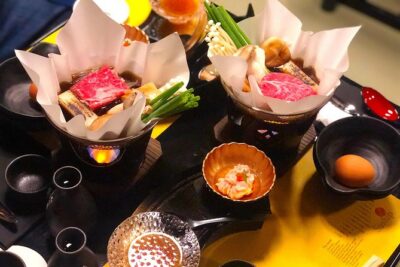
If you select lunch with the geisha at 10:30AM, you get a Japanese lunch plate. Reviewers described lunch as very good, and one person said the portion was not huge, which is common for a set meal designed to be tidy and easy to enjoy during an event.
So treat lunch as part of the cultural flow, not as your main “I must refuel” stop.
Tea break option (cup of tea)
If you choose the 14:30PM tea break, you get a cup of tea. One review specifically mentioned orange tea, so you might get a tea presentation that feels a little playful and memorable.
This option tends to be best if you don’t want a full meal at midday, or you prefer lighter pacing.
Dinner option (shared dinner plates with 8 foods)
For the 18:30PM dinner option, you’ll have dinner-sharing plates featuring 8 different foods. Several people mentioned this felt like a structured, multi-course Japanese dinner experience, often described as kaiseki style in the way it’s served.
Again, you should expect smaller courses, not a giant heap of calories. But it’s a very Kyoto way to eat, and you’re dining as part of the experience, not as an afterthought.
Group size, timing, and practical tips that save your trip
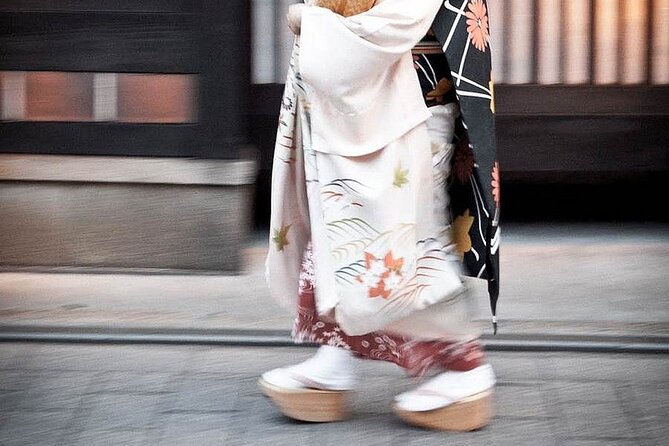
This is a small-group tour limited to 8 participants, with an English live guide. That size is the difference between getting a real conversation and just hearing the main points over a crowd.
What to bring (and what not to)
- Wear comfortable shoes for walking in Gion.
- Avoid bringing luggage or large bags, because they’re not allowed.
Who should be cautious
The experience is not suitable for people with mobility impairments. That’s important to know up front, because it’s built around walking and moving between spots.
When to go
Some guides and guests noted it can be nicer to do this during daylight hours. If you get uncomfortable walking in heat or if evenings feel crowded for you, lean toward the lunch or tea timing options.
Communication before you go
One review mentioned the guide communicating over WhatsApp a day or two in advance. You should expect some form of pre-trip contact, but exact methods are not guaranteed. Still, it’s worth keeping an eye on your messages after booking.
Price and value: why $108 can feel fair here
At $108 per person for about 3 hours (roughly 210 minutes), the value comes from what’s bundled, not from a single highlight.
You’re paying for:
- a guided Gion walk (about 1.5 to 2 hours, depending on the flow)
- a traditional dance show at Miyagawasuji (about 1.5 hours)
- a Maiko meeting with Q&A plus a short performance
- food, depending on whether you choose lunch, tea, or dinner
If you tried to piece this together on your own, you would likely spend time hunting for the right timing and the right kind of cultural access, then pay separately for performance entry and dining.
Also, the small group size is part of the value. In a crowded district, that kind of attention is what turns a tour into an actual learning experience.
Should you book this Kyoto Gion Geisha Cultural Walk and Maiko Show?
Book it if you want:
- a guided walk that explains what you’re seeing
- a real chance to ask questions during a Maiko meeting
- a performance experience paired with context
- a smaller group setting where you can hear answers
Skip it if:
- you need a big, hearty meal with lots of food volume
- you have mobility limitations that make walking difficult
- you prefer sightseeing without etiquette guidance or structured interaction
If you’re curious about Japanese performing arts and you like learning by asking questions, this tour is one of the more direct ways to understand Gion beyond photos. The combination of Gion street education plus the Maiko meeting is the selling point, and it’s what makes the evening, lunch, or tea break feel like a real cultural moment rather than a quick stop.
FAQ
How long is the tour?
The experience runs about 3 hours, or 210 minutes.
Where do I meet the guide?
Meet in front of the Statue of Izumo-no-Okuni near exit 4 of Keihan Gion Shijo Station.
What meal options are available?
You can choose lunch, a tea break, or dinner. Lunch includes a Japanese lunch plate. The tea option includes a cup of tea. The dinner option includes shared plates with 8 different foods.
What happens during the Maiko meeting?
The meeting is about 50 minutes and includes a Q&A session plus a Geisha performance with one or two songs.
Is this tour in English and is it a small group?
Yes. The guide is English-speaking, and the group is limited to 8 participants.
Is free cancellation available?
Yes. You can cancel up to 24 hours in advance for a full refund.
More Show in Kyoto

Sit-Down Dining in Kyoto
New This Season
- Koyasan Day Trip by Private Car from Kyoto
- Old Port Town and Ultimate Sake Tasting Private Tour From Kyoto
- Kyoto’s Timeless Charm: 3hr Exploration of History and Peace
- Kyoto: 5 Types of Sushi Making
- Sacred Peak & Ancient Paths: Kurama-Kibune Hiking Experience
- Kyoto: Exclusive ZEN practice at Manpukuji temple in Uji
- Kyoto: Private Seasonal Aroma Yoga Class
- Traversing Kyoto’s Scenic West – Arashiyama to Kinkakuji
Gion Geisha Quarter Walks, compared.
Kyoto Geisha Walking Tour: Gion District & Hidden Gems
Read our review →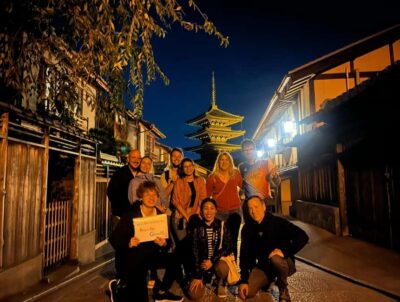
Gion Magical Night Walking Tour with Geisha Trivia
Read our review →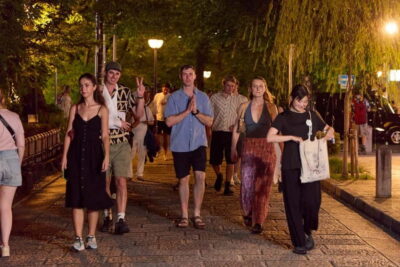
Gion Geisha District Walking Tour – Stories of Geisha
Read our review →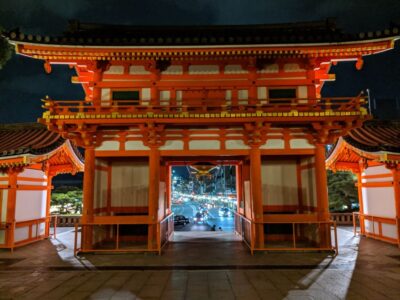
Best of Kyoto: Gion, Geisha, Pagodas & Cobblestones
Read our review →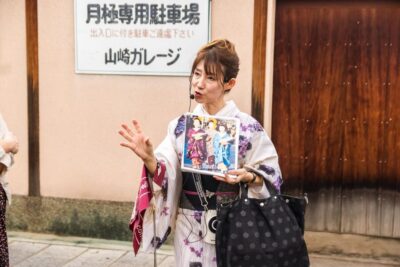

Kyoto Night Foodie Tour in Gion (9+ dishes + 6 Sake tastings)
Read our review →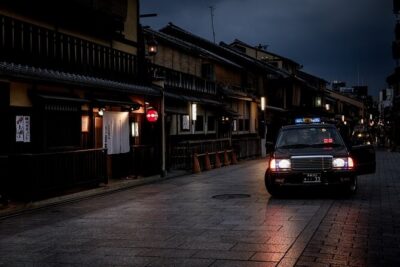
Kyoto Gion Geisha District Walking Tour – The Stories of Geisha
Read our review →