
Reviewed · TEMPLE & SHRINE VISITS
Kyoto: 1,001 Kannon Statues at Sanjūsangen-dō Temple
A quiet hall packed with gold. This guided visit to Sanjūsangen-dō turns Kyoto’s statue wall into a story you can actually follow, with the focus on 1,001 Kannon and why the number 33 matters. You get expert context for the layout, symbolism, and what you’re looking at, not just a quick walkthrough.
I especially like how the tour makes the scale readable, with 1,000 life-sized golden Kannon statues arranged in rows across five tiers, plus the massive Thousand-Armed Kannon at the center. The main drawback is practical: no photography is allowed inside, so plan on using your eyes and the guide’s explanations, not your camera.
You’ll also get a tight, efficient format that fits cleanly into a Kyoto day. It is about 1 hour 30 minutes, includes an admission ticket, and ends back where you start near public transport, which is nice when your day is already full.
In This Review
- Key Things That Make This Tour Worth Your Time
- Sanjūsangen-dō, the 33 Ken Hall, and Why It Matters
- Inside the Hall: What You Actually See in 1,500-ish Minutes of Attention
- Your Stop at Sanjūsangen-dō: How the 1.5-Hour Visit Flows
- When you arrive at the temple
- The guided walkthrough, centered on meaning
- The “gold wall” moment
- Price and Value: Is $101.50 Worth It?
- No-Photo Inside: A Rule That Can Actually Help
- Meeting Point, Getting There, and Staying on Schedule
- Who This Kyoto Kannon Tour Fits Best
- Should You Book This Sanjūsangen-dō Kannon Tour?
- FAQ
- How long is the Kyoto Sanjūsangen-dō tour?
- How much does the tour cost?
- Is admission included?
- What will I see at Sanjūsangen-dō?
- Does the tour explain the meaning behind the number 33?
- Can I take photos inside the temple hall?
- Where do I meet for the tour?
- Is this tour private?
- Is there a mobile ticket?
- What is the cancellation policy?
Key Things That Make This Tour Worth Your Time
- 1.5-hour guided focus on what the statues mean, not just what they look like
- Five tiers of life-sized Kannon plus the central Thousand-Armed Kannon you cannot miss
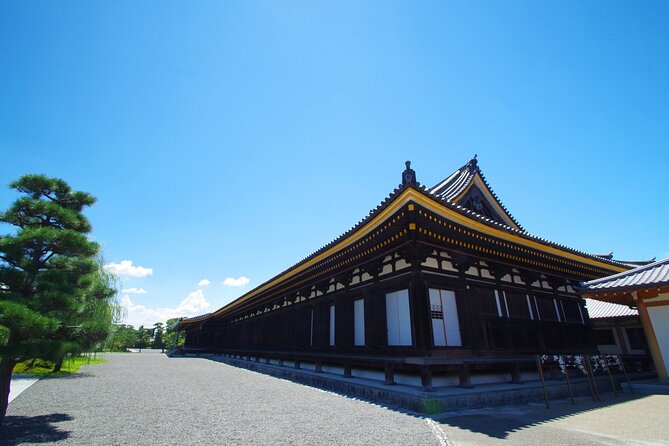
- The hall name linked to 33 ken (about 60 meters), so you can visualize the architecture
- No photo inside, which forces you to pay attention to details the guide points out
- Private tour format, so your group stays together for the full visit
Sanjūsangen-dō, the 33 Ken Hall, and Why It Matters
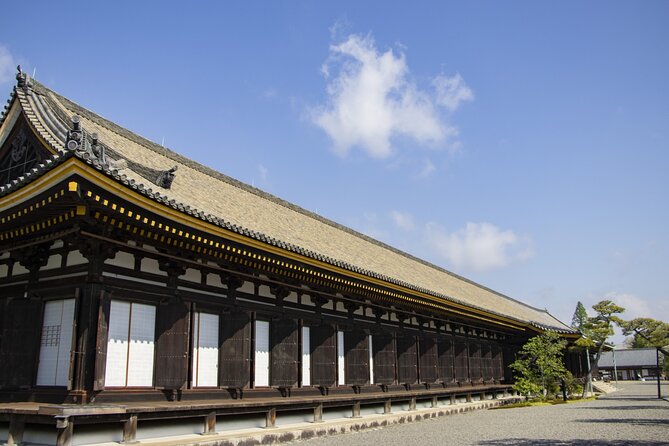
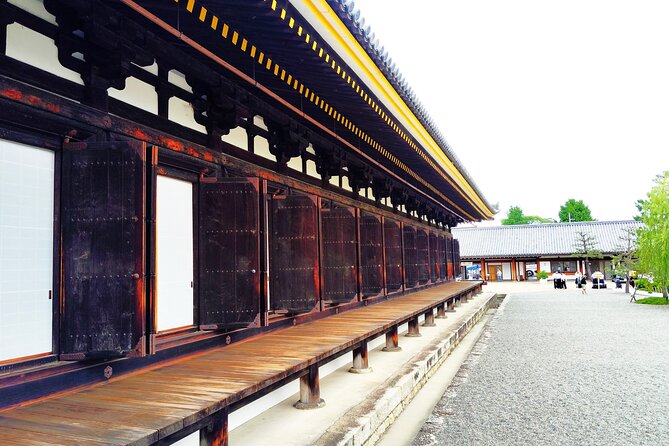
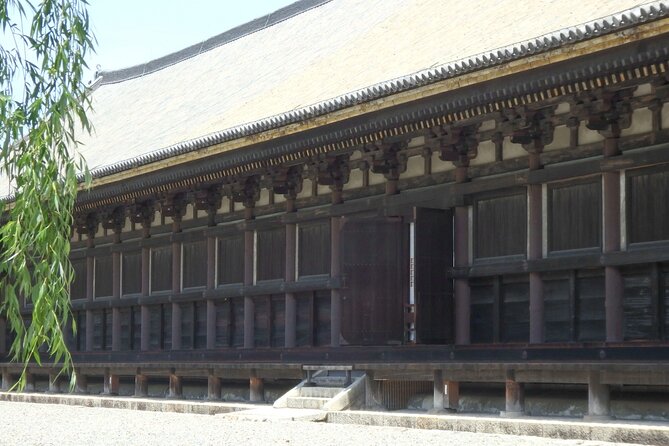
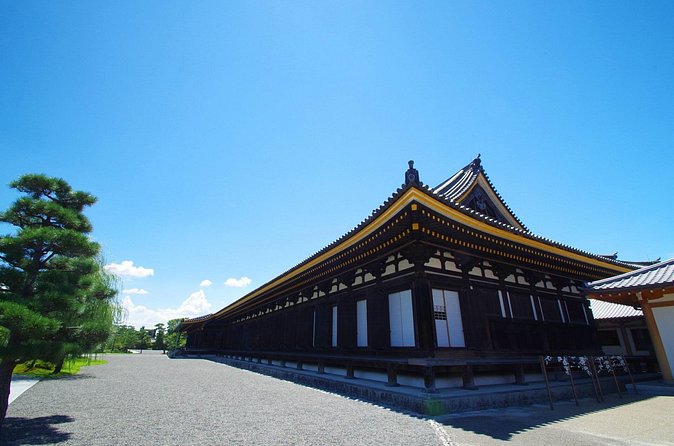
Sanjūsangen-dō is one of those Kyoto places where the building itself helps you understand the purpose. The name refers to the hall’s length: 33 ken, roughly 60 meters. That one fact changes how you picture what is inside, because you stop thinking of this as one “room” and start imagining a long viewing space designed for repeated rows and procession-like sightlines.
What I find compelling here is the way the tour connects the physical space to the religious meaning. You are not just staring at gold figures. You’re learning about the purpose behind the collection, including the significance of the number 33 and the origins of the structure as explained by the guide. Even if you do not know much Buddhism going in, that structure helps you interpret the visual language.
Also, this is a temple experience that feels different from the more common Kyoto highlights. You get a very controlled, almost visual-math kind of wonder: repeated figures, strong symmetry, and a central focal point. If you like art-historical logic and religious symbolism more than scenic views, this format tends to click fast.
Inside the Hall: What You Actually See in 1,500-ish Minutes of Attention
Once you are inside, the main scene is simple to describe, and hard to forget. You have 1,000 life-sized golden Kannon arranged in perfect rows across five tiers. Then, in the middle, there is a large, commanding Thousand-Armed Kannon statue.
That arrangement is the whole point. The rows make you scan left to right, up and down. The tiers pull your attention through space like a slow-moving wave. And the central figure gives you an anchor so you always know where to return when your eyes need a rest.
A guide matters here. Without one, you might admire the gold and symmetry and still miss the “why.” With the guided explanations, you learn what the statues represent, why this many figures were assembled, and how the number 33 connects to the hall’s identity. That turns the visit from impressive into meaningful.
More rooftops worth a detour
- Kyoto: Tea Ceremony Ju-An at Jotokuji Temple
★ 4.9 · 3,207 reviews - Arashiyama Bamboo, Temple, Monkeys, or Secret Sake Brewery
★ 4.8 · 886 reviews - Kyoto: Arashiyama Bamboo Forest, Monkeys, Matcha & Temple Tour
★ 5.0 · 759 reviews - Osaka/Kyoto: Arashiyama, Nara & Fushimi Inari Shrine w/Lunch
★ 4.4 · 754 reviews
Your Stop at Sanjūsangen-dō: How the 1.5-Hour Visit Flows
This tour is basically one focused stop: Sanjūsangen-dō. That is a good thing. It means you are not rushing between sites while your brain is still trying to absorb the first one.
When you arrive at the temple
You start at the entrance meeting point at 三十三間堂 参拝入場口 (Sanjusangendomawari) in Higashiyama Ward. Because the activity ends back at the same meeting point, you do not get a vague “follow the group somewhere else” feeling. You know where you will finish, which helps when you are planning the rest of your day.
The guided walkthrough, centered on meaning
Inside, the guide’s job is to translate the visual system into plain language. Expect the conversation to revolve around:
- why there are so many Kannon statues, and what Kannon symbolizes
- how the number 33 ties into the hall’s identity
- what the architecture and arrangement are doing symbolically
- why the central Thousand-Armed Kannon draws the eye
The key constraint is that photography is not allowed inside. That means the guide’s explanation becomes even more important, because you cannot pause and later zoom in on what you missed. So listen closely at the moments when the guide points out specific points of structure or meaning.
The “gold wall” moment
This is where the tour earns its reputation. The hall is visually intense. When you see 1,000 life-sized gold figures arranged in tiered rows, your brain does not process it as “statues,” it processes it as a designed spectacle. A compact 1.5-hour timing helps you keep that wonder while also staying sharp enough to understand what it represents.
A day of temples goes further with something to break it up.

Price and Value: Is $101.50 Worth It?
At $101.50 per person, the price is not a bargain price, but it can be solid value if you care about context. You are not just buying entry. The tour includes admission, a guide, and the guided explanations around the purpose of the 1,001 golden Kannon and the meaning behind 33.
Here is how I think about it when I’m deciding:
- If you would probably visit Sanjūsangen-dō anyway, paying for a guide can be worth it because this hall is built on symbolism. The value is in interpreting the arrangement.
- If you prefer self-guided temple wandering, you might feel the same awe without paying extra. But you will still be working without the guided explanation that makes the number 33 and the statues’ purpose feel less abstract.
- The private tour format can add value for families or groups who want a calm pace and fewer “wait, everyone line up” moments.
One more practical angle: it is commonly booked about 60 days in advance, so if you are visiting during a busy season, booking early can help you avoid awkward timing.
No-Photo Inside: A Rule That Can Actually Help
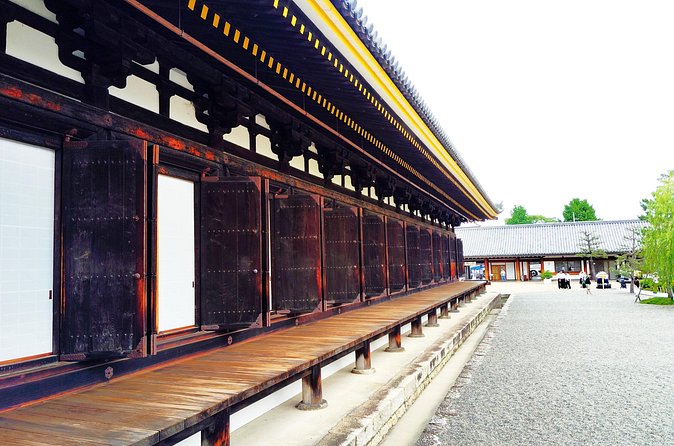
No photography inside might sound annoying if you love collecting images. But as a sightseeing strategy, it can work in your favor. When cameras are off-limits, you tend to look longer and notice more, because you are not constantly checking a screen.
It also changes how the guide’s talk lands. You are less tempted to treat the visit like a “capture first, understand later” mission. Instead, the explanations become the record you carry with you after.
Practical tip: go in expecting to rely on memory and your notes. If you like, bring something to jot down a few key points while the guide is explaining the significance of the hall length and the number 33.
Meeting Point, Getting There, and Staying on Schedule
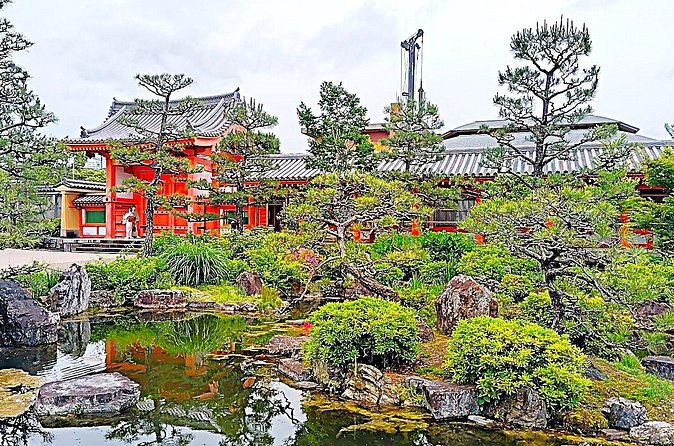
The tour meets at 三十三間堂 参拝入場口 (Sanjusangendomawari), Higashiyama Ward, Kyoto, 605-0941, Japan. It is also described as near public transportation, which matters in Kyoto where transit can save you a lot of time on foot.
Because it is private and ends back at the meeting point, it is easier to stitch into your day. You can plan your next stop without worrying about the group scattering across a huge area.
You will also receive confirmation at booking, and the tour uses a mobile ticket. That is helpful when you are juggling transit schedules and trying to keep your day organized.
Who This Kyoto Kannon Tour Fits Best
This experience tends to suit you if:
- You love temples but want more than a quick “see the highlights” loop
- You are curious about symbolism, especially the meaning behind the number 33
- You enjoy structured spaces where repetition is the feature, not a background detail
- You want a calmer, more focused visit in about 1.5 hours
It also works well if you are trying to balance your Kyoto day. Sanjūsangen-dō is a different flavor than many famous stops. The experience is less about scenery and more about visual and spiritual design.
If you dislike guided tours in general, you may still appreciate the statues, but you could miss the “why.” In that case, decide based on whether you want interpretation or pure freeform looking.
Should You Book This Sanjūsangen-dō Kannon Tour?
I’d book it if you want the most meaning out of a short Kyoto slot. The price is reasonable for what you get: a private 1.5-hour guided visit with admission, focused on the purpose of the gold Kannon statues and the symbolism behind 33. And the most praised part is straightforward: the golden statues are the star, and the tour helps you see them as more than decoration.
I would skip it if photography is your main way of enjoying temples, since you cannot take photos inside. Also skip it if you already know you prefer quiet self-guided temple time with minimal structure.
If you are on the fence, this is a good call for first-timers who want something unique, and for repeat Kyoto visitors who are tired of doing the same checklist again.
FAQ
How long is the Kyoto Sanjūsangen-dō tour?
It is approximately 1 hour 30 minutes.
How much does the tour cost?
The price is $101.50 per person.
Is admission included?
Yes, an admission ticket is included.
What will I see at Sanjūsangen-dō?
You will see the 1,000 life-sized golden Kannon statues arranged across five tiers, with a massive Thousand-Armed Kannon at the center.
Does the tour explain the meaning behind the number 33?
Yes. The guide covers the meaning behind the number 33 and the origins of the structure.
Can I take photos inside the temple hall?
No. Photography is not allowed inside.
Where do I meet for the tour?
The meeting point is 三十三間堂 参拝入場口 (Sanjusangendomawari), Higashiyama Ward, Kyoto, 605-0941, Japan.
Is this tour private?
Yes. Only your group participates.
Is there a mobile ticket?
Yes, the tour uses a mobile ticket.
What is the cancellation policy?
Free cancellation is available up to 24 hours in advance for a full refund. If you cancel less than 24 hours before the start time, you will not receive a refund.
New This Season
- Koyasan Day Trip by Private Car from Kyoto
- Old Port Town and Ultimate Sake Tasting Private Tour From Kyoto
- Kyoto’s Timeless Charm: 3hr Exploration of History and Peace
- Kyoto: 5 Types of Sushi Making
- Sacred Peak & Ancient Paths: Kurama-Kibune Hiking Experience
- Kyoto: Exclusive ZEN practice at Manpukuji temple in Uji
- Kyoto: Private Seasonal Aroma Yoga Class
- Traversing Kyoto’s Scenic West – Arashiyama to Kinkakuji
Temple & Shrine Visits, compared.
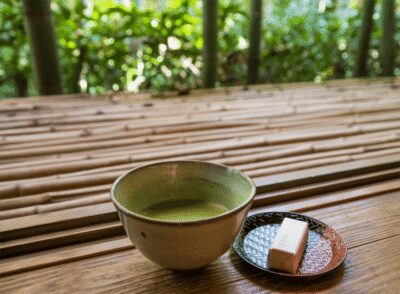
Arashiyama Bamboo, Temple, Monkeys, or Secret Sake Brewery
Read our review →
Arashiyama Bamboo Forest, Monkeys, Matcha & Temple Tour
Read our review →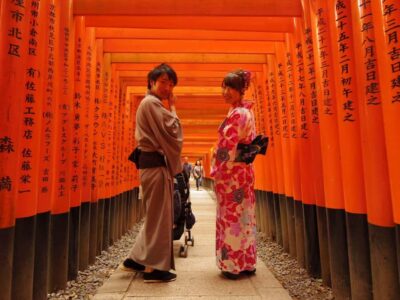
Arashiyama, Nara & Fushimi Inari Shrine w/Lunch
Read our review →
Kyoto Zen Meditation & Garden Tour at a Zen Temple with Lunch
Read our review →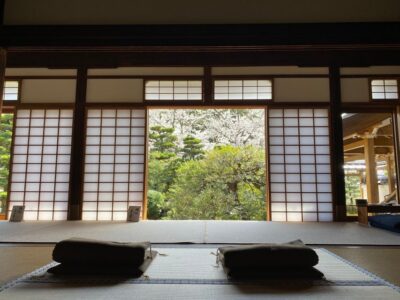
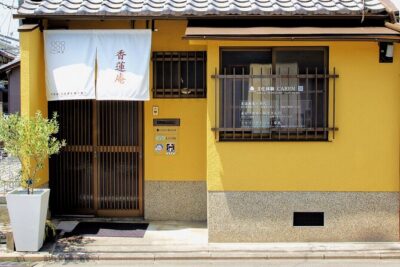
KYOTO Tea Ceremony with kimono near by Imamiya Jinjya Shrine
Read our review →Arashiyama Bamboo, Matcha, Monkeys & Temple Tour
Read our review →Also filed under