
Reviewed · TEMPLE & SHRINE VISITS
Kyoto: 1,001 Kannon Statues at Sanjūsangen-dō Temple
A thousand Kannon faces, all in one hall. At Sanjūsangen-dō, a guided walk through the long wooden hall puts you face to face with 1,001 Kannon statues, arranged in tight rows and stacked on tiers that stretch the entire building. It is one of those Kyoto sights that feels both oddly quiet and completely overwhelming, in the best way.
I especially like how the tour turns a wall of statues into something you can actually understand, with a live guide who can answer your questions as you go. I also love the built-in context, like the hall’s 33-ken length (about 60 meters) and the way the central Thousand-Armed Kannon anchors the whole room.
One possible drawback: no photography is allowed inside the main hall, so if you want lots of photos, you will need to rely on quick looking and any allowed photo moments outside.
In This Review
- Key things to notice before you go
- Why Sanjūsangen-dō feels different in Kyoto
- The 33-ken hall and why the room is built this way
- What the guided tour adds at the Sanjūsangen-dō entrance
- Your 90-minute flow: photo stop, visit, then guided focus
- Photography rules and how to plan around them
- The value question: is $69 worth it here?
- Who this Kyoto tour suits best
- Practical tips so you enjoy the hall more
- Should you book this Sanjūsangen-dō 1,001 Kannon tour?
- FAQ
- How long is the Kyoto Sanjūsangen-dō tour?
- What does the $69 price include?
- Where do I meet the guide?
- What languages are available for the guided tour?
- Is this tour private or shared?
- Can I take photos inside the hall?
- How much of the visit is focused on the temple interior?
- What is the tour’s main theme of what you’ll see?
- What is the cancellation policy?
- Do they offer pay later?
Key things to notice before you go
- 1,000 life-sized Kannon statues inside one long hall, arranged on five tiers
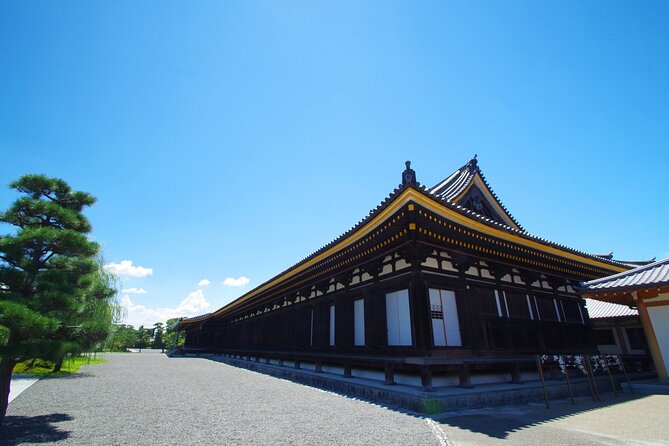
- The hall length: 33 ken, roughly 60 meters, is part of what gives the temple its name
- Central Thousand-Armed Kannon as your visual anchor for the entire room
- A live guide Q and A style visit, so you can ask why so many statues exist
- Strict no photos inside, plan for memory over camera
- A compact 90 minutes that fits cleanly into a Kyoto day
Why Sanjūsangen-dō feels different in Kyoto
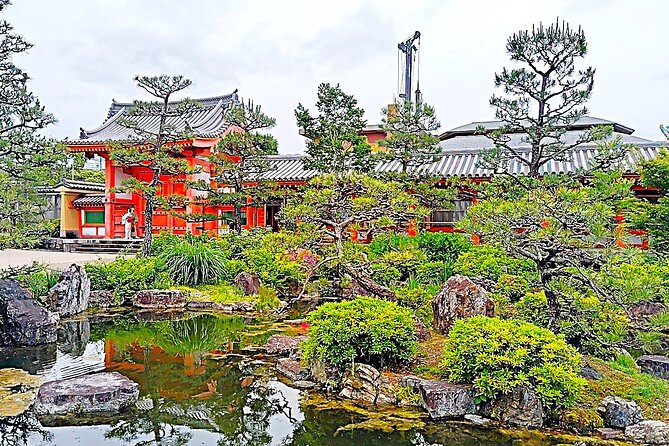
Kyoto has a few temple names that pull in almost everyone. Sanjūsangen-dō does not. It is a place you often see Japanese school groups visiting for field trips, yet it still feels far less packed with international visitors than the usual headline attractions. That matters, because this hall is meant to be looked at slowly, not just photographed in two seconds.
The temple is also unusually focused. Instead of a wide variety of displays in separate rooms, you get one long interior space with repeating figures that demand your attention. Once you step inside, the experience becomes a kind of visual rhythm, rows and tiers stretching away from you.
For me, the best part is the contrast between the everyday outside world and the intense, structured indoor scene. If you like your Kyoto with less hype and more meaning, this is a strong bet.
The 33-ken hall and why the room is built this way
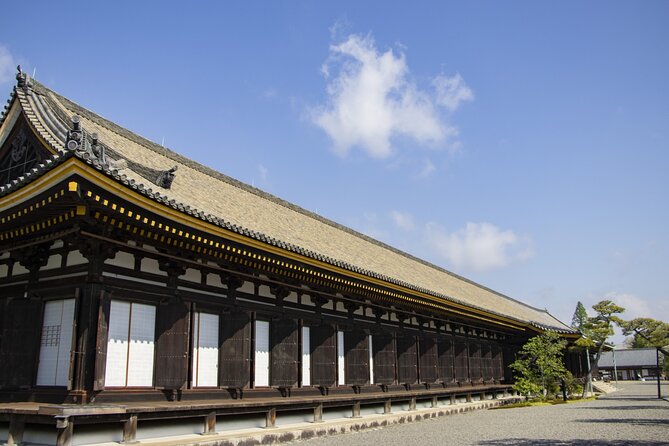
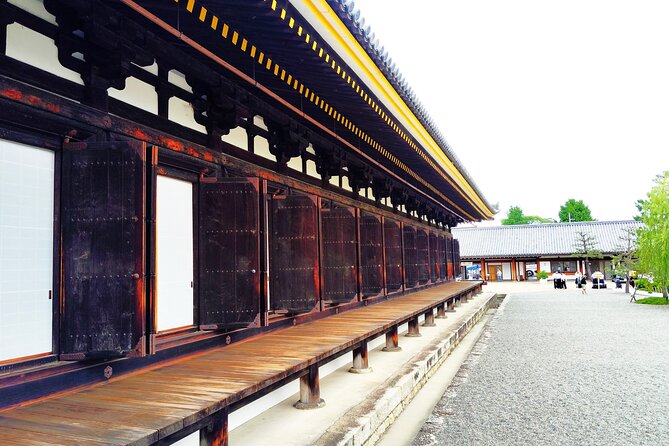
The name Sanjūsangen-dō refers to the building’s length: 33 “ken”, an old Japanese unit of measurement, which comes to about 60 meters. That detail is not trivia. It is literally how you should picture the space. You are not just walking into a temple, you are entering a measure laid out in architecture.
Inside, the hall is lined with an astonishing count: 1,000 life-sized golden statues of Kannon, the goddess of mercy. They are arranged in tightly packed rows and stacked on five tiers, so your view keeps finding new faces at different heights. The effect is part spiritual, part impossible-to-comprehend scale.
And right in the center sits the massive focal point, the Thousand-Armed Kannon. Even if you do not know the symbolism ahead of time, your eyes naturally gravitate there. The guide’s explanations help you connect the central figure to the surrounding repetition, so it stops feeling like a random collection and starts feeling like a deliberate design.
More rooftops worth a detour
- Kyoto: Tea Ceremony Ju-An at Jotokuji Temple
★ 4.9 · 3,207 reviews - Arashiyama Bamboo, Temple, Monkeys, or Secret Sake Brewery
★ 4.8 · 886 reviews - Kyoto: Arashiyama Bamboo Forest, Monkeys, Matcha & Temple Tour
★ 5.0 · 759 reviews - Osaka/Kyoto: Arashiyama, Nara & Fushimi Inari Shrine w/Lunch
★ 4.4 · 754 reviews
What the guided tour adds at the Sanjūsangen-dō entrance
You start at the visitor entrance gate for Sanjūsangen-dō, and your guide is easy to spot, holding a yellow sign that says DeepExperience. That small detail sounds basic, but it reduces stress. Kyoto can be confusing when you are bouncing between temples, especially when one wrong turn can cost time.
This is a private group setup. That means the pacing tends to fit around your questions instead of the guide rushing everyone along. The tour runs about 90 minutes total and includes a live English and Japanese guide. If you want to ask things you genuinely care about, you will likely feel comfortable doing it here.
I also like that the tour is structured enough to keep you from getting lost in statue overload, but not so rigid that you cannot ask why. You are encouraged to bring questions like:
- Why was a structure like this built?
- Why are there so many statues?
- What is the significance of the number 33?
If you go in with curiosity, the guide helps you turn curiosity into understanding.
Your 90-minute flow: photo stop, visit, then guided focus
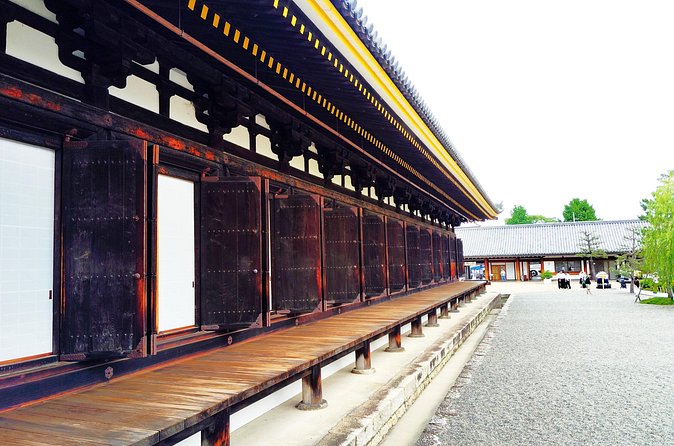
Your schedule is straightforward: you meet at the entrance, then you spend time at Sanjūsangen-dō with a photo stop, a visit, and a guided tour that totals about 1.5 hours.
Here is the practical way to think about it. Early on, you are getting your bearings and setting your mental map of the hall’s length. The photo stop is helpful because once you enter the main hall, you quickly realize your time is better spent looking than filming.
Then the guided portion becomes the real payoff. The guide walks you through what you are seeing, helping you connect three things:
1) the sheer number of statues
2) the arrangement across rows and five tiers
3) the architectural clue, the 33-ken length, that gives the temple its name
Because the tour is compact, you do not lose the thread. Instead of drifting through on your own for hours, you get a focused visit where every explanation points back to what is in front of you.
One small consideration: this is an indoor hall with a lot of visual information. If you prefer “wander and chill,” this experience will feel more like a guided lesson. If you prefer learning while you look, it will feel exactly right.
Photography rules and how to plan around them
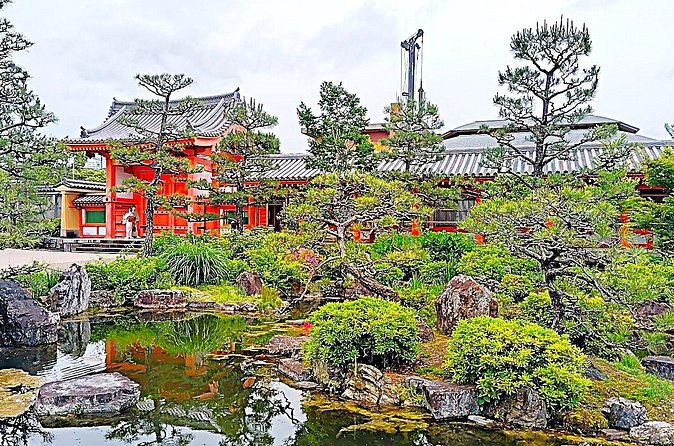
One of the most important logistics points for this experience is simple: photography inside the hall is strictly prohibited. That changes how you prepare mentally.
Instead of planning to capture everything with your camera, plan to capture it with attention. You may want to rely on:
- quick, repeated looking from different spots, so you actually notice the tier levels
- noticing how your eyes find the central Thousand-Armed Kannon and then travel outward
- using the guide’s explanations to interpret what you are seeing
Also, since your itinerary includes a photo stop, you should expect at least some moments where photos are possible. Just do not count on inside photography. If you show up treating this like a photo shoot, you will likely feel frustrated. If you show up ready to observe and learn, you will come away with a real sense of scale and design.
A helpful mindset: treat your photos as secondary. The main “memory” here is the pattern of figures and the feeling of length when you realize the hall is about 60 meters long.
The value question: is $69 worth it here?
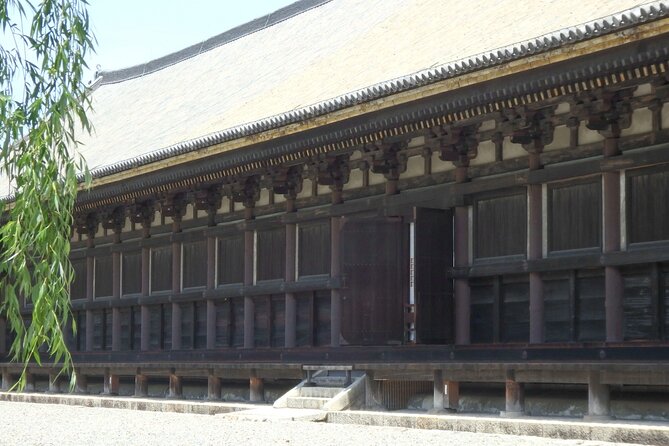
At $69 per person, this tour is not the cheapest way to see a temple in Kyoto. The value comes from what is included and how time-efficient the experience is.
You get:
- a live guided tour (about 1.5 hours)
- the entrance fee
- English and Japanese support
- a private group format
If you were to do this alone, you could pay an entrance fee and walk through on your own. But the key difference is interpretation. The hall is built for repetition and scale, and without context, it is easy to leave impressed but not sure what you learned beyond the obvious wow factor.
The guide helps you understand why the structure was built and why so many Kannon statues are gathered here, plus what the number 33 means. That is the difference between seeing “a lot of statues” and understanding a purpose-built religious and cultural statement.
So for $69, I see it as good value if you like structure and explanations. If you only want a quick, free-flowing look with minimal talking, you might decide to go independently and spend more time elsewhere.
A day of temples goes further with something to break it up.

Who this Kyoto tour suits best
This is a great match for you if:
- you enjoy religious art and want the story behind the visuals
- you like guides who can answer your specific questions
- you want a compact activity that fits into a busy Kyoto schedule
- you prefer less international crowds than the city’s most famous temple circuits
It might not be ideal if:
- you want to spend most of your time taking photos inside (the hall blocks that)
- you prefer long self-paced wandering, because the experience is intentionally focused
- you want an outdoor-style sightseeing flow, since most of what you do is concentrated inside a hall
For me, this kind of tour works best when you treat it as a “thinking” stop. You come out not just with photos, but with a clearer mental picture of what the temple is doing.
Practical tips so you enjoy the hall more
Since the tour is centered on one main interior space, your comfort and attention matter more than transportation planning.
A few things I’d do before you go:
- Wear comfortable shoes. You will be walking and standing as the guide points things out in a long hall.
- Go in with one or two questions ready. Even simple ones like why the number 33 matters can turn your visit into a conversation.
- Expect an experience shaped by rules. With photography prohibited inside, your best tool is your eyes, not your camera.
- Keep your expectations realistic. The hall is visually intense, and the longer you try to process everything at once, the more overwhelming it can feel. Let the guide pace your understanding.
Also, because this is a private group, you will likely have more flexibility in how you absorb the hall. If you want time to look quietly, ask for it. If you want more explanation, ask for that too.
Should you book this Sanjūsangen-dō 1,001 Kannon tour?
I think you should book if you want the best experience in the least time, especially if you care about meaning and not just scale. This tour gives you a focused 90-minute visit with a live guide, entrance included, and built-in prompts for asking why this hall exists the way it does.
You might skip booking if you are purely photo-driven or you prefer an unstructured walk with no guide explanations. Since photography inside is not allowed, the “I just want pictures” plan is already a weak fit.
If you land in the middle, the decision is easy. This is one of Kyoto’s most dramatic interiors, and the guide helps you turn the shock of seeing so many Kannon statues into something you actually understand before you move on.
FAQ
How long is the Kyoto Sanjūsangen-dō tour?
The tour duration is 90 minutes, with a guided portion of about 1.5 hours.
What does the $69 price include?
The price includes the 1.5-hour guided tour, a live tour guide, and the entrance fee.
Where do I meet the guide?
Meet at the entrance gate for visitors at Sanjūsangen-dō Temple. The guide will be waiting holding a yellow sign that says DeepExperience.
What languages are available for the guided tour?
The live tour guide is available in English and Japanese.
Is this tour private or shared?
This is a private group tour.
Can I take photos inside the hall?
No. Photography inside the hall is strictly prohibited.
How much of the visit is focused on the temple interior?
The experience is centered on Sanjūsangen-dō, with a photo stop plus visit and guided sightseeing inside the temple during the 1.5-hour portion.
What is the tour’s main theme of what you’ll see?
You’ll see 1,000 life-sized golden statues of Kannon, the goddess of mercy, arranged in the hall, with a central Thousand-Armed Kannon.
What is the cancellation policy?
You can cancel up to 24 hours in advance for a full refund.
Do they offer pay later?
Yes. You can reserve now and pay later, keeping your plans flexible.
New This Season
- Koyasan Day Trip by Private Car from Kyoto
- Old Port Town and Ultimate Sake Tasting Private Tour From Kyoto
- Kyoto’s Timeless Charm: 3hr Exploration of History and Peace
- Kyoto: 5 Types of Sushi Making
- Sacred Peak & Ancient Paths: Kurama-Kibune Hiking Experience
- Kyoto: Exclusive ZEN practice at Manpukuji temple in Uji
- Kyoto: Private Seasonal Aroma Yoga Class
- Traversing Kyoto’s Scenic West – Arashiyama to Kinkakuji
Temple & Shrine Visits, compared.
Arashiyama Bamboo, Temple, Monkeys, or Secret Sake Brewery
Read our review →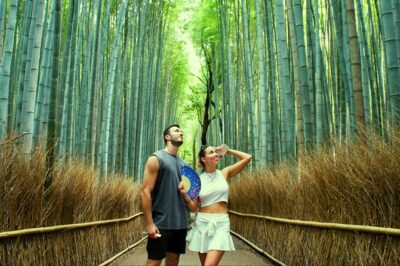
Arashiyama Bamboo Forest, Monkeys, Matcha & Temple Tour
Read our review →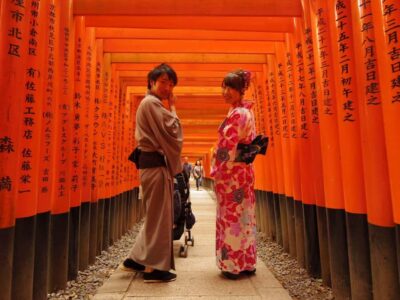
Arashiyama, Nara & Fushimi Inari Shrine w/Lunch
Read our review →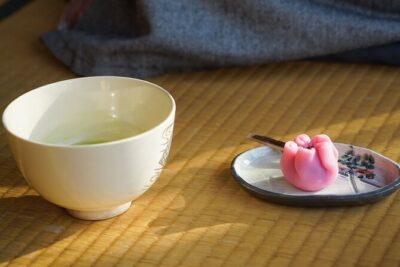
Kyoto Zen Meditation & Garden Tour at a Zen Temple with Lunch
Read our review →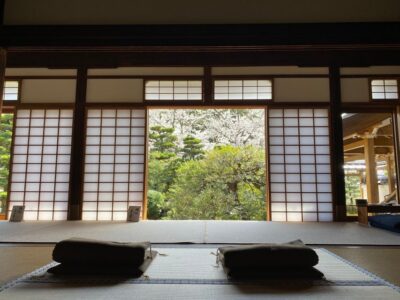
KYOTO Tea Ceremony with kimono near by Imamiya Jinjya Shrine
Read our review →Arashiyama Bamboo, Matcha, Monkeys & Temple Tour
Read our review →Also filed under