
Reviewed · KIYOMIZU-DERA TEMPLE VISITS
Kyoto: Crowd-Free Tour of Kiyomizu & Ginkaku-ji Temples
Quiet Kyoto can be yours before the crowds. I like how this tour guides you through iconic places with breathing room, especially at Kiyomizu-dera in the morning, and then again at Ginkaku-ji with its famous Sea of Silver Sand. The trade-off is simple: you cover a fair amount of ground on foot, so you’ll want comfortable shoes and water ready.
What really makes this experience click is the mix. You are not just ticking temples off a list, you get a guide who connects the dots between spirit and science, using Kyoto University as the counterpoint to the religious calm you feel at the shrines and temple grounds. It is also a smart, small-group style day, so questions and quick photo stops feel natural, not rushed.
For the price, $61 per person for a 5-hour, guided loop is reasonable if you care about pacing and context, not just being in the right place. You will still want to plan for whatever entry fees or tickets apply on-site, since tickets are listed as not included.
In This Review
- Key Points That Make This Tour Worth Your Time
- A Crowd-Free Kyoto Loop That Actually Feels Different
- Meeting at JR Kyoto Station, Then Traveling Like a Local
- Kiyomizu-dera Morning Access: Wooden Stage Views Without the Crush
- Philosopher’s Path in One Hour: Calm Walking That Resets Your Head
- Ginkaku-ji Silver Pavilion: Sea of Silver Sand and Zen Garden Thinking
- Kyoto University Campus: Where Spirit Meets Science
- Meiji Shrine to Takeshita Street: Kyoto’s Mood Swing on Foot
- Price and Logistics: What $61 Buys You in Real Terms
- Who Should Book This Tour, and Who Might Want Something Else
- Should You Book This Kyoto Crowd-Free Tour?
- FAQ
- How long is the Kyoto crowd-free tour?
- Where do I meet the tour guide?
- What’s included in the price?
- Is a public transportation ticket provided?
- Are temple or other tickets included?
- What should I bring?
- What are the cancellation and payment options?
Key Points That Make This Tour Worth Your Time
- Crowd-free morning Kiyomizu-dera for easier photos and calmer views over the city
- Philosopher’s Path stroll to reset your pace before you reach the Zen quiet of Ginkaku-ji
- Ginkaku-ji Silver Pavilion gardens with focused time at the Sea of Silver Sand
- Kyoto University campus visit where your guide ties intellectual life to deeper cultural themes
- Small-group or private options so the day feels flexible instead of factory-style
A Crowd-Free Kyoto Loop That Actually Feels Different
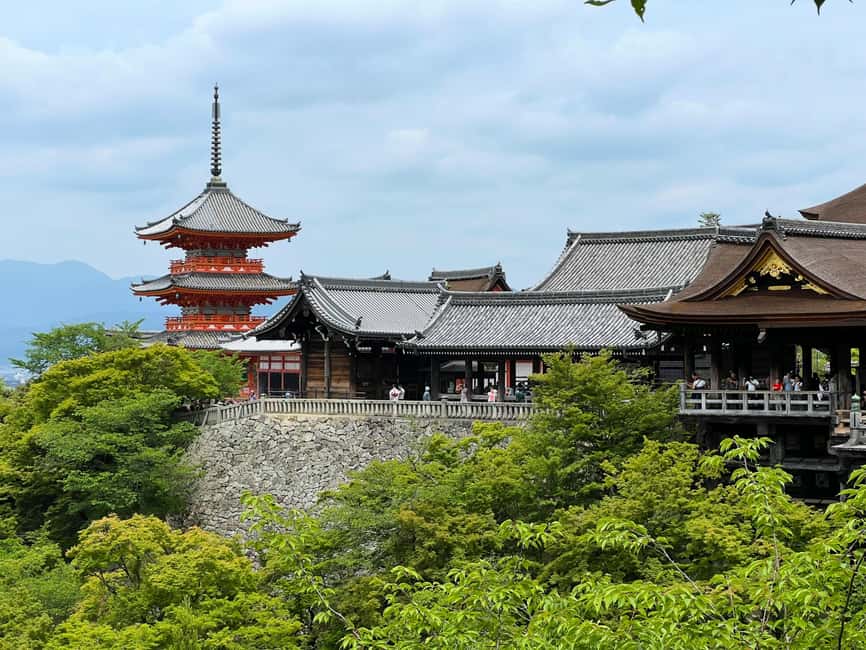
Kyoto can feel like a theme park at peak times, and that is exactly what this tour tries to avoid. The route is designed to help you experience the city’s best-known landmarks in a calmer order, with the morning emphasis being the big win.
I like the logic of that. When you see Kiyomizu-dera early, the famous wooden stage and veranda views feel more personal. Later, once you move from the temple area to the garden calm of Ginkaku-ji, you are not arriving after the heaviest waves of visitors. The day keeps a steady rhythm, so you do not burn your energy fighting crowds.
Your guide matters here. This is not just a lecture between photo stops. The day includes explanations that connect culture, belief, and the role of institutions, including Kyoto University, in shaping Japan’s ideas. If you enjoy understanding what you are looking at, this tour gives you enough context without turning the visit into a classroom.
Meeting at JR Kyoto Station, Then Traveling Like a Local
The meeting point is simple: the Bus Information Center and Bus Ticket Center just outside the Central Exit, also called the Karasuma Exit, at JR Kyoto Station.
One of the easiest parts of the day is how you get around. On the day of the event, you receive an unlimited public transportation ticket that you can use throughout the day. That means less mental math about which ride to take next, and more time focusing on the sights.
Two practical tips from the tour guidance:
- Bring comfortable shoes, because you are walking at multiple points in the program.
- Pack water and sunscreen, since you may be outdoors for stretches and weather can vary.
Also note the language setup: the live guide is available in English and Japanese. If you care about clear explanations and the ability to ask follow-up questions, that is a strong plus.
The wooden stage above the hillside
- Kyoto: Tea Ceremony in a Traditional Tea House in Kiyomizu
★ 4.9 · 3,519 reviews - Kyoto: Nijo Castle, Kiyomizu & Fushimi Inari Guided Tour
★ 4.7 · 700 reviews - Kyoto: Nijo, Kinkaku-ji, Arashiyama, Kiyomizu & Fushimi Inari
★ 5.0 · 699 reviews - Kyoto Tea Ceremony & Kiyomizu-dera Temple Walking Tour
★ 5.0 · 115 reviews
Kiyomizu-dera Morning Access: Wooden Stage Views Without the Crush
Kiyomizu-dera is one of Kyoto’s most famous World Heritage temples, and it is famous for a reason. The big wooden stage draws your eye immediately, and the wider temple area gives you plenty of spots to pause and orient yourself.
What makes the morning approach feel better is that you can actually take in the place, not just stream through it. You get a guided visit plus a photo stop, with time that lets you step back, look outward, and then return for details. The iconic veranda is a highlight, especially if you want views over the city rather than only close-up temple carvings.
There is also time for temple-area shopping. That matters more than it sounds. Kyoto visits can feel like photos and exits, but having a bit of room for small snacks, crafts, or quick browsing helps the morning feel like a real experience, not just an agenda.
One possible consideration is how early-morning visibility can be variable. Light and clouds change the look of the valley views. If you are a photographer, you will probably like having multiple moments to reframe shots, but do keep expectations flexible and dress for the conditions you get.
Philosopher’s Path in One Hour: Calm Walking That Resets Your Head
After Kiyomizu-dera, you move to the Philosopher’s Path area for a shorter, guided experience that includes a walk and a photo stop. This is where the day shifts from big iconic temple drama to a slower, more human pace.
A one-hour stretch is ideal if you want a breather without turning the day into a long trek. The Philosopher’s Path is historic, and the format helps you appreciate it as a walkway and not a destination that you sprint through. It also sets up the next stop well, because Ginkaku-ji is all about quiet garden viewing and slow contemplation.
If you tend to get temple overload, this segment can be a nice pressure release. Instead of another huge landmark where you feel like you are always moving, this is a gentler interlude. Think of it as the moment you lower your pace before you enter the Zen garden atmosphere.
Ginkaku-ji Silver Pavilion: Sea of Silver Sand and Zen Garden Thinking
Ginkaku-ji, the Silver Pavilion temple, is where the day earns its Zen reputation. You get guided time here, plus a focused look at the temple grounds.
The highlight is the garden design, including the Sea of Silver Sand. The garden is carefully maintained, and your guide shares the history and philosophy behind what you see. That matters because this is one of those places where people often expect to understand it instantly. You usually do not. A guide helps you slow down mentally, so the design choices make sense rather than just looking pretty.
In my view, this is a strong part of the tour because it gives you a moment for peaceful contemplation away from the biggest crowd energy. Even if you love sightseeing, I think you will appreciate the contrast. You go from veranda views over Kyoto to a garden scene built for focus.
Timing is also good. You get about an hour here, which is enough to understand the major features and still have time to step away from the densest foot traffic for quiet looks. Just remember you are indoors and outdoors mixed, so wear layers if the weather is cool or changing.
Kyoto University Campus: Where Spirit Meets Science
One of the most interesting choices in this tour is Kyoto University. It is a prestigious academic institution, and the program treats the campus as more than a backdrop. You stroll through the grounds with a guided visit, and your guide explains the university’s role in Japan’s history and its contribution to the nation’s soul.
This stop is also where the tour’s theme becomes real. The day is built around the connection between spirit and science, using temples and Zen atmosphere on one side, and the intellectual life of Kyoto on the other.
If you like cultural context, this is the part that can linger after the tour ends. Many Kyoto days focus only on faith and aesthetics. Here, you also get the idea that Japan’s cultural identity has shaped both religious thought and academic thinking over time.
Practical note: campus walks can be uneven or involve areas with more foot traffic than temple courtyards. Comfortable shoes are still the right call. Also bring your camera if you like architecture and greenery, since you will have visual variety beyond temple gates.
More rooftops worth a detour

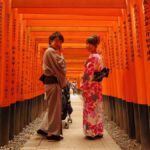
Meiji Shrine to Takeshita Street: Kyoto’s Mood Swing on Foot
One of the tour highlights points to a contrast in mood: a serene shrine feeling around Meiji Shrine paired with an easy walk link to busy Takeshita Street.
Even if you are not planning to shop on every side street, that contrast is part of why Kyoto feels like more than temples. You get a chance to experience calm, then switch gears to a street style atmosphere that is very different from the quieter temple lanes.
This is also useful if you are trying to balance your day. A pure temple-only itinerary can be tiring, emotionally and physically. Adding a city-energy segment helps you keep the day lively, without breaking the tour’s calm, guided approach.
Because the tour is built for crowd avoidance, the key here is that you still get to move without feeling like you are trapped in the middle of chaos. If you want your Kyoto to show range, this kind of pairing is smart.
Price and Logistics: What $61 Buys You in Real Terms
At $61 per person for a 5-hour guided experience, the value depends on what you want out of Kyoto.
You are paying for:
- A live local guide (English and Japanese)
- A paced route that avoids typical tourist congestion
- Multiple guided stops, not just a self-guided checklist
You should expect that transportation can be handled smoothly because you receive an unlimited public transportation ticket for the day. That reduces one of the hidden costs of independent touring, which is time and planning stress.
What you should plan for:
- Transportation tickets are listed as not included, but you do receive that unlimited transit ticket on the day.
- Food and drinks are not included.
- Tickets are not included, so if any admission fees apply at specific sites, you may pay on-site.
The overall cost makes sense if you value interpretation as much as photos. If you just want to stand in front of famous spots for a quick shot, you could do a DIY day. But if you want the guide to connect the ideas between temples and Kyoto University, the money feels better spent.
Who Should Book This Tour, and Who Might Want Something Else
This tour is ideal if:
- You want a crowd-free morning experience at a major UNESCO site
- You enjoy Zen gardens and want context, not just scenery
- You like the idea of a guided day that connects cultural themes, not only logistics
- You prefer a small group or private option where you can ask questions and move at a human pace
It may be less ideal if:
- You want lots of free time to wander completely on your own at every stop
- You dislike walking, since the tour includes several walk segments and you should come prepared for outdoor time
One more practical note: the guide experience can be a standout. In a recent group, the guide was described as friendly with excellent English and shared local stories beyond guidebook facts. That kind of add-on is exactly what makes a guided day feel worth it.
Should You Book This Kyoto Crowd-Free Tour?
I would book it if your main goal is to experience famous Kyoto without the worst crowd pressure, and if you like explanations that connect the spiritual side of the city with the intellectual side. The combination of Kiyomizu-dera, Philosopher’s Path, Ginkaku-ji, and Kyoto University is a strong way to see Kyoto in more than one mood.
If you are the type who cares about good pacing, guided context, and taking a real look rather than rushing, this is a smart use of a half-day. Come with comfortable shoes, water, and a camera, and you should leave with the kind of Kyoto memories that feel calm and specific, not just photographed.
FAQ
How long is the Kyoto crowd-free tour?
The tour duration is 5 hours.
Where do I meet the tour guide?
Meet at the Bus Information Center or Bus Ticket Center located just outside the Central Exit (Karasuma Exit) of JR Kyoto Station.
What’s included in the price?
A local live guide is included.
Is a public transportation ticket provided?
Yes. On the day of the event, you will receive an unlimited public transportation ticket that can be used throughout the day.
Are temple or other tickets included?
No. Tickets are not included.
What should I bring?
Bring comfortable shoes, a camera, sunscreen, and water.
What are the cancellation and payment options?
You can cancel up to 24 hours in advance for a full refund. You can also reserve now and pay later, meaning you pay nothing today.
New This Season
- Koyasan Day Trip by Private Car from Kyoto
- Old Port Town and Ultimate Sake Tasting Private Tour From Kyoto
- Kyoto’s Timeless Charm: 3hr Exploration of History and Peace
- Kyoto: 5 Types of Sushi Making
- Sacred Peak & Ancient Paths: Kurama-Kibune Hiking Experience
- Kyoto: Exclusive ZEN practice at Manpukuji temple in Uji
- Kyoto: Private Seasonal Aroma Yoga Class
- Traversing Kyoto’s Scenic West – Arashiyama to Kinkakuji
Kiyomizu-dera Temple Visits, compared.
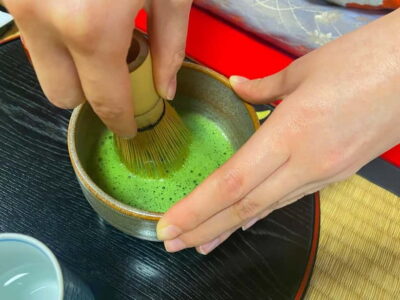
Tea Ceremony in a Traditional Tea House in Kiyomizu
Read our review →
Nijo Castle, Kiyomizu & Fushimi Inari Guided Tour
Read our review →
Nijo, Kinkaku-ji, Arashiyama, Kiyomizu & Fushimi Inari
Read our review →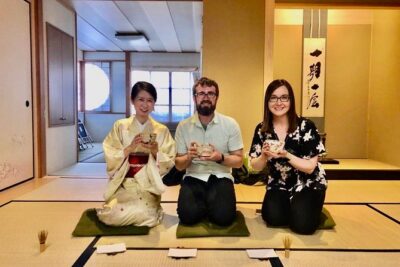
Kyoto Tea Ceremony & Kiyomizu-dera Temple Walking Tour
Read our review →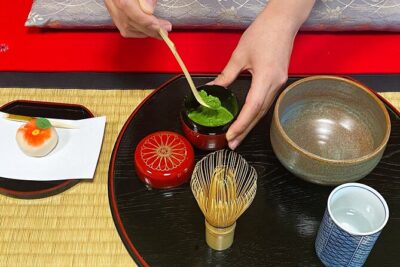
Kyoto Kiyomizu Tea Ceremony with Scenic Garden Views
Read our review →
Kimono/Yukata Rental 5 Minute from Kiyomizu-dera
Read our review →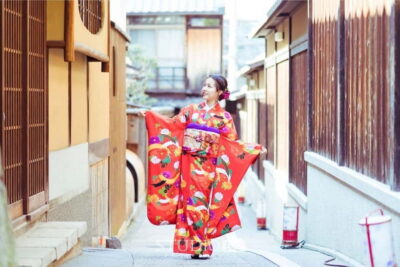
Kyoto Gion Kiyomizudera Kimono Yukata Hairstyle | Photoshoot
Read our review →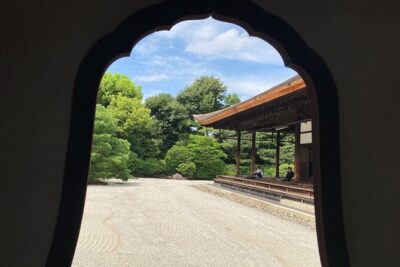
Kiyomizu Temple and Backstreets of Gion, Half Day Group Tour
Read our review →Also filed under