
Reviewed · KIYOMIZU-DERA TEMPLE VISITS
Kyoto: Kimono/Yukata Rental 5 Minute from Kiyomizu-dera
Instant Kyoto style starts right near Kiyomizu-dera. What I like most is the 5-minute walk location and the multilingual staff that makes the whole process feel smooth, even if you have zero Japanese skills. One thing to keep in mind is the day is time-boxed, you must return the outfit by 6:00 PM.
I also like that you get the basics done for you, kimono or yukata, plus shoes, socks, and a bag, so you can get walking instead of shopping. The main drawback for some people is physical fit and access rules, pregnant visitors are not allowed to wear a kimono, and wheelchair access is not suitable.
In This Review
- Key highlights worth planning around
- Location and vibe: right by Kiyomizu-dera, not in some far-off mall
- Kimono vs yukata: what season you’re in, and what you actually get
- The step-by-step dressing process, from selection to check-out
- Arrival and reception
- Choosing your kimono or yukata
- Getting dressed and the finishing details
- Completion and return by 6:00 PM
- What to do after you get dressed: Kiyomizu-dera and a Gion walk
- A quick reality check on comfort
- Foot fit and movement: the slope, the shoes, and how to avoid silly pain
- 1) The shop is on a slope
- 2) You are wearing Japanese shoes, not sneakers
- Small movement habits that help
- Hairstyle design and photos: optional extras that can change your pace
- Staff support: multilingual, kind, and good at last-minute changes
- Value and price: why $19 can actually feel like a deal
- Who this is best for, and who should skip it
- Luggage and valuables: keep what matters close
- Timing tips that keep your day smooth
- Should you book this Kyoto kimono and yukata rental near Kiyomizu-dera?
- FAQ
- What are the business hours for Kyoto Kimono/Yukata Rental 5 Minute from Kiyomizu-dera?
- Is kimono included year-round, or do you switch to yukata?
- What is included in the rental price?
- Do you provide hairstyle or makeup?
- What time should I arrive before my scheduled time?
- How close is the shop to Kiyomizu-dera?
- What languages are available for assistance?
- What payment methods can I use?
- Are there any restrictions for pregnant travelers or wheelchair users?
- What happens if I return the kimono late?
- Is luggage storage available?
Key highlights worth planning around
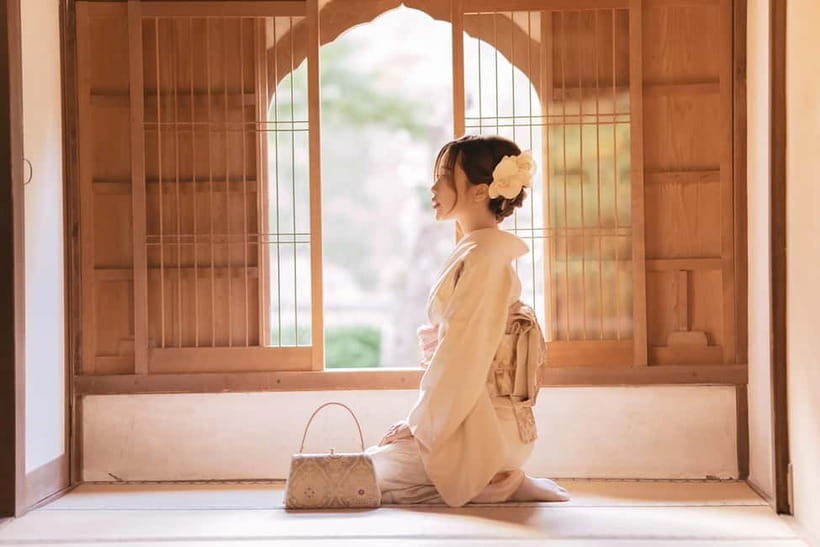
- 5-minute walk to Kiyomizu-dera means less transit time while you are dressed up
- Kimono/yukata set is included (obi, bag, socks, shoes) for a very fair price
- English, Chinese, Japanese, Vietnamese, and Thai support so instructions are not a mystery
- Simple, guided timeline from reception to getting dressed, then back for check-out by 6:00
- The store is on a slope, so walking in the provided footwear can feel awkward
- Optional add-ons exist like hairstyle design, and they can affect who gets attention first
Location and vibe: right by Kiyomizu-dera, not in some far-off mall
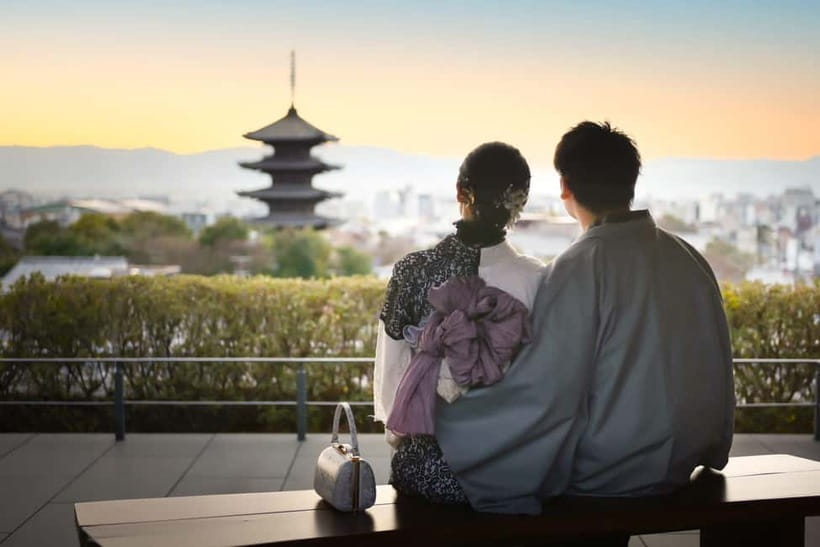
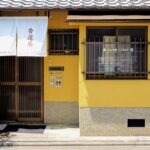
This rental shop is located at 6-583-109 Gojobashi Higashi, Higashiyama Ward, Kyoto City, and it is a short 5-minute walk to Kiyomizu-dera. That matters more than it sounds. Once you put on a kimono or yukata, your options shrink a bit. You will want to spend time outside, not shuttling across town in stiff sleeves and careful steps.
The area is a classic Kyoto mood. Expect streets that make kimono dressing feel natural, not staged. And because the shop is close to a major sightseeing anchor, you can plan a simple route: rent, walk over, then continue on foot.
One practical point I learned from solo traveler feedback: the shop sits on a slope. The provided socks and shoes work, but you may feel the difference walking up and down. You can still switch back to your own shoes if you need, but do it early so you do not scramble mid-photos.
Kimono vs yukata: what season you’re in, and what you actually get
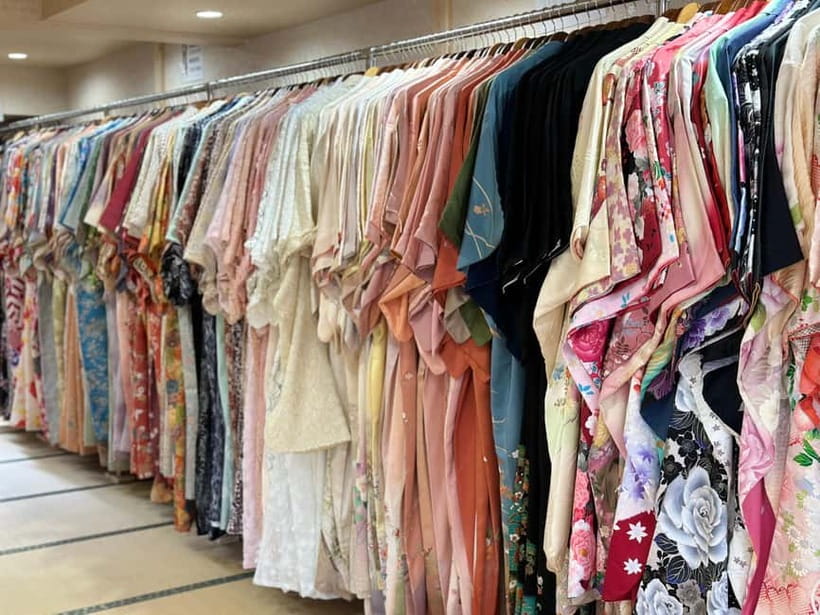
The rental includes kimono from October to May and yukata from June to September. That seasonal switch is helpful because it lines up with when Kyoto feels right for each outfit. If you are visiting in summer, you will get the lighter yukata. If you are here in cooler months, you will get the fuller kimono look.
At $19 per person, the value comes from what is bundled, not just the garment. You get:
- Kimono or yukata
- Hanhaba obi (half-width belt)
- Japanese small bag
- Socks
- Japanese shoes
That is exactly the stuff people forget when they try to DIY. Shoes and socks are not optional with a proper fit. The included bag is also a small comfort, you have somewhere appropriate to stash items while you wander.
Payment options are also flexible: cash, credit card, mobile payment, QR code payment, and IC cards. If you are using a transit card anyway, you will likely find it easy to pay.
The wooden stage above the hillside
- Kyoto: Tea Ceremony in a Traditional Tea House in Kiyomizu
★ 4.9 · 3,519 reviews - Kyoto: Nijo Castle, Kiyomizu & Fushimi Inari Guided Tour
★ 4.7 · 700 reviews - Kyoto: Nijo, Kinkaku-ji, Arashiyama, Kiyomizu & Fushimi Inari
★ 5.0 · 699 reviews - Kyoto Tea Ceremony & Kiyomizu-dera Temple Walking Tour
★ 5.0 · 115 reviews
The step-by-step dressing process, from selection to check-out
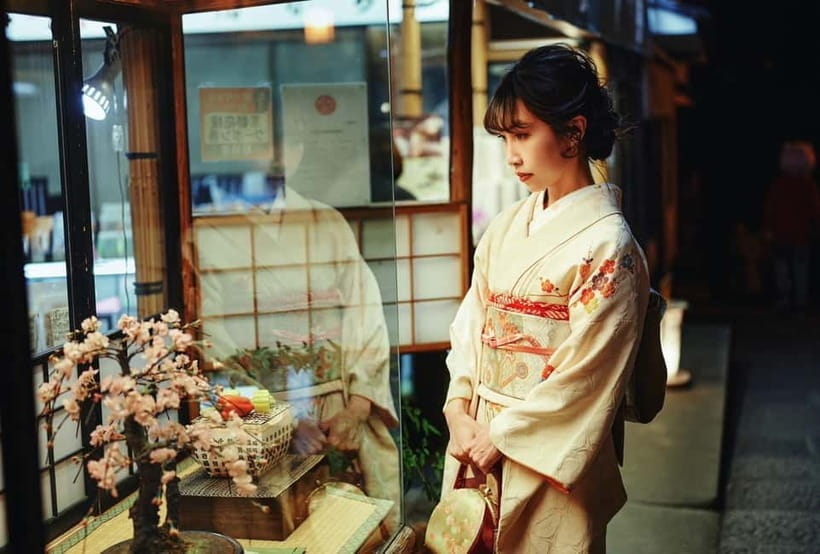
Your experience is built around a clear flow: arrival, selection, getting dressed, then return and change out by 6:00 PM.
Arrival and reception
Plan to arrive 5 minutes before your scheduled time. This is one of those details that can make the day feel calm instead of rushed. Once you are checked in, you are guided through the rest in languages including English, Japanese, Chinese, Vietnamese, and Thai.
Choosing your kimono or yukata
You can choose from different styles and colors. You also need to know about size limits. If you are taller than 130 cm, your options for adult kimonos may be limited. Children’s kimonos are suitable for children taller than 70 cm, and children’s sizes are designed for kids under 12 years old.
If you end up picking a mens option by mistake, staff can still help adjust, and in one case a small fare difference was handled. The takeaway: do not panic if you are unsure. The staff is used to helping visitors sort it out quickly.
Getting dressed and the finishing details
You will be dressed at the shop, and the final look typically includes putting on:
- the kimono or yukata
- the hanhaba obi
- the included socks and shoes
- any included styling items that come with your package
In real experience, the dressing is not a slow ordeal. People describe the process as efficient, and some mention specific help with hair. If your package includes a headpiece, it can make the look feel photo-ready.
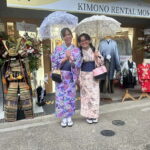
Walk the old streets in kimono

Completion and return by 6:00 PM
The day ends when you return the outfit and change out by 6:00 PM the same day. There are late return fees, so this is not the time to wing it and hope for extra minutes. I treat 6:00 PM as a hard deadline.
What to do after you get dressed: Kiyomizu-dera and a Gion walk
Because the shop is so close to Kiyomizu-dera, your best move is to head out right away. The main advantage of starting here is that you can use your outfit while your energy is high. Kyoto streets get crowded, and kimono-walking is easier when you are not rushing between neighborhoods.
Kiyomizu-dera is the obvious anchor. From there, the typical feeling is that you are stepping into Kyoto history through daily life. Even if you are not chasing every landmark, the streets around these sites can be the point.
A review detail I found especially useful: one couple described walking the streets of Gion in their rented outfits. If you want that classic Kyoto atmosphere, plan your route so you are moving on foot during the time you still feel comfortable in the provided footwear.
A quick reality check on comfort
Kimono walking changes your stride. Try to avoid planning a long, steep detour right after dressing. If you need a break, use it. Sit down, hydrate, and give your feet a rest. It is a tourist day, not a marathon.
Foot fit and movement: the slope, the shoes, and how to avoid silly pain
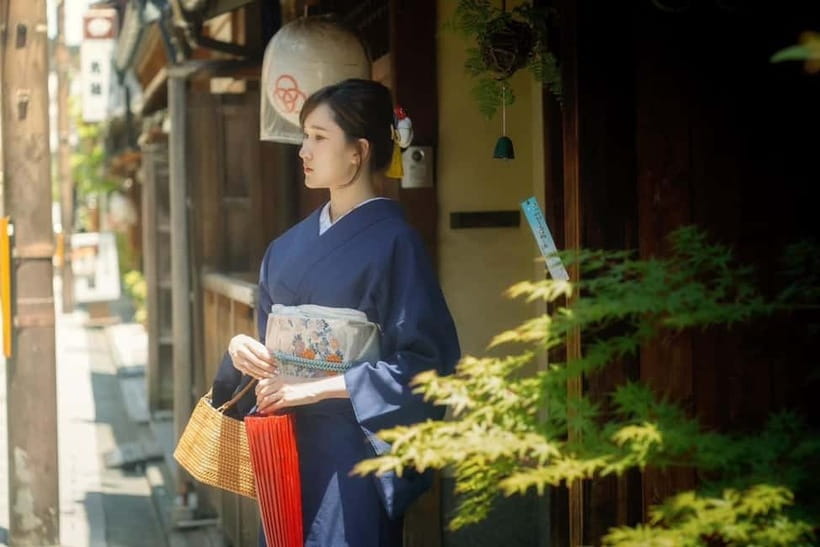
Two comfort issues can pop up, and you can plan for them.
1) The shop is on a slope
If you find the walking awkward, you are not alone. One solo visitor specifically called out that the store sits on a slope and that walking in the provided shoes and socks can be tricky. The practical solution they used was switching to regular footwear, no problem.
2) You are wearing Japanese shoes, not sneakers
The rental includes Japanese shoes, which are designed for kimono and yukata. They can be fine for a short outing, but do not expect sneaker comfort. If you have any foot issues, bring your own supportive socks or a backup plan for breaks.
Small movement habits that help
- Keep your pace steady. Do not rush because you feel dressed up.
- Take shorter steps on uneven ground.
- If you need to stand still for photos, plant your feet carefully and avoid deep pivots.
These are tiny choices, but they keep the day fun instead of fussy.
Hairstyle design and photos: optional extras that can change your pace
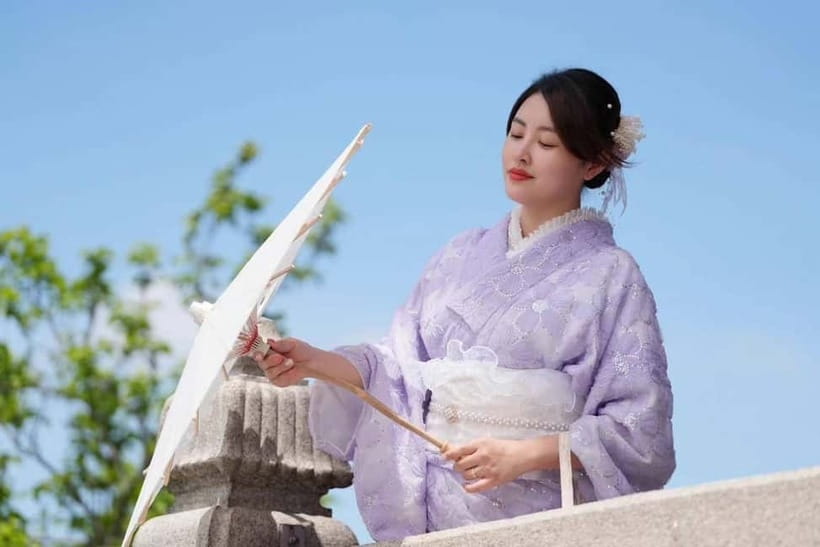
Hairstyling is available as an add-on, and it costs 1,500 yen. If you care about a polished look, this is usually worth it because it turns a good outfit into a complete photo moment.
Also, there is mention of optional professional photos. One reviewer described booking a photoshoot extra option and said the photographer produced beautiful shots and sent them the same day. If you want stress-free photos, this kind of add-on can be a smart move, especially in areas that get crowded where you would otherwise have to chase angles.
One balanced consideration from another account: if you pick a basic package and other customers have extra services like hairstyle, the single staff member handling the group may prioritize customers with more reserved items. Translation: if you want a guaranteed smooth timeline, book hair styling if it is important to you, and show up on time.
Staff support: multilingual, kind, and good at last-minute changes
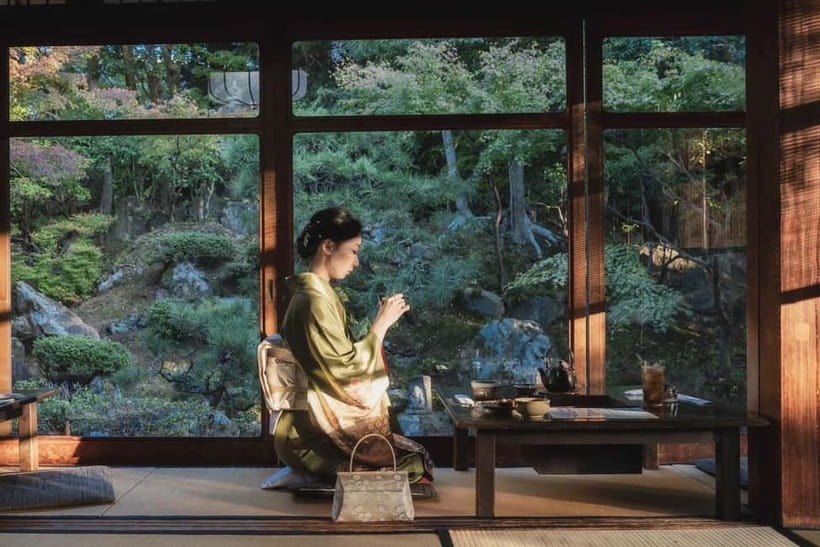
This is one of the strongest parts of the experience. Staff descriptions focus on being friendly and attentive, and the language coverage is broad: English, Japanese, Chinese, Vietnamese, and Thai. That makes a difference when your biggest challenge is telling someone how you want your look to feel.
Actual names show up in accounts. One visitor said Lana helped with her hair and assisted her mom with the kimono. Another person praised Micky as professional and kind, and described photo results as beautiful. These details matter because it tells you this is not a factory line. The staff is engaging, and they pay attention to your needs.
If you are traveling solo, that matters too. One solo traveler specifically described feeling comfortable, with English-speaking foreign staff making sure they were happy with the choice.
Value and price: why $19 can actually feel like a deal
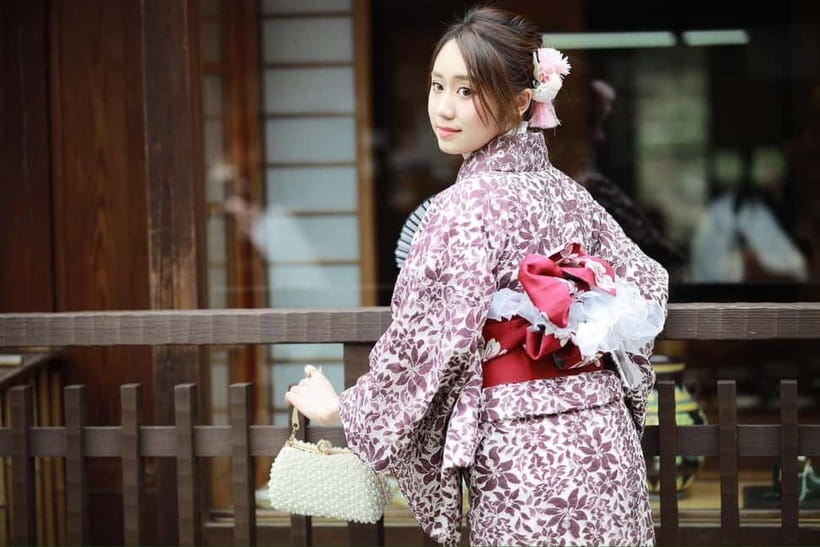
At $19 per person for a kimono or yukata rental near one of Kyoto’s top sights, the value is mostly about convenience and completeness.
You are not just paying for fabric. You are paying for:
- the garment selection help
- the fit and dressing guidance
- the included accessories
- the shoes and socks so you do not have to figure it out
- a prime location that minimizes awkward transit time
If you compare it to the cost and hassle of buying accessories, renting shoes, or trying to arrange dressing elsewhere farther away, this is a tidy bargain. And because the service hours run 9:00 AM to 6:00 PM, you can fit it into many Kyoto itineraries without a massive schedule headache.
That said, you should be aware of the time pressure. If your plan routinely runs late, this rental can stress you out. For peace of mind, build in buffer time.
Who this is best for, and who should skip it
This rental is a great fit if you want a fast, guided way to look like you belong in Kyoto for a day.
You will probably love it if you:
- want to avoid shopping and complicated fitting
- prefer a close-to-a-major-sight location
- like having staff handle the tricky parts
- enjoy photos and want your outfit styled neatly
You should skip or plan carefully if you:
- are pregnant, because wearing a kimono is strictly prohibited during pregnancy
- use a wheelchair, because the activity is not suitable for wheelchair users
- are taller than 130 cm and worry about limited options for adult kimonos
For families, children’s kimonos are suitable for kids taller than 70 cm, and designed for children under 12.
Luggage and valuables: keep what matters close
Free luggage storage is available on-site. That is useful if you arrive with day bags or extra layers.
At the same time, the shop asks you to keep valuables with you, like phones, wallets, cameras, and passports. They also note they are not responsible for loss, damage, or leakage. So I treat the storage like “place for non-essentials,” not a secure vault for important documents.
Timing tips that keep your day smooth
This is the part people forget, then regret.
- Arrive 5 minutes early for your scheduled time.
- Plan your route so you are not rushing back to change out near 6:00 PM.
- Use the day wisely: the outfit is at its best when you are out walking and taking photos, not when you are stuck waiting in transit.
If you want the photos to look good, prioritize daylight and avoid the last-minute scramble that happens when the return time is creeping up.
Should you book this Kyoto kimono and yukata rental near Kiyomizu-dera?
I would book it if your priority is a simple, guided kimono or yukata day near a top sight, without extra planning. The included shoes, socks, and bag, plus the multilingual support and the close location, make it a strong value for most visitors.
I would hesitate only if your schedule is unpredictable, or if comfort and movement limits matter for you. Between the 6:00 PM return deadline and restrictions like pregnancy and wheelchair unsuitability, this is not a “casual whenever” activity.
If you want Kyoto style with minimal fuss, this one makes sense.
FAQ
What are the business hours for Kyoto Kimono/Yukata Rental 5 Minute from Kiyomizu-dera?
The shop is open from 9:00 AM to 6:00 PM, and you need to return the kimono by 6:00 PM on the same day.
Is kimono included year-round, or do you switch to yukata?
It depends on the season. Kimono is included from October to May, and yukata is included from June to September.
What is included in the rental price?
The included items are the kimono or yukata, the Hanhaba obi (half-width belt), a Japanese small bag, socks, and Japanese shoes.
Do you provide hairstyle or makeup?
Hairstyling service is available as an add-on for 1,500 yen. Makeup is not included.
What time should I arrive before my scheduled time?
You should arrive 5 minutes before your scheduled time.
How close is the shop to Kiyomizu-dera?
The shop is about a 5-minute walk from Kiyomizu-dera.
What languages are available for assistance?
The staff offers services in English, Japanese, Chinese, Vietnamese, and Thai.
What payment methods can I use?
Cash, credit card, mobile payment, QR code payment, and IC cards are accepted.
Are there any restrictions for pregnant travelers or wheelchair users?
The activity is not recommended for pregnant women, and wearing a kimono is strictly prohibited during pregnancy. It is also not suitable for wheelchair users.
What happens if I return the kimono late?
If you return after 6:00 PM, a late return fee of 1,000 yen per person per 60 minutes applies. For overnight returns, a deposit of 20,000 yen is required and an overnight return fee (1,100 yen) applies, and the deposit is not refunded if the kimono is not returned the next day.
Is luggage storage available?
Yes, free luggage storage is available on-site, but you should keep valuables with you since the shop is not responsible for loss, damage, or leakage.
New This Season
- Koyasan Day Trip by Private Car from Kyoto
- Old Port Town and Ultimate Sake Tasting Private Tour From Kyoto
- Sacred Peak & Ancient Paths: Kurama-Kibune Hiking Experience
- Kyoto’s Timeless Charm: 3hr Exploration of History and Peace
- Kyoto: 5 Types of Sushi Making
- Kyoto: Exclusive ZEN practice at Manpukuji temple in Uji
- Kyoto: Private Seasonal Aroma Yoga Class
- Traversing Kyoto’s Scenic West – Arashiyama to Kinkakuji
Kiyomizu-dera Temple Visits, compared.
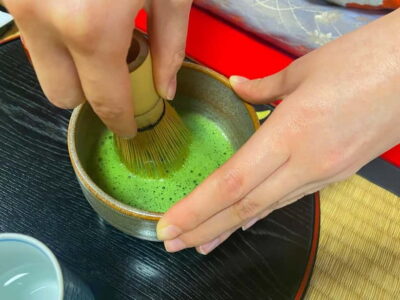
Tea Ceremony in a Traditional Tea House in Kiyomizu
Read our review →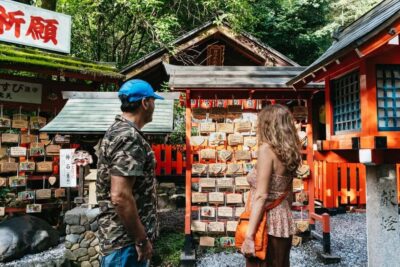
Nijo Castle, Kiyomizu & Fushimi Inari Guided Tour
Read our review →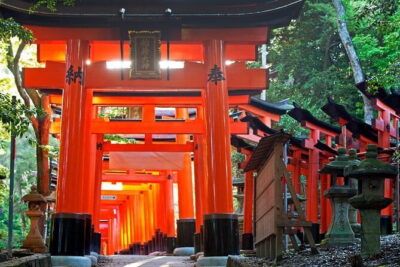
Nijo, Kinkaku-ji, Arashiyama, Kiyomizu & Fushimi Inari
Read our review →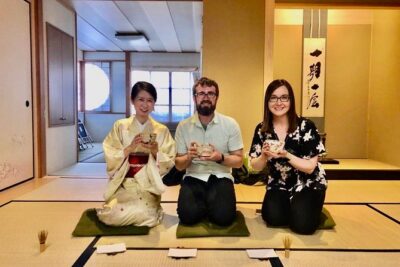
Kyoto Tea Ceremony & Kiyomizu-dera Temple Walking Tour
Read our review →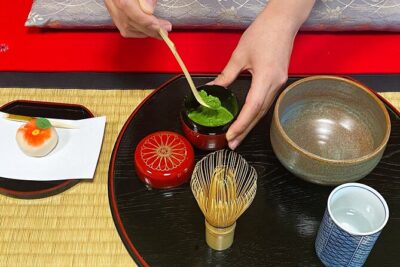
Kyoto Kiyomizu Tea Ceremony with Scenic Garden Views
Read our review →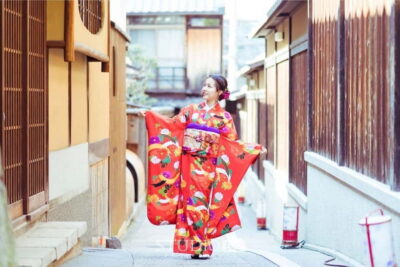
Kyoto Gion Kiyomizudera Kimono Yukata Hairstyle | Photoshoot
Read our review →
Kiyomizu Temple and Backstreets of Gion, Half Day Group Tour
Read our review →
Best of Kyoto: Red Gates of Fushimi Inari & Kiyomizu Temple
Read our review →Also filed under