Reviewed · FUSHIMI INARI SHRINE WALKS
Best of Kyoto: Red Gates of Fushimi Inari & Kiyomizu Temple
Red gates look better before breakfast. I love how this early start lets you enjoy Fushimi Inari torii gates with calmer air and better photos, and I also like that your guide connects what you’re seeing to Buddhism and local tradition. The only real drawback is the walk, with plenty of stairs and a realistic 10,000 steps or more.
What makes the tour feel worth it is the built-in logistics. Entrance fees, train fares, and even the taxi between the two main sights are included, so you are not juggling tickets, cash, and route decisions. You finish in Higashiyama at % ARABICA Kyoto Higashiyama, and you’ll also get local guide tips for where to eat, drink, and keep exploring.
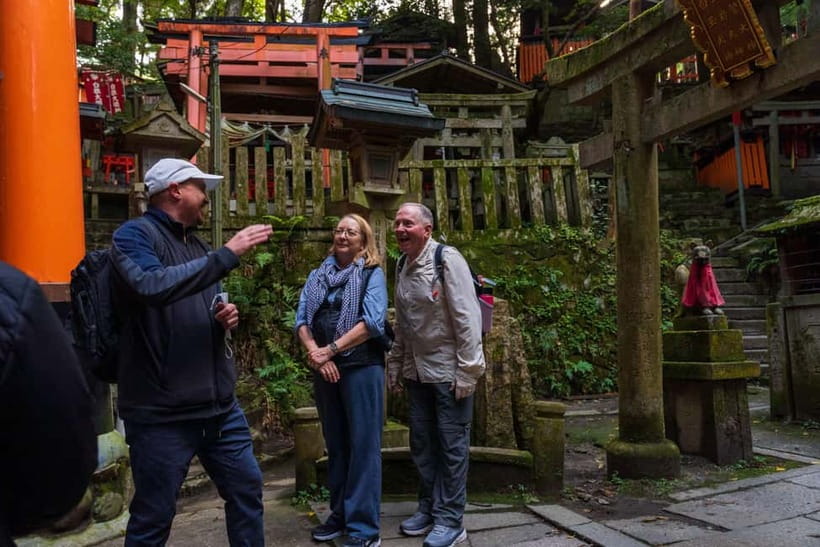
You get live guiding in English or French, and it can run as a private or small group. Based on past tour experiences with guides like Shanda and Diana, expect clear, upbeat storytelling and enough time to take photos without feeling shoved along.
In This Review
- Key things to know before you go
- How the early start reshapes Fushimi Inari photos and vibes
- Fushimi Inari Taisha (50 minutes): torii gates, stairs, and meaning you can actually use
- Kiyomizu-dera (1 hour): the red icon, plus Kyoto views you will remember
- Sannenzaka and Ninenzaka lanes, plus a photo stop that makes the day easier
- Getting between sites: included train fares and a taxi that saves your energy
- Guide impact: why Shanda and Diana-style storytelling makes this tour click
- What the $58 price gets you, and how to judge the value
- Practical tips so you enjoy every step (not just the views)
- Should you book this early-bird Fushimi Inari and Kiyomizu-dera tour?
- FAQ
- How long is the Best of Kyoto: Red Gates of Fushimi Inari & Kiyomizu Temple tour?
- Where do we meet the guide?
- What is included in the price?
- Are food and drinks included?
- Is there a lot of walking or stairs?
- What languages are available, and can I cancel?
Key things to know before you go
- Early-bird timing helps you see Fushimi Inari and Kiyomizu-dera before the heaviest crowds
- A story-first guide explains Buddhism and what the shrines and temples mean in real life
- A realistic photo rhythm, including time set aside to get pictures calmly
- Included transit and entry fees so the day stays low-stress
- Higashiyama walking districts like Sannenzaka and Ninenzaka give you Kyoto’s old-street vibe
- A coffee finish at % ARABICA plus restaurant and bar suggestions from your guide
How the early start reshapes Fushimi Inari photos and vibes
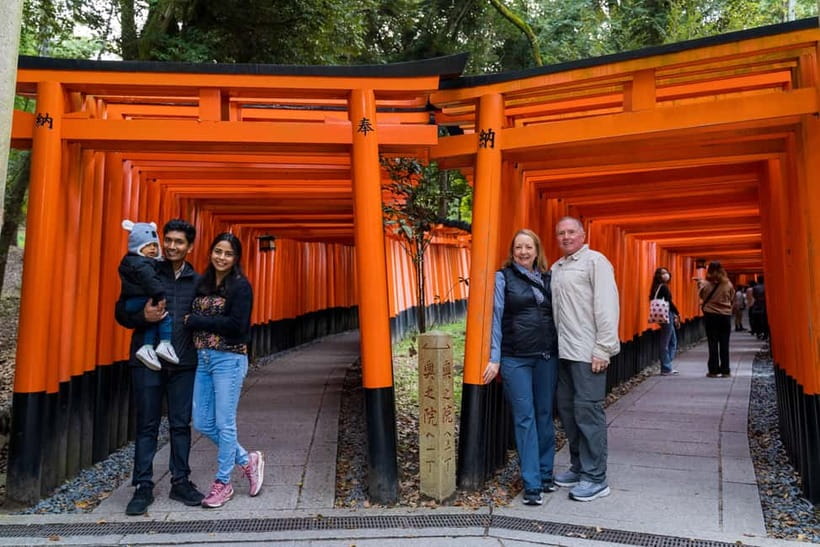
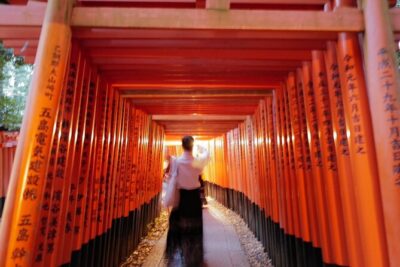
Kyoto’s famous sights can feel like photo backdrops, with crowds moving like a conveyor belt. This tour is built around an early start, so you experience Fushimi Inari with more quiet and more breathing room. Long red torii shadows and the calm morning atmosphere make it easier to appreciate the place as a shrine, not just a scene.
You also get something practical: better timing. Starting early helps you avoid the densest crowd flow, which means you can actually look up, walk at your pace, and stop when you want. If you care about photos, you should plan around this benefit more than anything else.
One more nice touch is that your guide keeps the day moving without turning it into a speedrun. In past groups with guides like Shanda, the pacing includes time to make relaxed pictures, not just quick snapshots between people.
Fushimi Inari Taisha (50 minutes): torii gates, stairs, and meaning you can actually use
Fushimi Inari Taisha is the first guided stop, and it is the one that sets the theme for the whole day. You’ll walk through the iconic torii gates, and your guide explains how the shrine fits into Japanese religious practice. Even if you already know it is a famous site, the stories help you notice details you would otherwise miss.
This stop also comes with the reality check you should take seriously: stairs. The tour is not a flat stroll, and you end up doing plenty of steps during the day. Comfortable shoes are not optional here, and if you are sensitive to uphill walking, plan to move slowly.
What you’ll love most at Fushimi Inari is the shift in pace as the gates guide you forward. The place has layers, with different viewpoints you can reach by choosing where to pause and how far up to go. Your guide helps you decide what to prioritize in the time you have.
Possible drawback to keep in mind: if you are hoping for a shopping stop during the morning, some shops may still be closed early. That can be a tradeoff, but it usually pays off because you get to enjoy the shrine atmosphere without fighting shoulder-to-shoulder crowds.
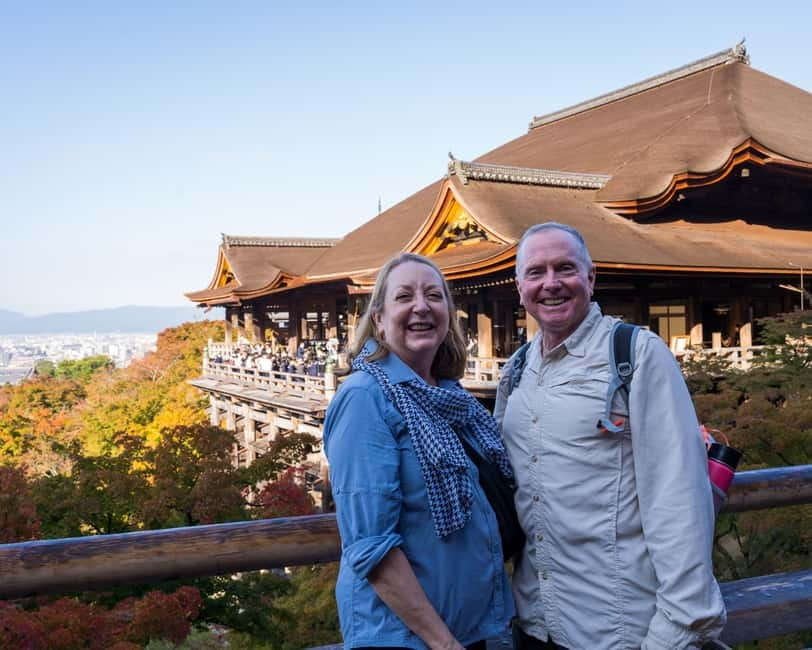
The wooden stage above the hillside
- Kyoto: Tea Ceremony in a Traditional Tea House in Kiyomizu
★ 4.9 · 3,519 reviews - Kyoto: Nijo Castle, Kiyomizu & Fushimi Inari Guided Tour
★ 4.7 · 700 reviews - Kyoto: Nijo, Kinkaku-ji, Arashiyama, Kiyomizu & Fushimi Inari
★ 5.0 · 699 reviews - Kyoto Tea Ceremony & Kiyomizu-dera Temple Walking Tour
★ 5.0 · 115 reviews
Kiyomizu-dera (1 hour): the red icon, plus Kyoto views you will remember
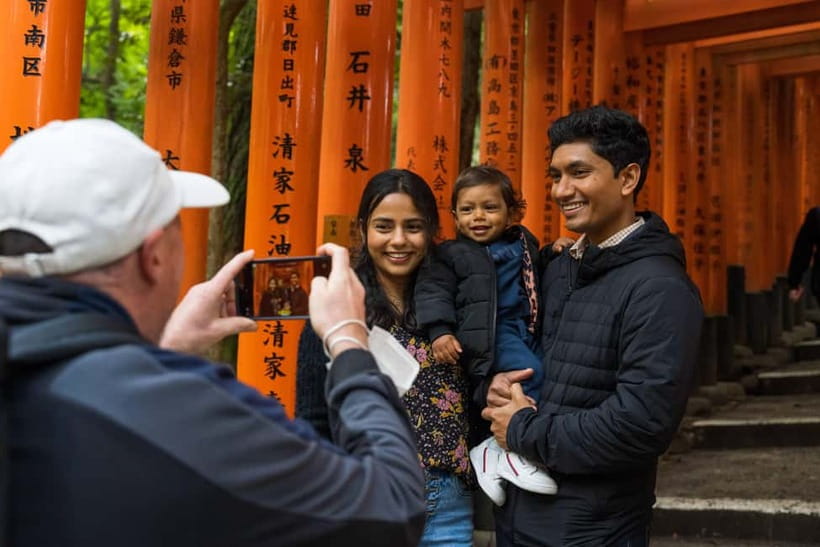
The second main stop is Kiyomizu-dera, one of Japan’s most famous temples and a true icon of Kyoto. Here, the guide-led visit focuses on what you’re seeing and why it mattered historically and religiously. You are not just looking at a famous roofline, you’re learning what the temple represents in the broader story of Buddhism in Japan.
The big payoff is the view. From the temple area, you get sweeping perspectives over Kyoto, and that is where the effort of the morning walking starts to feel worth it. If you time your breaks right, you can get a few clear angles before crowds thicken again.
You should also expect a steady flow of stairways and uneven footing. Even though the stop is about an hour, it does not feel like a sit-down visit. Plan to treat this as active sightseeing with frequent stopping points for explanations and photos.
Sannenzaka and Ninenzaka lanes, plus a photo stop that makes the day easier
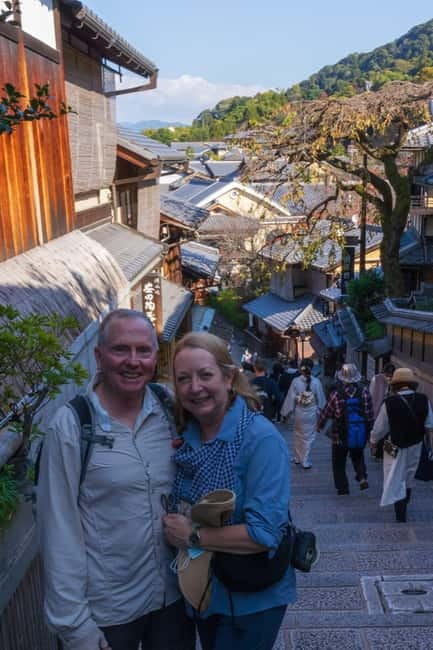
Between the two big landmarks, the tour includes time that feels distinctly Kyoto. You’ll explore preserved districts, including Higashiyama, Sannenzaka, and Ninenzaka, where narrow lanes and historic building styles shape the whole atmosphere.
This is where the tour shifts from monuments to streets. Kyoto at ground level is quieter and more human, with small storefronts, old facades, and the sense that the city grew in layers. Even the smell of coffee from nearby cafes can cue you that you are in the middle of everyday life, not just a sightseeing map.
There is also a dedicated photo stop (30 minutes). That matters more than it sounds, because it gives you a cushion to reset your camera, check composition, and avoid rushing at the exact moment the view is at its best. If you prefer photos to be part of the experience, not an afterthought, you’ll appreciate this.
You should still watch your footing and manage your time. These lanes can be busy, and you will likely be moving between viewpoints where the crowd density changes quickly.
Getting between sites: included train fares and a taxi that saves your energy
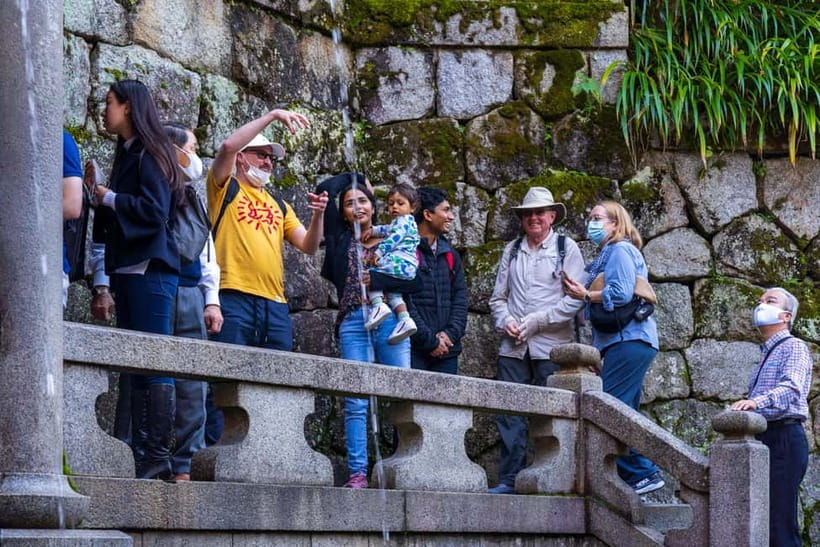
A big part of the value here is the transportation plan. Your tour includes train fares and taxi fare between the key points, which removes the most common travel headache: figuring out the best route while you are already tired.
That taxi segment is especially helpful because it keeps the day from turning into pure walking. You still do plenty of steps overall, but you avoid the kind of inefficient backtracking that can drain the morning fast.
The included entry fees are another quiet win. When you travel independently, you are often hunting for the right ticket counters and confirming what’s actually required. Here, you do not have to stop and calculate. You just show up, meet your guide, and the day runs.
Guide impact: why Shanda and Diana-style storytelling makes this tour click
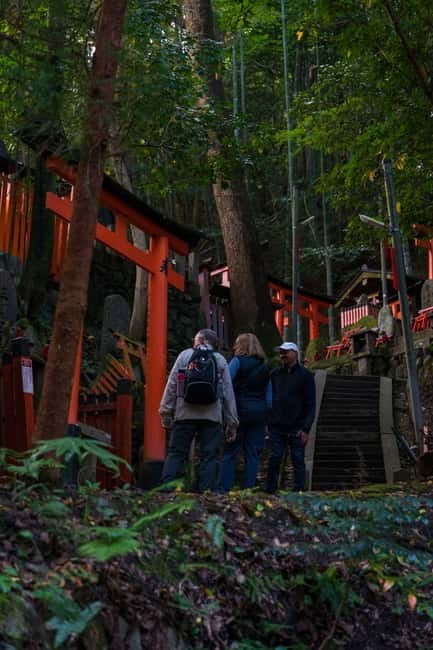
The biggest differentiator on this kind of half-day plan is not the landmarks. It is what the guide helps you understand while you’re standing in front of them.
Guides like Shanda and Diana have been praised for clear, organized explanations and for giving people time to take calm photos. That combination is important. If your guide talks too fast, you end up with either blurred pictures or half-heard history. If the guide talks too little, you miss the chance to connect what you see to why it exists.
You will also get guidance on Buddhist cultural context. That includes how shrines and temples fit into local life, and why visitors often treat certain symbols and practices with care. Even if you are not an expert, you will finish the tour with a better grasp of the meaning behind the scenes.
One more thing I like: the atmosphere stays friendly and upbeat. The tour is designed to feel stress-free, so you can relax into the day instead of managing constant decisions.
Still climbing through the orange gates?

What the $58 price gets you, and how to judge the value
At $58 per person for about 3 hours, the price makes sense if you value convenience and a guided pace. You are paying for a live guide plus included train fares, taxi fares, and entry fees. For many travelers, that bundle is more efficient than trying to coordinate the same route solo during peak hours.
This is also a smart value for first-timers in Kyoto. Two major sites in one morning, plus an old-street walk in Higashiyama, is the kind of day that would take extra time to plan well on your own. You also get those local guide tips at the end, which can help you turn the rest of your stay into better meals and better evenings.
What you should watch: food and drinks are not included. You will finish at % ARABICA Kyoto Higashiyama, but you still need to buy your own coffee or breakfast. The good news is it is a natural place to reward yourself after the early start.
Practical tips so you enjoy every step (not just the views)
Before you go, pack like this is a walking day. Wear comfortable shoes, and dress for lots of movement. The tour notes quite a few stairs, and the realistic step count of 10,000 or more is a solid guide for how active your morning will feel.
If you are sensitive to crowds, treat the early timing as part of your plan, not a bonus. You’ll get the calmest moments at Fushimi Inari and better sight lines at Kiyomizu-dera if you stay in sync with your group schedule.
Hydration also matters, even though the tour does not include drinks. Bring a small water bottle if that fits your style. And for your phone photos, consider charging fully the night before so you are not stuck near a viewpoint with low battery.
Finally, if you want to keep exploring after the tour, think about your route in advance. The guide can share restaurant, cafe, and bar suggestions, which is a great way to avoid random choices once you are tired.
Should you book this early-bird Fushimi Inari and Kiyomizu-dera tour?
Book it if you want a structured morning with two top Kyoto icons, plus old-street walking, without spending time on planning and tickets. The included transit and entry fees make it feel low-stress, and the early schedule is a real quality upgrade for the photos and atmosphere.
Skip it or consider an alternate plan if you struggle with stairs or long walking distances. This is not listed as suitable for mobility impairments, and even able-bodied travelers should expect a step-heavy day. Also consider your priorities if you mainly want shopping. Starting early can mean some shopfronts are not open yet, and that tradeoff may annoy you.
If your ideal Kyoto day is calm, guided, photo-friendly, and well organized, this is a strong fit. You’ll walk through the red torii world, hit the famous temple viewpoint, and end the morning with a coffee stop and helpful local recommendations you can actually use.
FAQ
How long is the Best of Kyoto: Red Gates of Fushimi Inari & Kiyomizu Temple tour?
The tour duration is 3 hours.
Where do we meet the guide?
Meet your guide in front of the entrance to JR Inari Station at the time on your voucher. You will see a small mailbox and a public phone next to each other there.
What is included in the price?
The tour includes the guide, train fares, taxi fares, and entry fees.
Are food and drinks included?
No. Food and drinks are not included. The tour finishes at % ARABICA Kyoto Higashiyama, where you can buy your own coffee or breakfast.
Is there a lot of walking or stairs?
Yes. There are quite a few stairs, and you may end up doing 10,000 or more steps throughout the tour. Comfortable shoes and clothes help a lot.
What languages are available, and can I cancel?
The live tour guide is available in English and French. Free cancellation is available up to 24 hours in advance for a full refund.
Temples and Shrines
New This Season
- Koyasan Day Trip by Private Car from Kyoto
- Old Port Town and Ultimate Sake Tasting Private Tour From Kyoto
- Kyoto’s Timeless Charm: 3hr Exploration of History and Peace
- Kyoto: 5 Types of Sushi Making
- Sacred Peak & Ancient Paths: Kurama-Kibune Hiking Experience
- Kyoto: Exclusive ZEN practice at Manpukuji temple in Uji
- Kyoto: Private Seasonal Aroma Yoga Class
- Traversing Kyoto’s Scenic West – Arashiyama to Kinkakuji
Fushimi Inari Shrine Walks, compared.
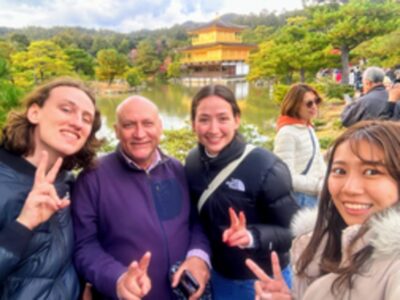
Fushimi Inari, Kinkakuji, Bamboo Grove 1 Day Bus Tour
Read our review →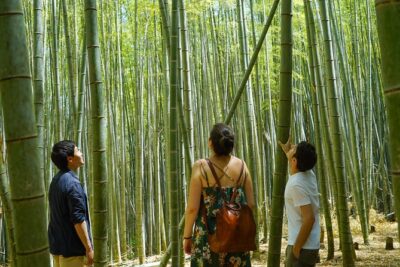
Fushimi Inari Hidden Hiking Tour (Private Option Available)
Read our review →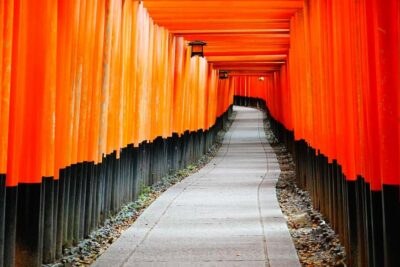
Kinkakuji,Arashiyama,FushimiInariShrine,NaraPark
Read our review →
Nara, Fushimi Inari Taisha, Arashiyama Bus Tour
Read our review →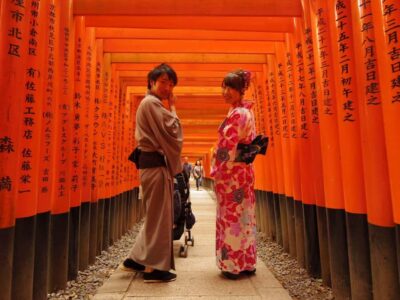
Arashiyama, Nara & Fushimi Inari Shrine w/Lunch
Read our review →
Nijo Castle, Kiyomizu & Fushimi Inari Guided Tour
Read our review →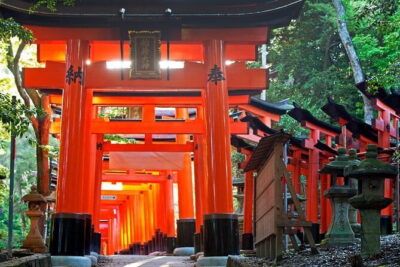
Nijo, Kinkaku-ji, Arashiyama, Kiyomizu & Fushimi Inari
Read our review →