Reviewed · KIYOMIZU-DERA TEMPLE VISITS
Kyoto Tea Ceremony & Kiyomizu-dera Temple Walking Tour
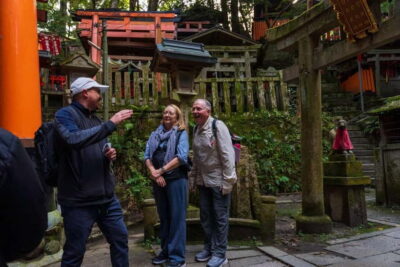
Kyoto has a way of pulling you uphill toward beauty. This Kiyomizu-dera Temple walking tour pairs classic UNESCO views with the softer side of Kyoto: Otowa Waterfall, a guided stroll through historic slopes, and a real tea ceremony with matcha. Two things I especially like: you get a local guide to make sense of what you are seeing, and the small group size (max 6) keeps the pace calm and photo-friendly. One thing to consider, the route includes slopes and stairs, so plan for a steady walking pace and bring water, especially in summer heat.
You start at Yasaka Shrine, then work your way toward Kiyomizu-dera via the storied streets that make this area feel like a movie set. You will also pass through the postcard-perfect shopping lanes near the temple, with time to take pictures rather than just sprinting between sights. It is a tidy half-day that covers a lot of Kyoto feeling without turning into a rushed checklist.
In This Review
- Key points that make this Kyoto experience work
- Meeting at Yasaka Shrine, then getting your bearings fast
- Kiyomizuzaka streets: old teashops, sweets, and the Kyoto vibe
- The climb to Kiyomizu-dera: built for viewpoints and worship
- Otowa Waterfall and the good-luck streams you can actually choose
- Passing Kiyomizu-zaka again: the 1-km pilgrimage rhythm
- Sannenzaka and Ninenzaka: legend that makes you watch your step
- Tea ceremony with matcha: where the tour turns calming
- The guide matters: how Hide’s tour style improves the day
- Price and value: what you get for $109.39 in 3 hours
- Who this Kyoto tour suits best
- Practical tips before you go up that hill
- Should you book this Kyoto Tea Ceremony and Kiyomizu-dera walk?
- FAQ
- How long is the Kyoto Tea Ceremony & Kiyomizu-dera Temple Walking Tour?
- Where does the tour start, and when is it scheduled?
- How many people are in the group?
- What is included in the ticket price?
- Is the tea ceremony and food suitable for allergies or special diets?
- Is cancellation free, and how much notice is needed?
Key points that make this Kyoto experience work
- Kiyomizu-dera UNESCO visit with context so the temple feels more than just impressive stone
- Otowa Waterfall ritual at the main worship spot, including how the three streams are used for good luck
- Kiyomizuzaka and Sannenzaka lanes with old-style shops and legend-powered storytelling
- Tea ceremony experience with matcha plus snacks to keep you comfortable during the walk
- Small-group cap of 6 for a more personal, relaxed tour flow
Meeting at Yasaka Shrine, then getting your bearings fast
Your day begins at Yasaka Jinja Nishiromon Gate (Western Tower Gate) near Gion, with the start time set for 9:00 am. It is a great choice to start here because you ease into Higashiyama before the crowds peak. You also avoid the most annoying travel problem in Kyoto, the one where you spend half your morning studying maps instead of enjoying the scenery.
Expect a straightforward handoff from your guide, plus a moment or two to settle in. The itinerary includes a photogenic spot early on, which is smart. When you start taking photos right away, you stop feeling like you are behind schedule and you can focus on the walk.
If you have ever felt confused about where exactly to meet, this is a tour where arriving a few minutes early helps. The meeting point is specific, and the gate area can be busy before the tour begins.
Kiyomizuzaka streets: old teashops, sweets, and the Kyoto vibe
After meeting at Yasaka Shrine, the route moves into the atmospheric streets of Kiyomizuzaka. This is the stretch that people come to Kyoto for in the first place: narrow lanes, traditional storefronts, and that slow sense of time travel. The tour context matters here. A guide helps you read the place, not just walk through it.
You will pass areas lined with old-school teashops and Japanese sweets shops, plus traditional sundried food stores. And because this is Kyoto, the street energy can include maiko and geisha as well. Even if you do not catch anyone in motion, the streets still feel special because the buildings and shopfronts keep the traditional look intact.
The tour also includes a stop connected to Yasakakoshindo, described as one of the colorful temple spaces in Kyoto. You will get time to notice details and photos here, which is a nice break from continuous uphill walking.
One practical tip: wear shoes you trust. This part is scenic, but it is not flat. You want traction and comfort, especially if you are visiting during humid weather.
The wooden stage above the hillside
- Kyoto: Tea Ceremony in a Traditional Tea House in Kiyomizu
★ 4.9 · 3,519 reviews - Kyoto: Nijo Castle, Kiyomizu & Fushimi Inari Guided Tour
★ 4.7 · 700 reviews - Kyoto: Nijo, Kinkaku-ji, Arashiyama, Kiyomizu & Fushimi Inari
★ 5.0 · 699 reviews - Kyoto Kiyomizu Tea Ceremony with Scenic Garden Views
★ 5.0 · 101 reviews
The climb to Kiyomizu-dera: built for viewpoints and worship
Eventually, you reach one of Japan’s most famous temples, Kiyomizu-dera, a UNESCO World Heritage Site. What I like about this tour is that it treats the temple like a system. You do not just arrive at the main view point, you learn why the site was chosen and how the worship space works.
Kiyomizu-dera is described as being made about 1,200 years ago on the site of Otowa Waterfall, and the temple name is connected to the pure water. That connection matters because it explains why the waterfall area is not an afterthought. It is central to the experience and the spiritual story.
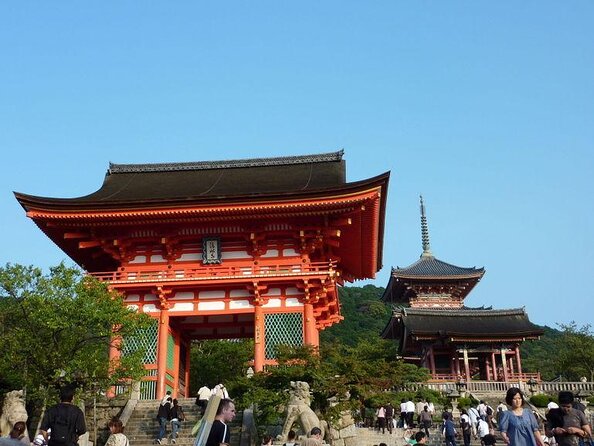
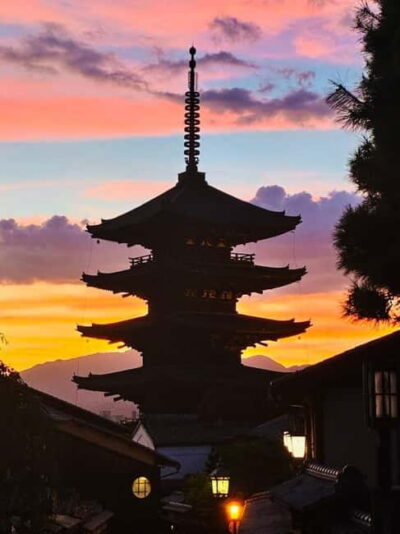
As you get closer, you can also notice major architectural landmarks like the Niomon Gate and the three-story pagoda near the top of the hill. Your guide helps you make sense of where to look first, so you do not waste time wandering.
When the tour reaches the wooden worship stage, you are told to look for the viewpoint: the stage sits about 13 meters above the ground, and it is one of the best spots to see sweeping views of Kyoto in the distance, including trees that can turn beautiful in cherry and maple seasons. Even if you are not there in peak foliage, the elevation gives you a strong sense of why this temple draws so many people.
Otowa Waterfall and the good-luck streams you can actually choose
The heart of the visit is Otowa Waterfall. Your guide explains the worship rhythm and the practical detail that the water is divided into three separate streams, each linked to a different kind of benefit. The ritual includes using a cup attached to a long pole so you can drink the water and bring good fortune.
This is one of those moments where a guide makes your experience richer, because it is easy to watch others and miss what you are supposed to do. With the explanation, it becomes a calm, meaningful stop rather than just a crowd around a waterfall.
If you are the type who likes understanding before you participate, you will appreciate that this tour frames Otowa Waterfall as part of worship at the temple. You are not just ticking off a photo location, you are seeing a living practice.
Also, there is a cultural payoff here. You get the mix of architecture, open-air views, and a direct ritual at the source of the temple’s origin story.
Passing Kiyomizu-zaka again: the 1-km pilgrimage rhythm
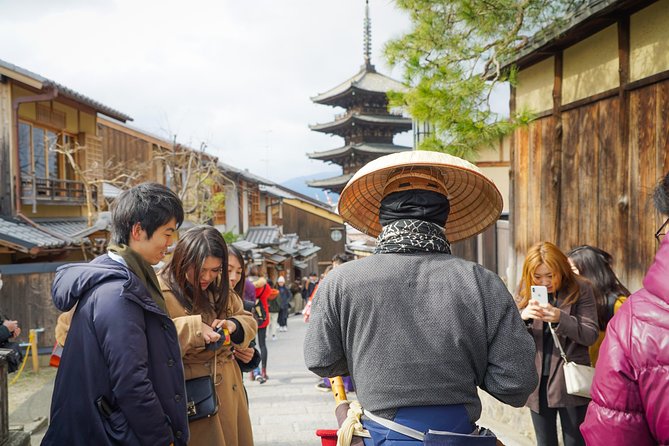
After the main temple time, the tour includes passing near Kiyomizuzaka Street. The info you get here is specific: this is described as a 1-km pilgrimage route that begins where Matsubara-dori crosses Higashioji-dori. The slope is said to be quieter with fewer pedestrians at the start, but souvenir stores line the street as you go.
You will notice a typical mix of Kyoto take-home items, including pickles and yatsuhashi, with people calling out to visitors. You will also pass a Kiyomizu doll store near the temple gate area.
What I like about this segment is that it gives you a chance to see the neighborhood tempo at street level. You get the shopping lane feeling without turning the whole day into a retail stop. If you want souvenirs, you can browse with purpose. If not, you can still enjoy the atmosphere and the slow turning of the street back toward ordinary Kyoto life.
Sannenzaka and Ninenzaka: legend that makes you watch your step
Near the temple area, the tour passes Sannenzaka and Ninenzaka. This is one of those Kyoto streets that people talk about because the stones and slopes carry stories. Sannenzaka is described as a historic road, with legend saying the name comes from it opening in the 3rd year of Daido (808), though multiple theories exist.
The standout legend here is the warning theme: if you fall down on Sannenzaka, the legend says you will die within three years or have your life span shortened by three years. Even if you treat it as an urban legend, it has a real effect on how you walk. You slow down, you look where you step, and suddenly the street feels like a place with meaning instead of just an uphill shortcut.
The story linked to this legend includes the idea that Sannenzaka once led to the burial ground of Toribeno, acting as a warning to watch your step on the slope.
For me, this is the kind of detail that turns a walk into an experience. It is small, but it changes your attention.
More rooftops worth a detour

Tea ceremony with matcha: where the tour turns calming
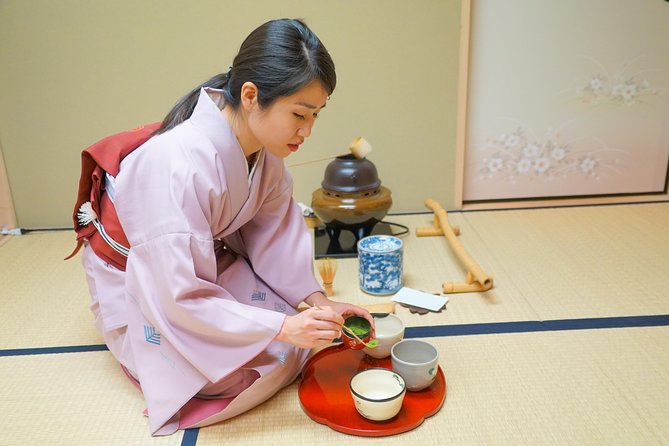
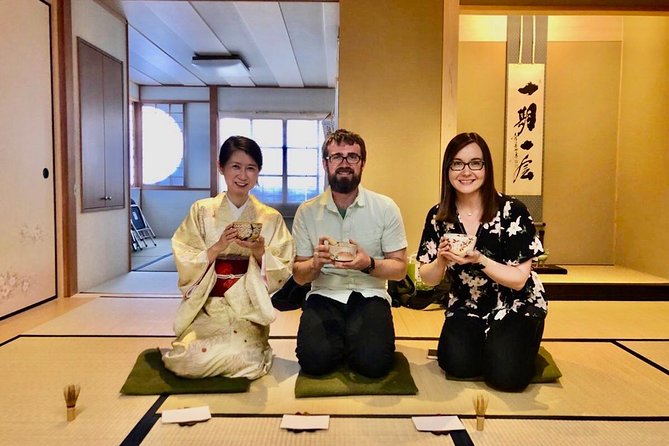
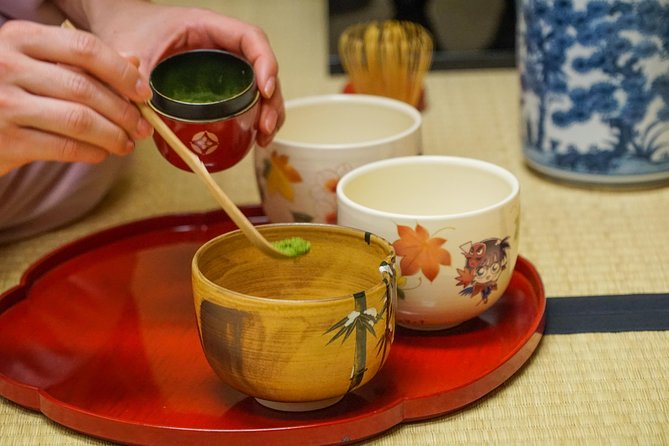
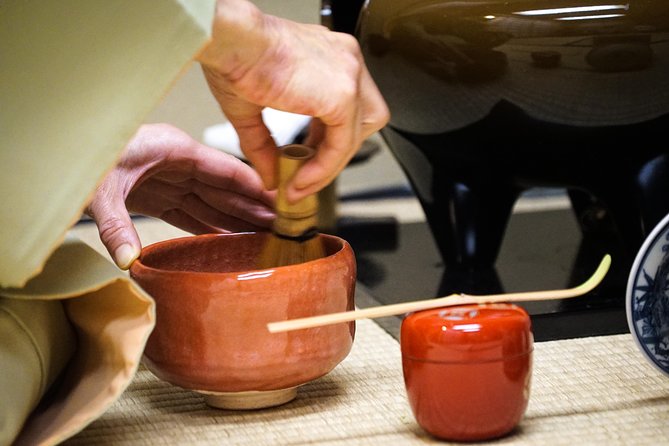
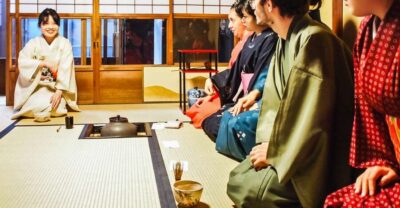
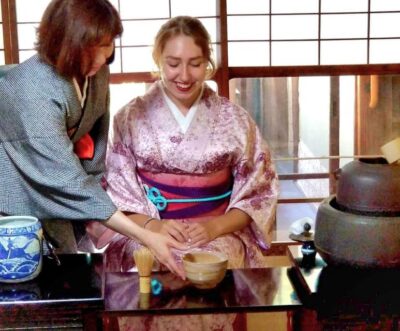
After the temple-heavy walking, the tour switches gears to a traditional tea ceremony experience. This is a smart balance. Temples and streets can be intense, so getting a calmer cultural moment helps the whole half-day land better.
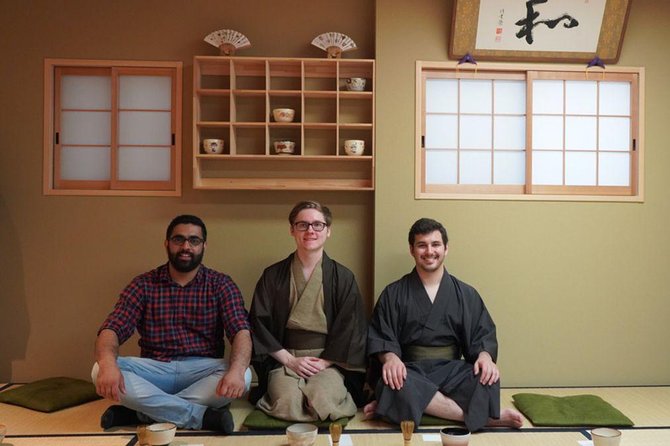
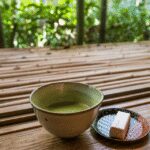
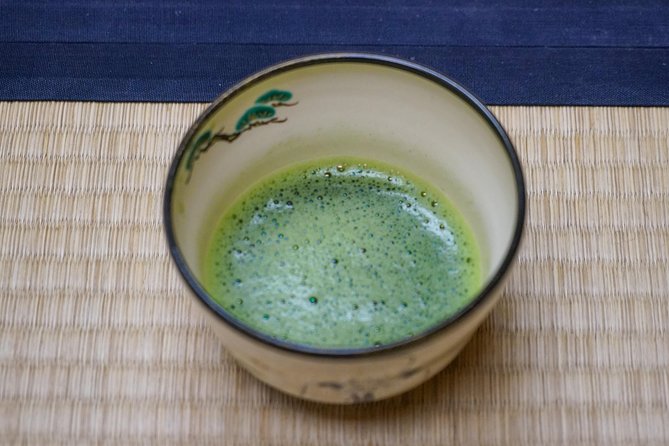
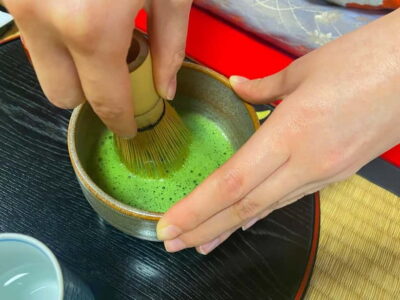
You are served matcha (green tea) as part of the experience, and the tour includes snacks and a few food samplings. You also get help understanding the formalities, which matters because a tea ceremony can look simple from the outside. With guidance, you notice the meaning in the pacing and etiquette.
In the experience details, it is easy to imagine a formal setup, but what makes this stop special is the human side. One example from past tours is a tea host named Haruki, described as sweet and entertaining. That kind of tone helps a tea ceremony feel welcoming instead of stiff.
And then you get to do the best kind of cultural activity: one that does not require you to be an expert. You just need to pay attention, breathe, and follow along.
The guide matters: how Hide’s tour style improves the day
Guides can make or break a walking tour in Kyoto, where there is a lot to see and it is easy to feel lost. On tours connected to this experience, I have seen Hide highlighted for making the day fun while still explaining religion and temple life. The best part of his style, based on the details you have, is that he links what you are looking at to both Shinto and Buddhist ideas.
He is also described as mixing in light humor, even baseball jokes, which sounds silly until you realize how much that relaxes the walking pace. That matters if you are visiting Kyoto solo or just want a guided day that feels friendly rather than lecture-heavy.
Even if your guide is someone else, the format is designed for two-way learning: you can ask questions, and you can get practical answers as you walk between sites.
Price and value: what you get for $109.39 in 3 hours
At $109.39 per person for about 3 hours, this is not the cheapest way to see Kiyomizu-dera. But it is also not just paying for entry. The included value stack is what makes sense:
- Kiyomizu-dera entrance fee is included
- Tea ceremony is included, along with matcha
- Snacks are included
- You get photos during the tour
- You get 3 hours with a local guide
- It runs as a small-group activity with a max of 6 travelers
If you attempted to DIY this, you would likely spend time figuring out routes and timing, and you would still need to book a tea ceremony separately. Here, all the key pieces are bundled into one morning plan.
Also, this is a tour that tends to get booked about a month ahead on average. That is often a clue that the tea ceremony availability and guide scheduling are a real part of the value.
Who this Kyoto tour suits best
This tour fits best if you want a guided day that blends major sights with cultural breathing room.
- You like temples but want context, not just photos
- You want a tea ceremony with matcha without handling the booking maze
- You prefer small groups and a calmer pace
- You are okay with some walking and stairs around Higashiyama
It is less ideal if you have mobility limits or if you want a fully flexible, pick-your-own-adventure day. The tour also notes that children under 6 are not allowed, so plan accordingly for families.
Practical tips before you go up that hill
A few things will make your experience smoother:
- Bring water and a hat. Summer in Japan can be very hot and humid, and the tour itself runs in a high-walking area.
- Wear shoes made for slopes. Kiyomizuzaka and nearby lanes are not flat walking.
- If you have allergies or strong dietary needs, read the tour notes carefully. The tour cannot guarantee allergy-free food, and dietary restrictions cannot be assured because food may be prepared in kitchens that are not part of the operator.
- Keep expectations realistic for snacks. The tour includes snacks and food samplings, but substitution options are not guaranteed at every stop.
Should you book this Kyoto Tea Ceremony and Kiyomizu-dera walk?
I recommend this if you want the classic Higashiyama hits with less friction. The big wins are Kiyomizu-dera with Otowa Waterfall ritual explained, plus a tea ceremony with matcha that gives your brain a break after temple time. The small group cap also helps, because you are not fighting a crowd to hear or to take a photo.
Skip it only if you want maximum freedom with no scheduled stops, or if you cannot comfortably handle a hilly, temple area walking route. If you are visiting Kyoto for the first time and want to feel oriented fast, this is one of the smarter ways to do it in half a day.
FAQ
How long is the Kyoto Tea Ceremony & Kiyomizu-dera Temple Walking Tour?
The tour lasts about 3 hours.
Where does the tour start, and when is it scheduled?
The meeting point is at Yasaka Jinja Nishiromon Gate (Western Tower Gate), and the start time is 9:00 am.
How many people are in the group?
This is a small-group activity with a maximum of 6 travelers.
What is included in the ticket price?
It includes Kiyomizu-dera entrance fee, a tea ceremony experience, snacks (a few food samplings), photos during the tour, 3 hours with a Kyoto local guide, and a matcha drink.
Is the tea ceremony and food suitable for allergies or special diets?
The tour notes that it cannot guarantee allergy-free or cater to dietary restrictions, since food is prepared in kitchens not belonging to the operator. Substitutions may not always be possible, though efforts are made to compensate at other stops.
Is cancellation free, and how much notice is needed?
Yes, you can cancel for free up to 24 hours in advance for a full refund. If you cancel less than 24 hours before the experience starts, the amount paid is not refunded.
More Walking Tours in Kyoto
Traditional Tea Ceremonies
New This Season
- Koyasan Day Trip by Private Car from Kyoto
- Old Port Town and Ultimate Sake Tasting Private Tour From Kyoto
- Kyoto’s Timeless Charm: 3hr Exploration of History and Peace
- Kyoto: 5 Types of Sushi Making
- Sacred Peak & Ancient Paths: Kurama-Kibune Hiking Experience
- Kyoto: Exclusive ZEN practice at Manpukuji temple in Uji
- Kyoto: Private Seasonal Aroma Yoga Class
- Traversing Kyoto’s Scenic West – Arashiyama to Kinkakuji
Kiyomizu-dera Temple Visits, compared.
Tea Ceremony in a Traditional Tea House in Kiyomizu
Read our review →
Nijo Castle, Kiyomizu & Fushimi Inari Guided Tour
Read our review →
Nijo, Kinkaku-ji, Arashiyama, Kiyomizu & Fushimi Inari
Read our review →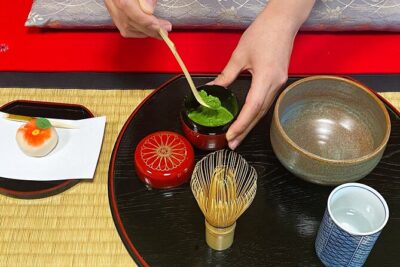
Kyoto Kiyomizu Tea Ceremony with Scenic Garden Views
Read our review →
Kimono/Yukata Rental 5 Minute from Kiyomizu-dera
Read our review →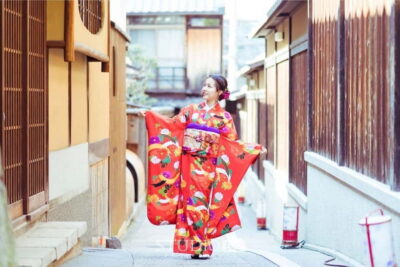
Kyoto Gion Kiyomizudera Kimono Yukata Hairstyle | Photoshoot
Read our review →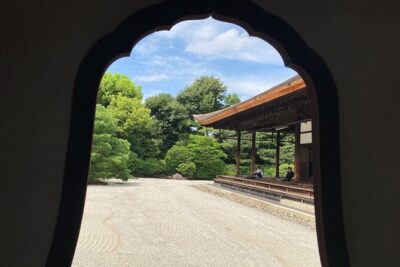
Kiyomizu Temple and Backstreets of Gion, Half Day Group Tour
Read our review →