Reviewed · GION GEISHA QUARTER WALKS
Kiyomizu Temple and Backstreets of Gion, Half Day Group Tour
Kyoto in four hours, on foot. This half-day walk packs Kiyomizu-dera viewpoints and the backstreets of Gion into one logical route, so you spend less time figuring out where to go and more time seeing what matters. I especially like the way the guide connects the dots between Buddhism and Shinto while you move through Higashiyama.
One thing to plan for: it is still a walking tour with uphill stretches toward Kiyomizu-dera, so comfortable shoes help. Also, the tour ends in Gion, and there could be a delay when it finishes if you have a tight appointment right after.
In This Review
- Key highlights I’d center in your planning
- Why This Kiyomizu and Gion Route Feels Efficient
- Kyoto Ceramic Center Meet-Up: A Calm Start Before the Climb
- Kiyomizu-dera: UNESCO Views Plus Real Context
- Sannenzaka and Ninenzaka Slopes: The Street That Defines Higashiyama
- A Nearby Japanese Garden and the Yasaka Pagoda Moment
- Yasaka Kōshin-dō: A Short Stop With a Purpose
- Yasui-Konpiragu: Ritual Culture Without a Huge Detour
- Kennin-ji Zen Temple: Oldest Zen Roots in a Quiet Setting
- Gion Backstreets and Hanamikoji: See More Than the Main Street
- Walking Time, Crowd Reality, and What to Wear
- Price and Value: What $59.45 Buys You Here
- Who This Tour Fits Best
- Should You Book This Kiyomizu and Backstreets of Gion Tour?
- FAQ
- How long is the Kiyomizu Temple and Backstreets of Gion half-day tour?
- Where does the tour meet and end?
- Is admission included for any temples or attractions?
- How big is the group?
- Does the tour run in the rain?
- What footwear should I wear?
Key highlights I’d center in your planning
- Small group size (max 8 travelers) keeps the pace manageable and easier to ask questions
- Kiyomizu-dera plus Kennin-ji admission included, meaning real value for your ticket money
- Steep, historic slopes of Sannenzaka and Ninenzaka give you that Kyoto-feeling street experience
- Short shrine stops (Yasaka Koshindo and Yasui-Konpiragu) add meaningful rituals without eating your whole day
- Kennin-ji is Kyoto’s oldest Zen temple (founded 1202), with calm grounds even though you are in the middle of the city
- Gion at the end, focused on Hanamikoji and side streets rather than just a quick drive-by
Why This Kiyomizu and Gion Route Feels Efficient
Kyoto’s Eastern side can be confusing if you try to do it alone. This tour’s strength is that it knits together the neighborhoods that belong together on foot, starting near Higashiyama and ending in Gion. You also get a guide who keeps the pace up just enough, without turning the day into a sprint.
Another big plus is theme continuity. You are not just collecting famous buildings. You move from Kiyomizu-dera to nearby historic lanes, then through Zen at Kennin-ji, and finally into Gion’s streets. That arc makes the whole half day feel like one story.
Kyoto Ceramic Center Meet-Up: A Calm Start Before the Climb
The meeting point is the Kyoto Ceramic Center at 583-1 Yūgyōmaechō, Higashiyama Ward. It is a handy way to start, because you begin at a clear, local landmark instead of a vague intersection.
The stop is short, about 10 minutes, and the admission ticket is listed as free. Think of it as a reset point: you can grab water, use a restroom if needed, and get your bearings before the walk toward Kiyomizu-dera.
The wooden stage above the hillside
- Kyoto: Tea Ceremony in a Traditional Tea House in Kiyomizu
★ 4.9 · 3,519 reviews - Kyoto: Nijo Castle, Kiyomizu & Fushimi Inari Guided Tour
★ 4.7 · 700 reviews - Kyoto: Nijo, Kinkaku-ji, Arashiyama, Kiyomizu & Fushimi Inari
★ 5.0 · 699 reviews - Kyoto Tea Ceremony & Kiyomizu-dera Temple Walking Tour
★ 5.0 · 115 reviews
Kiyomizu-dera: UNESCO Views Plus Real Context
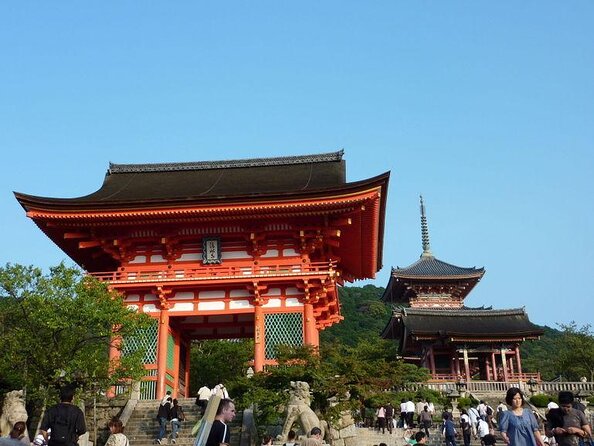
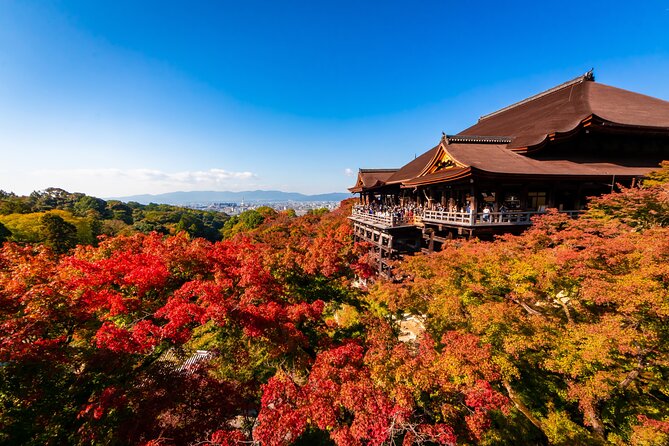
Kiyomizu-dera is the headline. You spend about 1 hour here, and admission is included. It is also a UNESCO World Heritage Site and one of Kyoto’s most visited attractions, which explains why being there with a guide can save time and reduce stress.
What I like about pairing Kiyomizu-dera with story is that it helps you notice details you might otherwise miss. One of the values of a guided stop is not just where to stand, but what the site means and why it became such a magnet for visitors.
Practical note: the area around Kiyomizu-dera involves uphill walking and steep lanes nearby. If you are sensitive to steep grades, plan to slow down and keep steady steps. Review write-ups with guides like Takuma and Mika often highlight how they manage the busy flow through these zones, which is exactly what you want on a short half day.
Sannenzaka and Ninenzaka Slopes: The Street That Defines Higashiyama
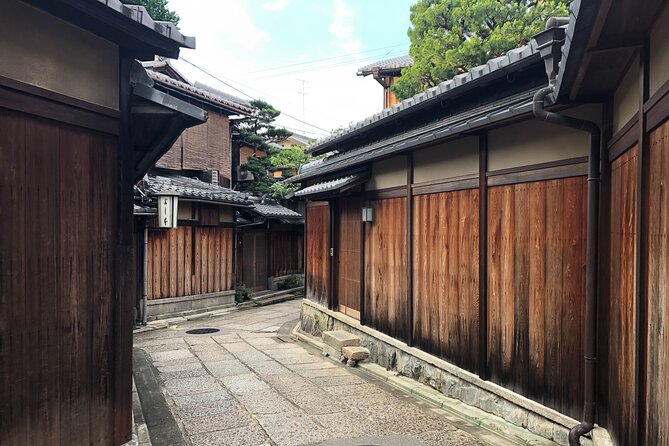
After Kiyomizu-dera, you head into the historic lanes of Sannen-zaka and Ninen-zaka. This stop is listed as about 30 minutes, and admission is free.
These two slopes are famous for a reason. They are the classic approach streets leading up to Kiyomizu-dera, and they create that layered Kyoto feel, where you see old-town street forms and feel the neighborhood rhythm. The tour description notes that Sannen-zaka is steeper and longer than Ninen-zaka, so your walk will naturally include a change in effort and views as you move.
If you care about photos, I’d treat this portion as your slow-walk section. It is also where you learn the route logic, since crowding can make it hard to understand where people are going.
A Nearby Japanese Garden and the Yasaka Pagoda Moment
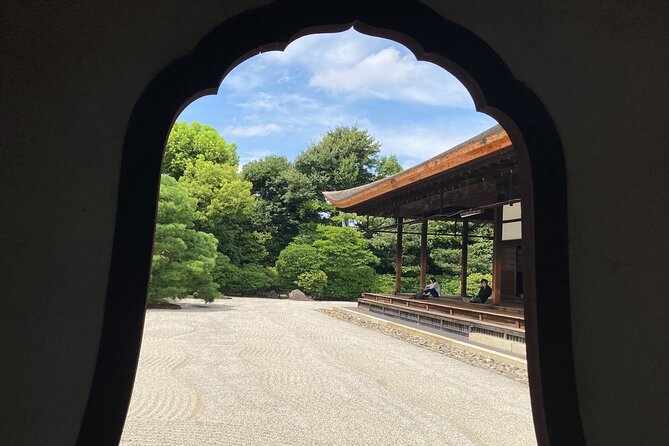
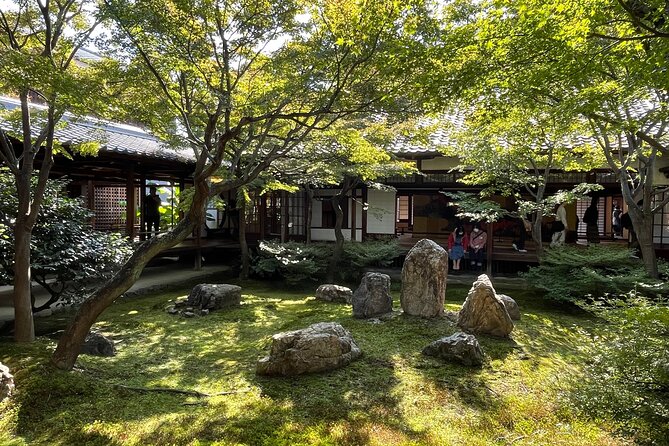
The tour includes time near a Japanese garden located close to Kiyomizu-dera. The description emphasizes the garden design features like ponds, traditional wooden bridges, and carefully arranged plants, with a peaceful break from the street noise.
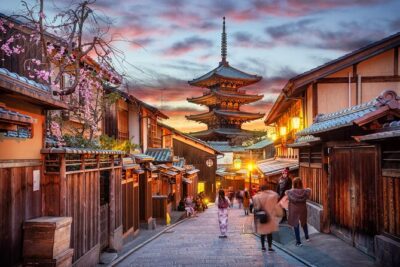
Right after that calm pause, you also visit the Yasaka Pagoda, a five-story pagoda and one of Kyoto’s iconic landmarks. Even if you only get a short look, the sequence matters: the garden softens the pace, then the pagoda gives you a sharp cultural landmark to mark the shift from hillside to lower streets.
Because this part of the schedule does not list a precise duration for each spot, you should assume it is “time-flex” within the half-day flow. That is normal for walking tours that respond to crowd levels.
Yasaka Kōshin-dō: A Short Stop With a Purpose
Next up is Yasaka Kōshin-dō Temple for about 10 minutes, with admission listed as free. This is a smaller temple near Yasaka Shrine and it is dedicated to Koshin, a guardian deity believed to protect people from illness and misfortune.
You may notice colorful religious features here, since the description says it is famous for its colorful kukuriz… (the text is truncated, but the point is that it is visually known). A good short temple stop like this can be refreshing, especially after Kiyomizu-dera crowds.
If you want your half day to feel meaningful and not just sightseeing, this is a smart type of stop. It does not take over the afternoon, but it adds a real Kyoto belief system you can explain back later.
More rooftops worth a detour

Yasui-Konpiragu: Ritual Culture Without a Huge Detour
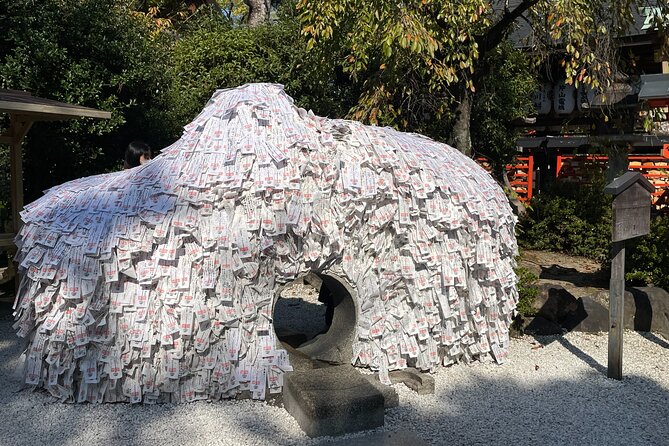
You then visit Yasui-Konpiragu for about 10 minutes, also free. This Shinto shrine is known as a place to cut negative relationships and form positive ones. The description also says it is popular for a unique ritual and can attract long lines.
This is where you decide how you like to travel. If you enjoy seeing shrines in action, you might enjoy the atmosphere even if you do not join a line. If you prefer smoother pacing, just be aware that this is one of the spots where queues are plausible.
Either way, it adds another layer to the day, because you are comparing Zen temple calm at Kennin-ji with Shinto shrine practice at Yasui-Konpiragu.
Kennin-ji Zen Temple: Oldest Zen Roots in a Quiet Setting
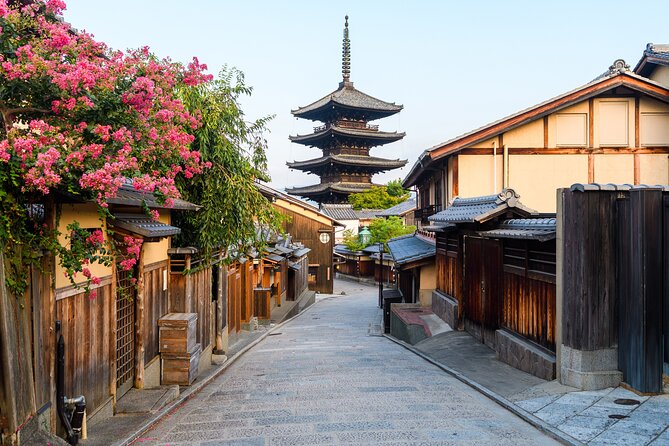
The schedule includes Kennin-ji Temple for about 50 minutes, and admission is listed as included. Kennin-ji is Kyoto’s oldest Zen temple, founded in 1202.
The tour description highlights something I really care about: even though the grounds sit in a central, busy area, they are calm and spacious. You also get a mention of the impressive Dharma Hall, which gives you a clear focal point for your visit.
In shorter Kyoto tours, many temple stops feel rushed. Here, the time allocation helps. You do not just pass through. You get enough space to slow down, look at structures, and understand what you are seeing.
This part also tends to land well with families. One family-friendly tour comment notes the guide accommodated children’s pace. If your group includes kids who get tired faster, that flexibility can be a major quality-of-life win.
Gion Backstreets and Hanamikoji: See More Than the Main Street
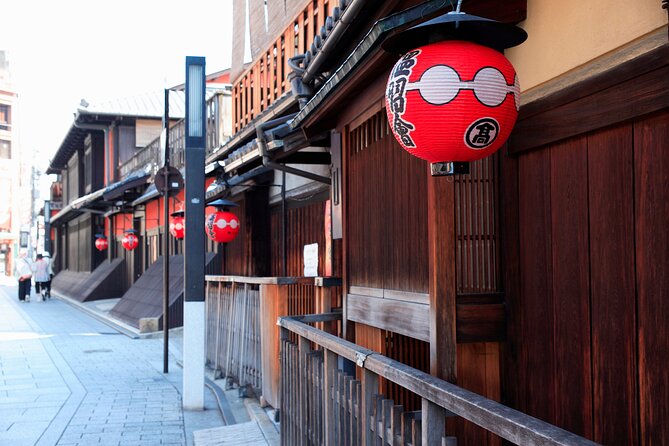
The tour ends with a walk through Gion, Kyoto’s largest geisha district, focusing on Hanamikoji, plus exploring the main street and surrounding area.
The description calls out traditional wooden machiya houses, teahouses, shops, and restaurants. Even with only part of Gion covered in a half day, this segment is the payoff for many people. It is the Kyoto that looks like it belongs in a film, but you are walking through it, not just staring from a bus window.
It is also a good “endcap” because it naturally slows down after the religious stops earlier in the day. Instead of trying to interpret temples, you can just absorb the street scale and details.
One more practical angle from real guide feedback: multiple people mention guides ending the tour in a way that worked for relaxation. That matters if you have fatigue from walking uphill earlier.
Walking Time, Crowd Reality, and What to Wear
This is about 4 hours (approx.) of guided walking, rain or shine. The tour specifically recommends comfortable walking shoes, and that is not optional in Kyoto’s older districts. You will be on steep lanes and uneven ground at different points, and the route includes uphill travel toward Kiyomizu-dera.
Also, because the maximum group size is 8 travelers, crowds are still manageable compared with big bus groups. Still, Kiyomizu-dera and popular shrine areas can get busy. Having someone steer you through busy spots, as seen in guide performance praise for people like Mika and Takuma, can genuinely change your stress level.
If you are the type who needs to keep moving, you will probably enjoy this pace. If you prefer unstructured strolling with frequent long pauses, this might feel a bit structured for a half day.
Price and Value: What $59.45 Buys You Here
The price is $59.45 per person for a 4-hour small-group walking tour. The value comes from a few concrete things, not just the guide.
First, Kiyomizu-dera admission is included. Second, Kennin-ji admission is included. Other stops in the schedule are listed as free admission, like the Kyoto Ceramic Center meet-up and the short shrine temple visits.
Then you add in route planning value. Kyoto is a city where getting lost wastes time fast, especially when you only have half a day. A local guide can save you from backtracking, and that matters more than it sounds.
There is also the customization element in the tour description. You may get some flexibility based on what you care about most, whether that is temple detail, street history, or just efficient sightseeing.
Who This Tour Fits Best
This tour is a good fit if you:
- Want the major Higashiyama and Gion highlights in one compact afternoon
- Like guided interpretation of Zen and Shinto sites
- Prefer a small group over big crowd chaos
- Are okay with steady walking and some uphill grades
It may not be the best fit if you:
- Want a slow, low-effort day with minimal walking
- Have trouble with steep, old-street surfaces
- Need guaranteed exact timing immediately after the tour ends, since there can be a delay when it finishes
Should You Book This Kiyomizu and Backstreets of Gion Tour?
If your goal is to see Kiyomizu-dera, understand the spiritual landscape of Kyoto through Zen at Kennin-ji and Shinto shrine stops, then end in Gion’s Hanamikoji without wasting hours planning, this is a strong choice for the price. The included admissions help, and the small-group size keeps the day more pleasant than large-group alternatives.
I would book it if you want a clear route, a guide to explain what you are looking at, and a half day that ends in the right atmosphere. I would think twice if your mobility is limited or if you hate uphill walking, because the route is built around that Higashiyama climb.
FAQ
How long is the Kiyomizu Temple and Backstreets of Gion half-day tour?
It is about 4 hours.
Where does the tour meet and end?
The tour starts at Kyoto Ceramic Center (Kyoto Ceramic Art Association Official Shop and Gallery) and ends at 571 Gionmachi Minamigawa, Higashiyama Ward, Kyoto.
Is admission included for any temples or attractions?
Yes. Admission is included for Kiyomizu-dera Temple and Kennin-ji Temple. Other stops like the Ceramic Center meet-up and several small temples or shrines list free admission.
How big is the group?
The tour has a maximum of 8 travelers.
Does the tour run in the rain?
Yes, the tour will take place rain or shine.
What footwear should I wear?
Wear comfortable walking shoes since it is a walking tour with steady walking.
Gion Geisha Quarter Walks
New This Season
- Koyasan Day Trip by Private Car from Kyoto
- Old Port Town and Ultimate Sake Tasting Private Tour From Kyoto
- Kyoto’s Timeless Charm: 3hr Exploration of History and Peace
- Kyoto: 5 Types of Sushi Making
- Sacred Peak & Ancient Paths: Kurama-Kibune Hiking Experience
- Kyoto: Exclusive ZEN practice at Manpukuji temple in Uji
- Kyoto: Private Seasonal Aroma Yoga Class
- Traversing Kyoto’s Scenic West – Arashiyama to Kinkakuji
Gion Geisha Quarter Walks, compared.
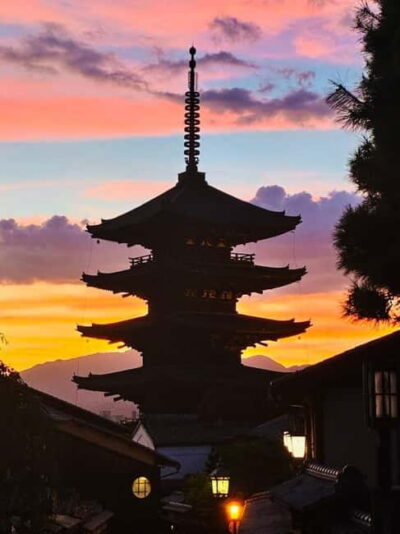
Kyoto Geisha Walking Tour: Gion District & Hidden Gems
Read our review →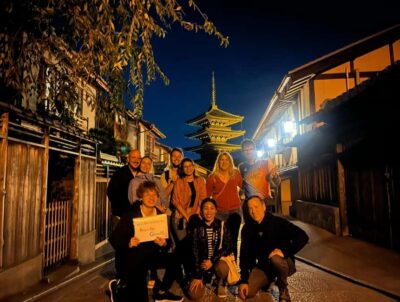
Gion Magical Night Walking Tour with Geisha Trivia
Read our review →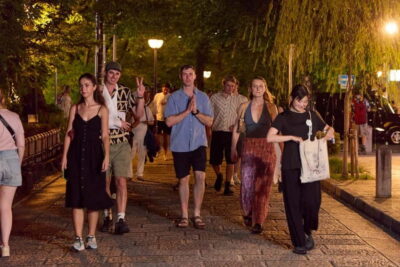
Gion Geisha District Walking Tour – Stories of Geisha
Read our review →
Best of Kyoto: Gion, Geisha, Pagodas & Cobblestones
Read our review →
Kyoto Night Foodie Tour in Gion (9+ dishes + 6 Sake tastings)
Read our review →
Kyoto Gion Geisha District Walking Tour – The Stories of Geisha
Read our review →