
Reviewed · GOLDEN PAVILION VISITS
Kyoto: Discover Kinkaku-ji and Ginkaku-ji in One Tour
Golden light in Kyoto, in just a few stops. This 3-hour tour pairs Kinkaku-ji and Ginkaku-ji so you can compare their visual styles, from real gold leaf reflections to wabi-sabi simplicity. I like that the guide gives you the story behind what you’re seeing, not just where to stand for photos. I also love the pacing, where each temple gets a focused block of time and a short transfer keeps the day from feeling rushed.
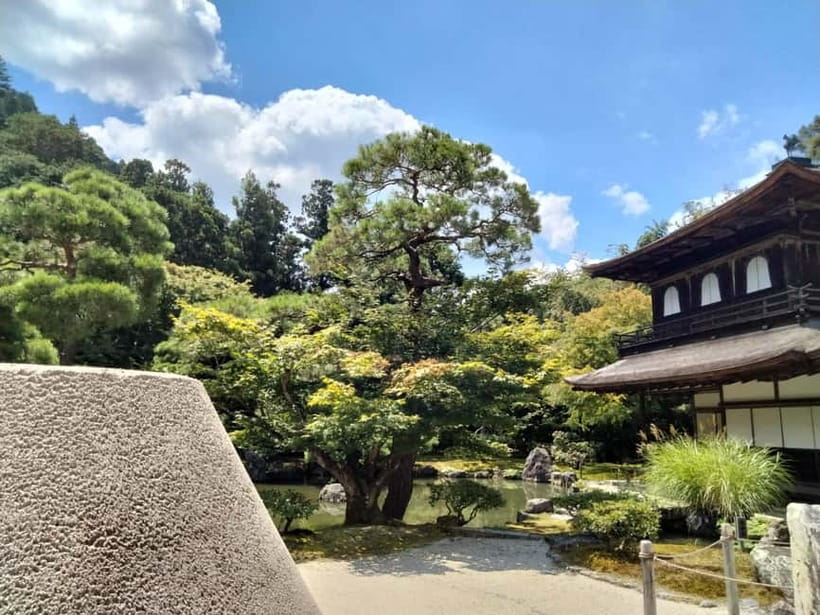
The tour’s second half is where the mood changes on purpose. At Ginkaku-ji, you’ll spend time in the moss gardens and the perfectly raked sand garden, with a little climb that helps you understand the space from a higher viewpoint. One possible consideration: you’ll do a fair amount of walking through gardens, plus a small hill climb, so comfortable shoes matter.
In This Review
- Quick takeaways before you go
- Kinkaku-ji and Ginkaku-ji, in one tight 3-hour loop
- Meeting at Seven-Eleven Kinkakuji-mae, then going temple to temple
- Entering Kinkaku-ji: real gold leaf and pond reflections
- Ginkaku-ji: wabi-sabi lessons in moss gardens and raked sand
- The small hill climb and why the timing feels right
- What the guide really adds (and why Kanako stands out)
- Price and value: is $103 per person worth it?
- Practical tips for temple photos, shoes, and pacing
- Who this tour is best for
- Should you book this Kyoto one-tour pairing?
- FAQ
- How long is the Kyoto tour of Kinkaku-ji and Ginkaku-ji?
- Where do I meet the guide?
- What temples are included?
- Is the gold leaf at Kinkaku-ji real?
- Is Ginkaku-ji actually covered in silver?
- Will I get time to explore and not only listen?
- Does the tour involve walking and a hill climb?
- What is the tour ending location?
- What languages are available?
Quick takeaways before you go
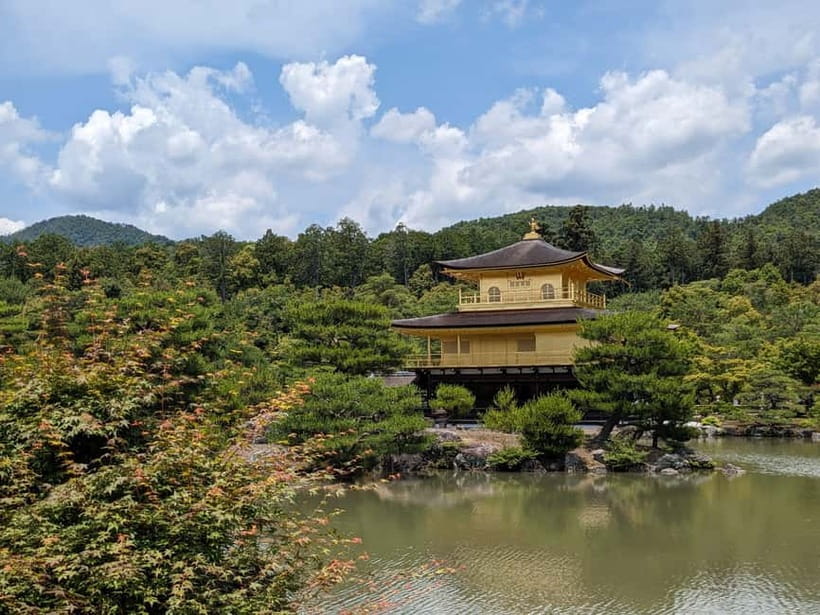
- Real gold leaf at Kinkaku-ji, with the shimmering look bouncing off the nearby pond surface
- A wabi-sabi contrast at Ginkaku-ji, including moss gardens and a sand garden meant to suggest waves and mountains
- Guided context in English or Japanese, so architecture and design choices make sense as you visit
- Two clear visit windows, about 1.5 hours at each temple, plus a short transfer
- Ending near the Philosopher’s Path, so you can keep exploring at your own pace afterward
Kinkaku-ji and Ginkaku-ji, in one tight 3-hour loop
Kyoto can be good at making you feel like you’re always running. This tour fights that problem by putting two of the most visually iconic temple experiences into a single, easy flow. In practice, that means you get time to look slowly, not just snap a picture and move on.
The best part is the built-in contrast. Kinkaku-ji is about shine, symmetry, and refined spectacle, with real gold leaf on the upper floors. Then Ginkaku-ji gently shifts the focus to restraint, texture, and imperfection, which is where wabi-sabi becomes more than a concept you heard once.
This is also a tour format that works well if your Kyoto day is already packed. It’s short enough to fit without burning your entire afternoon, yet long enough to feel like you actually visited both places.
Meeting at Seven-Eleven Kinkakuji-mae, then going temple to temple
Your start is practical and easy to find: meet in front of the 7-Eleven Kinkakuji-mae store. Your guide will be holding a yellow sign with DeepExperience, which is helpful if you’re still figuring out the area.
After that, you’re walking into the heart of Kinkaku-ji first, then taking a short transfer to Ginkaku-ji. That short hop matters more than it sounds. When temples are spread far apart, travel time eats your attention span. Here, the transition is brief enough that you stay in sightseeing mode.
The tour finishes at Ginkaku-ji Bridge. From there, it’s convenient to keep going toward the Philosopher’s Path on your own, when you want less guided structure and more slow wandering.
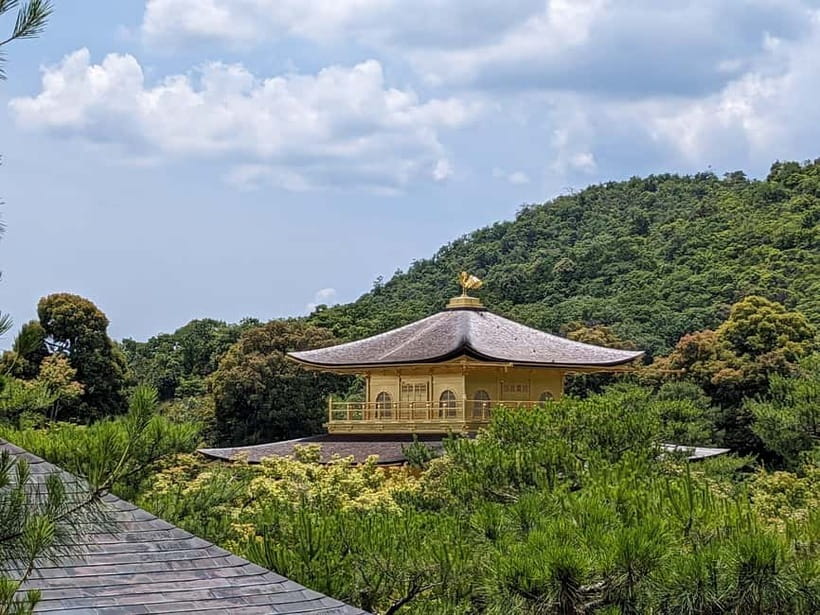
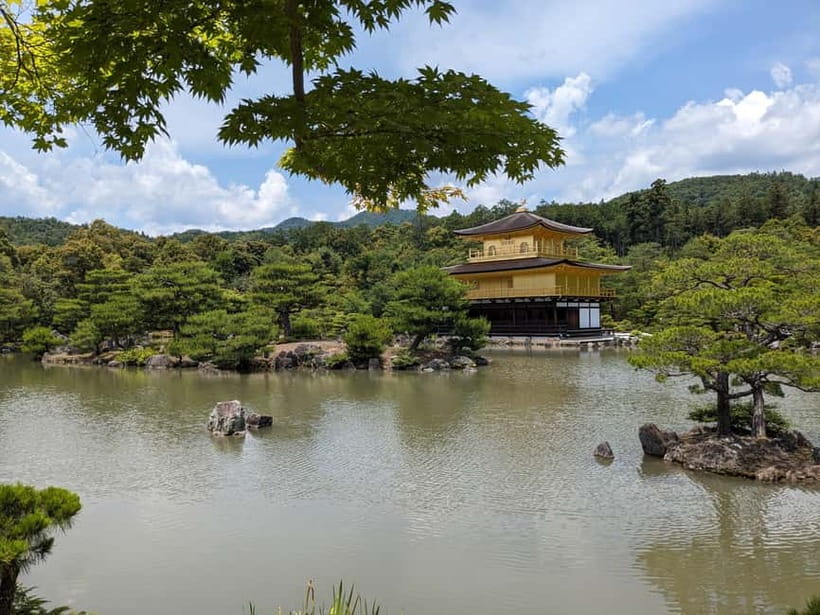
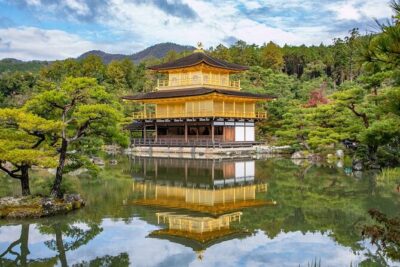
Kinkaku-ji's gold roof over still water
- Kyoto: Fushimi Inari, Kinkakuji, Bamboo Grove 1 Day Bus Tour
★ 4.8 · 4,316 reviews - Osaka/Kyoto:Kinkakuji,Arashiyama,FushimiInariShrine,NaraPark
★ 4.1 · 1,596 reviews - Kyoto: Nijo, Kinkaku-ji, Arashiyama, Kiyomizu & Fushimi Inari
★ 5.0 · 699 reviews - Kyoto: Kinkakuji, Golden Pavilion Guided Tour
★ 4.7 · 71 reviews
Entering Kinkaku-ji: real gold leaf and pond reflections
Kinkaku-ji is the kind of place where the first glance does most of the work. Your guide gets you oriented, then you move through photo stops and a guided walk that helps you understand what you’re looking at.
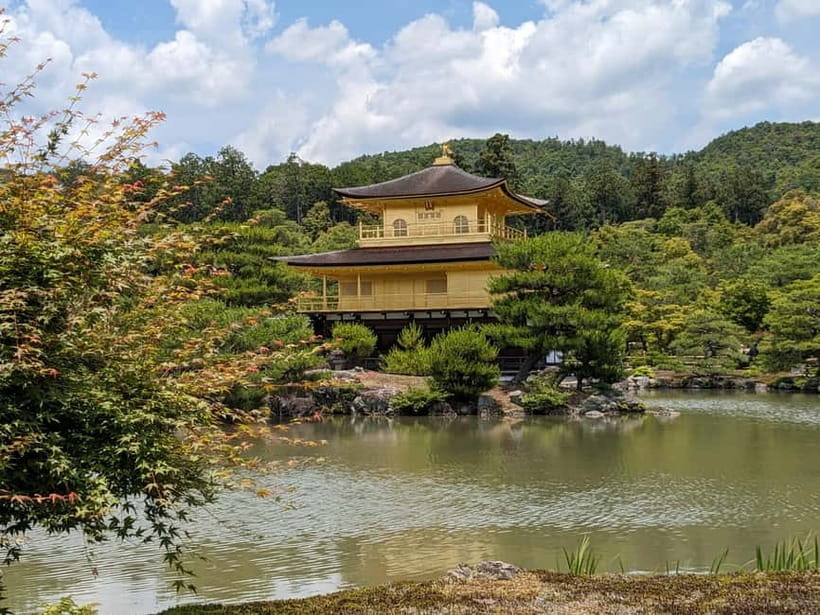
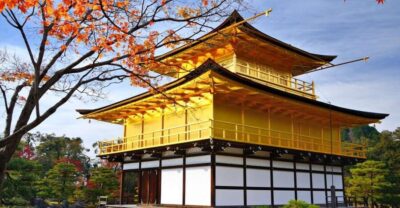
The signature detail is the real gold leaf on the top two floors. Even if you’ve seen pictures before, seeing that shimmering surface in person feels different, because light changes minute to minute. The pond reflection effect makes it even more dramatic, because the whole scene feels doubled, like it’s not just a temple you’re visiting, but an arrangement of light.
What I appreciate here is that the tour doesn’t treat Kinkaku-ji like a postcard only. You’ll learn about the temple’s background and architecture, including that this site was once a retirement villa for a shogun. That detail helps you connect the opulence to a purpose, rather than just labeling it as fancy.
Practical note for your photos: it’s a serene setting, so you’ll want to respect the flow of other visitors while still getting your shots. Your guide’s job is to help you find good viewpoints without turning it into chaos.
Ginkaku-ji: wabi-sabi lessons in moss gardens and raked sand
Then comes the switch in atmosphere. Ginkaku-ji is sometimes described as less flashy, but that’s exactly why it’s so rewarding when you visit right after Kinkaku-ji. Instead of shine, you get quiet surfaces, controlled textures, and small visual cues that reward slower attention.
Even though it’s called the Silver Pavilion, it is not actually covered in silver. The guide helps you understand how the understated wooden design reflects refined simplicity, which is tied to wabi-sabi, the beauty of impermanence and imperfect form.
The gardens are where you’ll feel that philosophy in your body. You’ll spend time in moss gardens, where the green softness and natural variation make the whole area look alive. Then there’s the sand garden, raked in a way that symbolizes waves and mountains. You don’t need to be an art scholar to get it, but the explanation gives you a framework for what the patterns are trying to suggest.
If Kinkaku-ji is about drama you can see from far away, Ginkaku-ji is about meaning you notice when you pause. I like that the tour encourages that kind of attention.
The small hill climb and why the timing feels right
At Ginkaku-ji, you’ll also climb a small hill for sweeping views. This matters because it changes your perspective. From the lower paths, you’re looking at details. From up top, you can see how the gardens and buildings relate to each other, which makes the design choices feel intentional rather than random.
The tour schedule is balanced for this. Each temple gets about 1.5 hours, so you’re not forced to rush through the moments that take time to appreciate. You also get a guided experience, then time to walk and look around in a more open way inside the temple grounds.
A small consideration: because there’s walking and the hill climb is part of the plan, this is not the best choice if you want a mostly seated, minimal-footsteps experience. But if you can handle a short climb and garden walking, it’s a very satisfying route.
What the guide really adds (and why Kanako stands out)
A big part of the value here is how the guide translates the sites into something you can understand quickly. The tour is led by a live guide in English or Japanese, and that language support makes a real difference when you want meaning, not just signage.
One review highlighted Kanako as an amazing guide, especially for helping people navigate between the two temples and understand the history. That matches what you should expect from a well-run guided format like this: you’re not just walking from gate to gate, you’re learning how to read the architecture and design choices while you’re still in the middle of them.
Even if you’re not the type who reads long explanations, you’ll benefit from the short, well-timed context. It turns common questions like Why the gold? or Why this kind of garden? into answers you can remember later.
More rooftops worth a detour

Price and value: is $103 per person worth it?
At $103 per person for a 3-hour guided tour, the value comes from the combination. You’re paying for two guided temple visits, plus the short transfer that connects them. If you tried to do this on your own, you’d still need to plan routes, decide what to prioritize, and figure out how to connect the aesthetic ideas to what you’re seeing.
Here, the guide compresses that decision-making for you. You get:
- guided time at both temples
- cultural insights into Japanese aesthetics and philosophy
- a clear ending point near the Philosopher’s Path
Is it the cheapest way to see Kinkaku-ji and Ginkaku-ji? Probably not. But the cost makes sense if you care about understanding. If you only want quick photo stops, you could save money elsewhere. If you want the temples to make sense, the guided structure is what you’re really paying for.
Practical tips for temple photos, shoes, and pacing
Bring comfortable shoes. This tour includes walking through gardens and includes a small hill climb. Even with a guide keeping things organized, you’ll still be on your feet a lot.
For photos, photography is allowed, but keep it respectful. Temple spaces work best when you pause, look, and wait for the moment when you can shoot without blocking others.
Also plan your mental energy for a day that shifts moods. Your eyes may be overwhelmed at first by Kinkaku-ji’s gold shimmer, then suddenly calmed by Ginkaku-ji’s moss textures and quiet sand patterns. That contrast is the point. If you arrive tired or rushed, you might miss some of the payoff.
Finally, plan your next step. Because the tour ends near the Philosopher’s Path, you’ll likely want to continue on your own immediately after. Leave a little room in your schedule, so you can stretch your legs and keep exploring calmly.
Who this tour is best for
This is a great fit if you want an efficient Kyoto experience without sacrificing understanding. You’ll probably like it most if:
- you want a guided explanation for two major temple stops
- you enjoy comparing styles, not just collecting photos
- you appreciate aesthetics like wabi-sabi and want help seeing what it means in real spaces
- you want a short, organized outing that still ends near a popular walking area
It may not be ideal if you prefer a completely self-paced day, or if you struggle with walking gardens or climbs. The tour includes those elements by design.
Should you book this Kyoto one-tour pairing?
Yes, book it if your goal is to see both temples and actually understand the visual logic behind them. The tour’s biggest strength is the contrast: Kinkaku-ji’s real gold leaf brilliance paired with Ginkaku-ji’s understated wabi-sabi gardens. That combination is hard to recreate well on your own without doing a lot of homework.
Book it especially if you like guided context that feels practical and timely. With guides like Kanako getting praised for making navigation and history click, you’re more likely to come away with clear takeaways rather than just a memory of crowds and camera angles.
FAQ
How long is the Kyoto tour of Kinkaku-ji and Ginkaku-ji?
The tour duration is 3 hours.
Where do I meet the guide?
Meet in front of the 7-Eleven Kinkakuji-mae store. The guide will be holding a yellow sign with DeepExperience.
What temples are included?
The tour includes Kinkaku-ji (Golden Pavilion) and Ginkaku-ji (Silver Pavilion).
Is the gold leaf at Kinkaku-ji real?
Yes. The top two floors shimmer with real gold leaf.
Is Ginkaku-ji actually covered in silver?
No. It is not actually covered in silver, even though it is called the Silver Pavilion.
Will I get time to explore and not only listen?
Yes. The schedule includes guided tours plus photo stops and walks, with about 1.5 hours at each temple.
Does the tour involve walking and a hill climb?
Yes. Wear comfortable shoes, and be prepared to walk through gardens and climb a small hill.
What is the tour ending location?
The tour ends at Ginkaku-ji Bridge, near the Philosopher’s Path where you can continue exploring.
What languages are available?
The tour offers live guidance in English and Japanese.
New This Season
- Koyasan Day Trip by Private Car from Kyoto
- Old Port Town and Ultimate Sake Tasting Private Tour From Kyoto
- Kyoto’s Timeless Charm: 3hr Exploration of History and Peace
- Kyoto: 5 Types of Sushi Making
- Sacred Peak & Ancient Paths: Kurama-Kibune Hiking Experience
- Kyoto: Exclusive ZEN practice at Manpukuji temple in Uji
- Kyoto: Private Seasonal Aroma Yoga Class
- Traversing Kyoto’s Scenic West – Arashiyama to Kinkakuji
Golden Pavilion Visits, compared.
Fushimi Inari, Kinkakuji, Bamboo Grove 1 Day Bus Tour
Read our review →
Kinkakuji,Arashiyama,FushimiInariShrine,NaraPark
Read our review →
Nijo, Kinkaku-ji, Arashiyama, Kiyomizu & Fushimi Inari
Read our review →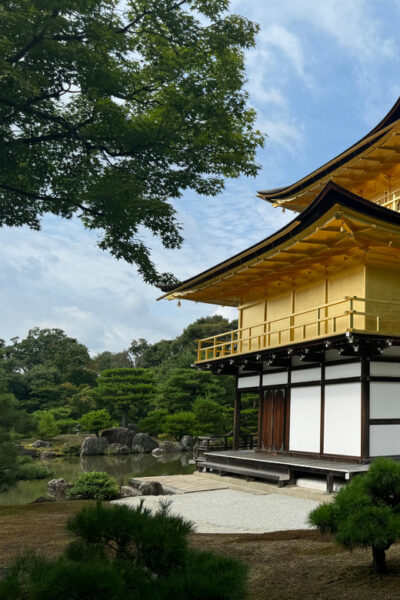
Kyoto top must-see Golden pavilion and Bamboo forest half-day Private tour
Read our review →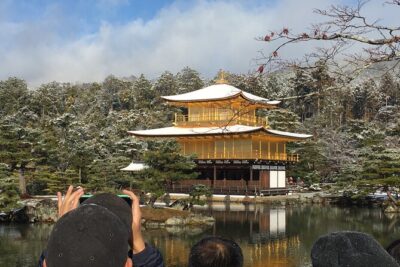
Kyoto Bamboo Forest & Golden Pavilion E-Bike Tour
Read our review →
Golden Pavilion, Nijo Castle, & Nishiki Market Half day tour
Read our review →Also filed under