Reviewed · ARASHIYAMA BAMBOO FOREST WALKS
Kyoto Bamboo Forest & Golden Pavilion E-Bike Tour
This Kyoto half-day feels fast and fun, largely because e-bikes make a longer ride manageable and the route cuts through backstreets you would not find on your own.
You’ll also want to plan around one thing: the tour requires good weather, so if rain is in the forecast, you should be ready for a change of plans.
In This Review
- Key things I’d note before you go
- How the ride ties together Kyoto’s famous sights and real neighborhoods
- Starting point at Memory Kyoto Bike Tour, and why it’s useful
- Kinkaku-ji Golden Pavilion: reflections, origin story, and what to watch for
- Kitano Tenmangu Shrine: learning deity, plum trees, and a slower pace
- Arashiyama Bamboo Forest Trail: what makes it feel unreal
- Tenryu-ji Temple: the Zen garden moment that rewards slower viewing
- E-bike strategy: how to ride comfortably and enjoy the stops
- Price and value: what $99.08 buys you in a day
- Who should book this e-bike Kyoto tour, and who might skip it
- What to expect on the day, from pacing to meals
- FAQ
- FAQ
- How long is the Kyoto Bamboo Forest & Golden Pavilion e-bike tour?
- Where is the meeting point for the tour?
- Does the tour include admission tickets for the temples?
- Is there a guided tour, or is it self-guided?
- How many people are in a group?
- Is the ticket mobile?
- Does the tour run in bad weather?
- What is the cancellation timeframe?
- Should you book this Kyoto e-bike tour?
Key things I’d note before you go
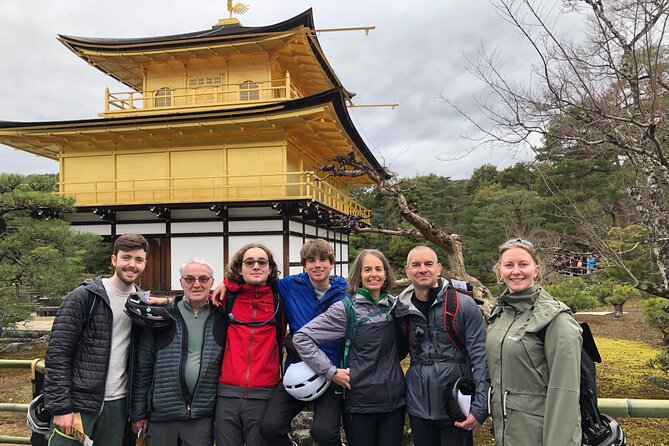
- Local temples, in a smart order: Golden Pavilion, Kitano Tenmangu, Arashiyama bamboo, then Tenryu-ji.
- Small group size (max 8): easier conversations and tighter pacing than big bus tours.
- Admission included for key stops: Kinkaku-ji, the Bamboo Forest Trail, and Tenry-ji.
- Guides make the history stick: names like Diego, Jody, and Jorge show up in the feedback, and they keep explanations clear in English.
- E-bike helps you actually enjoy the ride: at least one rider called out about 20 km feeling doable with electric assist.
- Photography-friendly moments: bamboo and the Golden Pavilion reflections are why many people bring cameras.
How the ride ties together Kyoto’s famous sights and real neighborhoods
Kyoto can feel like two different cities at once. There’s the postcard stuff, like Kinkaku-ji and Arashiyama. Then there’s the lived-in Kyoto of narrow streets, little shops, and quiet blocks where you can see how the day actually moves.
This tour connects those two sides on purpose. You start at Kitano Tenmangu Shrine, then roll toward the Golden Pavilion area, and later head into Arashiyama for the bamboo. The route is built so you’re not just hopping between spots by taxi. Instead, you feel the rhythm of the city between stops.
That matters more than it sounds. When you ride between sights, you get your bearings faster. You also stop fewer times for “how do we get there” questions, which is where half-day itineraries often fall apart.
You’ll be out for about 5 to 6 hours, with time at each major site. The schedule is structured, but it still feels like a day you can enjoy rather than a checklist you rush through.
Starting point at Memory Kyoto Bike Tour, and why it’s useful
The meeting point is Memory Kyoto bike tour, 8-6 Umaryo-cho, Nishinokyo, Nakagyo Ward, Kyoto. The activity ends back at the same meeting point.
Two practical benefits of this setup:
- You don’t waste time figuring out logistics at the end of a busy day.
- Being near public transportation is a plus, because Kyoto is not a city you want to rely on only one transit option.
You’ll also use a mobile ticket. That’s one less paper thing to manage when you’re moving around temples and crowds.
If you’re coming from a hotel far from the center, build in extra buffer time so you arrive early and avoid stress. An e-bike day works best when you feel unhurried at pickup.
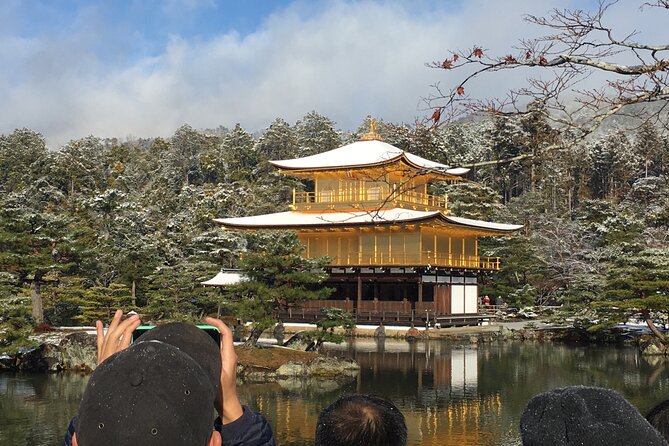
Kinkaku-ji's gold roof over still water
- Kyoto: Fushimi Inari, Kinkakuji, Bamboo Grove 1 Day Bus Tour
★ 4.8 · 4,316 reviews - Osaka/Kyoto:Kinkakuji,Arashiyama,FushimiInariShrine,NaraPark
★ 4.1 · 1,596 reviews - Kyoto: Nijo, Kinkaku-ji, Arashiyama, Kiyomizu & Fushimi Inari
★ 5.0 · 699 reviews - Kyoto: Kinkakuji, Golden Pavilion Guided Tour
★ 4.7 · 71 reviews
Kinkaku-ji Golden Pavilion: reflections, origin story, and what to watch for
The first big temple stop is Kinkaku-ji (Golden Pavilion), with about 45 minutes on site and an admission ticket included.
You’re not just looking at a shiny building. The guide framing gives you something to hold onto: Kinkaku-ji began as a retirement villa, later becoming a Zen Buddhist temple. That origin matters because it explains why the place feels like a designed scene, not just a religious building.
Then comes the signature view: the gold-leaf exterior reflecting in the pond. Even if the crowds are high, the reflection angle is the reason this stop is famous. The trick is not to rush to the first photo spot and call it done. Spend a bit of time repositioning. Small changes in stance can make a big difference in how the pavilion lines up with the water.
One timing note: Kinkaku-ji can have long lines, especially mid-morning. The guides in the feedback are praised for managing queue timing and getting people into the experience without turning the temple visit into a waiting game. Still, expect some level of crowding and keep your patience switched on.
Kitano Tenmangu Shrine: learning deity, plum trees, and a slower pace
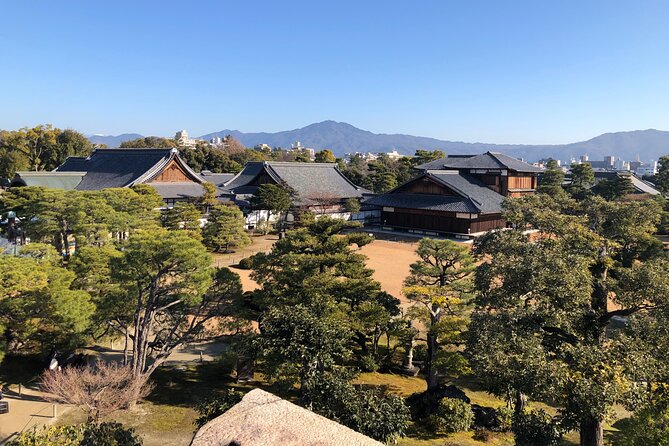
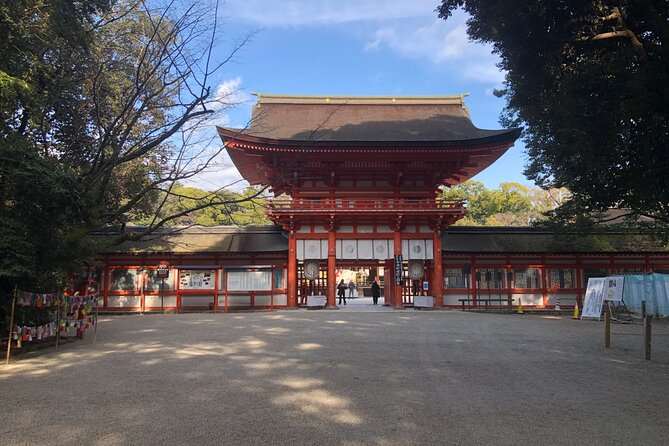
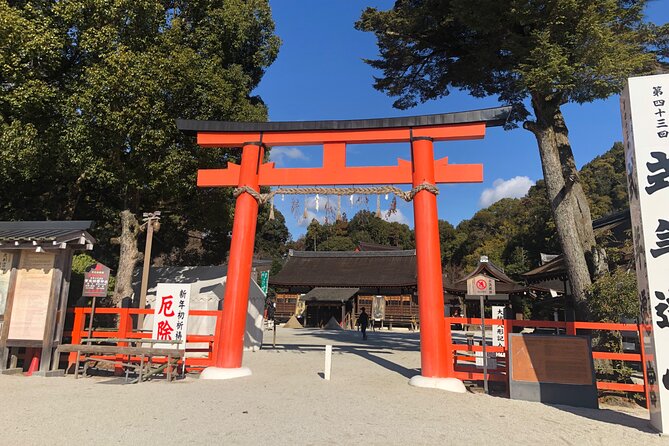
After Kinkaku-ji, you head to Kitano Tenmangu Shrine, with about 30 minutes and admission free.
This stop is a nice contrast. Kinkaku-ji grabs you with gold and pond reflections. Kitano Tenmangu connects with Kyoto’s tradition in a more human way, through the story of Sugawara no Michizane, the deity of learning.
Then there’s the seasonal detail: the shrine is known for about 1,000 plum trees, and they blossom in early spring. Even outside bloom season, knowing this is part of what you’re seeing helps you understand why locals and photographers treat this place as more than a quick photo stop.
Why I like this stop on an e-bike tour: it gives your legs and attention a break. Between the heavier crowd sites, a shrine visit like this feels more manageable. You’re still absorbing history, but the pace is calmer.
Arashiyama Bamboo Forest Trail: what makes it feel unreal
Next is the Bamboo Forest Trail around Arashiyama, again about 45 minutes with admission ticket included.
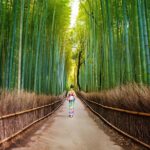
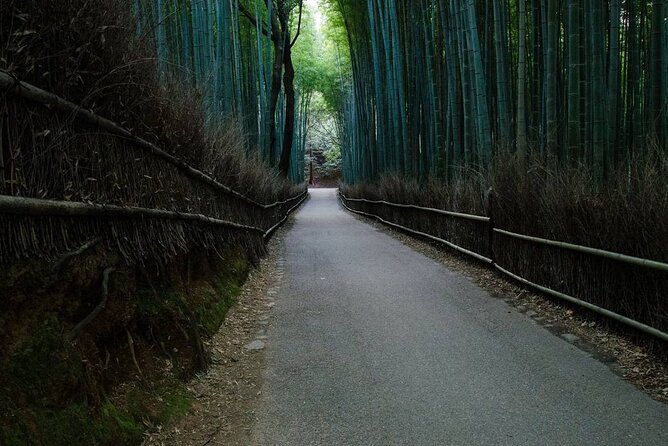
This is the moment most people came for: towering bamboo stalks, moving slightly as the breeze and foot traffic shift the air. The effect can feel theatrical, almost like the stalks are swaying in unison. It’s also a photography hotspot, so plan for people lining up for shots.
What I find most useful here is the guide attention to how bamboo works as a material. The tour messaging highlights bamboo traits like sturdiness, flexibility, and durability. That quick context changes bamboo from “pretty scene” into “important plant with practical strength,” which makes the forest feel less like a theme park moment and more like something rooted in real life.
Practical advice: take a few minutes to step away from the tightest crowd lanes. You’ll often find calmer angles if you’re willing to walk a bit and not stand exactly where every camera stops.
Also, bamboo time tends to feel short. Forty-five minutes is plenty if you come with a plan: one photo you really care about, one slow walk for atmosphere, then move on.
Tenryu-ji Temple: the Zen garden moment that rewards slower viewing
The day finishes with Tenryu-ji Temple, a UNESCO World Heritage Site since 1994.
You get about 45 minutes here, with an admission ticket included. The emphasis is on the Zen garden, described as a standout garden experience. If you’ve seen other Japanese temple gardens, you’ll notice how Tenryu-ji’s layout invites a different kind of focus. Instead of looking for one main “thing,” you start noticing how elements guide your eye across the space.
This is where a guided visit helps. Without context, garden time can turn into wandering. With the right pointers, you know what to look for and why it’s arranged the way it is.
It’s also a good finale because Tenryu-ji’s mood is quieter than the bamboo crowds. By the time you reach it, you’ve already seen Kyoto’s spectacle side. This stop brings you back to stillness.
Green light through a bamboo grove

E-bike strategy: how to ride comfortably and enjoy the stops
E-bikes are the whole point of making this day work. Multiple reviews praise how the electric assist makes the riding feel manageable, including one rider calling out about 20 km without turning the day into a leg workout.
Here’s how I’d approach the ride so it feels effortless:
- Ride with confidence early, not late. In the first stretch, get comfortable with starts, stops, and steering so you’re not thinking about the bike when you arrive at a temple.
- Treat speed as optional. E-bike comfort often comes from steady, controlled pacing, not max assist.
- Plan your “photo time” around walking light moments. One review mentioned that when the group spacing got stretched, it could slow passage through crosswalks. That’s not something you control, but you can help by regrouping when your guide signals.
E-bike tours also work well because you spend more energy on looking and less energy on grinding your way uphill. Kyoto has plenty of gentle gradients, and even small climbs can feel like a big deal after hours of temple walking.
If you’re bringing kids or you’re not thrilled about long-distance cycling, this kind of electric assist is a major advantage. Reviews explicitly mention kids riding e-bikes and having a good time, which says a lot about how beginner-friendly the format feels.
Price and value: what $99.08 buys you in a day
The price is $99.08 per person, for a 5 to 6 hour guided experience.
Here’s why I think this is decent value, assuming you want these exact stops:
- You’re not just paying for sightseeing. You’re paying for a guide who turns temple architecture and shrine stories into something you can remember.
- Key admissions are included for Kinkaku-ji, the Bamboo Forest Trail, and Tenryu-ji. Kitano Tenmangu is free.
- You get an e-bike format that reduces the physical strain, which matters because it lets you enjoy the day instead of surviving it.
Is it the cheapest way to see Kyoto’s must-sees? No. But the alternative is usually either spending more on transport or dealing with the stress of queues, directions, and logistics while you’re also trying to enjoy the experience.
For about $99, you’re buying time and simplicity, not just motion.
Who should book this e-bike Kyoto tour, and who might skip it
This tour is a good fit if:
- You want Kinkaku-ji and Arashiyama bamboo in one day without building your own route.
- You like guided context, especially for shrine and temple history tied to specific names and stories.
- You want to cover more ground than a pure walking day, but you do not want cycling to be the main challenge.
It may not be ideal if:
- You’re hoping for a completely quiet, uncrowded temple day. These sites attract crowds, and bamboo time especially can be busy.
- Your schedule cannot flex if weather turns. The tour requires good weather.
Family note: the feedback includes families with kids (ages 12 and 10) riding e-bikes comfortably, which suggests the format can work well for mixed ages, as long as everyone is comfortable riding.
What to expect on the day, from pacing to meals
Your stop times are set: roughly 45 minutes at Kinkaku-ji, 30 minutes at Kitano Tenmangu, 45 minutes at the bamboo forest trail, and 45 minutes at Tenryu-ji.
That pacing means you won’t have an endlessly long stay at any one location. Instead, you get enough time to see the highlights and absorb the guide’s explanations.
Lunch is not listed in the formal stop breakdown you provided, but it does show up in the overall day experience. In feedback, people mention eating at a local diner and even a ramen stop, with the guide helping with ordering. So in practice, plan for a meal break and keep a little patience for timing.
For comfort, I’d wear clothing that lets you move easily. Bring water. And if you’re prone to motion discomfort, take it slow the first ride stretch so your body adjusts before you focus on the scenery.
FAQ
FAQ
How long is the Kyoto Bamboo Forest & Golden Pavilion e-bike tour?
It’s about 5 to 6 hours.
Where is the meeting point for the tour?
The tour starts at Memory Kyoto bike tour, 8-6 Umaryo-cho, Nishinokyo, Nakagyo Ward, Kyoto.
Does the tour include admission tickets for the temples?
Yes. Admission tickets are included for Kinkaku-ji, the Bamboo Forest Trail, and Tenryu-ji. Kitano Tenmangu is listed as admission free.
Is there a guided tour, or is it self-guided?
It is guided, with local insights and historical stories during the stops.
How many people are in a group?
The tour has a maximum of 8 travelers.
Is the ticket mobile?
Yes, you’ll use a mobile ticket.
Does the tour run in bad weather?
The experience requires good weather. If canceled due to poor weather, you are offered a different date or a full refund.
What is the cancellation timeframe?
Free cancellation is available up to 24 hours in advance for a full refund.
Should you book this Kyoto e-bike tour?
If you want a well-paced day that pairs Kinkaku-ji and Arashiyama bamboo with Kitano Tenmangu and Tenryu-ji, an e-bike tour is one of the best ways to do it. The combination of included admissions, small group size, and the “ride between places” format makes the day feel efficient without turning it into a rush. I’d book it when the weather looks solid and you want Kyoto’s highlights with enough context to make them stick.
More Cycling Tours in Kyoto
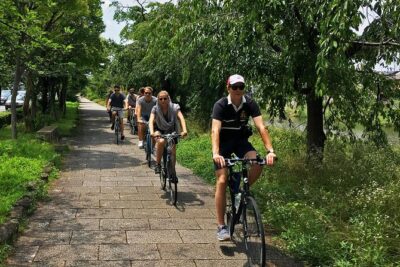
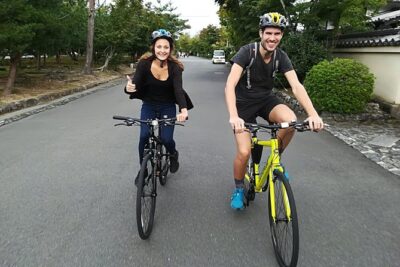
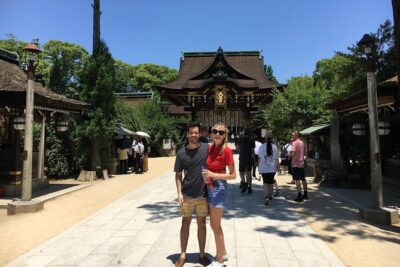

More E-Bikes in Kyoto
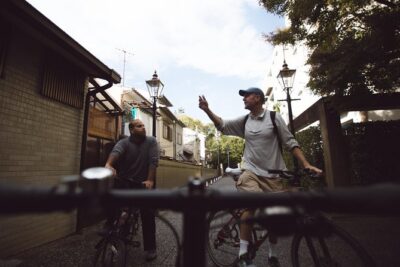
New This Season
- Koyasan Day Trip by Private Car from Kyoto
- Old Port Town and Ultimate Sake Tasting Private Tour From Kyoto
- Kyoto’s Timeless Charm: 3hr Exploration of History and Peace
- Kyoto: 5 Types of Sushi Making
- Sacred Peak & Ancient Paths: Kurama-Kibune Hiking Experience
- Kyoto: Exclusive ZEN practice at Manpukuji temple in Uji
- Kyoto: Private Seasonal Aroma Yoga Class
- Traversing Kyoto’s Scenic West – Arashiyama to Kinkakuji
Arashiyama Bamboo Forest Walks, compared.
Fushimi Inari, Kinkakuji, Bamboo Grove 1 Day Bus Tour
Read our review →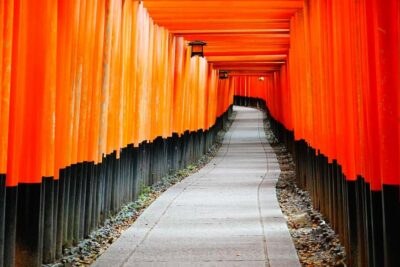
Kinkakuji,Arashiyama,FushimiInariShrine,NaraPark
Read our review →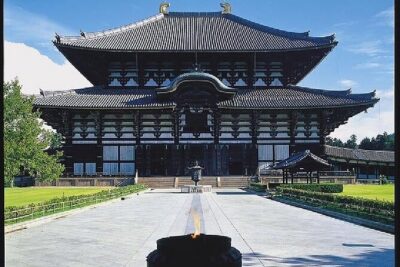
Nara, Fushimi Inari Taisha, Arashiyama Bus Tour
Read our review →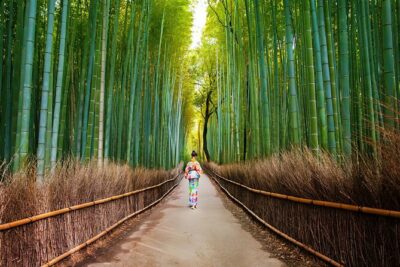
Kyoto Arashiyama Walking Tour: Bamboo, Monkeys, Gardens & Secrets
Read our review →
Arashiyama Bamboo, Temple, Monkeys, or Secret Sake Brewery
Read our review →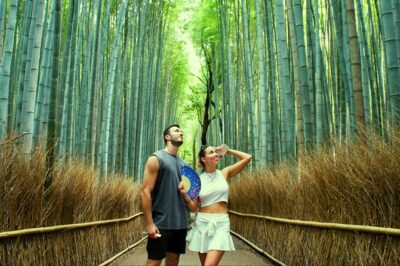
Arashiyama Bamboo Forest, Monkeys, Matcha & Temple Tour
Read our review →
Arashiyama, Nara & Fushimi Inari Shrine w/Lunch
Read our review →