Reviewed · GUIDED
Kyoto Exploration with an Accredited Government Guide
A Kyoto torii walk and temple stroll, neatly stitched together. This experience pairs an accredited government guide with major sights like Fushimi Inari-taisha, Kiyomizu-dera, and Gion, plus time in Arashiyama’s bamboo area. I like that the route feels practical and efficient, especially when you are trying to see a lot without losing hours to figuring things out.
The only real drawback to plan around is heat and walking pace, particularly if you go in summer. A full day of temple steps, forest paths, and crowds can feel intense, so bring water and wear shoes you trust. The upside is you still hit the iconic Kyoto scenes, just with better odds you will enjoy them.
In This Review
- Key points at a glance
- Why this Kyoto half-day feels like a real day in town
- Price and logistics: $110 makes sense if you value time and guidance
- Fushimi Inari-taisha: 4 kilometers of torii, plus fox lore
- Kiyomizu-dera: the Pure Water Temple and the nail-less hall
- Gion: machiya streets, geisha-era culture, and an evening mood
- Nison-in Temple: a quieter pause in the Sagano stretch
- Kinkaku-ji Golden Pavilion: gold leaf and pond reflections
- Ginkaku-ji Silver Pavilion: Sea of Silver Sand and the quieter Zen look
- Arashiyama bamboo forest and Tenryu-ji: nature, Zen, and seasonal garden design
- Otagi Nenbutsu-ji: 13th-century stone faces in Arashiyama
- Tips for comfort, especially in summer heat
- Who should book this Kyoto guided day, and who might skip it
- Should you book this Kyoto government-guide tour?
- FAQ
- How long is the Kyoto guided tour?
- What is the price per person?
- Is pickup included?
- Do I get a mobile ticket?
- Is this a private tour?
- Are temple tickets included in the price?
- Is food and drinks included?
- Are there extra transportation costs?
- Can the route be changed?
- What happens if the weather is bad?
Key points at a glance
- Accredited government guide in English to help you make sense of Shinto and Zen sites quickly
- A private format (only your group) that keeps transitions smoother between neighborhoods
- A route that strings together Fushimi Inari, Higashiyama, Kinkaku-ji, and Arashiyama in one half-day block
- Pickup offered and you get a mobile ticket, so you can show up and go
- Budget for a few temple admissions not included (and a small guide transport fee)
- For summer, plan for hot sun and steady walking, then hydrate early
Why this Kyoto half-day feels like a real day in town
Kyoto works best when you have a plan and someone local to translate what you are seeing. This tour does that by threading together Shinto, Buddhist, and street-life stops across several of the city’s most famous districts.
I like that it is not just “see the photo spot, move on.” With a guide, you spend your time learning the why behind the torii path at Fushimi Inari and the garden design at Tenryu-ji, instead of guessing.
One more plus for first-timers, the route covers the classic hits and then adds context so they feel connected, not random.
Price and logistics: $110 makes sense if you value time and guidance
At $110 per person for a 6 to 8 hour experience, you are paying for two things: a guide for the day and a route that reduces decision fatigue. Kyoto is big, and hopping between areas can eat up time if you are relying only on public transit and maps.
This tour includes a guide, and it also offers pickup plus a mobile ticket. It is also described as private, meaning only your group participates, which usually makes it easier to keep everyone aligned and moving at a comfortable pace.
What to budget beyond the base price:
- Some temple admissions are not included (the tour lists $8 USD for temple tickets).
- There can be transportation fees for the guide, listed as $5 to $8 USD.
- Food and drinks are not included, so you need to plan your own breaks.
If you like structure, this price can feel fair. If you are the type who enjoys building your own day, you may feel it is paying for convenience.
A quieter way to spend a day in Kyoto
- Kyoto Early Morning Tour with English-Speaking Guide
★ 5.0 · 1,427 reviews - Kyoto 6hr Private Tour with Government-Licensed Guide
★ 5.0 · 1,369 reviews - Kyoto: Early Morning Tour with English-Speaking Guide
★ 4.9 · 1,128 reviews - Kyoto: Nijo-jo Castle and Ninomaru Palace Guided Tour
★ 4.7 · 1,020 reviews
Fushimi Inari-taisha: 4 kilometers of torii, plus fox lore
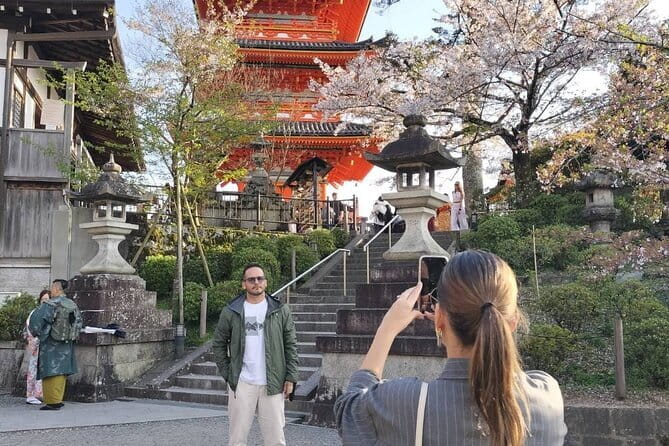
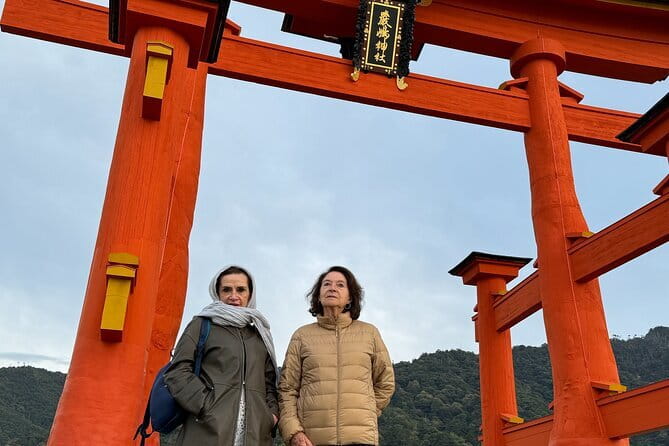
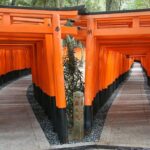
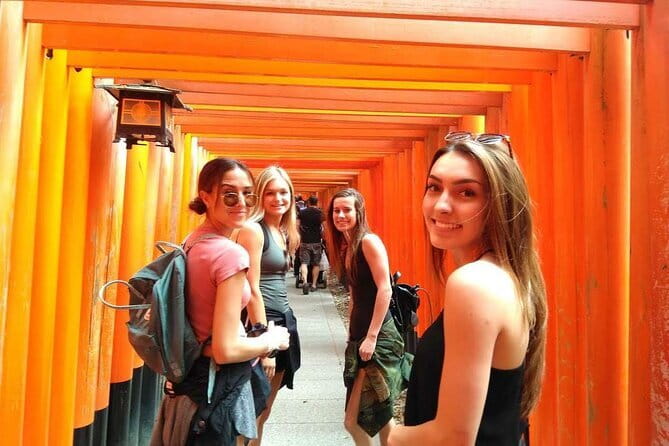
Fushimi Inari-taisha is the Kyoto stop that pulls you in before you even understand it. You walk through the vermilion torii gates that stretch for over 4 kilometers up Mount Inari, and the whole hillside path becomes part shrine, part walking meditation.
As you move along the trail, you will notice the shrine’s dedication to Inari, tied to rice, prosperity, and business success. You will also encounter stone fox statues, which are a key part of what makes this place feel alive and slightly mysterious.
The practical trade-off: this area can mean a lot of walking and some uphill portions, even if you do not go all the way. If you hate heat, this stop can be the day’s toughest segment, because you are exposed to sun more than at forested temples.
Kiyomizu-dera: the Pure Water Temple and the nail-less hall
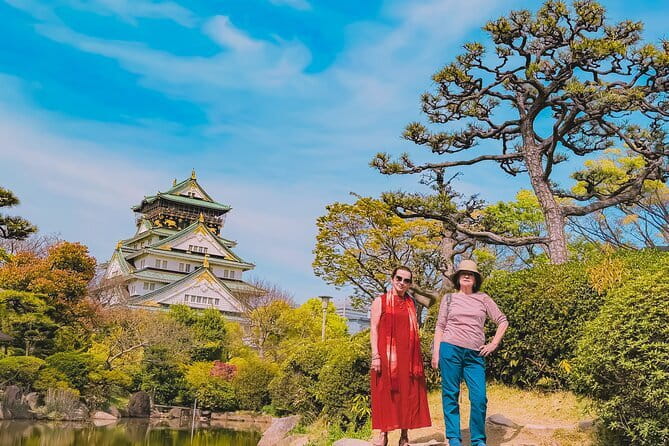
Kiyomizu-dera is one of those sites where you can tell instantly it is famous for a reason. It is a UNESCO World Heritage Site in Higashiyama, and the main hall is known as the Pure Water Temple.
A detail worth paying attention to is that the hall was constructed without nails. Standing near the veranda and looking out, you get the sense why the design became so iconic, especially when seasonal views roll in.
You can also look for Otawa Waterfall, where people drink from three streams believed to bring health benefits. Even if you treat the symbolism lightly, it gives you an easy ritual moment to anchor the visit.
This stop is a strong choice for a guided day because your guide can help you sort what you are seeing, from the layout to the spiritual meaning.
Gion: machiya streets, geisha-era culture, and an evening mood
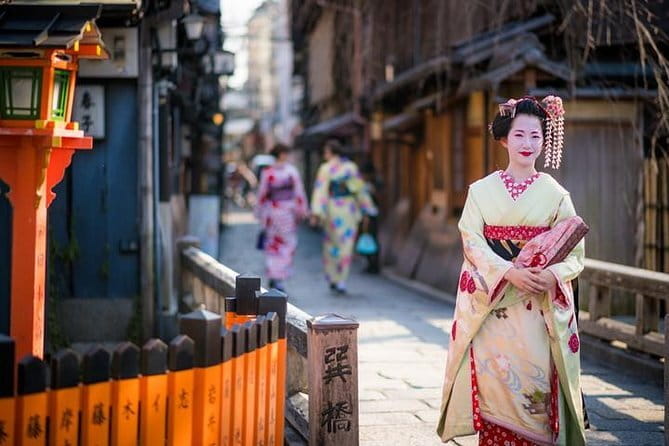
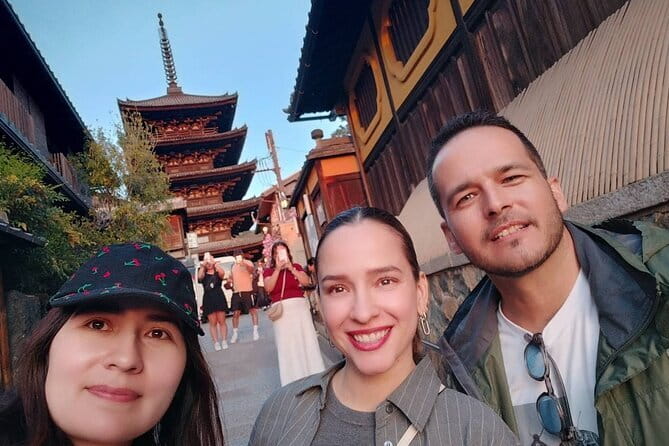
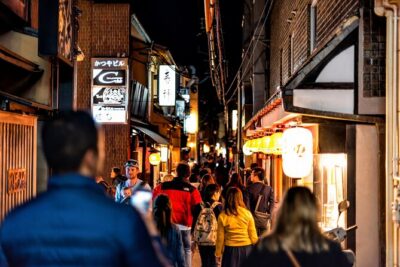
Gion is Kyoto’s atmosphere stop. This district is known for preserved machiya houses and the look and feel of traditional street life.
You will walk narrow lanes lined with old wooden structures that house teahouses, restaurants, and traditional shops. And if your timing lines up, Gion becomes especially charming when the streets are lit, because the whole neighborhood shifts into a calmer, more cinematic mood.
A guide matters here because cultural etiquette is part of the experience. You will likely notice how often people slow down, look around, and try not to disrupt anyone’s walk.
I also like that this segment is not just about a single building. It is a neighborhood lesson in Kyoto’s living culture, not just a museum stop.
Nison-in Temple: a quieter pause in the Sagano stretch
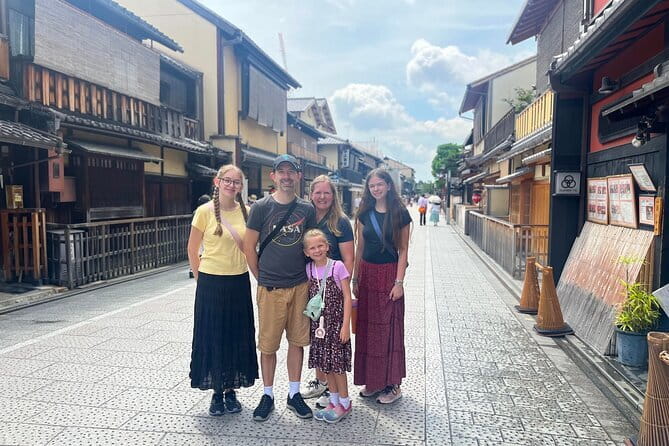
Nison-in Temple is a more peaceful counterweight after the bigger-name stops. It is located in the Sagano area, and it is known for its tranquil setting and historical presence.
Built in the 9th century and dedicated to Shingon Buddhism, Nison-in is a good moment to slow down and let the day breathe. If your feet are starting to feel it, this is the kind of stop where you can look, sit, and reset rather than only chase highlights.
The value of having it on your route is simple. Big Kyoto days can feel like a sprint. A calm temple like this helps the whole day feel more balanced.
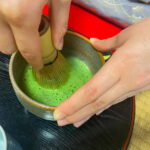
A day of temples goes further with something to break it up.

Kinkaku-ji Golden Pavilion: gold leaf and pond reflections
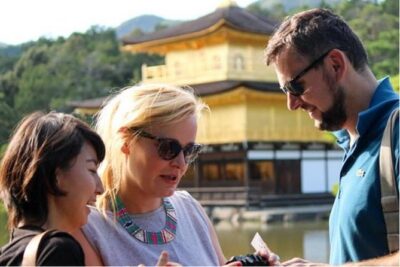
Kinkaku-ji, the Golden Pavilion, is one of Kyoto’s most photographed sights. It is also one of the easiest to understand once you see it: the upper two floors are covered in gold leaf, and the temple’s appearance becomes part architecture, part artwork.
What makes it memorable in person is the reflection on the pond nearby. Even if you have seen images before, seeing it with your own eyes tends to make the scale feel more real.
Kinkaku-ji’s story also helps. It was originally built as a retirement villa for a shogun and later became a Zen temple. That change matters because it connects the elegance of the structure with the calmer Zen setting around it.
This stop is listed with admission as free in the tour details, so it is also a nice win when you are planning your day budget.
Ginkaku-ji Silver Pavilion: Sea of Silver Sand and the quieter Zen look
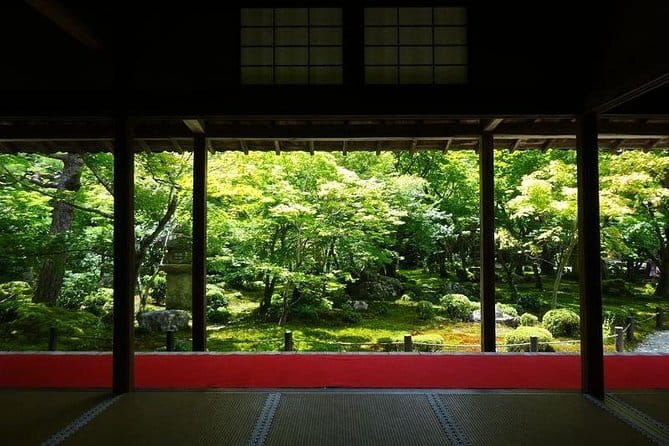
Ginkaku-ji, known as the Silver Pavilion, is often misunderstood because it does not actually use silver plating. What it does have is a different kind of beauty, one that leans on understated design rather than showy shine.
It was built in the 15th century as a way to emulate the splendor of the Golden Pavilion. But the result is more about atmosphere than spectacle.
Two garden features are central. There is a sand garden called the Sea of Silver Sand, plus carefully pruned moss gardens. The main building framing and the garden layout encourage slow looking, which is exactly what you want after Kinkaku-ji.
Here is the small planning note: this stop lists admission ticket not included, so have that $8 USD temple ticket budget in mind.
Arashiyama bamboo forest and Tenryu-ji: nature, Zen, and seasonal garden design
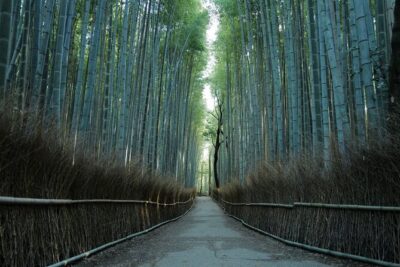
Arashiyama is where Kyoto gets softer around the edges. The bamboo forest area is known for towering stalks and a walk that feels almost otherworldly, especially when the light shifts between the leaves.
You spend a shorter amount of time here, but it is long enough to get the feel of the grove and take a few minutes to just stand and listen. It is one of those places where your guide helps you time what you are doing, rather than you getting stuck in random foot traffic.
Then the tour continues to Tenryu-ji, a UNESCO World Heritage Site and a respected Zen temple. This one is all about the garden mood. You can expect rock gardens, tranquil ponds, and seasonal foliage elements that shape how the place feels.
The garden highlighted here is called the Sogenchi Teien Garden, and it is a big part of why Tenryu-ji is more than a quick temple photo. If you only rush in and out, you miss the point, so the guided pacing helps.
Tenryu-ji’s admission is listed as not included, so plan for the ticket budget.
Otagi Nenbutsu-ji: 13th-century stone faces in Arashiyama
Otagi Nenbutsu-ji gives you a different Arashiyama flavor. Instead of the bamboo’s vertical calm, you get a temple space filled with traditional stone figures in a hillside setting.
The temple dates back to the 13th century, and it is known for traditional Japanese architecture in a scenic natural area. Even with limited time, it tends to feel like a more distinctive stop than the standard route.
This one is also listed with admission as not included, so again it falls under that small extra ticket budget.
Tips for comfort, especially in summer heat
If you go in the warmer months, plan like a pro. One of the most useful pieces of advice from real experiences is simple: bring and drink enough water, because the heat plus walking can turn a pleasant day into a slog.
A few practical moves that help right away:
- Wear shoes that handle stone and slopes, since Fushimi Inari and some temple grounds involve uneven ground.
- Bring water before you feel thirsty. Waiting often turns into a hassle.
- If your pickup time places you out in the sun early, do a quick check of shade options as you move.
- If you get tired, tell your guide. The tour mentions you can customize based on expectations and available time, so you might be able to adjust your pacing.
This tour packs a lot into 6 to 8 hours, so comfort planning matters as much as the sightseeing.
Who should book this Kyoto guided day, and who might skip it
This tour is a great fit if you want:
- A guided route through Kyoto highlights without constant map-checking
- Help understanding what you are seeing at Shinto and Zen sites
- A day plan that links Fushimi Inari, Higashiyama, Gion, and Arashiyama in a logical sequence
It may not be ideal if you:
- Hate structured schedules and prefer to linger on your own
- Want to avoid any extra ticket costs, since some admissions are not included
- Are traveling in peak heat and cannot manage sustained walking, even with water and breaks
Because it is private for your group, it can work well for couples and small groups who want attention from the guide rather than a large bus-style experience.
Should you book this Kyoto government-guide tour?
I would book it if you want Kyoto’s biggest visual hits with less friction and you value having an accredited guide explain the meaning behind the places. The lineup is strong: Fushimi Inari-taisha, Kiyomizu-dera, Gion, Kinkaku-ji, Ginkaku-ji, and Arashiyama with Tenryu-ji and Otagi Nenbutsu-ji. That is a lot of Kyoto in a day, and the guide helps it feel connected instead of rushed.
I would be careful if you are very schedule-sensitive. Like many tours that depend on timing and weather, this kind of day can be affected if conditions are not ideal, and you should confirm details close to departure. Also, plan for heat by hydrating early and wearing comfortable shoes.
If you pick the right season, go prepared, and treat it as a full walking day with breaks, this is a solid way to see Kyoto like a local day, not a photo checklist.
FAQ
How long is the Kyoto guided tour?
The tour runs about 6 to 8 hours.
What is the price per person?
The listed price is $110.00 per person.
Is pickup included?
Pickup is offered.
Do I get a mobile ticket?
Yes, the tour includes a mobile ticket.
Is this a private tour?
Yes. It is described as a private tour/activity, so only your group participates.
Are temple tickets included in the price?
Some temple admissions are not included. The tour lists Temple Tickets – $8 USD as not included.
Is food and drinks included?
No. Food and Drinks are not included.
Are there extra transportation costs?
The tour lists transportation fees not included, and it also mentions transportation fees of guide 5-8 USD.
Can the route be changed?
Yes. The tour says you can costomize your tour depending on your expectations and the time available.
What happens if the weather is bad?
The tour requires good weather. If it is canceled due to poor weather, you are offered a different date or a full refund.
New This Season
- Koyasan Day Trip by Private Car from Kyoto
- Old Port Town and Ultimate Sake Tasting Private Tour From Kyoto
- Kyoto’s Timeless Charm: 3hr Exploration of History and Peace
- Kyoto: 5 Types of Sushi Making
- Sacred Peak & Ancient Paths: Kurama-Kibune Hiking Experience
- Kyoto: Exclusive ZEN practice at Manpukuji temple in Uji
- Kyoto: Private Seasonal Aroma Yoga Class
- Traversing Kyoto’s Scenic West – Arashiyama to Kinkakuji
Guided, compared.
Kyoto Early Morning Tour with English-Speaking Guide
Read our review →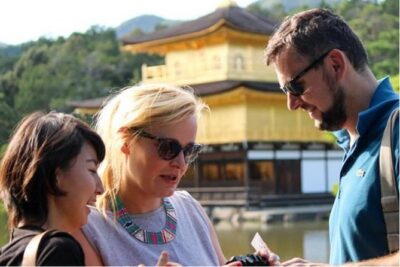
Kyoto 6hr Private Tour with Government-Licensed Guide
Read our review →Early Morning Tour with English-Speaking Guide
Read our review →
Nijo-jo Castle and Ninomaru Palace Guided Tour
Read our review →
Kyoto Gion Night Walk & Geisha District Guided Tour
Read our review →
Nijo Castle, Kiyomizu & Fushimi Inari Guided Tour
Read our review →