
Reviewed · ARASHIYAMA BAMBOO FOREST WALKS
KYOTO: Golden Pagoda, Bamboo Forest, Arashiyama (Italian)
Kyoto can feel like a puzzle, and this tour pieces it together. I love that it pairs Kinkaku-ji with the Sagano Bamboo Forest in one smooth half-day loop, with a native Kyoto guide to translate the why behind everything you see.
What I like most is the value of the guided context, especially when the guide connects the historical capital, aristocratic pastimes, and even samurai-era life to the places you walk through. You also get built-in time for sightseeing and practical pacing, plus time to browse during the Bamboo Forest stop.
The main drawback to consider is the schedule: at 5 hours, you do not get a slow, linger-and-snack Kyoto day. If you want maximum roaming time in one area, you may feel slightly rushed.
In This Review
- Key things to know
- Kyoto in 5 Hours, Starting at Kyoto Station
- Meeting Point at Karasuma-guchi: Find the Escalator Gap
- Sagano Bamboo Forest in the Sagano Area: More Than Photos
- The Transit Between Stops: How the Half-Day Stays Comfortable
- Kinkaku-ji Golden Pagoda: A Guided Hour With Context
- What You Learn From a Native Kyoto Guide (Italian)
- Leaving Partway and Getting Back to Kyoto Station
- Price and Value for a Kyoto Golden Pagoda + Bamboo Forest Day
- Who This Tour Fits Best
- Should You Book This Kyoto Italian Tour?
- FAQ
- What is the meeting point for the tour?
- How long is the tour?
- Which places are included?
- What language is the guide?
- Is transportation included?
- Where does the tour end?
- Can I leave the tour before the end?
- Is this tour wheelchair accessible?
Key things to know
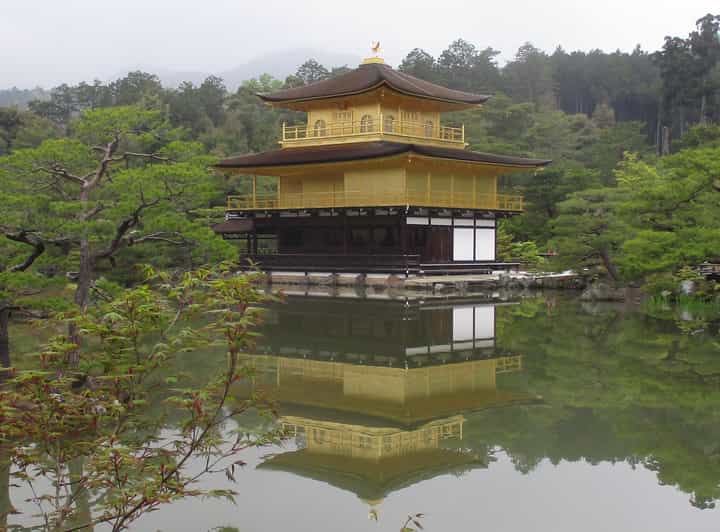
- Kinkaku-ji and Sagano Bamboo Forest in one half-day plan from Kyoto Station
- Italian-speaking native Kyoto guide answers your questions as you go
- Built-in transport between stops (train, bus/coach, subway/metro)
- Shopping time during the Sagano area portion, not just photo stops
- You can leave partway and still finish at Kyoto Station
- Wheelchair accessible for an easier pace across the day
Kyoto in 5 Hours, Starting at Kyoto Station
This is a practical way to tackle two top Kyoto hits without building your own route. The tour lasts about half a day, and it’s designed around a clear rhythm: get to the west side, see the Golden Pagoda and the bamboo area, then return to Kyoto Station.
For me, the best part of this format is that it reduces decision fatigue. Kyoto is packed, and public transit can feel like a scavenger hunt when you are tired. Here, the route is handled for you, and the guide gives you context so the stops feel connected instead of random.
It also helps that the tour is priced as an all-in sightseeing package. At $117 per person, you are paying for an organized itinerary with entrance fees and transportation built into the plan, not just a walking tour.
Meeting Point at Karasuma-guchi: Find the Escalator Gap
Start is right at Kyoto Station, north entrance side, specifically the area associated with Karasuma-guchi. The exact meet-up spot matters, because Kyoto Station is huge and easy to miss if you arrive late or confused.
Look for the space between the four escalators in front of the cab (not bus) terminal. Stand toward the east side, just outside the central north entrance. A helpful detail: from that spot, you can see Kyoto Tower in front of the station, positioned at the top left in your view.
If you want this to go smoothly, do two things when you arrive: give yourself extra minutes to orient, and keep an eye on the email you receive the day before with meeting-point confirmation.
More rooftops worth a detour
- Kyoto: Tea Ceremony Ju-An at Jotokuji Temple
★ 4.9 · 3,207 reviews - Arashiyama Bamboo, Temple, Monkeys, or Secret Sake Brewery
★ 4.8 · 886 reviews - Kyoto: Arashiyama Bamboo Forest, Monkeys, Matcha & Temple Tour
★ 5.0 · 759 reviews - Osaka/Kyoto: Arashiyama, Nara & Fushimi Inari Shrine w/Lunch
★ 4.4 · 754 reviews
Sagano Bamboo Forest in the Sagano Area: More Than Photos
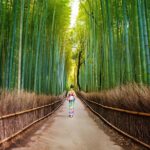
The first major on-the-ground stop is the Sagano Bamboo Forest area, reached after about a 20-minute train ride. You get roughly an hour there, which is enough time to enjoy the walk and still have breathing room for a little browsing.
This stop is not just about taking the classic bamboo photos. The way the tour is set up, you also get guided sightseeing, and it includes time for shopping. That matters because the bamboo area can turn into a pure photo sprint if you are traveling solo and relying on instinct. Here, you get a structure so you do not feel like you have to rush.
What makes this stop particularly useful on a guided tour is the connection to daily life and preserved environment themes. Even without turning the day into a lecture, the guide’s explanations help you read what you’re seeing: the contrast between calm natural scenery and the layers of culture tied to how Kyoto’s neighborhoods developed.
Practical tip: bamboo paths can feel crowded at peak times. If that happens, a guided pacing approach helps you keep moving without getting stuck in a slow knot of people.
The Transit Between Stops: How the Half-Day Stays Comfortable
A big part of what makes this tour feel doable is the sequence of transport. You start with train time, then hop to another mode for the next leg.
In total, you’ll experience:
- A 20-minute train to the Sagano area
- Another 20-minute train segment later
- A 15-minute bus/coach transfer
- A 15-minute subway/metro ride on the way back
Why does this matter? Because different legs give you a chance to reset. You are not stuck on one long commute, and you are not constantly figuring out which line to take. It’s a small thing, but it adds up on a 5-hour day.
Also, the mix of transit types helps you avoid the common Kyoto frustration of spending your limited sightseeing hours underground, above ground, or stuck in the wrong station entrance. Here, you follow a plan.
Kinkaku-ji Golden Pagoda: A Guided Hour With Context
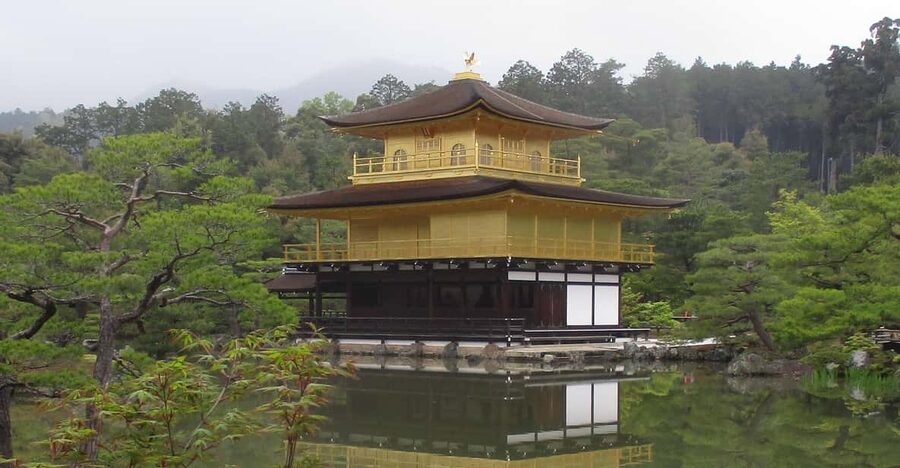
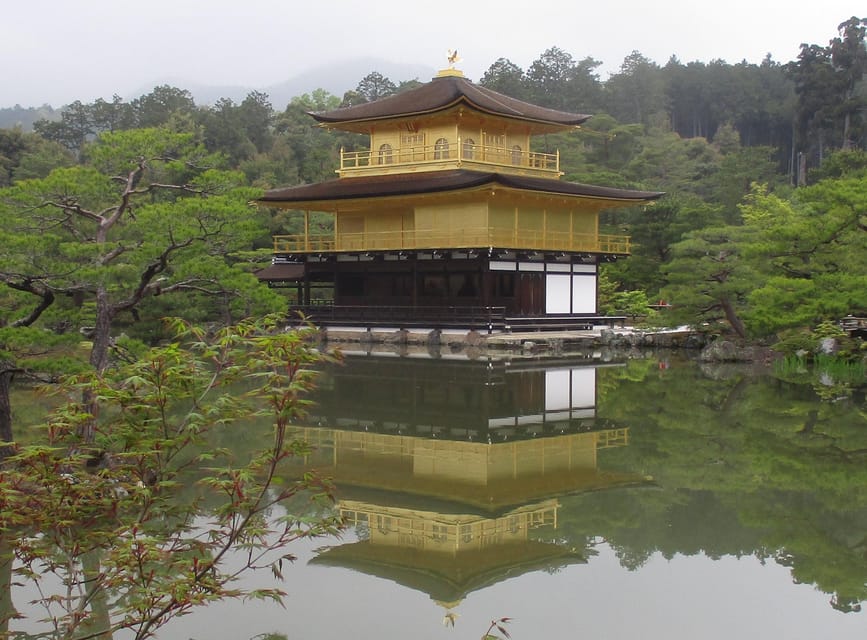
Next comes Kinkaku-ji, the Golden Pagoda. You spend about an hour here with a guided visit. This is long enough to appreciate the main sights without feeling like you are doing a checklist.
The value of a guided visit is not only what you learn about the site itself, but how it’s explained within Kyoto’s larger story. The guide focuses on Kyoto as a former imperial capital, tying together how the area connected to relatives of the imperial house, aristocrats, and the literati of the past.
You also get a sense of how samurai-class life and older social roles connect to the places you see. That blend of nature, culture, and social history is exactly what makes Kinkaku-ji feel more than just a pretty landmark.
One consideration: if you are the type who wants to linger and come back for different angles, an hour can feel limited. For most people, though, it’s a good pacing choice within a half-day schedule.
What You Learn From a Native Kyoto Guide (Italian)
This tour is built around a native Kyoto guide speaking Italian. That changes everything, especially in Japan where small details can make a big difference.
The guide’s job is to answer your questions about:
- Kyoto as the historical capital
- how Japanese people’s daily life connects to the preserved environment
- the cultural meaning behind what you see across the day
I also like that the explanations are not trapped in the past. The tour frames sites alongside how people lived and how life evolved. In the Japanese context, that kind of framing helps you avoid the feeling of watching history from behind glass.
If your guide is as culture-minded and upbeat as the Italian speakers who have been singled out in feedback, you should get a day that feels like a conversation, not a script. One comment highlighted a guide named Omae as top-notch for Kyoto knowledge and charm, and that kind of energy is exactly what makes a short tour land well.
Green light through a bamboo grove
Leaving Partway and Getting Back to Kyoto Station
The tour finishes back at Kyoto Station, and you can leave it halfway if you want. That’s a useful flexibility feature in a city where your next stop might be another shrine, a train back to your hotel, or a meal you really want to try.
Because the tour is designed to end at Kyoto Station, you are not committing to a full day of moving around with unknown end points. You can treat this like an anchor activity: one planned chunk, then the freedom to continue.
My advice: decide what you want most before you go. If your priority is Golden Pagoda plus the bamboo walk, you’ll get a clean hit list. If you care more about lingering in one place, be ready to exit earlier and spend extra time where your interests are strongest.
Price and Value for a Kyoto Golden Pagoda + Bamboo Forest Day
Let’s talk value clearly. $117 per person is not a budget gimmick, but it also does not feel like you are overpaying for motion.
Here’s what the price covers based on the tour details:
- An Italian-speaking guide
- entrance fees for the scheduled monuments
- all transportation between stops during the itinerary
When you compare that to buying tickets and planning the route on your own, the guide pays for itself if you care about understanding what you’re seeing. Kyoto is not hard in general, but it is easy to waste time. A guided half-day reduces time waste, and time saved is real value.
You also get a specific combo: Sagano Bamboo Forest + Kinkaku-ji. Even though they are both famous, they are not usually a “walk between them” situation. Having transport planned helps a lot.
Who This Tour Fits Best
This tour suits you if:
- you want the big sights without building a complex route
- you prefer guided explanations in Italian
- you like a half-day plan that still includes sightseeing and time to browse
It may not suit you if:
- you want a slow, unstructured Kyoto day with lots of rest breaks
- you strongly dislike guided pacing and prefer to wander freely without any schedule
It’s also wheelchair accessible, which matters for anyone who needs a smoother logistics-focused plan rather than long, self-managed wandering.
Should You Book This Kyoto Italian Tour?
If you want a reliable half-day plan that hits Kinkaku-ji and the Sagano Bamboo Forest, while a native guide helps you connect the dots, I think this is a smart booking. The pacing works well, the starting point is easy to reach, and the all-in format makes it simpler to manage time in Kyoto.
Book it if you value clarity, context, and convenience more than maximum time in just one location. Consider skipping or adjusting your plans if you are the type who needs hours of free roaming in only one neighborhood.
FAQ
What is the meeting point for the tour?
You meet at Kyoto Station, North entrance (Karasuma-guchi), at the space between the four escalators in front of the cab terminal, toward the east just outside the central north entrance.
How long is the tour?
The duration is about 5 hours.
Which places are included?
You visit Sagano Bamboo Forest and Kinkaku-ji (Golden Pagoda) in the Arashiyama/Sagano area.
What language is the guide?
The tour includes a live Italian-speaking guide.
Is transportation included?
Yes. The tour includes transportation and entrance fees for the monuments scheduled during the itinerary.
Where does the tour end?
You return to Kyoto Station.
Can I leave the tour before the end?
Yes. The tour ends at Kyoto Station, and you are free to leave it halfway.
Is this tour wheelchair accessible?
Yes, it is listed as wheelchair accessible.
New This Season
- Koyasan Day Trip by Private Car from Kyoto
- Old Port Town and Ultimate Sake Tasting Private Tour From Kyoto
- Kyoto’s Timeless Charm: 3hr Exploration of History and Peace
- Kyoto: 5 Types of Sushi Making
- Sacred Peak & Ancient Paths: Kurama-Kibune Hiking Experience
- Kyoto: Exclusive ZEN practice at Manpukuji temple in Uji
- Kyoto: Private Seasonal Aroma Yoga Class
- Traversing Kyoto’s Scenic West – Arashiyama to Kinkakuji
Arashiyama Bamboo Forest Walks, compared.
Fushimi Inari, Kinkakuji, Bamboo Grove 1 Day Bus Tour
Read our review →
Kinkakuji,Arashiyama,FushimiInariShrine,NaraPark
Read our review →
Nara, Fushimi Inari Taisha, Arashiyama Bus Tour
Read our review →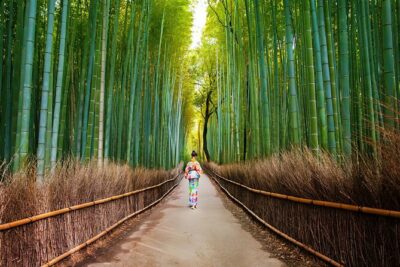
Kyoto Arashiyama Walking Tour: Bamboo, Monkeys, Gardens & Secrets
Read our review →
Arashiyama Bamboo, Temple, Monkeys, or Secret Sake Brewery
Read our review →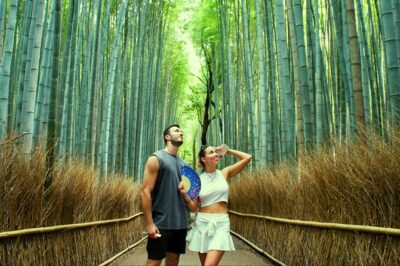
Arashiyama Bamboo Forest, Monkeys, Matcha & Temple Tour
Read our review →
Arashiyama, Nara & Fushimi Inari Shrine w/Lunch
Read our review →
Nijo, Kinkaku-ji, Arashiyama, Kiyomizu & Fushimi Inari
Read our review →Also filed under