
Reviewed · HISTORICAL TOURS
Kyoto Heritage Run – Venture through historical Kyoto landmarks
Kyoto is best understood on the move. This Kyoto Heritage Run turns a fast morning jog into an efficient way to see top sights plus quieter corners, with a warm-up and fitness coach-led intervals built into the route. I especially like how it blends sightseeing with exercise, so you feel like you used your time well, not just your legs.
Two things I really appreciated are the mix of iconic stops like the Imperial Palace Park and Heian Shrine, and the guide team vibe with Francis and Areo keeping the pace friendly while still making the history stick. The main drawback to consider is simple: this is jogging plus Tabata-style work, so it is not the best match if you want a slow, stop-and-stare tour.
In This Review
- Key highlights before you go
- Warm-Up at Nijojo-mae Station, then East Toward the Imperial Palace
- Nijo Castle Outside Views: Seeing the Power Without the Crowds
- Imperial Palace Park and Tabata-Style Intervals That Actually Feel Like Training
- Crossing the Kamogawa, then Heian Shrine’s Calm Architectural Moment
- Passing a Huge Torii and Running Along Shirakawa’s Weeping Willows
- Maruyama Park and Yasaka Shrine: Where the Morning Energy Turns Sacred
- Gion En Route to the Finish: Getting Your Bearings Fast
- Ending by Kamogawa with Stretches: A Clean Finish to a Moving Sightseeing Day
- Price and Value: Is $97.55 Worth It?
- How to Prepare: Shoes, Pace, and Weather Matter
- Who This Kyoto Heritage Run Suits Best
- Who Might Want a Different Kyoto Plan
- Should You Book the Kyoto Heritage Run?
- FAQ
- How long is the Kyoto Heritage Run?
- Where do you meet, and where does the tour end?
- How far do you cover during the run?
- What fitness level do you need?
- What is included in the price, and is water provided?
- What is the cancellation policy?
Key highlights before you go
- Small group pace (max 12) means you are not stuck behind a big crowd.
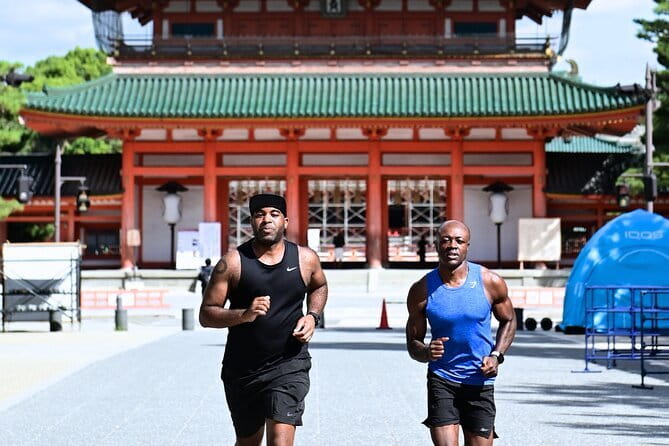
- Tabata-style intervals happen right at major landmarks, not in a random parking lot.
- A route that connects the city’s east side with classic riverside scenery along Kamogawa and Shirakawa.
- Cover both famous and lesser-seen viewpoints, including Imperial Palace Park and the stretch along Shirakawa.
- End with stretches near Kamogawa, so you do not feel totally wiped out at the finish.
Warm-Up at Nijojo-mae Station, then East Toward the Imperial Palace
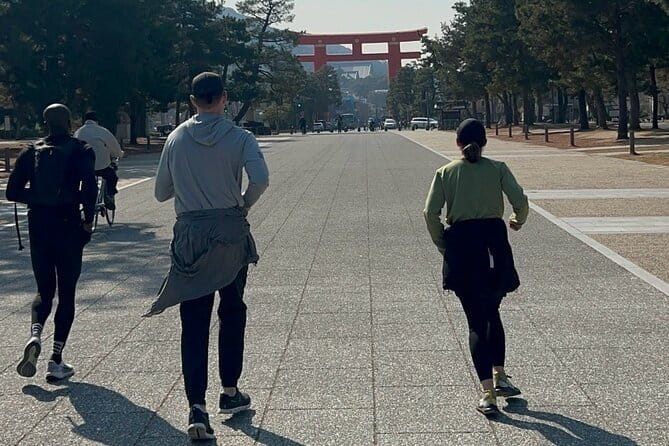
You meet at Nijojo-mae Station, right by the area opposite Nijo Castle (outside viewing). Even before you start jogging, there’s a good sense of direction. A warm-up kicks things off, and your guides share a brief setup for Kyoto City so the landmarks later on make more sense.
One of the smartest parts of a running tour like this is how it reduces decision fatigue. Instead of figuring out which train stop goes with which shrine, you follow a single flow. It also means you are already “in motion mode” by the time you reach the first big scene, so you are not wasting half the morning walking between gates.
The scenery starts right away, too. You pass Kyoto’s central energy, then transition toward the quieter formality of the palace area, which feels like the city changing gear.
Nijo Castle Outside Views: Seeing the Power Without the Crowds
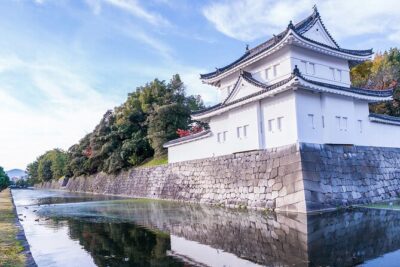
At the start, you get that outside look at Nijo Castle, the former residence of the Tokugawa shoguns from 1603 to 1868. It is not a deep museum stop, so you should not expect long interior time. But that outside viewing still helps you understand Kyoto’s political weight before the route moves into the imperial story.
Why I like this approach: it gives context fast. When you later see the more ceremonial spaces, the contrast lands better. If you usually visit castles and temples by car and end up rushing photos, this opening moment gives your brain a foundation.
If you want a castle-focused visit, you might still want a separate day for Nijo Castle interiors. But for a 3-hour experience, this is the right kind of “setup stop.”
More of Kyoto's centuries, explained
- Kyoto Gion: 2-Hour Geisha Culture & History Walking Tour
★ 5.0 · 1,186 reviews - Kyoto Gion Historical Walking Tour
★ 5.0 · 188 reviews - Historical Kyoto E-Bike Tour
★ 5.0 · 181 reviews - Kyoto: Nijo Castle World Heritage Guided Tour with Admission
★ 5.0 · 128 reviews
Imperial Palace Park and Tabata-Style Intervals That Actually Feel Like Training
The tour’s first major destination is Kyoto Imperial Palace Park. This is where the jogging becomes more purposeful, because you get a guided history briefing and then exercise right in the palace grounds.
There’s a Tabata-style segment included, so expect short, hard bursts rather than a casual stroll pace. That is the point of this tour. You get your cardio, then you look around the same place with a clearer mind. After you’ve done a few intense intervals, you tend to notice details more, like stonework, gate lines, and the way the grounds shape sightlines.
What to watch for: you need a solid sense of self-pacing. This kind of workout is only fun if you start steady. If you go out too fast, the rest of the route will feel like a grind instead of a sightseeing day.
Also, because the tour is built around fitness, it is not a long commentary crawl. You’ll likely get just enough historical context to connect the dots, then you are moving again.
Crossing the Kamogawa, then Heian Shrine’s Calm Architectural Moment
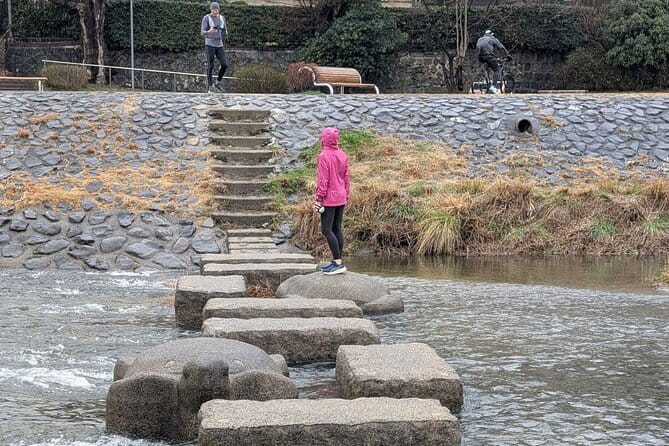
After the palace area, you cross the Kamogawa. This is one of those Kyoto transitions I love on foot: the city street energy softens into riverside rhythm, and the walk feels more open.
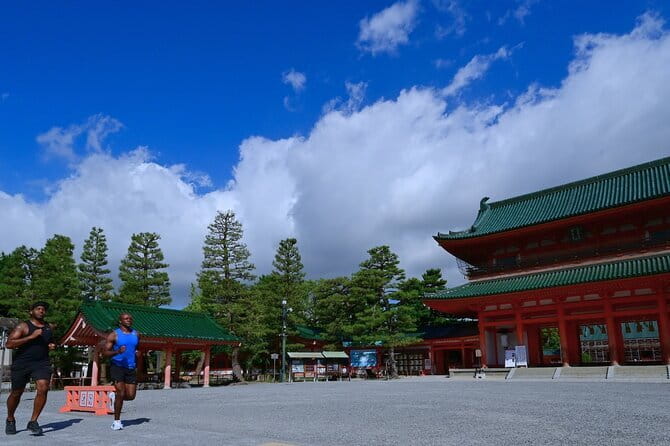
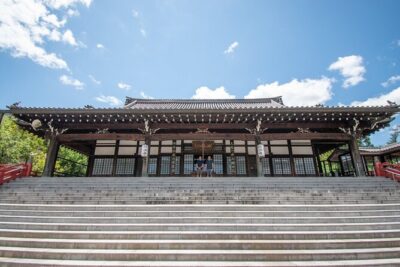
Then you head to Heian Shrine for a brief stop. This is the kind of stop that balances the earlier activity. You jog to get your heart rate up, then you pause just enough to reset your eyes. Heian Shrine is known for its major architectural presence, and even a short visit helps you appreciate scale and design rather than treating it like just another photo.
If you are the type who gets tired of “temple treadmill,” this is a good rhythm. You do movement, then you get a quiet architectural moment. That pacing also makes the route feel doable, even when the day is bright and busy.
Passing a Huge Torii and Running Along Shirakawa’s Weeping Willows
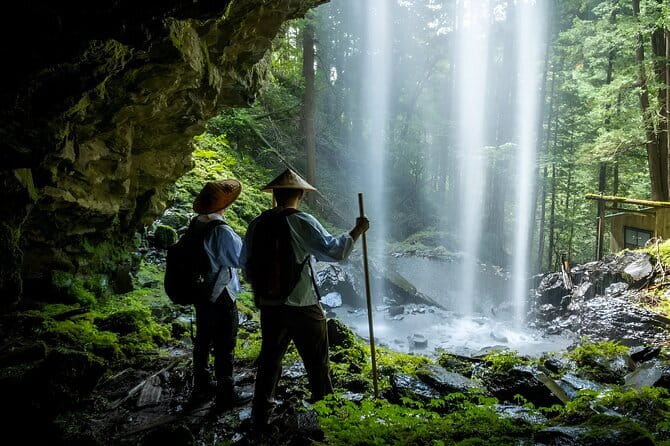
Next comes one of the prettiest sections of the day: you pass through an immense torii gate, then jog along the Shirakawa River. The riverbanks are lined with weeping willows, and you also get small stone bridges along the way.
This is where the tour earns its aesthetic. Running tours can sometimes feel like you are just rushing from one stop to the next, but Shirakawa adds a slow-down effect. Even while you keep moving, you are surrounded by a visual scene that makes the route feel special without requiring you to stand in line.
Practical note: riverside paths can be uneven in places, and willow-lined areas can mean more shade one moment and full sun the next. Wear proper shoes. If you treat this like a sneaker stroll, you will probably regret it on the finish.
This section also sets up the emotional tone for the last third of the day. By the time you reach Maruyama Park and Yasaka Shrine area, you are warmed up and ready to appreciate Kyoto’s courtyard-and-gate layouts.
Maruyama Park and Yasaka Shrine: Where the Morning Energy Turns Sacred
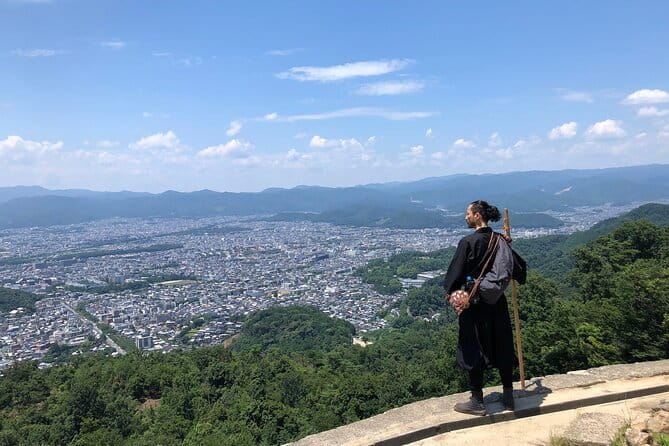
From the Shirakawa stretch, you reach Maruyama Park and Yasaka Shrine. This part of the route feels like Kyoto’s “people space,” where walking lanes, shrine paths, and park edges guide your eyes in multiple directions.
Maruyama Park adds a calmer pause. You are not stuck doing a single-file shrine queue. Instead, you get a sense of the space around the shrine area, which helps you understand why Yasaka is such a central anchor for Kyoto.
What I find useful here: you are still in a controlled tour flow, so you are not wandering. The guides keep the route moving while giving you just enough time to absorb the atmosphere. You get the feeling of sacred architecture, but you are not stuck in a long stop-and-go experience.
If you are hoping to do a deep shrine itinerary with extra detours, keep your expectations realistic. This tour is about motion plus key moments, not a full shrine study.
A day of temples goes further with something to break it up.
Gion En Route to the Finish: Getting Your Bearings Fast
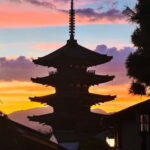
You also pass through Gion during the run. That matters, because Gion is one of those districts where the vibe can feel like a postcard even when you are just walking between streets.
You get the idea of why the geisha arts are still part of Kyoto’s present, not just a museum story. You are not there for a formal performance stop. Instead, you glide through the district as part of the overall route, which is a smart way to get your bearings quickly, especially on your second full day.
The best part is how the jogging format keeps you from wasting time. If you try to “figure out Gion” on your own, you can burn hours. Here, the district becomes a connector, not a black hole.
Ending by Kamogawa with Stretches: A Clean Finish to a Moving Sightseeing Day
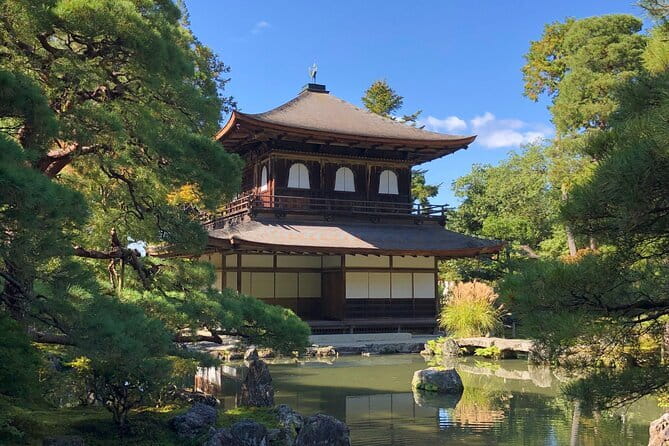
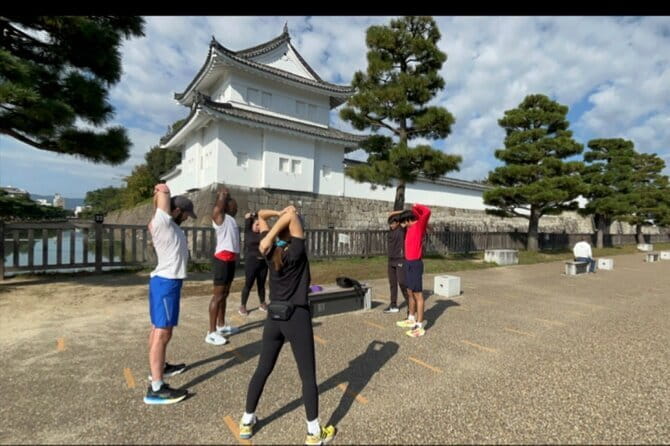
The tour winds down near the eastern bank of Kamogawa. You finish with some stretches, which is simple but honestly helpful. Running days can leave you stiff, and adding a proper cool-down makes the rest of your afternoon easier.
There is also a practical advantage to the route ending in a different place than where you started. You are not forced into backtracking. The activity ends near Gion Shijo Station, which is convenient for continuing your day in that part of town.
If you plan dinner right after, it’s worth noting you will likely be warm and slightly sweaty, even if the pace feels manageable. Bring a small towel or tissues, and plan to change clothes if you have somewhere nicer to go.
Price and Value: Is $97.55 Worth It?
At $97.55 per person, you are paying for more than “running around landmarks.” You get a guided route, warm-up, history context, and fitness instruction during the day. You also benefit from a small group size (up to 12), which usually keeps the experience smoother and less chaotic than large-bus-style sightseeing.
You also cover a lot of ground: about 10 kilometers over roughly 3 hours. That combination matters in Kyoto, where sightseeing often turns into transit math. The route is designed so the jogging itself acts like the transport between major points.
What is not included is important for value: lunch is not included, and bottled water is not included. So you should budget for a snack and bring water or plan to buy some nearby. If you forget, you will pay for it later, literally and physically.
What you are buying is efficiency plus structure. If you like having someone set the route and timing, this price starts to make sense fast.
How to Prepare: Shoes, Pace, and Weather Matter
This tour is best for people with moderate physical fitness. That does not mean you need to be a marathoner. It does mean you should be comfortable jogging and doing short high-intensity intervals.
Wear shoes you trust on sidewalks and riverside paths. Think: firm grip, not just fashion. Dress in breathable layers, because Kyoto mornings can shift temperatures quickly, especially near open rivers.
You should also expect the tour to depend on good weather. If conditions are poor, it may be canceled and you’ll be offered a different date or a full refund. Check the forecast the night before, and plan your main Kyoto sightseeing calendar with some flexibility.
One more practical tip: you get a mobile ticket, so have your phone charged. You will appreciate being able to show everything quickly at the meeting point.
Who This Kyoto Heritage Run Suits Best
This is a great match if you want to:
- Get your bearings fast in central Kyoto
- See major sites like Imperial Palace Park, Heian Shrine, and the Yasaka area
- Pair walking-time sightseeing with actual fitness time
- Prefer a small group that keeps you moving and focused
I also think it works well for active travelers who do not love “standing in line first, reading later.” Here, you read through movement. The guides provide enough history to make things coherent, then the route does the rest.
If you have limited days in Kyoto, this is one of those experiences that can make your other sightseeing more meaningful.
Who Might Want a Different Kyoto Plan
If your idea of a perfect day is slow walking, lots of silent looking, and frequent long stops, this tour may feel too active. The Tabata-style segment is part of the format, so you cannot switch it off.
Also, if jogging is uncomfortable for you due to injury, pain, or low stamina, you might end up stressed rather than excited. The tour is built for moderate fitness, not for recovery mode.
Finally, if you are strictly planning your day around sitting down for long meals and long rest breaks, you will want to pair this with a flexible lunch plan afterward since lunch is not included.
Should You Book the Kyoto Heritage Run?
I’d recommend booking if you want a smart, active way to see Kyoto without losing half your day to transit and indecision. The best version of this experience is when you show up ready to jog, willing to do short interval work, and open to learning a bit of Kyoto context while you move between iconic and scenic areas.
Book it particularly if you like the idea of guides like Francis and Areo keeping the day structured, helping you hit the landmarks you care about, and still showing you scenic routes that feel more personal than the standard tourist circuit. Just don’t expect a leisurely shrine day. This is for people who want to sweat a little, then enjoy Kyoto while your legs work and your mind stays awake.
FAQ
How long is the Kyoto Heritage Run?
The tour runs for about 3 hours.
Where do you meet, and where does the tour end?
You meet at Nijojo-mae Station (opposite Nijo Castle). The tour ends near Gion Shijo Station, so the end point is not the same as the start.
How far do you cover during the run?
The route is about 10 kilometers.
What fitness level do you need?
You should have a moderate physical fitness level, since the tour includes jogging and Tabata-style exercises.
What is included in the price, and is water provided?
All fees and taxes are included. Lunch and bottled water are not included.
What is the cancellation policy?
You can cancel for a full refund up to 24 hours in advance of the experience’s start time. If you cancel less than 24 hours before, the amount paid is not refunded. The experience also depends on good weather, and if canceled due to poor weather you’ll be offered a different date or a full refund.
New This Season
- Koyasan Day Trip by Private Car from Kyoto
- Old Port Town and Ultimate Sake Tasting Private Tour From Kyoto
- Kyoto’s Timeless Charm: 3hr Exploration of History and Peace
- Kyoto: 5 Types of Sushi Making
- Sacred Peak & Ancient Paths: Kurama-Kibune Hiking Experience
- Kyoto: Exclusive ZEN practice at Manpukuji temple in Uji
- Kyoto: Private Seasonal Aroma Yoga Class
- Traversing Kyoto’s Scenic West – Arashiyama to Kinkakuji
Historical Tours, compared.
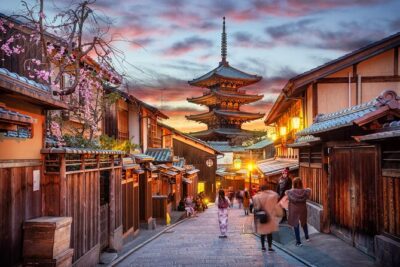
Kyoto Gion: 2-Hour Geisha Culture & History Walking Tour
Read our review →
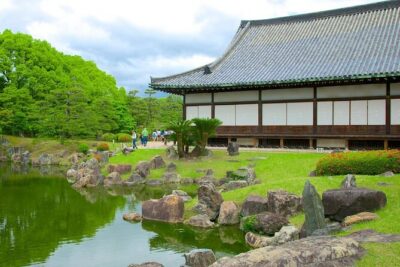
Nijo Castle World Heritage Guided Tour with Admission
Read our review →
Nara History Guided Half Day Bus Tour with Lunch
Read our review →
Private car tour Let’s uncover secrets of majestic Kyoto history
Read our review →Also filed under