
Reviewed · KYOTO
Kyoto: Kaiseki Reservation at Hanasaki Manjiro
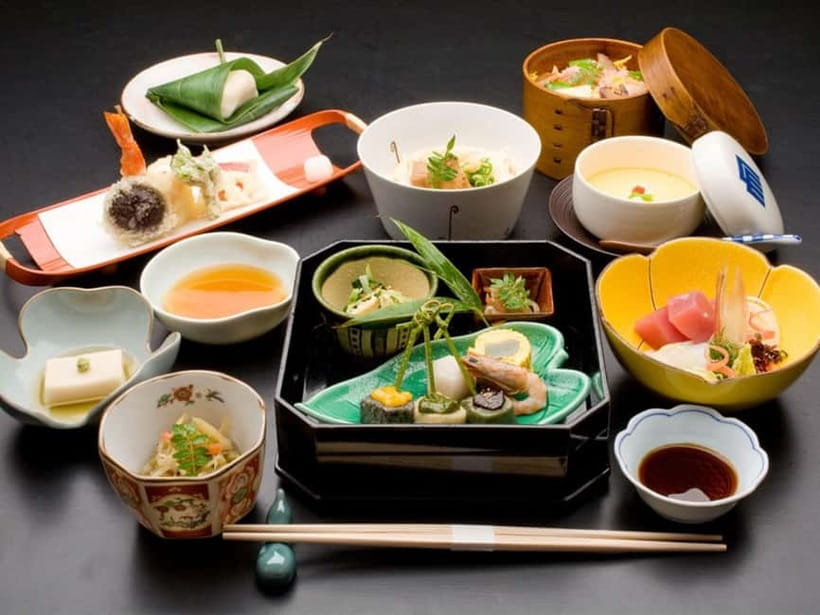
Dinner feels like a time machine. At Hanasaki Manjiro, you sit in a restored 120-year-old machiya townhouse in Higashiyama and eat seasonal Kyoto kaiseki that focuses on local vegetables and delicate flavors. I really like the calm, old-town feel, and I also like the fact that many rooms are set up for a private, garden-view meal. One thing to consider, drinks are not included beyond water, so if you add tea or alcohol, your final bill can jump.
This is a smart choice if you are doing the classic Higashiyama route around Kodaiji Temple, Chion-in, and Kiyomizu-dera. You can make it a perfect “day sightseeing, evening reset” plan. Also, there is no formal guide with the reservation, so you will get your context from the staff and the way the meal is paced.
In This Review
- Key points to know before you go
- A 120-Year-Old Machiya House in Higashiyama
- Seasonal Kaiseki in a 2-Hour Dining Rhythm
- Private Tatami Rooms and Garden Views
- What Happens Course by Course (And What to Watch For)
- Drinks, Tax, and Why the Final Cost Might Surprise You
- Timing It With Kodaiji, Chion-in, and Kiyomizu-dera
- Service Style: Calm Hospitality Without a Big Production
- Who This Is Perfect For, and Who Might Want Something Else
- Should You Book Kyoto Kaiseki at Hanasaki Manjiro?
- FAQ
- How long is the kaiseki dining experience?
- What is included in the $48 per person price?
- Are drinks included?
- Where is Hanasaki Manjiro located, and how do I get there?
- Do I need a guide during the meal?
- Is there an option for maiko or geiko performances?
- What should I expect from the dining rooms?
- Is the restaurant wheelchair accessible?
- Can I cancel and get a refund?
Key points to know before you go
- 120-year-old machiya townhouse setting in Higashiyama, restored for dining
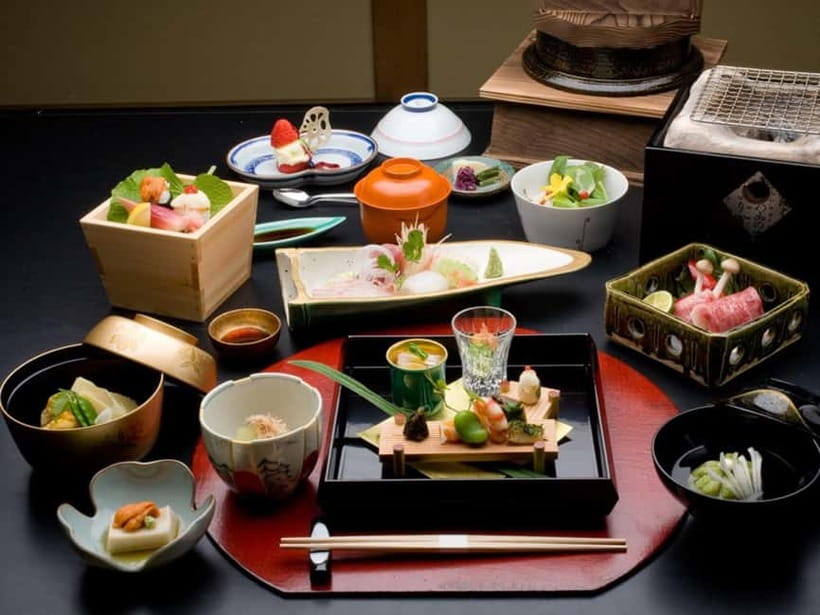
- Seasonal kaiseki that highlights Kyoto vegetables and local ingredients
- Private tatami rooms with garden views for a quieter, more intimate feel
- Near major landmarks like Kodaiji, Chion-in, and Kiyomizu-dera
- Staff dish explanations that can make the food feel more meaningful
- Optional maiko or geiko performances can be arranged on request
A 120-Year-Old Machiya House in Higashiyama
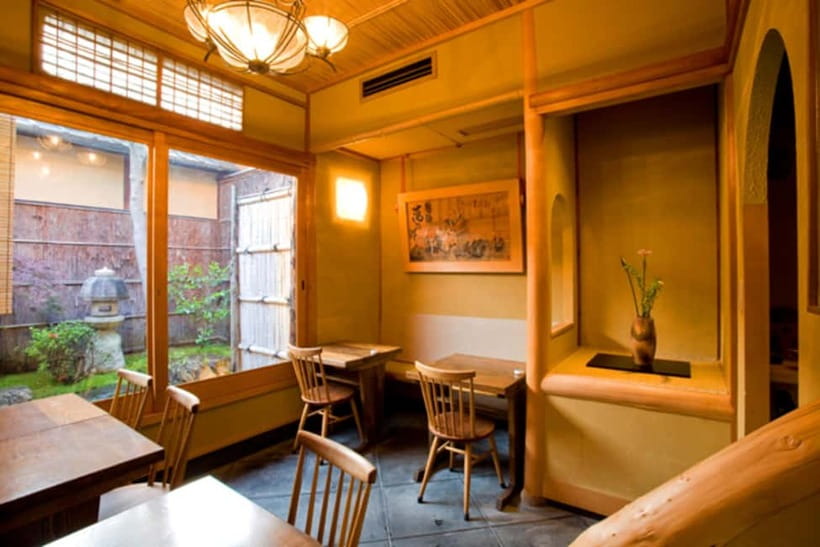
Kaiseki is not just about eating. It is about pace, atmosphere, and attention. The big reason Hanasaki Manjiro works is the setting. You are eating in a restored townhouse that is about 120 years old, the kind of place where you can feel the craft in the wooden walls, the room shapes, and the way space is used.
This matters because Kyoto restaurants can be two different things on a busy travel day. Some feel like a stop. Others feel like an experience you can slow down inside. Here, the experience is more “quiet refuge” than “food hall.” It sits in the Higashiyama area, and even though it is within walking distance of famous sights, the restaurant itself is designed to feel away from the crowds.
I also like that the experience follows a recognizable route of Kyoto’s old heart. You are on the Higashiyama Sando area, which is the kind of street you can pair with temples. If you want your night to feel connected to the city you came to see, this location makes that easy.
Seasonal Kaiseki in a 2-Hour Dining Rhythm
You are choosing a full course kaiseki menu, and the total time is about 2 hours. That timing is useful because it fits Kyoto sightseeing patterns. If you schedule this too late, you might feel rushed by energy and daylight. Too early, and you might not have worked up an appetite.
Most kaiseki meals are built to unfold slowly. You will move through courses, each one with its own flavor, texture, and presentation style. This place leans into Kyoto ingredients, including seasonal Kyoto vegetables, so the menu changes with the time of year. That seasonal focus is one of the best reasons to book a kaiseki dinner while you are in Kyoto, rather than treating it like a standard Japanese meal that could be ordered anywhere.
Value check for your brain: the price is listed at $48 per person, and that includes the full course menu, sales tax, and the reservation. In other words, you are not paying a separate “meal” price plus a “seat” price plus a “tax” price. You are buying the whole dining experience up front, which makes it easier to budget.
Kyoto rewards patience — the quieter half of the city sits just off the main path.
- PERFECT KYOTO 1-Day Bus Tour
★ 5.0 · 13,518 reviews - Kyoto: Fushimi Inari, Kinkakuji, Bamboo Grove 1 Day Bus Tour
★ 4.8 · 4,316 reviews - Kyoto: Tea Ceremony in a Traditional Tea House in Kiyomizu
★ 4.9 · 3,519 reviews - Kyoto Geisha Walking Tour: Gion District & Hidden Gems
★ 4.7 · 3,273 reviews
Private Tatami Rooms and Garden Views
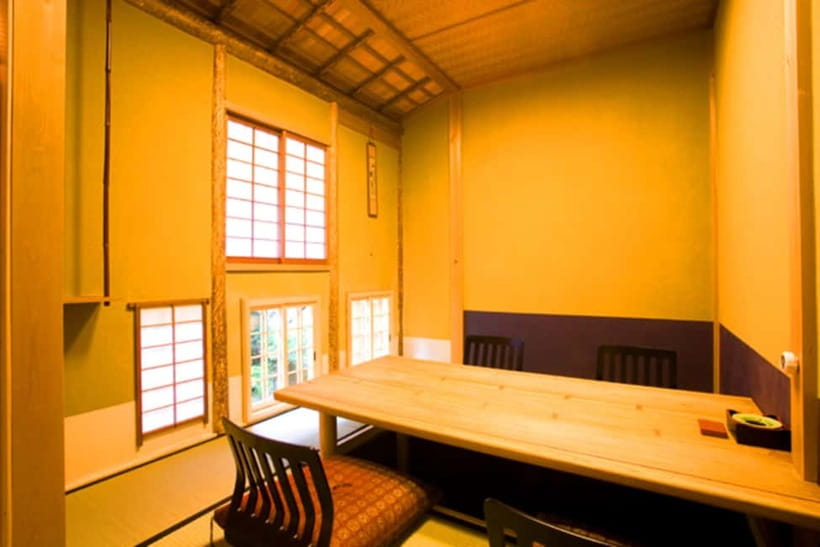
The meal is not in a loud open dining room. Many guests eat in private tatami rooms, and you get a view of a tranquil garden. That combination changes everything about how you experience the courses. You are not fighting the sound level of a big group. You are not trying to talk over background noise while you taste.
If you are the kind of traveler who likes details, this is your kind of dinner. Kaiseki presentations are small, careful, and meant to be noticed. A calmer room gives you the mental space to actually look, smell, and taste.
It also makes the whole night feel intimate. One diner described it like stepping into another world, and that is the right feeling. This is the kind of restaurant where you can go on a special date, celebrate a milestone, or just treat yourself to a quieter night in an otherwise crowded city.
What Happens Course by Course (And What to Watch For)
Even without a formal guide, you will still get context. The staff explain dishes in detail, and in at least one account, an English-speaking person named Mihoko is credited with answering questions clearly and thoroughly. The listing says no guide is provided, but it also suggests you will be guided by the restaurant during the meal, and the reviews strongly point to strong dish explanations.
Here is what you should expect in practice:
- You enter directly when your reservation time starts, so plan on going straight inside instead of waiting around outside.
- You eat through multiple courses that emphasize Kyoto flavors and seasonal ingredients.
- You get time to notice the look and balance of each plate, not just to eat quickly and leave.
A couple of helpful food expectations from real accounts:
- Many guests choose a 9-course kaiseki, which can feel generous.
- You may find that portions are lighter in style, but the meal still adds up. One guest specifically advised coming with an empty stomach or considering a smaller course if you prefer less food.
- There are small touches that can make the meal memorable. For example, one diner noted getting eel rice packed to take home, which is the kind of thoughtful extra that turns a great dinner into a story you keep.
One more thing to know: the best kaiseki nights do not come from hunger alone. They come from being mentally ready for slow, careful tasting.
Drinks, Tax, and Why the Final Cost Might Surprise You
The listed price is $48, and that includes the full course menu, sales tax, and the reservation. That is a solid structure for value because you know what you are buying.
What is not included is where people often get surprised:
- Drinks are not included, except water.
- Anything personal beyond that is on you.
So the honest way to budget is this: if you drink nothing but water, the price likely feels straightforward. If you add tea, sake, or other drinks, your bill can increase quickly. It is still worth it if you enjoy pairing flavors, but it is better to go in with your eyes open.
Timing It With Kodaiji, Chion-in, and Kiyomizu-dera
One of the smartest parts about this dining option is proximity. You are near Kodaiji Temple, Chion-in, and Kiyomizu-dera. That means you can build a simple day plan without long transit.
Practical walking logic:
- You are about a 10-minute walk from Gion-Shijo Station on the Keihan Main Line.
- You are also about a 15-minute walk from Kawaramachi Station on the Hankyu Kyoto Line.
In a day packed with temples, walking can be both a feature and a drain. It is a feature because the Higashiyama area has that classic feel, and it helps you work off crowds. It is a drain if your feet are already done. For that reason, I suggest you schedule a kaiseki dinner after at least one good sightseeing stretch, then treat the meal as your recovery time.
If you are trying to see Kiyomizu-dera at prime hours, plan the dinner for later. If you go to temples late in the day, you might be hungry enough to enjoy every course without rushing.
A day of temples goes further with something to break it up.
Service Style: Calm Hospitality Without a Big Production
This meal is not about performance. It is about attention. Staff are described as very friendly and detailed when they explain courses. Another account highlights patient, knowledgeable help in English, with questions answered thoughtfully.
Also, the experience can include extra cultural moments. Maiko or geiko performances can be arranged upon request. That is not something you should assume is automatic, but it is an option that fits the whole Higashiyama mood. If you want that added layer, ask in advance so you know what is actually possible for your date and schedule.
One more small note from a real dining experience: the chef/owner came out himself for at least one group. You should not expect that every time, but it tells you the restaurant takes hospitality seriously and pays attention to the dining room.
Who This Is Perfect For, and Who Might Want Something Else
Hanasaki Manjiro is ideal if you want:
- a Kyoto kaiseki experience that feels rooted in place, not generic
- a quieter evening in Higashiyama instead of a high-energy restaurant
- private tatami seating with garden views
- a seasonal menu built around Kyoto vegetables and local ingredients
It is also a strong choice for special occasions. Several diners described it as refined, elegant, and movie-scene special, but you can keep it practical. You do not need to be a kaiseki expert. You just need to show up hungry, curious, and ready for careful tasting.
Who might hesitate:
- If you want a cheap meal, this is not the direction. It is priced for full-course dining.
- If you do not like meal pacing that takes full attention, kaiseki can feel slow. (But the upside is the room and the food will still keep it interesting.)
Should You Book Kyoto Kaiseki at Hanasaki Manjiro?
Yes, you should book if you want a Kyoto dinner that feels tied to the city’s old neighborhoods and ingredients. The 120-year-old machiya townhouse, the private tatami setup, and the seasonal kaiseki menu are a winning mix for travelers who care about atmosphere as much as flavor.
Book it especially if you are already planning to visit Kodaiji, Chion-in, or Kiyomizu-dera, because the location lets you keep your day simple and your evening calm. Just budget for drinks beyond water, and plan to arrive ready to enjoy a full meal.
If you are going to Kyoto for food, this is the kind of night that makes the trip feel complete.
FAQ
How long is the kaiseki dining experience?
The experience lasts about 2 hours.
What is included in the $48 per person price?
The price includes the full course menu, sales tax, and your reservation.
Are drinks included?
Drinks are not included except for water.
Where is Hanasaki Manjiro located, and how do I get there?
It is in Higashiyama near Kodaiji Temple. You can walk about 10 minutes from Gion-Shijo Station (Keihan Main Line) or about 15 minutes from Kawaramachi Station (Hankyu Kyoto Line).
Do I need a guide during the meal?
No guide is provided with this reservation. You will rely on the restaurant staff for explanations during dining.
Is there an option for maiko or geiko performances?
Yes, maiko or geiko performances can be arranged upon request.
What should I expect from the dining rooms?
You can expect private tatami rooms, and many rooms have views of a tranquil garden.
Is the restaurant wheelchair accessible?
Yes, it is wheelchair accessible.
Can I cancel and get a refund?
You can cancel up to 24 hours in advance for a full refund.
New This Season
- Koyasan Day Trip by Private Car from Kyoto
- Old Port Town and Ultimate Sake Tasting Private Tour From Kyoto
- Kyoto’s Timeless Charm: 3hr Exploration of History and Peace
- Kyoto: 5 Types of Sushi Making
- Sacred Peak & Ancient Paths: Kurama-Kibune Hiking Experience
- Kyoto: Exclusive ZEN practice at Manpukuji temple in Uji
- Kyoto: Private Seasonal Aroma Yoga Class
- Traversing Kyoto’s Scenic West – Arashiyama to Kinkakuji