
Reviewed · LUNCH EXPERIENCES
Kyoto: Koyasan Private Day Trip with Guide and Lunch
Koyasan feels different the moment you arrive. This private 10-hour day trip from Kyoto pairs temple visits with time to understand Shingon Buddhism, plus a meal monks have used for centuries.
I really like the way the route is built around meaning, not checkboxes, from the Daimon Gate to the quiet stretch through Okunoin. I also love getting a truly local, English-speaking guide like Meri, who doesn’t just narrate, she explains and adapts when you have specific interests.
One consideration is physical effort and religious context. You walk through a cemetery, and the Goma fire ritual involves participating in a religious practice, so comfortable shoes and an open mind matter.
In This Review
- Key things that make this trip worth your time
- From Kyoto’s streets to Koyasan’s mountain stillness
- The Daimon Gate photo stop, and why you should not rush it
- Danjo Garan: esoteric Buddhism made visible
- Kongobu-ji and the rock garden silence you can actually feel
- Shojin Ryori lunch: vegan food with a real sense of place
- Reserved temple access and the Goma fire ritual
- Okunoin Cemetery: walking to Kukai’s mausoleum area
- Guide quality matters, and Meri’s approach shows
- Price and value for a $580 private day
- Who this tour suits best
- Should you book the Kyoto to Koyasan private day trip?
- FAQ
- What is the total duration of this Kyoto to Koyasan private day trip?
- Where do I meet the guide for pickup?
- What time do you start?
- Is lunch included, and what kind of food is it?
- What does the tour include besides temple visits?
- What languages is the tour guide?
- Are photos included during the tour?
- Is this tour suitable for people with mobility impairments?
Key things that make this trip worth your time
- Private guide, small-group feel: you get 10 hours with an English-speaking local guide and a licensed driver doing the route logic.
- Shojin Ryori lunch: a traditional Buddhist vegetarian meal that gives you a real taste of monastic everyday life.
- Reserved-access temple visit: you see sacred spaces that are typically closed to the public.
- Goma fire ritual with wish-casting: a dramatic, hands-on esoteric practice focused on purification and prayer.
- Okunoin Cemetery walk: a powerful way to reach Kukai’s mausoleum area on foot.
From Kyoto’s streets to Koyasan’s mountain stillness
Your day starts with pickup from Kyoto Station, from the Hachijo Exit area (about a one-minute walk). If you want, you can also arrange hotel pickup, and either way you’ll ride with a licensed Japanese driver for a smooth, stress-free transfer up into the mountains.
Once you leave the city behind, the guide’s job turns from logistics to context. You’ll hear the basics of Japanese Buddhism and the story of Kukain (also known as Kobo Daishi), the monk tied to the founding of this sacred mountain complex. That matters because Koyasan is not just a cluster of pretty temples. It’s built as a spiritual map, and the day keeps nudging you to notice the symbols behind what you see.
The Daimon Gate photo stop, and why you should not rush it
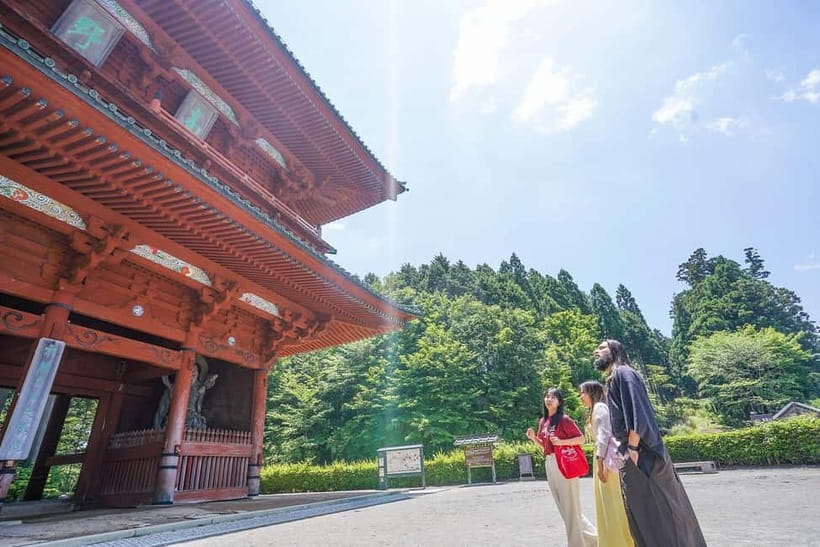
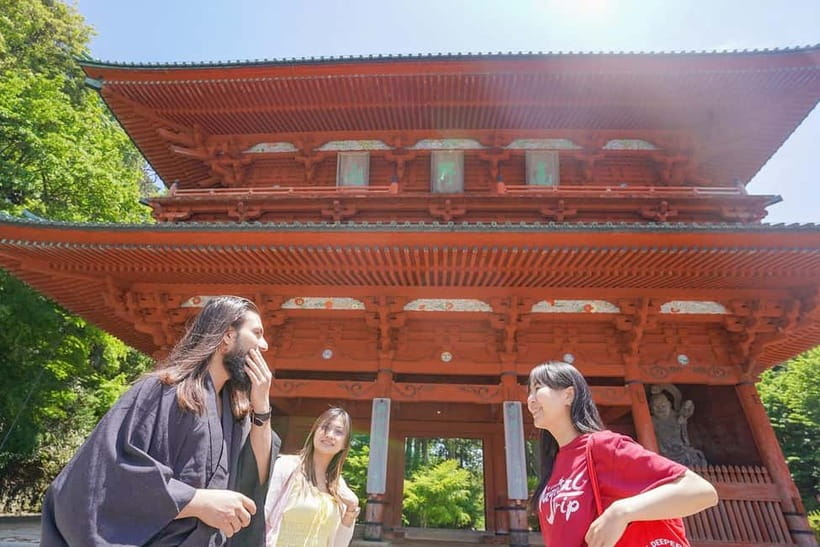
The first temple landmark on your Koyasan schedule is the Daimon Gate. Even if you have seen gates in other parts of Japan, this one carries weight because it marks an entry into a sacred zone with temple grounds laid out for ritual movement and reflection.
You get a short, focused stop for photos and a guided introduction. I like having this early, because it sets expectations for the kind of day you are about to have: slower pace, more symbolism, and fewer opportunities to “power through” without missing meaning.
Lunch, wedged between temple visits
- Bike Tour Exploring North Kyoto plus Lunch
★ 5.0 · 1,087 reviews - Osaka/Kyoto: Arashiyama, Nara & Fushimi Inari Shrine w/Lunch
★ 4.4 · 754 reviews - Kyoto Zen Meditation & Garden Tour at a Zen Temple with Lunch
★ 5.0 · 441 reviews - 4.5-Hour Kyoto Bike Tour with Lunch and UNESCO Zen Temples
★ 5.0 · 122 reviews
Danjo Garan: esoteric Buddhism made visible
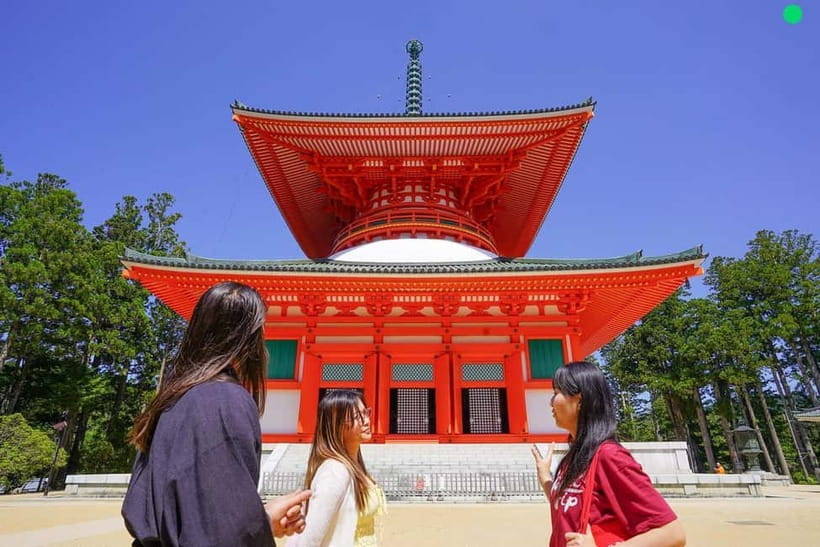
Next comes Danjo Garan Buddhist Temple. This is where a first-time visitor can feel a little overwhelmed, because there are many halls, pagodas, and architectural features all packed into one complex. The guide’s commentary is what turns that into understanding.
You’re not just looking at buildings. You’re learning how the layout reflects hidden ideas in esoteric Buddhism, including how practitioners imagine spiritual order as a kind of living map. The experience works best if you pause when your guide asks you to look at a detail, because those details often connect to a story about Kukai and Shingon practice.
A practical note: this area is outdoors and you’ll be walking. Comfortable shoes are not optional if you want to keep your energy for the afternoon.
Kongobu-ji and the rock garden silence you can actually feel
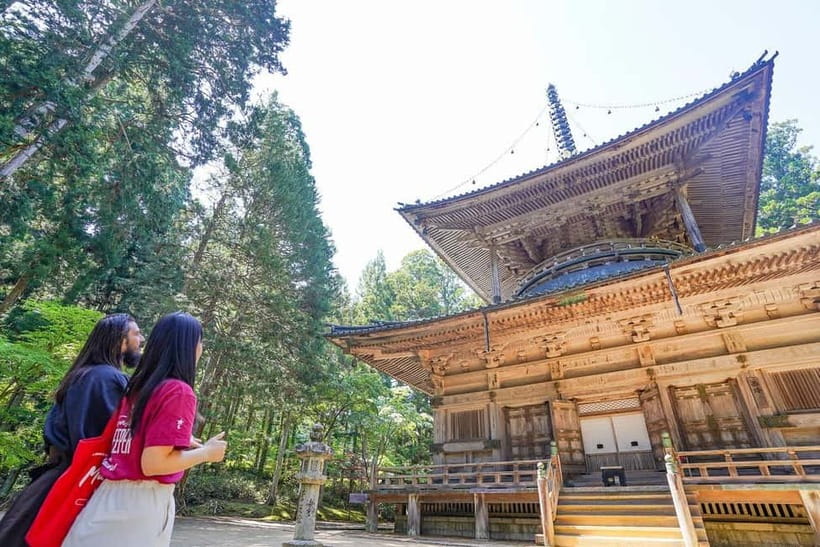
At Kongobuji Temple, the atmosphere shifts into something calmer and more contemplative. Kongobu-ji is the head temple of Shingon Buddhism, so it has the kind of central role that helps explain why Koyasan became a major spiritual center over centuries.
One of the highlights here is Japan’s largest rock garden. Even if you are not an architecture or garden person, it helps to treat this as a breathing space. The guide takes you through areas like quiet corridors and shows you how sliding door paintings connect to Kukai’s journey. That turns “nice scenery” into a story you can follow.
The draw for me is the pacing. After Danjo Garan’s symbolism, Kongobu-ji gives you a structured pause. You get to absorb without being rushed into the next stop.
Shojin Ryori lunch: vegan food with a real sense of place
Lunch is Shojin Ryori, the Buddhist vegetarian meal made for monks. This is one of the most valuable parts of the day because it breaks the “temples only” pattern. Food here is not a random add-on. It’s part of the culture and discipline of daily monastic life.
You’ll sit down for about 50 minutes, and you should expect seasonal ingredients and an elegant presentation. It’s designed to be mindful and satisfying without heavy meat-based flavors. If you are used to Japanese set meals, you’ll recognize the structure, but the flavors can feel more refined and deliberate.
Why this matters for value: you’re paying for private transportation, guided temple time, and access to special rituals. A genuine, traditional lunch makes the day feel complete instead of like a long sequence of standing and waiting.
Reserved temple access and the Goma fire ritual
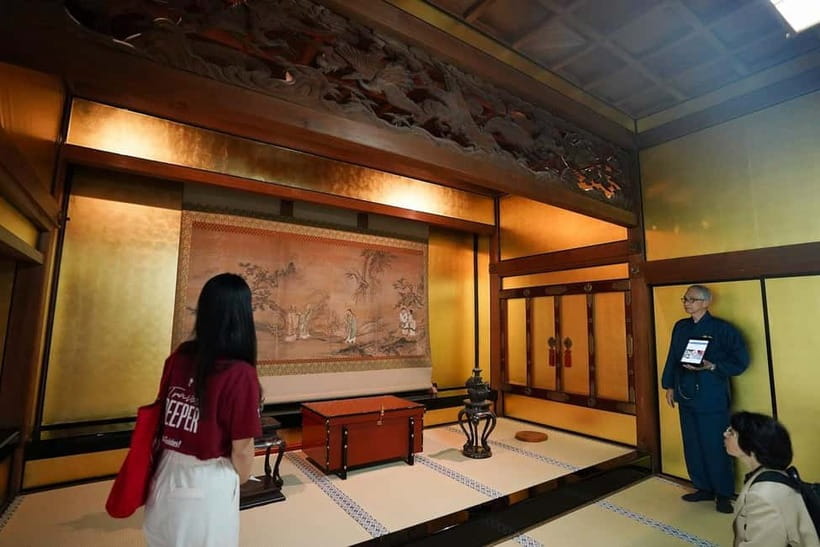
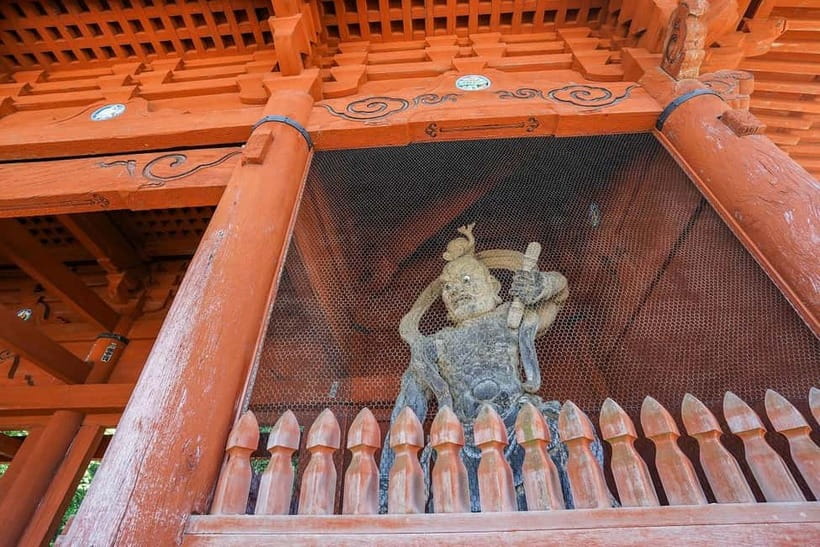
After lunch, the trip gets more special. You’ll enter a reserved-access temple, one that is typically closed to the public. With a monk’s guidance and translation support through your guide, you get to see sacred statues and mandalas, including spiritual symbolism hidden behind closed doors.
This part is a big deal for anyone who dislikes generic tours. Regular temple visits often stop at public areas. Here, you get to understand why some spaces are restricted in the first place, and you see what you would otherwise miss.
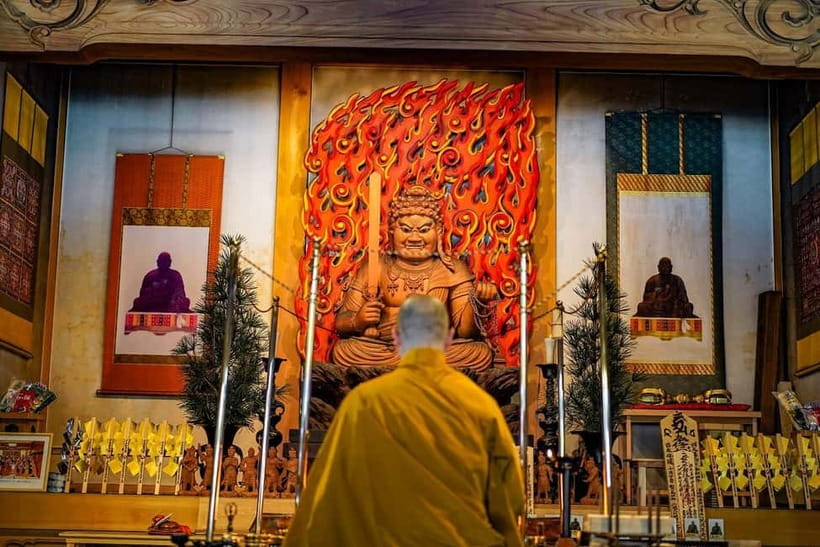
Then comes the Goma fire ritual, one of the more dramatic practices in esoteric Buddhism. Flames blaze before the fierce statue of Fudo Myoo, while monks chant and burn prayer sticks. The ritual focuses on purification, symbolically clearing worries so prayer can land in the right place.
You’ll even be able to write your own wish and cast it into the fire. It’s not just spectacle. The guide can help you understand the symbolism so you don’t feel like you’re watching from the sidelines. Just remember this is a religious practice, so keep your behavior respectful and follow the monk and guide instructions.
A quieter way to spend a day in Kyoto
Okunoin Cemetery: walking to Kukai’s mausoleum area
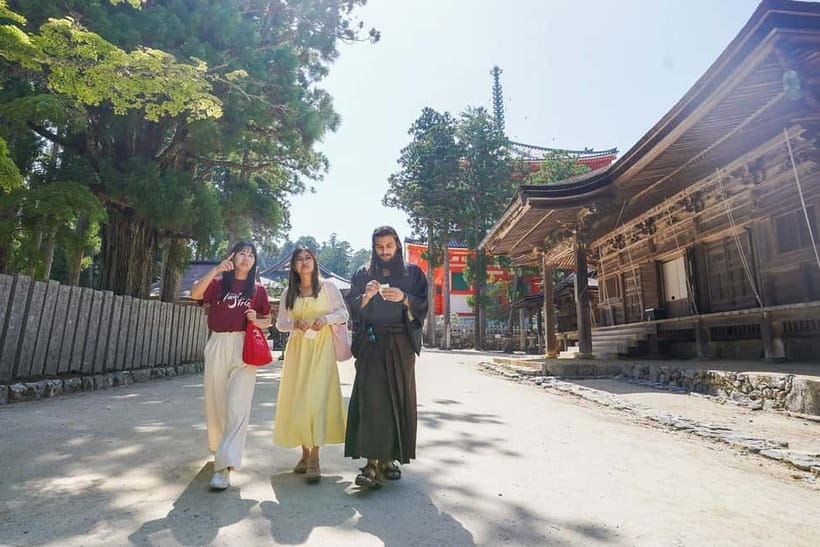
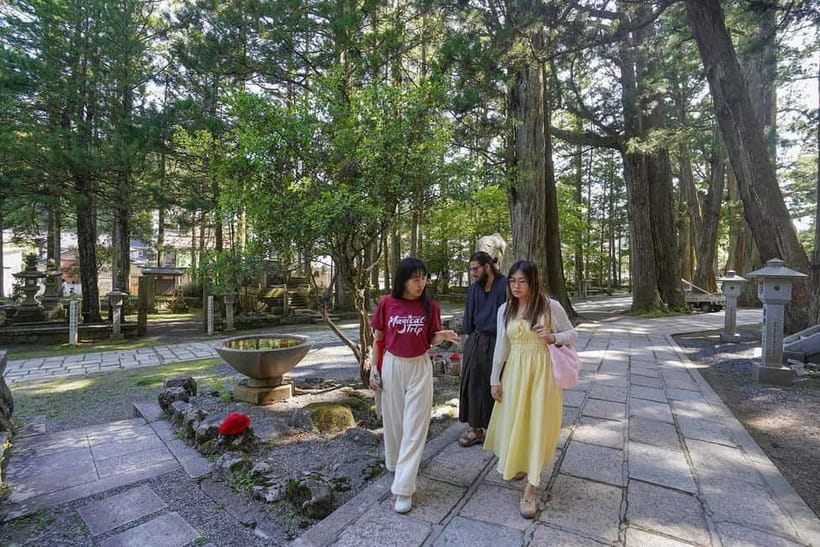
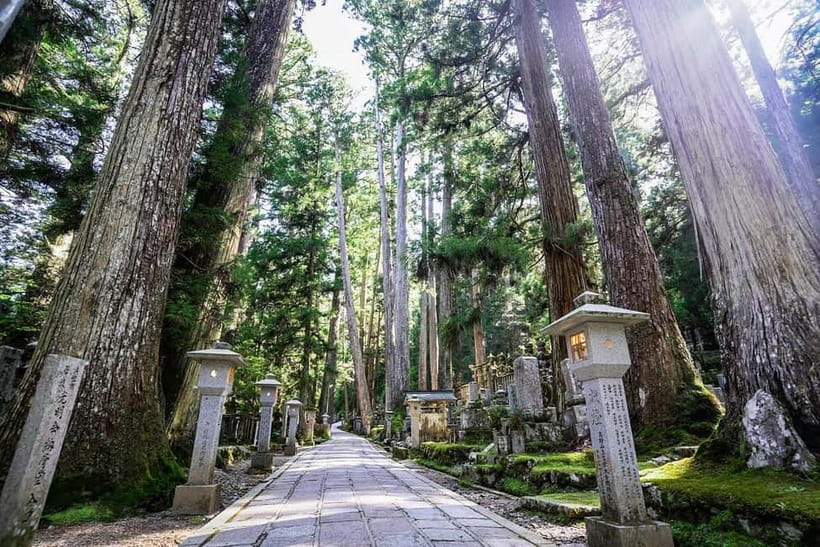
To close the day, you enter Okunoin Cemetery, Koyasan’s most sacred burial ground. This is not a “walk for photos” stop. The path stretches along ancient gravestones, leading you toward the mausoleum area associated with Kukai, and the atmosphere is intentionally quiet.
You’re there for about an hour of guided walking. I like that the tour doesn’t treat Okunoin as a quick photo line. Instead, you get enough time to feel the rhythm of the place, slow steps, small pauses, and the sense that this is a living religious space rather than a museum exhibit.
There is one practical consideration here: the cemetery involves walking on paths with a lot of time spent on your feet. If you have any mobility limits, this is probably not the best match.
Guide quality matters, and Meri’s approach shows
The trip’s standout factor is the guide. The most praised part is not just that the guide is English-speaking, it’s that she explains with care and adjusts when interest shifts.
In my book, that’s what separates an okay day from a memorable one. When the guide noticed some guests were interested in specific Japanese history topics, she took extra time to look for graves connected to those periods and show them as part of the visit. That’s the kind of thoughtful tailoring that turns a set itinerary into something personal and meaningful.
So if you care about details, ask your guide questions. If you have a topic you want to connect to Koyasan, bring it up early. With a private group and a 10-hour window, your questions do not get cut off at stop three.
Price and value for a $580 private day
At $580 per person for a 10-hour private tour, this is not a budget activity. But it also is not just a ride to “see temples.” You’re paying for a combination that costs real money in Japan: private chauffeured transport, a full day guide, entrance fees at multiple sites, and access plus participation in a ritual that many visitors can only watch from public viewpoints.
Where the value really shows up is access and time.
- You get guided temple time across several major Koyasan sites instead of hopping between random spots.
- You get the reserved-access temple visit, which can be hard to replicate on your own.
- You get a traditional lunch rather than a generic meal stop.
- You have a private format, so the guide can slow down, clarify, or adapt.
If you are the type who hates “rushed temple roulette,” the price can feel fair. If you want total independence and are comfortable building your own schedule, you might choose a self-guided option. But for visitors who want meaning, comfort, and special access without the planning headache, this price buys a structured, well-paced day.
Who this tour suits best
This trip fits best if you want:
- A private guide and a clear explanation of Shingon Buddhism concepts behind what you see
- A traditional lunch experience with Shojin Ryori
- A more serious visit style that includes a cemetery walk and a religious ritual
It might be less ideal if you:
- Have mobility impairments or limited ability to walk for sustained periods
- Want to avoid any participation in rituals, even if you are simply writing a wish and following the ceremony flow
- Dislike long days, because the schedule runs close to 10 hours end to end
Should you book the Kyoto to Koyasan private day trip?
I’d book it if you want Koyasan to feel like a real spiritual day, not a hit-and-run stop. The combination of temple context, reserved-access viewing, the Goma fire ritual, and the Okunoin walking time makes this one of those days that sticks.
I’d also book it if you appreciate strong guidance. With Meri-style teaching, where the guide explains in detail and makes room for your interests, you get more than “where to stand.” You get a framework for understanding why these spaces matter.
If you are sensitive to long walking and religious settings, you should reconsider and plan a lighter option. But if you can handle a full day on your feet, this private Koyasan trip is a solid way to see the mountain’s core spiritual experiences in one go.
FAQ
What is the total duration of this Kyoto to Koyasan private day trip?
The tour duration is 10 hours.
Where do I meet the guide for pickup?
Pickup is included near Kyoto Station at the Hachijo Exit area. The pickup point is about a one-minute walk from that exit, and hotel pickup may also be available.
What time do you start?
You can check starting times for availability when you book, since it depends on what is offered for your date.
Is lunch included, and what kind of food is it?
Yes. Lunch is included and it is a traditional Buddhist vegetarian meal called Shojin Ryori.
What does the tour include besides temple visits?
Entrance fees are included for Danjo Garan, Kongo-buji, the reserved temple visit, and participation in the Goma fire ceremony. The tour also includes photos taken during the day, shared by email after the tour.
What languages is the tour guide?
The live tour guide provides English.
Are photos included during the tour?
Yes. Photos are taken during the tour and shared after the tour via email.
Is this tour suitable for people with mobility impairments?
No. It is not suitable for people with mobility impairments, since the tour involves walking, including through a cemetery and participating in religious rituals.
New This Season
- Koyasan Day Trip by Private Car from Kyoto
- Old Port Town and Ultimate Sake Tasting Private Tour From Kyoto
- Kyoto’s Timeless Charm: 3hr Exploration of History and Peace
- Kyoto: 5 Types of Sushi Making
- Sacred Peak & Ancient Paths: Kurama-Kibune Hiking Experience
- Kyoto: Exclusive ZEN practice at Manpukuji temple in Uji
- Kyoto: Private Seasonal Aroma Yoga Class
- Traversing Kyoto’s Scenic West – Arashiyama to Kinkakuji
Lunch Experiences, compared.
Bike Tour Exploring North Kyoto plus Lunch
Read our review →
Arashiyama, Nara & Fushimi Inari Shrine w/Lunch
Read our review →
Kyoto Zen Meditation & Garden Tour at a Zen Temple with Lunch
Read our review →
4.5-Hour Kyoto Bike Tour with Lunch and UNESCO Zen Temples
Read our review →
Nara History Guided Half Day Bus Tour with Lunch
Read our review →
Zen Meditation and Garden Tour at a Temple with Lunch
Read our review →
Full-Day City Highlights Bike Tour with Light Lunch
Read our review →
Also filed under