Reviewed · GUIDED
Kyoto: Mount Hiei Guided Tour – Mother of Japanese Buddhism
Mount Hiei doesn’t feel like another Kyoto day trip. In a few hours, you get a guided walk through Enryakuji’s main spiritual zones, plus the mountain’s famous cable car ride, all tied together with clear context about Saichō and Tendai Buddhism.
What I love most is the way the tour connects places you can see with practice you can feel. I also like the calm, steady pace, with stops that explain why each hall matters, from the eternal flame to the twin halls of Ninai-dō. One thing to plan for up front: this is hill walking, uneven paths, and stairs, so you will want decent stamina.
Key things that make this tour worth your time
- Eternal Flame at Konpon Chūdō, burning for over 1,200 years as a living symbol of devotion
- Three sacred precincts in one circuit, Tōtō, Saitō, and the quieter Yokokawa area
- Historic buildings with real purpose, like Kaidan-in for study and ordination foundations
- Ninai-dō legend explained clearly, including Benkei and the meaning of Ninai
- Shikikōdō’s Four Seasons theme, with impermanence linked to nature’s cycle
- A guided flow between areas, with cable car plus shuttle so you are not piecing it together yourself
In This Review
- Getting Oriented at Cable Sakamoto Station
- Cable Car Up Mount Hiei, Then Straight Into Enryakuji
- Tōtō Area: Konpon Chūdō and the Eternal Flame
- Saitō Area Cedar Forests, Shakadō, and Ninai-dō
- Yokokawa Chūdō and the Four Seasons Feeling of Shikikōdō
- How the 5-Hour Tour Actually Feels: Walking, Timing, and Comfort
- Price and Value for a Guided Mount Hiei Circuit
- Should You Book DeepExperience on Mount Hiei?
- FAQ
- What is the meeting point for the Kyoto: Mount Hiei Guided Tour?
- How long is the guided tour?
- What is included in the price?
- Are meals included?
- Which languages are available for the live guide?
- Is photography allowed?
- What should I bring, and what should I avoid?
- Is the tour suitable for people with mobility impairments?
Getting Oriented at Cable Sakamoto Station
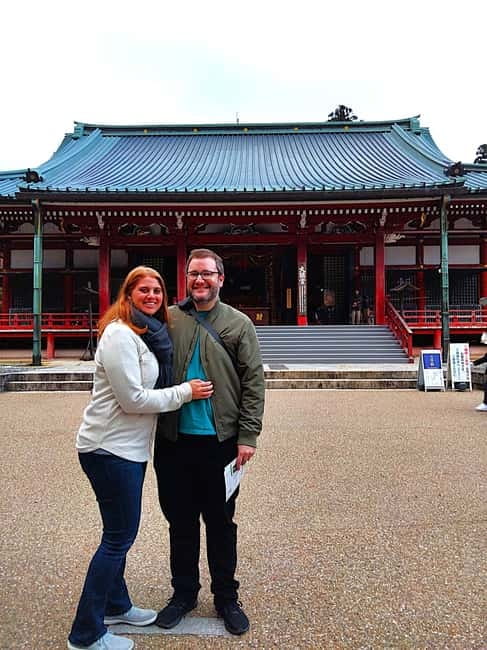
Your tour begins at Cable Sakamoto Station. Your guide will be waiting with a yellow sign marked DeepExperience, so you can get your bearings fast and start without the usual early-trip stress.
Then the day starts climbing. The first big practical win here is that you are not doing everything on foot right away. You take the cable car up through the wooded slopes of Mount Hiei, which instantly changes the mood. One minute you are in transit mode, the next you are on the mountain’s quieter rhythm, with cooler air and a more reverent atmosphere.
I also like that the tour is a private group, with both English and Japanese available. That matters here, because the sites you visit are not just scenic stops. They are religious spaces with names, functions, and stories that become way more meaningful when a guide ties them together in plain language.
If you are the kind of person who enjoys history, this tour will feel satisfying. If you are more about atmosphere than facts, it still works, because the guide helps you read the spiritual meaning in the buildings, not just the architecture.
Cable Car Up Mount Hiei, Then Straight Into Enryakuji
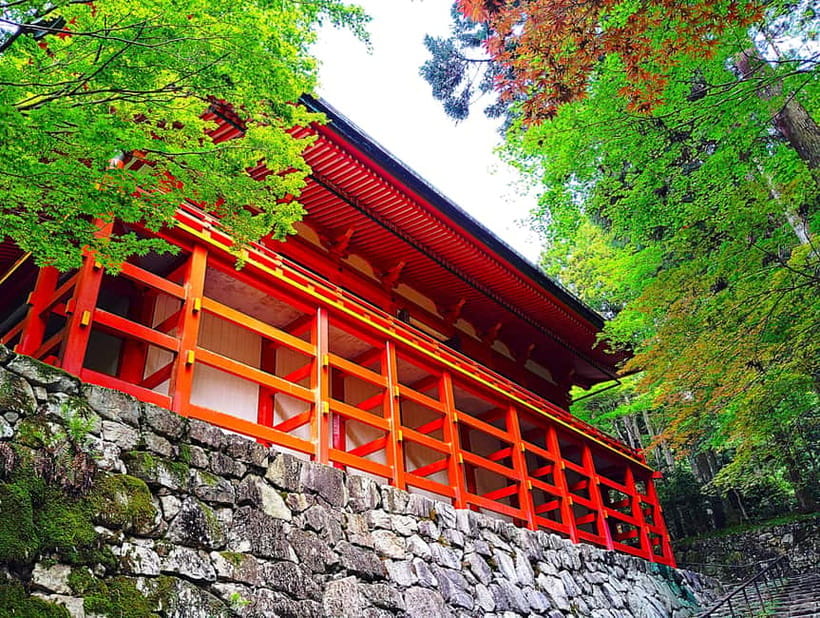
Once you’re out of the cable car area, you step into Enryakuji’s core world. The day’s structure keeps you moving but not rushed, and you get a gentle rhythm: temple precincts, short transfers, more temple precincts.
From a visitor point of view, the main advantage is flow. You use cable car plus shuttle to move between areas on Mount Hiei. That helps you spend your energy on the walking parts that actually matter, like the temple courtyards and the halls themselves, instead of burning time figuring out routes.
You also get a real sense of why Mount Hiei is called the Mother of Japanese Buddhism in the context of this tour. The focus is Tendai Buddhism’s spiritual lineage and Enryakuji’s role as a foundation. The guide builds that through the buildings you see and the traditions connected to them.
The other useful detail: you are on uneven paths, and weather can change how slippery or tiring the steps feel. So even though this is a half-day style tour, you should treat it as an active sightseeing outing. The route rewards comfortable shoes more than perfect weather.
Tōtō Area: Konpon Chūdō and the Eternal Flame
The heart of the experience is the Tōtō area, where you land in Enryakuji’s most emotionally charged space. This is where the tour feels most direct, because you are right at the main hall complex tied to the temple’s living symbol.
The centerpiece is Konpon Chūdō. Here you see the eternal flame, burning for over 1,200 years. Even if you do not know Japanese Buddhist terms, you can feel the weight of the idea. This is not a candle prop or a reenactment. It is presented as an unbroken sign of devotion, and the guide’s explanation makes it easier to understand why it matters.
While you are in this zone, you also learn about nearby structures that support the temple’s purpose beyond worship. Daikōdō (Great Lecture Hall) points to study and teaching. Kaidan-in connects to ordination foundations. Put together, these sites show the harmony between practice and devotion, not devotion alone.
A key historical thread you will hear is Saichō, the great monk associated with Enryakuji’s lineage. The tour frames these halls as part of a spiritual system, where people learned, trained, and sustained a tradition over generations.
Timing-wise, this first temple segment gives you room to look and absorb. You’ll spend about 1.5 hours here, which is long enough to slow down, read details the first time, and not feel like you are doing a five-minute drive-by.
A quieter way to spend a day in Kyoto
- Kyoto Early Morning Tour with English-Speaking Guide
★ 5.0 · 1,427 reviews - Kyoto 6hr Private Tour with Government-Licensed Guide
★ 5.0 · 1,369 reviews - Kyoto: Early Morning Tour with English-Speaking Guide
★ 4.9 · 1,128 reviews - Kyoto: Nijo-jo Castle and Ninomaru Palace Guided Tour
★ 4.7 · 1,020 reviews
Saitō Area Cedar Forests, Shakadō, and Ninai-dō
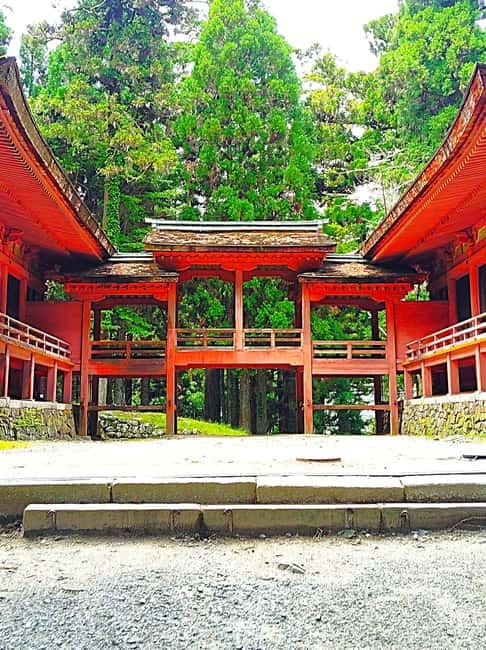
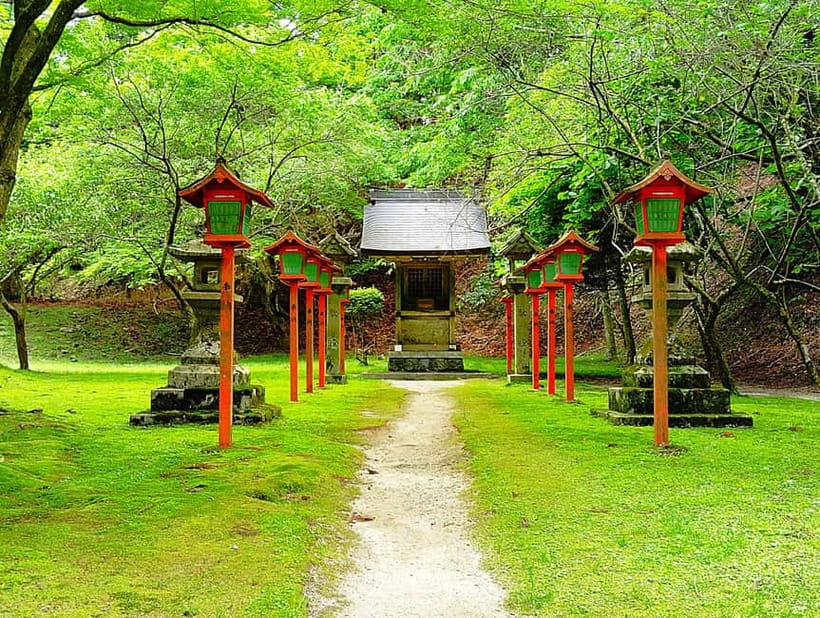
After Tōtō, the tour moves by shuttle to the Saitō area. This section feels different on purpose. It is quieter in tone, with cedar forests and mossy paths that make the walk feel like part of the experience, not just a connector between buildings.
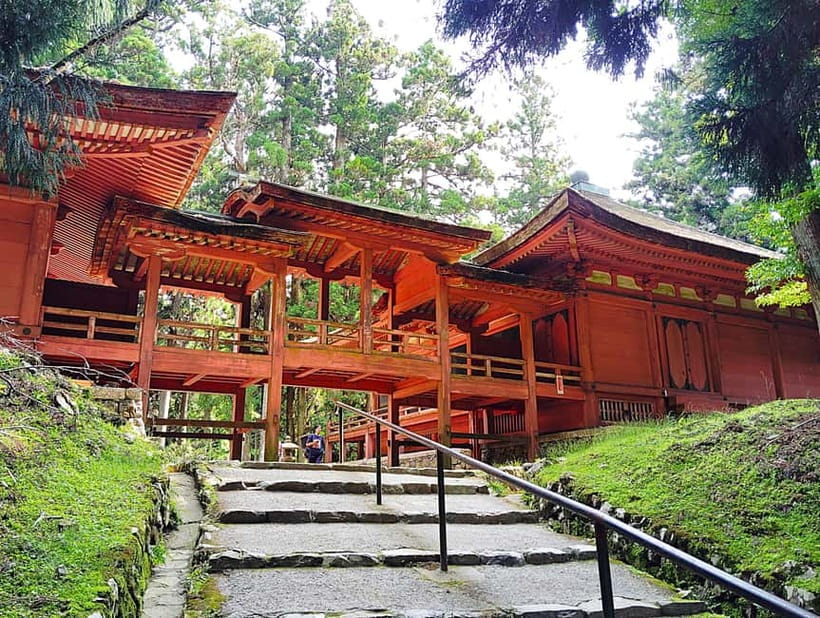
One highlight is the Shakadō (Shakyamuni Hall), described in this tour as the mountain’s oldest surviving building. That “oldest surviving” detail matters because it gives you a stronger sense of continuity when you stand there. You are seeing something that has endured while centuries of visitors and monks moved through the same religious landscape.
Next comes the signature pair of halls: Ninai-dō, with two connected structures, Jōgyō-dō and Hokke-dō, joined by a covered corridor. The guide also tells the legend about Benkei, the warrior monk, and why it is linked to the name Ninai, meaning to carry. It is one of those stories that turns what could be two plain buildings into something memorable.
The tour’s emphasis here is the harmony between physical discipline and doctrinal devotion. In practice, that means you are not just admiring. You are learning how training, walking meditation tradition, and scripture study connect. If that theme interests you, this section will feel especially satisfying.
You’ll spend about 1 hour at Ninai-dō, which is a sweet spot. You have time to look around and take photos respectfully, but you are not stuck in a long waiting loop.
Then you move on toward the next stop, with the day still feeling paced rather than frantic.
Yokokawa Chūdō and the Four Seasons Feeling of Shikikōdō
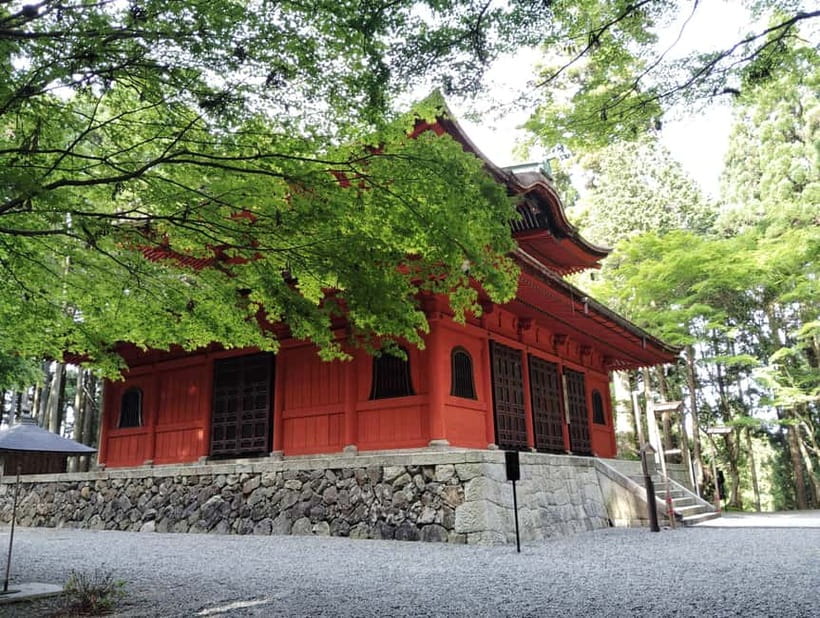
The final precinct is Yokokawa, described as more secluded and meditative. This is where the tour slows down emotionally. The forest setting does a lot of work for you, because the space naturally encourages reflection instead of checklist tourism.
The main structure here is Yokokawa Chūdō. It is presented as rising from the forest with serene dignity. You can treat this as the day’s “breathing moment,” the place where the earlier halls make more sense because you are not immediately moving to the next thing.
Nearby is Shikikōdō (Four Seasons Hall). The tour frames it through nature’s cycle and the idea of impermanence. That theme can sound abstract until you stand in a hall that is explicitly connected to seasonal change. Even if you cannot translate every detail, the concept lands because the mountain setting reinforces it.
One of my favorite practical takeaways from this tour is the human side of the sacred story. You will also see Ganzan Daishidō, built by Saichō to honor his mother. That detail makes the spiritual lineage feel less like distant tradition and more like a real person’s values carried forward into architecture and ritual.
You will finish this section with time for photos and guided explanation, then return toward the cable car area for the descent.
How the 5-Hour Tour Actually Feels: Walking, Timing, and Comfort
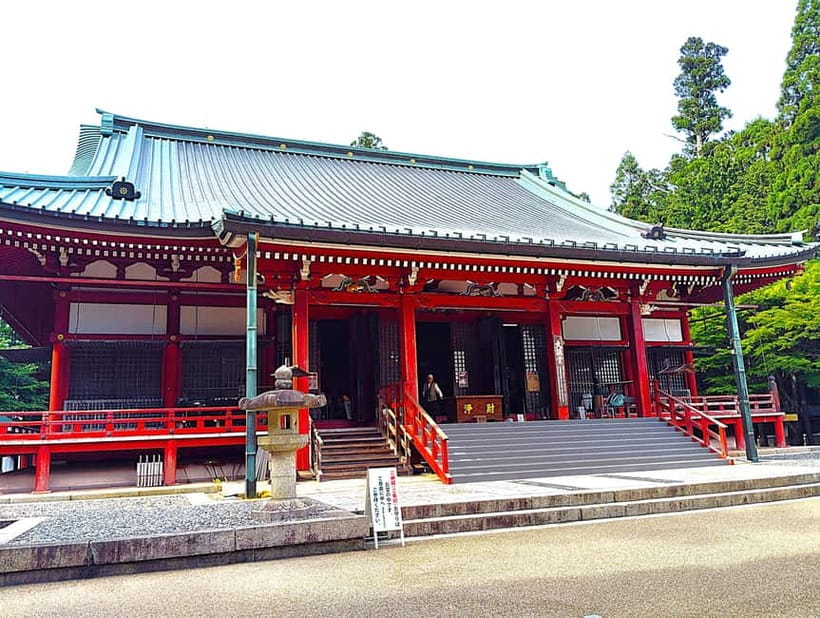
On paper, it’s a 5-hour guided tour. In real life, it is a half-day that blends walking with short transfers and structured viewing. The key detail to plan around is effort.
This tour involves walking on uneven paths, and you should expect hills and stairs. One important note from a recent booking experience is that it can be around 12,500 steps of hills and stairs. That is not a deal-breaker for most people, but it is a clear heads-up: if your legs are shaky or you dislike stair climbs, this is where you should rethink.
The tour is also not suitable for people with mobility impairments, which lines up with what you’ll do on the ground. So I would treat the fitness requirement as firm, not flexible.
What to bring is straightforward, and it matters more on Mount Hiei than in flatter cities:
- Comfortable shoes with grip
- Water
- Weather-appropriate clothing
- A camera, since photography is allowed, but respectful of sacred sites
Also remember the basic rules: smoking is not allowed.
I like that the guide emphasizes pacing. A previous guide experience highlighted a nice pace with no rush, and that matches what you should look for in a religious site tour. If the guide rushes, you miss the meaning. Here, you are meant to look, listen, and keep moving at a sustainable speed.
Price and Value for a Guided Mount Hiei Circuit
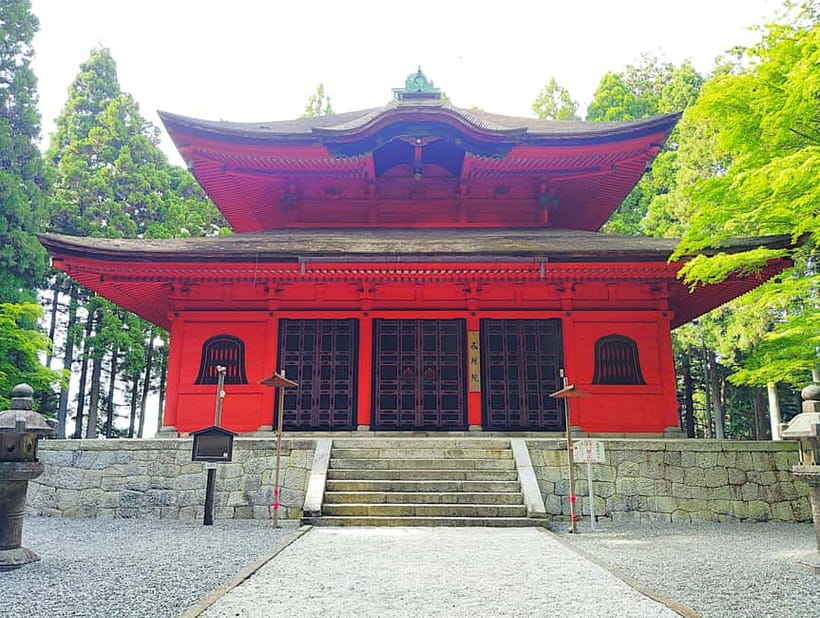
At $171 per person for a 5-hour tour, you are paying for three things: access to the route, interpretation at each stop, and the transportation support that keeps the day from becoming a puzzle.
What you get for the money is not just a walk. You get:
- A live English and Japanese guide
- A guided tour through all three sacred realms on Mount Hiei: Tōtō, Saitō, and Yokokawa
- A cable car ride
- A shuttle service between areas
- A structured route that saves time and confusion
If you tried to do this solo, you could probably piece together parts. But the value here is that the tour explains what you’re seeing in a way that makes the sites click. The eternal flame story, the role of lecture halls and ordination foundations, the meaning behind Ninai-dō, and the Saichō connections are the kind of details that turn a photo stop into an experience you remember.
Also, meals are not included and personal expenses are not included. So I recommend planning a light snack or a meal before or after, and carrying water so you stay comfortable during the climb and walking.
Given the cultural and religious specificity of Enryakuji, guided time is worth it. You are not just collecting sights, you are learning how the places fit together.
A day of temples goes further with something to break it up.
Should You Book DeepExperience on Mount Hiei?
Book this tour if you want a focused, meaningful temple circuit on Mount Hiei, with interpretation that helps you understand why each hall exists and what traditions it supports. It is a strong choice if you like the blend of spirituality and physical practice, and if you want the eternal flame and Ninai-dō story explained clearly instead of guessed.
Skip it or choose a gentler option if you know you struggle with lots of stairs and steep, uneven walking. The around 12,500 steps note is a serious clue, and the tour is not suitable for mobility impairments.
If you can handle the climb, I think you’ll appreciate the steady pacing, the calm structure, and the way the route moves from the mountain’s core spiritual identity into quieter reflection at Yokokawa.
FAQ
What is the meeting point for the Kyoto: Mount Hiei Guided Tour?
You meet at Cable Sakamoto Station. Your guide will be waiting holding a yellow sign that says DeepExperience.
How long is the guided tour?
The tour lasts 5 hours.
What is included in the price?
The tour includes a 5-hour guided tour, a cable car ride, shuttle service between areas, and a live tour guide.
Are meals included?
No. Meals are not included, and personal expenses are also not included.
Which languages are available for the live guide?
The live tour guide is available in English and Japanese.
Is photography allowed?
Photography is allowed, but you should be respectful of the sacred sites.
What should I bring, and what should I avoid?
Bring comfortable shoes, a camera, and water, plus weather-appropriate clothing. Smoking is not allowed.
Is the tour suitable for people with mobility impairments?
No. It is listed as not suitable for people with mobility impairments due to walking on uneven paths and stairs.
New This Season
- Koyasan Day Trip by Private Car from Kyoto
- Old Port Town and Ultimate Sake Tasting Private Tour From Kyoto
- Kyoto’s Timeless Charm: 3hr Exploration of History and Peace
- Kyoto: 5 Types of Sushi Making
- Sacred Peak & Ancient Paths: Kurama-Kibune Hiking Experience
- Kyoto: Exclusive ZEN practice at Manpukuji temple in Uji
- Traversing Kyoto’s Scenic West – Arashiyama to Kinkakuji
- Kyoto: Private Seasonal Aroma Yoga Class
Guided, compared.
Kyoto Early Morning Tour with English-Speaking Guide
Read our review →
Kyoto 6hr Private Tour with Government-Licensed Guide
Read our review →Early Morning Tour with English-Speaking Guide
Read our review →
Nijo-jo Castle and Ninomaru Palace Guided Tour
Read our review →
Kyoto Gion Night Walk & Geisha District Guided Tour
Read our review →
Nijo Castle, Kiyomizu & Fushimi Inari Guided Tour
Read our review →