
Reviewed · LUNCH EXPERIENCES
Kyoto: Visit Mario Papa’s hometown and great lunch⭐️
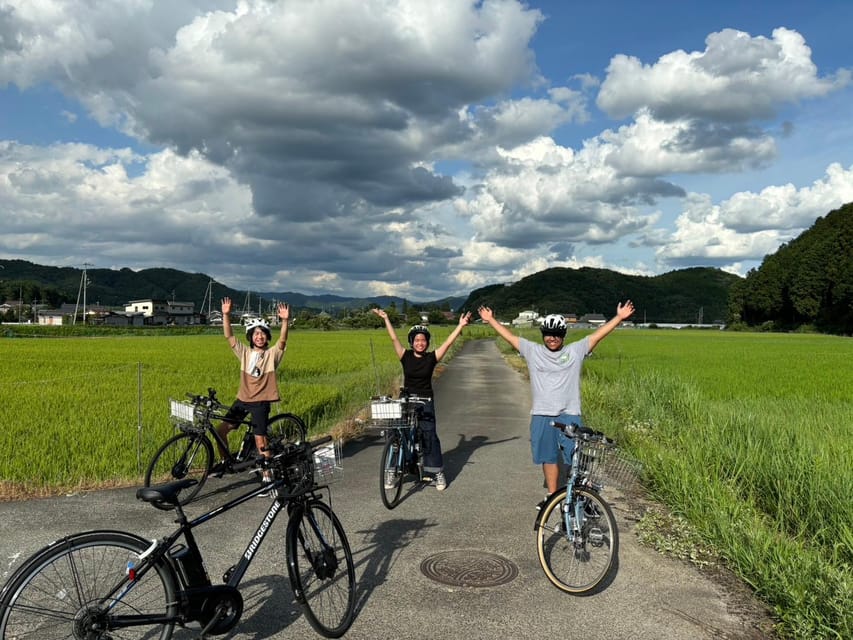
A countryside bike ride with a Mario surprise. This Kyoto cycling tour threads together Satoyama scenery, Sonobe Castle, and shrine stops that feel way more local than temple-hopping alone. I especially like the way the day mixes history-minded sights with light, fun cultural clues like the Super Mario connection. One thing to consider: you really do need to enjoy cycling, because the route covers a solid stretch.
The small group size and the included riding gear make it feel manageable. You get a helmet with built-in microphone and earphones, plus a raincoat, which helps when the weather decides to change its mind. The one drawback I’d flag is that the pacing may be more active than a slow sightseeing walk, so it’s not a good match if you have a heart problem.
In This Review
- Key moments that make this tour worth your time
- Meeting at JR Sonobe Station and getting rolling
- Satoyama cycling in Kyoto: why the ride is the main event
- Sonobe Castle and the oldest Tenmangu Shrine stop
- Maki Shrine and the birthplace of Super Mario
- Komuki Mountain and the agricultural god shrine moment
- Lunch break with a real choice: soba and tempura or Western plate
- Gear that matters: helmet mic, earphones, and raincoat
- Small group size and tour flow, so you don’t feel like a number
- Price and value: what $77 buys you in Kyoto countryside time
- Who should book this Kyoto cycling day, and who should skip
- Should you book this tour?
- FAQ
- How long is the Kyoto cycling tour?
- Where do I meet the guide at JR Sonobe Station?
- What languages does the guide speak?
- What lunch options are included?
- Is a helmet provided?
- Do I need to bring water and sunscreen?
- Will the tour run in the rain?
- Can I cancel and get a full refund?
- Is this tour suitable for people with heart problems?
Key moments that make this tour worth your time
- Satoyama cycling in Kyoto’s countryside, not just city streets
- Sonobe Castle visit, plus shrine stops that go deep locally
- Maki Shrine stop tied to the birthplace of Super Mario
- An included lunch with real choice, Japanese soba or Western style with a drink
- Helmet mic and earphones to keep the narration clear on the move
- Small group limit of 8, so you are not stuck in a crowd
Meeting at JR Sonobe Station and getting rolling
This tour starts at JR Sonobe Station (園部駅), which is a nice setup if you are staying in Kyoto but want an out-of-the-way day. The meeting instructions are very specific: exit the ticket gates, turn left toward the west side, walk about 30 meters through the passage, then take the stairs down to the first floor. You’ll find a rental bike area to the right, and your guide will be waiting there wearing a helmet.
I like starting at a real train station instead of a vague street corner. It makes the day feel tidy. And because the group is small, you typically get set up quickly and start riding without long, awkward delays.
Also, you are not just touring on bike, you are being guided on a route. That means you can focus on the experience instead of guessing where to go next.
Satoyama cycling in Kyoto: why the ride is the main event
The backbone of the day is cycling through the Satoyama area of Kyoto. Satoyama is the traditional, working relationship between people and land, where villages and farmland shape what you see. On this kind of route, the scenery feels more lived-in than postcard.
I think this is the right kind of Kyoto day for visitors who want something other than the busiest lanes. You get open space, agricultural settings, and quieter shrines. And because you’re riding, you cover more ground than you would on foot while still moving at a human pace.
That said, here is the key consideration. The included time blocks add up to a meaningful ride. The review I saw from Chanaporn (Thailand) had a straight note: you need to love cycling, because the distance is long. I agree with that framing. If you are the type who enjoys being outside and moving, this will feel like a win.
If you are not sure, plan on bringing your comfort A-game: comfy clothes, and shoes you can walk in too. This is not a sit-on-a-bus-and-watch tour.
Lunch, wedged between temple visits
- Bike Tour Exploring North Kyoto plus Lunch
★ 5.0 · 1,087 reviews - Osaka/Kyoto: Arashiyama, Nara & Fushimi Inari Shrine w/Lunch
★ 4.4 · 754 reviews - Kyoto Zen Meditation & Garden Tour at a Zen Temple with Lunch
★ 5.0 · 441 reviews - 4.5-Hour Kyoto Bike Tour with Lunch and UNESCO Zen Temples
★ 5.0 · 122 reviews
Sonobe Castle and the oldest Tenmangu Shrine stop
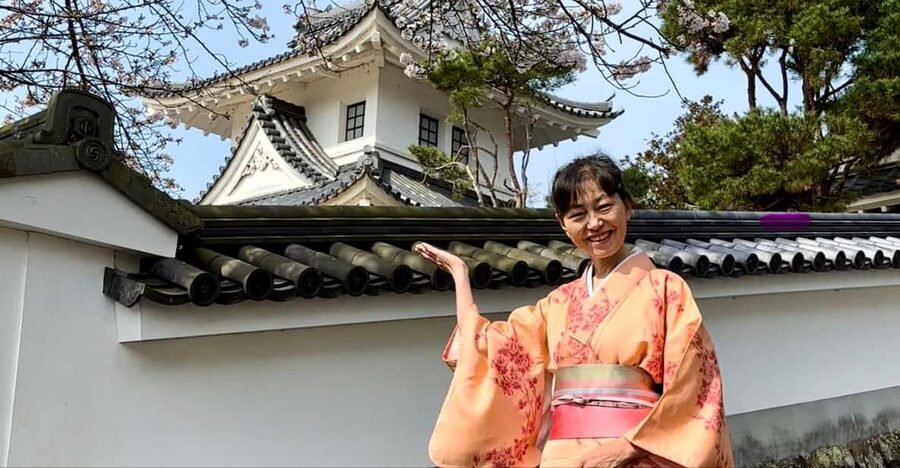
One of the most memorable parts of the itinerary is the Sonobe Castle visit. The tour describes it as the last castle in Japan. That wording matters, because it signals you are heading somewhere with a special status, not just another historical site.
Right near that castle stop, you’ll also visit the oldest Tenmangu Shrine. Tenmangu shrines are associated with Sugawara no Michizane, a major figure in Japanese history and scholarship. Even if you do not go deep into the background ahead of time, the experience works because a guide can connect what you’re seeing to why it matters.
I like pairing a castle with a Tenmangu shrine. It gives you two angles on Japan’s past in one block: governance and culture of learning. And on a bike tour, those stops feel more grounded because you’re experiencing them in their actual countryside setting.
A practical note: historic spots often have uneven surfaces or areas where you may need to stand and look longer than you expect. Build a little patience into your plan.
Maki Shrine and the birthplace of Super Mario
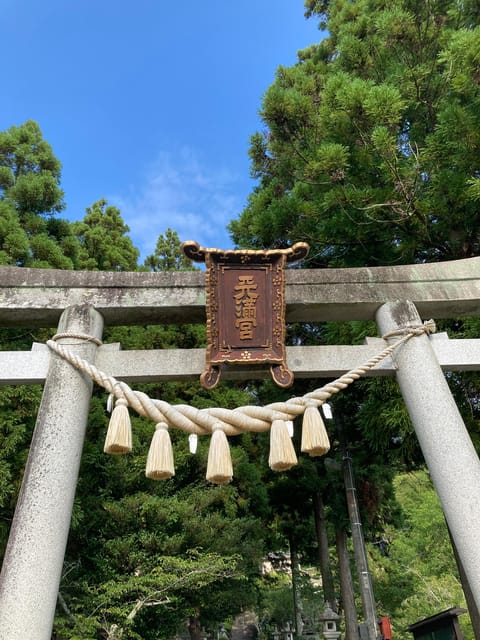
Yes, this is a Kyoto tour that includes a Super Mario connection, and it is not treated like a gimmick. The stop is Maki Shrine, described as the birthplace of Super Mario. If you are a fan, you’ll likely enjoy the contrast between a famous global character and a local shrine stop you would never find on your own.
I find this kind of cultural cross-over useful, especially if you want something your group can talk about during the ride. It also changes how you look at the shrines. Instead of treating them only as stops, you start noticing symbols, names, and local stories that connect Japan to modern pop culture.
A balanced heads-up: if you are not into games or pop culture references, you may still enjoy the shrine, but the “Mario” part may feel like an extra layer rather than the main point. The underlying value here is that you still get a real shrine visit in a countryside area.
Komuki Mountain and the agricultural god shrine moment
After the shrine stops, you’ll continue toward Komuki Mountain and also visit the agricultural god shrine. This combination is one of the best reasons to do this tour instead of a standard city walking route.
Kyoto is often marketed as temples and traditions, but a countryside route shows you how those traditions fit with day-to-day life. An agricultural god shrine connects directly to farming and seasonal cycles, and that theme works naturally with a Satoyama biking day.
In other words, you are not just looking at buildings. You’re following a theme. The guide’s job here is to help you understand why these places exist and what they are for, beyond the photo you take.
When I see “mountain” included in a cycling itinerary, I always think about your energy level. There may be sections where you slow down or take things carefully. If you show up hydrated and with comfortable clothing, you will be able to enjoy the view and the stops without feeling rushed.
Lunch break with a real choice: soba and tempura or Western plate
Lunch is one of the easiest parts of the day to judge by quality, because it is included and it is specific. You eat at a local restaurant, and your meal comes with a drink.
You get two choices:
- A traditional Japanese lunch with soba noodles, rice balls, and tempura vegetables
- A Western-style lunch with plenty of fresh vegetables plus a drink
I like that the menu options are clear and both sound like they include substance. The Japanese option is structured and classic, while the Western option gives you a gentler choice if you prefer less seafood or fewer small items.
The review from Chanaporn also called the restaurant very yummy and local. Even without fancy description, that is exactly what you want from an included lunch. You are not paying extra for a convenient place. You are eating where locals would eat.
One small note: the tour mentions a recommended dessert that costs extra. If you love sweets, you can treat it as your optional souvenir of the day.
A day of temples goes further with something to break it up.
Gear that matters: helmet mic, earphones, and raincoat
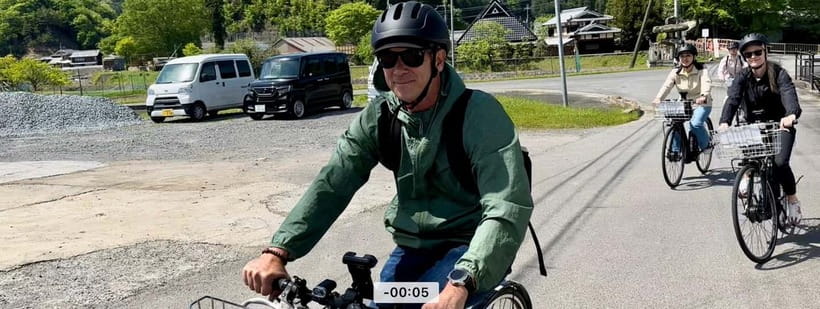
This tour includes practical gear that makes a big difference for comfort and communication.
You get:
- A helmet with built-in microphone and earphones
- A raincoat
That helmet setup is a surprisingly big quality-of-life detail. It means the guide can talk while you’re moving, and you can actually hear what they are explaining. On a bike tour, wind and distance can turn narration into guesswork. This system reduces that problem.
I also appreciate the included raincoat. Rain in Japan can be light or steady, and the tour specifically says it goes on in rain. So having protection is not just “nice to have,” it is part of making the day work.
Bring what you can control: sunscreen, hat, and water. Comfortable shoes are non-negotiable. Even if you are mostly on the bike, you’ll step aside for shrine visits and for getting on and off.
Small group size and tour flow, so you don’t feel like a number
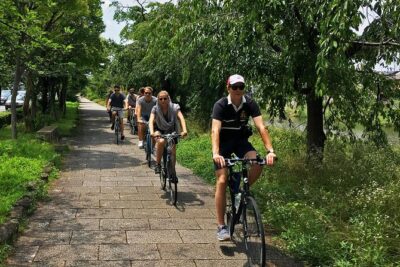
The group is limited to 8 participants, and that is a big deal on a cycling day. Smaller groups tend to mean fewer waits, fewer mix-ups at stops, and a better chance to ask questions.
You’ll also move through the itinerary in a structured rhythm. After the ride portion and the shrine blocks, you return to the meeting point at JR Sonobe Station to end the tour.
I’d also point out the guide language options. The tour lists Sesotho and Japanese, and it also notes an English-speaking local guide is available. That means you can get explanations without feeling lost in translation.
Price and value: what $77 buys you in Kyoto countryside time
The price is $77 per person for a 5-hour experience, and value depends on what you get beyond sightseeing.
Here’s what’s included:
- Guide fee
- Lunch and drink
- Experience fees
- Helmet with built-in microphone and earphones
- Raincoat
When you add that up, the tour is not just “bike rental plus a route.” You are paying for a guided cultural route and included food, plus the gear that improves comfort and hearing.
You also have an early booking perk: a 20% discount if you book before August 20. If your dates fit, that discount can turn a fun day into a very solid deal for what you get.
Is $77 cheap? Not in the budget-tour sense. But for a guided small-group ride with multiple named stops and a real meal included, it looks fair.
Who should book this Kyoto cycling day, and who should skip
This tour makes the most sense if you want:
- A countryside Kyoto experience outside the busiest temple corridors
- A guided day where you get context at each shrine and sight
- Cycling as an activity you actually enjoy, not just a transport method
It also fits well if you like the idea of mixing something famous and playful, the Super Mario birthplace connection, with more traditional sites like Tenmangu shrine and Sonobe Castle.
It’s not suitable for everyone. The tour specifically notes it is not suitable for people with heart problems. If you have health concerns, treat this as a hard stop and ask for alternatives that are less physical.
Should you book this tour?
Book it if you want a Kyoto day that feels different, quieter, and more hands-on. The combination of Satoyama cycling, named cultural stops like Sonobe Castle and the oldest Tenmangu Shrine, plus a satisfying included lunch makes it a strong half-day plan.
Skip it if you dislike cycling, want a very slow pace, or you know you cannot handle moderate activity.
If you do book, do yourself a favor and prepare like it’s an outdoor outing: bring sunscreen, water, and comfortable shoes, and don’t wait until the last minute to decide on your lunch style. With the right mindset, you’ll come away with more than photos, you’ll come away with a story that ties countryside life, local shrines, and pop culture together in one ride.
FAQ
How long is the Kyoto cycling tour?
The duration is 5 hours.
Where do I meet the guide at JR Sonobe Station?
You meet at JR West Sonobe Station (JR西日本園部駅). Exit the ticket gates, turn left toward the west side, go through the passage about 30 meters, then go down the stairs to the first floor. The bike rental area is on the right, and the guide waits by the bikes.
What languages does the guide speak?
The tour lists Sesotho and Japanese. It also says an English-speaking local guide is available.
What lunch options are included?
Lunch and a drink are included. You can choose a traditional Japanese lunch with soba noodles, rice balls, and tempura vegetables, or a Western-style lunch with plenty of fresh vegetables and a drink.
Is a helmet provided?
Yes. A helmet with a built-in microphone and earphones is included.
Do I need to bring water and sunscreen?
Yes. The tour recommends bringing water, sunscreen, a hat, comfortable shoes, and comfortable clothes.
Will the tour run in the rain?
Yes, the tour proceeds even in case of rain. Cancellation is only mentioned for severe weather.
Can I cancel and get a full refund?
Yes. Free cancellation is available up to 24 hours in advance for a full refund.
Is this tour suitable for people with heart problems?
No. It is not suitable for people with heart problems.
New This Season
- Koyasan Day Trip by Private Car from Kyoto
- Old Port Town and Ultimate Sake Tasting Private Tour From Kyoto
- Kyoto’s Timeless Charm: 3hr Exploration of History and Peace
- Kyoto: 5 Types of Sushi Making
- Sacred Peak & Ancient Paths: Kurama-Kibune Hiking Experience
- Kyoto: Exclusive ZEN practice at Manpukuji temple in Uji
- Kyoto: Private Seasonal Aroma Yoga Class
- Traversing Kyoto’s Scenic West – Arashiyama to Kinkakuji
Lunch Experiences, compared.
Bike Tour Exploring North Kyoto plus Lunch
Read our review →
Arashiyama, Nara & Fushimi Inari Shrine w/Lunch
Read our review →
Kyoto Zen Meditation & Garden Tour at a Zen Temple with Lunch
Read our review →
4.5-Hour Kyoto Bike Tour with Lunch and UNESCO Zen Temples
Read our review →
Nara History Guided Half Day Bus Tour with Lunch
Read our review →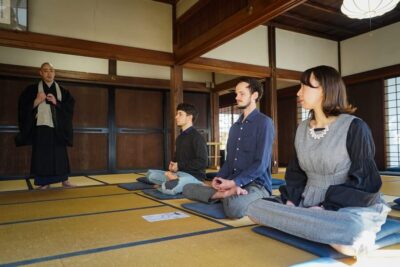
Zen Meditation and Garden Tour at a Temple with Lunch
Read our review →
Full-Day City Highlights Bike Tour with Light Lunch
Read our review →
Also filed under