
Reviewed · TEMPLE & SHRINE VISITS
Kyoto: Zen and Yoga Experience at Myoshinji Temple
Zen on Kyoto time feels like a reset button. I love the Myoshinji Temple atmosphere, because it turns a regular class into something you can actually feel in your shoulders and breath. I also love the Zen lesson itself, where you learn the five key elements of Zen and how they connect to Japanese gardens.
The yoga is intentionally gentle, which is great if you are starting from scratch. One consideration: if you already meditate and do yoga regularly, the sessions may feel more like an introduction than a workout or a deep meditation retreat.
In This Review
- Key highlights you will remember
- Why Myoshinji Zen and Yoga feels different in Kyoto
- Meeting at the South Entrance, not the North Gate
- Zen session in a normally non-public temple area
- Yoga with Zen principles and temple garden views
- Japanese tea and Q&A: making it click
- What you should know about the teaching style (and who Agasa is)
- Price and value: what you get for about $96 per person
- Who this is best for, and who should skip
- What to bring so the class feels comfortable
- Should you book this Myoshinji Zen and yoga experience?
- FAQ
- How long is the Kyoto Zen and Yoga experience at Myoshinji Temple?
- Where do I meet the guide?
- Is the instructor’s language English?
- What is included in the price?
- What should I bring with me?
- Is this experience suitable for beginners?
- Who is this experience not suitable for?
- Is there a free cancellation option?
- Can I reserve now and pay later?
Key highlights you will remember
- A quiet Rinzai Zen setting at Myoshinji Temple, plus access to a normally non-public area
- Zen basics with five key elements, tied directly to how gardens are viewed
- A yoga session with temple-garden views, done with Zen principles in mind
- Japanese tea and conversation, including time for questions
- English instruction with a calm, beginner-friendly teaching style (example instructor: Agasa)
Why Myoshinji Zen and Yoga feels different in Kyoto
Kyoto has no shortage of temples. What makes this experience special is the way it treats the temple like a living classroom, not just a photo stop. You are not rushing from one shrine to the next. Instead, you slow down inside Myoshinji Temple, a historic Rinzai Zen temple in Kyoto, and you learn through practice: Zen, then body, then tea and reflection.
I like that the flow is built to teach you how Zen thinking shows up in everyday moments. You start with a guided Zen session that covers Zen principles, including the five key elements of Zen. Then you carry that same mindset into a yoga practice overlooking the temple garden. Finally, you end with Japanese tea and Q&A, so the experience has a “meaning” phase, not just a “stand still and look around” phase.
This is also a good fit for visitors who feel slightly awkward in temples. The structure helps you know what to do, when to be quiet, and how to participate respectfully.
Meeting at the South Entrance, not the North Gate
Logistics matter more than you think here, because you are entering at the right spot at the right time. Meet at the South Entrance of Myoshinji Temple, not the North Entrance. The guide will be waiting at a big gate.
If you want this to feel calm instead of chaotic, arrive a few minutes early and take a slow walk around the immediate area so you are not searching while everyone else is settling in. Once you find the big gate at the South Entrance, the rest becomes easy because the guide manages the flow.
You are in a private group environment, and the whole experience runs about 2 hours, so the schedule is compact. That makes showing up early a simple way to protect your peace.
More rooftops worth a detour
- Kyoto: Tea Ceremony Ju-An at Jotokuji Temple
★ 4.9 · 3,207 reviews - Arashiyama Bamboo, Temple, Monkeys, or Secret Sake Brewery
★ 4.8 · 886 reviews - Kyoto: Arashiyama Bamboo Forest, Monkeys, Matcha & Temple Tour
★ 5.0 · 759 reviews - Osaka/Kyoto: Arashiyama, Nara & Fushimi Inari Shrine w/Lunch
★ 4.4 · 754 reviews
Zen session in a normally non-public temple area
Your first real “practice” moment is the Zen session. The setting matters. This visit includes access to a part of Myoshinji Temple that is normally non-public, so you are seeing something you would not typically stumble upon as a casual visitor.
You begin with guided instruction on Zen, specifically learning about the five key elements of Zen. The goal is not to overwhelm you with terminology. It is to give you a small set of ideas you can carry into the rest of the experience. In plain terms, you learn how Zen is meant to shape attention, perception, and how you relate to the space around you.
Then there is time for discussion and meditation, which is where the experience becomes more personal. If you like asking questions or hearing different angles on the same practice, this part is one of the most satisfying. It is also a practical reminder that Zen is not just theory. You practice attention, then you talk about what you noticed.
One thing I appreciate: the guide connects Zen to Japanese gardens. That matters because Zen gardens can look abstract until you understand the lens they are meant to be viewed through. Even if you already know a little about Zen aesthetics, the garden connection helps you see why a few simple shapes and textures can feel so powerful.
A respectful, quiet mindset is expected throughout. If you go in thinking you will be doing “serious homework,” you will probably feel more relaxed than if you expect a casual chat. This is structured calm.
Yoga with Zen principles and temple garden views
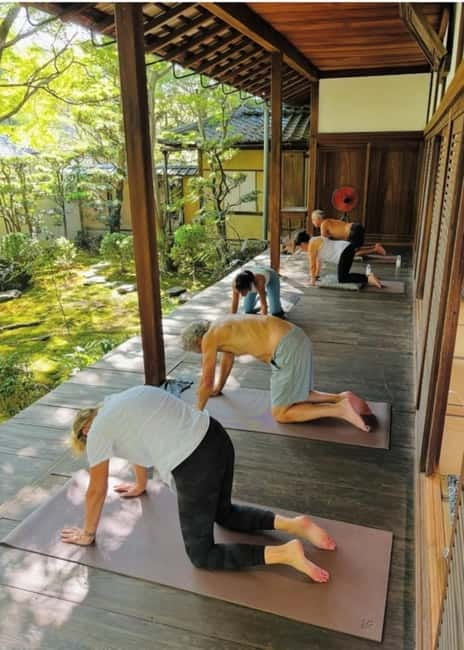
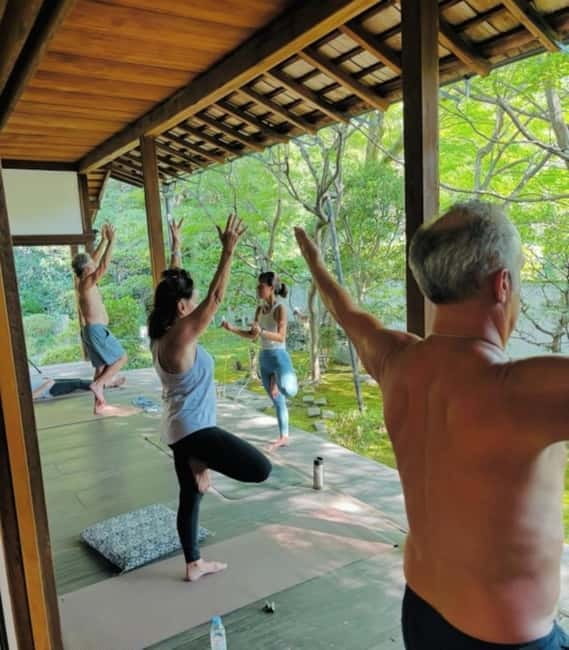
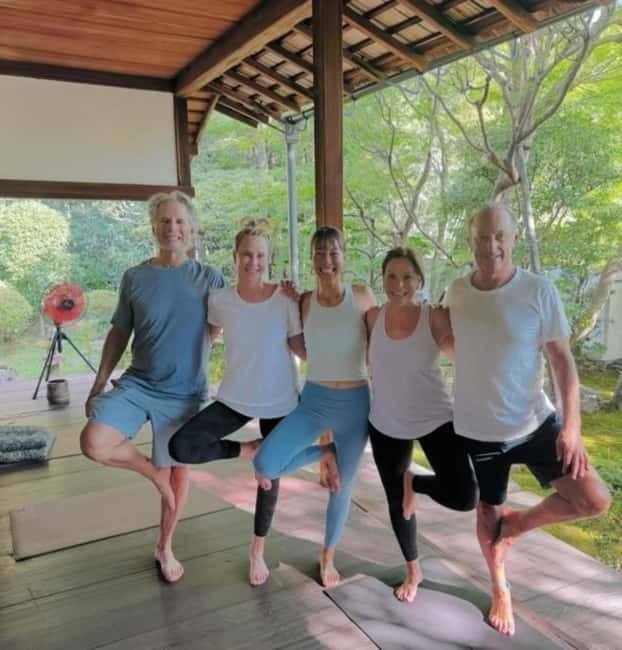
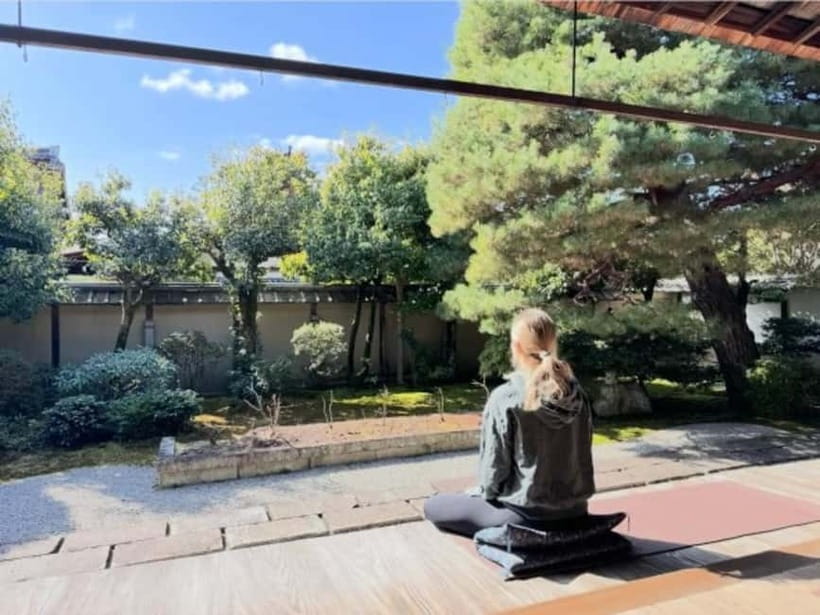
Next comes the yoga session, and this is where you start translating the Zen lesson into body awareness. You practice yoga with a view of the temple’s garden, which changes the feeling of movement. Instead of doing yoga in a studio while staring at walls, you are moving in a space that encourages stillness between breath cycles.
The tone is intentional. The yoga incorporates Zen principles, so the class is designed to feel mindful, not competitive. You listen to subtle sound cues like birdsong, feel the rustle of leaves, and notice the gentle breeze. Those sensory details are not a random bonus. They are part of how you learn to stay present.
For beginners, this kind of session can be ideal. You are not expected to have perfect flexibility or advanced poses. The emphasis is on steady attention and comfort.
If you already do yoga regularly, you may still enjoy it, but you should go in with the right expectations. One review noted that for people with an established meditation and yoga practice, the experience can feel lighter in intensity. I read that as a “training wheels” vibe, not a weakness. You are there for calm instruction and Zen context more than athletic difficulty.
Practical tip: bring a change of clothes. Yoga sessions in temples are not typically where you want to sweat through your sightseeing outfit. Also plan for modest comfort over style.
Japanese tea and Q&A: making it click
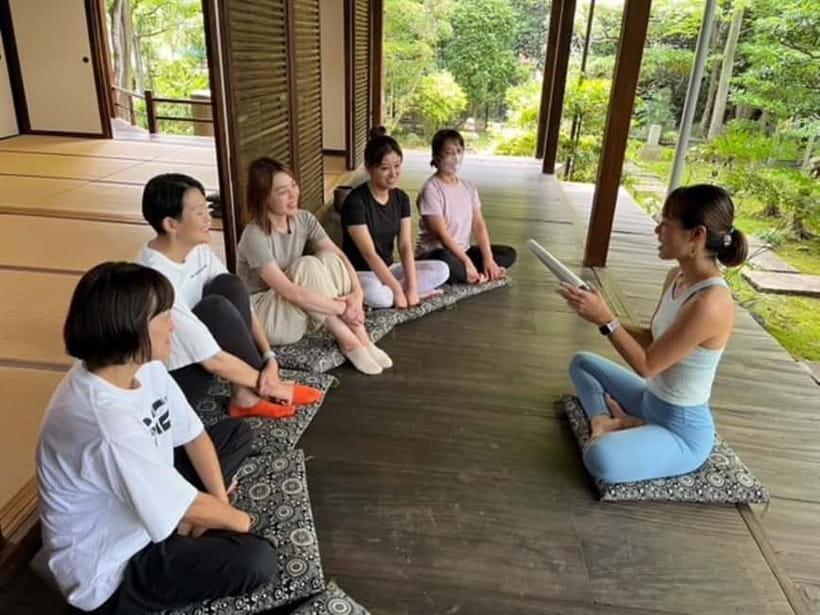
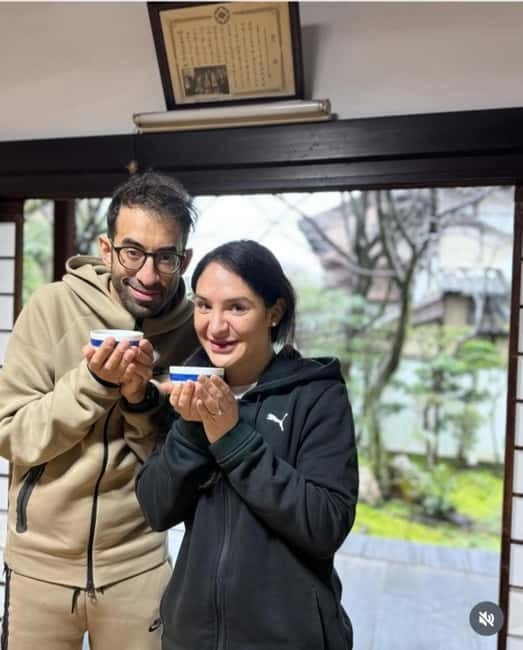
The last piece is a Japanese tea session. This is where the experience stops being only about practice and turns into understanding. You get a cup of tea, and you are given time for questions and sharing cultural insights.
Tea is a perfect ending in this setting. It is simple, quiet, and slow. It gives you a chance to ask things you might otherwise wonder later, like how Zen ideas shape daily life, or how visitors should approach Japanese gardens with the right kind of attention.
I also like that the Q&A is not positioned as a lecture. It feels conversational, which helps you connect the Zen concepts to what you are seeing around Kyoto.
If you want to remember this experience after you leave, the tea step is the place where it helps. You can walk away with a few concrete ideas, plus personal answers that make the visit feel less like a performance.
What you should know about the teaching style (and who Agasa is)
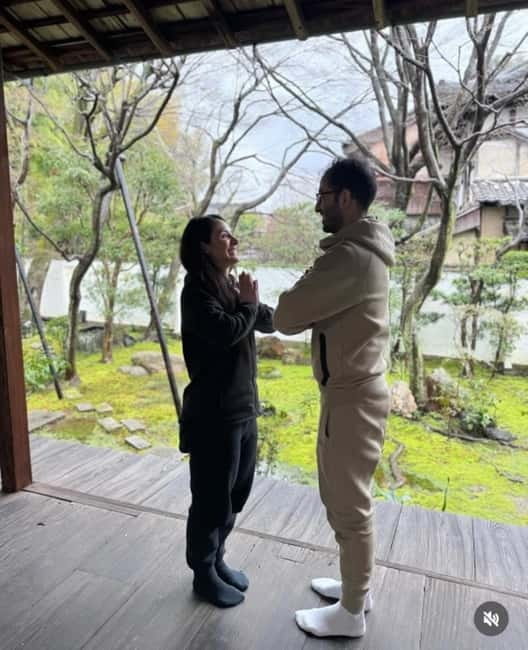
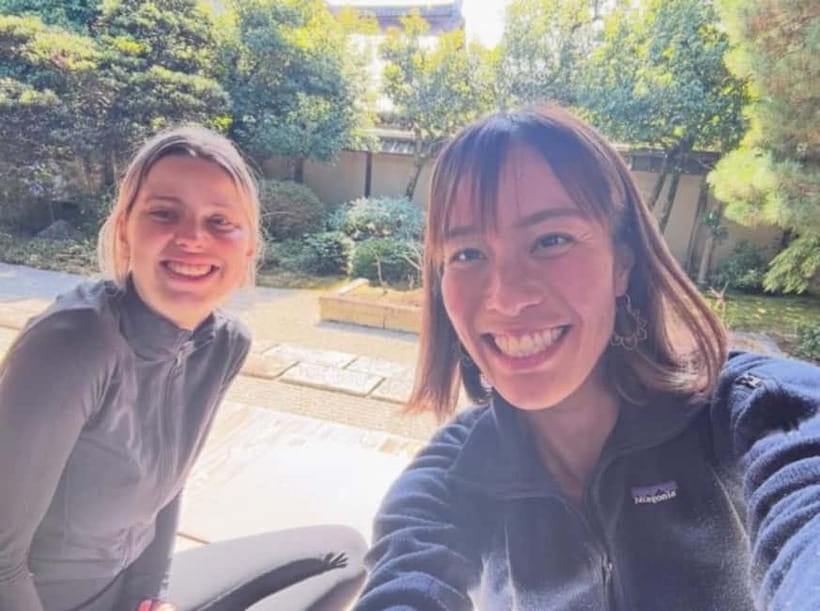
English instruction is provided, and the class is guided by an instructor who keeps things clear and gentle. One review specifically praised Agasa for being kind, thoughtful, gracious, and informative. That kind of approach matters in a temple setting, where you want your questions answered without breaking the quiet.
Also, the teaching style is a strong point for first-timers. One review described the experience as great for beginners with a starting level of “0,” which matches how you should expect it: you get a foundation, not a test.
So here is my practical advice: if you are nervous about doing yoga or meditating in a new cultural setting, this format is reassuring. You will not be left guessing what to do. The structure plus the calm tone helps you participate in a respectful way.
A day of temples goes further with something to break it up.
Price and value: what you get for about $96 per person
At $96 per person for about 2 hours, you are paying for more than a yoga class. The value is in the combination of access, guided instruction, and the full arc of Zen to body to tea.
Here is what you are actually getting:
- Admission to the temple
- A mini Zen guide book
- A Zen session (with discussion and meditation)
- A yoga session
- A Japanese tea session
For many visitors, the biggest value piece is the temple access. This is not a random park yoga class. You are practicing in a real Rinzai Zen environment, including a normally non-public part of Myoshinji Temple. That changes the whole feel of the experience.
You also get a guide who manages the cultural and educational elements, so you are not trying to interpret rituals on your own. And because the instructor is English-speaking and there is Q&A at the end, you can leave with answers, not just impressions.
Is it expensive for just an hour of yoga? Sure. But that is not what you are buying. You are buying an integrated cultural experience designed to teach you how to pay attention, in a setting where calm is the point.
Who this is best for, and who should skip
This experience works best if you want:
- A calm introduction to Zen without intimidation
- A beginner-friendly yoga session with mindful pacing
- A structured way to visit a temple respectfully
- A wrap-up with Japanese tea and Q&A, so the meaning lands
It also helps if you are the kind of person who enjoys atmosphere and small sensory details. Listening for birdsong and the breeze is part of the deal here.
It is not suitable for:
- Pregnant women
- People with heart problems
- People with a cold
- People over 70 years
If any of these apply, skip this and look for another Kyoto experience that fits your comfort level better.
What to bring so the class feels comfortable
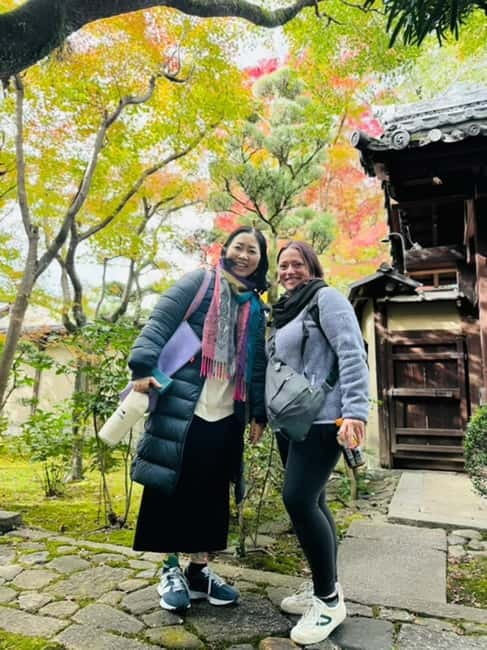
Plan light but prepared. You should bring:
- Change of clothes
- Towel
- Water
- Comfortable clothes
I also recommend wearing clothing that lets you move without fuss, even though you are not expected to do advanced moves. The towel and change of clothes matter because you are doing yoga in a non-gym environment, and you will feel better if you can cool off and reset afterward.
Should you book this Myoshinji Zen and yoga experience?
Book it if you want a peaceful, structured taste of Zen and yoga in Kyoto, with a thoughtful ending over tea. This is especially worth it for beginners, or for you if you have done yoga before but want the cultural framing to make it feel more meaningful.
Skip it if you want a challenging workout, a long meditation session, or deep training at an advanced level. The class is built to introduce you to Zen principles and mindful movement, not to push you to your limits.
If you like clear guidance, quiet settings, and learning in context, this is one of the better “practice plus place” experiences in Kyoto.
FAQ
How long is the Kyoto Zen and Yoga experience at Myoshinji Temple?
It lasts about 2 hours.
Where do I meet the guide?
Meet at the South Entrance of Myoshinji Temple (not the North Entrance). The guide will be waiting at the big gate.
Is the instructor’s language English?
Yes, the instructor provides instruction in English.
What is included in the price?
Admission to the temple, a mini Zen guide book, a Zen session, a yoga session, and a Japanese tea session.
What should I bring with me?
Bring a change of clothes, a towel, water, and comfortable clothes.
Is this experience suitable for beginners?
Yes. It is described as a great option for beginners, including people with no prior practice.
Who is this experience not suitable for?
It is not suitable for pregnant women, people with heart problems, people with a cold, or people over 70 years.
Is there a free cancellation option?
Yes, you can cancel up to 24 hours in advance for a full refund.
Can I reserve now and pay later?
Yes, you can reserve now and pay later.
New This Season
- Koyasan Day Trip by Private Car from Kyoto
- Old Port Town and Ultimate Sake Tasting Private Tour From Kyoto
- Kyoto’s Timeless Charm: 3hr Exploration of History and Peace
- Kyoto: 5 Types of Sushi Making
- Sacred Peak & Ancient Paths: Kurama-Kibune Hiking Experience
- Kyoto: Exclusive ZEN practice at Manpukuji temple in Uji
- Traversing Kyoto’s Scenic West – Arashiyama to Kinkakuji
- Kyoto: Private Seasonal Aroma Yoga Class
Temple & Shrine Visits, compared.
Arashiyama Bamboo, Temple, Monkeys, or Secret Sake Brewery
Read our review →
Arashiyama Bamboo Forest, Monkeys, Matcha & Temple Tour
Read our review →
Arashiyama, Nara & Fushimi Inari Shrine w/Lunch
Read our review →
Kyoto Zen Meditation & Garden Tour at a Zen Temple with Lunch
Read our review →
KYOTO Tea Ceremony with kimono near by Imamiya Jinjya Shrine
Read our review →Arashiyama Bamboo, Matcha, Monkeys & Temple Tour
Read our review →Also filed under