
Reviewed · KYOTO
Sacred Pathways: Discover the Philosopher’s Path of Kyoto
Kyoto slows down when you walk. On this Sacred Pathways half-day, I love how the Philosopher’s Path feels like a moving pause, with a canal and trees doing most of the work for your senses. The second thing I like is the way the Ginkakuji Temple garden turns Zen aesthetics into something you can actually see, not just read about.
One heads-up: you’ll cover about 5 km (3 miles) at a chill pace, so plan for moderate walking stamina and comfortable shoes.
In This Review
- Key Things That Make This Tour Worth Your Time
- A Calm Kyoto Walk Along the Philosopher’s Path (Not a Rush, Not a Crowd)
- Ginkakuji and the Silver Pavilion Garden: Zen Art You Can Read With Your Eyes
- Nanzenji Temple and the Aqueduct: Big Architecture, Calm Understanding
- The Guide Makes It Click, Especially When You Can Ask Questions
- Price and Value: Why $64 Feels Fair When Fees Are Included
- Walking, Timing, and What to Pack for a 5 km Zen Day
- Should You Book Sacred Pathways in Kyoto?
- FAQ
- What is the duration of the Sacred Pathways tour?
- How much does it cost per person?
- What is included in the ticket price?
- Do I need cash for temple entrance fees?
- Are food and drinks included?
- How much walking is involved?
- What languages are the tours offered in?
- Are drones allowed?
- Is there a free cancellation option?
Key Things That Make This Tour Worth Your Time
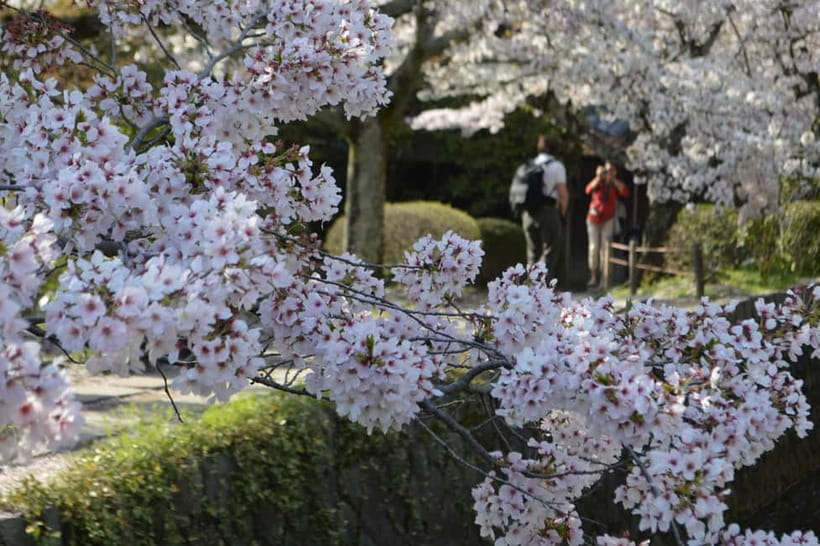
- A Philosopher’s Path stroll with the canal and Eastern Mountain backdrop
- Ginkakuji’s Zen garden details, from raked gravel to carefully placed stones
- Nanzenji’s big architectural presence plus the imposing aqueduct
- Small groups of up to eight people, so you move easily and avoid crowd friction
- Entrance fees are included, keeping the day cash-light and stress-free
- A guide who explains the why, not just the what, in English or French
A Calm Kyoto Walk Along the Philosopher’s Path (Not a Rush, Not a Crowd)
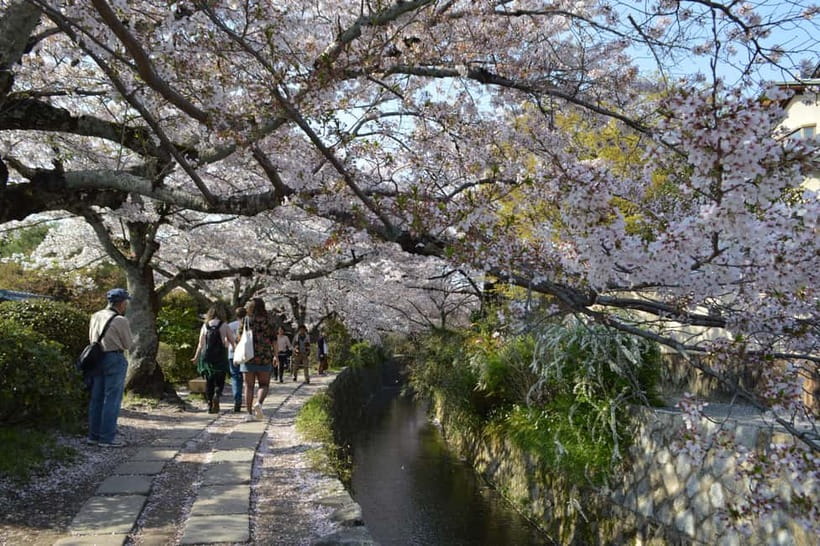
Kyoto’s Philosopher’s Path is one of those rare places where the route matters as much as the destinations. You walk along a tree-lined corridor with a gentle stream nearby, and the sound of water plus rustling leaves does a lot to set the tone. I find it hard to stay distracted here, even if your day in Kyoto has been packed so far.
What makes this tour feel good is the pace. This is not a checklist sprint. You stroll at a relaxed tempo from stop to stop, hugging the foot of the Eastern mountains. That matters because Kyoto can be visually intense, and you need time for small moments, like moss catching morning light or gravel patterns that only look right when you’re standing in front of them.
Along the path you’ll also find quaint cafés and shops, which gives you a natural place to take a breather. Food and drinks are not included, but the benefit is that you can choose what fits your appetite and budget. If you’re the type who likes a quick tea break and a browse through small handcrafted goods, this route supports that without turning into a sales detour.
The tour’s group size helps too. There’s a maximum of eight people, and the operator keeps things low-key, with no flags, no mics, and no bus shuffle energy. In real terms, that means fewer bottlenecks, fewer awkward pauses, and less of that “everyone line up and don’t think” feeling.
Ginkakuji and the Silver Pavilion Garden: Zen Art You Can Read With Your Eyes
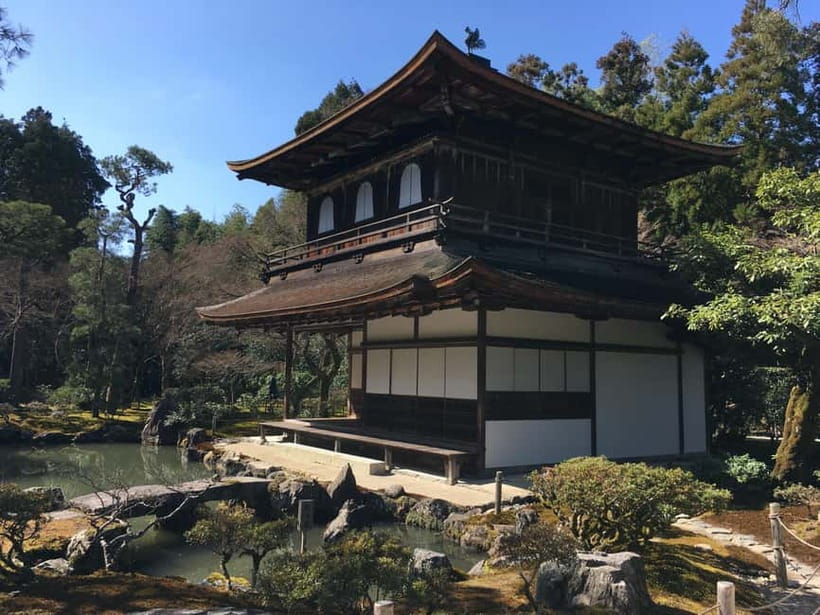
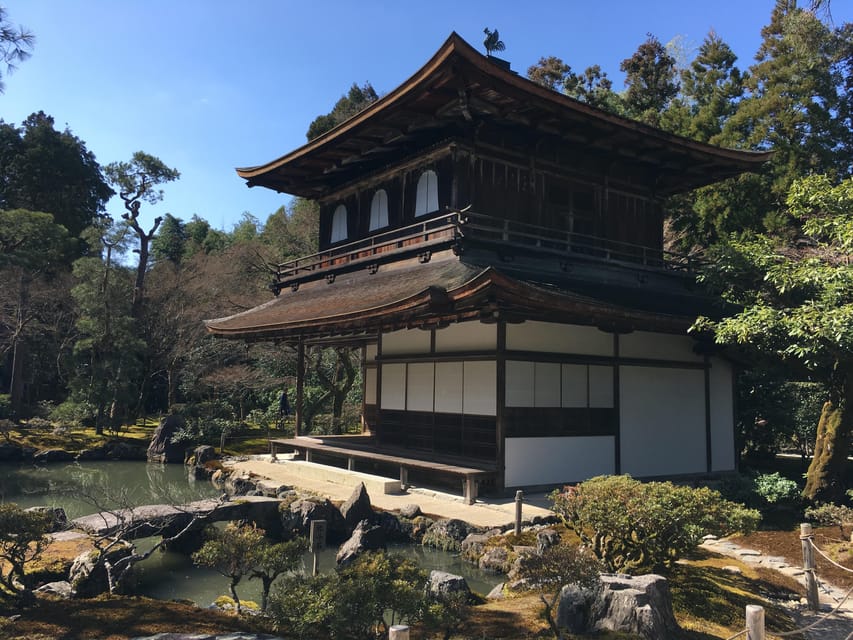
The highlight many people remember is the visit to Ginkakuji, often called the Silver Pavilion. The garden experience is where Zen stops being abstract. You’ll see carefully maintained Zen-style landscaping, including meticulously raked gravel and artfully placed stones. Those details are the whole point, because the garden is meant to be observed slowly, from different angles, as light and weather shift what you notice.
There’s also a strong sensory element built in. The ground can look like it’s been carpeted with moss, and dew in soft light can make that green glow even more. Even if you’re not a “garden person,” this is worth your time because you’re not just looking at plants, you’re watching an intentional design for contemplation.
This is also where a good guide earns their keep. Without context, it’s easy to treat gardens like pretty backdrops. With context, you start noticing the logic behind spacing, texture, and the way the garden frames quiet. That’s where the best tours add value: you leave with a new habit of looking.
If the weather turns rainy, that can change the whole mood. One traveler noted rain made the garden atmosphere different, and that’s believable here. Wet gravel, softened contrast, and a damp, quieter feeling can make the garden feel more intimate. Just bring sensible footwear, because you’re walking on paths and you don’t want slips to hijack the calm.
Kyoto rewards patience — the quieter half of the city sits just off the main path.
- PERFECT KYOTO 1-Day Bus Tour
★ 5.0 · 13,518 reviews - Kyoto: Fushimi Inari, Kinkakuji, Bamboo Grove 1 Day Bus Tour
★ 4.8 · 4,316 reviews - Kyoto: Tea Ceremony in a Traditional Tea House in Kiyomizu
★ 4.9 · 3,519 reviews - Kyoto Geisha Walking Tour: Gion District & Hidden Gems
★ 4.7 · 3,273 reviews
Nanzenji Temple and the Aqueduct: Big Architecture, Calm Understanding
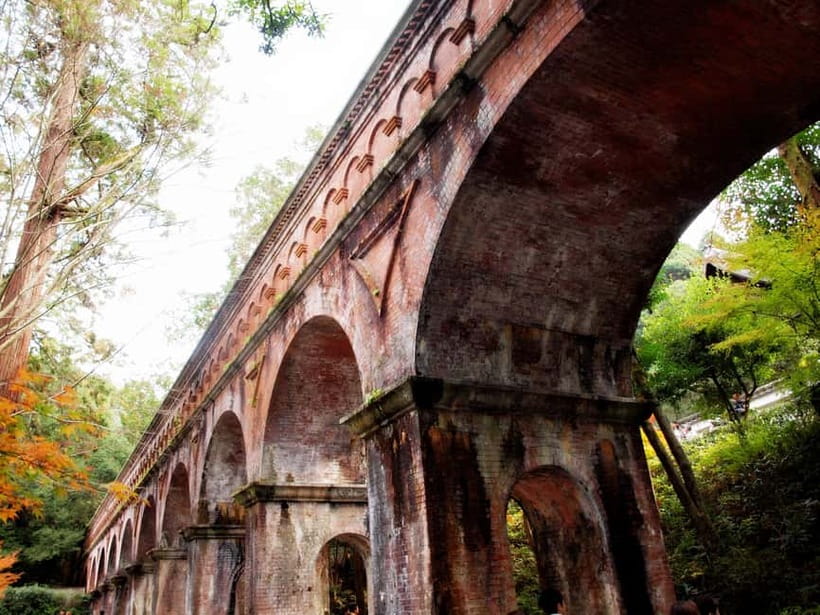
After Ginkakuji, the day pivots toward Nanzenji, described as a prominent Zen temple in Kyoto. This stop adds contrast. If Ginkakuji gives you delicate garden focus, Nanzenji gives you architecture and scale. You’ll see impressive temple structures and the standout aqueduct.
The aqueduct is one of those landmarks that instantly changes how you perceive the area. It’s visually imposing, and once you understand what you’re looking at, it stops being just “cool stonework” and becomes part of the larger story of how Kyoto’s systems and aesthetics shaped daily life.
This temple visit is also a good moment to slow down and reset. The walking time continues, but the guide’s job is to connect what you see to why it exists. That’s the difference between collecting photos and actually collecting understanding.
One practical note: temple areas in Kyoto can mean more standing and slow navigating. The tour’s calm pace helps, and the small group size keeps you from getting stuck in long waits. Still, if you tend to get tired standing, plan on pacing yourself and using breaks when the group naturally pauses.
The Guide Makes It Click, Especially When You Can Ask Questions
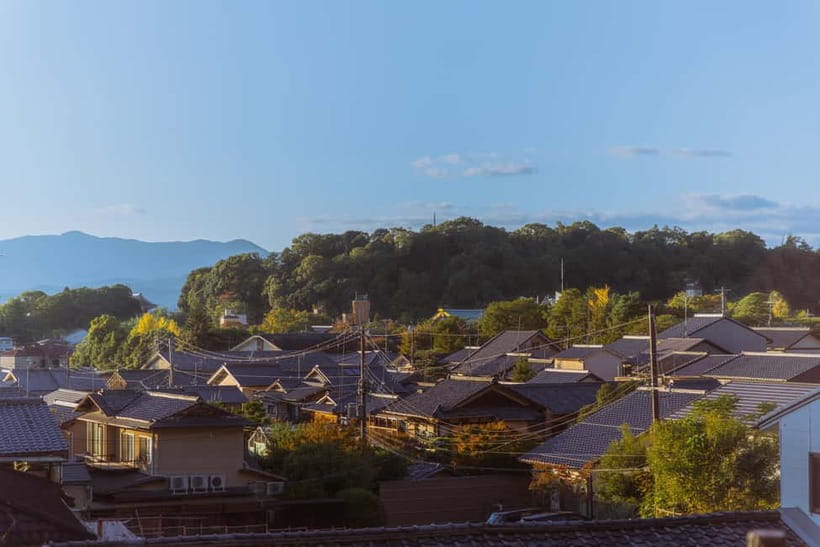
I’m a fan of tours where the guide can explain culture in plain language. This one is built around that idea. The guides are long-term residents of Kyoto, and they’re enthusiastic about showing you a full day in this part of the city, not just delivering facts like a voice memo.
In the reviews, guides named Kevin and Craig come up repeatedly, and the consistent theme is that they’re not only informative, they’re also personable. People praised them for being easy to talk to and for answering questions as the day unfolded. That matters because Kyoto rewards curiosity, and a good guide turns your questions into the next chapter of the walk.
Another highly praised element is pacing that matches your group. One review highlighted that the guide kept things at a pace that worked for their comfort and allowed time for great photos. That’s a real quality marker in Kyoto, where the best images often happen when you’re calm enough to frame and wait for light or a quiet moment.
I also like the “stories that make each place come to life” approach. When you understand the role Zen had in arts and culture, you stop seeing temples and gardens as isolated sights. You start seeing a bigger pattern across what Kyoto builds and preserves.
If you’re traveling with questions about how Zen influenced design, or you want a clearer mental map of the area, this guided context is the reason the walk feels more meaningful than a self-guided wander.
Price and Value: Why $64 Feels Fair When Fees Are Included
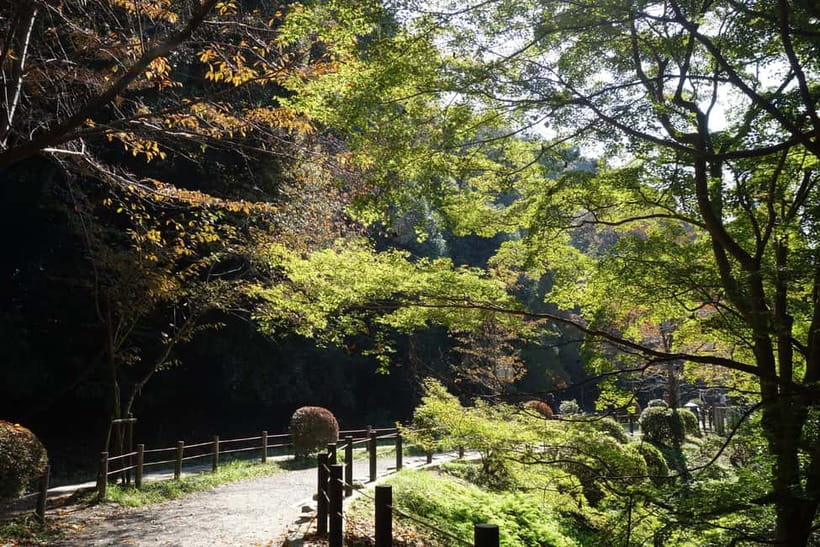
At $64 per person for a 4-hour experience, the price works out best if you think in terms of what would cost more on your own. Here’s the deal: entrance fees are included, and that removes a common pain point in Kyoto planning. You don’t need to scramble for cash just to get into temples or worry about stacking smaller ticket purchases while you’re also trying to enjoy the day.
You also get a bilingual guide (English and French) and a digital city guide. In practice, the digital guide matters because it can help you keep the day’s context straight, which is especially useful when you’re switching between temple and garden settings.
Food and drinks are not included, so you’re still responsible for your own meals. But that’s often a good tradeoff. You get freedom to choose what fits your tastes, and you can time a café stop along the route whenever you actually feel like it.
Small group size also adds to value. Maximum eight people means you’re not competing for attention, and it keeps the day feeling personal rather than crowded. For many visitors, that “I can breathe and ask questions” feeling is worth more than squeezing in one extra stop.
All told, this feels like a fair price for a structured, low-stress half-day where the guide’s context does real work.
Walking, Timing, and What to Pack for a 5 km Zen Day
You should plan for about 5 km (3 miles) of walking in total. The tour is described as requiring at least a moderate level of fitness. That’s not marathon territory, but it is long enough that your footwear choice matters.
I recommend:
- Wear comfortable shoes you can stand and walk in for a few hours.
- Bring rain protection if you’re visiting during Kyoto’s wetter stretches, since weather can affect garden paths and lighting.
- Pack light, because you’ll want hands free for photos, tea cups, and browsing.
You’ll also want to be mindful of your energy for temple time. Some stops have more standing than you might expect. The good news is the pace is chill, so you can slow down with the group rather than trying to keep up and then paying for it later.
Finally, there’s a simple rule: no drones. Kyoto temples and gardens are not the place for that anyway.
A day of temples goes further with something to break it up.
Should You Book Sacred Pathways in Kyoto?
Book this tour if you want a peaceful half-day in Kyoto that teaches you how to look. This experience shines when you care about Zen aesthetics, temple context, and walking without stress. The small group size, included entrance fees, and the consistent praise for guides like Kevin and Craig make it a strong choice for people who don’t want to just “see places,” they want to understand them.
Skip it or consider a different format if you know you can’t comfortably handle about 5 km (3 miles) of walking, or if you’re traveling with children under 10. It’s also not for very elderly travelers over 95 based on the provided guidance.
If your ideal Kyoto day is calm, structured, and story-driven, this one is a solid bet.
FAQ
What is the duration of the Sacred Pathways tour?
The tour lasts 4 hours.
How much does it cost per person?
The price is $64 per person.
What is included in the ticket price?
Entrance fees are included, and you also get a bilingual guide plus a digital city guide.
Do I need cash for temple entrance fees?
No. Entrance fees are included on this tour, so you do not need cash for those.
Are food and drinks included?
No, food and drinks are not included.
How much walking is involved?
The tour involves about 5 km (3 miles) of walking, and it requires at least a moderate level of fitness.
What languages are the tours offered in?
Live guided tours are available in English and French.
Are drones allowed?
No, drones are not allowed.
Is there a free cancellation option?
Yes. You can cancel up to 24 hours in advance for a full refund.
New This Season
- Koyasan Day Trip by Private Car from Kyoto
- Old Port Town and Ultimate Sake Tasting Private Tour From Kyoto
- Kyoto’s Timeless Charm: 3hr Exploration of History and Peace
- Kyoto: 5 Types of Sushi Making
- Sacred Peak & Ancient Paths: Kurama-Kibune Hiking Experience
- Kyoto: Exclusive ZEN practice at Manpukuji temple in Uji
- Kyoto: Private Seasonal Aroma Yoga Class
- Traversing Kyoto’s Scenic West – Arashiyama to Kinkakuji