
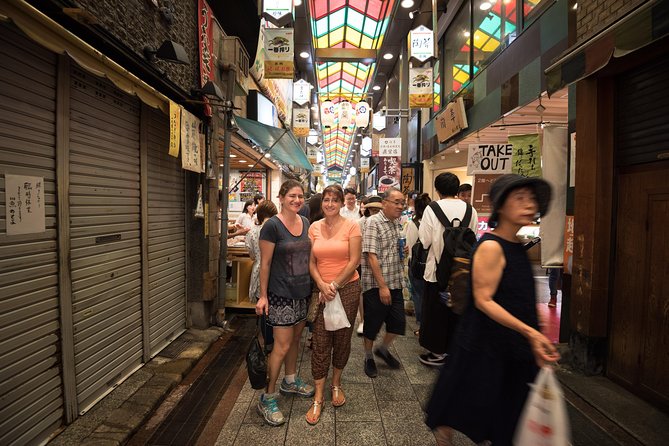
Reviewed · KYOTO
The right way to know Kyoto
Kyoto gets easier fast with the right route. This private walking tour links Kyoto Station-area logistics with temple and shrine highlights like Fushimi Inari and the Golden and Silver Pavilions. I like the hotel pickup option and the way the day is built for learning, not just photos.
The big catch is time. A 6-hour plan means you’ll want to decide how long you linger at each stop, and entrance tickets are not included. Bring good shoes and expect plenty of walking and moving between sights.
In This Review
- Key things to know before you walk Kyoto
- Why this Kyoto highlights route beats wandering alone
- Fushimi Inari-taisha torii gates, with real shrine context
- Bamboo Forest Trail, where the scenery needs quiet
- Kinkaku-ji Golden Pavilion, what to notice beyond the photo
- Ginkaku-ji Silver Pavilion, calm gardens and wabi-sabi mood
- Private pacing, trains, and the value of not doing it all yourself
- How much is this tour, and where your money really goes
- Choosing your guide style: history lovers vs. “show me the best way”
- Should you book this Kyoto private walking tour?
- FAQ
- Where does the tour start and end?
- How long is the tour?
- Is this a private tour?
- Do I get pickup?
- Are entrance tickets included?
- Is transportation included?
- Are meals included?
- What is the cancellation policy?
- What are the tour operating hours?
- How do I access my tickets?
- Is it suitable for most travelers?
Key things to know before you walk Kyoto
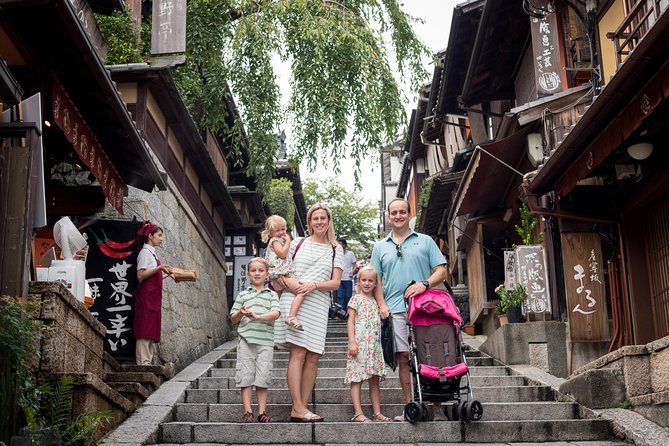
- Private group pacing so you can set the speed and ask questions nonstop
- Fushimi Inari first for an easier start before crowds thicken
- Bamboo Forest Trail time built in, not treated like a quick photo stop
- Golden and Silver Pavilion focus with context you’d miss wandering alone
- Entrance tickets not included so budget a little extra for Kinkaku-ji and Ginkaku-ji
Why this Kyoto highlights route beats wandering alone

Kyoto is gorgeous, but it can also feel like you need a map, a calendar, and a power bank. This tour helps because it bundles the big headline sights into a walkable flow and keeps you from bouncing around with unclear directions.
The private format matters. When your guide can adjust, you’re not stuck doing everything exactly the same way as the next group. In real situations, guides like Paco have asked ahead of time what you want to see, then shaped the day around your interests and helped you avoid the most crowded moments.
You also get better context. At shrines and temples, the details are the point. A guide can explain what you’re looking at and how to behave there, and that makes the places feel less like a checklist and more like part of the story of Japan.
Fushimi Inari-taisha torii gates, with real shrine context
Fushimi Inari-taisha is the entry point for Kyoto’s most recognizable scene: long rows of orange torii gates that turn into a walking maze. The tour starts here with about an hour set aside, and that’s smart. It gives you time to understand the place before you move on.
Your guide can also help with the meaning behind what you see. You’re not just walking through orange arches, you’re moving through a living Shinto shrine space. One guide, Esteban, even explained Shinto details and offered guidance on how offerings work in the shrine setting, including helping the group participate respectfully.
What to watch for: the best part of Inari is also the most tiring part if you go far. Some routes rise uphill and get stair-heavy. If you’re short on energy, you can treat this as a shrine-and-gates walk rather than a full ascent plan.
Kyoto rewards patience — the quieter half of the city sits just off the main path.
- PERFECT KYOTO 1-Day Bus Tour
★ 5.0 · 13,518 reviews - Kyoto: Fushimi Inari, Kinkakuji, Bamboo Grove 1 Day Bus Tour
★ 4.8 · 4,316 reviews - Kyoto: Tea Ceremony in a Traditional Tea House in Kiyomizu
★ 4.9 · 3,519 reviews - Kyoto Geisha Walking Tour: Gion District & Hidden Gems
★ 4.7 · 3,273 reviews
Bamboo Forest Trail, where the scenery needs quiet
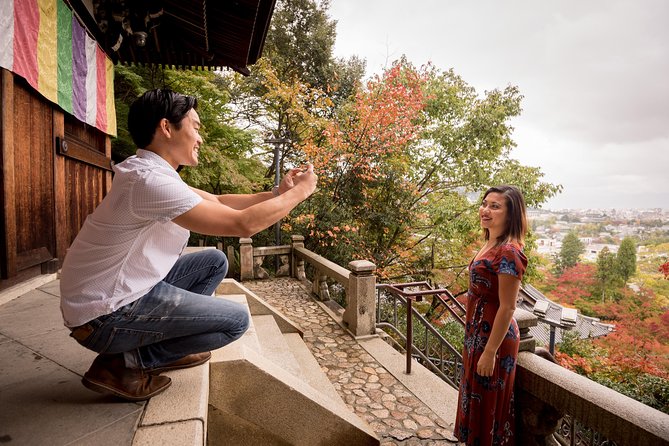
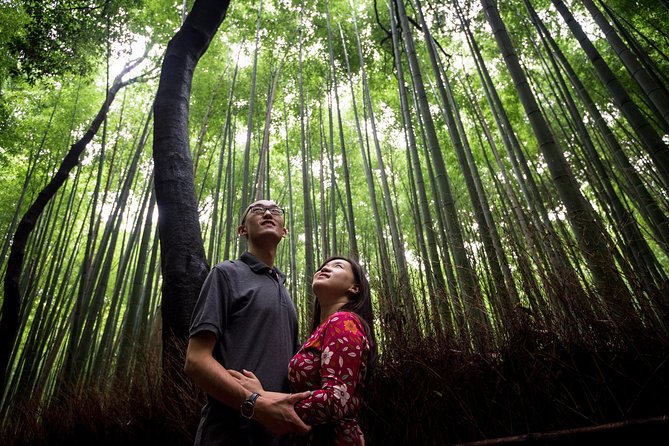
Then comes the bamboo grove stop, about 45 minutes. This is the kind of Kyoto that feels almost cinematic, but it only works if you slow down. Bamboo makes its own mood, and fast walking ruins the effect.
A guide can help you find the right level of calm. For example, Adrian has been known to take people beyond the standard approach and bring them to a bamboo forest experience that feels more like a break than a stopover. That difference is real, especially if you’re trying to escape the loud, line-driven parts of Kyoto.
Practical advice: bamboo areas can be slippery in rain and darker than the street outside. Wear shoes with decent grip and keep your pace steady. If it’s raining, bring a light rain layer, because you’ll be outside even if the rest of the day is well planned.
Kinkaku-ji Golden Pavilion, what to notice beyond the photo
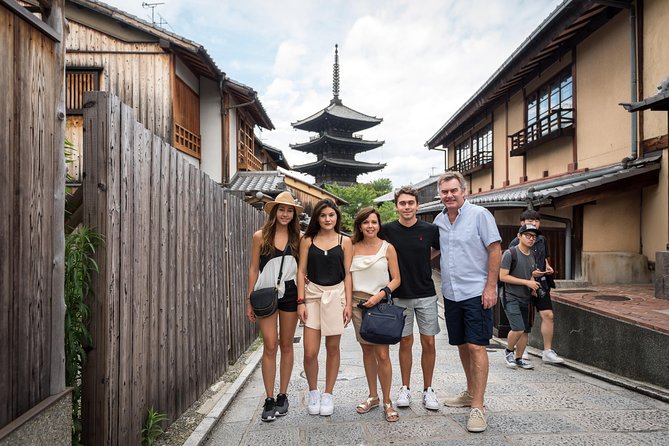
Kinkaku-ji, the Golden Pavilion, is one of Kyoto’s main icons. The tour gives roughly an hour here, and that time is useful because you’ll want to notice more than the surface sparkle.
Entrance isn’t included, so plan for the extra cost. It’s worth it, though, because this is one of those places where small details matter. A good guide helps you connect the architecture, the pond setting, and the Zen ideas often associated with the site, instead of treating it like a quick sightseeing stop.
If you arrive when crowds are thick, you might feel like you’re fighting for angles. A guide’s job is to help you see the pavilion while still keeping your day enjoyable. In some cases, guides have been able to tailor routes to reduce time in the heaviest crowd pockets, which can turn a frustrating visit into a satisfying one.
Ginkaku-ji Silver Pavilion, calm gardens and wabi-sabi mood
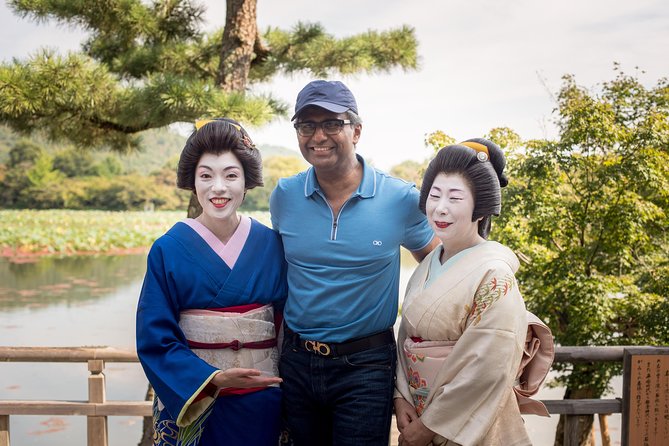
After Kinkaku-ji comes Ginkaku-ji, the “Silver Pavilion.” Expect about an hour and a very different tone. The site is known for serenity and for that Japanese wabi-sabi style, meaning the beauty is in simplicity, weathering, and texture.
This is where a guide can add value fast. In a garden setting, it’s easy to walk around and miss what makes the place feel intentional. With guidance, you’re more likely to pick up how the garden design and the experience of looking at it are connected to Zen sensibilities.
Entrance isn’t included here either, so budget for tickets in advance. Also, don’t underestimate how much walking is involved even when you think you’re just “looking at a temple.” Comfortable shoes are key.
Private pacing, trains, and the value of not doing it all yourself
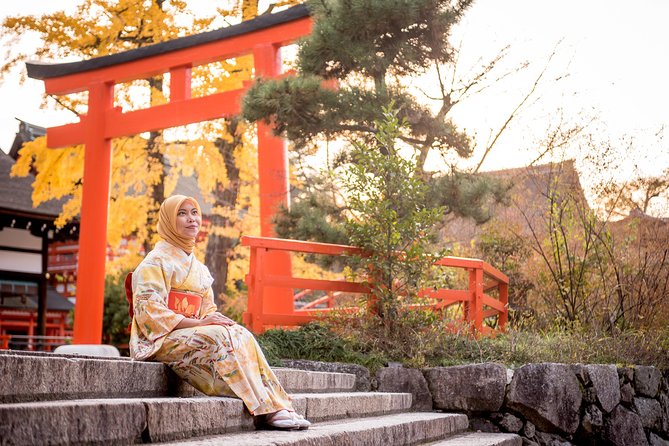
Kyoto is best with a plan, but it’s also best when that plan can flex. This tour is a private experience, so only your group goes. That means you can slow down for photos, speed up if your feet are fine, and ask questions without a guide talking over strangers.
Many guides also help with transit. One family tour included learning how to use public transportation with the guide’s support. Another guide, Tom, was able to customize the day for a 77-year-old parent and adjusted the approach using a mix of walking and local taxis, keeping the pace appropriate.
If you’re traveling with teens or a mixed group, this private structure often helps too. Guides like Jose David have been praised for keeping people engaged while moving between sites, including using metro routes when convenient. And if you just want someone to handle the navigation, that’s exactly what you’re paying for here.
One caution: this is a walking and moving day. You might cover a lot of ground even within a 6-hour window, depending on where you start and how you move. If you’re thinking about booking while dealing with mobility limits, the tour note says most travelers can participate, but you should still plan for time on your feet.
A day of temples goes further with something to break it up.
How much is this tour, and where your money really goes
The price is $371.41 per group, up to 6 people, for about 6 hours. On paper, that can look steep if you’re comparing it to a single ticket. In practice, it gets easier to evaluate when you split the cost.
Here’s where the value shows up:
- You’re paying for an expert guide, not just a route
- You’re buying time and reducing the stress of figuring out connections
- You’re getting cultural context at each stop, which is harder to recreate alone
What to budget separately: entrance tickets, transportation, and meals are not included. That matters because Kinkaku-ji and Ginkaku-ji both require paid entry. If you’re the type who likes to stay longer inside than the suggested time blocks, you’ll also spend more because the day will take more transit and entry time.
Timing can matter for price value too. This tour tends to be booked about 59 days in advance on average, which suggests demand is real. If your dates are fixed, booking earlier helps you lock in the guide style you want.
Choosing your guide style: history lovers vs. “show me the best way”
Kyoto can be approached in two ways. One is facts and stories. The other is how to move through the city without wasting time. The best tours do both.
If you care about the meaning behind shrines and temples, look for guides who explain religious details and how offerings and respectful behavior work. Esteban’s guidance around Shinto practices is a good example of how that can make Fushimi Inari feel more understandable.
If you care about flow, pick a guide known for efficient navigation and pacing. Cristobal, for instance, has been highlighted for guiding smoothly through trains, including taking group photos and keeping things moving without chaos.
If you care about avoiding the most crowded scenes, look for a guide with a habit of adjusting routes. Peter has been praised for taking people to places you’d struggle to find on your own, especially when Instagram crowds create bottlenecks at the usual viewpoints.
Not every day will feel perfect. Some people have felt there wasn’t enough time to cover every highlighted stop comfortably. That’s not a dealbreaker, but it is a heads-up: decide your priorities. If you want lots of time at one pavilion, you may want to tell your guide and adjust expectations for the rest of the day.
Should you book this Kyoto private walking tour?
Book it if you:
- want a structured introduction to Kyoto’s biggest icons
- like learning context as you walk, not after you get home
- prefer a private day with a guide who can adjust to your pace
- are short on time and don’t want to spend it plotting routes
Skip it or consider a different format if you:
- want a slow, sitting-around-the-garden style day with no schedule pressure
- hate walking and long transit moves
- know you’ll want to stay far longer at one site than a fixed 6-hour plan allows
My practical advice: message your guide in advance with your top two priorities, then be honest about your walking comfort. Wear non-slip shoes. Bring a light rain layer if the weather looks iffy. And remember, the best Kyoto days are the ones where you understand what you’re seeing while still enjoying the walk between it all.
FAQ
Where does the tour start and end?
The tour starts at Kyoto Station, Higashishiokoji Kamadonocho, Shimogyo Ward, Kyoto 600-8216, Japan. It ends back at the same meeting point.
How long is the tour?
The tour is about 6 hours.
Is this a private tour?
Yes. It’s a private tour/activity, and only your group participates.
Do I get pickup?
Pickup is offered.
Are entrance tickets included?
No. Entrance tickets are not included (including those for Kinkaku-ji and Ginkaku-ji).
Is transportation included?
No. Transportation is not included.
Are meals included?
No. Meals are not included.
What is the cancellation policy?
You can cancel for free up to 24 hours in advance for a full refund. If you cancel less than 24 hours before the experience start time, you won’t get a refund.
What are the tour operating hours?
The tour runs daily from 9:00 AM to 3:00 PM.
How do I access my tickets?
You’ll receive a mobile ticket.
Is it suitable for most travelers?
The tour notes that most travelers can participate, and it is described as near public transportation.
New This Season
- Koyasan Day Trip by Private Car from Kyoto
- Old Port Town and Ultimate Sake Tasting Private Tour From Kyoto
- Kyoto’s Timeless Charm: 3hr Exploration of History and Peace
- Kyoto: 5 Types of Sushi Making
- Sacred Peak & Ancient Paths: Kurama-Kibune Hiking Experience
- Kyoto: Exclusive ZEN practice at Manpukuji temple in Uji
- Kyoto: Private Seasonal Aroma Yoga Class
- Traversing Kyoto’s Scenic West – Arashiyama to Kinkakuji