Reviewed · GUIDED
Tour in Kyoto with a Goverment Certified Tour Guide
A full Kyoto day can feel like speed dating with temples. What makes this one interesting is the mix of major landmarks plus “secret” style stops, led by a government-certified guide who helps you connect the dots fast.
I especially like that the route targets the big Kyoto icons you actually came for, starting with Fushimi Inari-taisha and then moving through classic Higashiyama, castle history, and the eastern and western temple districts. Another plus is that the tour is designed to be adjustable, so you might shape the day around what you want most.
One caution: the schedule is tight, and the day can shift if crowds, weather, or staffing causes delays or reduces the number of sites. There are also reported hiccups with meeting points and guide arrival, so you’ll want to confirm details clearly before you head out.
In This Review
- Key highlights to look for
- A 6 to 8 hour Kyoto sweep: how the pace really works
- Price and extras: what $110 really buys you
- Pickup, meeting points, and how to protect your day
- Fushimi Inari-taisha first: torii paths and fast context
- Kiyomizu-dera: UNESCO vibes with practical temple stamina
- Nijo Castle, Gion, and Nishiki Market: history plus everyday Kyoto
- Golden Pavilion and Silver Pavilion: iconic stops with time pressure
- Arashiyama bamboo forest and Tenryu-ji: the calmer chapter
- Guides like Andrea and Roberto: the difference between seeing Kyoto and understanding it
- Who this tour is best for (and who should think twice)
- Should you book Mystical Kyoto Quest?
- FAQ
- How long is the Mystical Kyoto Quest tour?
- What does the tour price include?
- Is pickup included, and do I get a mobile ticket?
- Are temple admission fees included?
- What extra costs should I budget for?
- Is this tour private?
- Can I customize the tour?
- How far in advance should I book?
- What if I need to cancel?
Key highlights to look for
- Government-certified guide with English-speaking help and practical site advice
- A big one-day sampler, built around multiple UNESCO-class stops
- Tea, calligraphy, kimono dressing, and street food are part of the tour concept when time allows
- Rickshaw ride and night temple illumination are advertised, so ask how they fit into your day
- Extra paid stops and guide transportation fees can add up, especially if you want every planned entrance
- Arashiyama time with bamboo and Tenryu-ji Zen atmosphere (some departures may include Arashiyama mountain areas)
A 6 to 8 hour Kyoto sweep: how the pace really works
This is a half-day to full-day style tour, usually 6 to 8 hours, focused on seeing a lot without you charting buses and trains all day. The tradeoff is time pressure. You’ll spend part of the day walking through areas where crowds can slow you down, and that means the guide may have to triage which stops get the most time.
Think of it as a “great hits” day, not a slow, single-temple day. If you want deep quiet time at each site, you’ll likely enjoy a second Kyoto day more.
Price and extras: what $110 really buys you
At $110 per person, the value depends on two things: how much you’d pay for private guidance on your own, and how many paid entrances you end up using. The guide is included, and you can customize depending on expectations and available time.
What is not included is the stuff that makes Kyoto cost add up quickly. You should budget for:
- Guide transportation fees of $5 to $8 USD
- Food and drinks
- Transportation fees
- Admission fees for places where entry is not free on the day you go
One clearly stated paid entrance is Ginkakuji Temple (Silver Pavilion) at $8 per person. Other stops in the route may also require paid entry depending on what’s included that day.
If your plan is to hit most major sights in one day, this price can feel reasonable. If you hate surprise add-ons, you’ll want to set expectations in advance about paid admissions.
A quieter way to spend a day in Kyoto
- Kyoto Early Morning Tour with English-Speaking Guide
★ 5.0 · 1,427 reviews - Kyoto 6hr Private Tour with Government-Licensed Guide
★ 5.0 · 1,369 reviews - Kyoto: Early Morning Tour with English-Speaking Guide
★ 4.9 · 1,128 reviews - Kyoto: Nijo-jo Castle and Ninomaru Palace Guided Tour
★ 4.7 · 1,020 reviews
Pickup, meeting points, and how to protect your day
Pickup is offered, and the tour is described as being near public transportation. That’s good for flexibility, but it also means the success of your day hinges on clear meeting instructions.
Some past customers reported confusion about where to meet, especially when guides were late or communication got messy. So here’s my practical advice: treat meeting details like a flight check-in. Get the exact meeting spot and timing in writing, arrive early, and keep your phone ready for last-minute contact.
Also, because there are reports of guide no-shows and major delays, I’d avoid risky assumptions like assuming the guide will find you if you’re late. If the meeting is at or near a station, give yourself a buffer of at least 15 to 20 minutes.
Fushimi Inari-taisha first: torii paths and fast context
Starting at Fushimi Inari-taisha Shrine makes sense because it’s the kind of place where you benefit from orientation. It’s dedicated to Inari, the Shinto deity of rice, and that religious context matters when you’re surrounded by countless shrine details.
What you’ll likely enjoy most here is the “maze effect” of the torii-lined paths. The guide can help you slow down long enough to notice what you’re seeing, instead of only treating it like a photo stop.
The drawback is also obvious: crowds. If you’re visiting during peak times, expect a steady flow of people. Wear good shoes and don’t plan a relaxed stroll here.
Kiyomizu-dera: UNESCO vibes with practical temple stamina
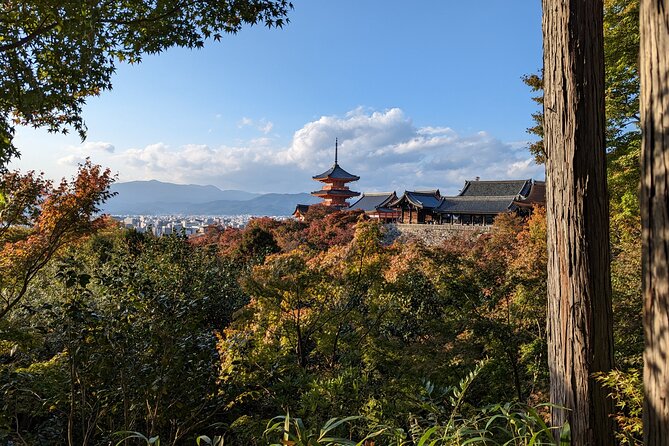
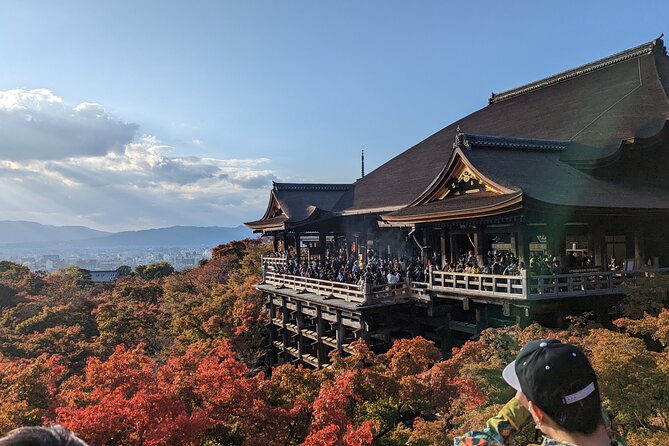
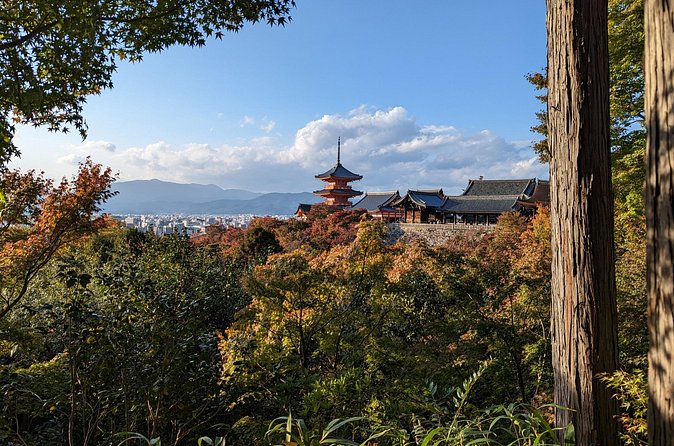
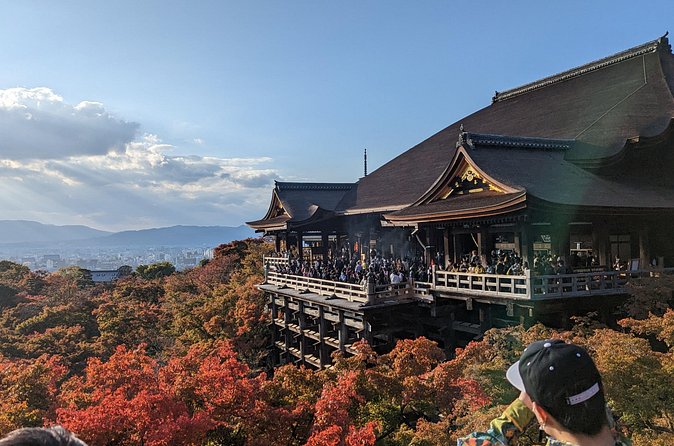
Next comes Kiyomizu-dera Temple, a UNESCO World Heritage site in the Higashiyama district. You’ll get a good chunk of classic Kyoto scenery, with the temple sitting on the hillside and commanding attention.
This stop is worth it when you want architecture plus viewpoint energy. You’ll spend time taking in the structure and learning the meaning behind what you see, not just moving through quickly.
The one consideration: it can be physically demanding if the day is hot or rainy. The guide can help you pace it, but you still need to be ready for stairs, slopes, and crowd movement.
Nijo Castle, Gion, and Nishiki Market: history plus everyday Kyoto
This route doesn’t just chase temples. It also pushes into areas that feel like living Kyoto.
Nijo Castle is a major history stop, built in the 17th century and tied to power and residence. Admission is not included, so you’ll pay on site if you want to enter. If your group loves castles and interiors, this is a good time to commit, because you’ll have a knowledgeable guide steering you through the context.
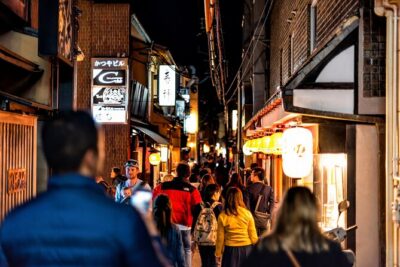
Then you move into Gion, described as a district known for historical significance and the preservation of geisha culture. This part of the day works well if you want Kyoto that feels cultural and atmospheric, not only sacred spaces.
Finally, Nishiki Market Shopping District gives you a direct hit of Kyoto’s food culture. Entry is free, and it’s set up like a snack-and-browse zone. The tour concept includes street food tasting, so if food is your thing, this is one of the stops where you can actually convert your curiosity into something you eat.
If you’re the type who hates shopping crowds, treat Nishiki as a short, focused walk. You can enjoy the food stalls without turning it into an all-afternoon detour.
A day of temples goes further with something to break it up.

Golden Pavilion and Silver Pavilion: iconic stops with time pressure
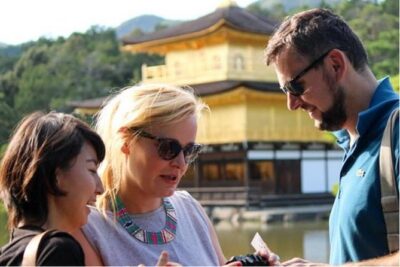
Kinkakuji Temple (Golden Pavilion) is next, and it’s a UNESCO World Heritage site. This is the stop many people picture when they think of Kyoto, and it’s easy to see why: it’s visually dramatic and instantly recognizable.
Admission is listed as free for this stop in the tour plan. That helps keep your day from turning into a pile of paid line items, at least here.
Then you hit Ginkakuji Temple (Silver Pavilion), and this one comes with a set entry fee. The tour data lists the admission at $8 per person, and it’s not included. Also, an important detail: the temple does not actually have silver plating, even though the name suggests it. That kind of fact makes the stop feel more grounded, and your guide can help you understand the point of what you’re seeing.
The practical drawback: both of these sites can be popular photo magnets. Expect crowds and keep your expectations flexible on how much time you get at each.
Arashiyama bamboo forest and Tenryu-ji: the calmer chapter
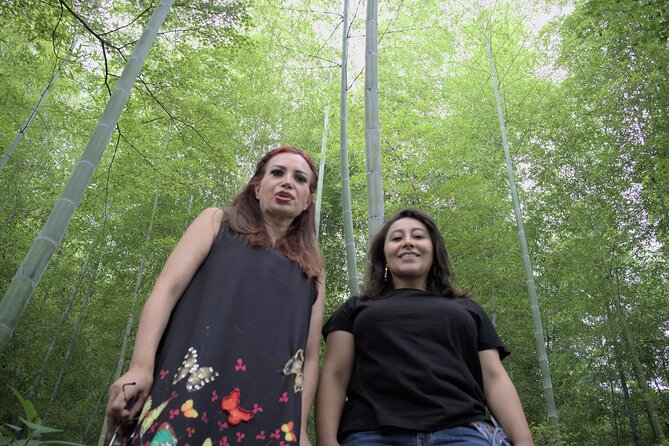
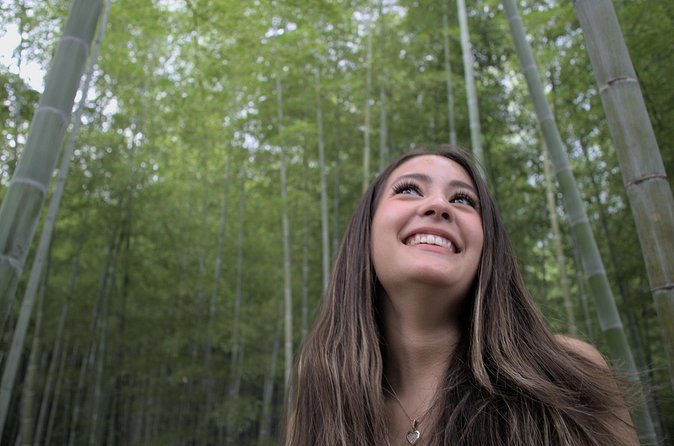
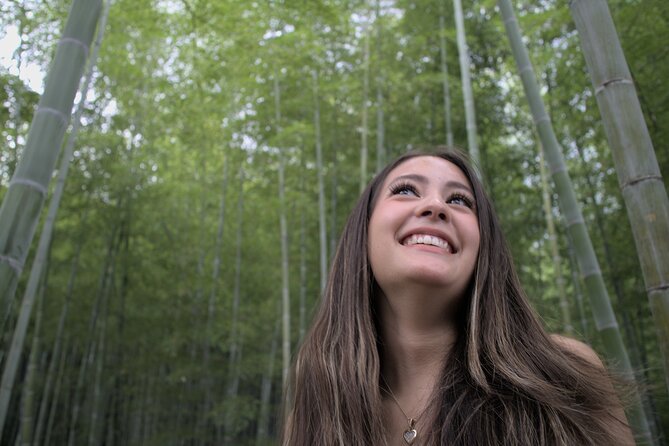
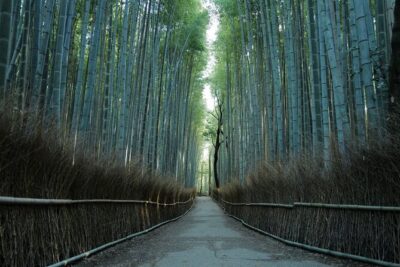
Arashiyama is where the tour can shift gears from famous temples to mood. You get time in the Arashiyama forest area, described as lush and tranquil, with bamboo at the center of the experience.
The plan includes a shorter window at the forest (about 30 minutes), so treat it as a “get your eyes on it” moment, not a long meditation break. If you want more time, you might consider adding a separate Arashiyama half-day on your own.
After that comes Tenryu-ji Temple, another UNESCO World Heritage Site and a major Zen Buddhist site founded in the 14th century. Admission is listed as not included, so you’ll need to pay if you want entry.
One interesting note from actual guide-led experiences: some departures have steered people toward Arashiyama mountain areas, such as the monkey park. If that’s on your wish list, ask the guide whether there’s time for it, because the tour is built around a fixed day.
Guides like Andrea and Roberto: the difference between seeing Kyoto and understanding it
The biggest positive theme in the feedback is the human factor. When the guide is strong, you get more than photos. You get context, pacing, and small fixes that make the day smoother.
You’ll see names like Andrea, Roberto, and Robert tied to standout days. In some cases, the guide created extra value by tailoring the route around special needs, including accommodating disabilities. In other cases, the guide helped people maximize time and even handled practical tasks, like helping purchase bullet train tickets.
That said, the other major theme is operational reliability. There are repeated reports of guides not showing up, being late, or turning a private plan into a shared group. Some of those situations resulted in refunds being processed, but you don’t want your Kyoto day built on hoping things work out.
So what should you do? Pick this tour for the guide quality and the “big Kyoto in one day” approach. But protect yourself by confirming meeting instructions in advance and keeping enough flexibility in your personal schedule to handle delays.
Who this tour is best for (and who should think twice)
You’ll likely love this if you:
- Want a one-day sampler of iconic Kyoto neighborhoods and temples
- Prefer to learn the meaning behind what you see, instead of reading everything alone
- Like a structured plan with some flexibility for customization
- Are okay paying a few admissions on top of the base price
You might think twice if you:
- Need a strictly private experience with no chance of joining another traveler or couple
- Hate tight schedules and want long, slow time at fewer sites
- Have an inflexible itinerary where a delayed start would ruin your day
Should you book Mystical Kyoto Quest?
My take: this can be a very good way to cover Kyoto’s highlights with less stress than planning everything yourself. When the guide is on point, the day becomes more than sightseeing, it turns into story and context, and that is what makes Kyoto click.
But the risk is real. Operational hiccups show up in the feedback, including no-shows and start-time problems. If you book, do your part: confirm the meeting details twice, arrive early, and keep your phone and messages ready.
If you can tolerate a little uncertainty, and you want a guided hits tour, it’s worth considering. If you need near-perfect reliability, you might prefer a different operator or a plan with more time built in.
FAQ
How long is the Mystical Kyoto Quest tour?
It’s listed as about 6 to 8 hours.
What does the tour price include?
The included items are the guide and that you can customize your tour depending on your expectations and time available.
Is pickup included, and do I get a mobile ticket?
Pickup is offered, and you’ll receive a mobile ticket.
Are temple admission fees included?
No. Ginkakuji Temple admission is not included, and other stops list admission as not included as well. Some stops are listed as free.
What extra costs should I budget for?
Budget for guide transportation fees of $5 to $8 USD, plus food and drinks and transportation fees. Also plan for any admission fees that are not included, such as Ginkakuji Temple at $8 per person.
Is this tour private?
It’s described as private, meaning only your group participates. There’s also a note that if you are a solo traveler or couple, you might be asked to join another couple or solo traveler.
Can I customize the tour?
Yes. The tour is described as customizable depending on what you want and how much time you have.
How far in advance should I book?
On average, this tour is booked about 30 days in advance.
What if I need to cancel?
You can cancel for a full refund if you cancel at least 24 hours before the experience start time. If you cancel less than 24 hours before, the amount paid is not refunded. The policy also notes that if a minimum traveler number is not met, you’ll be offered another date or a full refund.
New This Season
- Koyasan Day Trip by Private Car from Kyoto
- Old Port Town and Ultimate Sake Tasting Private Tour From Kyoto
- Kyoto’s Timeless Charm: 3hr Exploration of History and Peace
- Kyoto: 5 Types of Sushi Making
- Sacred Peak & Ancient Paths: Kurama-Kibune Hiking Experience
- Kyoto: Exclusive ZEN practice at Manpukuji temple in Uji
- Kyoto: Private Seasonal Aroma Yoga Class
- Traversing Kyoto’s Scenic West – Arashiyama to Kinkakuji
Guided, compared.
Kyoto Early Morning Tour with English-Speaking Guide
Read our review →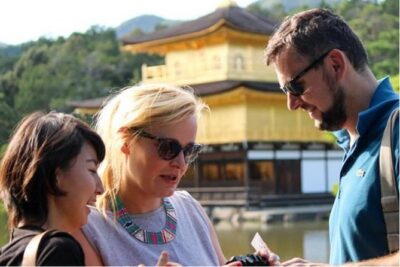
Kyoto 6hr Private Tour with Government-Licensed Guide
Read our review →Early Morning Tour with English-Speaking Guide
Read our review →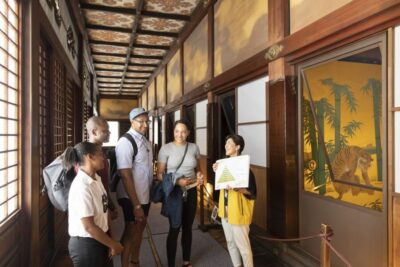
Nijo-jo Castle and Ninomaru Palace Guided Tour
Read our review →
Kyoto Gion Night Walk & Geisha District Guided Tour
Read our review →
Nijo Castle, Kiyomizu & Fushimi Inari Guided Tour
Read our review →