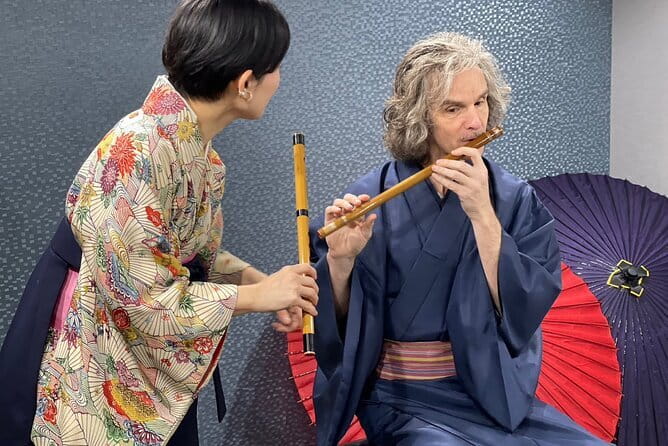
Reviewed · SHOW
Traditional Japanese Music show & Experience Tour in Kyoto
Watching traditional instruments up close is a thrill. This short Kyoto session delivers hands-on instrument time plus a small-group feel, and you also get to hear performers play before you touch anything. One thing to consider: it is only about 60 minutes total, so you will learn the basics, not leave with master-level skills.
I like the simple structure, it goes concert first, then try-playing, then photos. It also feels beginner-friendly, with expert guidance so you are not stuck guessing.
If you want a fast, practical way to understand Japanese music culture, this is a smart pick.
In This Review
- Key highlights worth planning around
- Kyoto’s traditional music, right where you can fit it
- 60 minutes that actually teaches you something
- What you can play, shamisen, koto, wadaiko, and more
- Small group energy, and why it matters for beginners
- The photos and the reality check on what you can master
- Price and value, what you’re paying for
- Getting the timing right in your Kyoto day
- Who this is best for, and who should think twice
- A few practical tips before you go
- Should you book this traditional Japanese music and instrument experience?
- FAQ
- Where does the Traditional Japanese Music show and experience tour start?
- How long is the experience?
- What days and start time is the tour offered?
- What instruments can I try during the hands-on part?
- Is transportation included in the price?
- What is the cancellation window?
Key highlights worth planning around
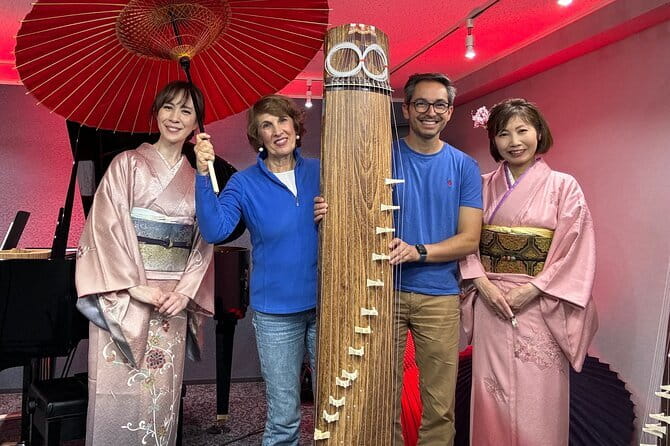
- 25 minutes concert with real performers, focused on traditional Japanese instruments
- 25 minutes hands-on playing with guidance, even if you have no experience
- Shamisen, koto, wadaiko, plus other instruments depending on the day
- Small group (max 12), so you are not just watching from the back
- 10 minutes photos with instruments and performers at the end
- Different content by day, so return visits can feel fresh
Kyoto’s traditional music, right where you can fit it
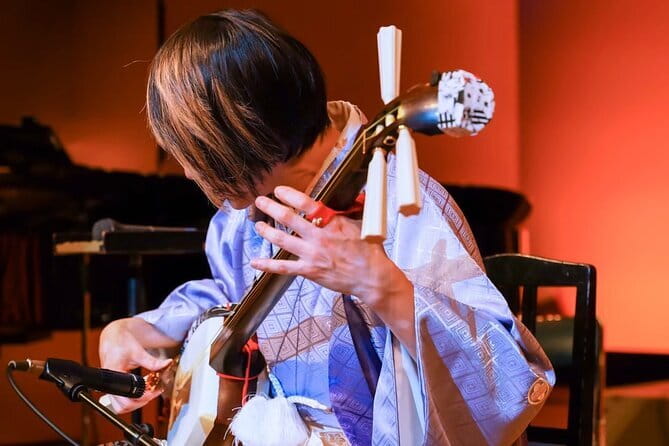
This is the kind of activity that plays nicely with a Kyoto day. It runs at 11:00 am on Monday, Tuesday, Thursday, and Friday, and the total time is about 60 minutes. That timing matters, because you can pair it with a morning walk, then move on to a temple, market, or lunch without losing half your day.
The meeting point is at 5f, 306 Higashidaimonjichō, Nakagyo Ward, Kyoto, 604-8043. It is also described as near public transportation, which is a big deal in Kyoto where getting across town can eat time. The activity ends back at the same meeting point, so you do not need a second plan for where to go afterward.
You should also know there is a mobile ticket. When your schedule is tight, that kind of ticketing is easy, no hunting for paper.
60 minutes that actually teaches you something
The experience is built like a mini class plus a mini show. You get three clear parts:
First, 25 minutes of an authentic Japanese music concert. You hear the instruments in action before you try anything yourself. This sets the baseline, so when you pick up an instrument later, you understand what you are aiming for.
Then, 25 minutes to try playing. This is where the value really shows. You are not just pointed at instruments for a quick photo. You get expert advice on how to play, and the session is set up so you can select instruments that interest you.
Finally, 10 minutes for photos with the instruments and performers. This is short on purpose, but it is long enough to get decent pictures without turning the whole event into a photo shoot.
The biggest practical win for you is that you leave with both sides of the story: you hear how it sounds in performance, then you experience how it feels in your hands.
A quieter way to spend a day in Kyoto
- Kyoto Gion Cultural Walk & Geisha Show with Dining Options
★ 5.0 · 518 reviews - Kyoto Gion Cultural Walk & Geisha Show with Dining Options
★ 5.0 · 483 reviews - 1 Hour Geisha Show in Kyoto
★ 5.0 · 452 reviews - Kyoto: Samurai Kenbu Traditional Sword Dancing Show
★ 4.5 · 426 reviews
What you can play, shamisen, koto, wadaiko, and more
One reason this tour is so appealing is the instrument variety. You are given a chance to experience multiple traditional Japanese instruments, including:
- Shamisen (Japanese lute)
- Koto (Japanese harp)
- Wadaiko (Japanese drum)
…and more, depending on what day you go.
If you have ever watched Japanese music and thought it looked hard, you are not wrong. But the guidance is part of the pitch: you do not need prior experience. You get instructions, so even if your first attempt sounds a little awkward, you are still doing the real thing, not pretending.
I also like the way this setup changes your role. In a normal concert, you are a spectator. Here, you move toward being a participant, even if it is only for a short hands-on window. That shift makes the music feel more understandable.
Also, keep in mind the concert content varies depending on the day. So if you are staying a while in Kyoto and you see the dates overlap, returning can feel different, not repetitive.
Small group energy, and why it matters for beginners
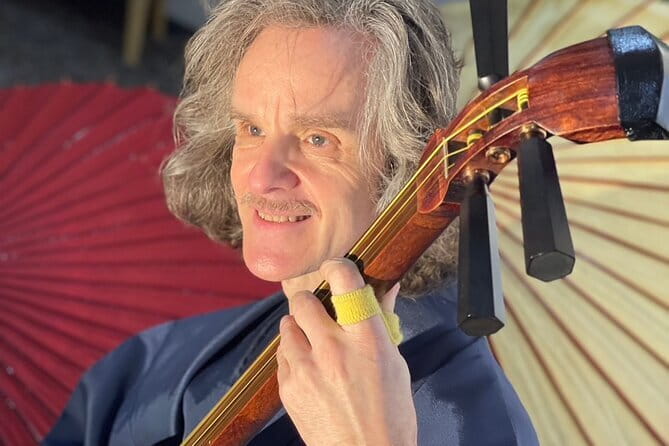
The group size is capped at 12 travelers, which is a sweet spot. You are close enough to see what performers are doing, and the instructors can still give you practical pointers.
I found this kind of small group format matters most for people who feel shy about trying something new. When you are in a bigger crowd, your questions get swallowed. Here, you have a better chance to get the kind of quick guidance that helps you adjust your grip or timing.
There are also signs the organizers keep things patient and supportive. One person mentioned that even when their playing was not perfect, the organizers had a lot of patience. That is exactly the right vibe for a hands-on music activity.
The photos and the reality check on what you can master
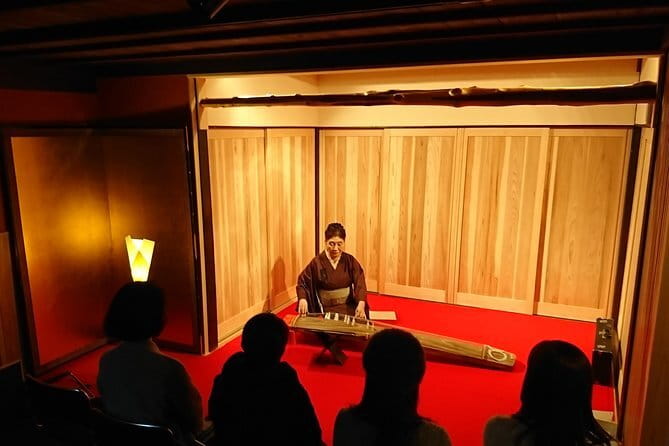
The 10 minutes of photos is not just for show. It is a chance to translate what you just learned into something visible. You can photograph the instruments and the performers after the playing portion, which is a nice way to remember which instrument you tried and what it looked like up close.
That said, be realistic about what the session can do. This is about learning enough technique to participate, not about full lessons. Because the whole schedule is 60 minutes, you will likely get a taste of each instrument rather than extended coaching on one. If you are hoping for deep technique development, you might want a longer class elsewhere.
For most people, though, this is the right balance. You are not committing to hours, and you still get that rare combination of performance plus hands-on instruction.
Price and value, what you’re paying for
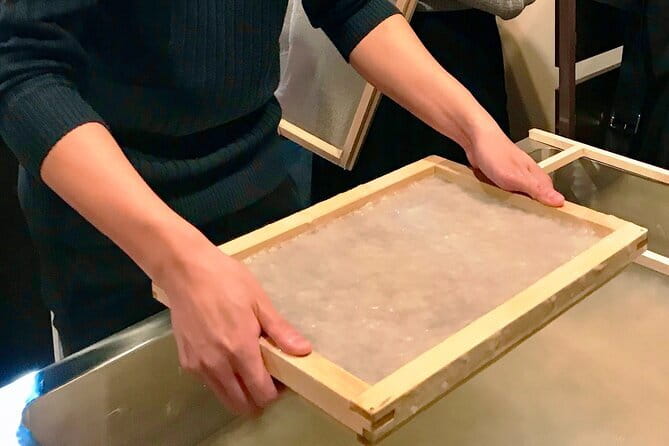
At $46.24 per person for about an hour, this is not the cheapest thing in Kyoto, but it is also not priced like a private workshop. The main value comes from what is included and what is taught.
You are included with a Japanese musical instrument for experience. That sounds small, but it saves you from the usual pain points of DIY: finding an instrument, arranging a qualified instructor, and figuring out how to participate at all.
You also get:
- an actual live concert portion
- expert guidance during your playing time
- a small group size (max 12)
- and the photo time at the end
When you break it down like that, you are paying for the structure and coaching, not just a seat in a room.
One more planning note: on average, this activity gets booked about 39 days in advance. That is a hint to lock in your spot sooner rather than later, especially if you are traveling in peak season.
A day of temples goes further with something to break it up.


Getting the timing right in your Kyoto day
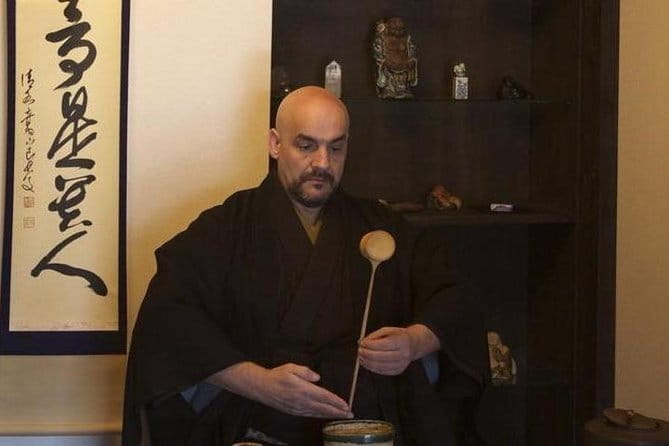
You start at 11:00 am and the activity runs about 60 minutes. That makes it a good reset point in the middle of a morning.
Because the meeting place is the same as the end point, it is easy to flow into lunch nearby or continue your Kyoto walk without adding transit stress. You will also want to arrive a few minutes early so you are not rushing into instructions.
If you have a busy itinerary, this is one of the rare tours that gives you a cultural experience without stealing your whole day. That matters in Kyoto, where you can easily fill every hour with something “must-do.”
Who this is best for, and who should think twice
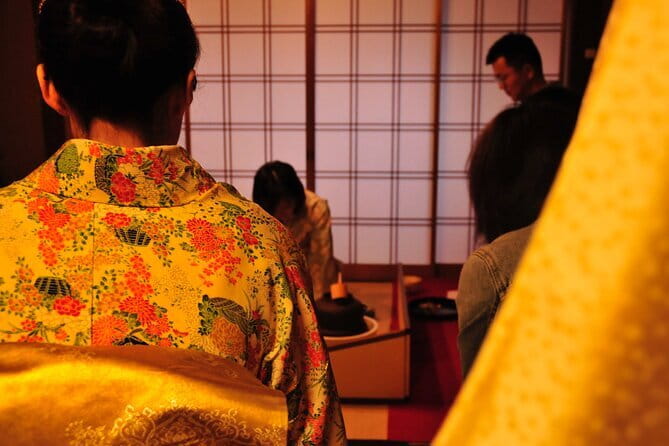
This experience is a strong fit if you want:
- a beginner-friendly introduction to traditional Japanese music
- hands-on cultural participation, not just watching
- a short, structured activity that fits between other sights
It also helps if you are traveling with a mix of interests. Music fans will enjoy the concert, and curious learners will enjoy trying the instruments.
Think twice if:
- you want long, detailed lessons on one instrument
- you are only available on days other than Monday, Tuesday, Thursday, or Friday at 11:00 am
- you are expecting private transportation included, because that is not included
On the plus side, service animals are allowed, it is described as near public transport, and most travelers can participate.
A few practical tips before you go
Based on how the session is designed, here are the choices that help you get the most out of it:
- Go in with a relaxed mindset. Your goal is to participate and learn the basics, not to sound perfect.
- Pay attention during the first 25-minute concert. That part makes the hands-on segment easier to understand.
- If you have strong preferences, decide which instruments you want to try first, since the time is limited.
And if you are the type who likes photos, remember there is only 10 minutes. If you want a clean shot with an instrument, plan to be ready when that segment starts.
Should you book this traditional Japanese music and instrument experience?
I think you should book it if you want a short, high-value cultural activity that goes beyond passive sightseeing. The combination of live performance, hands-on playing, and photo time in one hour is exactly the kind of experience that feels worth the money.
It is especially good when you are a beginner or you learn best by doing. The small group format (max 12) and the described expert guidance make it more comfortable than a typical concert setting.
The main reason to skip would be if you need deeper instruction than a 25-minute hands-on segment can provide, or if the available days and 11:00 am start time do not fit your Kyoto plan.
If your schedule allows, this is a very practical way to feel how Japanese traditional instruments work, not just how they sound.
FAQ
Where does the Traditional Japanese Music show and experience tour start?
It starts at 5f, 306 Higashidaimonjichō, Nakagyo Ward, Kyoto, 604-8043, Japan, and it ends back at the same meeting point.
How long is the experience?
The total duration is about 60 minutes.
What days and start time is the tour offered?
It runs at 11:00 am on Monday, Tuesday, Thursday, and Friday.
What instruments can I try during the hands-on part?
You can experience traditional instruments including shamisen, koto, wadaiko, and more, with the exact content varying by day.
Is transportation included in the price?
No, private transportation is not included.
What is the cancellation window?
You can cancel for a full refund up to 24 hours before the experience start time.
New This Season
- Koyasan Day Trip by Private Car from Kyoto
- Old Port Town and Ultimate Sake Tasting Private Tour From Kyoto
- Kyoto’s Timeless Charm: 3hr Exploration of History and Peace
- Kyoto: 5 Types of Sushi Making
- Sacred Peak & Ancient Paths: Kurama-Kibune Hiking Experience
- Kyoto: Exclusive ZEN practice at Manpukuji temple in Uji
- Kyoto: Private Seasonal Aroma Yoga Class
- Traversing Kyoto’s Scenic West – Arashiyama to Kinkakuji
Show, compared.
Kyoto Gion Cultural Walk & Geisha Show with Dining Options
Read our review →Kyoto Gion Cultural Walk & Geisha Show with Dining Options
Read our review →