
Reviewed · GION GEISHA QUARTER WALKS
The Art of Geisha: Exclusive Show & Gion Walking Tour
A hidden world in Kyoto, for one hour. This Gion experience lets you see a maiko up close, in a way that feels more like a guided cultural moment than a crowd event.
What I love most is the intimacy, with a maximum of six people, and the fact that the evening includes time to ask questions. I also really like that you get the show plus Japanese tea and snacks, so the whole thing feels calm and human.
One possible drawback: it’s brief (about 1 hour), so if you’re hoping for a long wandering day in Gion, this may feel like just the opening act.
In This Review
- Key points before you go
- Why This Gion Maiko Show Feels Personal
- Meeting at Izumo-no-Okuni and the 3:00 pm Flow
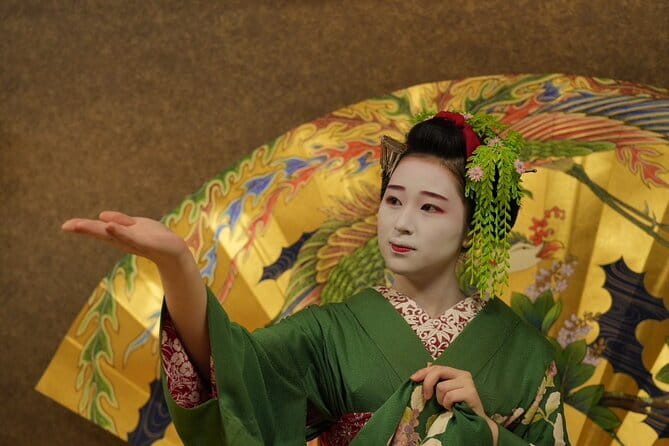
- What You Actually See: Maiko Performance and Traditional Arts
- Tea, Snacks, and Why This Part Is More Than a Break
- The Q&A With the Maiko: Getting Answers You Cannot Google
- The Traditional Game: When You Stop Being a Spectator
- Gion Walking Tour Portion: Learning How to Read the Streets
- Guide Support: English Explanation That Helps You Actually Enjoy It
- Price and Value: What $124.21 Buys You
- Who This Tour Suits Best
- Should You Book? My Take
- FAQ
- How long is the Art of Geisha show and Gion walking tour?
- How many people are in the group?
- What’s included in the tour price?
- Where is the tour starting point?
- Where does the tour end?
- What time does the tour begin?
- Do I need to bring a ticket?
- Is the tour suitable for children?
- What about cancellation?
- Is it easy to reach by public transportation?
Key points before you go
- Maximum six people means you actually hear and you actually talk
- Maiko performance with tea and snacks turns the show into a full experience, not a quick stop
- Q&A time with the apprentice gives context you will not get from passersby watching
- A traditional Japanese game lets you participate, not just watch
- Mobile ticket keeps check-in simple and low-stress
Why This Gion Maiko Show Feels Personal
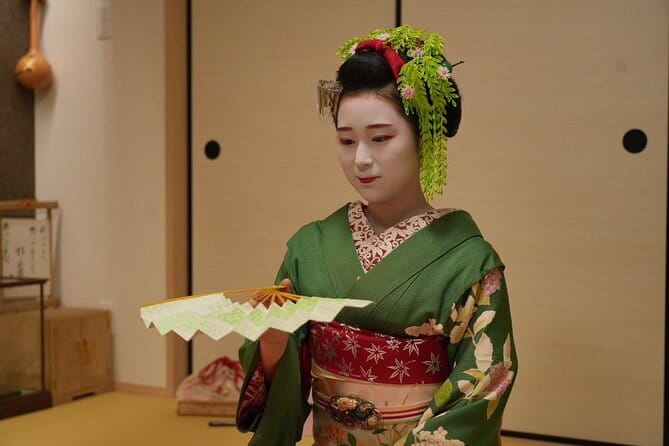
Kyoto’s Gion district is famous for geisha culture, but it is also the kind of place where the “normal” tourist approach often leads to disappointment. This tour is built around access and clarity. Instead of spending your evening trying to spot someone from across the street, you get a planned, seated experience focused on a maiko performance.
I especially like how the format keeps the conversation alive. When the group is capped at six, the guide can manage the pace, and you are more likely to get an answer to your question about training, traditional arts, or what everyday life looks like behind the scenes. And because the setting includes Japanese tea and snacks, the vibe stays respectful and unhurried, not frantic.
The show is also more than performance. The tour invites you to interact, then it hands you a chance to try your own skill during a traditional Japanese game. That hands-on moment is what turns the evening from watch-and-leave into something you can actually talk through later.
Meeting at Izumo-no-Okuni and the 3:00 pm Flow
This is a 3:00 pm start time, and the timing matters. Late afternoon into early evening is when Gion starts to feel like itself, with more people taking their time and more of the district’s character showing through in the street atmosphere.
You meet at the Statue of Izumo-no-Okuni in the Higashiyama Ward area (Kawabatacho), and the tour ends at Hangesho (535 Morishitachō), also in Higashiyama Ward. It is helpful that the meeting point is described as near public transportation, because Kyoto foot travel can add up fast when you are also trying to fit in dinner plans.
Since the total time is listed as about 1 to 2 hours, treat this as a focused block, not a half-day. If you want a full evening program in Gion, plan to pair this with something low-pressure before or after, like a stroll, a snack run, or a calm meal nearby.
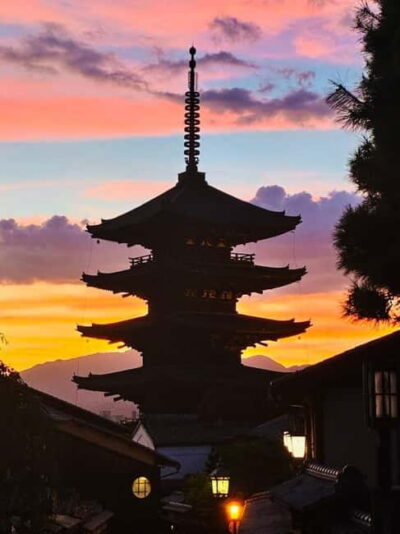
Lantern-lit streets of the geisha quarter
- Kyoto Geisha Walking Tour: Gion District & Hidden Gems
★ 4.7 · 3,273 reviews - Kyoto: Gion Magical Night Walking Tour with Geisha Trivia
★ 4.9 · 2,393 reviews - Kyoto: Gion Geisha District Walking Tour – Stories of Geisha
★ 4.7 · 2,187 reviews - Best of Kyoto: Gion, Geisha, Pagodas & Cobblestones
★ 4.9 · 2,058 reviews
What You Actually See: Maiko Performance and Traditional Arts
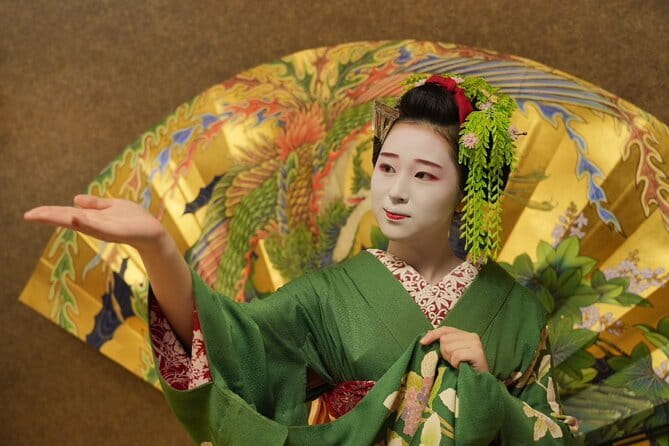
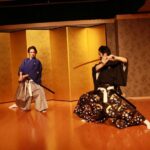
The heart of the tour is watching a geisha apprentice, a maiko, perform traditional arts. The key word here is apprentice. A maiko is trained intensively over years, and the performance gives you a sense of how much discipline goes into the movements, timing, and control.
In the format described, you watch the performance while also enjoying tea and snacks. That matters more than it sounds. Tea and snacks turn the show into a shared sitting experience, which makes it easier to stay present. It also helps you avoid the common problem where you feel rushed, hungry, or distracted while you try to take in something delicate and precise.
You should come with the expectation that this is an art-focused moment. You are not just getting a photo op. You are being guided through how to look, how to listen, and how to understand what you are seeing in a respectful way.
Tea, Snacks, and Why This Part Is More Than a Break
I’m glad this tour includes Japanese tea and snacks, because it changes how you experience the cultural moment. Food and drink are often what make an event feel like a real visit instead of a transaction.
Practically, it also helps you settle in. If you have been walking around Kyoto all day, your energy can dip right around late afternoon. Having tea and snacks during the program keeps your attention sharp for the Q&A and the interactive game, which are often the parts people remember most.
If you are the type who likes to ask questions but worries you will run out of steam, this structure helps. You can enjoy the tea, listen closely to what the guide explains, and then speak up when the conversation opens.
The Q&A With the Maiko: Getting Answers You Cannot Google
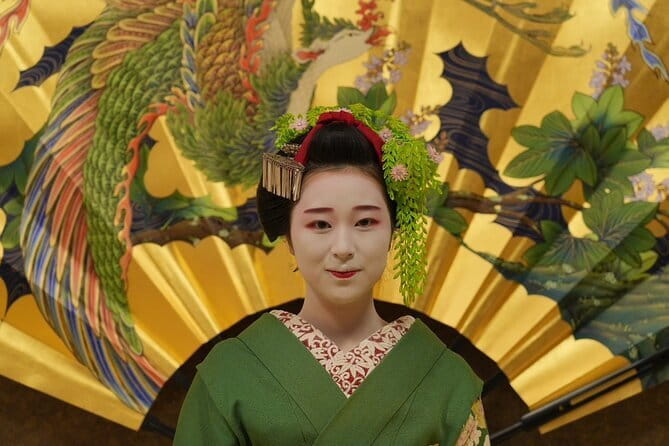
One of the best parts of this tour is the chance to chat with the maiko and ask questions. This is not a vague meet-and-greet where you ask one thing and move along. The format is set up so you get actual time for conversation, which makes it much more rewarding.
What you can ask depends on the flow of the session, but you can usually steer toward topics like the meaning behind traditional arts, what training looks like, how discipline shows up in daily routines, or how etiquette works within geisha culture. The guide, in English, is there to help you communicate and make sense of what you are hearing.
From the reviews, a recurring theme is how friendly and engaging the guides are, and how genuinely welcoming the maiko interaction can feel. That matters, because when you are stepping into a culture with rules and boundaries, you want an experience that feels calm and respectful, not forced.
The Traditional Game: When You Stop Being a Spectator
Here’s the interactive twist: you also take part in a traditional Japanese game where you challenge your own skill. Reviews specifically call out that people got to play with the maiko, and at least one person even said they managed to beat her.
Even if you do not win, the experience still makes sense. It gives you a “felt” understanding of precision and practice. It also shifts the mood from observation to participation. Instead of leaving with only images in your head, you leave with a story: how the game worked, what you struggled with, and what surprised you.
I like this kind of activity because it makes the maiko feel less like a distant performer and more like a person who shares skills. It is interactive in a way that still keeps the tone respectful.
A quieter way to spend a day in Kyoto
Gion Walking Tour Portion: Learning How to Read the Streets

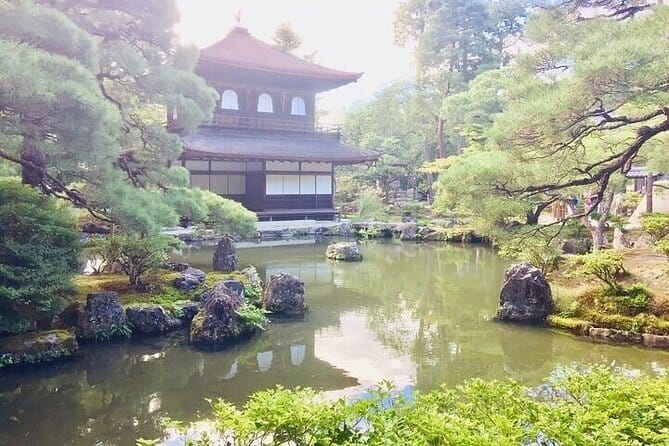
The tour also includes a walking component through Gion, with the guide explaining the district. This is not just a route. It is context. You learn what to look for and why this neighborhood matters to geisha culture.
In Gion, it is easy to get stuck in the tourist loop of staring at doorways and trying to spot someone. A guided walk changes your approach. You get a framework for what the area represents and how it connects to the arts and traditions you just watched.
You may also find it useful that the guide is described as English-speaking, with a setup that can include interpretation support. That means your questions can stay thoughtful, and you are not left guessing at the meaning behind what you see.
Guide Support: English Explanation That Helps You Actually Enjoy It
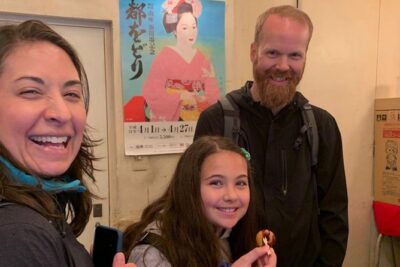
The tour includes an English-speaking guide from the provider. Reviews highlight guides like Ai and Yoshino, plus mention of a trainee named Karun in one session. The common thread across those comments is that the guides were warm, friendly, and able to explain what you are seeing in a way that makes sense during the moment, not after the fact.
Here is how you get the most value from that English support:
- Prepare 3 to 5 questions before you arrive
- Ask one “what should I notice” question, then one “how does it work” question
- If you are unsure how something works culturally, ask for the meaning behind the practice
This kind of tour is not just about the show. It is about understanding. The guide is what bridges the gap between a beautiful performance and real comprehension.
Price and Value: What $124.21 Buys You
At $124.21 per person, this is not a bargain. But it is not trying to be. You are paying for access to a close-up maiko show experience in Gion, plus tea and snacks, plus an English-speaking guide, plus a small-group cap that keeps interaction possible.
Where the value really shows up is in the combination:
- Small-group setup (max six), which makes conversation realistic
- Performance + tea and snacks, so it is a full cultural session
- Interactive Q&A and a traditional game, so you participate instead of only watch
If you have been trying to find a geisha or maiko experience in Kyoto, you know how hard it can be to find something well-run that does not feel like a scramble. This tour is priced like a premium cultural experience, and the structure supports that price with time, attention, and interaction.
One small note: the stop details list an admission ticket as free for the stop. Translation: you are not expected to buy an extra admission ticket for the included segment, and the cost is already set with the show experience in mind. Still, if you have a tight budget, it helps to double-check whether any optional add-ons exist for your specific booking.
Who This Tour Suits Best
This is a strong choice if you:
- Want a planned maiko performance instead of hoping for sightings on the street
- Like small-group experiences where you can ask questions
- Appreciate cultural context, not just entertainment
- Are traveling with a partner or friend who enjoys interactive activities
It may be less ideal if you want a long, free-form walking tour where you can spend hours wandering and shopping. Since the whole experience is about 1 to 2 hours, you should treat it as a focused evening program rather than your entire Gion itinerary.
There is also an age consideration: children under 6 and below cannot join. If you are traveling with kids, this is an important filter before you book.
Should You Book? My Take
If your goal is to see a maiko performance in Gion with tea, conversation, and participation, I think this is an excellent use of time. The small-group size is a big deal, because it turns the experience into something personal and understandable, not just something you watch from far away.
Book it if you want structure and meaning. Skip it only if you are looking for a long wander, or if you are strongly resistant to organized interaction. For most people visiting Kyoto, this is one of the cleanest ways to get the geisha world experience without the stress of trying to figure it out on your own.
FAQ
How long is the Art of Geisha show and Gion walking tour?
It’s approximately 1 to 2 hours.
How many people are in the group?
The group size is limited to a maximum of 6 travelers.
What’s included in the tour price?
Included are the geisha show, Japanese tea and snacks, and an English-speaking tour guide.
Where is the tour starting point?
The tour starts at the Statue of Izumo-no-Okuni, Kawabatacho, Higashiyama Ward, Kyoto, 605-0076, Japan.
Where does the tour end?
The tour ends at Hangesho, 535 Morishitachō, Higashiyama Ward, Kyoto, 605-0836, Japan.
What time does the tour begin?
The start time is 3:00 pm.
Do I need to bring a ticket?
You receive a mobile ticket.
Is the tour suitable for children?
Children under age 6 and below cannot join.
What about cancellation?
You can cancel for a full refund if you cancel at least 24 hours before the experience starts.
Is it easy to reach by public transportation?
The meeting point is described as near public transportation.
More Walking Tours in Kyoto

New This Season
- Koyasan Day Trip by Private Car from Kyoto
- Old Port Town and Ultimate Sake Tasting Private Tour From Kyoto
- Kyoto’s Timeless Charm: 3hr Exploration of History and Peace
- Kyoto: 5 Types of Sushi Making
- Sacred Peak & Ancient Paths: Kurama-Kibune Hiking Experience
- Kyoto: Exclusive ZEN practice at Manpukuji temple in Uji
- Kyoto: Private Seasonal Aroma Yoga Class
- Traversing Kyoto’s Scenic West – Arashiyama to Kinkakuji
Gion Geisha Quarter Walks, compared.
Kyoto Geisha Walking Tour: Gion District & Hidden Gems
Read our review →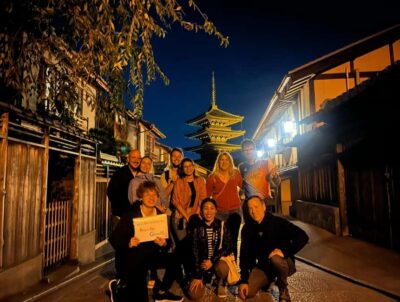
Gion Magical Night Walking Tour with Geisha Trivia
Read our review →
Gion Geisha District Walking Tour – Stories of Geisha
Read our review →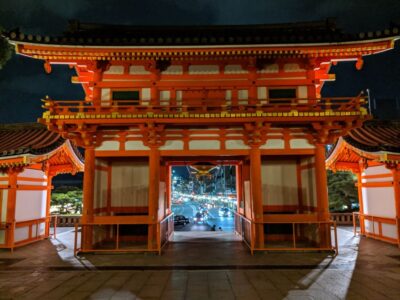
Best of Kyoto: Gion, Geisha, Pagodas & Cobblestones
Read our review →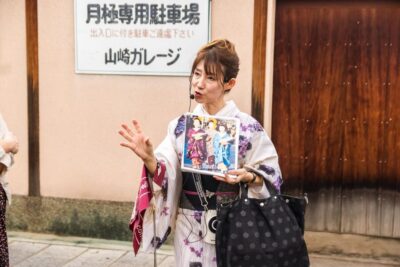

Kyoto Night Foodie Tour in Gion (9+ dishes + 6 Sake tastings)
Read our review →
Kyoto Gion Geisha District Walking Tour – The Stories of Geisha
Read our review →
Kyoto Gion: 2-Hour Geisha Culture & History Walking Tour
Read our review →Also filed under