
Reviewed · MATCHA & GREEN TEA TASTINGS
Whisk Your Own Matcha: A Zen Matcha Experience at Temple
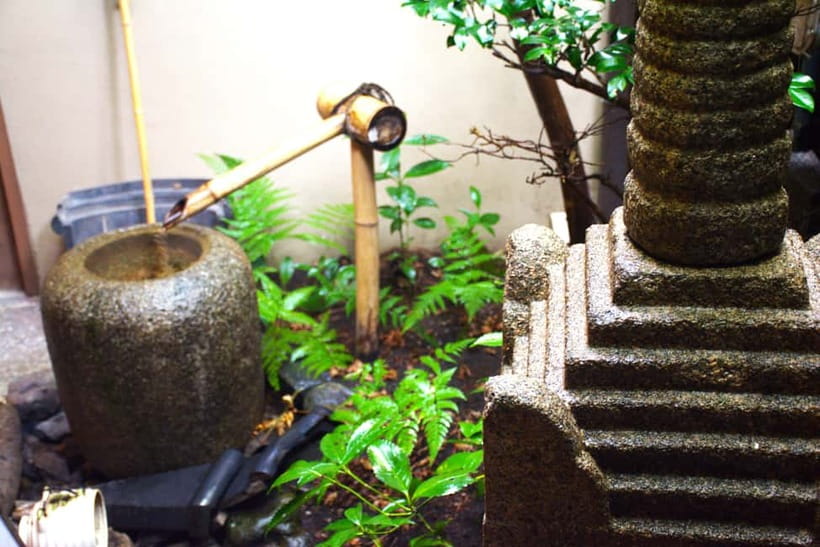
A bowl of matcha starts with your own hands. This 45-minute Zen-style experience in a Kyoto temple setting turns Japanese tea culture into something you actually do, not just watch. I love the calm, hands-on ritual, plus the chance to ask questions as you learn the meaning behind each gesture.
I especially like whisking your own matcha and tasting it right away, because the lesson becomes real in your mouth. And I like that you get a traditional Kyoto sweet alongside the tea, so the pairing feels like part of the ceremony, not an afterthought.
One consideration: wayfinding can be tricky, since the meeting place is a small temple spot and clear signage is not always obvious. I’d also treat this as a session you should confirm ahead, since one or two past participants had trouble with a no-show situation.
In This Review
- Key takeaways before you go
- A 45-minute matcha ritual in a Kyoto temple setting
- Finding Shokoji Temple near Kyoto Station (the part that can trip you up)
- What happens once you’re inside: tea history plus guided practice
- Zen meaning behind each gesture (what you’re actually learning)
- Your matcha and Kyoto sweets: what to expect on the palate
- Photo shoot included, and why that’s actually useful
- Price and value: is $32 for 45 minutes worth it?
- Best fit: who should book this, and who should skip
- The biggest risks: reliability and signage
- After the ceremony: what to do with your matcha craving
- Should you book Whisk Your Own Matcha at Temple?
- FAQ
- How long is the Whisk Your Own Matcha experience?
- How much does it cost?
- What language is the instructor?
- Where do I meet for the ceremony?
- What is included in the price?
- What is not included?
- Is it wheelchair accessible?
- Is it suitable for children?
- Is it okay if I have back problems?
- Can I cancel, and when do I need to do it?
Key takeaways before you go
- Temple calm, 45 minutes total, so you can fit it between sightseeing without burning the day.
- You whisk your own bowl, guided by an English host who explains what you are doing.
- Zen tea context, with the cultural meaning behind each step, not just instructions.
- Kyoto sweets included, so you taste the full tea-culture rhythm.
- Photo shoot included, which makes the memory easier to keep.
- Small-site logistics matter, so plan extra time to reach Shokoji Temple near Kyoto Station.
A 45-minute matcha ritual in a Kyoto temple setting
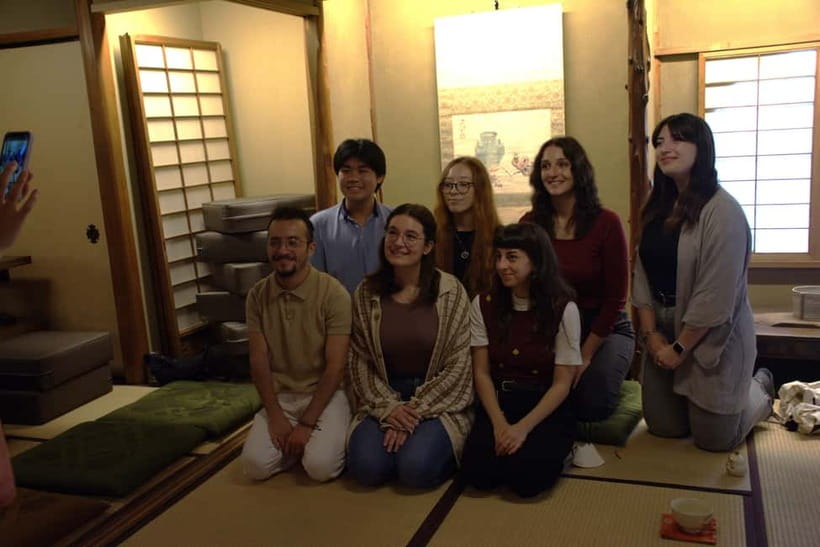
This is one of those Kyoto activities that quietly avoids the usual tourist chaos. You head into a temple setting where the pace is slower and the goal is focus. Then you spend your time on the specific actions of matcha making, guided by an English instructor.
The format works well if you want something authentic but time-efficient. At 45 minutes, it is not a long class that demands a whole morning. It is also not a quick photo stop. You get a complete arc: learn the background, practice the motion, drink and snack, then take a photo.
If you like hands-on cultural experiences, you will probably enjoy how personal it feels. You are not just observing a tea demonstration. You are the one holding the whisk and making the bowl.
Finding Shokoji Temple near Kyoto Station (the part that can trip you up)
Your meeting point is Shokoji Temple, close to Kyoto Station. Directions are straightforward on paper, but this is a small temple location, so it pays to be methodical.
Here is the route: from Kyoto Station, take the north central exit, then walk straight north along Karasuma Street for about 10 minutes. Shokoji Temple will be on your right-hand side, just past several intersections. Watch closely for the entrance sign at the temple.
My practical advice: give yourself buffer time before the start. If you arrive right on time and you are still hunting, stress will creep in. Also, keep the local contact handy. If you have trouble finding the place, you can contact by email or call 080-5259-3796.
This is especially important because you are learning mindfulness in a literal sense. You do not want your attention split between whisking matcha and trying to find the door.
Whisk your own bowl of matcha
- Kyoto: Arashiyama Bamboo Forest, Monkeys, Matcha & Temple Tour
★ 5.0 · 759 reviews - Kyoto: Tea Ceremony Meditation – Make Matcha with Tea Master
★ 4.8 · 406 reviews - Kyoto: Arashiyama Bamboo, Matcha, Monkeys & Temple Tour
★ 4.9 · 291 reviews - Kyoto: Kimono Tea Ceremony with Matcha and Sweet
★ 4.9 · 249 reviews
What happens once you’re inside: tea history plus guided practice
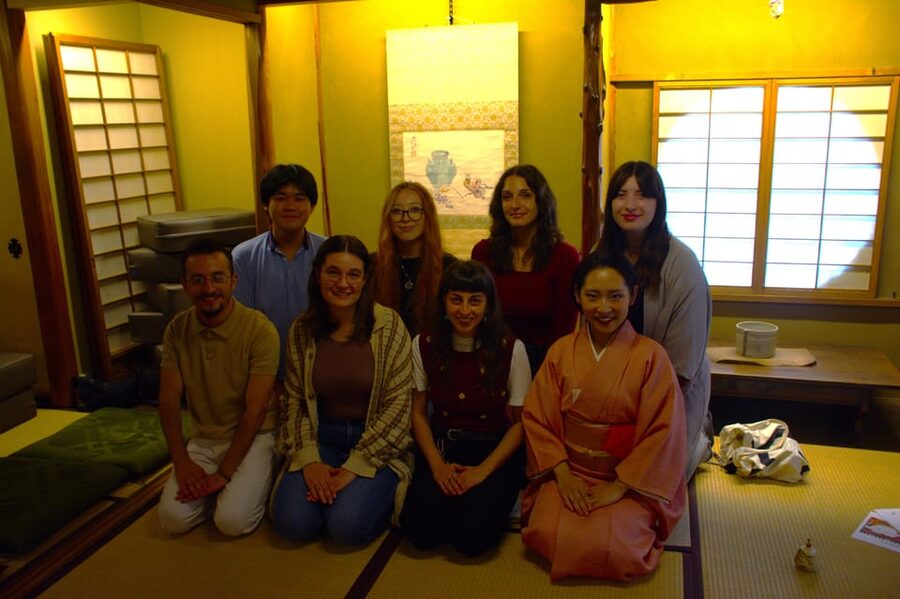
The session is built around three main parts: tea context, hands-on preparation, and tasting. You start by stepping into the serene atmosphere of the temple and settling into the rhythm of the ceremony.
A host guides you through the history of the tea ceremony and the cultural meaning behind each gesture. This matters because matcha is not just a drink in Japan. The steps you do with the tools connect to a way of thinking, often tied to Zen practice and the idea of calming the mind through careful attention.
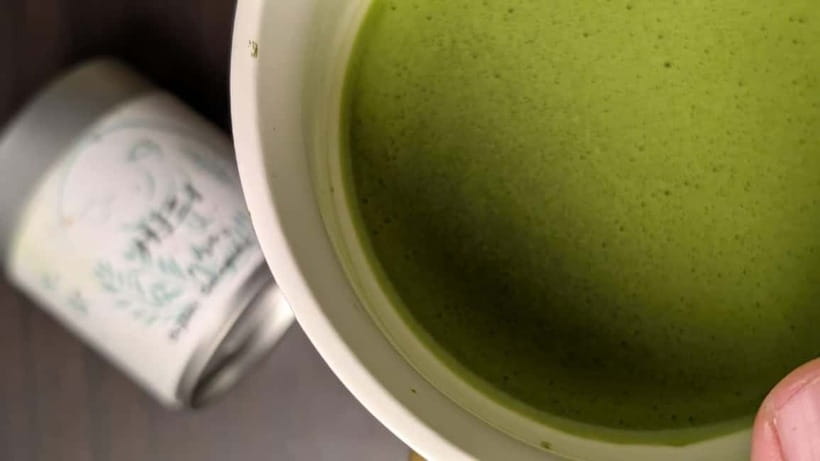
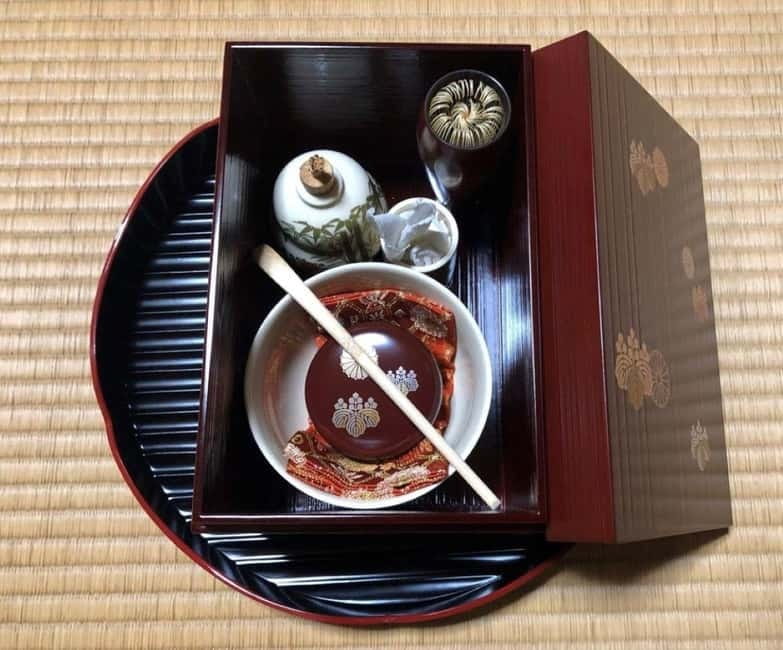
Then you move from talking to doing. You will whisk your own bowl of matcha using traditional tea tools provided for the class. The host shows you how the motion works, then you practice. The goal is not perfection. It is understanding the process well enough to enjoy it and feel the difference that technique makes.
Because the instructor speaks English, you can ask questions instead of guessing what you are seeing. And you should take advantage of that. If you are new to matcha, ask what makes matcha different from other green teas. If you are already a tea person, ask how this ceremony approach changes the taste and experience.
Zen meaning behind each gesture (what you’re actually learning)
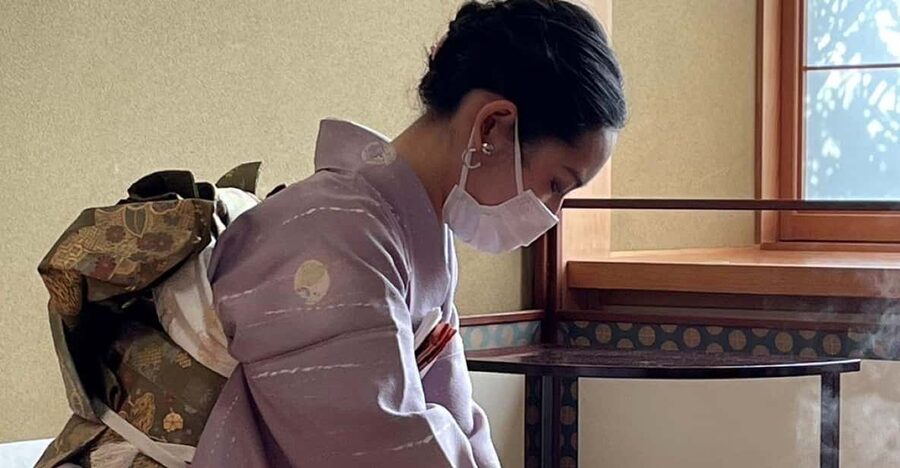
One of the best parts here is that you are not only learning steps. You are learning why those steps matter.
Japanese tea ceremony practice often links to Zen values: patience, attention, and respect. In this experience, the host connects those ideas to what you are doing during the whisking. You learn how matcha has been cherished for centuries as part of Zen practice and how the ritual is meant to bring a calming focus.
In plain terms, this is the difference between drinking matcha and experiencing a tea moment. When you understand the intent behind the motions, the ceremony becomes easier to follow and more satisfying to finish.
You also get a good reminder that tea culture is about small, repeatable actions. The whisking rhythm, the pace, and the way the session moves from preparation to tasting all contribute to that calming effect.
Your matcha and Kyoto sweets: what to expect on the palate
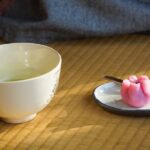
After you practice whisking, you savor the results. Tea is included, and so is a traditional Kyoto sweet.
This pairing is more than convenience. In a tea setting, sweets often help balance bitterness and create a gentler start before the main drink, or they offer a contrast that makes the matcha more distinct. Kyoto sweets are especially good for this, since many are designed to be modest and refined rather than overly sweet.
My suggestion: take a small moment before the first sip. Let the aroma land. Matcha tends to feel earthy and grassy depending on the grind and preparation. If you rush, you miss the sensory details the ritual is trying to slow you down to notice.
If you are the kind of person who usually orders dessert first, try switching your order here. Eat the sweet, then sip carefully. Or do it the other way around if your host recommends it. Either way, you get a full tasting arc in one session.
Photo shoot included, and why that’s actually useful
This experience includes a photo shoot. It is not just a casual “hold your phone” moment.
Why I like this for tea ceremonies: it removes decision-making. If you try to take your own photos while learning a ritual, you end up doing neither well. With a photo included, you can focus on the moment. Then later you have a visual memory of you doing the whisking, not just standing nearby.
It also helps because matcha experiences can look deceptively simple from the outside. A good photo captures the tools, your position, and the serious calm of the setting, so you remember it accurately.
More rooftops worth a detour
Price and value: is $32 for 45 minutes worth it?
The price is listed as $32 per person, and the duration is 45 minutes. On the face of it, that is not cheap like a street-food snack. But for a temple-based, guided, hands-on cultural activity, it is pretty fair.
Here is what you are paying for:
- Instruction in English
- Your own guided whisking practice
- Tea included
- A traditional Kyoto sweet included
- A photo shoot included
If you compare it to the cost of buying matcha and sweets plus paying for a guided experience, the pricing starts to make sense. You get more than consumption. You get the cultural meaning and a guided technique you can carry forward.
My take: if you enjoy learning by doing and you like calm, structured experiences, this is good value. If you only want a quick tasting with no interest in the ceremony side, you may feel like it is longer than you expected for the money.
Best fit: who should book this, and who should skip
This experience is marked as not suitable for children under 10. Also, people with back problems should avoid it. That likely relates to how you sit and move during the ceremony.
You should also note that alcohol and drugs are not allowed, and party groups are not permitted. That fits with the temple setting. Expect a focused atmosphere rather than a party vibe.
Wheelchair accessibility is listed as available, which is a plus if you need step-free access or assistance planning. If you have mobility needs, it is still wise to contact the provider in advance so you know what the space setup will be like for your comfort.
In terms of your interests, this suits you best if:
- You want a short, meaningful cultural activity in Kyoto
- You like guided explanations and hands-on practice
- You enjoy tea tasting more than souvenir shopping
If you want a big museum-style lecture or a nonstop sightseeing day, this will feel too calm. But if you want something that slows your trip down, it fits Kyoto like a glove.
The biggest risks: reliability and signage
The highest praise you will hear from people who enjoy this kind of thing usually points to warmth and good instruction. When the host is the right fit, it becomes a cozy, private-feeling ceremony where you can ask questions and actually understand what is happening.
But the weak points also show up in real-world details.
First, wayfinding. The meeting point is a small temple, and signage may not be obvious. If you hate stress, arrive early and use the contact number if needed.
Second, reliability. One past participant reported a guide never showed up due to being out of the country. That is not something you can ignore as a traveler. The best fix is simple: confirm your details shortly before the session and be ready to act quickly if something looks off.
I cannot promise every session runs perfectly. But you can stack the odds in your favor by planning extra time and keeping the contact method ready.
After the ceremony: what to do with your matcha craving
Kyoto is full of matcha stops, so after this you might want to keep sampling. A practical local tip that came up is the Grapevine Cafe near Ichinen-Zaka Street and Ninen-Zaka Path. The hint is to look for grapevine at the top of the cafe, and you may need to knock to enter.
This is optional, but it is the kind of follow-on that makes your matcha experience last longer than 45 minutes. You can also use what you learned in the ceremony to compare flavors. Pay attention to bitterness, sweetness, and the overall texture after whisking.
If you do go, keep it relaxed. Matcha culture is best when you are not rushing between places.
Should you book Whisk Your Own Matcha at Temple?
I think you should book this if you want a short, calm, hands-on Kyoto experience. You get guided whisking, an explanation of Zen-linked tea meaning, tea plus a traditional Kyoto sweet, and a photo shoot. For $32 and 45 minutes, it is a strong fit for travelers who like doing the activity, not just watching it.
Skip it or be extra cautious if you rely on perfect timekeeping and you hate uncertainty around meeting points. This is a small temple location, and clear signage may not always help you. Also, because you are doing a ceremony that is not suitable for kids under 10 and not recommended for back problems, make sure it fits your physical comfort.
If you do book, my best advice is simple:
- arrive with extra time to find Shokoji Temple
- keep the contact number ready
- come ready to slow down and enjoy the ritual
If that sounds like your pace, you will likely leave with more than a cup of matcha. You’ll leave with a small, practical piece of Japanese culture you can repeat and explain at home.
FAQ
How long is the Whisk Your Own Matcha experience?
It lasts 45 minutes.
How much does it cost?
It costs $32 per person.
What language is the instructor?
The instructor speaks English.
Where do I meet for the ceremony?
Meet at Shokoji Temple. From Kyoto Station, take the north central exit, walk straight north along Karasuma Street for about 10 minutes, and Shokoji Temple will be on your right, just past several intersections.
What is included in the price?
Tea, a traditional Kyoto sweet, and a photo shoot are included.
What is not included?
Transportation costs to the location and tip are not included.
Is it wheelchair accessible?
Yes, wheelchair accessibility is listed.
Is it suitable for children?
No, it is not suitable for children under 10.
Is it okay if I have back problems?
No, it is not suitable for people with back problems.
Can I cancel, and when do I need to do it?
Free cancellation is available up to 24 hours in advance for a full refund.
New This Season
- Koyasan Day Trip by Private Car from Kyoto
- Old Port Town and Ultimate Sake Tasting Private Tour From Kyoto
- Kyoto’s Timeless Charm: 3hr Exploration of History and Peace
- Kyoto: 5 Types of Sushi Making
- Sacred Peak & Ancient Paths: Kurama-Kibune Hiking Experience
- Kyoto: Exclusive ZEN practice at Manpukuji temple in Uji
- Kyoto: Private Seasonal Aroma Yoga Class
- Traversing Kyoto’s Scenic West – Arashiyama to Kinkakuji
Matcha & Green Tea Tastings, compared.
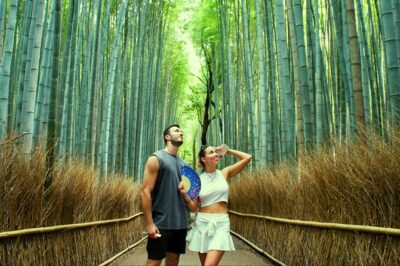
Arashiyama Bamboo Forest, Monkeys, Matcha & Temple Tour
Read our review →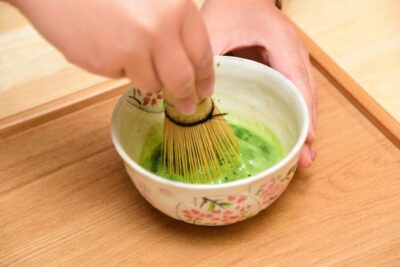
Tea Museum Tickets and Matcha Grinding Experience
Read our review →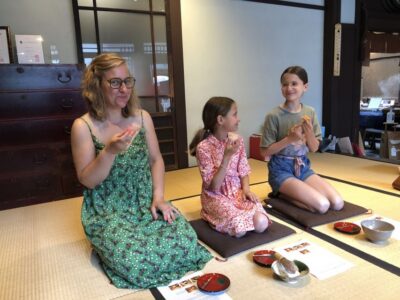
Tea Ceremony Meditation – Make Matcha with Tea Master
Read our review →Arashiyama Bamboo, Matcha, Monkeys & Temple Tour
Read our review →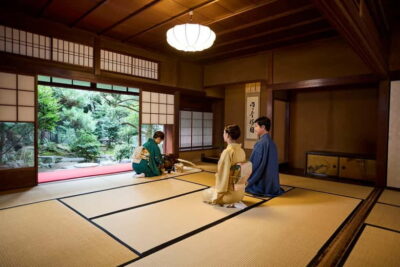

Arashiyama Bamboo, Temple, Matcha, Monkeys & secret spots
Read our review →
Green Tea Tour with Byodoin and Koshoji Temple Visits
Read our review →Also filed under