
Reviewed · MATCHA & GREEN TEA TASTINGS
160 year old Building Tour with Matcha and Kimono
Kyoto can feel like a museum from the outside. Step into a 160-year-old teahouse-style machiya and it turns real fast. I like that this visit keeps your time practical, with narrow hallways, sliding doors, and the kind of architecture you cannot fake with photos.
Two things I especially like: you get a real matcha break while you sit in tatami rooms, and you can choose between kimono looks, including princess-style or samurai-style options. One drawback to consider up front: this is a building walk plus matcha, not a full formal tea ceremony, so if that is what you are craving, you may feel mismatched.
In This Review
- Key things you should know before you go
- Miyagawacho Kaburenjo (Mai Hall): why this 160-year-old machiya matters
- The matcha break: antique bowls, sweets, and realistic expectations
- Kimono choice in Kyoto: princess-style or samurai-style looks
- Walking the hidden parts: corridors, stairs, and manual elevators
- The third-floor photo room and street views in Miyagawa-cho
- Price and time: $14.26 for a short architecture plus matcha visit
- Logistics that actually affect your day
- Who this tour suits best, and who should rethink it
- Should you book this Kyoto building tour with kimono and matcha?
- FAQ
- What is included in the tour besides the building visit?
- Do I get to choose my kimono style?
- Is this a full tea ceremony experience?
- How long does the tour take?
- Where does the tour meet, and where does it end?
- How many people are on the tour?
Key things you should know before you go
- Miyagawacho Kaburenjo (Mai Hall) is the star, and it is a rare example of teahouse-built machiya architecture
- You can see hidden staircases and manual elevators inside sliding doors, a very Kyoto detail
- Kimono choice lets you pick either princess-style looks or samurai-style looks (your options are limited)
- You get matcha in an antique bowl plus some sweets, served during the visit
- The pace is short, about 20 to 30 minutes, so come ready to move
Miyagawacho Kaburenjo (Mai Hall): why this 160-year-old machiya matters
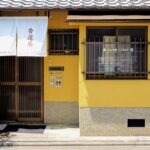
This tour is centered on one place, a traditional machiya-style building in Miyagawacho: Miyagawacho Kaburenjo (Mai Hall). The value here is not a checklist of sights. It is the experience of understanding how a teahouse-like home was built, used, and physically connected inside.
In Kyoto, a machiya is already a specific kind of town house. But this one leans into the teahouse side, meaning the layout feels designed for small moments: greeting spaces, quiet rooms, and controlled movement through corridors and stairs. You get to walk those passages instead of staring from outside a fence.
One detail I found helpful for setting expectations is that the architecture is the point. The tour focuses on the building’s features, like how sliding doors are used and how different levels are connected. That is what makes this short visit feel more meaningful than a generic walk-and-look.
Also, the group size is capped at up to 6 people. That matters because a small group can move at the same tempo without turning into a crowd scene.
The matcha break: antique bowls, sweets, and realistic expectations
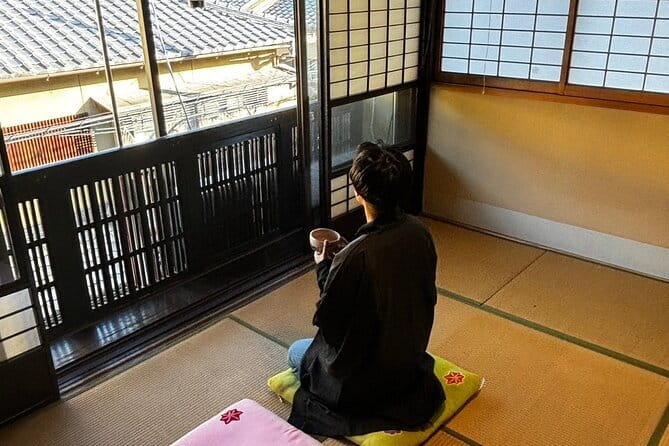
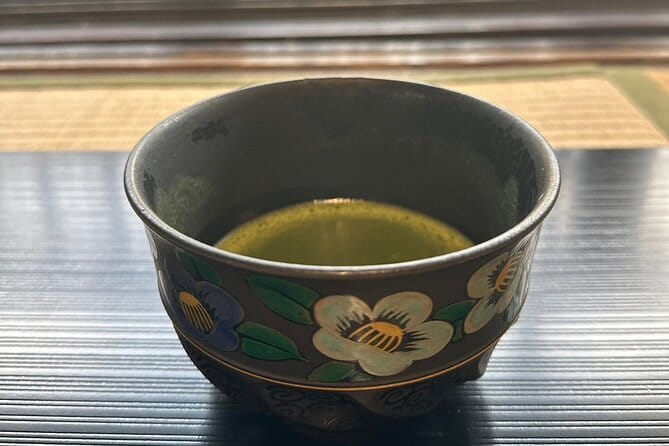
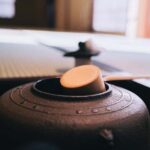
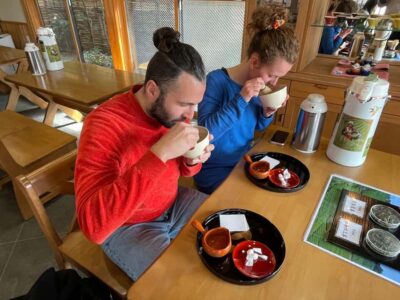
You will drink matcha during the visit, and it is served in an antique bowl. That single detail is why the matcha portion feels more like Kyoto culture and less like a roadside snack. The bowl is part of the experience, and it sets the tone the moment you are seated.
Sweets are included too. The tour describes some original sweets, so you are not stuck eating the most generic thing on the menu. You also get matcha in a tatami room, which helps you slow down for a moment, even though the entire tour is only about 20 to 30 minutes.
Now the honest bit: this is not presented as a full tea ceremony performance. The operator explicitly frames it as a building tour with matcha and kimono, not a formal ceremony with extended explanations and ritual. If your idea of matcha in Kyoto requires a long, step-by-step ceremony with detailed instruction, I would steer you toward a different kind of class-style experience.
If, instead, you want something shorter, atmospheric, and built around the building itself, the matcha stop fits well.
Whisk your own bowl of matcha
- Kyoto: Arashiyama Bamboo Forest, Monkeys, Matcha & Temple Tour
★ 5.0 · 759 reviews - Kyoto: Tea Ceremony Meditation – Make Matcha with Tea Master
★ 4.8 · 406 reviews - Kyoto: Arashiyama Bamboo, Matcha, Monkeys & Temple Tour
★ 4.9 · 291 reviews - Kyoto: Kimono Tea Ceremony with Matcha and Sweet
★ 4.9 · 249 reviews
Kimono choice in Kyoto: princess-style or samurai-style looks
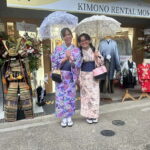
One of the most tangible parts of this tour is the kimono. You can choose from a set of options: six princess-style looks or two samurai-style looks. That choice can matter more than people expect, especially for photos.
If you pick a princess-style kimono, you are likely going for a softer, more traditional look often associated with formal, elegant geisha-era fashion. If you pick samurai-style, the vibe shifts toward strong, structured design themes. Either way, you are getting dressed for the building, not just for a photo and off you go.
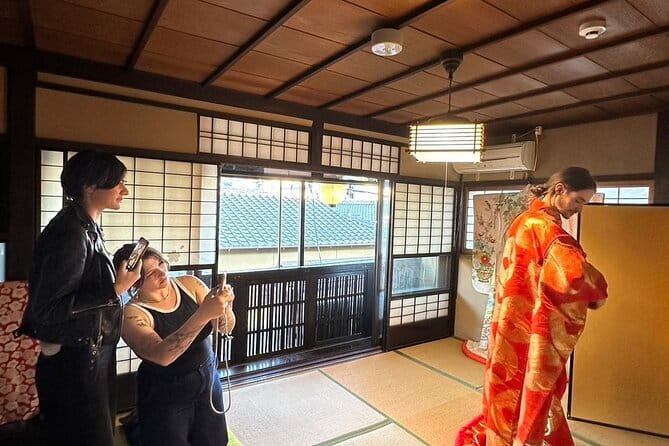
The tour also includes a photo shoot in uchikake (a special kimono outer style) in a room on the third floor. That means the kimono is not only for wearing. It becomes part of how you experience the building. You are positioned in a space where the streets of Miyagawa-cho are visible from above, so your photos are layered with Kyoto context instead of standing in a blank room.
Two practical tips for you:
- Wear shoes you can slip into and out of quickly. Even if you do not think you will need it, narrow interiors make footwork matter.
- Decide your kimono style based on how you like photos, not just what sounds cool. In small rooms and stair angles, different colors and patterns photograph differently.
Walking the hidden parts: corridors, stairs, and manual elevators
This is the main “wow” of the tour. You are not only shown rooms. You walk through them, including narrow corridors and a hidden staircase.
In Kyoto, many traditional homes are designed around controlling space, privacy, and flow. When you are walking these hallways, you understand that the architecture was built to manage movement. The corridors feel tight by modern standards, and that is part of the charm. It forces you to slow down and pay attention to the structure.
The tour also highlights something specific and unusual: manual elevators in the sliding doors. Yes, truly manual. You will see how the building uses sliding door mechanisms in a way that feels functional and architectural at the same time.
That matters for your experience. If you like details, you will probably spend extra moments looking at how the doors and openings are engineered. If you do not care about mechanisms, it still helps you appreciate why this building is rare among machiya examples that people commonly encounter.
The staircase and the level changes also influence your comfort. This tour lasts only 20 to 30 minutes, but it still includes moving between levels. If you have mobility limits, it is worth asking in advance how much stair movement is involved for your specific route.
The third-floor photo room and street views in Miyagawa-cho
On the third floor, there is a room that looks out over the streets of Miyagawa-cho. That is where the kimono photo shoot happens, including the uchikake styling option or the samurai-style kimono experience.
Why this matters: Kyoto photos often fail because you only capture interiors. Here, you get a built-in frame. Your kimono sits against a view of the neighborhood streets, and that helps your photos feel like they belong to Kyoto, not just to a dressing room.
Also, third-floor spaces in older buildings can have different light angles. Indoors, the light can be softer; near windows, you get more contrast. If you care about photos, this is the part where you can ask yourself if you want more posed shots or more candid ones.
Small note from a reality check standpoint. If you are expecting a long, staged experience with lots of explanation, the short tour length means the photo moment may be quick. You should treat it like a highlight, not a full production.
Price and time: $14.26 for a short architecture plus matcha visit
At $14.26 per person, you are not paying for an all-day cultural class. You are paying for a compact package: building walk, kimono selection, matcha with sweets, and a photo shoot moment.
In value terms, here is what I think you are buying:
- Access to a specific private-feeling architecture that you can walk through
- A kimono that changes the whole tone of the visit
- Matcha served during the building experience, not as an afterthought
For some people, the idea of kimono for this price sounds too good to be true. Sometimes it is. The deciding factor is your expectations. If you expect a long, highly choreographed tea ceremony, you will likely feel disappointed. If you are happy with a short, well-framed building encounter, you may feel like this is a smart use of limited time.
The tour duration is about 20 to 30 minutes. That is great if you are building your day around Kyoto highlights and you want a cultural stop that does not steal half your afternoon. It also helps if you do not want to sit through a long program.
If you plan your day, pair it with nearby Miyagawacho streets. That neighborhood is best when you keep moving, with breaks for snacks and photos.
Walk the old streets in kimono
Logistics that actually affect your day
This tour uses a mobile ticket, and the meeting point is listed at Sawai4-chōme-320 Miyagawasuji, Higashiyama Ward, Kyoto, 605-0801, Japan. The tour ends back at the meeting point.
It is described as near public transportation, so you should be able to reach it without complicated last-mile travel. Still, Kyoto streets are easy to misread if you rely only on intuition. I recommend you leave yourself a few minutes buffer and check your map location carefully before you arrive.
The group cap at 6 travelers also affects logistics. Fewer people usually means less time waiting around. But it can also mean the start time feels real. If you are late, you might not get the same smooth experience.
Language can be a wildcard with any small tour. One past experience described limited English. So if you want deep explanations, go in knowing that the main value is the building itself. You can still enjoy a lot through visuals, but the level of interpretation may vary.
Who this tour suits best, and who should rethink it
This works best for you if:
- You love architecture and want to see how a teahouse-style machiya is physically set up
- You want kimono for photos, but you do not need a full-day dressing experience
- You want matcha in tatami rooms and like the idea of an antique bowl setting
It may not be the best fit if:
- You want a long, formal tea ceremony with detailed instruction and ritual flow
- You are traveling only for an extended storytelling experience, not a quick building walk
- You have mobility constraints that make stairs a concern, since the route includes a hidden staircase and movement between levels
The tone here is more practical than performance-heavy. That is not a flaw. It just means you should pick this tour for what it is: architecture plus kimono plus matcha, in a tight time window.
Should you book this Kyoto building tour with kimono and matcha?
I would book it if your goal is a compact, photo-friendly, architecture-forward experience in Miyagawacho. The reasons are simple. You get Miyagawacho Kaburenjo (Mai Hall), you walk through distinctive parts of the building like the hidden staircase and the manual elevator inside sliding doors, and you finish with matcha in tatami plus sweets.
I would hesitate if your main goal is a full tea ceremony. This one is positioned as matcha and sweets as part of a building visit, not a ceremony program. Also, if you need extensive English explanations to feel satisfied, you should assume the tour may be light on that and lean on the visuals.
If you do book, here is how to make it feel worth it:
- Treat it like a short architecture tour with style, not a long cultural lecture
- Choose your kimono based on the look you want in photos
- Plan around the 20 to 30 minute duration so you are not rushing before or after
If that matches your vibe, this is a strong value pick for seeing a rare Kyoto interior, not just photographing it from outside.
FAQ
What is included in the tour besides the building visit?
You will tour the traditional machiya building, choose kimono to wear, enjoy matcha served in an antique bowl, and receive some sweets. A photo shoot experience is also included in a room on the third floor.
Do I get to choose my kimono style?
Yes. You can choose from six princess-style kimono options or two samurai-style kimono options.
Is this a full tea ceremony experience?
The tour is described as a building tour with matcha and kimono. It is not presented as offering a matcha ceremony.
How long does the tour take?
The duration is about 20 to 30 minutes.
Where does the tour meet, and where does it end?
The meeting point is Sawai4-chōme-320 Miyagawasuji, Higashiyama Ward, Kyoto, 605-0801, Japan. The tour ends back at the meeting point.
How many people are on the tour?
The maximum group size is 6 travelers. A mobile ticket is used, and you receive confirmation at booking.
New This Season
- Koyasan Day Trip by Private Car from Kyoto
- Old Port Town and Ultimate Sake Tasting Private Tour From Kyoto
- Kyoto’s Timeless Charm: 3hr Exploration of History and Peace
- Kyoto: 5 Types of Sushi Making
- Sacred Peak & Ancient Paths: Kurama-Kibune Hiking Experience
- Kyoto: Exclusive ZEN practice at Manpukuji temple in Uji
- Kyoto: Private Seasonal Aroma Yoga Class
- Traversing Kyoto’s Scenic West – Arashiyama to Kinkakuji
Matcha & Green Tea Tastings, compared.
Arashiyama Bamboo Forest, Monkeys, Matcha & Temple Tour
Read our review →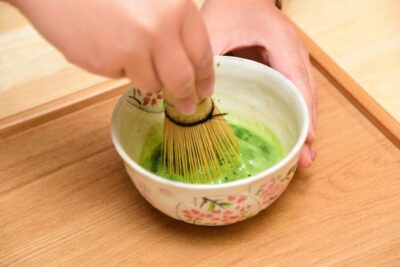
Tea Museum Tickets and Matcha Grinding Experience
Read our review →
Tea Ceremony Meditation – Make Matcha with Tea Master
Read our review →Arashiyama Bamboo, Matcha, Monkeys & Temple Tour
Read our review →

Arashiyama Bamboo, Temple, Matcha, Monkeys & secret spots
Read our review →
Green Tea Tour with Byodoin and Koshoji Temple Visits
Read our review →Also filed under