
Reviewed · ARASHIYAMA BAMBOO FOREST WALKS
Arashiyama from Kyoto: Private & Personalized with a Local Guide
Arashiyama feels like a secret garden. This private, personalized walking tour in Kyoto pairs the famous bamboo area with quieter temple lanes and viewpoints, guided by a local person. It also bundles admission tickets to major sights, plus Monkey Park Iwatayama and Okochi Sanso Villa, so your time stays on walking and looking, not ticket lines.
I especially like how the day is shaped around your interests through a pre-tour questionnaire and direct back-and-forth with your guide. I also love the temple mix, from the UNESCO-listed Tenryu-ji area to stops that feel a little odd in a good way, like the 1,200 rakan statues at Otagi Nenbutsu-ji.
One real consideration: this is a walking tour with steep hills, and the monkey park climb is the kind that tests your calves. If you’re even mildly worried about walking, plan to take breaks and wear shoes you trust.
In This Review
- Key points at a glance
- Private Arashiyama in real life: bamboo, temples, and viewpoints
- Where you start (and why Mister Donut matters)
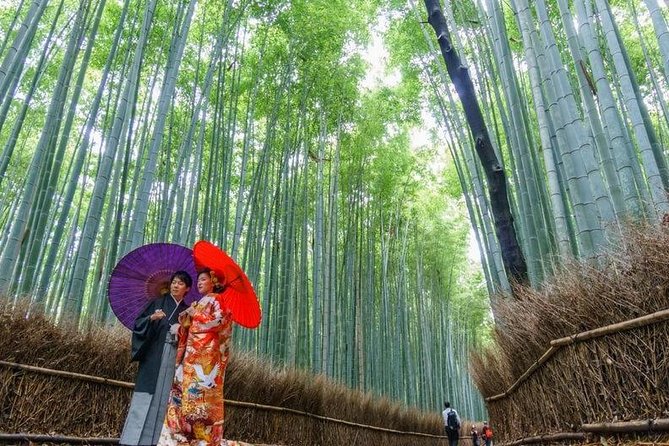
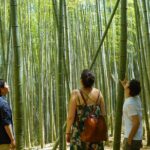
- The bamboo grove: pretty, crowded, and best handled with a plan
- Tenryu-ji and the Zen-temple calm you can feel in your feet
- The temple circuit: how the four-of-five choice shapes your day
- Jojakko-ji moss gardens and the 12-meter pagoda view
- Monkey Park Iwatayama: macaques, steep steps, and big payoffs
- Okochi Sanso Villa: the former imperial vibe plus pond serenity
- Gio-ji and Daikaku-ji: what you should expect from the remaining temple choices
- Pace, photos, and the guide skill that people rave about
- Price and value: why $288 per person can make sense here
- What to wear and bring for a hill-heavy day
- Who this tour is best for
- Should you book this Arashiyama private tour?
- FAQ
- How long is the Arashiyama private walking tour?
- Is this tour private?
- Where do we meet the guide?
- What is included in the price?
- Which temples are included?
- Is food included?
- Do I need to pay for transportation during the tour?
- Can I choose the departure time?
- Do you get a questionnaire before the tour?
- What is the cancellation policy?
Key points at a glance
- Private guide, tailored route: you share your must-sees and preferences ahead of time, then your host plans the pacing.
- Multiple admissions included: tickets cover four temples, plus Okochi Sanso Villa and Monkey Park Iwatayama.
- Bamboo Grove without the guesswork: you get guidance on when and where to walk through the bamboo area.
- Temple variety that changes your mood: Zen calm at Tenryu-ji, then quirky stops like Otagi Nenbutsu-ji’s 1,200 rakan statues.
- Monkey Park Iwatayama is a workout: expect a steep climb for the payoff views over Arashiyama.
- Flexibility when plans shift: some guides have adapted routes when weather changes, so the day still feels satisfying.
Private Arashiyama in real life: bamboo, temples, and viewpoints
This is a classic Arashiyama “great day out” plan, but with two smart twists. First, it’s private and guided, so you are not just shuffling with a crowd. Second, it folds in admissions and key sights, meaning your 6 hours are spent in the places that actually matter in Arashiyama.
The area itself sits at the foothills of the Arashiyama Mountains, so even the short distances can feel like a scenic hike. You move through preserved temple grounds, side streets, and hillside viewpoints, with the bamboo grove acting like a centerpiece rather than the entire show. If you want Arashiyama to feel like a story, not a checklist, this format helps.
Where you start (and why Mister Donut matters)
You meet at Mister Donut in the JR Kyoto Station Building (Shop901, Higashishiokōjichō). The tour ends back at the meeting point, which makes planning the rest of your day simpler.
Pickup is offered, but it’s not guaranteed in every situation, so it’s worth confirming what works for your hotel. Either way, you’ll be primarily walking. Public transportation may be used between sites, and if taxis are discussed, any costs can be handled with your host after booking.
Practical note: JR Kyoto Station is a busy place. If your goal is a calm start, arrive a few minutes early so you can settle before you head into the neighborhoods.
Green light through a bamboo grove
- Kyoto: Fushimi Inari, Kinkakuji, Bamboo Grove 1 Day Bus Tour
★ 4.8 · 4,316 reviews - Osaka/Kyoto:Kinkakuji,Arashiyama,FushimiInariShrine,NaraPark
★ 4.1 · 1,596 reviews - Kyoto/Osaka: Nara, Fushimi Inari Taisha, Arashiyama Bus Tour
★ 4.7 · 1,275 reviews - Kyoto Arashiyama Walking Tour: Bamboo, Monkeys, Gardens & Secrets
★ 5.0 · 1,216 reviews
The bamboo grove: pretty, crowded, and best handled with a plan
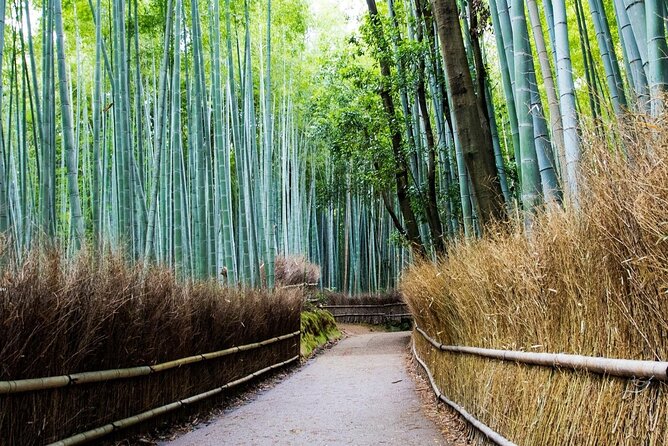
Let’s be honest. The bamboo grove is famous for a reason, but it can also be packed. This tour is set up so the guide can help you navigate the day so it feels less chaotic than trying to do everything alone.
You’ll be walking through the bamboo area as part of the route, then moving outward to temples and hillside stops. That sequencing matters. If you focus too long on the bamboo grove, you risk the day feeling like one long crowd-walk. Here, the bamboo tends to be one chapter, not the whole book.
Also, if weather turns rainy, you may not be stuck in “bamboo no matter what” mode. There are examples of guides adjusting on the fly, steering people toward less crowded shrines and historic spots when conditions aren’t ideal. That flexibility is one of the main reasons a private guide is worth paying for.
Tenryu-ji and the Zen-temple calm you can feel in your feet
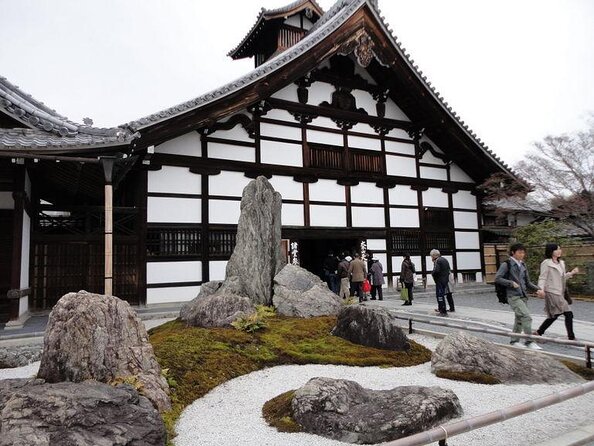
Tenryu-ji is one of the five great Zen temples in Kyoto and is part of what makes this tour feel like more than just scenery. When you visit, you’re not just looking at buildings. You’re stepping into a slower rhythm where the site design encourages quiet walking and watching.
Tenryu-ji’s included stop anchors the “major temples” portion of the day. After that, your guide’s choices help you swing between different vibes, from formal Zen atmosphere to more surprising temple experiences farther out.
If you have questions, you’ll get real answers during the walk. In feedback about this tour, guides repeatedly get praised for connecting what you see with how Japanese Buddhist spaces are meant to be experienced, not just memorized.
The temple circuit: how the four-of-five choice shapes your day
The tour includes tickets for four of these five major temples:
- Tenryu-ji
- Jojakko-ji
- Gio-ji
- Otagi Nenbutsu-ji
- Daikaku-ji
Which four you get depends on your plan. That choice can be great because it lets your guide steer you toward what fits your style. Want more Zen structure and garden time? Lean toward Tenryu-ji and the related stops. Want a temple that looks odd in the best possible way? Push toward Otagi Nenbutsu-ji.
Otagi Nenbutsu-ji is the standout quirky stop on this route, famous for its collection of over 1,200 rakan statues, each with a distinct expression. It’s the kind of place that resets your brain after the bamboo buzz. You go from “wow, nature” to “wow, human creativity and devotion.”
Jojakko-ji moss gardens and the 12-meter pagoda view
One of the itinerary highlights is Jojakko-ji, described as a quiet temple on Ogura Mountain’s slopes, known for moss gardens. The route also includes the site’s 12-meter pagoda, which is your excuse to stop, look out, and realize Arashiyama is built on layers.
This stop is valuable because it adds a hillside perspective to the day. Bamboo can feel like a tunnel of green, but Jojakko-ji helps you see the geography, the way the hills fold into Kyoto’s broader city. In practical terms, it’s also a good pacing point. You can take in views and slow down your walking for a bit.
A quieter way to spend a day in Kyoto

Monkey Park Iwatayama: macaques, steep steps, and big payoffs
If there’s one part that can make or break your comfort level, it’s the monkey park. The route includes Monkey Park Iwatayama, where Japanese macaques roam in their natural habitat.
What you get here is not just monkeys as a photo moment. You get the sensation of being in their environment, with people observing from paths built for visitors. It also becomes a highlight for families, and guides have been praised for spending extra time here when kids need it, or for helping guests enjoy the experience without rushing.
The caution is the climb. Multiple people note that the ascent is steep, and it can feel like a big uphill haul. If you’re traveling with kids, seniors, or anyone who has walking limits, this is where you plan breaks. Bring water, go slow, and don’t treat it like a speed run.
Okochi Sanso Villa: the former imperial vibe plus pond serenity
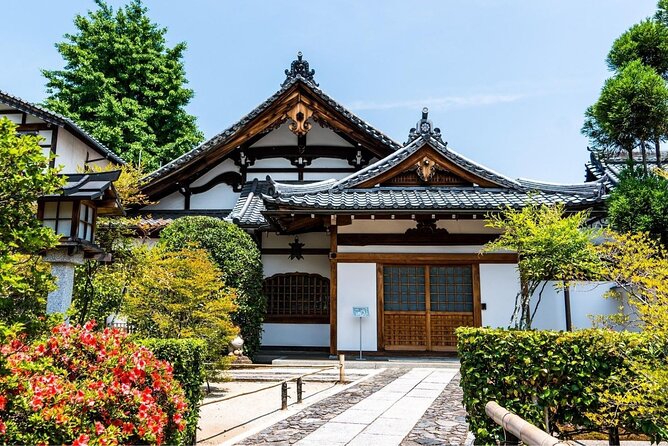
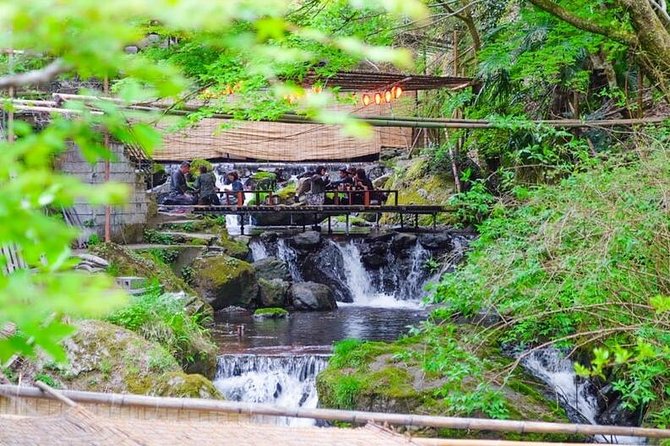
Another major included stop is Okochi Sanso Villa, listed as a traditional Japanese home and garden with national cultural property status. It’s often a relief after the uphill exertion, because gardens give your legs a chance to reset while your eyes keep working.
The villa is also described as a former imperial villa that later became part of cultural history. Your guide can explain its connection to The Tale of Genji, Japan’s first novel, with scenes set here. Even if you do not know the story, the site context helps you understand why people consider it special.
In short, this stop balances the day. Tenryu-ji gives you formal temple calm. Okochi Sanso gives you a more intimate, garden-focused calm.
Gio-ji and Daikaku-ji: what you should expect from the remaining temple choices
Not every version of this day uses the same four temples, and Gio-ji and Daikaku-ji are included options. Even without assuming exact details beyond what’s listed, you can expect them to keep the tour grounded in Arashiyama’s temple culture.
This matters because the walking tour is not just about “looking at famous things.” It’s about moving through the kind of spaces that make Kyoto feel different from other cities. When you get your final itinerary, your guide’s plan should help you decide whether to prioritize gardens, views, or the more unusual statue and hillside experiences.
Pace, photos, and the guide skill that people rave about
The thing that shows up again and again in feedback is the guiding style. People talk about guides being flexible, friendly, and practical, especially when circumstances change.
Here are the patterns you should care about:
- Guides have adjusted when it rains, skipping bamboo and redirecting people to other quieter shrines and historic spots.
- Guides have supported families, including spending more time at Monkey Park Iwatayama when kids needed it.
- Guides have helped with accessibility needs at a human level, like accommodating someone with a sprained ankle.
- Guides have offered photo help so you get real family shots, not just a blur from someone holding your phone.
Names that come up in examples include Vanessa, Alex, Ada, Hide, Jose, Fatima, Mi A, Masaya, Milos, Dairyn, Brenda, Mia, Miki, Shingo, and Bita. You might not meet any of these exact people, but the consistency in feedback suggests you’re paying for a guide who will manage the day, not just recite facts.
Price and value: why $288 per person can make sense here
At $288.17 per person for about 6 hours, this isn’t the cheapest way to see Arashiyama. But it can be a strong value when you compare what’s included.
You’re getting:
- A private guide for a half-day walking experience
- Tickets for four temples
- Admission to Okochi Sanso Villa
- Admission to Monkey Park Iwatayama
- A pre-tour questionnaire and direct planning communication
In other words, you’re not paying guide-only rates while you separately pay for admissions and scramble through ticket lines. You’re buying planning plus entry into multiple paid sites.
The other value factor is your time. If Arashiyama is one of your limited Kyoto days, paying for an efficient route is often cheaper than losing hours to crowds, wrong turns, or slow trains between sites.
What to wear and bring for a hill-heavy day
This tour is designed as a walking route, and some parts are steep. Even if you’re fit, you’ll feel it by the monkey park portion.
I suggest:
- Wear comfortable walking shoes with real grip.
- Bring a light layer. Bamboo areas and temple lanes can feel cooler than central Kyoto.
- Plan water breaks. Food and drinks are not included.
- If your group includes kids, consider telling your host upfront so the pace and stop length can be adjusted.
Also, note the bamboo grove can be crowded. You cannot control crowds entirely, but going earlier in the day helps. This tour lets you choose a departure time, so pick a start that matches your energy and your tolerance for crowds.
Who this tour is best for
This tour is a great fit if:
- You want a private guide who can tailor your route.
- You care about temple visits, not only the bamboo icon.
- You have limited time in Kyoto and want a tight, efficient half-day.
- Your group includes kids who will need pacing, or adults who want fewer hassles.
It might be less ideal if:
- You want a low-walking experience with zero hills.
- Your group prefers to move completely on its own without guide adjustments.
Should you book this Arashiyama private tour?
Book it if you want the best of Arashiyama in one guided half-day, and you like the idea of walking through temples that range from calm Zen spaces to the unusual rakan-statue atmosphere. The included admissions and the flexibility around your interests make it feel like a thoughtfully built day, not a ticket bundle with a walk attached.
Think twice if steep climbing is a serious concern for your group. Monkey Park Iwatayama can be tough, and the tour is mainly on foot. But if you’re willing to take it slow and wear the right shoes, the payoff views and the whole “macaques plus Arashiyama overlook” moment tend to be worth it.
If Arashiyama is already on your must-do list and you want less stress, this is the kind of tour that can save your day and improve your photos at the same time.
FAQ
How long is the Arashiyama private walking tour?
The tour lasts about 6 hours.
Is this tour private?
Yes. It is a private tour, and only your group participates.
Where do we meet the guide?
You meet at Mister Donut in the JR Kyoto Station Building (Shop901, Higashishiokōjichō). The tour ends back at the same meeting point.
What is included in the price?
The tour includes a private personalized walking experience with a local host, tickets to 4 of 5 temples, admission to Okochi Sanso Villa, admission to Monkey Park Iwatayama, and a pre-tour questionnaire for tailoring.
Which temples are included?
The tour includes tickets to four of these five temples: Tenryu-ji, Jojakko-ji, Gio-ji, Otagi Nenbutsu-ji, and Daikaku-ji.
Is food included?
No. Food and drinks are not included.
Do I need to pay for transportation during the tour?
Transportation is not included. The experience is primarily walking, and public transportation or local taxis may be used at additional cost if needed.
Can I choose the departure time?
Yes. You can choose a departure time that fits your schedule.
Do you get a questionnaire before the tour?
Yes. After booking, you receive a short questionnaire to share interests, preferences, and must-sees, and your guide will reach out to plan the route.
What is the cancellation policy?
You can cancel for a full refund if you cancel at least 24 hours before the experience starts. Free cancellation is allowed up to 24 hours in advance.
New This Season
- Koyasan Day Trip by Private Car from Kyoto
- Old Port Town and Ultimate Sake Tasting Private Tour From Kyoto
- Kyoto’s Timeless Charm: 3hr Exploration of History and Peace
- Kyoto: 5 Types of Sushi Making
- Sacred Peak & Ancient Paths: Kurama-Kibune Hiking Experience
- Kyoto: Exclusive ZEN practice at Manpukuji temple in Uji
- Kyoto: Private Seasonal Aroma Yoga Class
- Traversing Kyoto’s Scenic West – Arashiyama to Kinkakuji
Arashiyama Bamboo Forest Walks, compared.
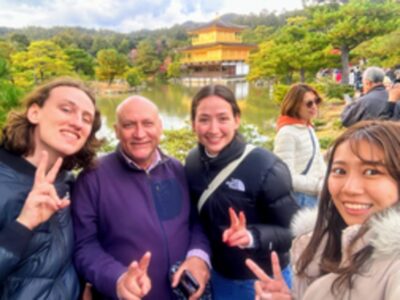
Fushimi Inari, Kinkakuji, Bamboo Grove 1 Day Bus Tour
Read our review →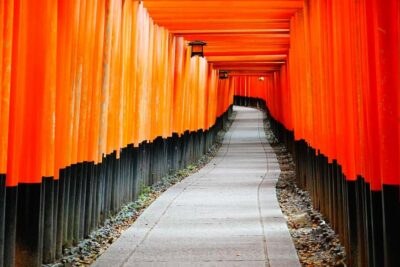
Kinkakuji,Arashiyama,FushimiInariShrine,NaraPark
Read our review →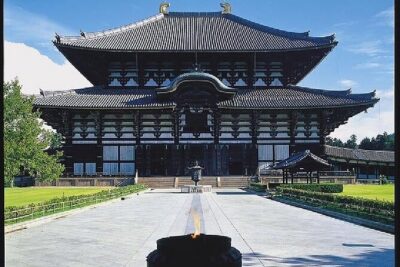
Nara, Fushimi Inari Taisha, Arashiyama Bus Tour
Read our review →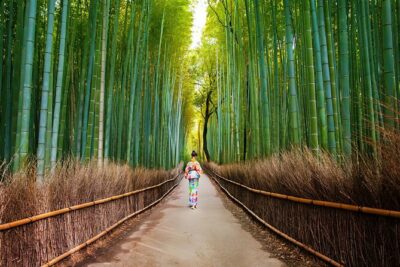
Kyoto Arashiyama Walking Tour: Bamboo, Monkeys, Gardens & Secrets
Read our review →
Arashiyama Bamboo, Temple, Monkeys, or Secret Sake Brewery
Read our review →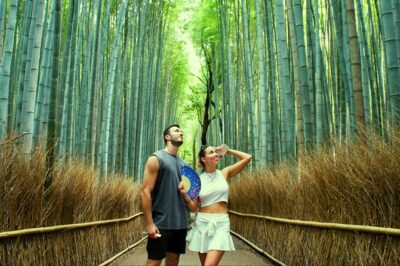
Arashiyama Bamboo Forest, Monkeys, Matcha & Temple Tour
Read our review →
Arashiyama, Nara & Fushimi Inari Shrine w/Lunch
Read our review →
Nijo, Kinkaku-ji, Arashiyama, Kiyomizu & Fushimi Inari
Read our review →Also filed under