
Reviewed · GION GEISHA QUARTER WALKS
Gion at Night: Secrets and Legends of the Geishas
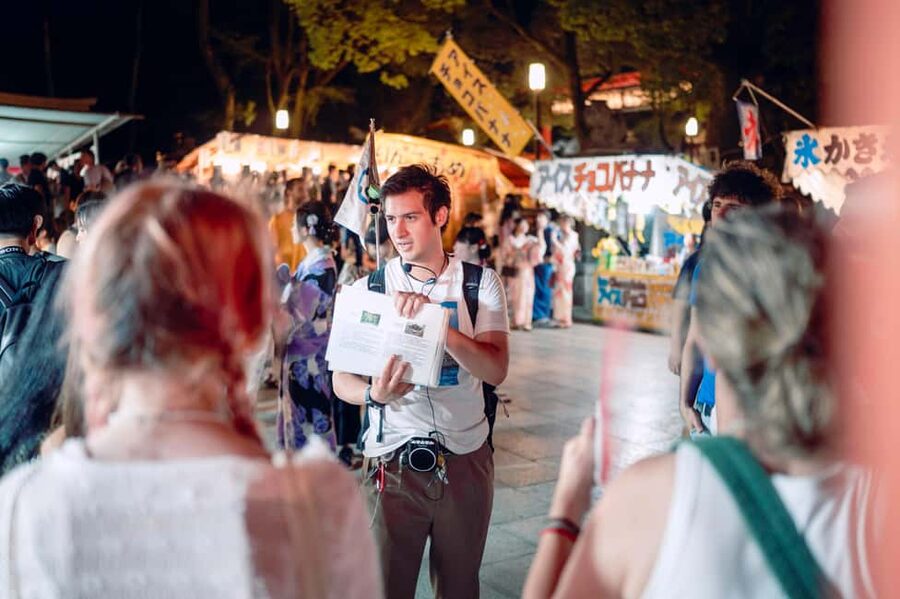
Lantern light changes Gion into a living story. This 150-minute small-group night walk is built for people who want Kyoto’s geisha culture in a calmer setting, with secret stops and real context from a Spanish-speaking guide. You’ll hit the major sights at night, but you won’t feel herded through them.
What I especially like is how the tour pairs famous landmarks with explanations that make them make sense. You start at Minamiza Theater, then move through photogenic spots like Tatsumi Bridge and classic lanes like Hanamikoji Street, where tradition still shows up in everyday scenes. The guide storytelling matters here, and one Spanish guide named Sime has earned strong praise for being clear and for managing the group well.
One possible drawback: this is not wheelchair accessible, and Gion streets can still feel busy even on a night tour. Also, you need to arrange your own way to the meeting point, since transportation is not included.
In This Review
- Key Highlights You’ll Care About
- Why Gion at Night Feels Different
- Starting at Minamiza Theater: Setting the Cultural Frame
- Tatsumi Bridge at Night: A Photo Stop With Context
- Hanamikoji Street: Tea House Streets and Geisha Culture
- Gion Lanes and the Quiet Parts You Actually Want
- Gion Corner as a Night Finale
- Yasaka Shrine at Night: Lit Up and Peaceful
- Price and Value: What $21 Buys You
- Guide Quality in Spanish, and Why It Changes Everything
- Finding the Meeting Point and Staying On Track
- Practical Tips to Make the Walk Feel Easy
- Who This Tour Fits Best
- Should You Book This Gion Night Tour?
- FAQ
- How long is the Gion at Night tour?
- Where does the tour start?
- Where is the meeting point located?
- What stops are included during the walk?
- Is food or drinks included?
- Are show tickets included?
- What language is the tour guide?
- How big is the group?
- Is the tour wheelchair accessible?
- What are the cancellation and payment options?
Key Highlights You’ll Care About
- Small groups (max 15) keep the pace human and make it easier to ask questions.
- Spanish guide (fluent) means you get the story behind Gion, not just photos of it.
- Iconic nighttime stops include Minamiza, Hanamikoji Street, Tatsumi Bridge, Gion Corner, and Yasaka.
- Secret spots and a less crowded route help you see more of the neighborhood feel.
- A chill atmosphere makes this work even if you’re not a Japan expert.
Why Gion at Night Feels Different
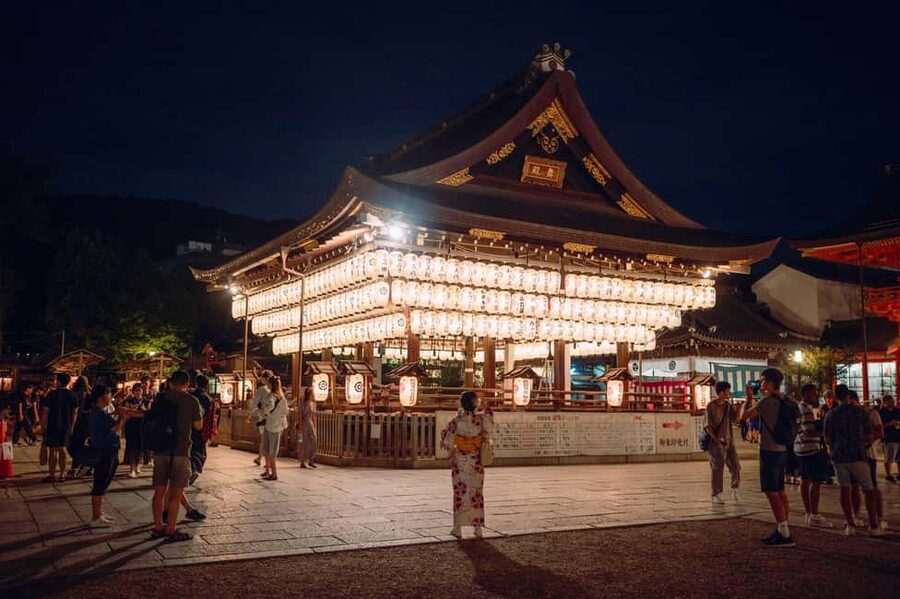
Gion at night has a slower tempo than daytime. Daytime is for crowds, quick selfies, and people rushing to the next postcard. Night is when you notice the small details: the way lanterns catch on wood, the stillness around shrines, and the quiet theater energy at performance-focused stops.
This tour leans into that calmer mood. It’s 150 minutes, long enough to see several major places, but paced like a walk with stories, not a sprint. That time matters because it gives you room to look up, listen, and absorb what you’re actually seeing.
It also helps that you’re with a limited group size. With up to 15 travelers, you’re less likely to lose the guide and more likely to get answers when you have questions. If you’ve ever joined a big walking tour and spent half the time playing catch-up, you’ll understand why that changes the whole experience.
Starting at Minamiza Theater: Setting the Cultural Frame
You begin at Minamiza Theater, and that start point is a smart move. It cues you that this is not only about pretty streets, it’s about performance culture and how tradition shows up in real places. Even if you know almost nothing about geisha culture, beginning here helps you understand why the night stops matter.
The guided time at Minamiza is short, around 10 minutes, so think of it as orientation. The guide uses that opening to set expectations, explain key terms you might hear later, and connect what you’re about to see with the traditions tied to the neighborhood.
Practical takeaway: arrive on time and be ready to start walking quickly. Night tours in central Kyoto depend on flow. If you’re late, you’ll feel it fast.
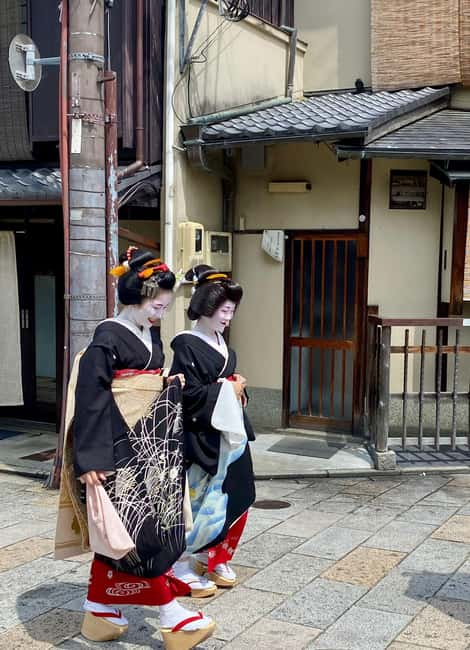
Lantern-lit streets of the geisha quarter
- Kyoto Geisha Walking Tour: Gion District & Hidden Gems
★ 4.7 · 3,273 reviews - Kyoto: Gion Magical Night Walking Tour with Geisha Trivia
★ 4.9 · 2,393 reviews - Kyoto: Gion Geisha District Walking Tour – Stories of Geisha
★ 4.7 · 2,187 reviews - Best of Kyoto: Gion, Geisha, Pagodas & Cobblestones
★ 4.9 · 2,058 reviews
Tatsumi Bridge at Night: A Photo Stop With Context
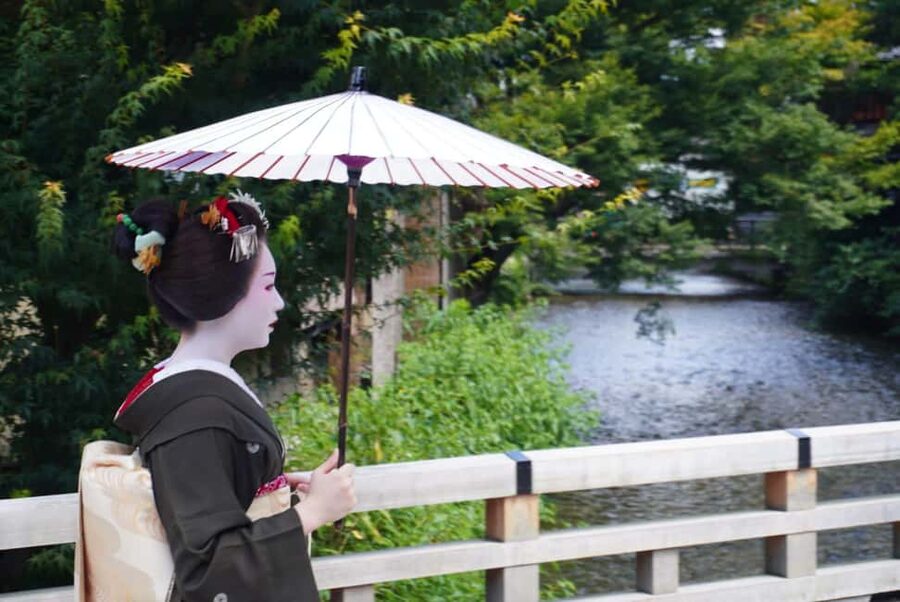
Next comes Tatsumi Bridge, a place built for photos. It’s also a place that can easily turn into just a photo-op if you rush through. The difference here is the guide’s pacing and the story context around what you’re seeing.
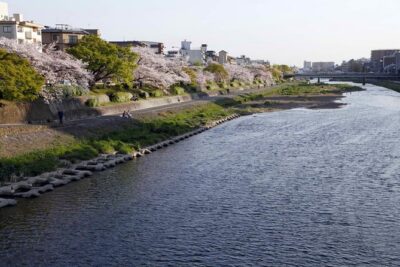
About 10 minutes is planned for this stop, which is enough time to do two things without getting stuck: take a few photos, and actually look at the neighborhood around the bridge. At night, the light softens the scene and turns small streets into something more cinematic. That’s when you notice the bridge as a connector, not only a landmark.
If you’re the type who likes composition, this is your moment. If you’re more interested in stories than photos, you’ll still get value because the guide links the bridge area to what makes Gion tick after dark.
Hanamikoji Street: Tea House Streets and Geisha Culture
Then you head to Hanamikoji Street, one of the best-known lanes in Gion. The draw is obvious: tea houses, traditional storefronts, and the sense that you’re walking inside the set of a classic Kyoto scene. What makes this tour more useful is how it frames the street beyond the obvious visuals.
The guide puts time here, around 10 minutes, to help you read the street. You’ll hear fun facts and stories tied to local customs and geisha-related traditions, and the guide can help you understand what you’re looking at in a way that feels grounded, not just romantic.
A balanced note: Hanamikoji is famous for a reason. Even on a tour designed to avoid the worst crowd moments, you should expect foot traffic. In one case, a guest noted it felt more crowded than expected. My advice is simple: keep your expectations flexible and focus on the guide’s narrative, not on having the street to yourself.
Gion Lanes and the Quiet Parts You Actually Want
After Hanamikoji, you move through the Gion area itself for another guided segment. This is where the tour’s promise of secret spots starts to feel real. The route is built to get you off the most obvious paths long enough to feel like you understand the neighborhood, not just visited it.
That’s the point of small groups again. In a big crowd, you’re just reacting to movement. In a smaller one, you can notice patterns: how streets connect, which corners feel calmer, and where the lantern light creates those still, reflective moments.
This is also where the tour’s vibe makes sense. You’re not doing a checklist. You’re walking long enough to feel like the neighborhood has a personality.
If you care about cultural etiquette, this part can help you slow down. You’ll be watching respectfully, learning what to look for, and understanding why certain areas feel different.
Gion Corner as a Night Finale
You’ll finish at Gion Corner, a place known for traditional shows. The tour uses Gion Corner as a natural closing point, giving you a strong sense of how performance culture fits into Gion’s life after dark.
You don’t need to buy extra show tickets as part of the tour package. Tickets to shows or private tea houses are listed as not included. That means what you get from the tour here is more about guidance and context, so you can decide what you want to experience further on your own time.
One thing I like about closing at a show-focused stop: it leaves you with a clear takeaway. After wandering, you end with something structured, and that can make the whole night feel coherent instead of scattered.
A quieter way to spend a day in Kyoto



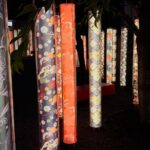
Yasaka Shrine at Night: Lit Up and Peaceful
Along the way, the tour description also points to Yasaka Shrine, lit up and peaceful at night. This stop is valuable because it breaks the urban lane experience and shifts you into a calmer spiritual mood.
Even when you’re focused on geisha culture, a shrine stop changes your perspective. It reminds you that Kyoto tradition is not only entertainment or theater. It’s part of daily life, reflected in the way people gather and move through space.
One practical consideration: at night, you’ll be watching your footing on uneven areas and navigating crowds. If you’re sensitive to standing still, plan to keep moving and let the guide guide your timing.
Price and Value: What $21 Buys You
At $21 per person for 150 minutes, the price is in the low-to-mid range for a guided cultural walk in a central Kyoto neighborhood. You’re paying for three things: a Spanish guide, a route that tries to avoid the most crowded feel, and time spent at multiple landmark locations.
Here’s where the value logic really matters. This is not a tour that only drops you at one famous spot and sends you off. You get several iconic stops, plus the guide’s stories that turn those stops into something you can actually remember and repeat later.
The small-group cap of 15 travelers also matters. If you’ve ever paid for a walking tour and spent most of it shoulder-to-shoulder, you’ll know this is where the experience can either stay pleasant or turn into a crowded shuffle.
What’s not included is also part of the value equation. Transportation to and from the meeting point is not included, and there’s no food or drinks. Show tickets are not included either. So yes, you’ll plan a bit around meals and transit. But that’s also why the tour can keep the focus on walking, stories, and sight-reading.
Guide Quality in Spanish, and Why It Changes Everything
This is a Spanish-speaking tour with a guide listed as fluent. That’s not a small detail. In Kyoto cultural experiences, the difference between a basic guide and a clear storyteller is huge. With Spanish fluency, you can ask questions without guessing, and you’ll likely catch the key cultural meanings behind what you’re seeing.
One standout detail from the feedback is praise for a guide named Sime, with comments about him being explanatory, clear, and good at managing the group. Even if your guide is someone else, this is the right signpost to look for: clarity and group management.
There’s also a note that some content is shown in its original language. That’s common in Japan tours, and it can actually be helpful if the guide translates and explains what you’re hearing. If you’re the type who hates any confusion, go in expecting a mix of language and explanation, not a fully scripted lecture with every term translated.
Finding the Meeting Point and Staying On Track
You’ll meet at Minamiza Theater, and the guide will be waiting with a blue flag with a panda logo. You can use these coordinates to locate the spot: 35.0034444, 135.7724632.
This is one of those practical details that prevents stress later. Night starts can be tricky when streets blend into each other. A recognizable flag makes it easier to get oriented quickly.
Also, transportation is not included, so you’ll want to plan how you’ll get there. The tour is listed as close to public transport, which is good news if you want an easy arrival.
Practical Tips to Make the Walk Feel Easy
A night walking tour sounds romantic, then you realize you still need to walk. So plan like it’s a real walk.
- Wear comfortable shoes with good traction. Gion streets can be uneven, and it’s dark.
- Bring a light layer. Kyoto nights can feel cooler than you expect once you’re out for a while.
- If you care about photos, be ready to pause quickly at scenic moments. The stops are guided, and timing matters.
- Since there’s no food or drinks included, eat before you go, or plan a meal afterward. Don’t count on grabbing something mid-tour.
Group pace is another reason to prepare. With a 150-minute duration, you’ll likely walk between stops at a steady rhythm. If you prefer long stops with no movement, this format might feel a bit active. If you like learning while you walk, it’s a good match.
Who This Tour Fits Best
This experience is a good fit if you want a night-focused view of Gion and you like learning the story behind the scenery. It’s also a strong choice if you’re traveling with limited time and want multiple iconic landmarks connected by a guide’s explanation.
It’s especially suitable for:
- People who want small-group attention instead of a big crowd experience
- Spanish speakers, or anyone who prefers explanations in Spanish
- Travelers who enjoy cultural context, not only sightseeing photos
It may be less ideal if:
- You need wheelchair accessibility, since it is not wheelchair accessible
- You dislike crowds and expect total solitude in central Gion
- You want food included in the price
Should You Book This Gion Night Tour?
If you want a guided way to see Gion after dark, I think this is a solid booking. The biggest reasons are the small group size, the Spanish fluency, and the way the tour connects landmarks like Minamiza, Hanamikoji Street, Tatsumi Bridge, and Gion Corner into a single night story. For $21, you’re paying for a guided route plus cultural interpretation, not just a stroll.
I’d book especially if you’re the type who enjoys understanding etiquette, traditions, and why certain places feel significant. I’d hesitate only if you know you cannot manage uneven streets or if you’re extremely sensitive to any crowding in famous central areas. And one practical step before you go, check the exact details of what you’re paying for on your booking confirmation, so there’s no confusion about any end-of-tour expectations.
FAQ
How long is the Gion at Night tour?
The tour duration is 150 minutes.
Where does the tour start?
The tour starts at Minamiza Theater. The guide will be waiting with a blue flag that has a panda logo.
Where is the meeting point located?
The meeting point coordinates are 35.0034444, 135.7724632.
What stops are included during the walk?
The tour includes guided time at Kyōto Minami-za (Minamiza Theater), Tatsumi Bridge, Hanamikoji Street, and the Gion area. The experience also references Yasaka Shrine, and it finishes at Gion Corner.
Is food or drinks included?
No. Food and drinks are not included.
Are show tickets included?
No. Tickets to shows or private tea houses are not included.
What language is the tour guide?
The tour guide speaks Spanish fluently.
How big is the group?
The tour has a maximum of 15 travelers.
Is the tour wheelchair accessible?
No, it is not wheelchair accessible. It is accessible for baby strollers.
What are the cancellation and payment options?
You can cancel up to 24 hours in advance for a full refund. There is also a reserve now and pay later option.
New This Season
- Koyasan Day Trip by Private Car from Kyoto
- Old Port Town and Ultimate Sake Tasting Private Tour From Kyoto
- Kyoto’s Timeless Charm: 3hr Exploration of History and Peace
- Kyoto: 5 Types of Sushi Making
- Sacred Peak & Ancient Paths: Kurama-Kibune Hiking Experience
- Kyoto: Exclusive ZEN practice at Manpukuji temple in Uji
- Kyoto: Private Seasonal Aroma Yoga Class
- Traversing Kyoto’s Scenic West – Arashiyama to Kinkakuji
Gion Geisha Quarter Walks, compared.
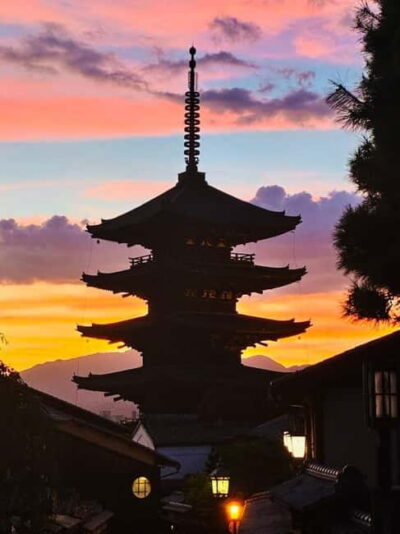
Kyoto Geisha Walking Tour: Gion District & Hidden Gems
Read our review →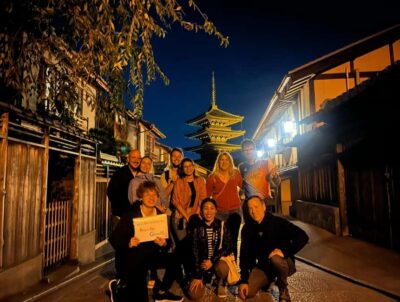
Gion Magical Night Walking Tour with Geisha Trivia
Read our review →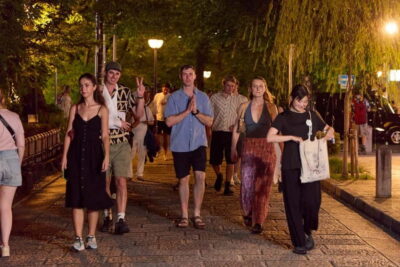
Gion Geisha District Walking Tour – Stories of Geisha
Read our review →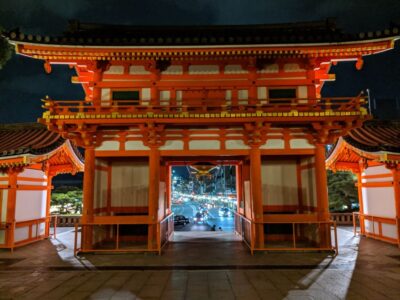
Best of Kyoto: Gion, Geisha, Pagodas & Cobblestones
Read our review →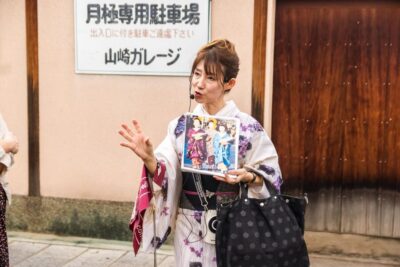
Kyoto Night Foodie Tour in Gion (9+ dishes + 6 Sake tastings)
Read our review →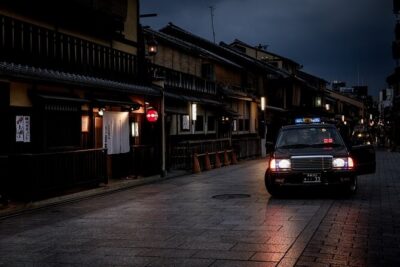
Kyoto Gion Geisha District Walking Tour – The Stories of Geisha
Read our review →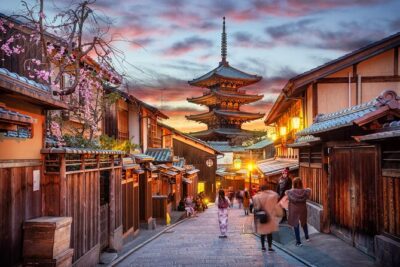
Kyoto Gion: 2-Hour Geisha Culture & History Walking Tour
Read our review →Also filed under